Biography
Pamelo Mounk’a: the golden voice of Congolese rumba
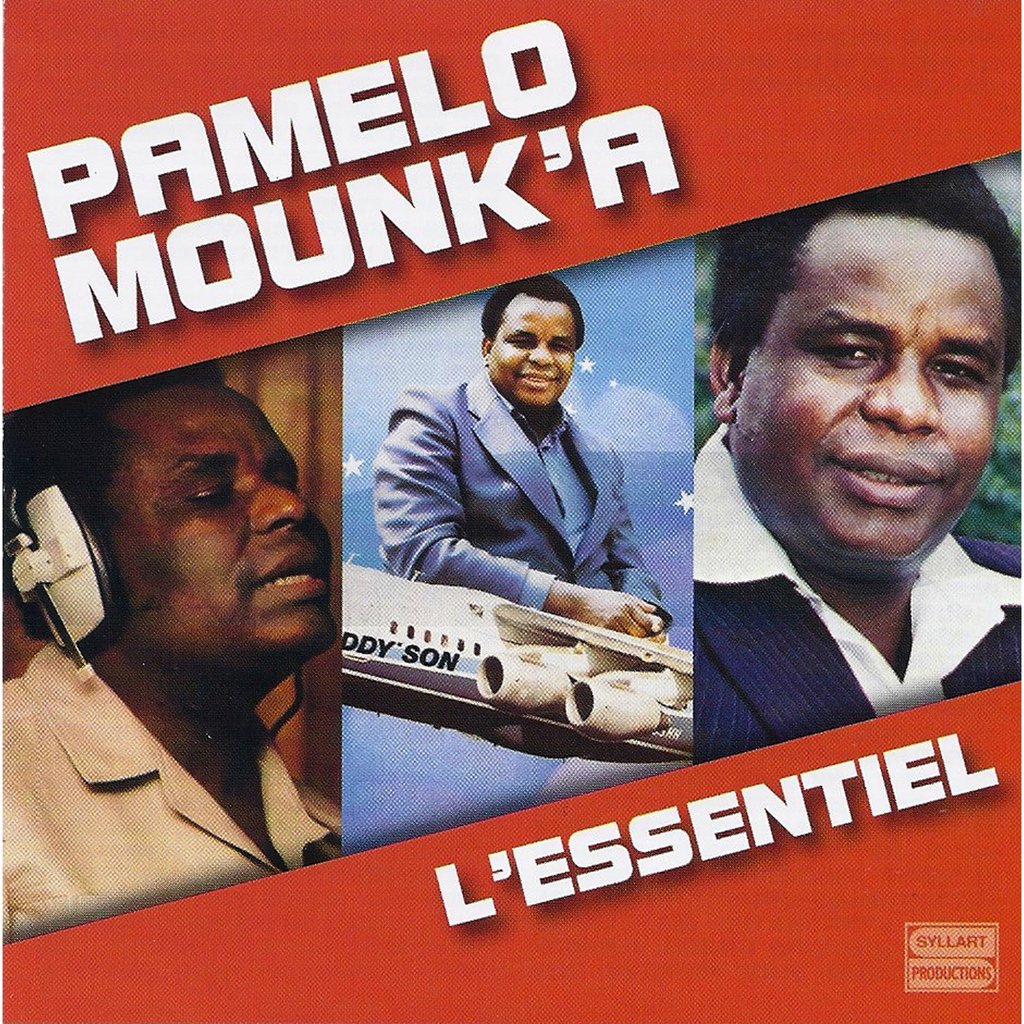
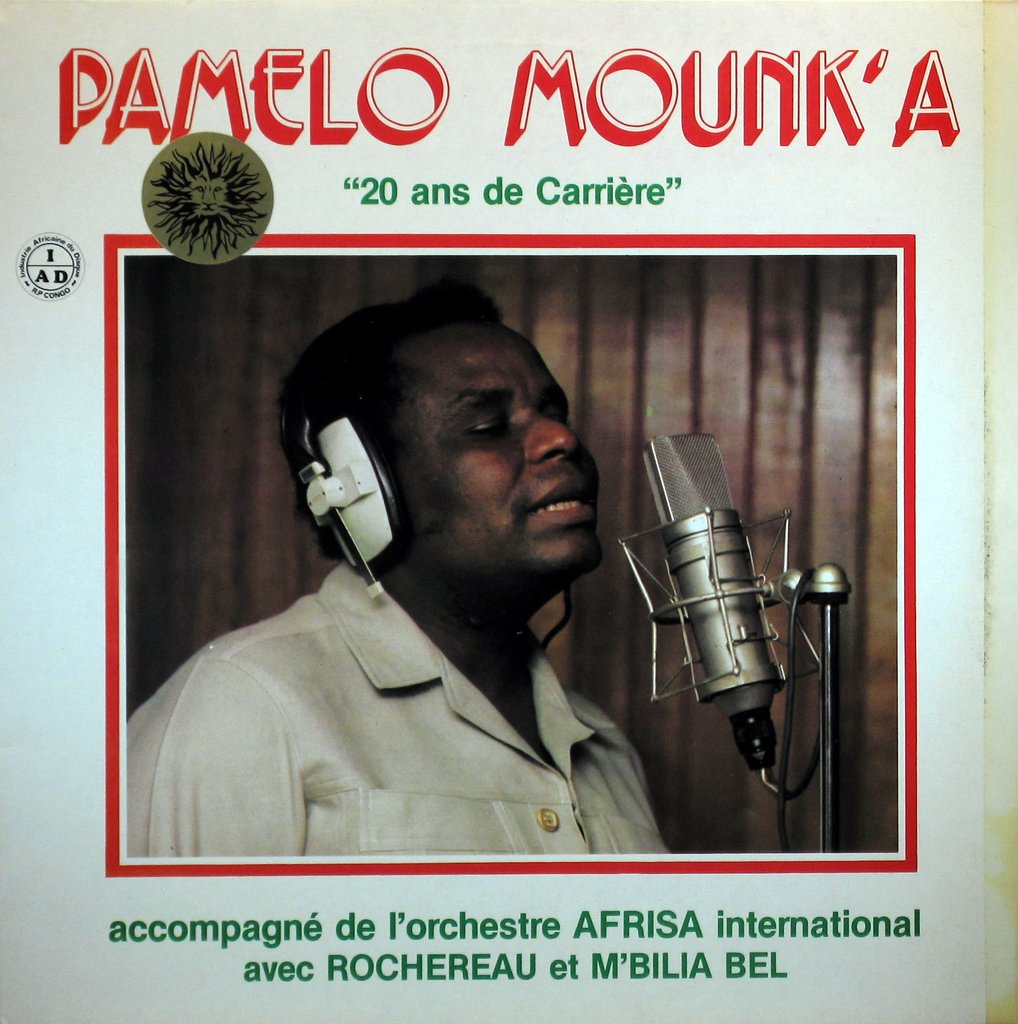
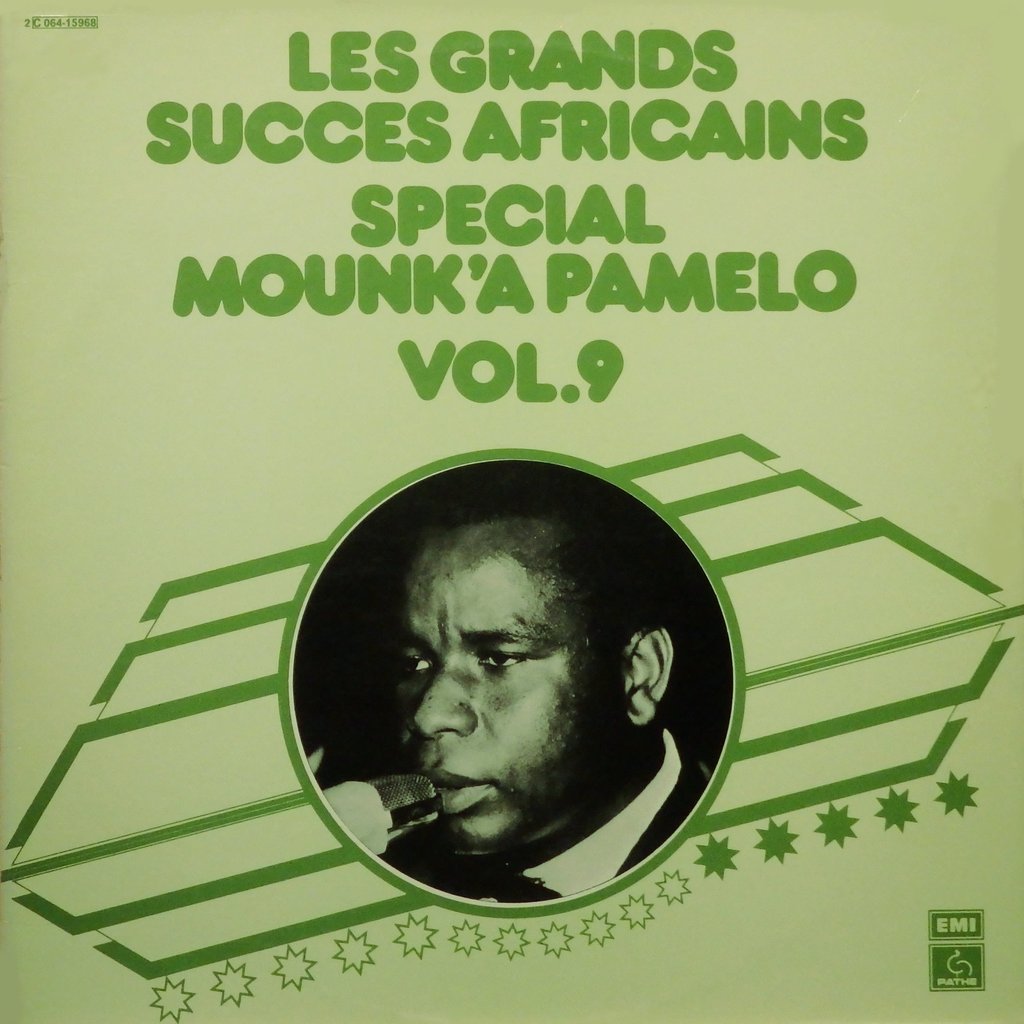
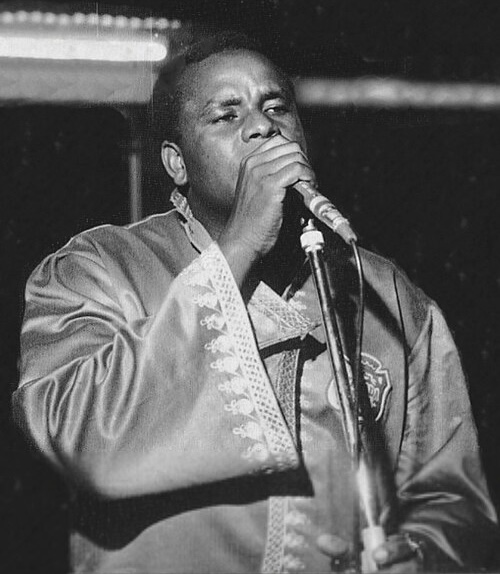
Brazzaville, Poto-Poto. The neighborhood teenagers listen to guitars on the radios1. One of them, Yvon Mbemba, will become Pamelo Mounk’a, one of the most powerful voices of Congolese rumba. Singer and composer, he left behind more than 70 singles and the album L’Argent Appelle L’Argent, sold in 400,000 copies on the African continent.
In brief
| Full name | Yves André M’Bemba |
| Stage names | Pamelo M’Bemba, Pablito, Pamelo Mounk’a |
| Birth | May 10, 1945, Brazzaville, Congo |
| Death | January 14, 1996 (50 years), Brazzaville |
| Genre(s) | Soukous, Congolese rumba |
| Instruments | Vocals |
| Labels | Eddy’Son, Syllart, Sonodisc |
| Groups | Les Bantous de la Capitale, African Fiesta, Trio CEPAKOS |
| Notable works | L’Argent Appelle L’Argent, Samantha, “Masuwa” |
| Awards | Best African Music Artist (1981, 1982) |
Key dates
| Year | Event |
|---|---|
| 1945 | Birth in Brazzaville, Poto-Poto |
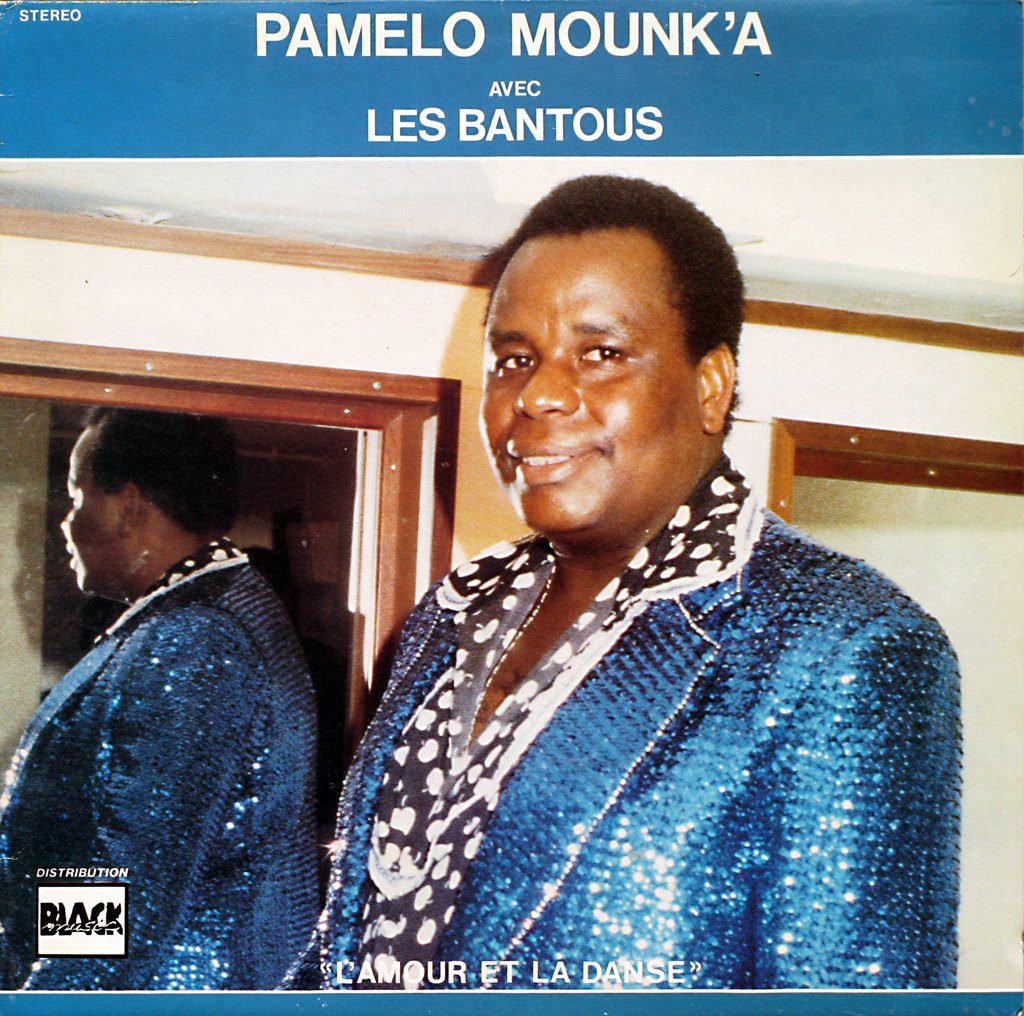
| 1963 | Recruited by Jean Serge Essous at Les Bantous de la Capitale |
| 1964 | African Fiesta by Tabu Ley Rochereau in Kinshasa |
| 1968 | Release of “Masuwa”, anthem of soukous |
| 1972 | Founding of Trio CEPAKOS with Kouka Celio and Montouari Kosmos |
| 1981 | Solo in Paris: L’Argent Appelle L’Argent and Samantha |
| 1986 | Return to the Bantous as orchestra leader |
| 1996 | Death; bust erected by the Ministry of Culture |
Musical career
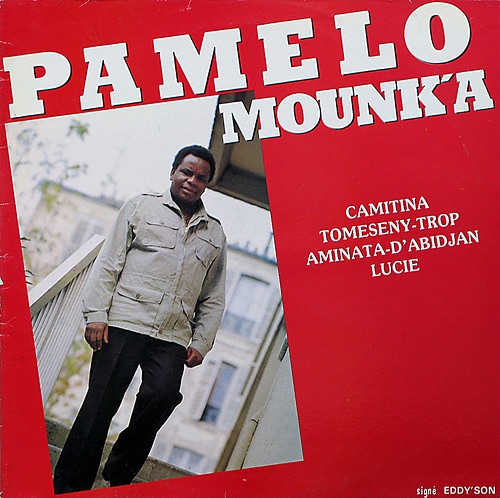
Yvon Mbemba, also known as Yvon Mbemba Bingui, grew up in the cosmopolitan neighborhood of Poto-Poto. Fascinated by African Jazz, he crossed the Congo daily to listen to the group in Kinshasa and composed his first tracks. Jean Serge Essous recruited him at Les Bantous de la Capitale on July 28, 1963, at the age of eighteen. His first song, “Na landa bango”, marked the beginning of an adventure of nearly twenty years. The following year, under the nickname “Pablito”, he joined African Fiesta by Tabu Ley Rochereau2. The political situation forced him to return to Brazzaville, where he recorded “Eloko kombo bolingo” and then “Camitina”, appearing for the first time under the name Pamelo.
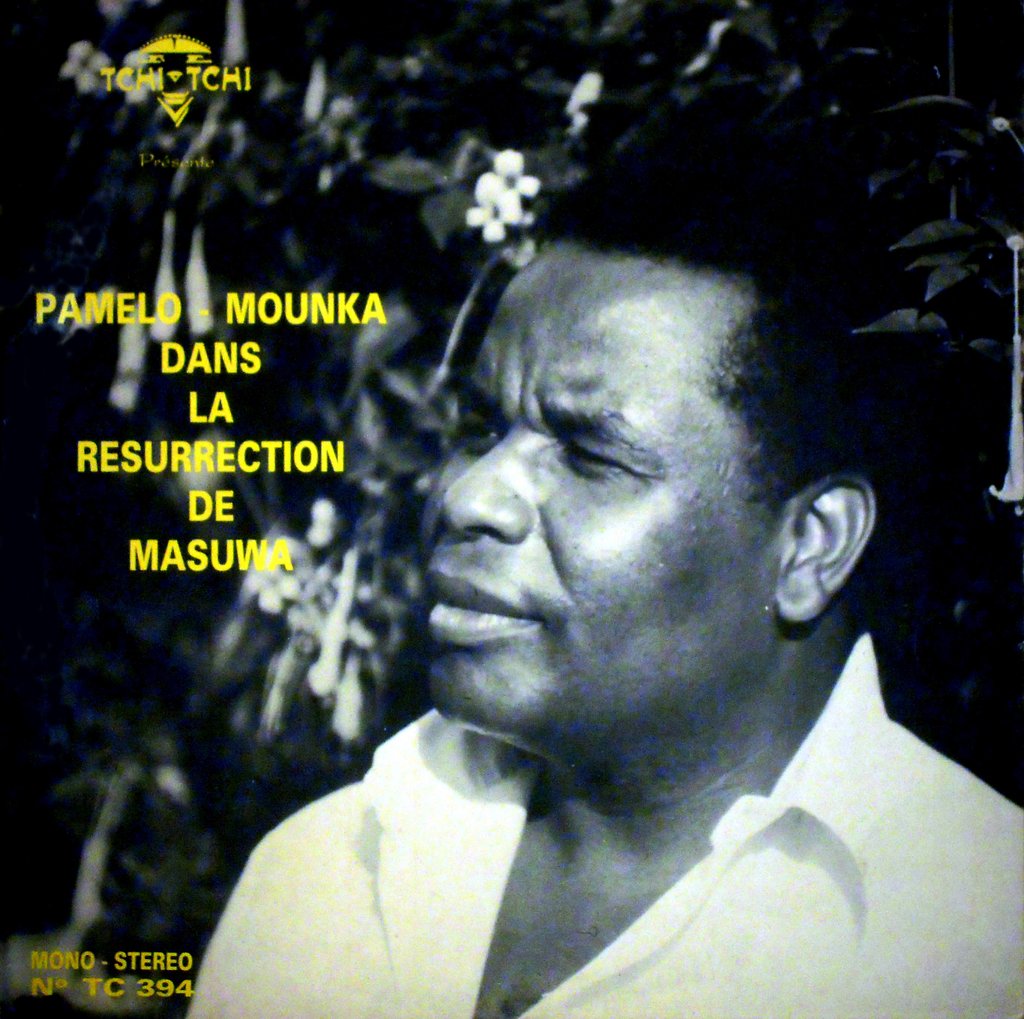
In July 1968, Pamelo released “Masuwa”3. This track, released by Pathé Marconi, caused a seismic shift in the Congolese music ecosystem. It marked the emergence of the soukous rhythm—an evolution of Congolese rumba where guitars arpeggiate rapidly over a dancing tempo—of which Pamelo was one of the founders. Tabu Ley covered “Masuwa” at the Olympia in Paris in 1970.
In 1972, Pamelo founded Trio CEPAKOS. His compositions—“Sonia”, “Alléluia Mounk’a”, “Mwana Mboyo”—became anthems. The group remained popular in Brazzaville but struggled to establish itself beyond Central Africa. In 1978, he returned to the Bantous for the World Youth Festival. Feeling exploited, he flew to Paris4.
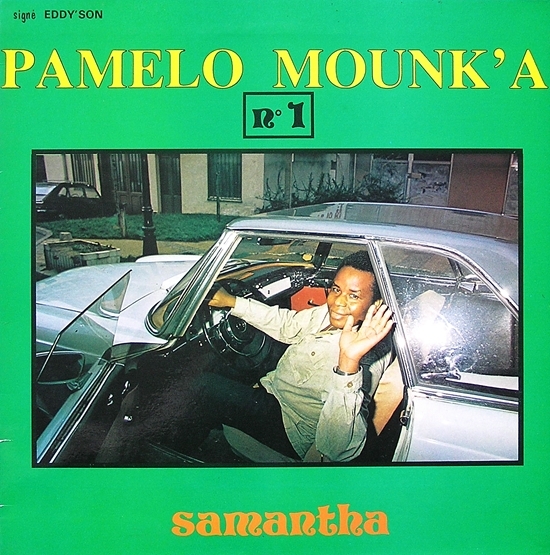
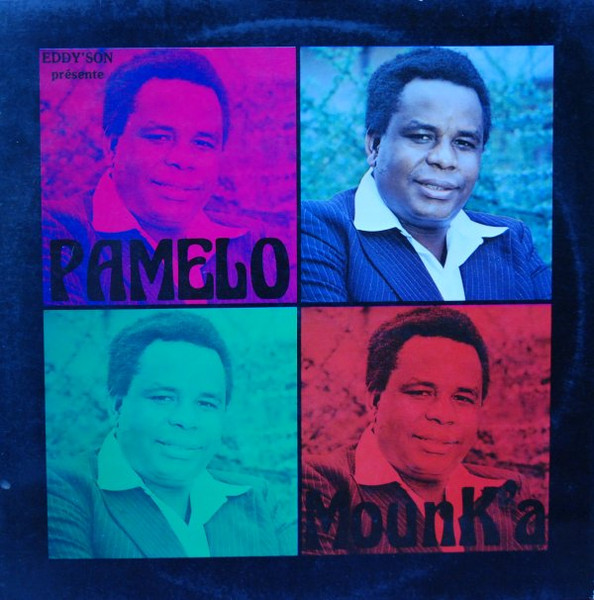
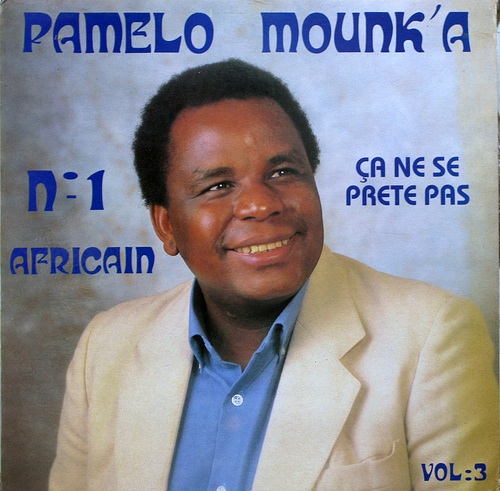
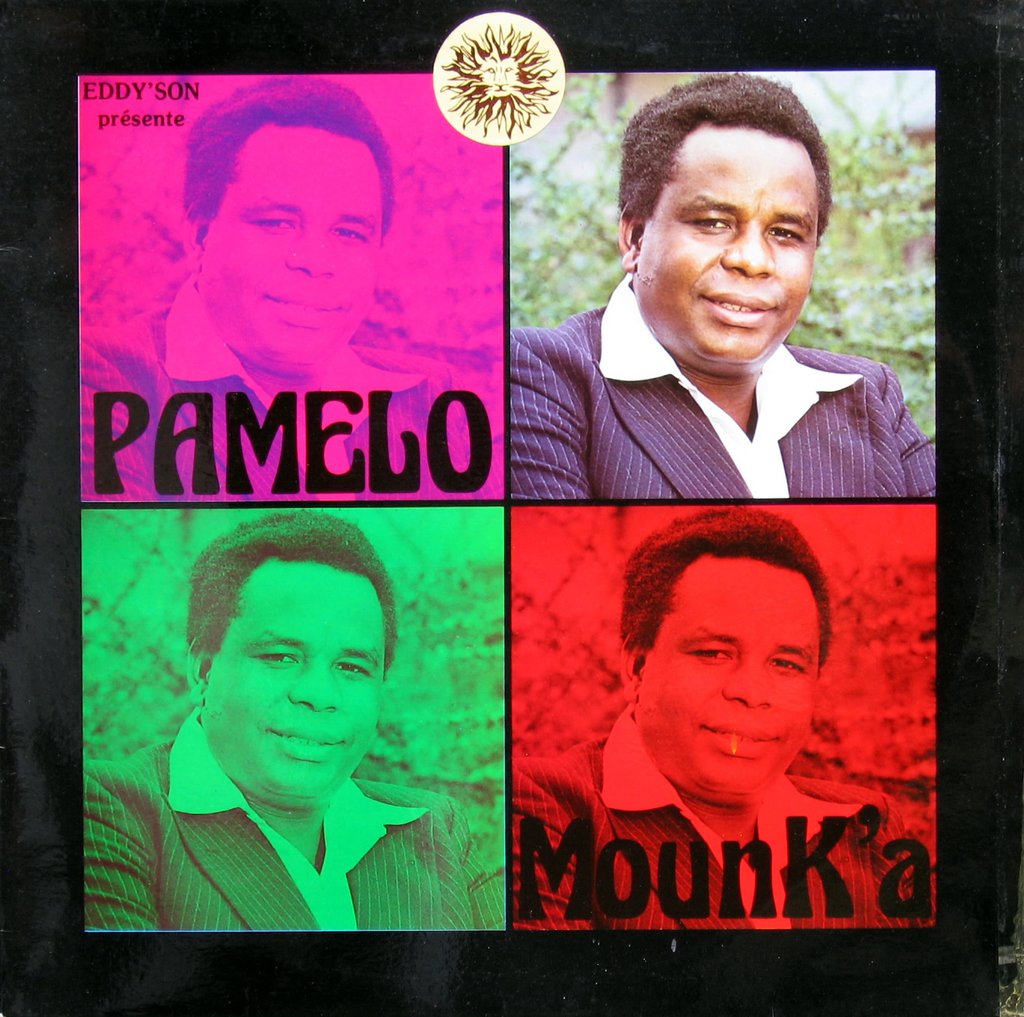
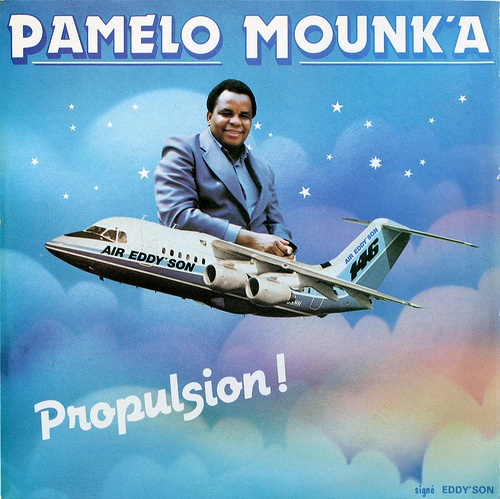
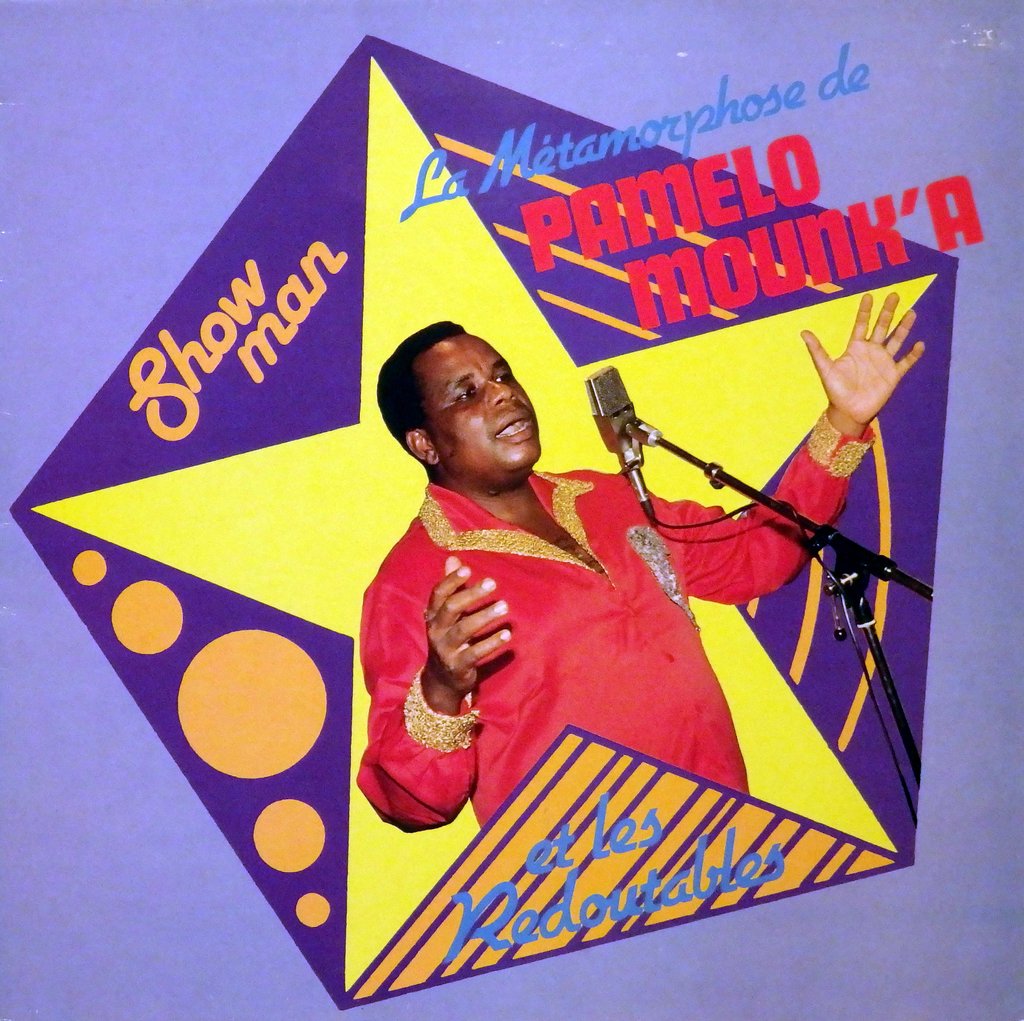
Under the name Pamelo Mounk’a—borrowed from the Bateke, meaning glory—he signed with Eddy’Son and recorded L’Argent Appelle L’Argent, produced by Eddy Gustave. The album became a phenomenon. Samantha, No. 1 Africain, and then En Plein Maturité (1985), often considered his most accomplished work5, completed an exceptional solo period.
In 1986, he accepted a third return to Les Bantous. Health problems forced him to step down from leadership. He co-founded Bantous Monument in 1989, his last musical project. He died on January 14, 1996, in Brazzaville from complications of diabetes6.
Major works
| Work | Year | Why it is essential |
|---|---|---|
| “Masuwa” | 1968 | Founding anthem of soukous, covered at the Olympia in 1970 |
| “Na landa bango” | 1963 | First track recorded with Les Bantous de la Capitale |
| “Lucie” | 1964 | First hit recorded in Kinshasa with African Fiesta |
| L’Argent Appelle L’Argent | 1981 | Solo masterpiece sold in 400,000 copies |
| En Plein Maturité | 1985 | Considered by critics as his most accomplished work |
Legacy
The Congolese Ministry of Culture erected a bust in his honor. Artists such as Extra Musica cite his name as a founding influence. Twenty years after his death, testimonials pay tribute to this star of the Congolese music world7. His tenor voice and compositions continue to inspire a new generation of Congolese musicians.
Sources and references
-
Wikipedia, Pamelo Mounk’a ↩︎
-
Last.fm, Biography of Pamelo Mounk’a ↩︎
-
RFI Musique, Archive du jour: Death of Pamelo Mounka (1996) ↩︎
-
Jabulani Radio, Biography of Mounk’a, Pamelo ↩︎
-
AllMusic, Pamelo Mounka — Biography, Discography, Albums ↩︎
-
The Guardian, March 21, 1996, obituary by Graeme Ewens ↩︎
-
ADIAC-Congo, Souvenir: Pamelo Mounka twenty years already ↩︎