Biography
Papa Wemba: The Nightingale of the Kasaï Who Made the World Dance
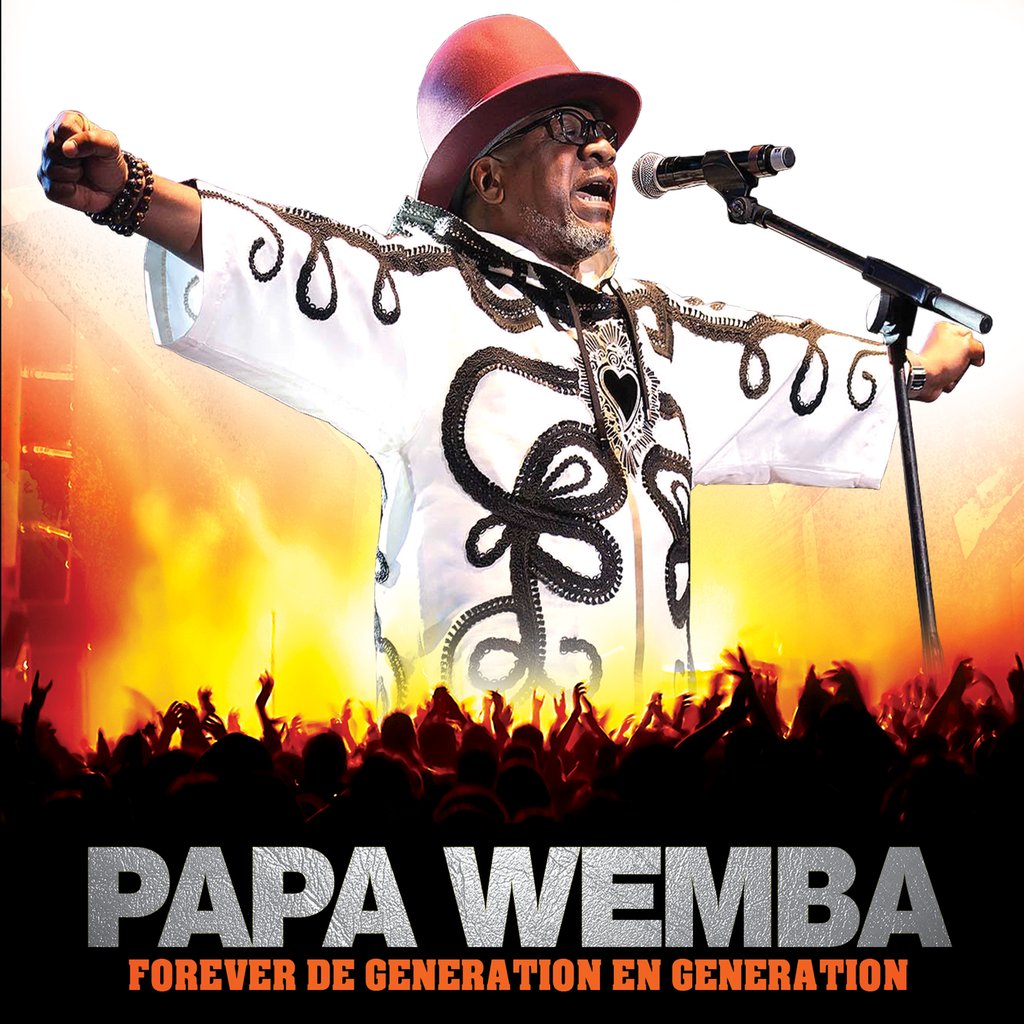
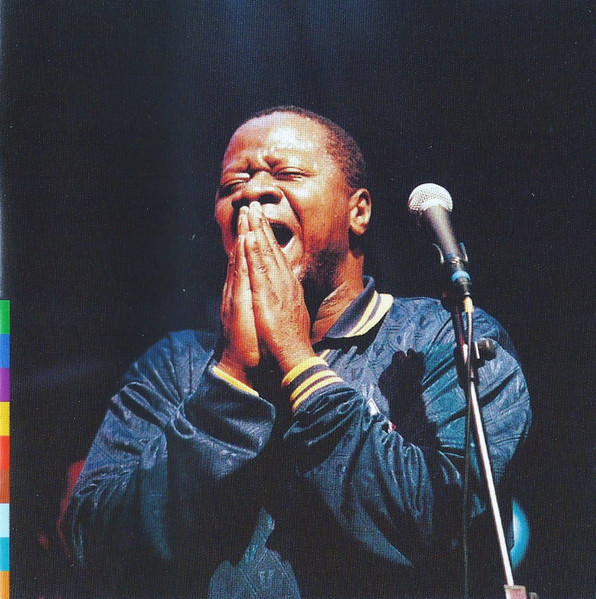
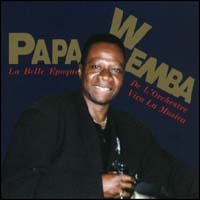
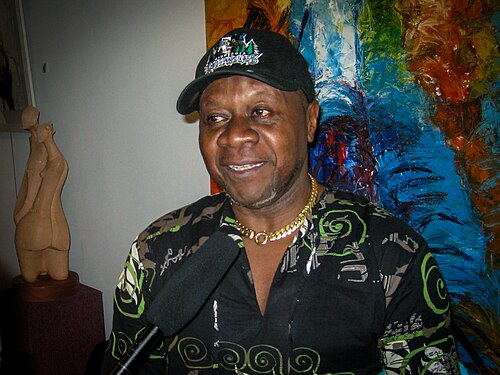
On April 24, 2016, in the dead of night at Abidjan, Papa Wemba collapsed on stage at the FEMUA festival. The musicians rushed to his aid, the audience screamed, but it was too late: that evening, at sixty-six years old, the “Nightingale of the Kasaï” stopped singing. The news spread like a bushfire, causing unprecedented mourning throughout Africa.
In Brief
| Full Name | Jules Shungu Wembadio Pene Kikumba, known as Papa Wemba |
| Birth | June 14, 1949, Lubefu, Belgian Congo |
| Death | April 24, 2016, Abidjan (Côte d’Ivoire) |
| Genre | Congolese Rumba, Soukous, World Music |
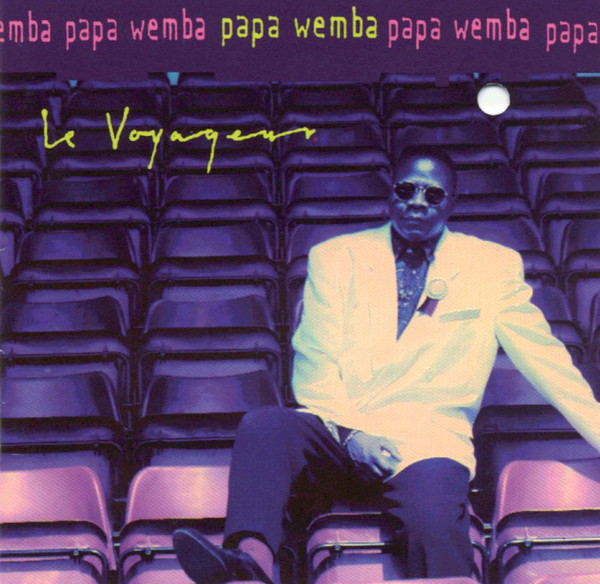
| Notable Works | Le Voyageur (1992), Emotion (1995), Molokaï (1998) |
| Awards | Best African Headliner at the Kora Awards 1997 |
Key Dates
| Year | Event |
|---|---|
| 1949 | Birth in Lubefu, Belgian Congo |
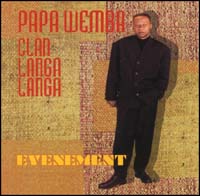
| 1969 | Co-founder of Zaïko Langa Langa |
| 1977 | Creation of Viva La Musica |
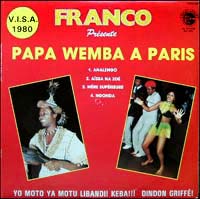
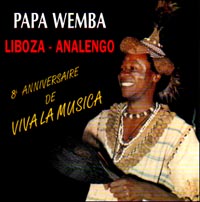
| 1980 | Pan-African success with Analengo |
| 1988 | First international album (label Sterns) |
| 1992 | Le Voyageur, on Peter Gabriel’s Real World label |
| 1995 | Emotion, world music consecration |
| 198 | Molokaï, third and final Real World album |
| 2003 | Imprisoned for three months in France over a visa case |
| 2016 | Death in Abidjan, April 24 |
From the Kasaï to the World Stage
Jules Shungu Wembadio Pene Kikumba was born on June 14, 1949, in Lubefu, in the Kasaï region. As a child, his family moved to Léopoldville (future Kinshasa). His father, a former colonial soldier from the Second World War, had turned to hunting. His mother, Marie Nyondo, was a “professional mourner” — an essential traditional role at funeral vigils. She took her son with her, and it was in these spaces where music and pain intertwined that Jules discovered his passion for singing.
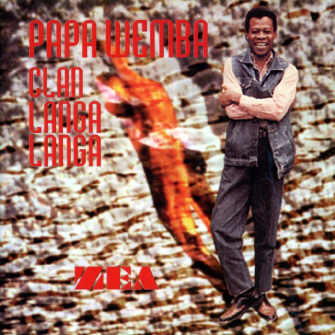
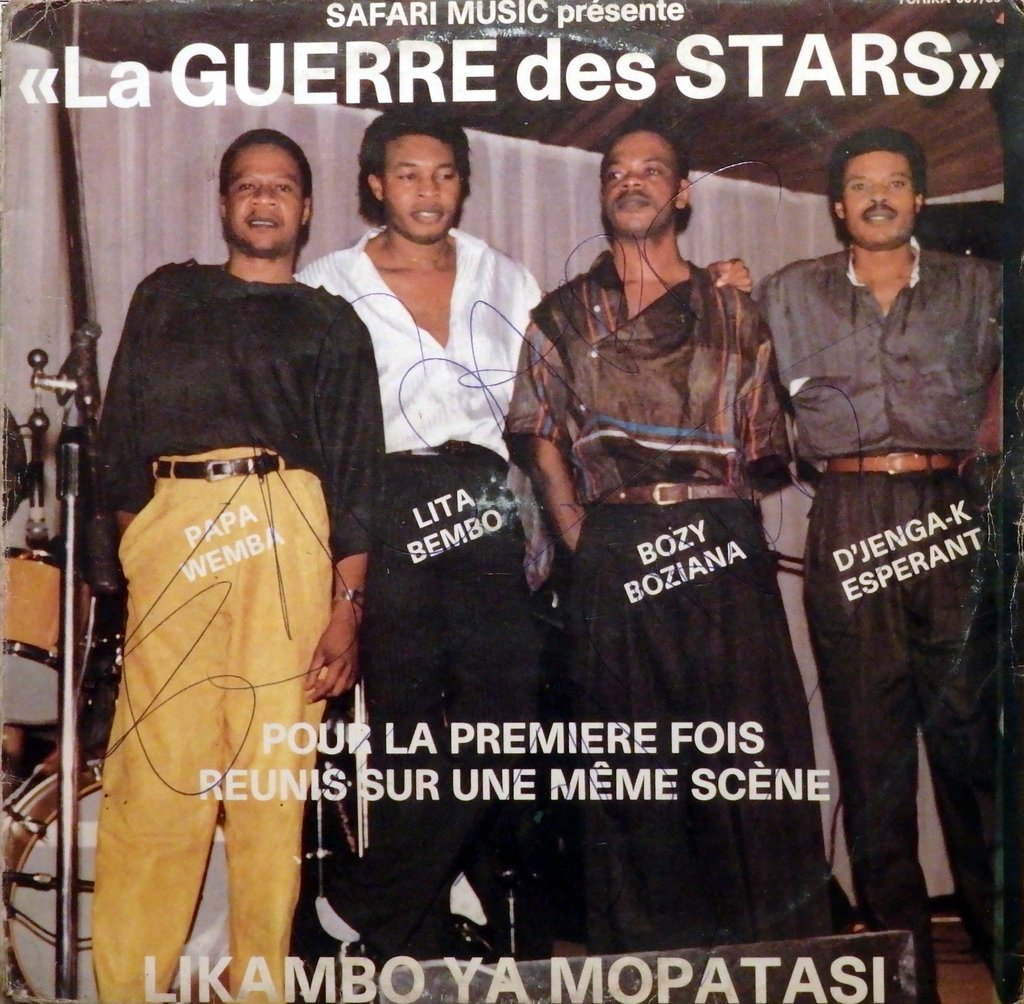
His father, fiercely opposed to this vocation, dreamed of a legal career for him. Young Jules studied at the École Pigier and sang in his parish choir in Matonge. In 1966, his father’s death freed him from all constraints. He began singing in neighborhood orchestras under the pseudonym “Jules Presley,” paying homage to the American star. On December 24, 1969, at twenty years old, he co-founded Zaïko Langa Langa with Jossart N’Yoka Longo and Félix Manuaku Waku, a formation that would revolutionize Congolese rumba.
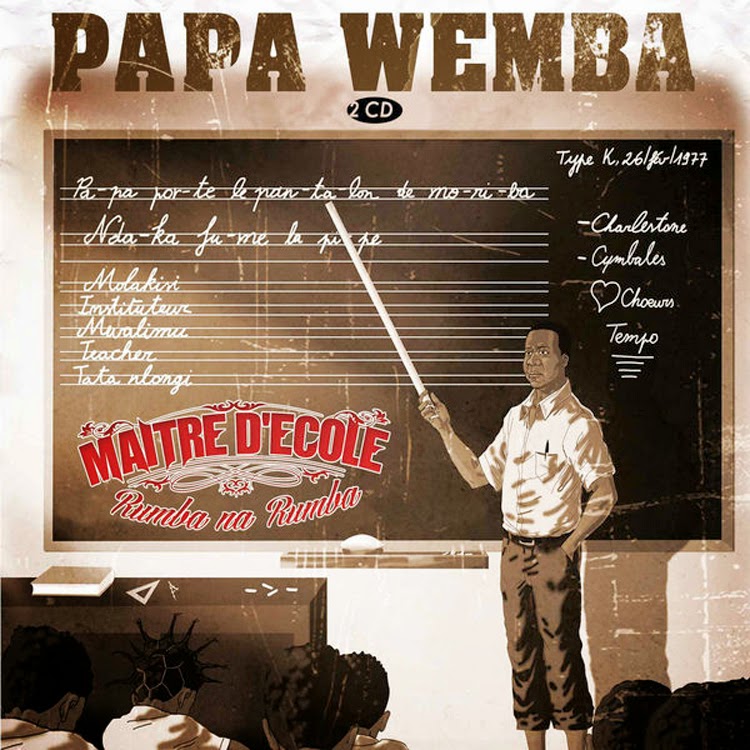
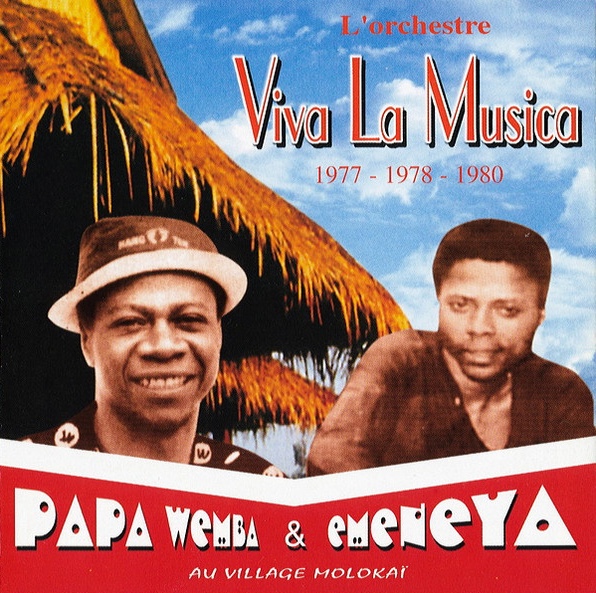
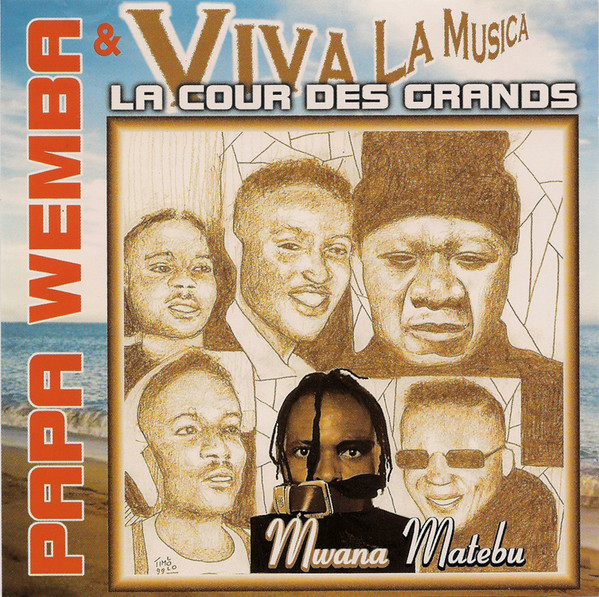
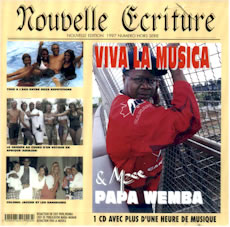
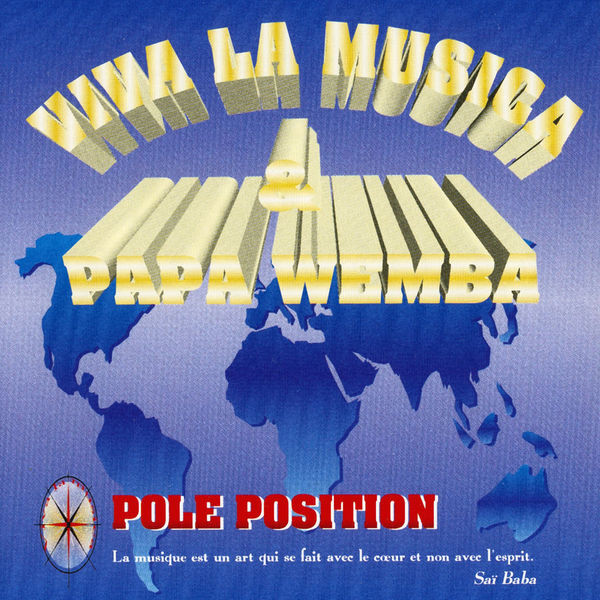
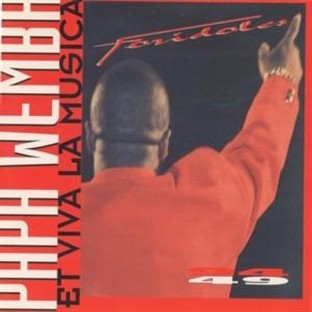
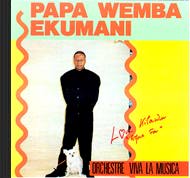
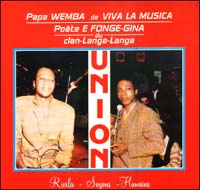
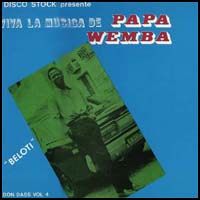
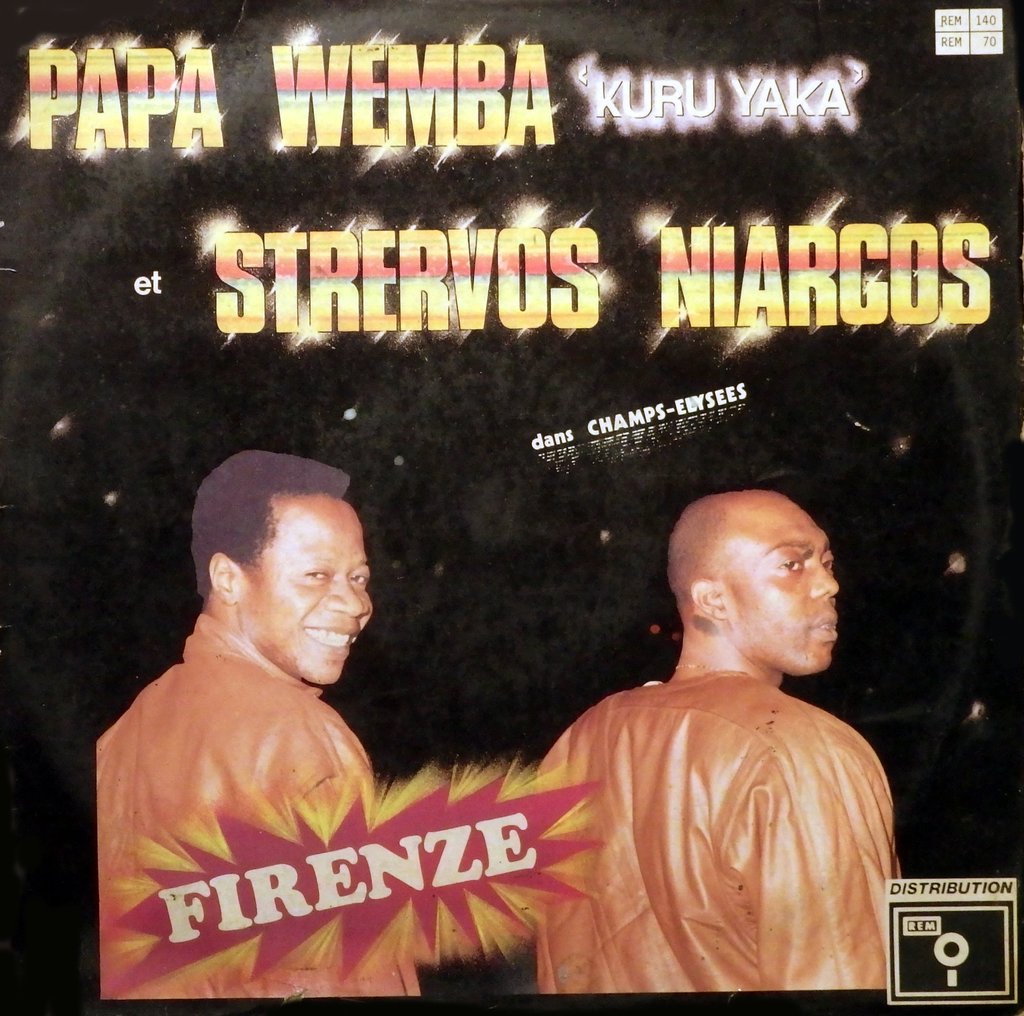
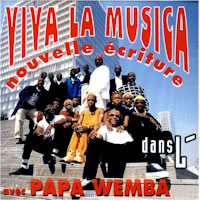
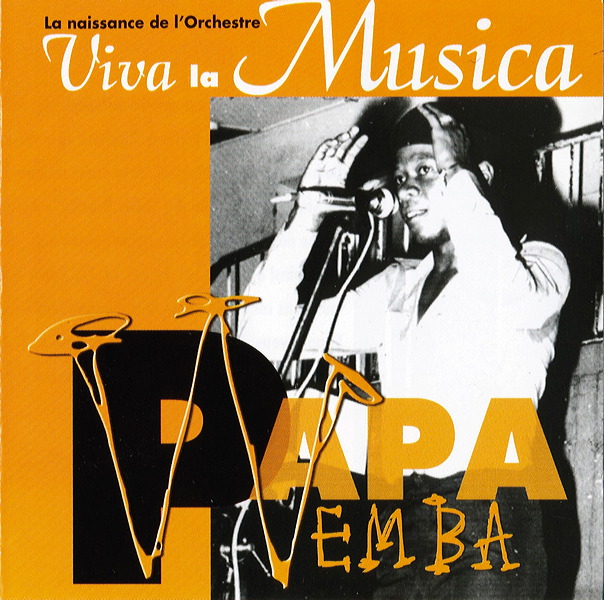
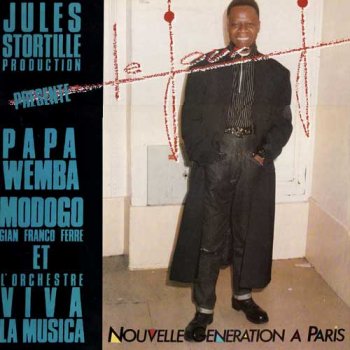
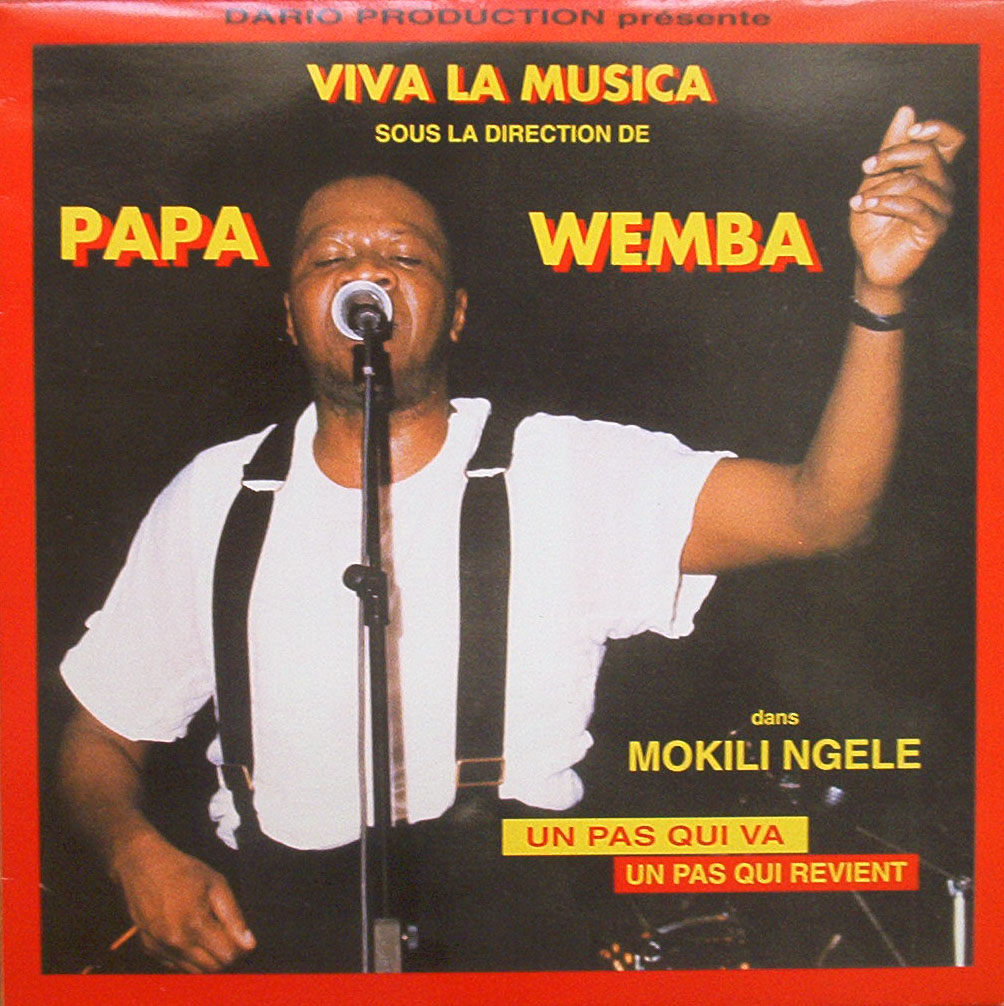
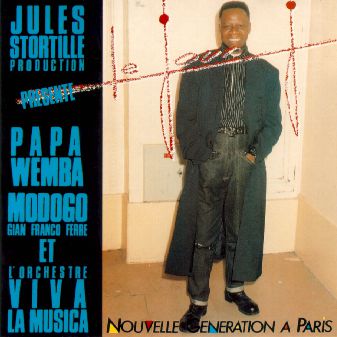
Zaïko eliminated traditional brass instruments, accelerated the rhythms, and invented “rumbarock” — an explosive mix of rumba and pop-rock. Papa Wemba, with his crystalline tenor voice and theatrical gestures, quickly established himself as the lead vocalist. After disputes in 1975, he founded Isifi Lokolé, then Yoka Lokolé, before creating in 1977 Viva La Musica, an orchestra of about fifteen musicians who accompanied him for nearly forty years.
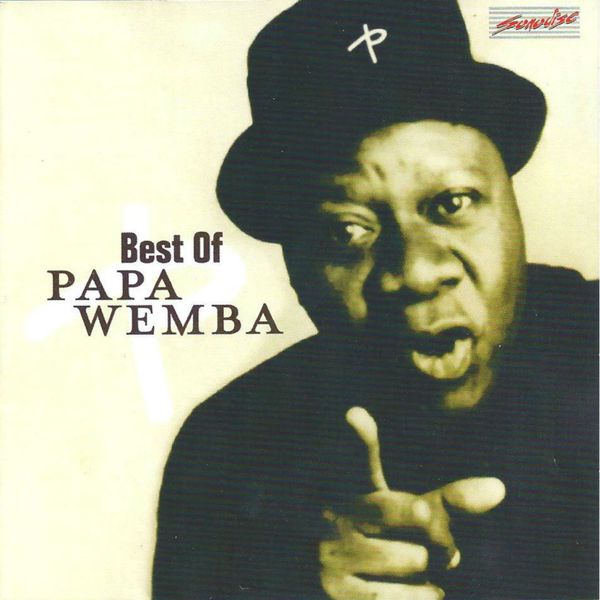
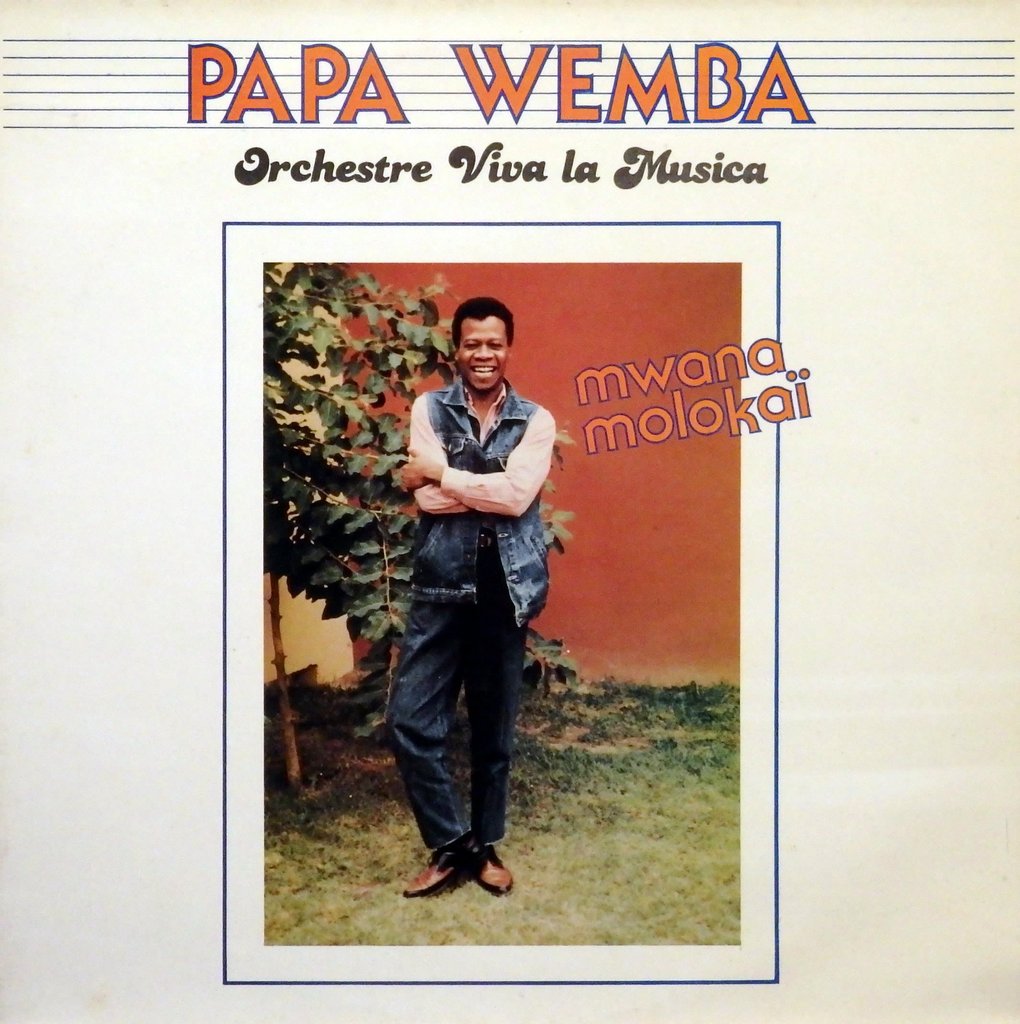
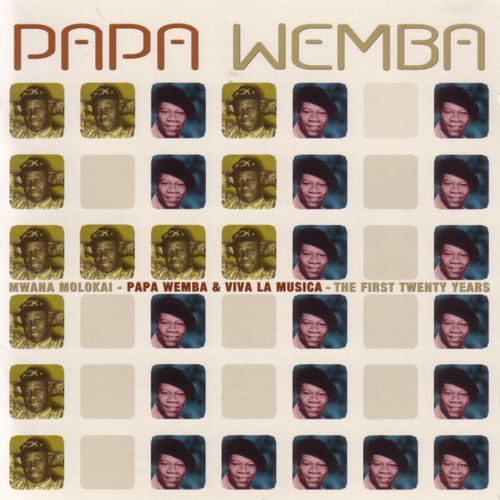
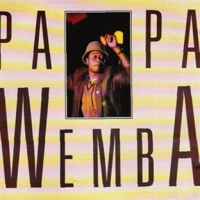
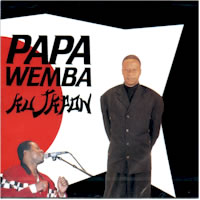
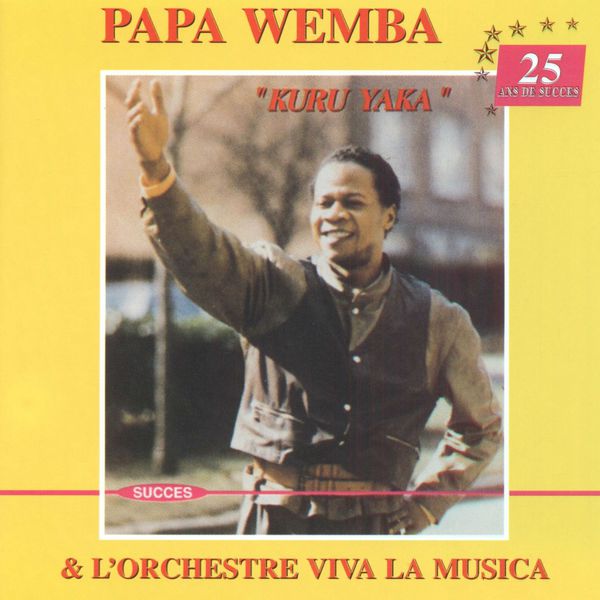
From the late 1980s onwards, Papa Wemba conquered Europe, Japan, and the United States. His first self-titled album (Sterns, 1988) revealed an electrifying rumba to the general public. In 1991, Peter Gabriel opened his Real World Records label for him. He published three major albums there: Le Voyageur (1992), Emotion (1995), and Molokaï (1998), records that synthesized Congolese rumba, soul, and international pop. Emotion revealed him as a major figure of world music. He was declared Best African Headliner at the Kora Awards in 1997.
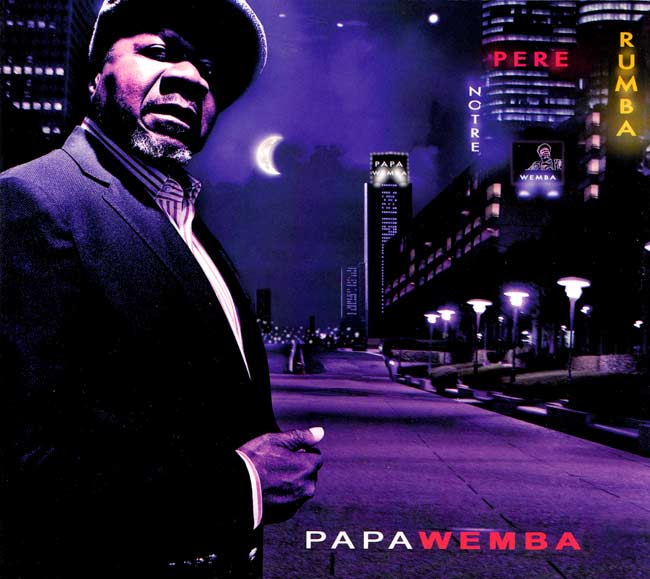
Papa Wemba was also a stylist, a provocateur, and an intellectual. In the 1970s, he became the tutelary figure of the SAPE, the Société des Ambianceurs et des Personnes Élégantes, a Congolese fashion movement that transformed clothing into an act of dignity in the face of poverty. “The Whites invented clothing, but we made it into an art,” he said. In the suburbs of Kinshasa, he lived in his “Molokaï village” — a community of his musicians where the black beret was worn as law.
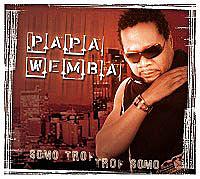
In 2003, a visa case landed him in prison for three months in France: he was accused of helping Congolese immigrants enter clandestinely by posing as members of his troupe. Emerging from this experience, renewed in spirituality, he released Somo trop in 2003, where he recounts in “Numéro d’écrou” how “God came to visit him” in his cell.
Major Works
| Work | Year | Why It Is Essential |
|---|---|---|
| Papa Wemba (self-titled) | 1988 | First international album, a mine of revisited hits for the West |
| Le Voyageur | 1992 | First world music masterpiece, a bridge between Kinshasa and Paris |
| Emotion | 1995 | Perfect alchemy between rumba, funk, and pop — his world consecration |
| Molokaï | 1998 | Recorded live in Paris, a vibrant homage to his roots |
Legacy
Papa Wemba marked African music and culture far beyond his forty-seven-year career. He paved the way for African artists on international stages. His fashion style inspired renowned creators, from Junya Watanabe to Paul Smith, and his Molokaï village remains a cultural reference. Generations of artists, from Fally Ipupa to figures in afrobeats and coupé-décalé, owe him a musical and stylistic legacy whose echo continues to resonate.
Sources and References
- “Papa Wemba, a life dedicated to Congolese rumba,” RFI Musique, https://www.rfi.fr/fr/musique/20211214-papa-wemba, accessed October 19, 2025.
- “Papa Wemba,” Wikipedia (French version), https://fr.wikipedia.org/wiki/Papa_Wemba, accessed October 19, 2025.
- “Papa Wemba,” Wikipedia (English), https://en.wikipedia.org/wiki/Papa_Wemba, accessed October 19, 2025.
- “Adieu Papa Wemba,” Afropop Worldwide, https://www.afropop.org/articles/adieu-papa-wemba, accessed October 19, 2025.
- « Congolese singer Papa Wemba dies after collapsing on stage », The Guardian, https://theguardian.com/music/2016/apr/24/congolese-singer-papa-wemba-dies-after-collapsing-on-stage, accessed 19 October 2025.
- « Why Papa Wemba’s Legacy Will Outlive Us All », The FADER, http://www.thefader.com/2016/04/29/papa-wemba-congo-sapeurs, accessed 19 October 2025.
- « Remembering African Singer And Style Icon Papa Wemba », NPR The Record, https://npr.org/sections/therecord/2016/04/25/475583946/remembering-african-singer-and-style-icon-papa-wemba, accessed 19 October 2025.
- « Papa Wemba », Real World Records, https://realworldrecords.com/artists/papa-wemba, accessed 19 October 2025.