Biography
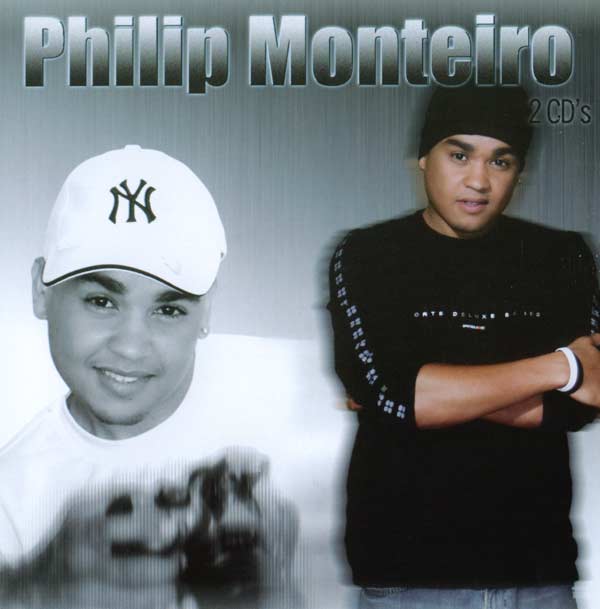
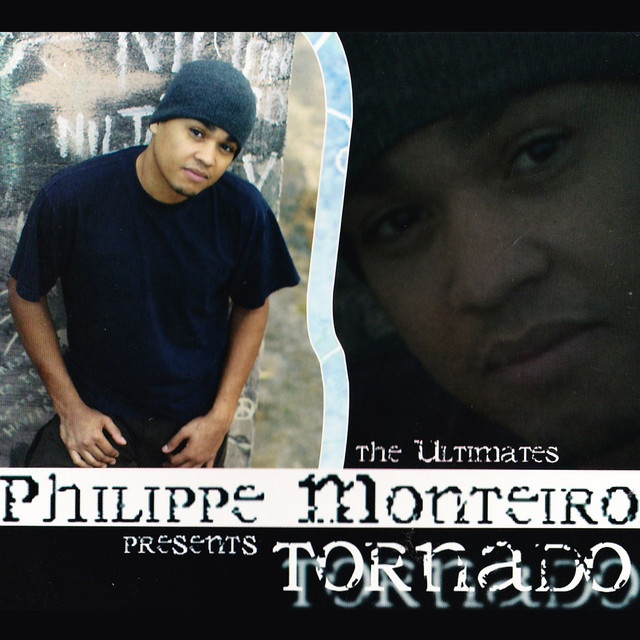
Philip Monteiro
In 2002, during the football World Cup in Japan and South Korea, a song resonated everywhere in Dakar: “Gaïndé Ndaay”. Philip Monteiro, until then a discreet keyboardist, became in a few weeks the voice of deep Senegal. Son of Cape Verdeans born in the Senegalese capital, this versatile musician built a sonic bridge between West Africa and the Cape Verde islands.
In brief
| Full name | Philippe Bergeron Monteiro, known as Philip Monteiro |
| Birth | 1974, Dakar, Senegal (parents from Fogo Island) |
| Genre | Zouk, cabo love, coladeira, kizomba, mbalax, R&B |
| Notable works | “Gaïndé Ndaay”, “Amor”, The Remix |
| Awards | Gold and platinum records in Portugal |
Key dates
| Year | Event |
|---|---|
| 1974 | Born in Dakar to Cape Verdean parents from Fogo |
| 1989–1990 | Move to the United States for electronics studies |
| 1992 | First arrangements and productions for Cape Verdean artists in the United States |
| 1996–1997 | Return to Dakar; opening of the Ozone studio |
| 2002 | “Gaïndé Ndaay”, anthem for the Lions during the World Cup |
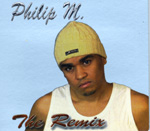
| 2004–2005 | First solo album The Remix, gold record; hit “Amor” with Viviane Ndour |
| 2006–2007 | Album Morabeza; tours in Europe and Lusophone Africa |
| 2014 | Production of Gama’s album Sai cu bo |
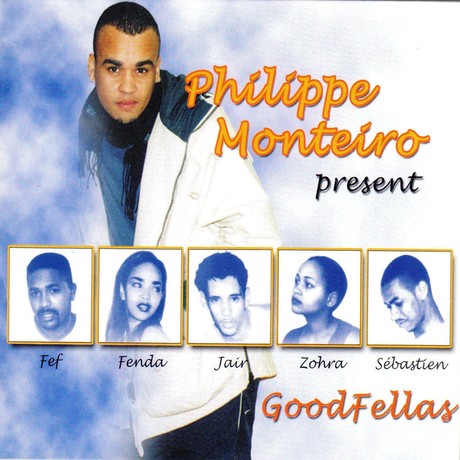
| 2019–2026 | “Ai Minina”, “Mama Africa”, “É Mentira”; Goodfellas (2026) |
Trajectory and cabo love: from electronics to international recognition
Philippe Bergeron Monteiro was born in 1974 in Dakar into a family of Cape Verdeans from Fogo Island. In Dakar, he listened to Kassav’ and Cap Vert Show; meanwhile, electronics captivated him. His parents sent him to the United States to pursue these studies. In Brockton, Massachusetts, the gravity of his world shifted: a synthesizer at home, hours of solo play, financial help from his grandmother — all conditions that moved his life. “I didn’t complete my electronics studies, I almost dropped out,” he would later confess.
Around 1992, he gained notice as an arranger for Cape Verdean artists touring in the United States: the Mendes Brothers, Grace Évora. He joined the group La Tour, which released an album in the early 1990s. In 1996–1997, he returned to Dakar and opened the Ozone studio: he became arranger, producer, and sound engineer for the new Dakar scene. He worked with rap groups (Daara J, VIB, PBS), provided backing vocals and arrangements for various projects.
It was the 2002 World Cup that finally launched his solo career. “Gaïndé Ndaay”, the anthem for the Lions Diambars sung in Wolof and Cape Verdean Creole, accompanied Senegal during three months of collective madness. He sold more than one hundred thousand copies across his first three records and conquered an audience exceeding the usual circles of world music: Portugal, Holland, France, but also deep inside Senegal.
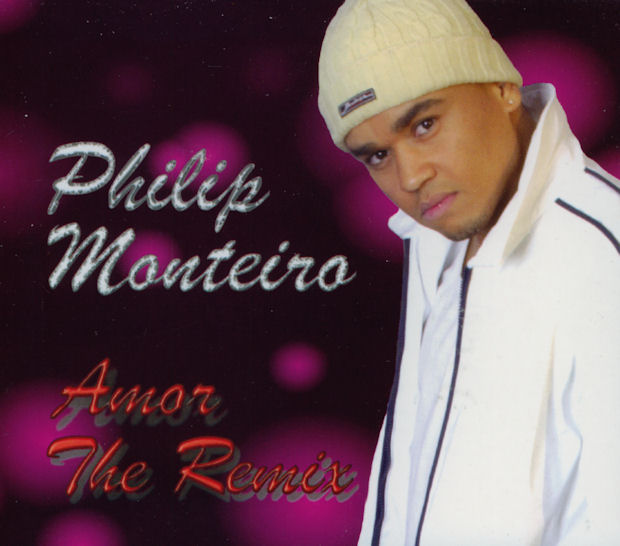
In 2004–2005, he released The Remix and Amor the Remix. The former was awarded a gold record and gave birth to the hit “Amor” with Viviane Ndour, daughter of Youssou N’Dour. Philip Monteiro defined his style as cabo love — a softer, more sentimental descendant of zouk, specific to the Cape Verde archipelago: “It’s slower, more suave, and the lyrics of the music speak, above all, of sentiment and love,” he explained to the press in 2005. Senegalese mbalax, batuque, and traditional African rhythms blended with synthetic pads. “I have the pleasure that people like my music,” he confessed, while admitting a preference for the quiet of studios over podium flashes.
Major works
| Work | Year | Why it’s essential |
|---|---|---|
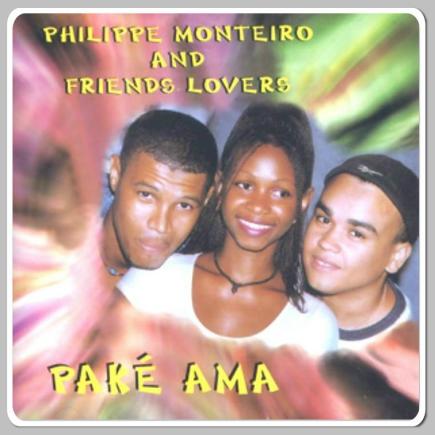
| Pake ama (Friends Lovers) | 1998 | First album, first appearance as solo singer |
| “Gaïndé Ndaay” | 2002 | World Cup Lions anthem, massive success and international dimension |
| The Remix | 2004–2005 | First solo album, gold record; hit “Amor” with Viviane Ndour |
| Morabeza | 2007 | Affirmation of cabo love as a personal signature, international tours |
Legacy and influence
Philip Monteiro contributed to inventing cabo love, a subgenre that became one of the most popular musical signatures of the Cape Verdean diaspora. His approach — blending zouk-love, mbalax, and traditional African rhythms with modern synths — paved the way for a generation of Cape Verdean artists navigating between Dakar, Lisbon, and the continent. The success of “Gaïndé Ndaay” remains one of the rare times a Cape Verdean song became a popular anthem throughout Senegal. More than twenty years after his first albums, he remains a central figure of the sound linking West Africa to the archipelago.
Sources and references
- « Philip Monteiro », Cabo Verde & a Música – Dicionário de Personagens (Museu Virtual), by GN, https://www.caboverdeamusica.online/philip-monteiro/, accessed November 10, 2025.
- « Cabo Love, Philip Monteiro », Dakar Cultures (Omar Diouf), https://omardioufcultures.over-blog.net/pages/Cabo-love-philip-monteiro-2749593.html, interview 2008.
- « [BIO]PHILIP MONTEIRO », Le Blog du Zouk, December 1, 2008, https://leblogduzouk.over-blog.org/article-20318261.html.
- « Philip Monteiro », Afrisson, https://www.afrisson.com/philip-monteiro-12077/.
- Philip Monteiro Press Dossier, 2008, https://www.au-senegal.com/IMG/pdf/Philip_Monteiro_DOSSIER_PRESSE1-2.pdf.
- « Philipe Monteiro launches “Mama Africa” », Expresso das Ilhas, April 5, 2021, https://expressodasilhas.cv/lifestyle/2021/04/05/philipe-monteiro-lanca-mama-africa/74179.