Biography
Positive Black Soul: when Senegalese rap spoke out
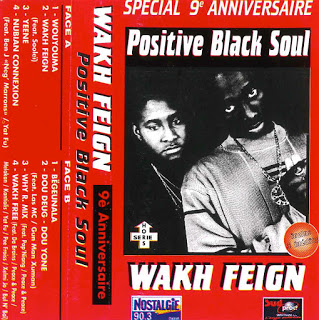
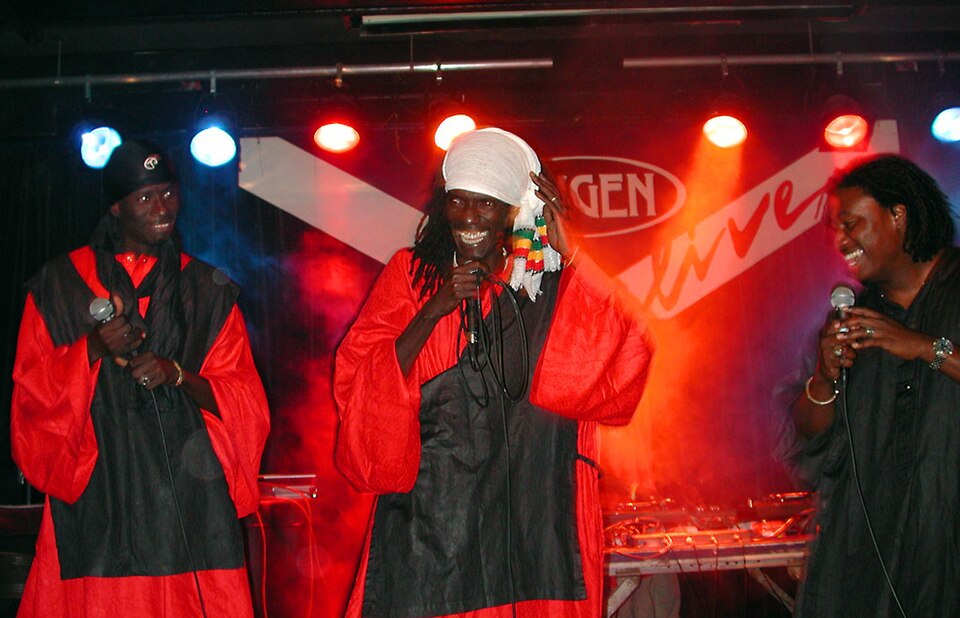
In August 1989, in Dakar, two rival rappers met on the same bus after a concert and realized they shared the same ambition: to make heard a positive Africa, far from the clichés that Western media distributed at will. This is the starting point of Positive Black Soul, a duo that would pave the way for African rap and prove that one can speak about their city by speaking about the world.
In brief
| Group name | Positive Black Soul (PBS) |
| Origin | Dakar, Senegal |
| Formation | 1989 |
| Genre | Rap, hip hop, mbalax |
| Members | Didier Awadi (DJ Awadi), Amadou Barry (Duggy Tee) |
| Languages | Wolof, French, English |
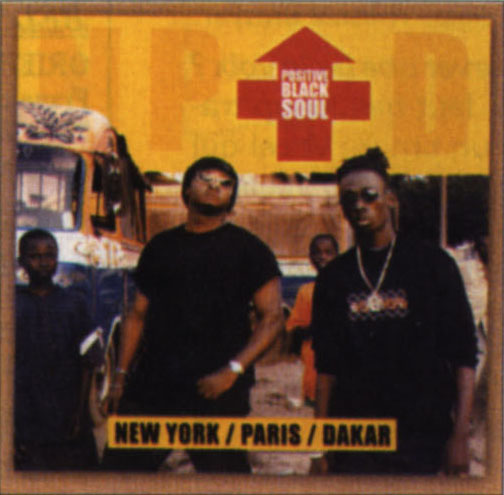
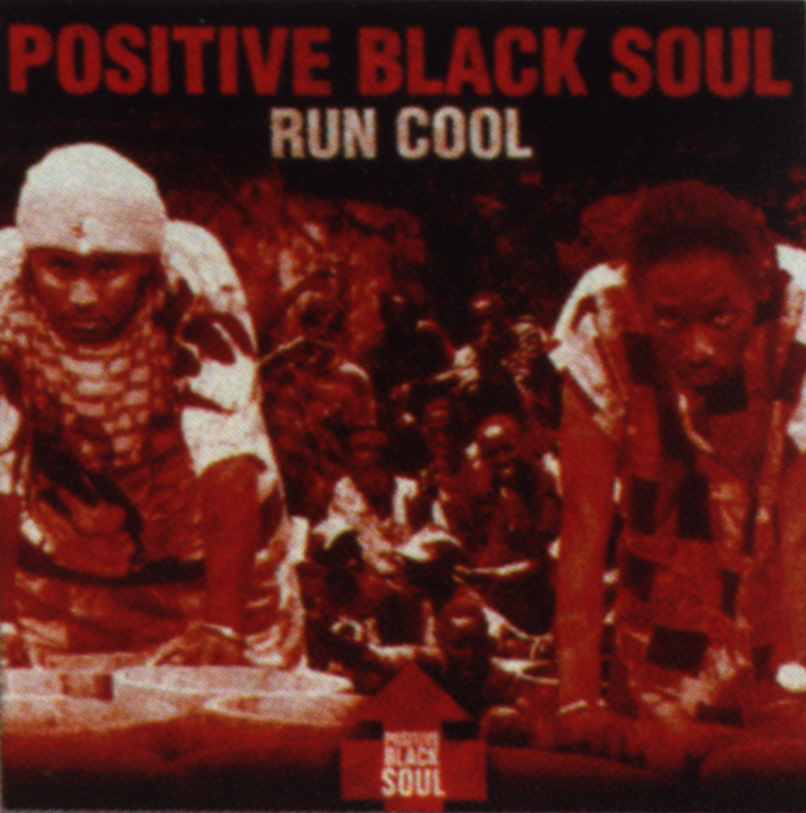
| Signature works | Salaam, Boul Falé, Run Cool, New York-Paris-Dakar |
| Awards | RFI World Music Award 2003 (Awadi), Chevalier des Arts et des Lettres 2005 |
Key dates
| Year | Event |
|---|---|
| 1989 | Merger of rival groups Syndicate and King MCs |
| 1992 | First support act for MC Solaar in Dakar and then in France |
| 1995 | Signing with Island Records; release of album Salaam |
| 1997 | 130 performances in Europe and North America |
| 2001 | Last PBS album Run Cool; start of solo careers |
| 2009 | 20th-anniversary concert at Cices with Youssou N’Dour |
| 2014 | Rebirth of PBS after a long pause |
From confrontation to collaboration
Born on August 11, 1969, in Dakar to a Beninese father and Cape Verdean mother, Didier Sourou Awadi and Amadou Barry (Duggy Tee), born on May 26, 1971 in the same city, grew up in different neighborhoods — Amitié 2 for one, Liberté 6 for the other. In the mid-1980s, American hip hop infiltrated Dakar via pirated cassettes and MTV videos. Each young man led his own crew: Awadi’s Syndicate and Barry’s King MCs. “We were fighting for nothing,” Awadi recalls. In August 1989, invited to his birthday party, Barry shared the return bus ride with Awadi. In Dakar, they began rapping together, and the chemistry was immediate: both men shared the same references — Cheikh Anta Diop, Amadou Hampâté Bâ, Kwame Nkrumah — and the same ambition. “I wouldn’t do black nationalism, but africanism,” summarizes Barry. The group’s name, Positive Black Soul, is a manifesto: speaking in English to cross borders, and displaying a positive vision of Africa. “We didn’t want to spread diamonds, luxury cars, naked women in the videos,” explains Awadi. The duo wove lyrics in Wolof, French and English, supported by sabars, tama and kora.
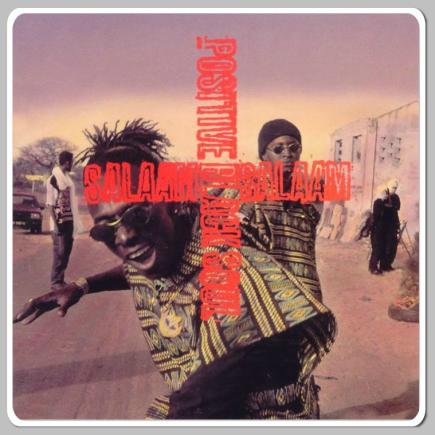
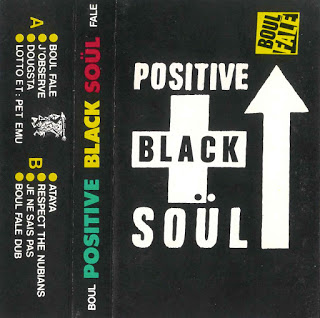
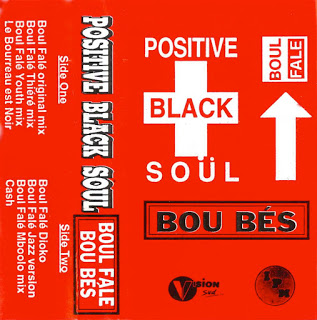
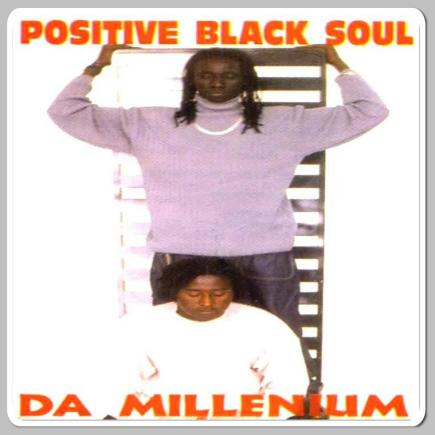
The turning point came via Baaba Maal, who invited PBS onto “Swing Yela” from his album Firin’ In Fouta (1994). The Island Records executives, with whom Baaba Maal was signed, were impressed and invited the duo to London. They recorded Salaam (1995), their first international album, alongside producers from La Funk Mob. “All the young people who listened to us realized that it was possible to come from a neighborhood somewhere in Africa and build a real international career,” Awadi estimates thirty years later. From Boul Falé (1994) to Run Cool (2001), PBS released a series of albums and EPs, toured Europe and the United States, and organized concerts in Dakar that introduced emerging groups like Daara J and Pee Froiss.
In 2001, their paths diverged. Awadi launched a remarkable solo career: Kaddu Gor (RFI World Music Award 2003), Un Autre Monde est Possible (2005), Sunugaal (2006), Presidents of Africa (2010), Made in Africa (2018), Quand on refuse, on dit non, on (2023). He founded Studio Sankara, a production space dedicated to the Dakar scene. Duggy Tee recorded Ngëm (2005) and Fit (2009). PBS sank into semi-silence but did not die: the 20th anniversary of the group in 2009 at Dakar’s Cices — with Youssou N’Dour as a guest — and the 25th anniversary in 2014 at the Monument de la Renaissance sounded like rebirths. “It’s like a resurrection, a renaissance,” says Duggy Tee.
Major works
| Work | Year | Why it’s essential |
|---|---|---|
| Boul Falé | 1994 | First shocking track; denunciation of corruption; anthem of Dakar rap |
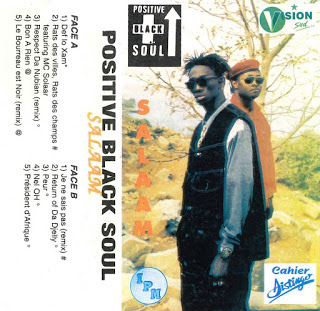
| Salaam | 1995 | First international album, pan-African signing under Island Records |
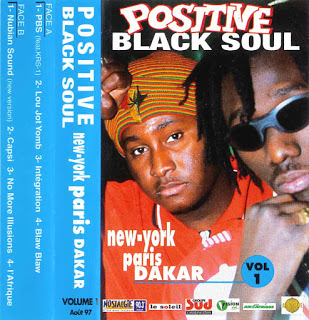
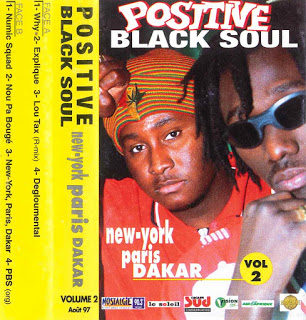
| New York-Paris-Dakar | 1997 | Recorded in the United States, collaborations with KRS-One and MC Solaar |
| Run Cool | 2001 | Last PBS album, featuring Ky-Mani Marley |
Legacy
Positive Black Soul is often cited as the group that made African rap a genre in its own right. Their refusal of afro-pessimism, their fusion of hip hop and traditional instruments, their civic engagement, and their ability to keep a Senegalese collective turning through the salons of Western music industry remain a reference. Dozens of groups claim them today, from Dakar to Bamako, passing through Abidjan or Tunis. Their very name — Positive Black Soul — remains a reminder: an African youth can say who they are, without hiding, by stepping on stage with sabars and samplers.
Sources and references
- “Positive Black Soul: 30 Years of ‘Salaam’, the founding album of African rap”, RFI Musique, https://www.rfi.fr/fr/musique/20250813-positive-black-soul-30-ans-de-salaam-l-album-fondateur-du-rap-africain, accessed October 22, 2025.
- “Positive Black Soul”, Wikipedia (fr), https://fr.wikipedia.org/wiki/Positive_Black_Soul, accessed October 22, 2025.
- “Positive Black Soul”, Wikipedia (en), https://en.wikipedia.org/wiki/Positive_Black_Soul, accessed October 22, 2025.
- “Didier Awadi”, Wikipedia (fr), https://fr.wikipedia.org/wiki/Didier_Awadi, accessed October 22, 2025.
- “Positive Black Soul (PBS)”, Afrisson, https://www.afrisson.com/positive-black-soul-945/, accessed October 22, 2025.
- « Positive Black Soul », AllMusic, https://www.allmusic.com/artist/positive-black-soul-mn0000355772, accessed 22 October 2025.
- « POSITIVE BLACK SOUL », SenePlus, https://www.seneplus.com/article/positive-black-soul, accessed 22 October 2025.
- « Positive Black Soul », RFI Musique (archive), http://www.rfimusique.com/siteen/biographie/biographie_6210.asp, accessed 22 October 2025.
- « Positive Black Soul », MusicBrainz, https://musicbrainz.org/artist/3527dbee-3b6f-4998-b4dd-4c9c367f8da1, accessed 22 October 2025.