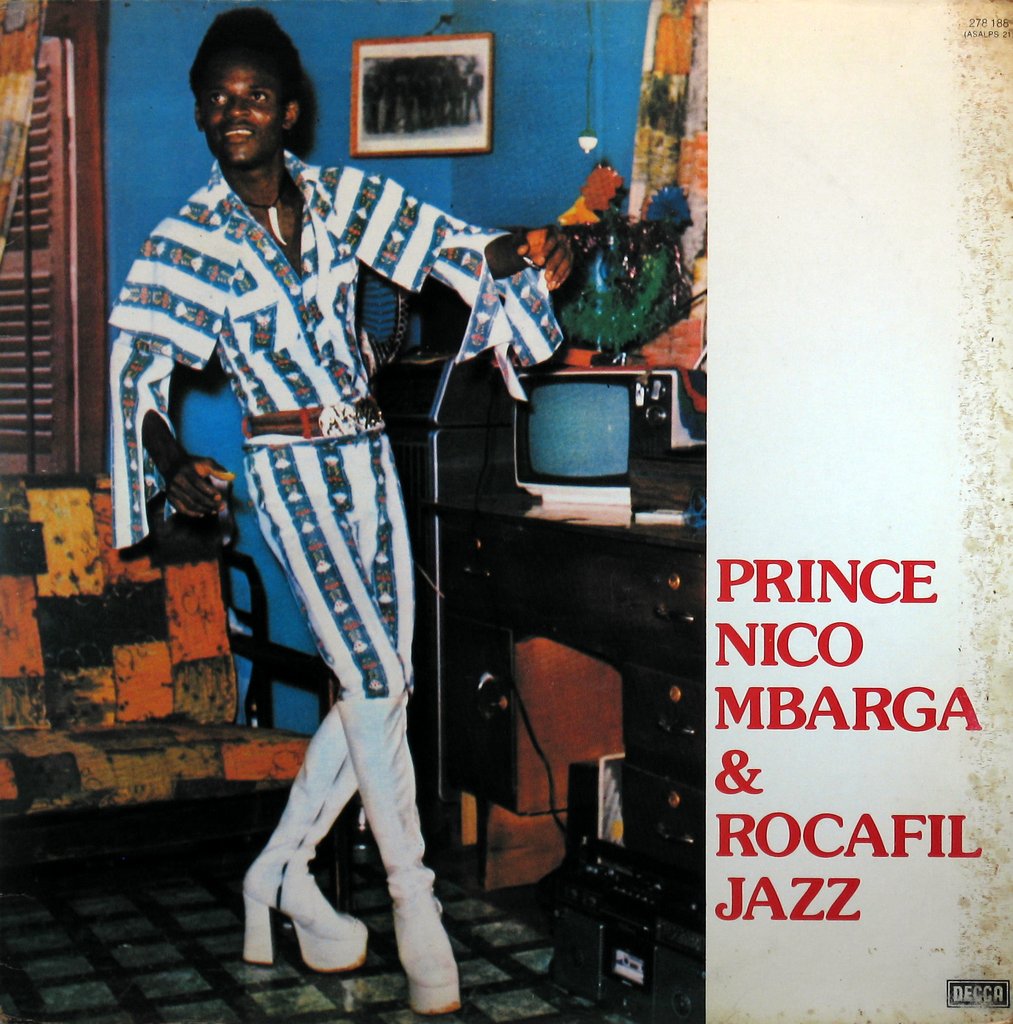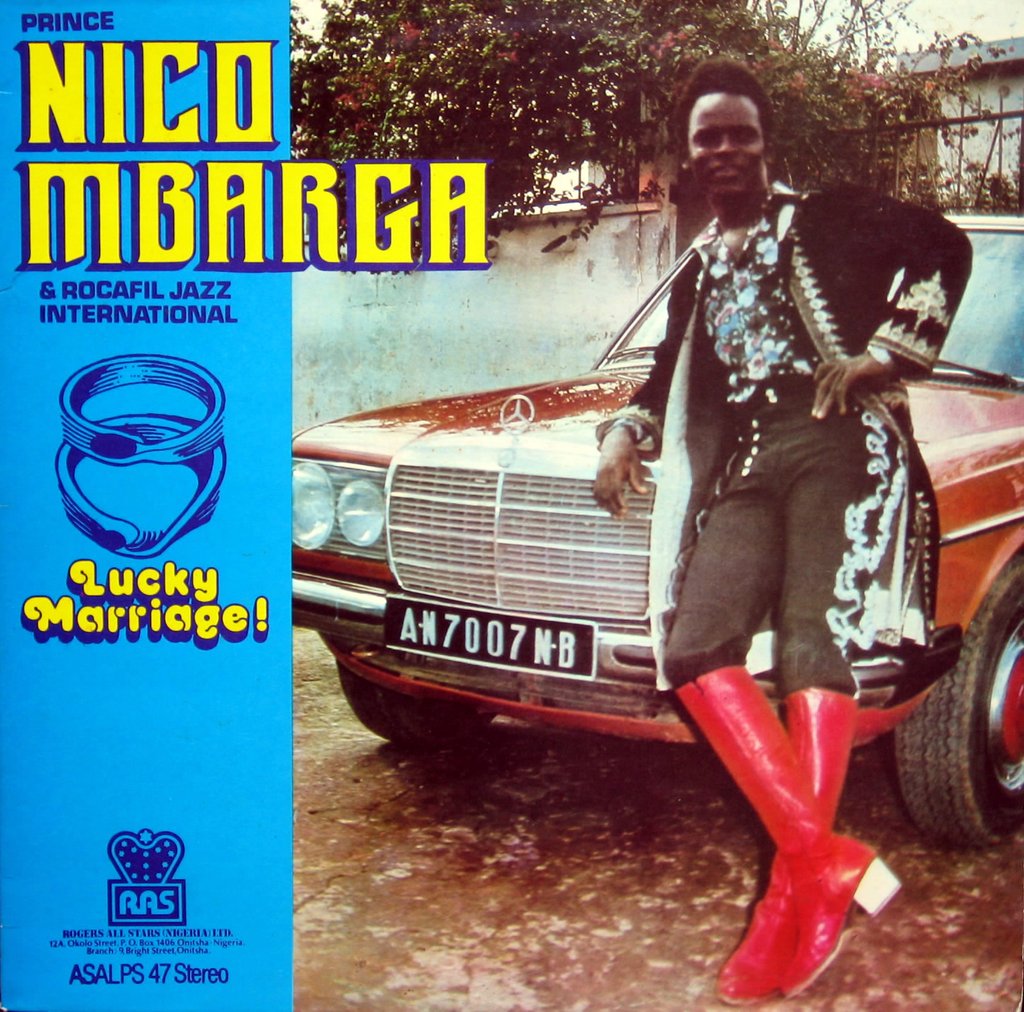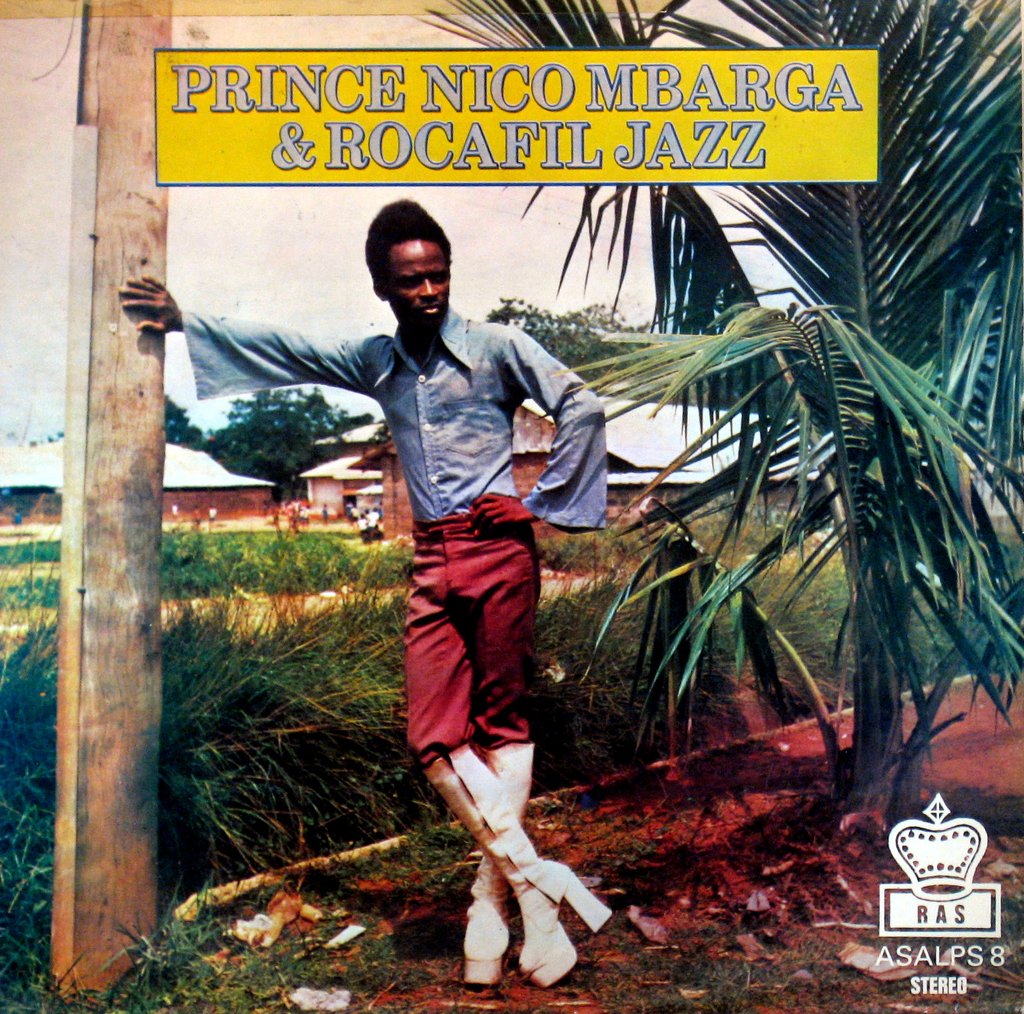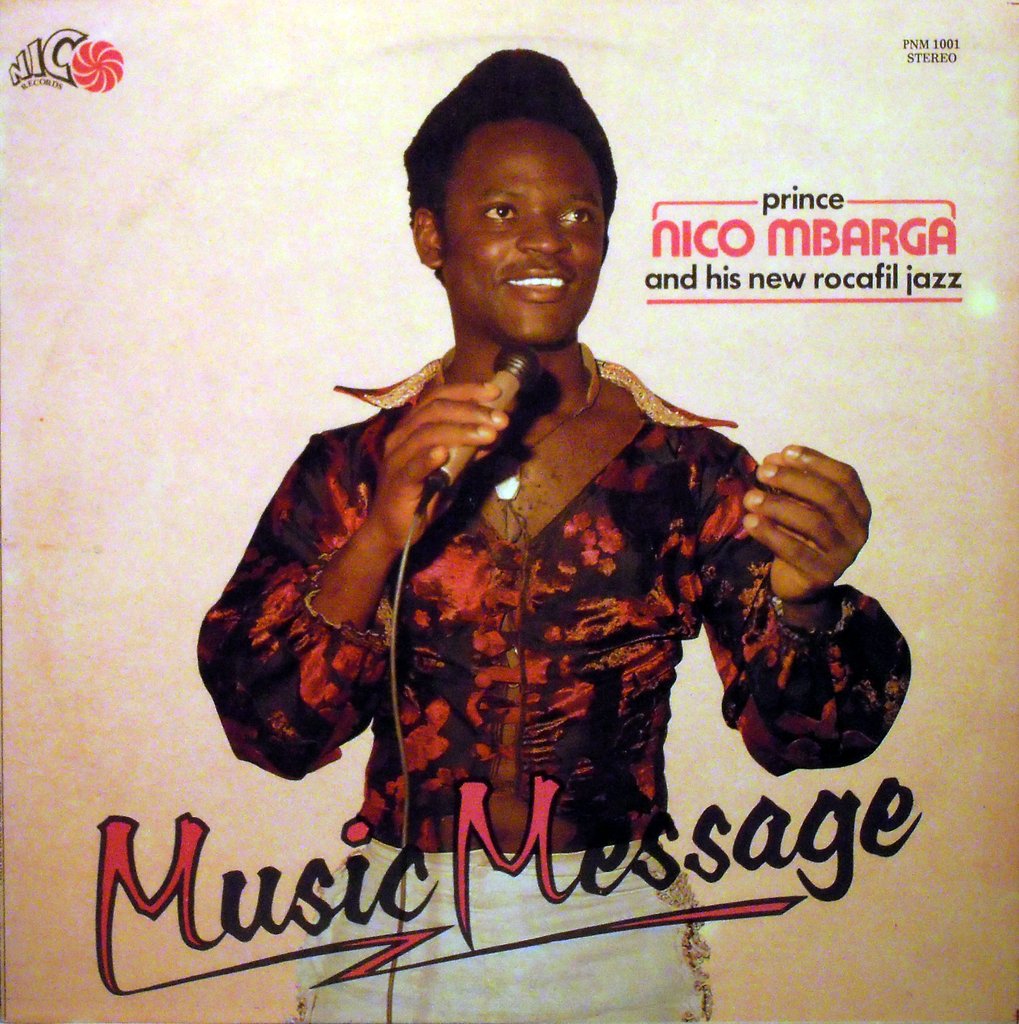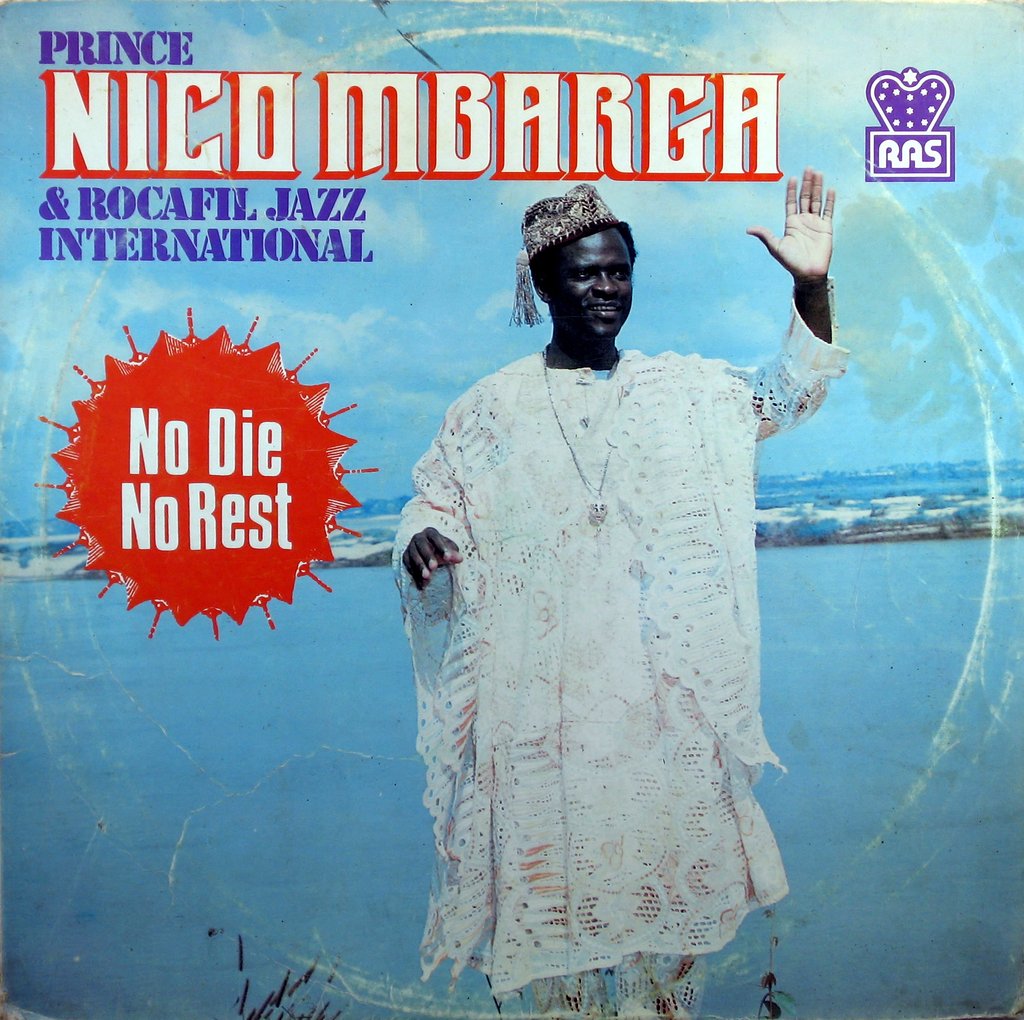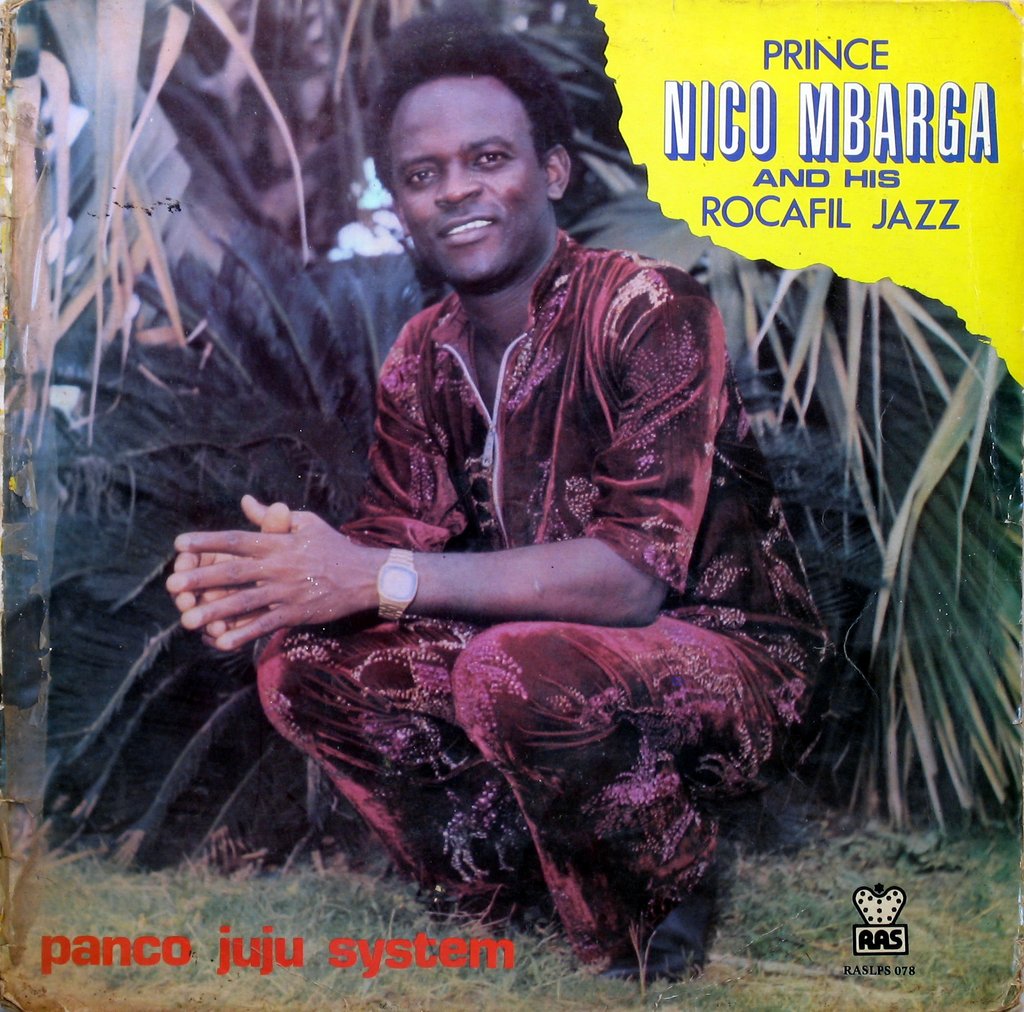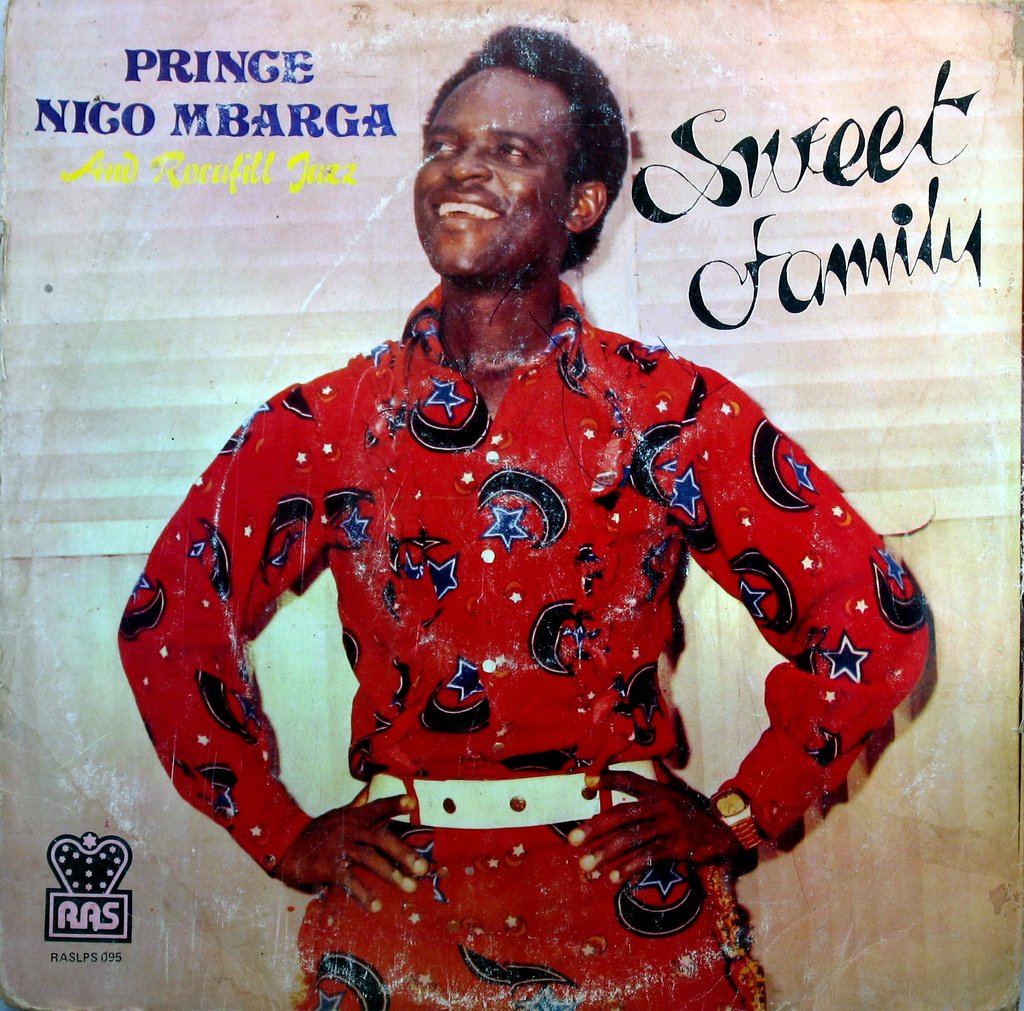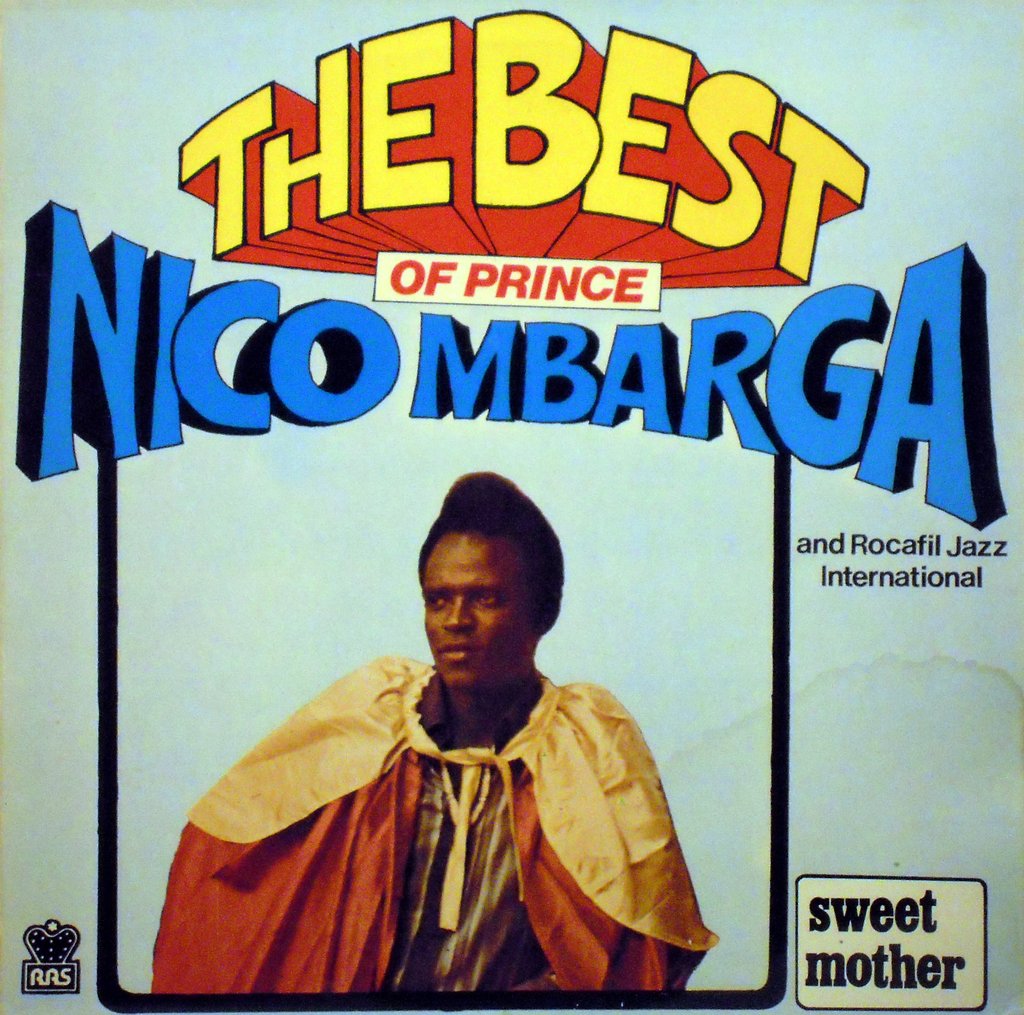
Biography
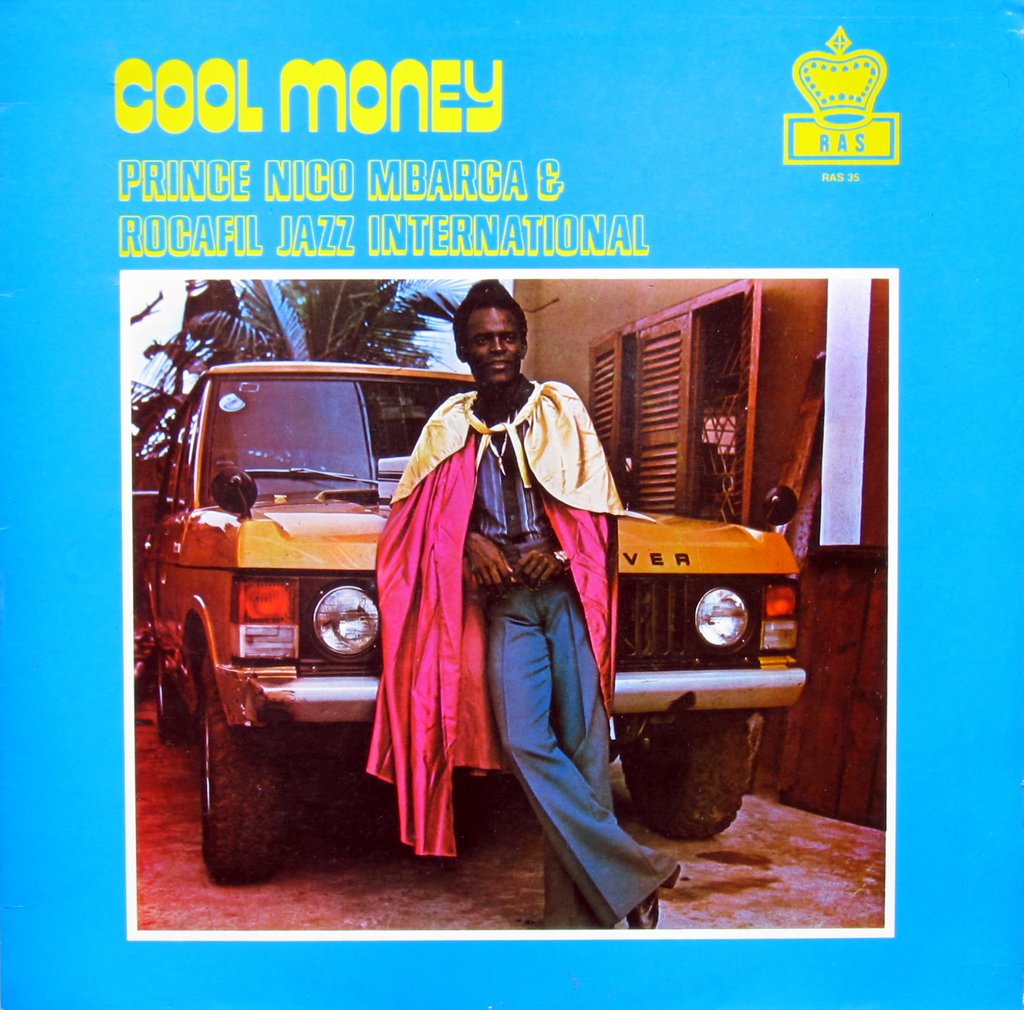
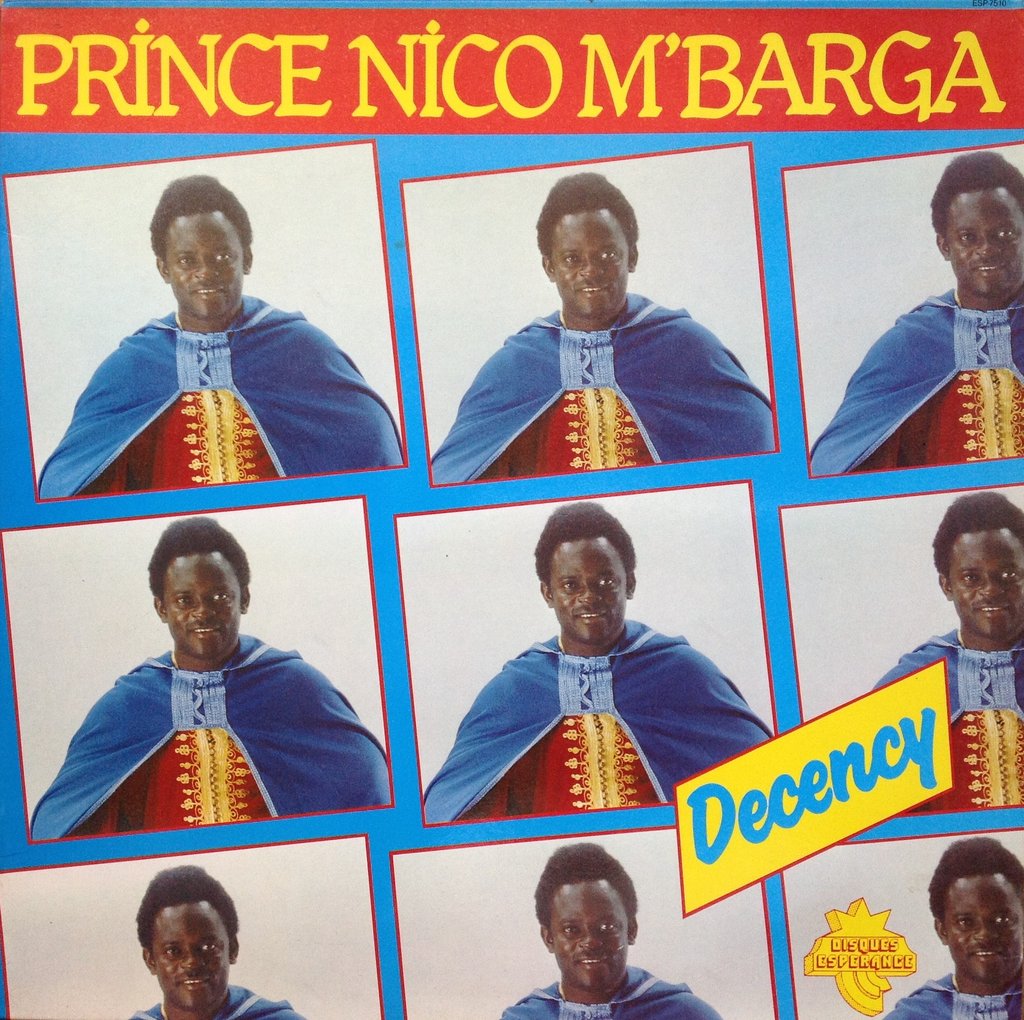
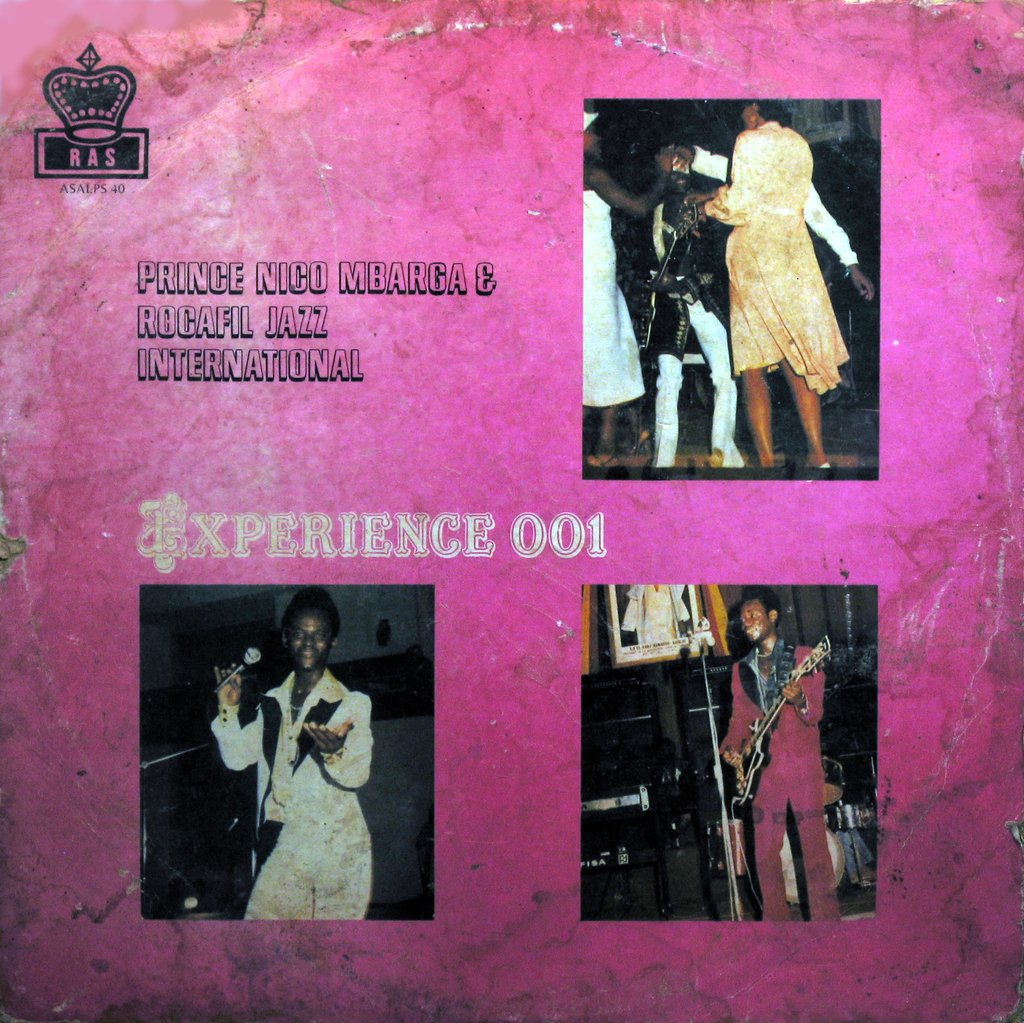
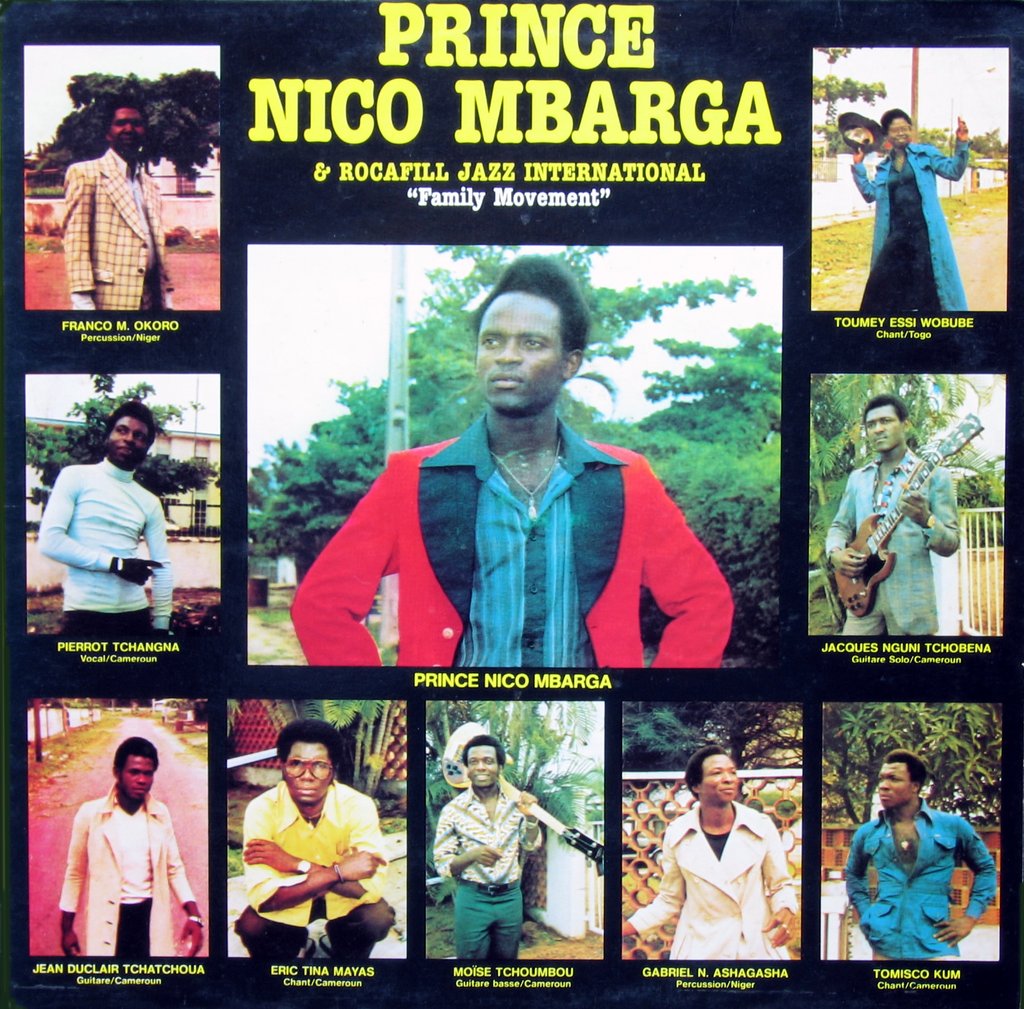
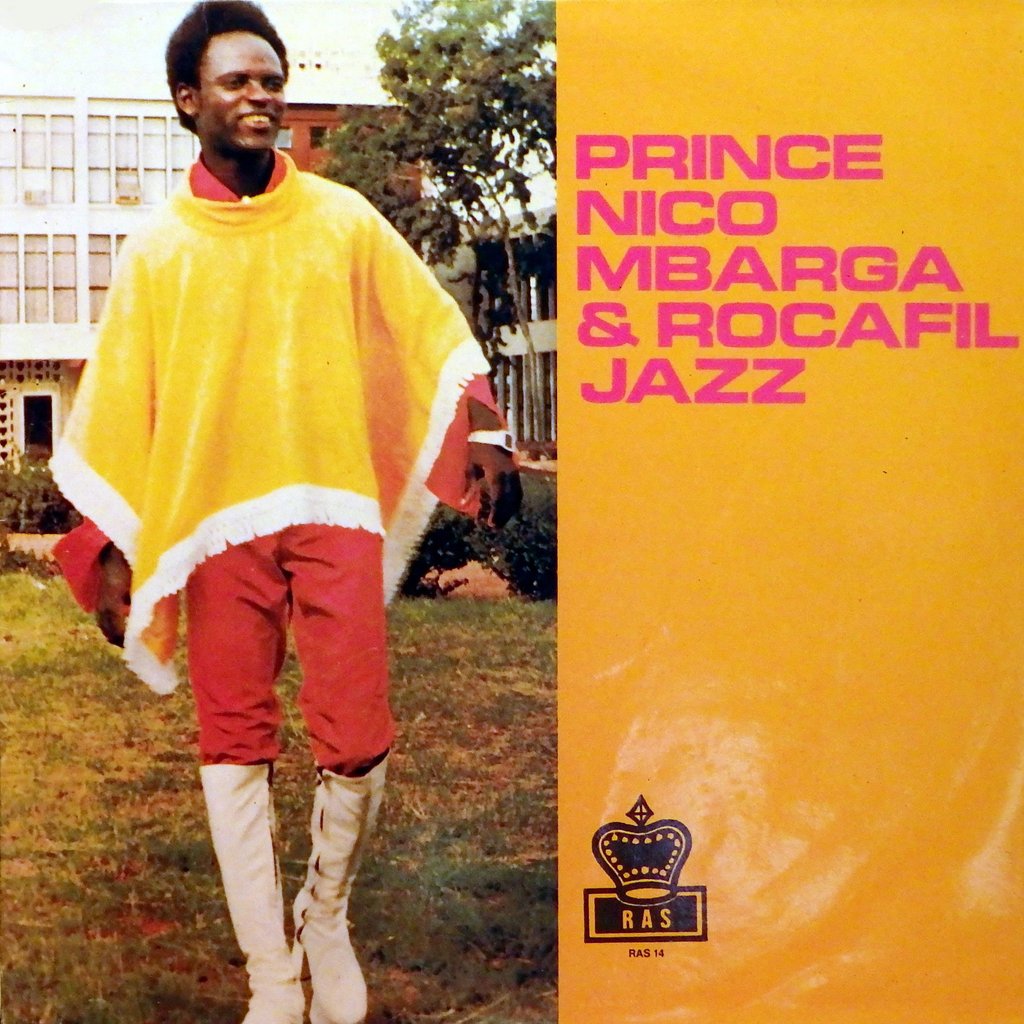
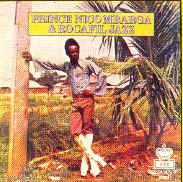
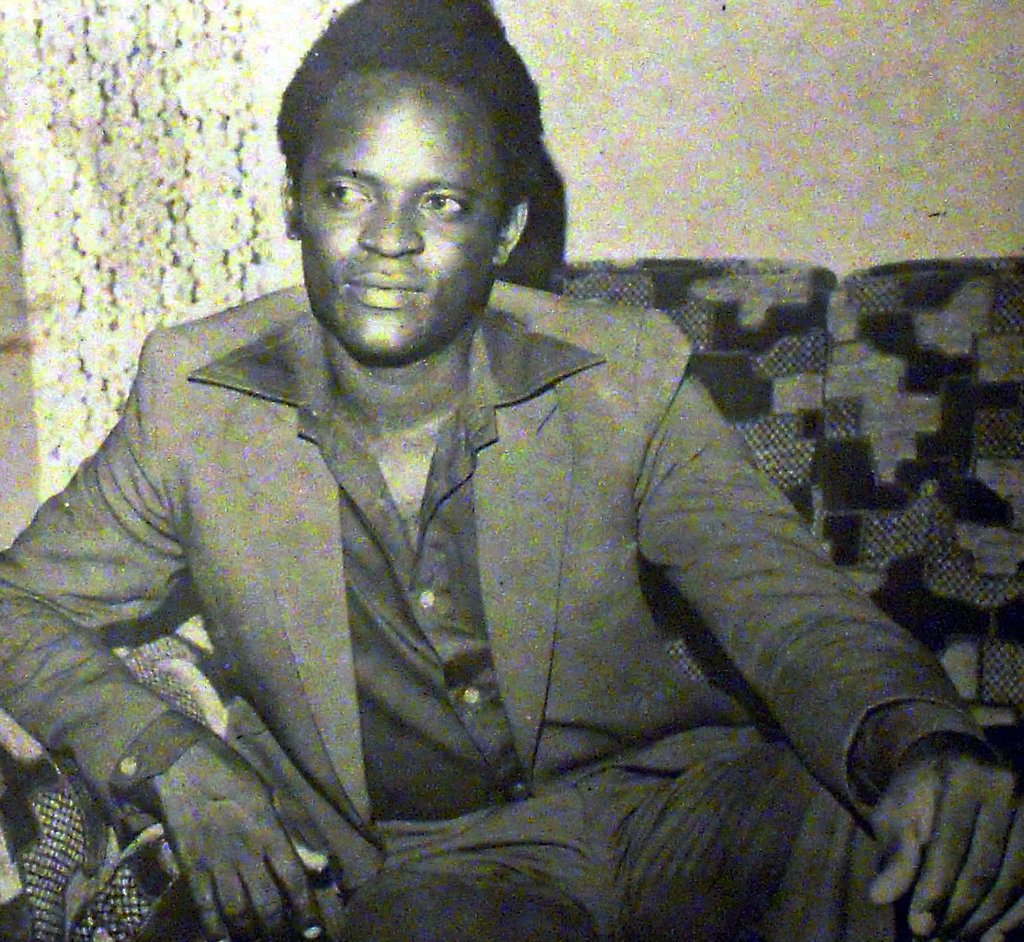
Prince Nico Mbarga
In 1976, in the taverns and gatherings of Onitsha, a young man with a calm gaze and a light guitar composed a declaration that would cross Africa: a hymn dedicated to mothers, in pidgin. With a guitar chord that would make a Congolese guitarist dream and a Nigerian highlife rhythm, Prince Nico Mbarga released “Sweet Mother” — the best-selling song in African music history, with over thirteen million copies sold on the continent. Behind this monolithic hit hides a mixed musician, a student of a civil war and architect of a sound that managed to unite two worlds.
In brief
| Full name | Nico Mbarga (nickname: Prince Nico) |
| Birth | January 1, 1950, Abakaliki (current Ebonyi State), Nigeria |
| Death | June 23, 1997, Calabar (Cross River State), Nigeria |
| Genre | Nigerian highlife – Congolese soukous |
| Iconic works | “Sweet Mother”, « I No Go Marry My Papa » (title in pidgin) |
| Awards | Voted Africa’s Favorite Song by the BBC in 2004 (online poll) |
Key dates
| Year | Event |
|---|---|
| 1950 | Birth in Abakaliki, son of a Cameroonian woodcutter and a Nigerian farmer |
| 1967–70 | Flees the Biafran war to Cameroon; discovers Congolese soukous |
| 1970 | Returns to Nigeria; settles in Onitsha with his partner Lucy |
| 1973 | First single with EMI: « I No Go Marry My Papa » (regional hit) |
| 1976 | Release of « Sweet Mother » on the Rogers All Stars label; continental triumph |
| 1982 | Tour in England; flamboyant performances inspired by glam rock |
| 1983-97 | Separation from Rocafil Jazz; creation of his own label; hotel management |
| 1997 | Death in a motorcycle accident in Calabar, on the way to see his mother |
From the Cross River forest to the soundboards of Onitsha: trajectory and legacy
Nico Mbarga grew up in Ikom, a small town lost in the tropical forest of the Cross River State. His father Jean, a woodcutter of Cameroonian origin, descended from a lineage of traditional xylophonists. It was he who taught young Nico his first instrument — a portable xylophone with metal keys played with two fingers. But Nico, impatient to play the Western sounds he heard on the Philips radio his father brought from the market, crafted his own xylophone from tree bark and banana tree skin. This inventiveness he would keep his whole life: blending traditional roots with modern instruments.
Nico’s childhood was marked by hardship: his father died of a sudden illness, and his mother Christiana, a farmer, had to raise her three sons and daughter alone. As a teenager, Nico sang in nearby taverns without payment to compensate. When the Biafran war broke out in 1967, he fled not only to survive — he pursued his musical dream. He crossed the border to Mamfe, in Cameroon, where he met Lucy. The young woman, whose parents opposed the relationship because Nico was a penniless boy, answered her mother’s opposition by confirming her choice. They would have ten children together.
In Mamfe, Nico earned his living as a “band boy” for a Congolese group, transporting instruments from hotels. It was there that he discovered soukous — those electric guitar arpeggios that made an entire continent dance. He immersed himself, self-taught: congas, drums, bass, and, above all, the soukous-style fingerpicking.
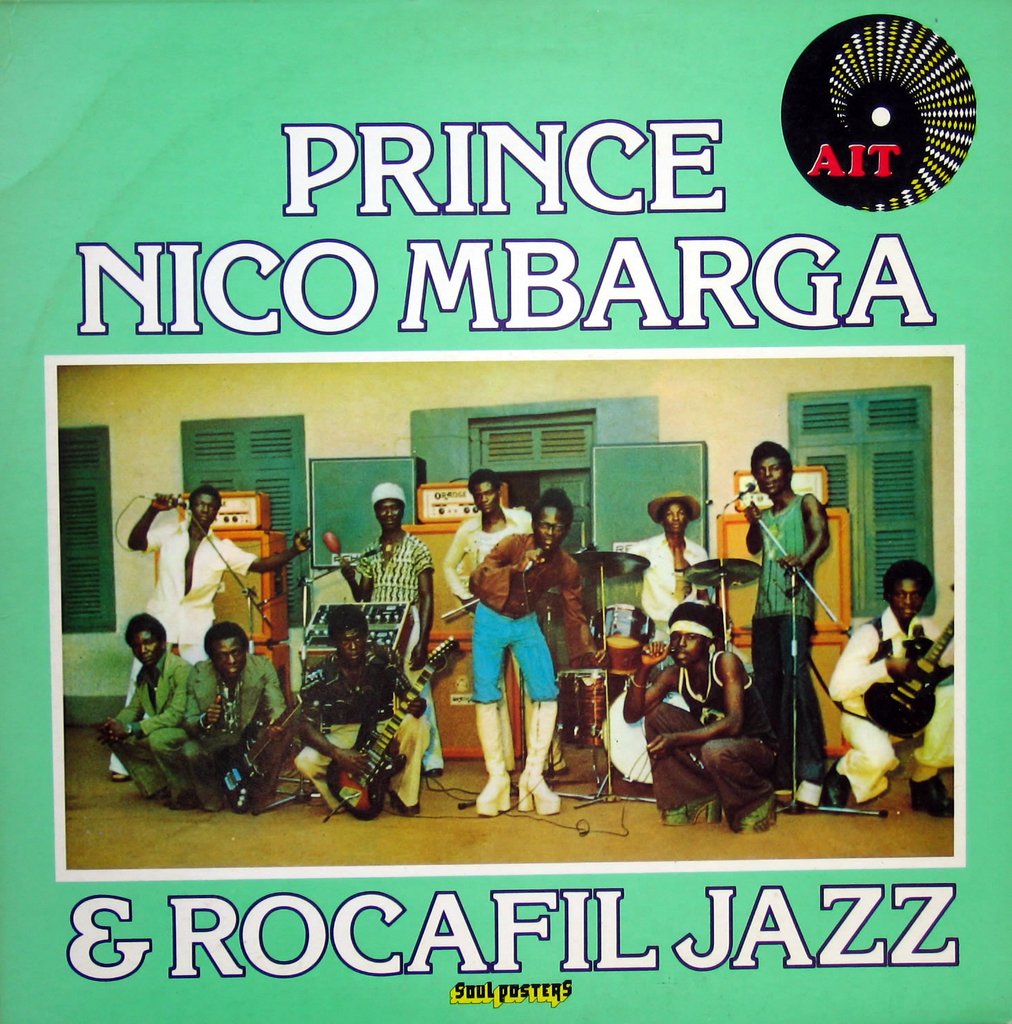
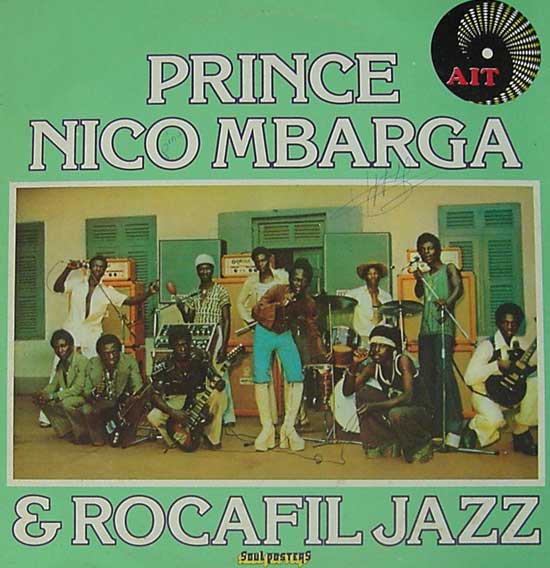
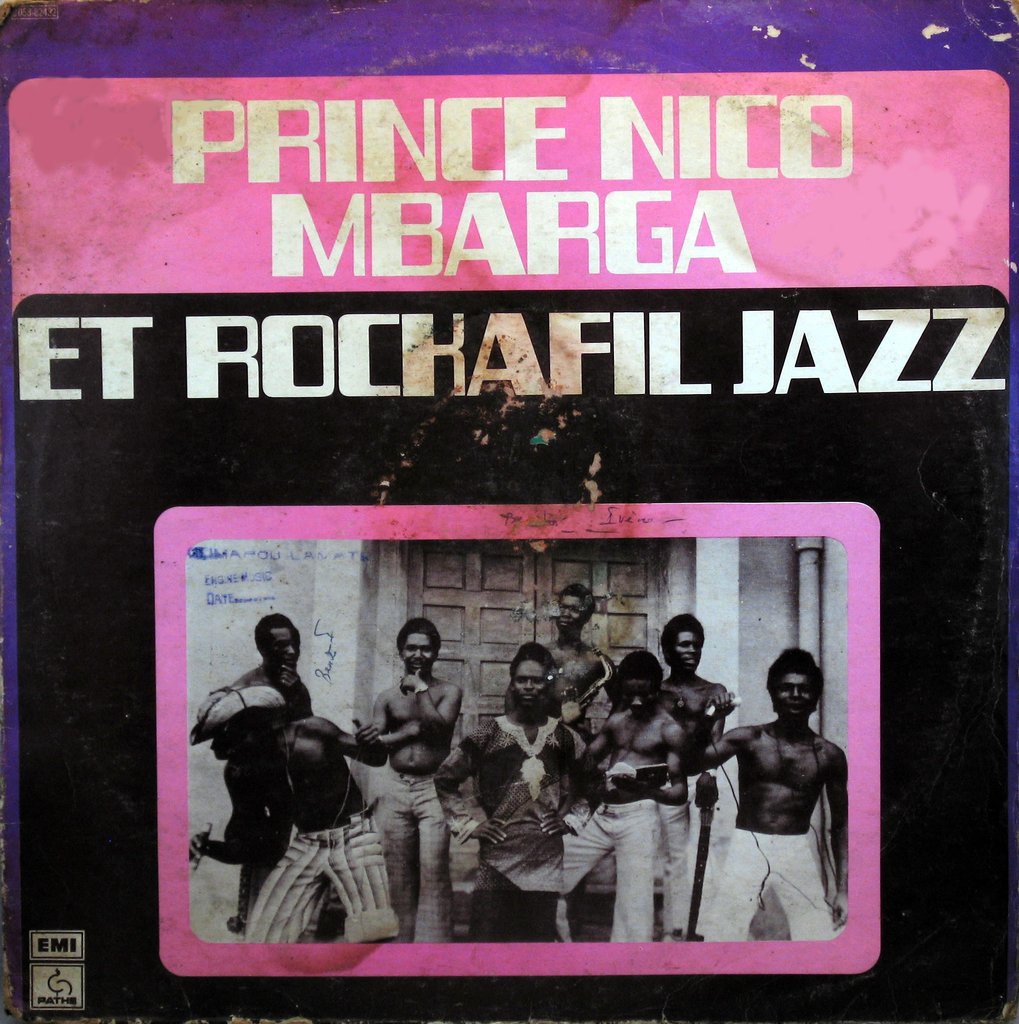
At the end of the war in 1970, Nico and Lucy returned to Nigeria, crossing the borders through the bush after three days in prison for attempting to travel without passports. They settled in Onitsha, a commercial port on the Niger and the musical epicenter of eastern Nigeria. Nico formed Rocafil Jazz, signed a weekly engagement at the Plaza Hotel and began frequenting names like Stephen Osadebe or Bobby Benson.
In 1973, EMI spotted the group and released “I No Go Marry My Papa”, a track about arranged marriage that became a regional hit. Mbarga, who also studied law in Onitsha, was not just a guitarist — he was a precise and disciplined conductor, who neither smoked nor drank. His first EMI contract ended badly when the label refused to continue. But this decision, according to AllMusic, would prove very unfortunate for EMI: the local Onitsha label, Rogers All Stars, would make him a continental legend.
Between 1975 and 1981, Mbarga recorded nine albums with Rogers All Stars. In 1982, he traveled to England and was noted for his flamboyant performances, in the style of 1970s glam rock. Upon returning to Nigeria after the expulsion of two million African immigrants, the Cameroonian members of Rocafil Jazz were among the deportees. Mbarga launched his own label distributed by Polydor, but the separation from the original Rocafil Jazz was consummated. He formed the New Rocafil Jazz, never regained his past glory and turned to managing his four-star Sweet Mother hotel in Ikom. On June 23, 1997, on the way to see his mother in Ikom, he perished in a motorcycle accident on the Mayne Avenue Road in Calabar.
Major works
| Work | Year | Why it is essential |
|---|---|---|
| “Sweet Mother” | 1976 | Pan-African hymn celebrating motherhood in pidgin, sold over 13 million copies |
| “I No Go Marry My Papa” | 1973 | First hit that launched Rocafil Jazz and attracted EMI’s attention |
| Sweet Mother (album) | 1976 | First iconic LP of the Nigerian-Congolese “panco” sound |
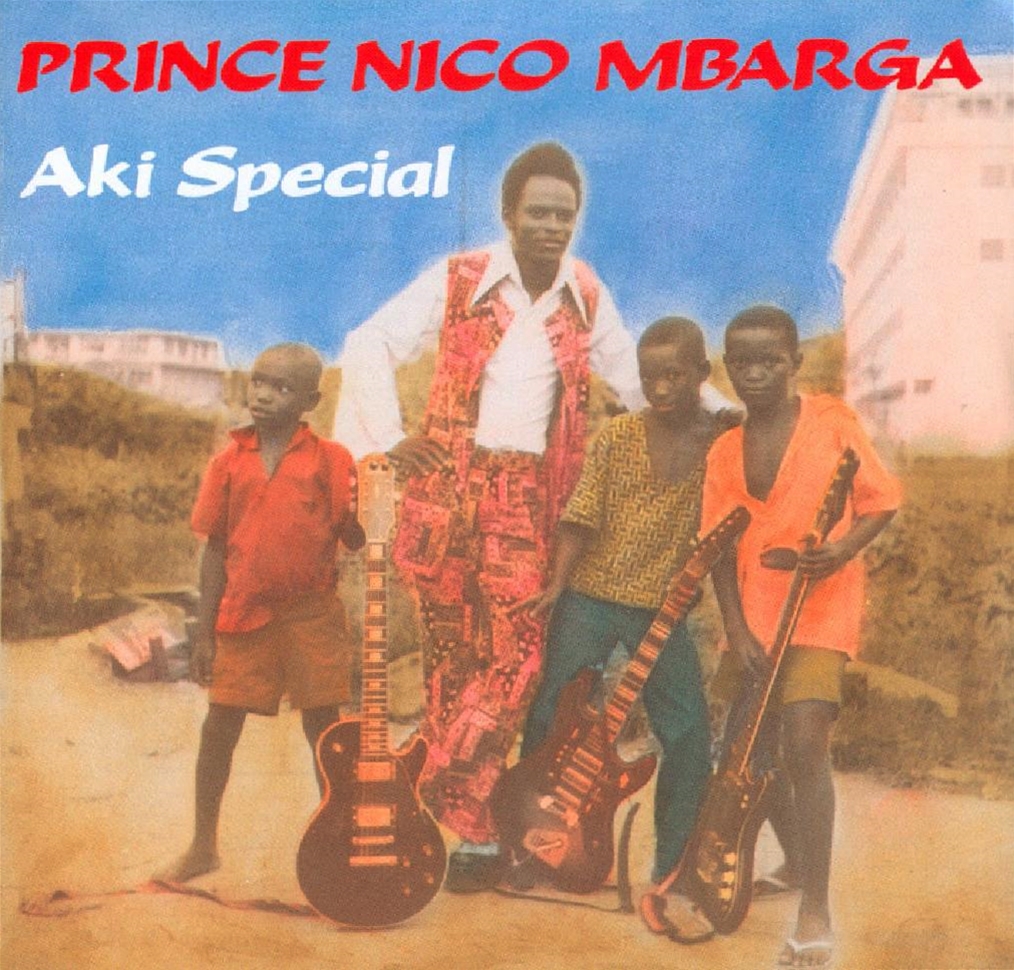
| “Aki Special” | ~1980s | Enduring hit in Colombia, becoming a classic of the South American African diaspora |
Heritage and influence
“Sweet Mother” transcends the status of a simple hit: it is sometimes described as an anthem of Africa. In 2004, it was voted Africa’s Favorite Song by BBC readers and listeners, and in 2017, an article by Narratively presented it as having sold more copies than the biggest hit by the Beatles, “I Want to Hold Your Hand”. Prince Nico’s own son, Femi Koleoso (alias Femi the Drummer), paid tribute to his father by recording a new version of “Sweet Mother” dedicated to mothers. Prince Nico’s style — that unique blend of Ivorian highlife and Igbo, Congolese arpeggios, and pidgin lyrics — prefigured the pan-African wave that was to unite Nigerian and Cameroonian musicians in the 1980s and 90s. “Sweet Mother” remains a staple on African radio stations, at weddings, and during cultural celebrations.
Sources and references
- “Prince Nico Mbarga”, Wikipedia (EN), https://en.wikipedia.org/wiki/Prince_Nico_Mbarga, accessed 5 November 2026.
- “Prince Nico Mbarga Biography”, AllMusic (Craig Harris), https://www.allmusic.com/artist/prince-nico-mbarga-mn0000362321/biography, accessed 5 November 2026.
- Sami Kent, “Prince Nico’s ‘Sweet Mother’ Sold More Than Any Beatles’ Record”, Sister from Another Planet / Narratively, 26 June 2017, https://www.sisterfromanotherplanet.com/prince-nicos-sweet-mother-sold-more-copies-than-any-beatles-songs-facts/, accessed 5 November 2026.
- “‘Sweet Mother’ crooner, Prince Nico Mbarga, immortalised in Calabar”, Premium Times Nigeria, 8 January 2018, https://www.premiumtimesng.com/entertainment/music/254858-sweet-mother-crooner-prince-nico-mbarga-immortalised-calabar.html, accessed 5 November 2026.
- “Mbarga, Prince Nico”, Encyclopaedia Africana (AU Project), https://encyclopaediaafricana.com/mbarga-prince-nico/, accessed 5 November 2026.
- Ronnie Graham, Stern’s Guide to Contemporary African Music, Ch.2 Nigeria (pp.33-74), Zwan Publications, 1988.
- “Sweet Mother is Africa’s anthem”, BBC News Africa, https://news.bbc.co.uk/2/hi/africa/4137879.stm, accessed 5 November 2026.