Biography
Ras Natty Baby: the rebellious soldier of Mauritian seggae
At the heart of Richelieu town, in a small two-room apartment smelling of incense and guitar strings, Joseph Nicolas Émilien, known as Ras Natty Baby, writes lyrics that would make a government tremble. “It is the fastest way to touch people’s hearts and get a message across”1. This music, born from the fusion of Creole séga and Jamaican reggae, the seggae—a genre invented on the docks of Port-Louis by slave descendants seeking identity—bore his name.
In brief
| Full name | Joseph Nicolas Émilien |
| Stage name | Ras Natty Baby |
| Birth | 14 April 1954, Rodrigues (Mauritius) |
| Death | 26 April 2026, India |
| Genre | Seggae—fusion of Mauritian séga and Jamaican reggae |
| Emblematic works | Nuvel Vision, Seggae Time, Leve do mo pep |
| Honors | Icon of Mauritian seggae, pioneer of the genre |
Key dates
| Year | Event |
|---|---|
| 1954 | Birth in Rodrigues, a small island 700 km from Mauritius |
| 1973 | Illegal arrival in Mauritius, settlement in Richelieu town (Port-Louis) |
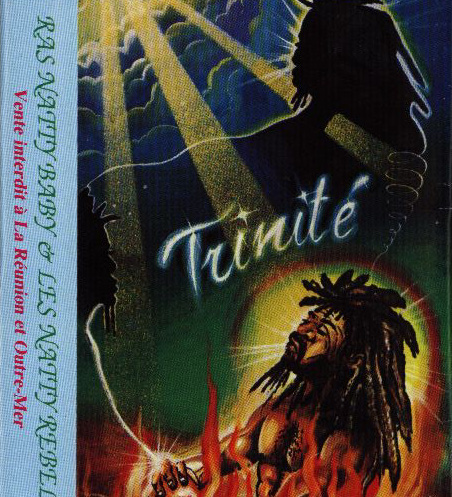
| 1982 | Creation of the group Ras Kilimanjaro, renamed Natty Rebels |
| 1983 | First “purely reggae” concert in Richelieu, alongside Kaya |
| 1987 | First Natty Rebels cassette, Nu zwen ensam |
| 1990 | Release of Nuvel Vision, 200,000 cassettes sold |
| 1994 | Participation in the “RFI Discovery” contest in Madagascar |
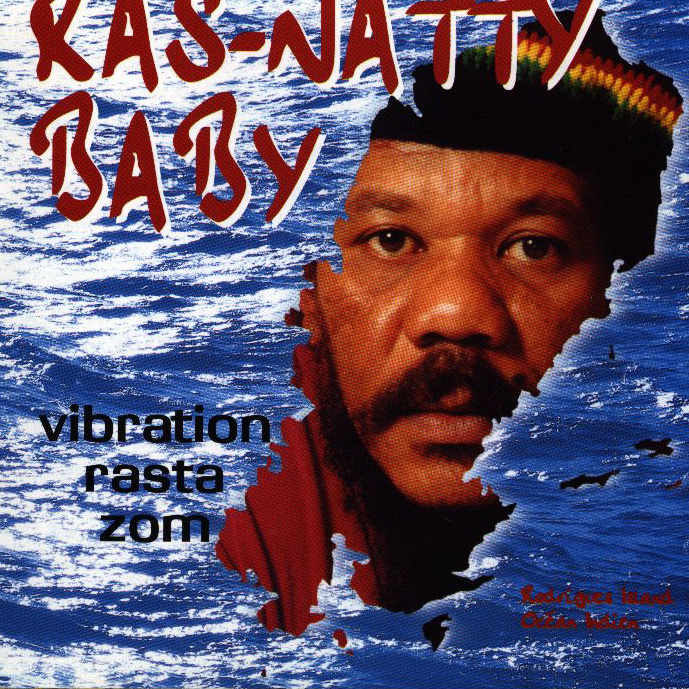
| 1996 | Departure for Europe with Vibration Rasta Zom |
| 2003 | Arrest for drug possession |
| 2022 | Lawsuit against MASA for unpaid pension since 2014 |
| 2026 | Death at age 72, repatriated and buried in Petite Rivière |
A Creole youth at the crossroads of worlds
Born on 14 April 1954 on the island of Rodrigues, some 700 kilometers from Mauritius, Joseph Nicolas Émilien grew up in the poverty of a Creole community where séga—the traditional music of African slave descendants deported during colonization—was the only way out2. From the age of nine, he became interested in music. But séga alone was no longer enough. At nineteen, he illegally boarded a ship for Mauritius and landed in Richelieu town, in the industrial suburbs of Port-Louis.
There, he frequented GOST (Groupement Ouvrier Sans Travail), a popular meeting place where Creoles gathered, exchanged cassettes, and lent each other instruments. It was in these “cases” that young Joseph discovered the reggae coming from Jamaica and Rastafari philosophy. Bob Marley became his compass: “emancipate yourself from mental slavery3.” At the time, reggae was unpopular in Mauritius, politically dominated by the Indian community. But Baby persevered and formed his first group, Ras Kilimanjaro, which became the Natty Rebels in 1982. His very name announced his colors: “Ras” (abbreviation of Ras Tafari, the Rastafari honorary title) and “Baby,” which Mauricien translates as “the valiant prince.”
The genesis of seggae: from Kaya to Nuvel Vision
The seggae—a fusion of the 6/8 rhythm of Mauritian séga and Jamaican tempos—took shape in Richelieu workshops. In October 1983, Baby and his “brother” Kaya—another seggae figure who died in detention in February 1999—organized the island’s first purely reggae concert on a volleyball court4. The reception was lukewarm: reggae was still associated with Bob Marley and “gandia” (shots of rum). But the seed had been sown.
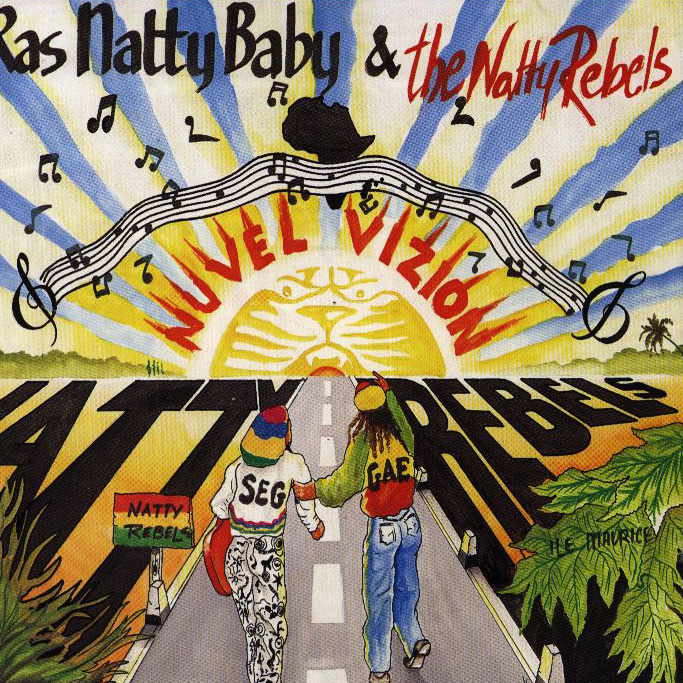
In 1990, Kaya recorded Seggae, Nou Lamizik in a Radio Nouvelle studio in La Réunion. A few months later, Percy Yip Tong, a Sino-Mauritian producer, financed Baby’s album: Nuvel Vision (recorded at the Oasis Studio in La Réunion). The record sold 200,000 copies throughout the Indian Ocean5. The track “Leve do mo pep” became the anthem of the voiceless, and books—David, Solomon, the Queen of Sheba, Haile Selassie—opened worlds to him that the street had not shown him.
Soldier, activist, wounded: the European epic
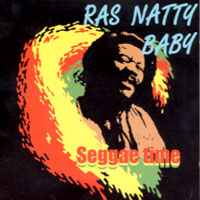
The departure for Europe, begun with Vibration Rasta Zom in 1996, was a shock. Finding musicians capable of mastering the hybrid seggae rhythm is not easy. Supported by Ibis “Romie” Lawrence, former keyboardist of Alpha Blondy who fell in love with the Mauritian 6/8, Baby recorded Seggae Time in 1998, a trilogy of twelve songs in Creole, French, and English6.
His life as a soldier was not without complications. In 2003, he was arrested in Mauritius for heroin possession, then relaunched his career. His battles were not limited to music: in 2022, he sued the Mauritius Society of Authors (MASA) for non-payment of his pension since 2014, denouncing an abuse of dominant position. His personal life was marked by trials: his daughter was a drug addict, and his inner battles were as arduous as his public ones. “You don’t kill an old soldier like me,” he smiled, resolved never to lower his weapons7.
Major works
| Work | Year | Why it is essential |
|---|---|---|
| Nuvel Vision | 1990 | First seggae success, 200,000 cassettes; “Leve do mo pep” becomes anthem |
| Seggae Time | 1998 | European album, Creole/French/English trilogy, Sony/Déclic production |
| Vibration Rasta Zom | 1996 | European tour, meeting with Romie Lawrence |
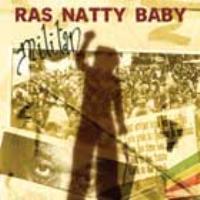
| Militant | 2002 | Activist album recorded in Mauritius, clear social commitment |
| La Résurrection | 2012 | Return after a difficult period, programmatic title |
| Leve do mo pep | 2024 | Remasterization of the key track, proof of its longevity |
Heritage
Ras Natty Baby remains, without a doubt, one of the pillars of Mauritian music. A figure in seggae alongside Kaya, he invented a sound that is now taught as an integral part of the island’s cultural identity7. Deceased on April 26, 2026, at the age of 72, hospitalized in India for complications related to diabetes, he was repatriated and buried at the Petite Rivière cemetery, with a public tribute held at the Stade de la ville on May 1, 2026. His legacy extends beyond Mauritius and continues to influence the contemporary Afro-Caribbean scene.
Sources and references
-
Le Mauricien, Ras Natty Baby: Les belles armes du soldat rebelle, November 22, 2013. ↩︎
-
Otayo, article Ras Natty Baby on otayo.com/en/artists/ras-natty-baby. ↩︎
-
RFI Musique, Ras Natty Baby, February 25, 1999. ↩︎
-
Le Mauricien, Ras Natty Baby: Ant Kaya ek mwa, zame finn ena okenn rivalite, February 21, 2019. ↩︎
-
Mauritian Sun Sound, Ras Natty Baby & The Natty Rebels — Nuvel Vizion, November 29, 2010. ↩︎
-
RFI Musique, Ras Natty Baby, article Le nouveau reggae vient de l’océan Indien, February 25, 1999. ↩︎
-
RFI, Death of Ras Natty Baby, one of the inventors of Mauritian seggae, April 27, 2026. ↩︎ ↩︎