Biography
Ray Léma: Pianist and Conduit of World Music
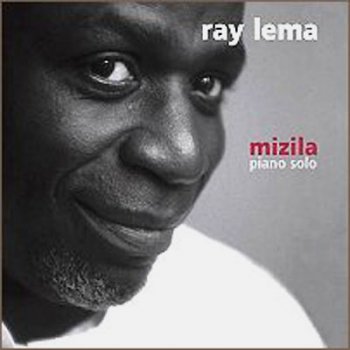
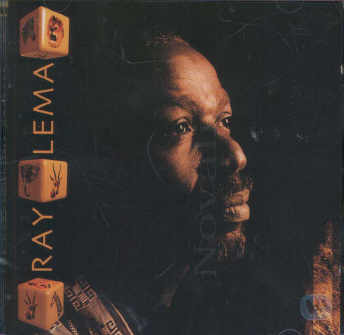
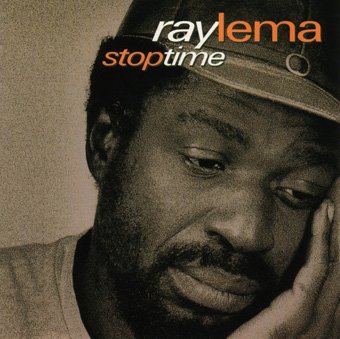
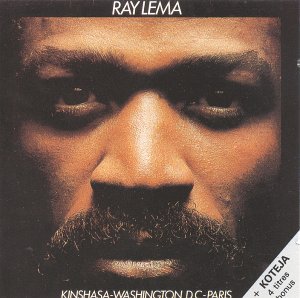
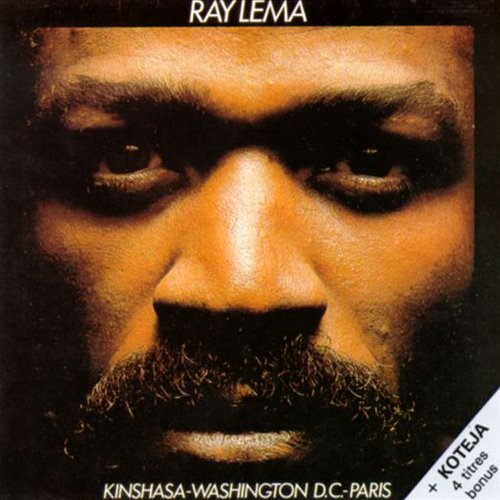
In 1974, the Zairian government entrusted Raymond Lema A’nsi Nzinga, then thirty-three years old, with an unusual mission: to traverse the vast territory to collect the music of more than two hundred ethnic groups and bring these scattered artists together into a single national ensemble. Three decades later, Ray Léma—as he prefers to be called—remains one of the most distinctive figures in African world music. Trained in classical piano at a seminary before becoming a keyboardist in the rock clubs of Kinshasa, and later musical director of the National Ballet of Zaire, this outsider, a true musical métis, dedicated his life to bridging cultures: Bach and Congolese rumba, synthesizers and djembé, European jazz and Central African rhythms. His album Kinshasa-Washington DC-Paris, released in 1983, became a fundamental reference for a genre still in its infancy.
In Brief
| Full Name | Raymond Lema A’nsi Nzinga, known as Ray Léma |
| Birth | March 30, 1946, Cattier (Lufu-Toto), Bas-Congo, Belgian Congo |
| Field | Piano, guitar; world music, African jazz, soukous |
| Signature Works | Kinshasa-Washington DC-Paris, Medecine, Nangadeef |
| Awards | Maracas d’Or Prize (1978), Rockefeller Foundation Fellowship (1979) |
Key Dates
| Year | Event |
|---|---|
| 1946 | Born in Cattier, Bas-Congo (now DRC) |
| 1957-1962 | Seminary of the White Fathers in Kinshasa; organ, piano, Gregorian chant |
| 1962-1970 | Chemistry studies; club concerts with Tabu Ley, Abeti Masikadze |
| 1974-1976 | Musical director of the National Ballet; collection of traditional music |
| 1978 | Ya Tupas wins the Maracas d’Or Prize in France |
| 1979-1982 | Rockefeller Fellowship in the United States; recording of Koteja and Kinshasa-Washington DC-Paris |
| 1983 | Relocation to Paris; release of Kinshasa-Washington DC-Paris (Celluloid) |
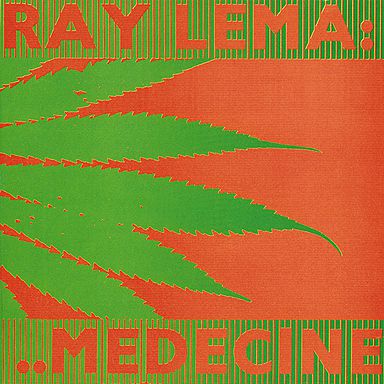
| 1985 | Recording of Medecine in London with Martin Meissonnier |
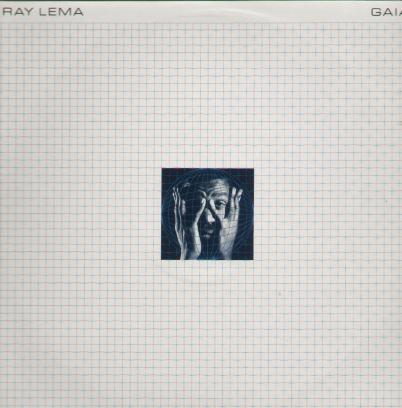
| 1989-1990 | Signing with Mango (Island); Nangadeef and Gaia |
| 2019 | Tribute concert for Franco Luambo Makiadi in Kinshasa—return to the homeland after 35 years |
The Path of a Musical Métis
Raymond Lema A’nsi Nzinga was born in 1946 in a village in Bas-Congo, then Belgian Congo. At eleven, he entered the small seminary of the White Fathers near Kinshasa, where his musical talent was spotted. He studied organ and piano in a classical repertoire ranging from Gregorian chant to Mozart, from Beethoven to Chopin—he even performed publicly with the Clair de Lune Sonata. He initially hoped for a clerical career, but secular music now called to him. After leaving the seminary in 1962, he entered university to study chemistry. This scientific passion quickly gave way to the Kinshasa nightclubs, where he became a keyboardist for Tabu Ley Rochereau and Abeti Masikadze. In a musical scene dominated by rumba, his taste for the rock of Jimi Hendrix and Eric Clapton made him a cosmopolitan outsider. In 1974, the Zairian government entrusted him with the direction of the National Ballet: he traveled the country to collect the traditions of more than two hundred ethnic groups and recruited musicians who would play together. This inquiry forged his conviction: African music is an infinite mosaic. His refusal to compose an opera glorifying dictator Mobutu cost him everything—his house and his orchestra were confiscated. It was the Rockefeller Foundation that saved him: a fellowship and a ticket to Washington. He left with the hope of an internship, without imagining that he would not see his homeland again for thirty-five years.
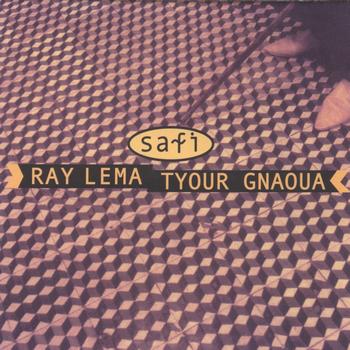
In the United States, he met Stewart Copeland (The Police) and Tony Allen. His first album Koteja (1982), recorded in America, was published in Paris on Celluloid. Kinshasa-Washington DC-Paris (1983) confirmed an already singular style: synths, funk, and Kongo rhythms intersect. AllMusic describes him as an inspired post-punk African crossover artist, while the French press hailed an artist refusing to be confined to a genre. Settled in Paris in 1982, he recorded Medecine (1985) in London—djembé, synths, and funky. He signed with Mango (Island Records) in 1989, a label that launched his international success. Nangadeef welcomed Courtney Pine and the Mahotella Queens; Gaia (1990) consolidated his place. Between 1992 and 2000, he multiplied collaborations: the opera Un Touareg s’est marié avec une Pygmée with Werewere Liking, Euro African Suite with Joachim Kühn, the pianist duo Bulgarian Voices with the chœurs du Pirin Folk Ensemble, and Safi with the Moroccan group Tyour Gnaoua. He then explored symphonic formations—orchestras from Sweden, Brazil, China, and Cuba invited him to perform his compositions in orchestral versions.
Major Works
| Work | Year | Why It Is Essential |
|---|---|---|
| Kinshasa-Washington DC-Paris | 1983 | First international album; a world music manifesto before the term existed |
| Medecine | 1985 | London studio; djembé, synths, and funky: a bold sonic laboratory |
| Nangadeef | 1989 | First Mango album; features Courtney Pine and the Mahotella Queens |
| Safi (with Tyour Gnaoua) | 2000 | Meeting between Gnawa rituals and Léma’s jazz |
| Riddles (duo Laurent de Wilde) | 2016 | Pianistic dialogue between two continents |
Legacy and Influence
According to Le Monde diplomatique, Ray Léma embodies the concept of world music long before marketers labeled it. His work is a lesson in métissage: each project interrogates a foreign register without ever betraying the Congolese root. Generations of African musicians draw from his approach the model of a truly continental jazz—collective, open, capable of dialoguing with other disciplines. In 2019, Kinshasa rediscovered with emotion that an artist who left into exile to save his art remained one of their own.
Sources and references
- « Ray Lema », Wikipedia (English version), https://en.wikipedia.org/wiki/Ray_Lema, accessed on November 2, 2026.
- « Ray Lema — Biography, Discography », AllMusic, https://www.allmusic.com/artist/ray-lema-mn0000345331, accessed on November 2, 2026.
- « Artist Profiles: Ray Lema », World Music Central, https://worldmusiccentral.org/artist-profiles-ray-lema/, accessed on November 2, 2026.
- « Ray Lema, artisan du futur », Le Monde diplomatique, https://www.monde-diplomatique.fr/2002/08/BRIE/9206, accessed on November 2, 2026.
- « BIOGRAPHY — RAY LEMA », Official Ray Lema site, https://raylema.com/biography?lang=en, accessed on November 2, 2026.
- « Ray Lema », Discogs, https://www.discogs.com/artist/ray-lema, accessed on November 2, 2026.
- « Ray Lema Discography », Qobuz, https://www.qobuz.com/us-en/interpreter/ray-lema/66228, accessed on November 2, 2026.