Biography
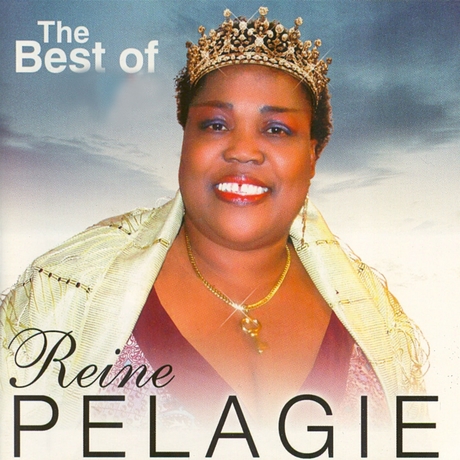
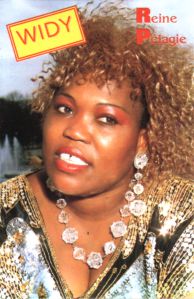
Reine Pélagie: « La Reine de feu » of Ivorian music
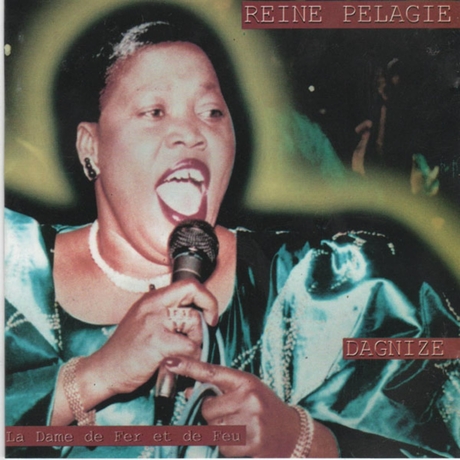
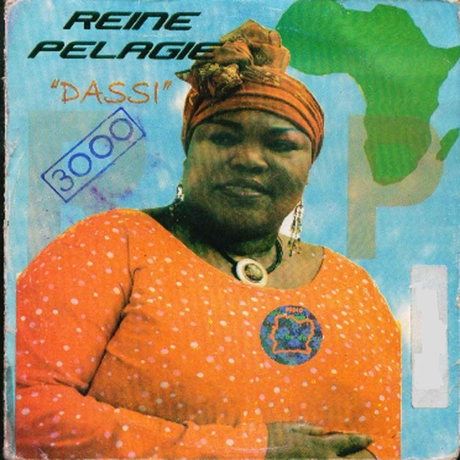
In 1985, in a Paris studio, an Ivorian voice with a fiery timbre recorded an album that would cross the continent’s borders. Thirty-eight years later, her voice remains a compass for an entire generation1.
In brief
| Full name | Kadiatou Fama Camara |
| Birth | December 16, 1958, Côte d’Ivoire |
| Origin | Central-western Côte d’Ivoire, Bété ethnicity; Guinean roots |
| Field | Singer, lyricist, composer |
| Genre | Ziglibithy, afro-zouk, afro-jazz, Congolese rumba |
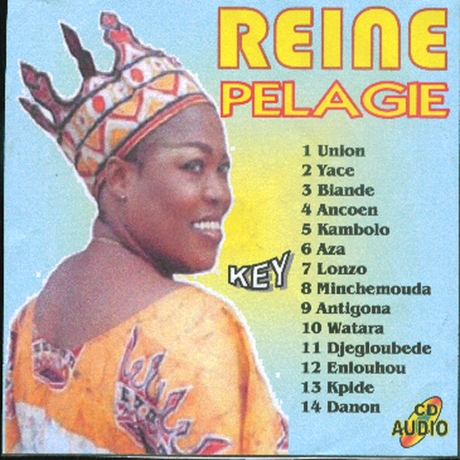
| Iconic works | Aza, Reine de feu, “Biandè”, “Wattara” |
| Nickname | « La Reine de feu » |
Key dates
| Year | Event |
|---|---|
| ~1969 | Leaves Côte d’Ivoire at 11, travels through Liberia and Ghana |
| ~1971 | Learns juju music in Nigeria under the influence of Sonny Okosuns |
| 1974 | Returns to Côte d’Ivoire, mentored by Fax Clark |
| ~1975 | Joins the Ivoiro-Star label of Amédée Pierre |
| ~1978 | Joins the RTI orchestra, directed by Manu Dibango |
| 1980 | First album Aza (September 24, Abidjan) |
| 1983 | Concert at Hôtel Ivoire with Aïcha Koné: national star |
| 1984 | Stage appearance with Jimmy Cliff in Abidjan |
| 1985 | Reine de feu, Paris recording with Michel Alibo |
| 1992 | Olympia in Paris and Fripouille Festival in Marseille |
| 1994 | Womad Festival, England (Paul Simon, Tabu Ley) |
| 2016 | Trip to Guinea to reconnect with her origins |
| 2023 | 45 years of career, celebration in Paris |
From Liberia to Paris: a fiery journey
Kadiatou Fama Camara was born in central-western Côte d’Ivoire, to a Bété father, Danon Félix, and a Guinean mother. At eleven years old, she left her country and hitchhiked through Liberia and then Ghana, where she came into contact with Sonny Okosuns, the icon of Nigerian juju music. Two years spent in this musical stronghold forged her ambition2.
Back in Côte d’Ivoire in 1974, she met Fax Clark, a famous Ivorian saxophonist who became her mentor. The training was demanding: Reine Pélagie, already endowed with a strong personality, did not easily accept her guide’s directives. This productive friction forged a unique style2.
After a stint with Amédée Pierre’s Ivoiro-Star, she joined the RTI orchestra, where Manu Dibango directed the ensemble. In 1980, Aza, her first album, launched a career. In 1983, a concert at Hôtel Ivoire with Aïcha Koné elevated her to star status. The peak arrived in 1985: Reine de feu, recorded in Paris with Michel Alibo, Denis Hekimian and Bamba Yang, was an aesthetic shock. It is at this time that her nickname « La Reine de feu » became established2.
Reach and legacy
Reine Pélagie conquered the continent and then the international scene. Classics like “Biandè”, “Wattara” and “L’union fait la force” — an engaged song for African unity — resonate beyond borders. The Olympia in Paris, Womad in England, stage appearance with Paul Simon1.
In 2023, she celebrated forty-five years of career in Paris, surrounded by the great ladies of Ivorian music. Reine Pélagie remains a bridge between generations3.
Major works
| Work | Year | Why it is essential |
|---|---|---|
| Aza | 1980 | Launch of an international career |
| Reine de feu | 1985 | Masterpiece, Paris recording with Michel Alibo |
| “Biandè” | — | Timeless hit, taken up by new generations |
| “L’union fait la force” | — | Hymn to African unity |
Legacy
Reine Pélagie is part of the first wave of Ivorian artists to pave the way for female singers. Her journey — from Liberia to Ghana, from RTI to Paris — is a lesson in resilience. Her influence can be seen in Monique Séka, Antoinette Konan and all the voices of the Ivorian tradimodern scene. Ziglibithy, born from Ernesto Djédjé’s revolution, has crossed decades thanks to interpreters like her3.