Biography
Richard Bona
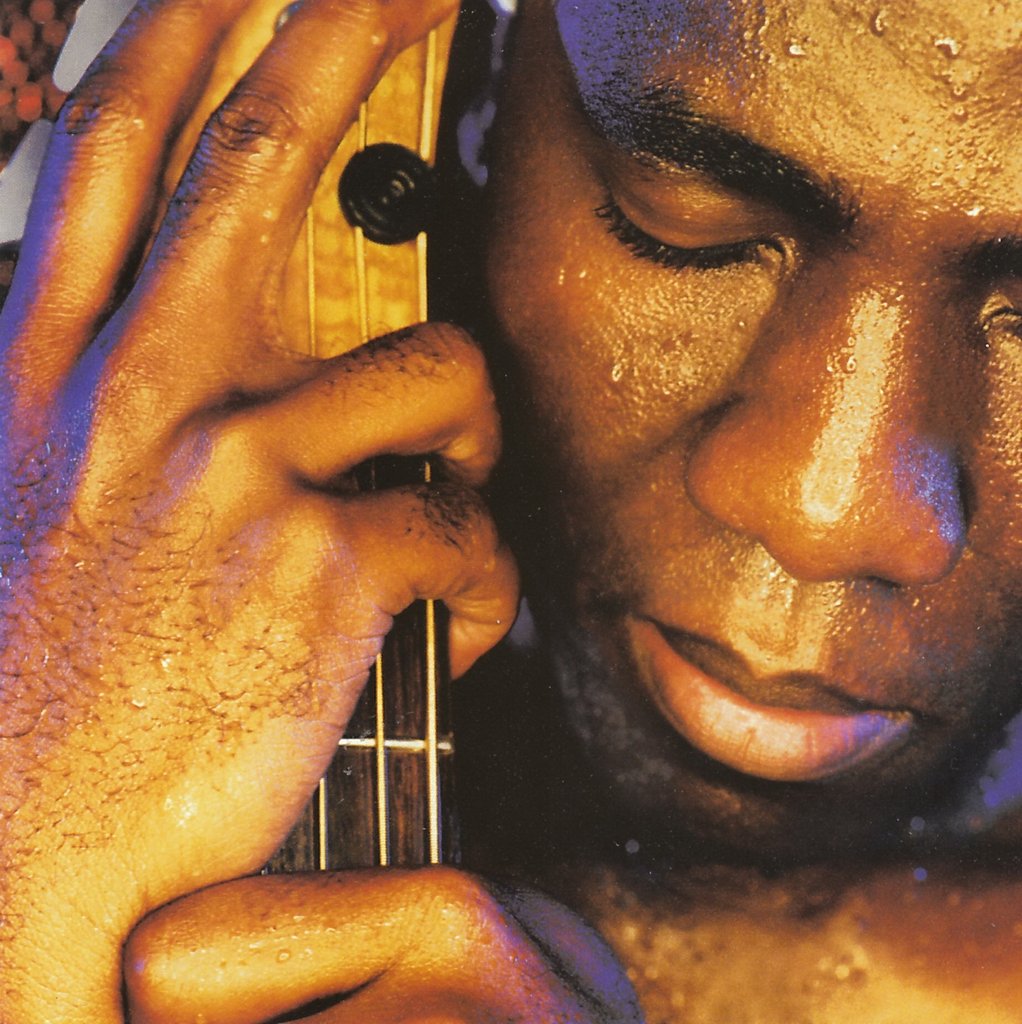
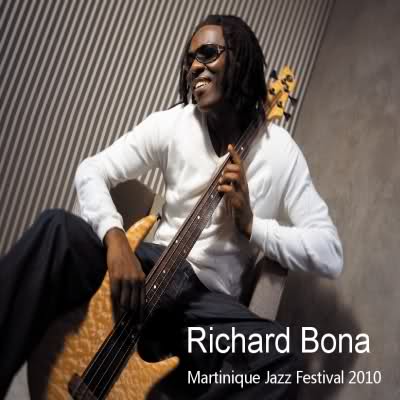
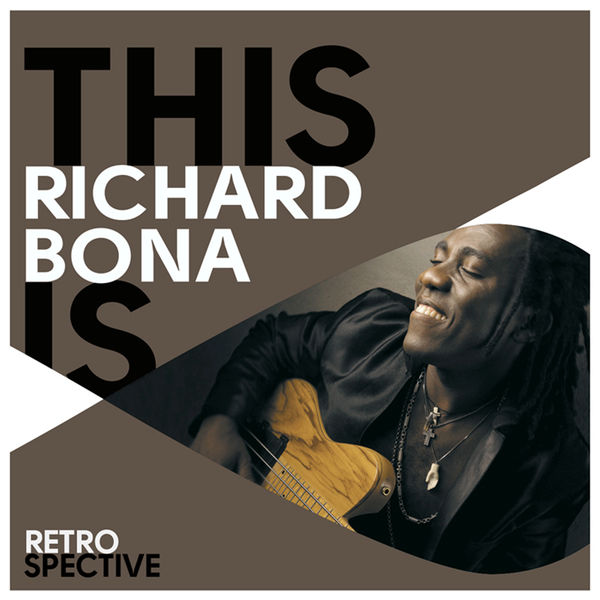
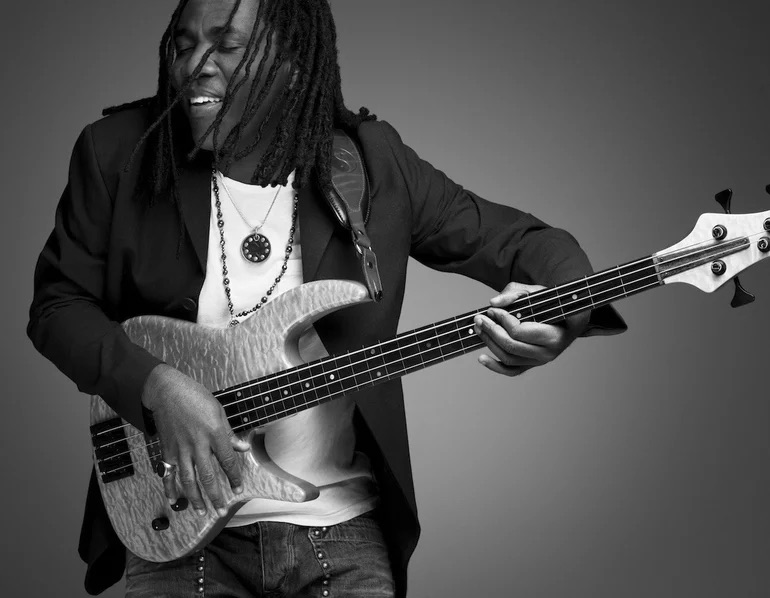
In Minta, a small village in eastern Cameroon, a child began striking a balafon (African wooden xylophone) as early as age three. Thirty-five years later, that same boy was performing on the world’s most prestigious stages—from the Montreal International Jazz Festival to the Grammy Awards—where his mastery of the electric bass and the clarity of his falsetto voice dazzled music lovers. Richard Bona, whose real name is Bona Pinder Yayumayalolo, has become one of the most accomplished musicians of his generation, a virtuoso instrumentalist, singer, and songwriter.
In Brief
| Full Name | Bona Pinder Yayumayalolo |
| Birth | October 28, 1967, Minta, Cameroon |
| Genres | Jazz fusion, world fusion, ethno jazz |
| Instruments | Electric bass, guitar, percussion, keyboards, vocals |
| Notable Works | Scenes from My Life, Tiki, Heritage |
| Awards | Grammy 2003, Victoire du jazz 2004, SACEM 2012 |
Key Dates
| Year | Event |
|---|---|
| 1967 | Born in Minta, into a family of musicians |
| 1980 | At age 13, formed his first ensemble for a jazz club in Douala |
| 1989 | Moved to Germany, studied at the Düsseldorf Institute of Music |
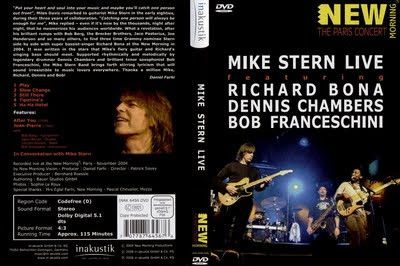
| 1995 | Left France for New York, encouraged by Mike Stern |
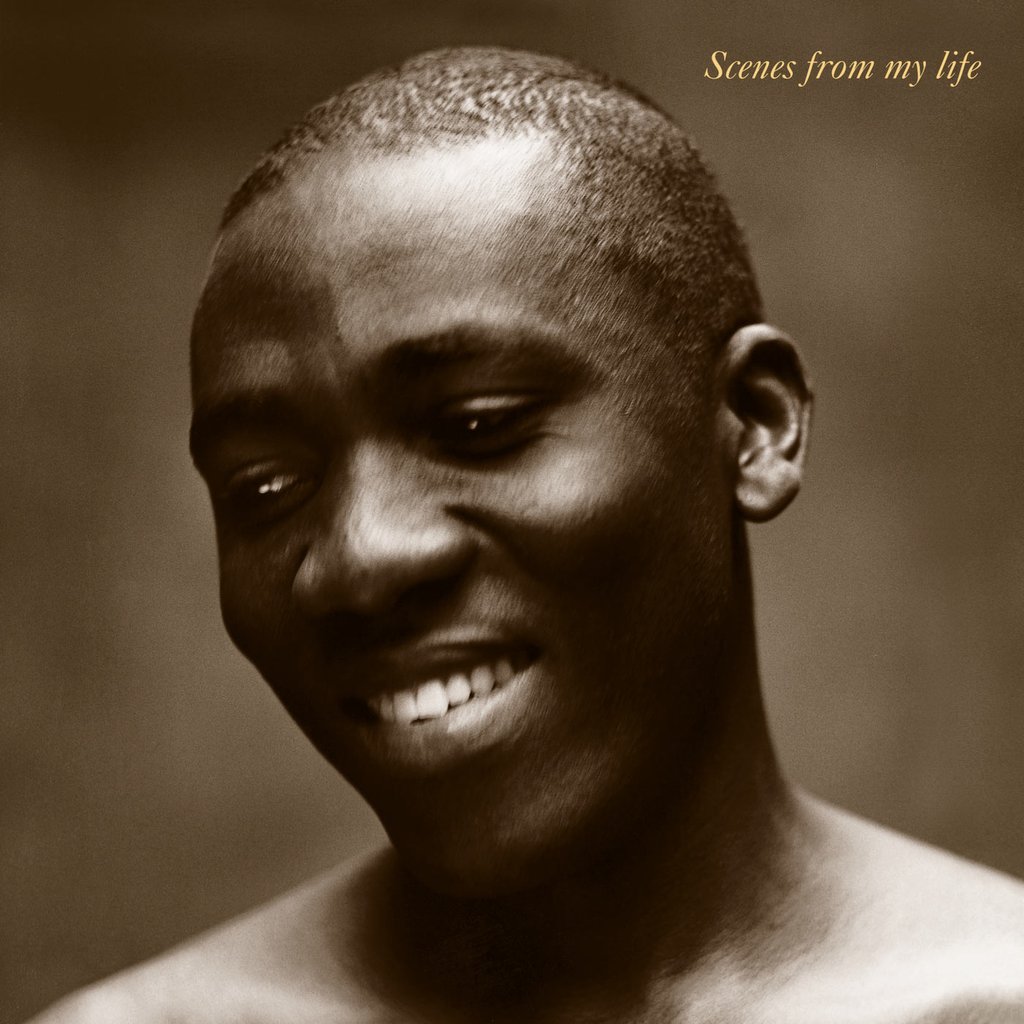
| 1999 | Scenes from My Life, first solo album on Columbia |
| 2002 | Joined the Pat Metheny Group, Grammy for Speaking of Now |
| 2004 | Victoire du jazz “Best International Artist” |
| 2012 | Grand Prix Jazz SACEM |
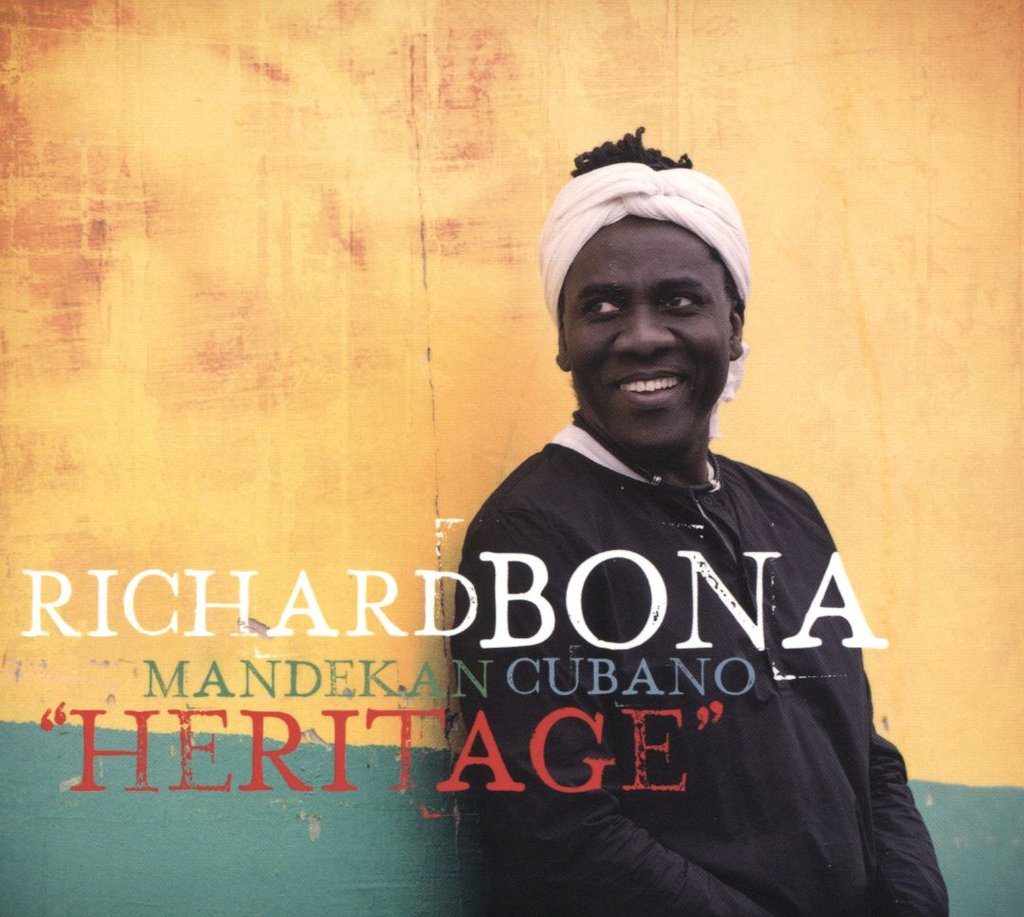
| 2016 | Heritage, project with Mandekan Cubano on Quincy Jones’ Qwest label |
An Electric Bass Griot
Richard Bona was born on October 28, 1967, in Minta, Cameroon, into a deeply musical family1. His grandfather was a griot—these West African musician-storytellers who transmit history and myths through song—and percussionist. His mother also sang. From the age of four, the child devoted himself to the balafon. At five, he participated in village services with his mother and sisters.
The unusual began when young Richard, lacking affordable instruments, crafted his own2. He strung bicycle brake cables across an old motorcycle tank and carved reed flutes. At eleven, his family moved to Douala, and he became enthusiastic about the electric guitar. His peers mocked his twelve-string homemade guitar. He switched to the electric bass. A French jazz enthusiast, owner of a club in Douala, lent him his record collection.
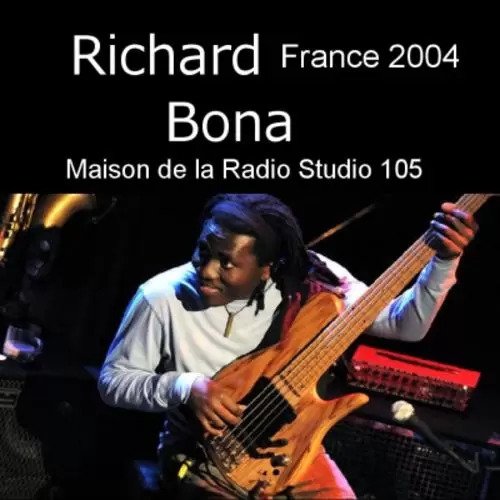
Richard stumbled upon Jaco Pastorius’s Portrait of Tracy3. The legendary Weather Report bassist changed everything. “That day, I became a bass player,” he would say.
New York opened the doors for him2.
Bona’s music does not confine itself to any single genre4.
Major Works
| Work | Year | Why It’s Essential |
|---|---|---|
| Scenes from My Life | 1999 | First solo album, unique bass and vocal signature |
| Reverence | 2001 | Pure voice and abstract percussion—the quintessential Bona sound |
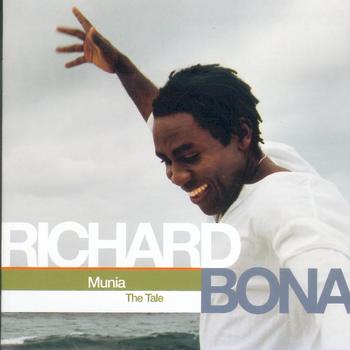
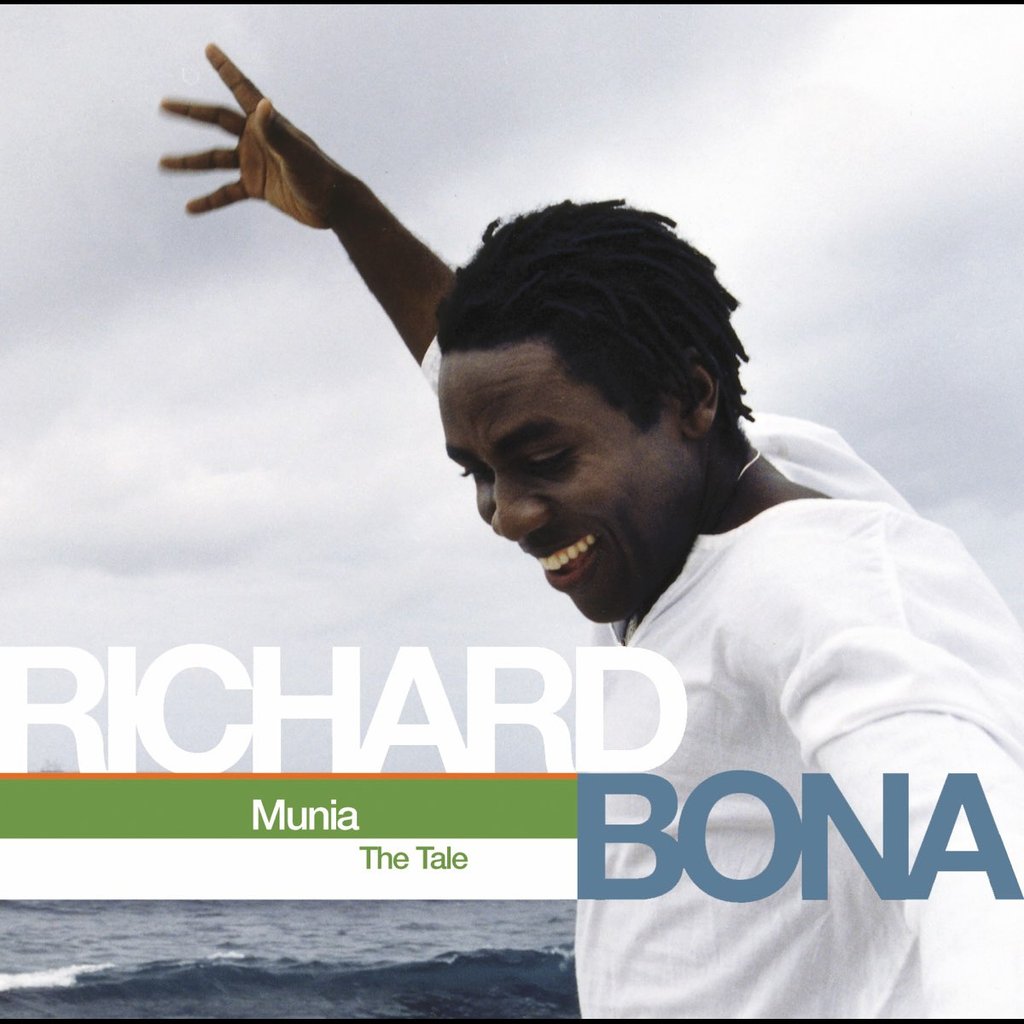
| Munia. The Tale | 2003 | African electric jazz and vocal range exploration |
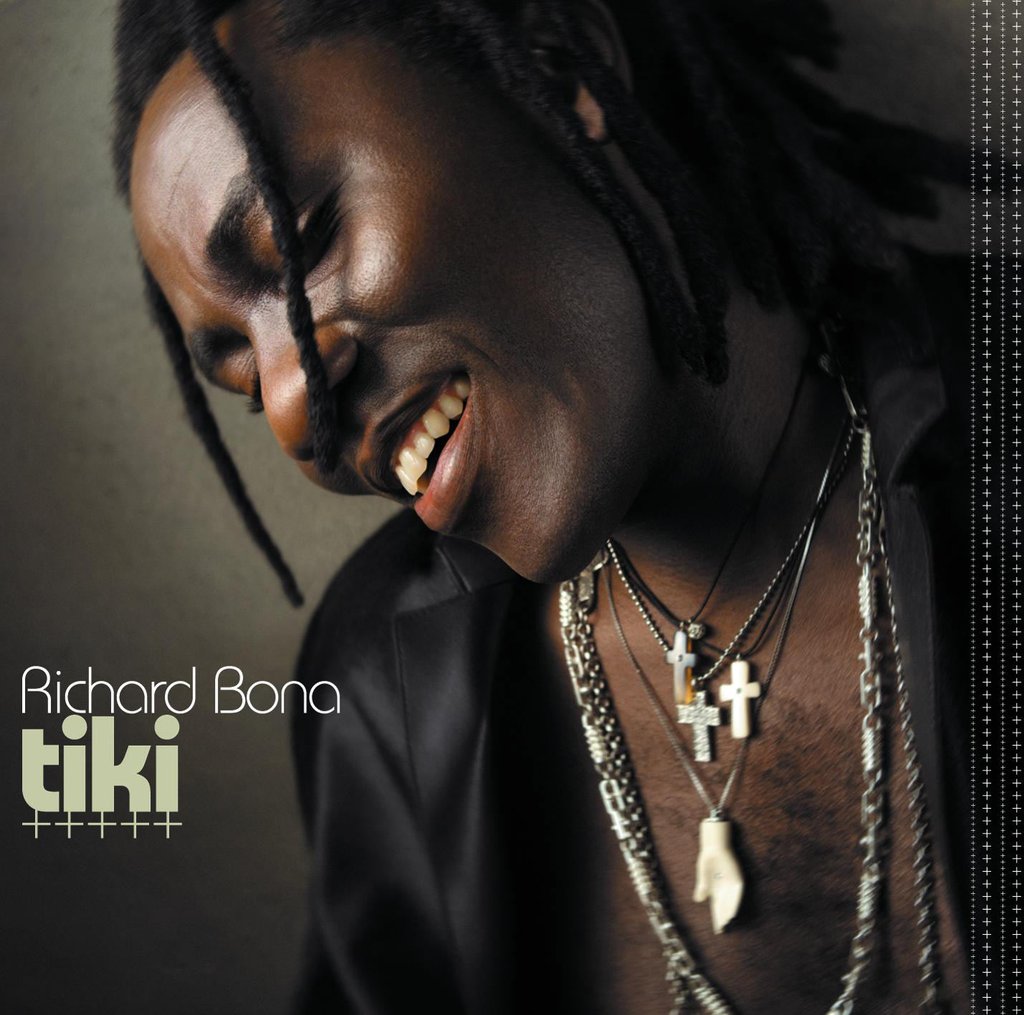
| Tiki | 2005 | African and Brazilian collaborations, Grammy nomination |
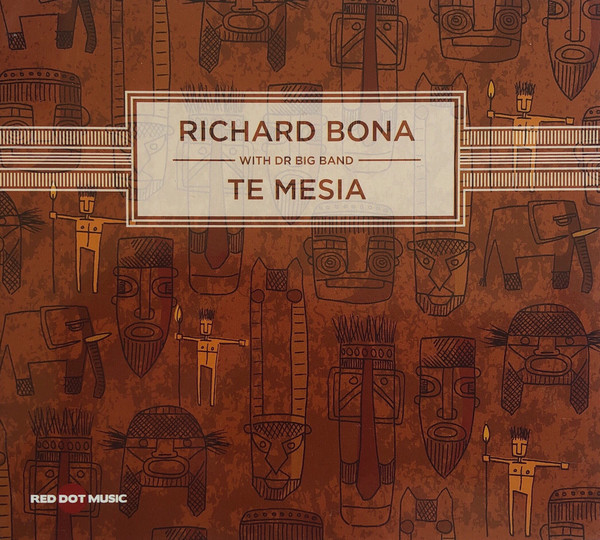
| Heritage (Mandekan Cubano) | 2016 | Cameroon-Cuba dialogue on Quincy Jones’ Qwest label |
Legacy
Richard Bona is a cultural ambassador—TED speaker, ambassador for various organizations. His name is inscribed in the roster of the Montreal International Jazz Festival, which awarded him the Antonio Carlos Jobim Prize in 2010, and he received the Grand Prix Jazz SACEM in 2012. Bass Magazine summarized it this way: “Richard Bona brought the sound of his native Cameroon into the mainstream of jazz and world music.” Even today, he continues to redefine his sound.
Sources and References
-
World Music Central, Artist Profiles: Richard Bona, accessed October 31, 2026, https://worldmusiccentral.org/artist-profiles-richard-bona ↩︎
-
Jazz.com, Encyclopedia — Richard Bona, accessed October 31, 2026, https://jazz.com/encyclopedia/bona-richard ↩︎ ↩︎
-
Wikipedia, Richard Bona, accessed October 31, 2026, https://en.wikipedia.org/wiki/Richard_Bona ↩︎
-
Richard-bona.com, Richard Bona Official Website — Bio and Recognitions, accessed October 31, 2026, https://www.richard-bona.com/bio/ ↩︎