Biography
Roberto Fonseca: the pianist who makes Africa and Cuba dance
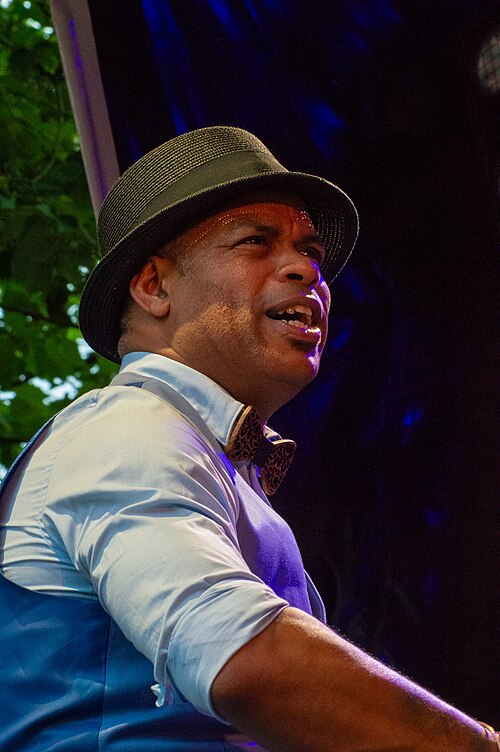
In 2001, Roberto Fonseca took the stage alongside Ibrahim Ferrer, a veteran of Buena Vista Social Club. At 26 years old, this pianist from Havana already played with the assurance of a professional musician. The young man, wearing the leather hat that would become his trademark, did not merely play accompaniment: he rearranged, transposed, and injected into the bolero rhythms that had never been heard before. That same year, he followed up with the group Temperamento and his own albums—a moment of brilliance that announced the figure who would become, from the 2010s onwards, the central character in the renaissance of Cuban jazz1.
In brief
| Full name | Roberto Alain Fonseca Cortés |
| Birth | March 29, 1975, Havana, Cuba |
| Field | Cuban jazz, Latin jazz, Afro-Cuban, hip-hop, world music |
| Instruments | Piano, vocals, percussion |
| Signature works | Zamazu, Yo, ABUC, Yesun |
| Awards | Ordre des Arts et des Lettres (France, 2019), Grammy nomination (2013) |
Key dates
| Year | Event |
|---|---|
| 1975 | Birth in Havana, son of a drummer and a singer |
| 1983 | Start playing piano at age 8 |
| 1991 | First public recital at the Jazz Plaza Festival in Havana, at age 15 |
| 1998 | En el Comienzo with Temperamento, awarded best jazz album at Cubadisco |
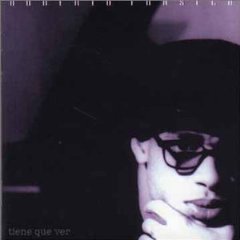
| 1999 | First solo album, Tiene Que Ver |
| 2001 | World tour with Ibrahim Ferrer’s Orquesta (over 400 concerts) |
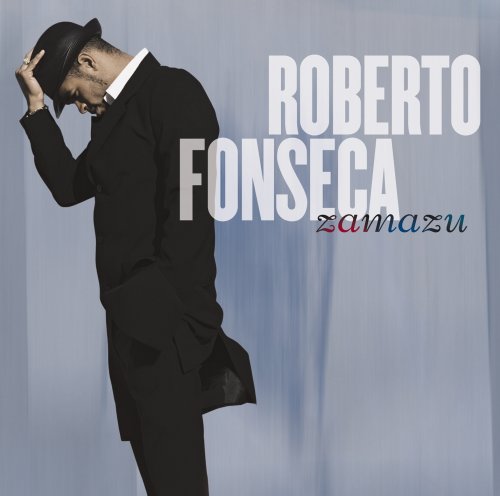
| 2007 | Release of Zamazu, a landmark album bringing together over 20 musicians |
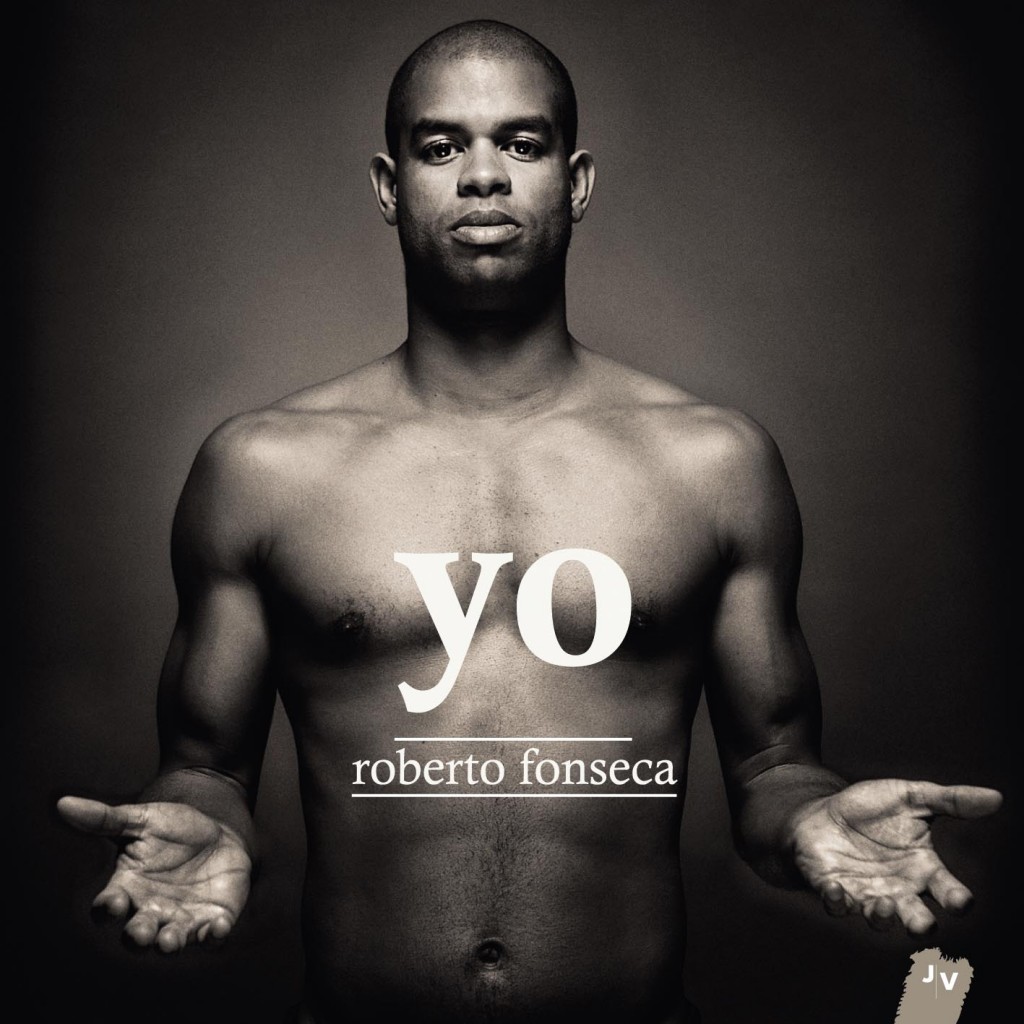
| 2012 | Yo, nominated for Grammy Awards in the category Best Latin Jazz Album |
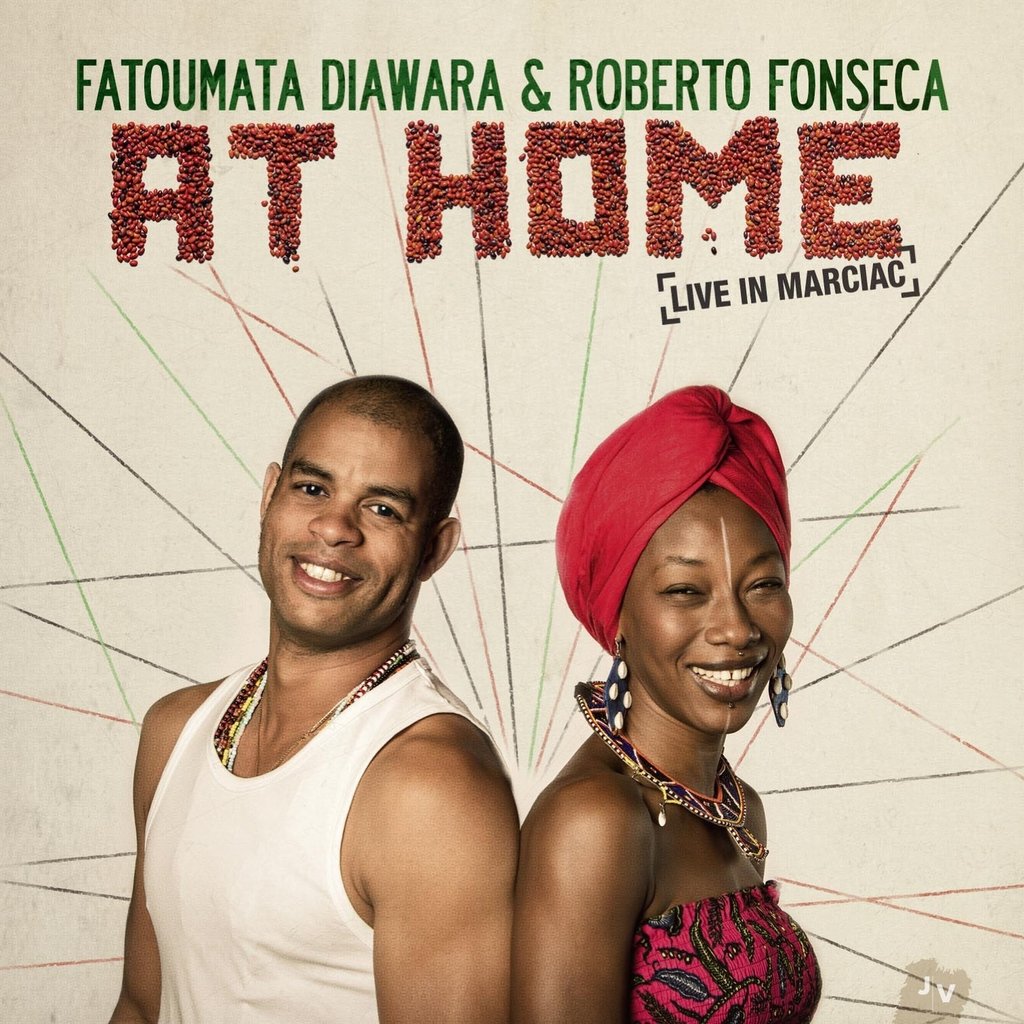
| 2015 | At Home, live album with Malian artist Fatoumata Diawara |
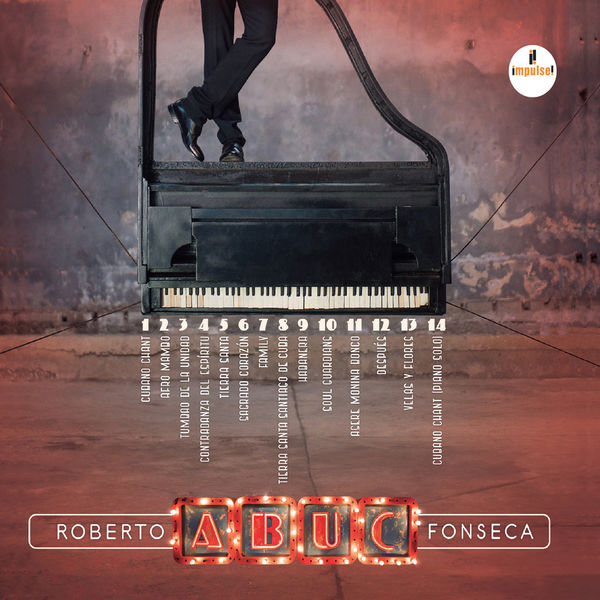
| 2016 | ABUC on the Impulse! label, named artistic artist of the Jazz Plaza Festival in Santiago de Cuba |
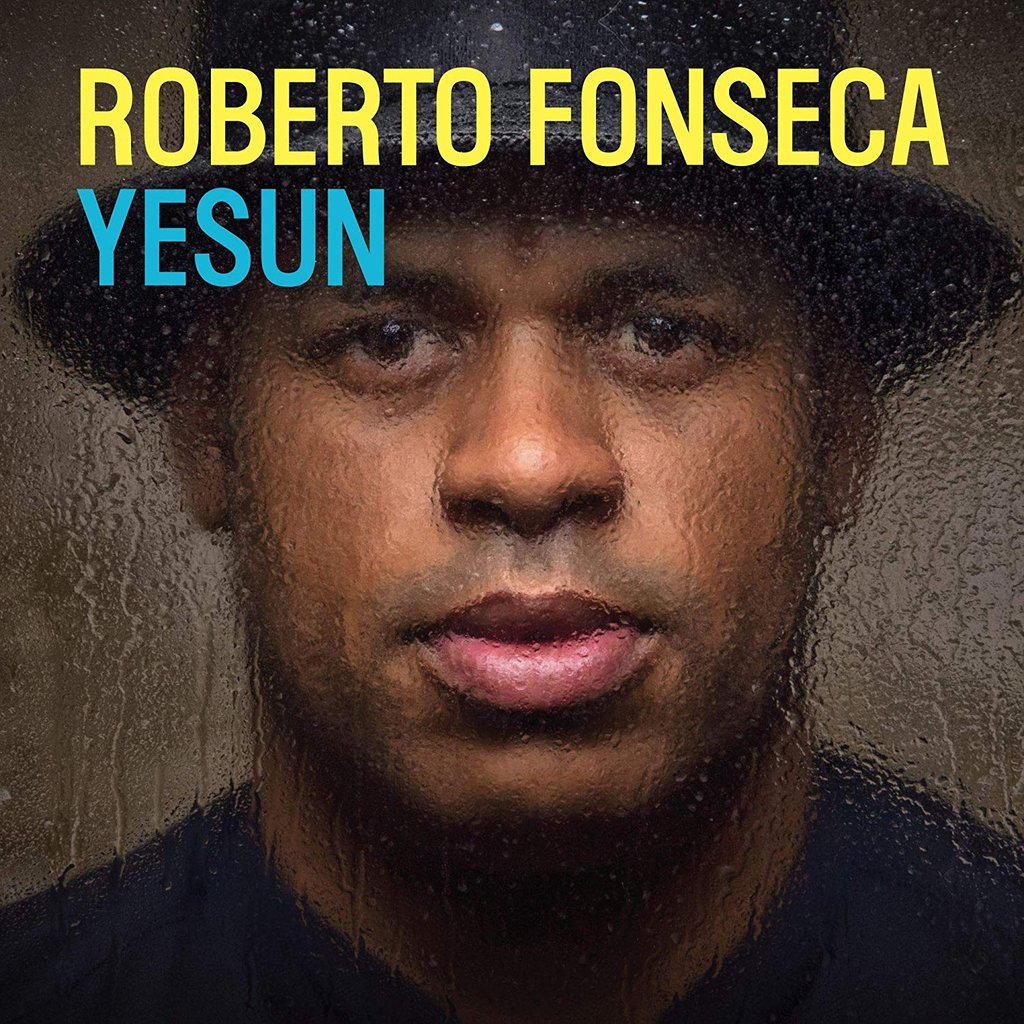
| 2019 | Ordre des Arts et des Lettres (France); release of Yesun |
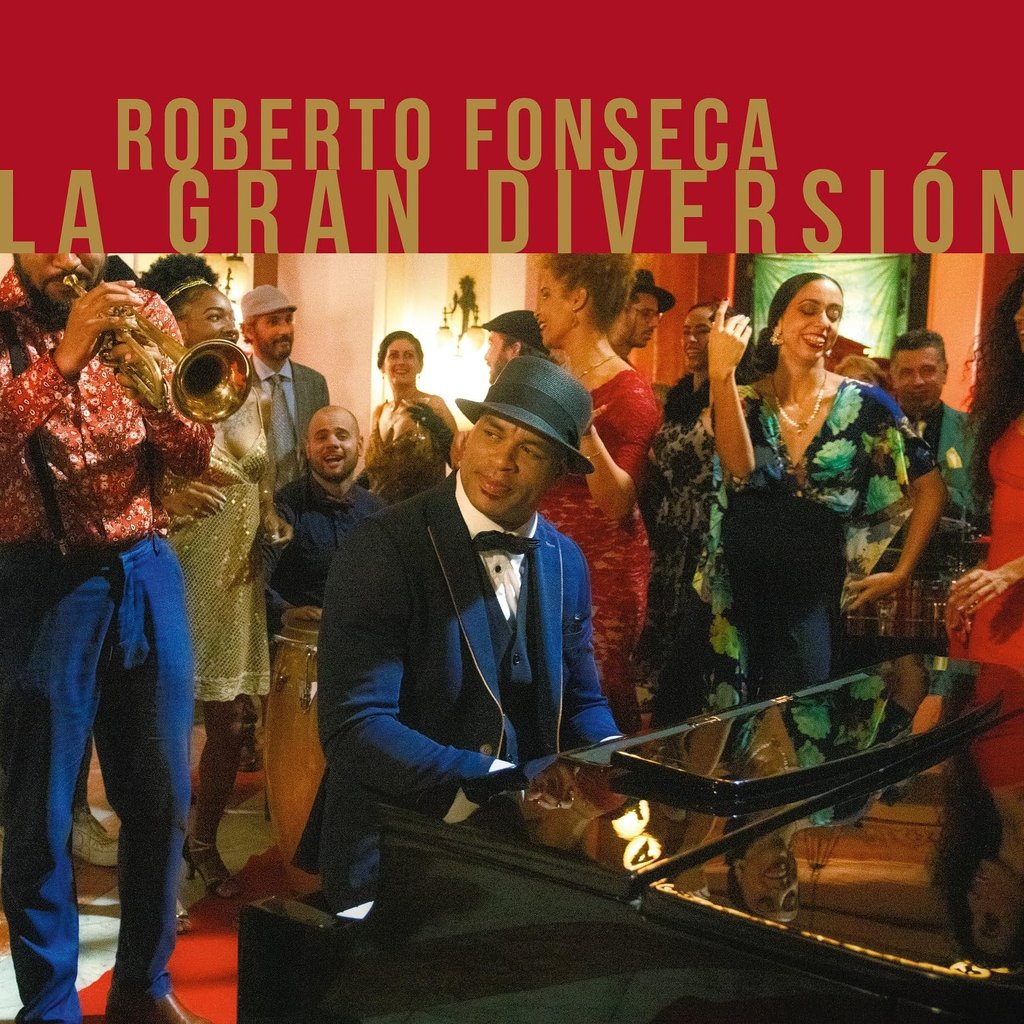
| 2023 | La Gran Diversion, latest album to date |
From percussive origins to the world stage
Roberto Fonseca was born into a family deeply rooted in music. His father, Roberto Fonseca Sr., a drummer, and his mother, Mercedes Cortes Alfaro, a singer and dancer, provided him with a rich soundscape from childhood2. He started on drums at four years old, switched to piano at eight—and it was this dual percussive skill that would give his playing an unmistakable identity: fingers striking the keyboard like a drummer strikes the snare, with a rhythmic attack that marks every chord.
His listening habits, from adolescence onward, were driven by insatiable curiosity: American jazz (Herbie Hancock, Keith Jarrett), funk, soul, classical music, as well as the Afro-Cuban rhythms of his native land. At fourteen, he composed; at fifteen, he made his public debut at the Jazz Plaza Festival in Havana—a revelation for the local audience3. He continued his studies at Cuba’s Instituto Superior de Arte, where he earned a master’s degree in composition, before forming the duo Temperamento with saxophonist Javier Zalba—a collaboration that would last fifteen years.
The renaissance of Cuban jazz
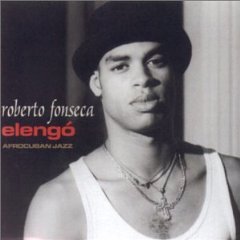
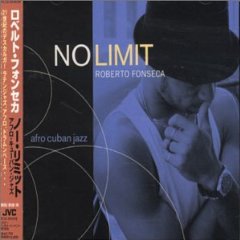
At the turn of the 2000s, Fonseca executed a fusion that would shape an entire generation of Cuban musicians. Tiene Que Ver (1999), No Limit (2000), and Elengó (2001) followed one another—albums blending jazz, drum and bass, hip-hop, and African rhythms. In 2001, he joined Ibrahim Ferrer’s Orquesta, the former star of Buena Vista Social Club, for a world tour of over 400 concerts—from the Alte Oper in Frankfurt to the opera house in Sydney4.
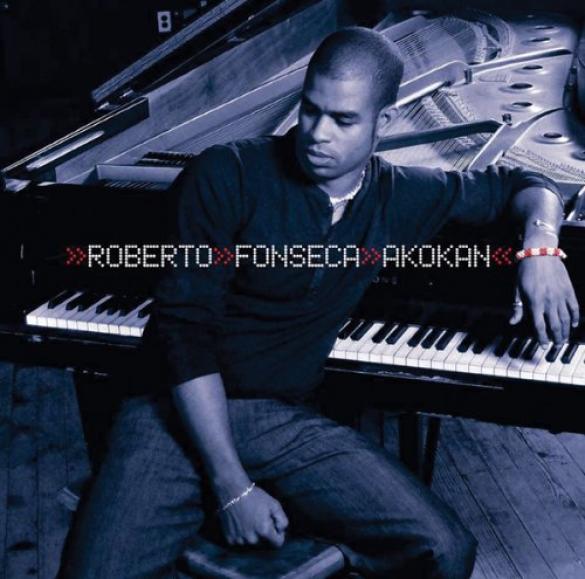
This exposure to the world nourished his vision: it was not about preserving Cuban tradition within a mold, but evolving it and projecting it toward the future. Zamazu (2007) materialized this ambition. With over twenty guests—including Omara Portuondo, Carlinhos Brown, and Vincente Amigo—the album wove a network where jazz rubbed shoulders with classical music and the sound of Cuba. Akokan (2009) continued on this path, featuring Mayra Andrade (Cape Verde) and Raul Midon (United States), followed by Yo (2012), nominated for Grammy Awards5.
Legacy
Now based in Havana, Roberto Fonseca remains a constantly moving artist. He hosts a weekly residency at the club Zorro y el Cuervo, where his trio—Raúl Herrera on drums and Yandy Martínez Rodriguez on double bass—explores his compositions live6. He also directs the Jazz Plaza Festival in Santiago de Cuba, thus ensuring the training of future generations. His latest album, La Gran Diversion (2023), confirms that his piano, as percussive as ever, continues to sculpt a sound bridging Cuba, Africa, and the rest of the world.
Major works
| Work | Year | Why it is essential |
|---|---|---|
| Tiene Que Ver | 1999 | First solo album: manifesto of a modern, percussive, and hip-hop-open Cuban jazz |
| Zamazu | 2007 | Artistic peak bringing together over 20 musicians, synthesis of all his influences |
| Yo | 2012 | Nominated for Grammy Awards, exploring the African roots of Cuban music with Fatoumata Diawara |
| ABUC | 2016 | Debut on the Impulse! label, with over 30 guests including Trombone Shorty and Eliades Ochoa |
| Yesun | 2019 | Fusion of reggaeton, electronica, and Afro-Cuban, featuring Joe Lovano and Ibrahim Maalouf |
Sources and references
-
AllMusic, Roberto Fonseca Biography by Jon O’Brien, accessed October 31, 2024 ↩︎
-
Hollywood Bowl, Roberto Fonseca Artist Biography, accessed October 31, 2024 ↩︎
-
Montreux Jazz Festival, Roberto Fonseca Artist Page, accessed October 31, 2024 ↩︎
-
Verbier Festival, Roberto Fonseca Biography, https://verbierfestival.com, accessed October 31, 2024 ↩︎
-
All About Jazz, Roberto Fonseca Musician, accessed October 31, 2024 ↩︎
-
Latin Jazz Network, Roberto Fonseca: When the Fingers Do the Chanting, 2019, https://latinjazznet.com, accessed October 31, 2024 ↩︎