Biography
Rod Taylor: the soft voice of Jamaican roots
In 1975, a young singer from Trenchtown took the stage at the Bohemia Club for an amateur contest. He sang “Sea of Love” by the Heptones and won the entire night—not only the trophy, but the ear of Ossie Hibbert, pianist at Channel One. That night, Rod Taylor left the streets of Kingston for the legendary studios of Jamaican music, where Sly and Robbie laid down the basses and venomous Dillinger came to double his tracks.
In brief
| Full name | Rodney Taylor, nicknamed Rocky T |
| Birth | March 2, 1957, Kingston, Jamaica |
| Genre | Reggae roots |
| Iconic works | “Ethiopian Kings”, “His Imperial Majesty” |
| Awards | No official awards; the Rough Guide to Reggae cites him as a major voice of late-70s roots |
Key dates
| Year | Event |
|---|---|
| 1957 | Born in Kingston, in the ghettos of Trenchtown |
| 1975 | Won a contest at the Bohemia Club; recorded “Bad Man Comes and Goes” with Sly & Robbie |
| 1976-77 | “Ethiopian Kings” and “In the Right Way” with the Soul Syndicate, dubs by King Tubby |
| 1978 | “His Imperial Majesty” with Mikey Dread, a hit in Jamaica |
| 1979 | Release of first album, If Jah Should Come Now (Prince Hammer) |
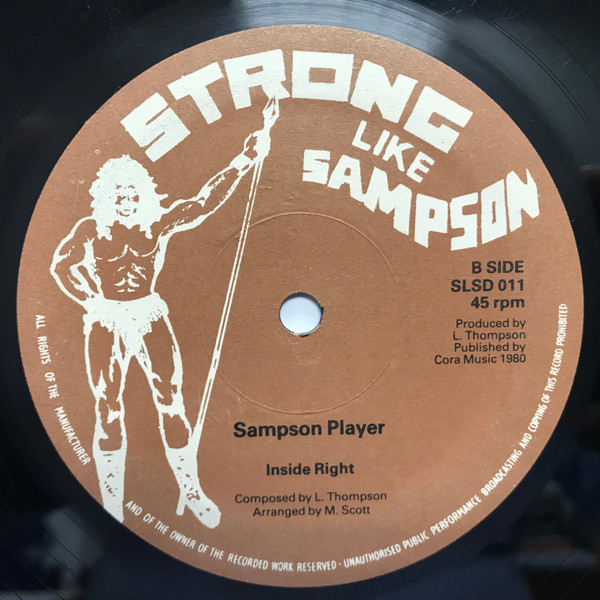
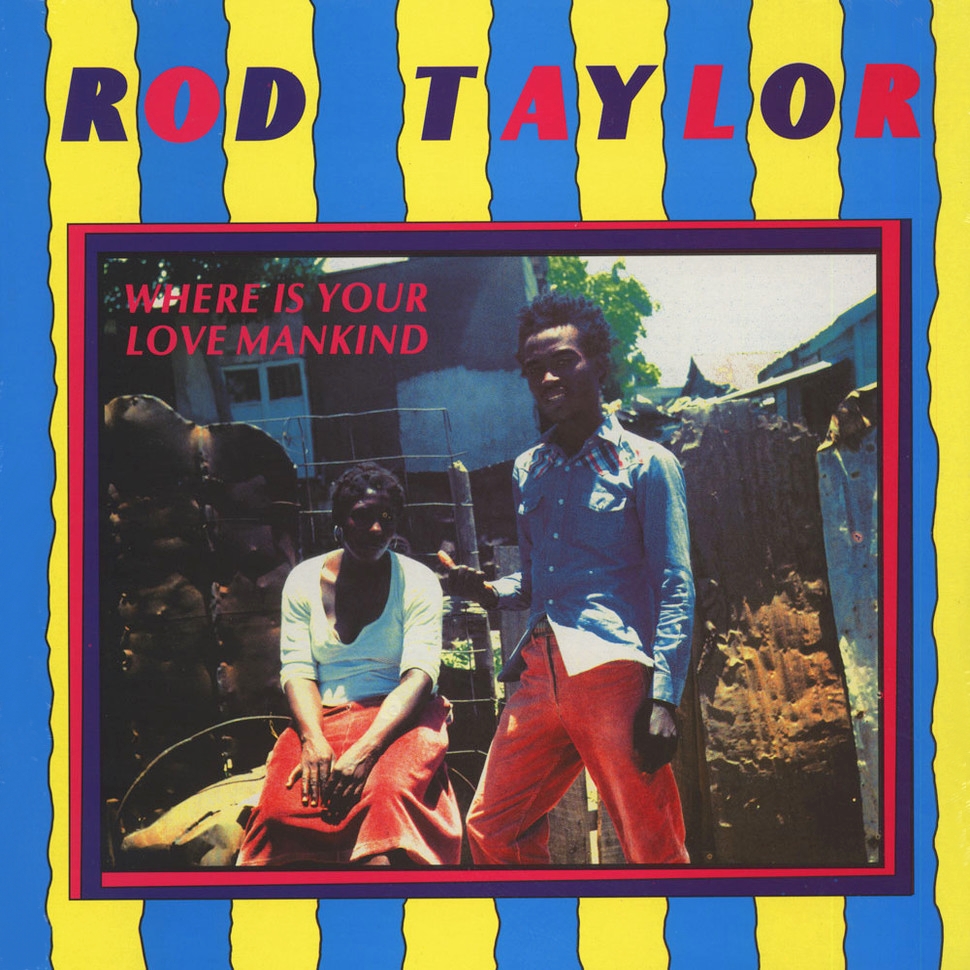
| 1980 | “Where Is Your Love Mankind”; recorded with Prince Far I and Linval Thompson |
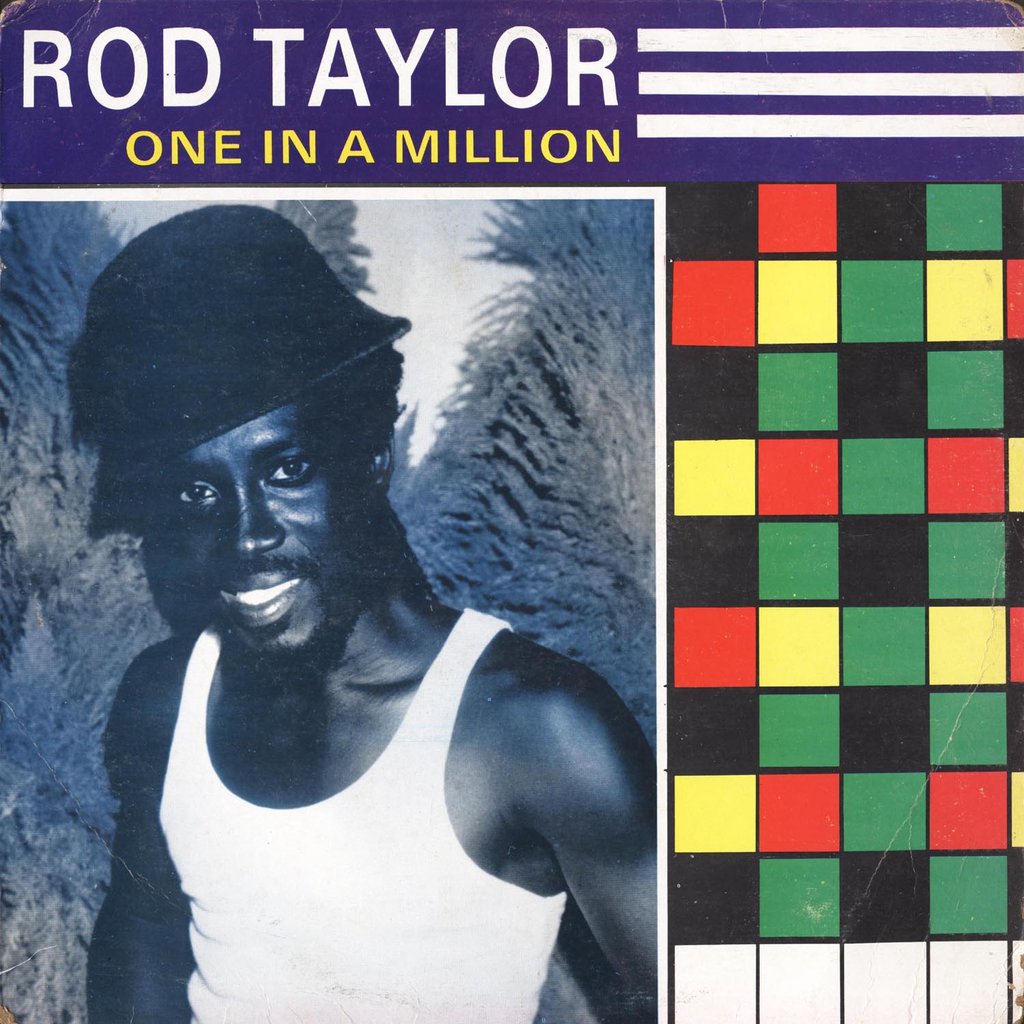
| 1989 | “One in a Million” marked his return after a few years of relative calm |
| 1991 | Settled in France; international life between London and Paris |
| 1993 | Album Liberate in Europe; London-Paris-Geneva tour |
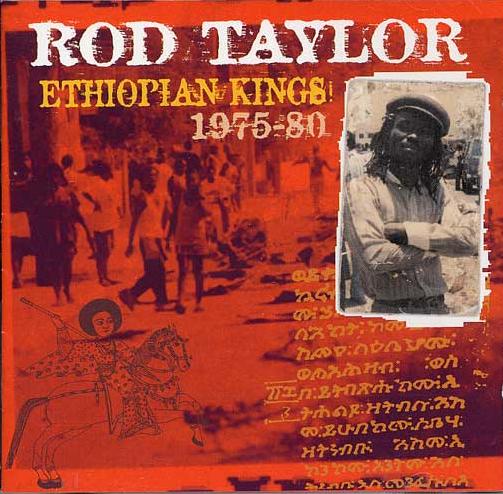
| 1999 | Compilation “Ethiopian Kings” on Patate Records (France); album Tell Dem |
| 2007-14 | Albums Shining Bright, Original Roots; collaboration with the Positive Roots Band (France) |
From ghetto to studio: a destiny in three acts
Rodney Taylor grew up in the ghettos of Trenchtown, then in the Jungle neighborhood before political riots pushed his family to flee Trenchtown at the end of the 1970s. “My passion for music goes back to when I was a kid,” he recounts in 2001. “We toasted on the B-sides of juke-boxes and sang on the instrumental versions. That’s how I became a singer.” As a teenager, he frequented the circle of Sugar Minott—a place that would later become the Youthman Promotion label. With Barry Brown and Johnny Lee, he briefly formed a short-lived group, The Aliens.
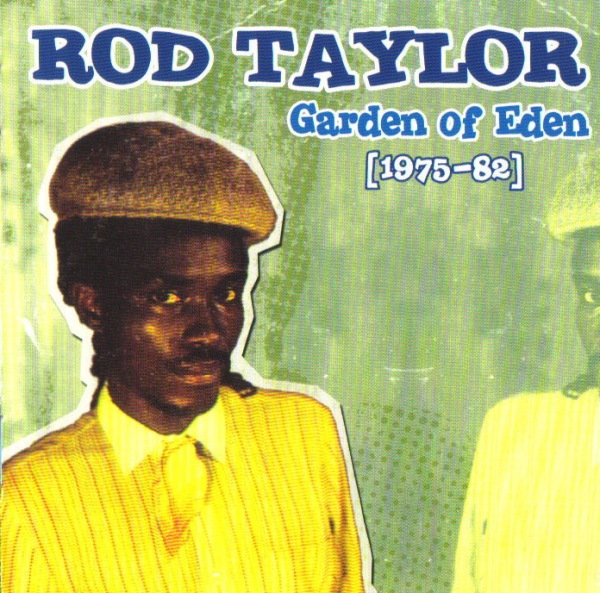
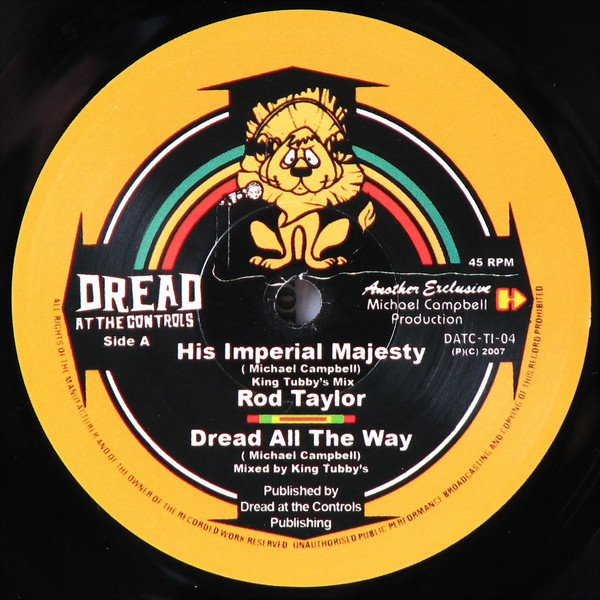
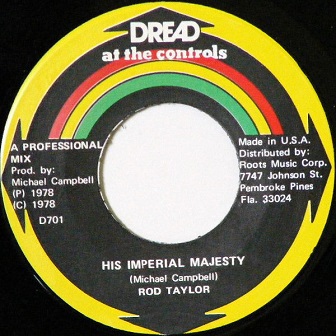
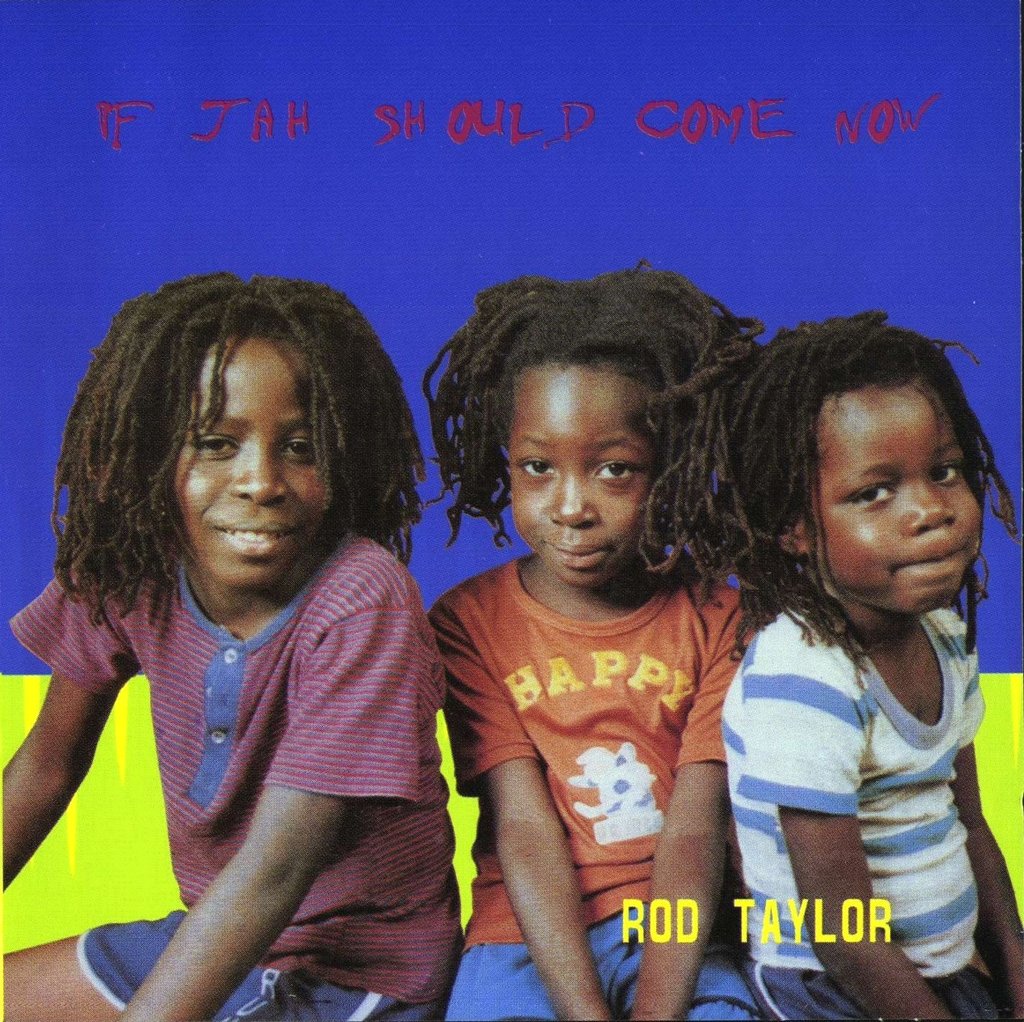
The turning point arrives in 1975, when he participates in an amateur showcase at the Bohemia Club in Half Way Tree. He sings “Sea of Love” by the Heptones and wins the contest. Ossie Hibbert, present that night, offers him a recording session at Channel One. Taylor lays his voice on “Bad Man Comes and Goes,” recorded with young lions Sly Dunbar and Robbie Shakespeare, while the producer himself played the keyboards. Three days later, he returns to sing the melody—“I sang it first so they could capture it,” he would recount—and it is during the mixing that Dillinger, then a rising young artist, comes to double Taylor. The track makes a sensation and launches Taylor’s career at Channel One, who sends him to Bunny Lee for “Garden of Eden.” That same night at the Bohemia Club, Earl Zero gets him into Bertram Brown’s (Freedom Sounds). The Soul Syndicate handles the instruments, King Tubby mixes the dubs. “Ethiopian Kings” and “In the Right Way” dominate the charts for weeks. Mikey Dread then attracts him for “His Imperial Majesty” (1978): a Rastafarian hymn that became a classic, although Taylor and Dread disputed the authorship. In 1978–1980, Taylor also recorded with Prince Far I and producer Prince Hammer (who produced If Jah Should Come Now, 1979). His album for Linval Thompson remains unexploited, lost in the studio. The album Where Is Your Love Mankind (1980, Junjo Lawes) closes a fertile period.
The 1980s see reggae shift toward digital, distancing Taylor from the front of the stage. He reappears at the end of the decade with “One in a Million” (Sonic Sound, 1989). “Mikey Dread and Bertram Brown were the only ones to capture the true essence of Rod Taylor,” he affirms decades later.
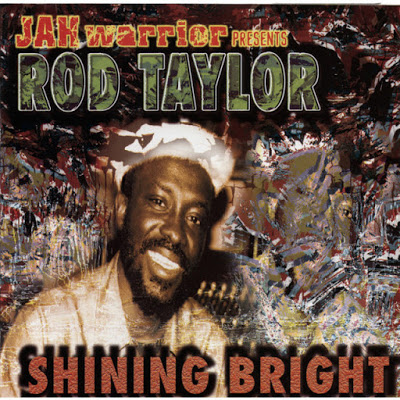
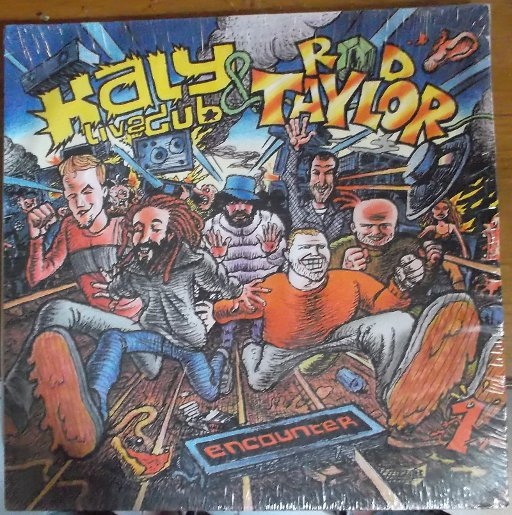
In 1991, Rod Taylor settles in France. “I spent four years in London and then I stayed in France,” he explained. “I married a Frenchwoman and we had a child together, so I stayed. I have three places to live: Jamaica, England, and France.” His wife passed away in 2011, leaving three children born in France. In Marseille, a person contacted Pierre Guédon, head of the Patate Records label, who verified “by phone because he still doubted.” The contact led to the compilation Ethiopian Kings 1975–80 (Patate, 1999), today one of the label’s biggest sellers. Taylor integrates into the European scene: album Liberate (1993) with an international tour, collaboration with the French Positive Roots Band, albums on Jah Warrior (UK) and Artikal Krew (Montpellier). The Rough Guide to Reggae qualifies Shining Bright (2001, Jah Warrior) as “more constant than any album from the 70s”—the soft, persistent constancy of a voice.
Major works
| Work | Year | Why it’s essential |
|---|---|---|
| “Bad Man Comes and Goes” (single) | 1975 | First recording with Sly & Robbie; gateway to the Jamaican scene |
| “Ethiopian Kings” (single) | 1976-77 | Hit with the Soul Syndicate and King Tubby dubs; signature track, reissued by Patate Records |
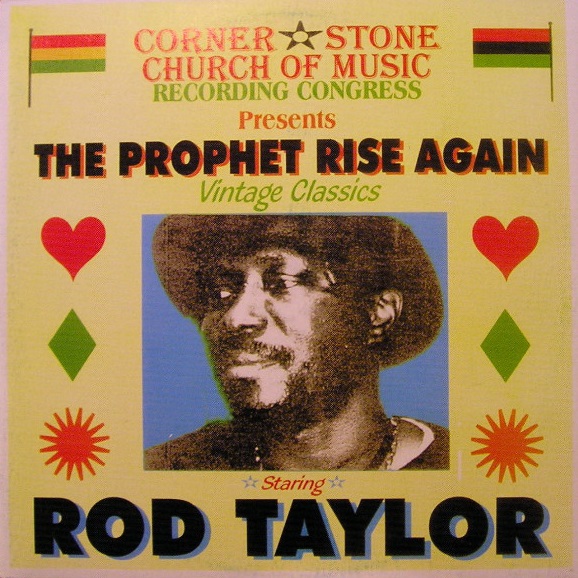
| “His Imperial Majesty” (single) | 1978 | Rastafarian hymn with Mikey Dread; spiritual reference of roots |
| If Jah Should Come Now (album) | 1979 | First album, produced by Prince Hammer; Taylor’s sweet-vocal signature |
| Shining Bright (album) | 2001 | Judged more constant than any album from the 70s by the Rough Guide; proof of a coherent career |
Heritage and influence
Rod Taylor remains one of the purest representatives of 1970s roots vocalism, his honeyed voice serving as a counterpoint to the raw sounds of post-Tubby reggae. The Rough Guide explicitly cites him as the quintessentially culturally conscious “youthman singer” of the late 1970s. Although no official institution has ever celebrated his career, specialized French labels (Patate Records, Belleville) have largely contributed to preserving his legacy. His enduring collaboration with the French reggae scene — particularly the Positive Roots Band — illustrates how a Jamaican singer found, far from his native island, a second listening community that perpetuates roots.
Sources and references
- Steve Barrow & Peter Dalton, « The Rough Guide to Reggae », The Rough Guide, 3rd ed., Rough Guides, 2004, p. 186-187.
- « Rod Taylor », World of Jamaican Music, https://worldofjamaicanmusic.com/rod-taylor, accessed 3 November 2026.
- « Rod Taylor (singer) », English Wikipedia, https://en.wikipedia.org/wiki/Rod_Taylor_(singer), accessed 3 November 2026.
- « Rod Taylor (reggae) », French Wikipedia, https://fr.wikipedia.org/wiki/Rod_Taylor_(reggae), accessed 3 November 2026.
- « Rod Taylor — Heldes im Park », Rebelbase, https://www.rebelbase.be/interviews/detail/rod-taylor---helden-in-het-park-082013, accessed 3 November 2026.
- « Interview: Ten Big Tunes with Rod Taylor », United Reggae, https://unitedreggae.com/articles/n1044/072212/interview-ten-big-tunes-with-rod-taylor, 22 July 2012 (HTTP 503 maintenance).
- « Rencontre avec Rod Taylor », JAHMUSIK, https://jahmusik.net/oldies/rodtaylor.htm, accessed 3 November 2026.