Biography
Skah-Shah: The Little Kings of Diaspora Compas
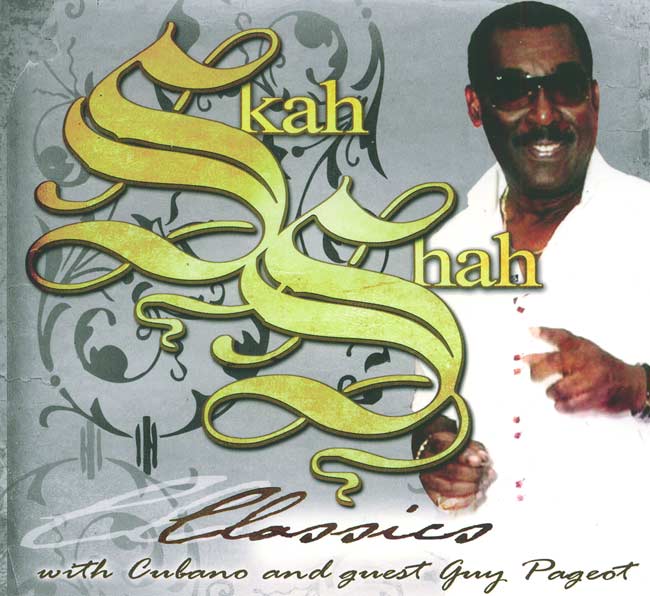
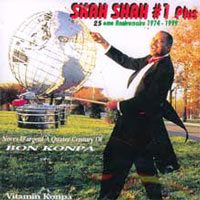
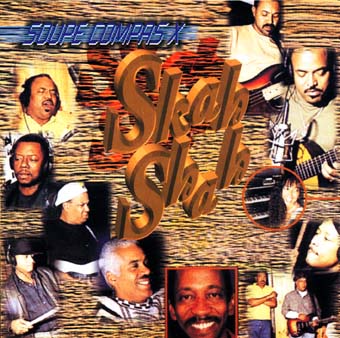
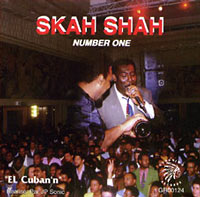
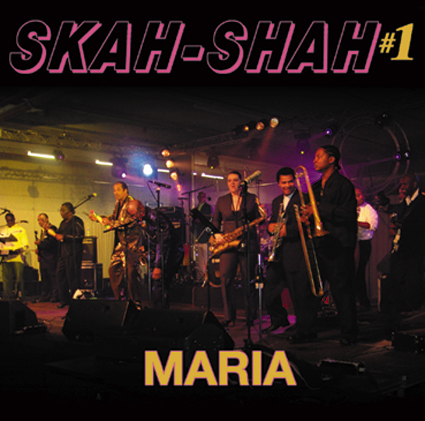
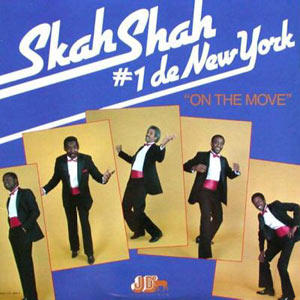
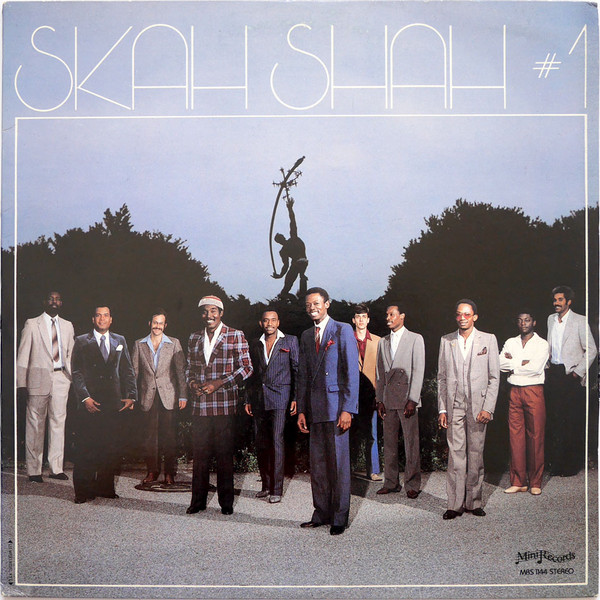
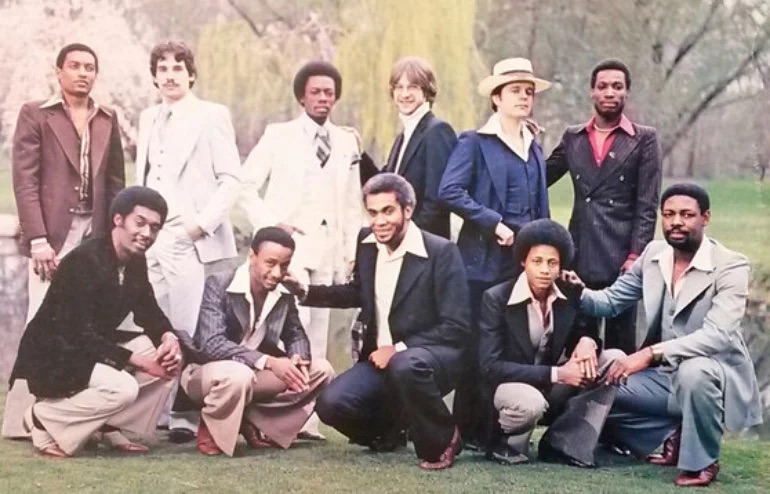
On July 29, 1974, the Malibu Night Club in New York was electrified by drum rolls and twisted saxophones from a group whose name had not yet been etched into the annals. They were called Skah-Shah #1, which in Bantu languages means “the little African kings.” The nickname fits: this group born of exile was about to become the absolute reference for New York compas.
In Brief
| Name | Skah-Shah #1 |
| Origin | Haiti / New York, United States |
| Genres | Compas — a Haitian style rooted in mini-jazz, this formation with interlaced guitars and brass that succeeded the great orchestras of the 40s-50s — and zouk |
| Active Period | 1974–present |
| Founders | Georges Loubert Chancy (saxophone), Jean Elie Telfort “Cubano” (vocals), Joseph Mario Mayala (lead guitar) |
| Emblematic Works | Guêpe Pangnol, America, Haiti |
| Historic Label | Rotel Records |
Key Dates
| Year | Event |
|---|---|
| 1965 | Founding of Les Shleu Shleu in Port-au-Prince |
| 1970 | American tour; several members settle in New York |
| 1974 | Creation of Skah-Shah #1; first concert at Malibu Night Club |
| 1976 | Release of Doing It on Rotel Records |
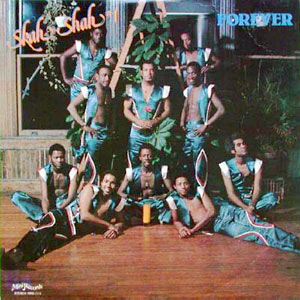
| 1980 | Album Forever; peak of diasporic enthusiasm |
| 1984 | Release of America, hymn of exile |
| 1992 | Dissolution of the original core |
| 1993 | Cubano reconstructs the group with young talents |
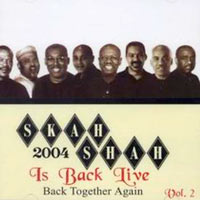
| 2003 | Historic reunion of founding members |
One Life, One Title: From Shleu-Shleu to the Apex
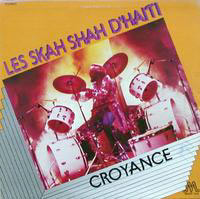
The story of Skah-Shah begins in Port-au-Prince in 1965, when street musicians founded Les Shleu Shleu, a mini-jazz group (popular orchestra mixing guitars and brass) that enjoyed great vitality in the 1960s. In 1970, the group went on tour in the United States. Some members decided not to return to Haiti and rebuild their lives on American soil. What remained of the second version of Shleu Shleu became Skah-Shah #1. The name — “little African kings” — is a poetic and political choice. The formation gathered around saxophonist Georges Loubert Chancy, nicknamed “Zoie,” singer Jean Elie Telfort, known as “Cubano,” and guitarist Joseph Mario Mayala. The first concert took place on July 29, 1974, at the Malibu Night Club in New York. Success was immediate. Skah-Shah #1 reportedly became the first Haitian group to perform six days out of seven.
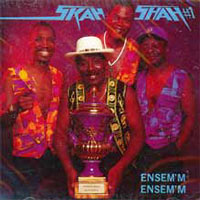
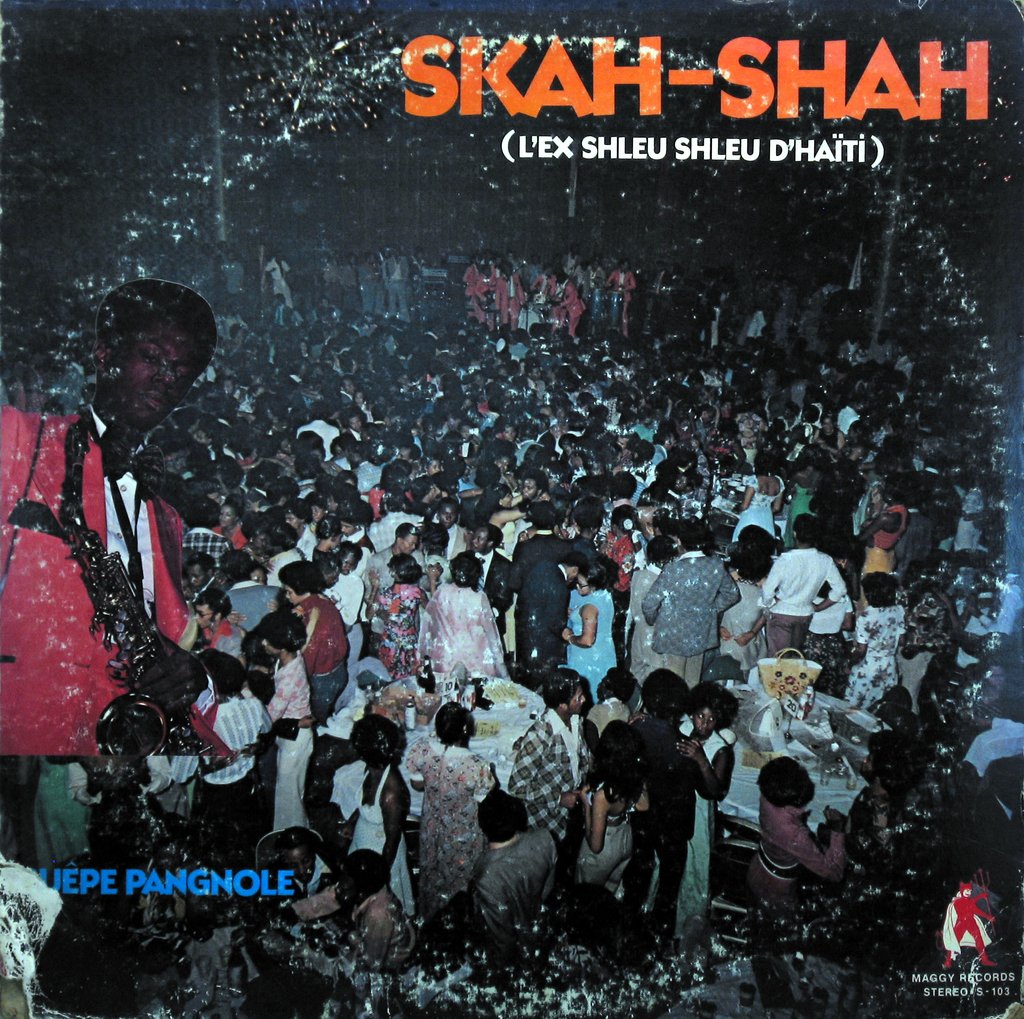
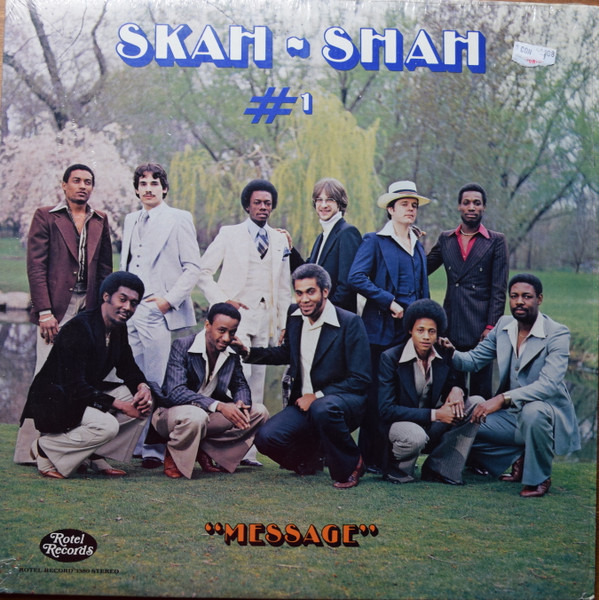
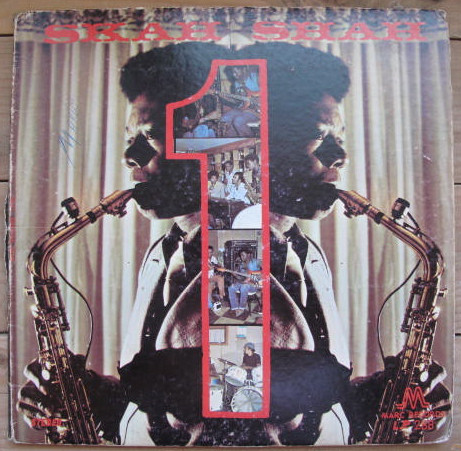
The first album, Guêpe Pangnol, was an instant hit. The record featured tracks like “Consolation,” “Rinmin,” “Kelly,” and “Apparence” which became standards of the Haitian repertoire. The style is that of a danced compas, vibrant, where saxophone phrases dialogue with interlaced guitars. The 1980s saw the group transform into a true institution. Rotel Records published several key albums: Doing It (1976), Message (1978), This Is It (1981), Forever (1980) and Deuxième Indépendance (1987). The album America, a sort of migrant lament over an intoxicating compas backdrop, resonated particularly with the Haitian community in New York and the Caribbean. With his majestic voice, Cubano established himself as one of the most inimitable voices of diaspora compas. The group toured New York clubs, France, Haiti, and the Caribbean. Skah-Shah #1 became a landmark; according to Haitian music historians, it is a benchmark against which other diaspora groups measure themselves.
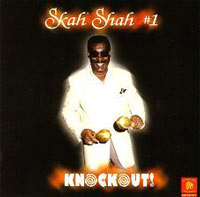
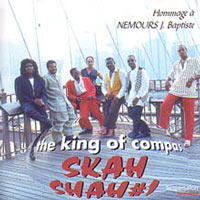
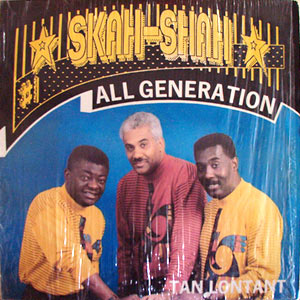
Early 1990, several unforeseen events led to the dissolution of the original core. Cubano refused to let the project sink. In 1993, he reconstructed the group around young talents, including guitarist Makarios Césaire and pianist Richard Durosseau. The new Skah-Shah recorded Hommage à Nemours Jean-Baptiste, Komparaison and Knockout. In 2003, the founding members reunited for a historic concert: reunions after a quarter-century of separation. Cubano continued to play subsequently, occasionally performing in New York, Paris, Haiti and the Caribbean.
Major Works
| Work | Year | Why It Is Essential |
|---|---|---|
| Guêpe Pangnol | 1974 | Skah-Shah’s first release, an instant hit that launched the mythical “Apparence” and established the group’s mini-jazz sound |
| Doing It | 1976 | Rotel debut album, blending danced compas and colder rhythms on tracks like “Do It” and “Zoute” |
| America | 1984 | Diaspora hymn; the album is weighed down by tensions between love for the homeland and the reality of exile |
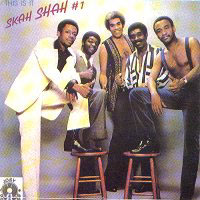
| This Is It | 1981 | Peak of diasporic compas; the title track becomes a classic of Haitian song |
Legacy and Influence
Skah-Shah #1 played a decisive role in the vitality of compas beyond Haitian borders. By establishing groups from Rotel Records in New York — a city then absorbing massive waves of the diaspora — they shaped a sound that crosses generations. Their albums continue to be reissued and rediscovered, and young Haitian groups as well as Caribbean ones regularly cite Skah-Shah as the origin of a musical practice that binds dance, pride and memory.
Sources and References
-
“Skah Shah: Konpa of the Diaspora”, GetBailar, https://getbailar.com/biblioteca/encyclopedia/kompa/pioneers/skah-shah, accessed October 19, 2026.
-
“Les Trésors du Konpa (5e partie): Skah-Shah #1 en concert”, Haiti Infos, https://haitiinfos.net/2013/10/les-tresors-du-konpa-5eme-partie-skah-shah-1-en-concert, accessed October 19, 2026.
-
“Skah Shah — Biography, Discography, Albums & Expert Reviews”, AllMusic, https://allmusic.com/artist/skah-shah-mn0000020203, accessed October 19, 2026.
-
“Skah Shah - Haitian Music Archive”, OPAMusic, https://opamusic.com/Bios/artist/skah-shah, accessed October 19, 2026.
-
« Jean Elie Telfort », RadioHNL, https://radiohnl.com/project/jean-elie-telfort, accessed 19 October 2026.
-
« Skah Shah 1 - Doing It », Konpa.info, https://www.konpa.info/album/101049, accessed 19 October 2026.
-
« Skah Shah #1 Discography », Qobuz, https://www.qobuz.com/be-nl/interpreter/skah-shah-1/928910, accessed 19 October 2026.