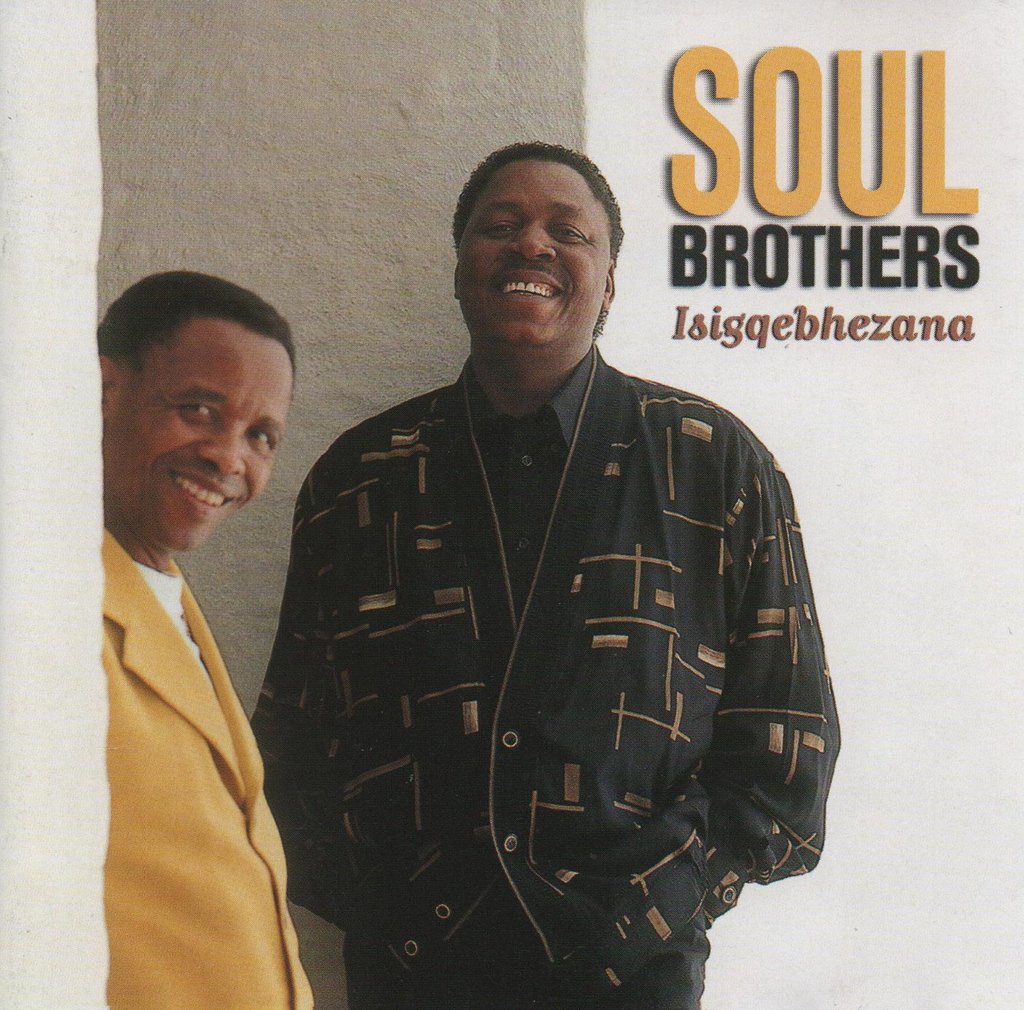
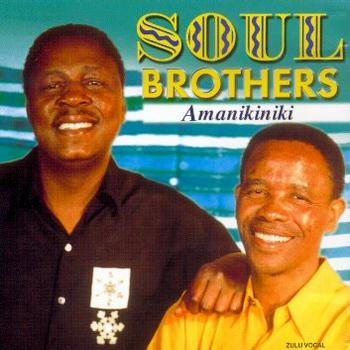
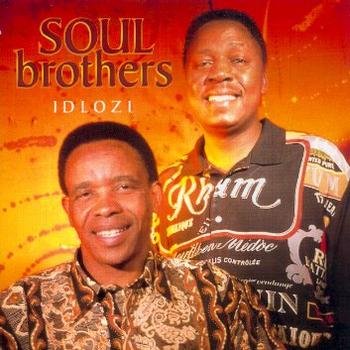
Biography
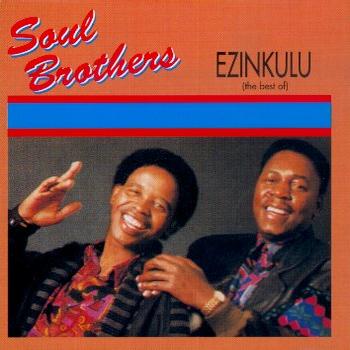
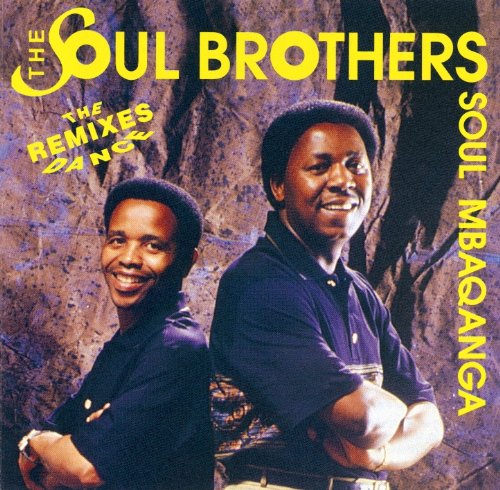
The Soul Brothers
Durban, 1974. In a factory in KwaZulu-Natal, drummer David Masondo and guitarist Tuza Mthethwa worked consecutive shifts, then headed out to play that evening in a small local group. One day, they drove six hundred kilometers to reach Johannesburg, a city humming with music and aspirations. This was the start of an adventure that dominated the South African music scene for more than fifty years.
In Brief
| Group Name | Soul Brothers (formerly Young Brothers) |
| Formation | 1974, KwaZulu-Natal, South Africa |
| Genre | Mbaqanga — a South African style blending Zulu vocal harmonies, township rhythms, and American soul influences |
| Organization | Own label and studio (Soul Brothers Records / Soul Brothers Production), distribution by Gallo Record Company |
| Albums Recorded | More than 45 (since the 1970s) |
| Sales | More than five million albums; gold, platinum, and diamond certifications |
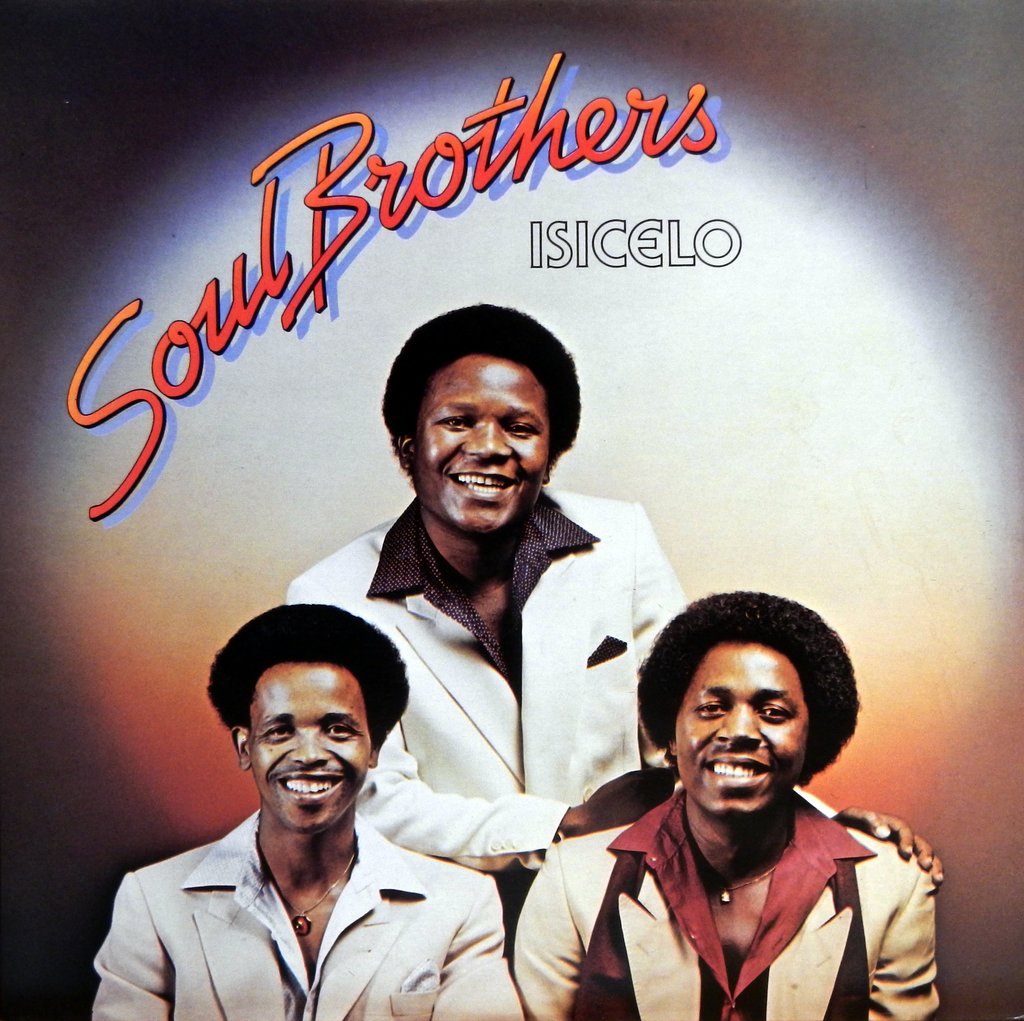
| Signature Works | “Mshoza Wami”, Isicelo, Amanikiniki |
| Major Awards | 6 consecutive South African Music Awards (1995–2000), SAMA 2001 and 2011 |
Key Dates
| Year | Event |
|---|---|
| 1974 | Founded as Young Brothers by David Masondo (drums, vocals) and Tuza Mthethwa (guitar) |
| 1976 | Arrival of Moses Ngwenya on the Hammond organ and guitarist Themba “American” Zulu; adoption of the name Soul Brothers |
| 1976 | Success of singles “Mshoza Wami” and “Mama Ka S’Bongile” — more than 60,000 copies in three months |
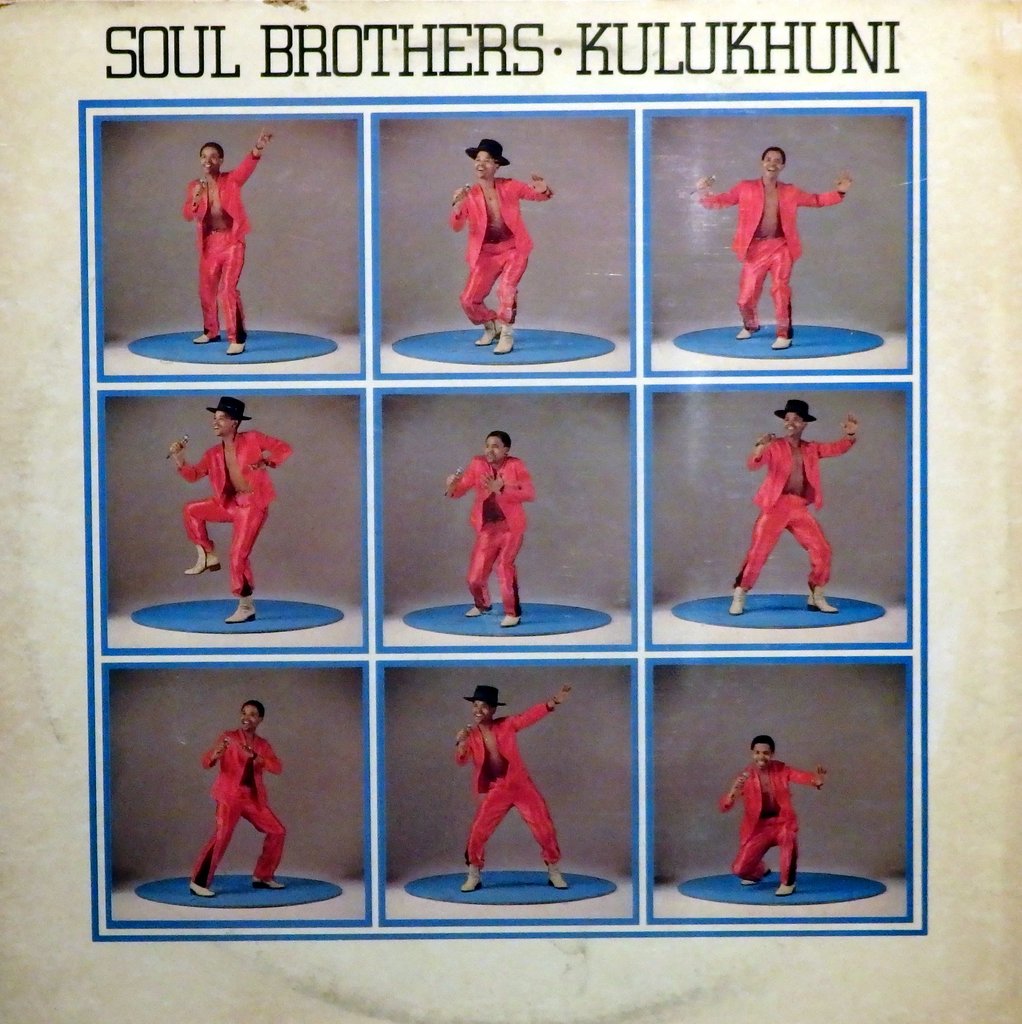
| 1978–1979 | Albums Ake Niyeke Botsotsi and Kulukhuni; signing with Gallo Record Company |
| 1979 | Death of founding guitarist Tuza Mthethwa in an accident; the group continues with Maxwell Mngadi |
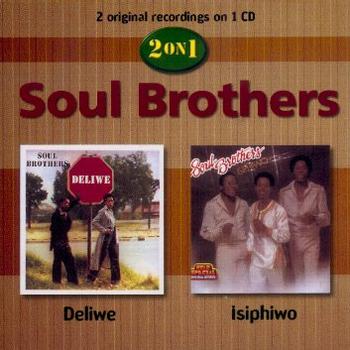
| 1982 | American Zulu leaves the group; release of album Isiphiwo (more than 200,000 copies) |
| 1984 | Death of bassist Zakes Mchunu in a car accident; Masondo and Ngwenya continue |
| 1983–1988 | Collaboration with Hugh Masekela on Technobush; invitation from Harry Belafonte for Paradise in Gazankulu |
| 1990 | First international tour, United Kingdom and Europe |
| 1993 | Performance in Oslo during the Nobel Prize ceremony awarded to Mandela and Klerk |
| 1995–2000 | Six consecutive wins for best mbaqanga album at the SAMA |
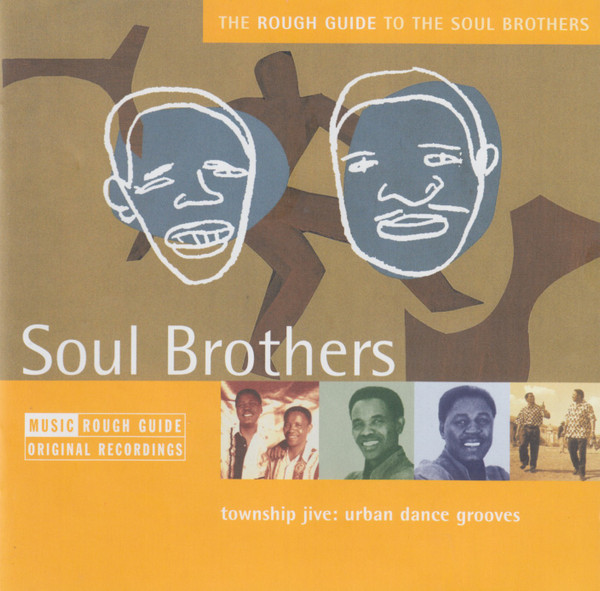
| 1995–2007 | More than 30 albums released; laudatory compilation by Rough Guide |
| 2015 | Death of David Masondo; the band continues with Moses Ngwenya |
| 2017 | Release of the biography The Life and Times of the Soul Brothers by Sydney Fetsie Maluleke |
| 2019–2025 | Continued activity (Hamba Naye, 2023; Thath’owakho, 2025) |
From Townships to Global Stages
The story of the Soul Brothers begins with two young men from KwaZulu-Natal who, in the 1970s, listened to James Brown, Otis Redding, and Motown sound before discovering their musical roots. Mbaqanga — a style born in the townships, where Zulu migrant workers brought together traditional choral singing and American rhythm and blues — became their playground. In 1974, Masondo and Mthethwa founded the Young Brothers; their initial ambition was to cover Western hits, but the South African context pushed them toward a sound that spoke to their audience: township minors and workers chased toward cities by apartheid.
In Johannesburg, life was hard: sessions for other groups and small factory jobs. But music held them. In 1976, the decisive turning point: Moses Ngwenya, 18 years old, arrived on the Hammond B3 organ. His percussive touch coupled with Masondo’s trembling soprano voice created an instantly recognizable sound. American Zulu brought the rhythm guitar, Mchunu the bass, and a full brass section completed the framework. The name changed to Soul Brothers — a nickname that perfectly matched the group’s taste for American soul. As early as 1976, “Mshoza Wami” sold more than 60,000 copies in three months, an almost impossible score in mbaqanga.
Tragedies and Resilience
Success did not spare the Soul Brothers from dramas. In January 1979, guitarist Tuza Mthethwa and saxophonist Mpompie Sosibo died in a car accident. Devastated, the group reformed with Maxwell Mngadi and Lemmy “Special” Mabaso. In 1982, American Zulu left the formation; but Isiphiwo released that year sold more than 200,000 copies. The turning point deepened in 1984, when bassist Zakes Mchunu was also a victim of a car accident. After two tragedies in five years, Masondo and Ngwenya decided to move forward: they recruited Sikelo Ndlela on bass, hired professional dancers, and multiplied albums — at least one per year in the 1980s.
The group did not just survive; it became entrepreneurial. Tired of the big white labels, the Soul Brothers founded their own studio and label, Soul Brothers Records. They were among the first South African Blacks to exercise this type of artistic and economic control.
The World Discovers Them
The music of the Soul Brothers gradually crossed borders. In 1983, they recorded with Hugh Masekela, exiled in Botswana. In 1988, Harry Belafonte invited them onto his album Paradise in Gazankulu. In 1990, they undertook their first European tour; in 1993, they performed in Oslo during the Nobel Prize ceremony. Their style, costumes, and stage energy formed a generation of artists. More than 50 years after their debut, their music continues to animate South African radio stations and family gatherings. Their story, told in the biography by Sydney Fetsie Maluleke (2017), remains one of the most complete in South African popular music.
Major Works
| Work | Year | Why It’s Essential |
|---|---|---|
| “Mshoza Wami” (single) | 1976 | First massive hit — over 60,000 sales in three months, marking the group’s entry into the mbaqanga pantheon |
| Isicelo | 1984 | Flagship album released by Priority Records; the title track became one of the most played hits in the genre |
| Amanikiniki | 1998 | Best mbaqanga album award at the SAMA — critical and popular acclaim |
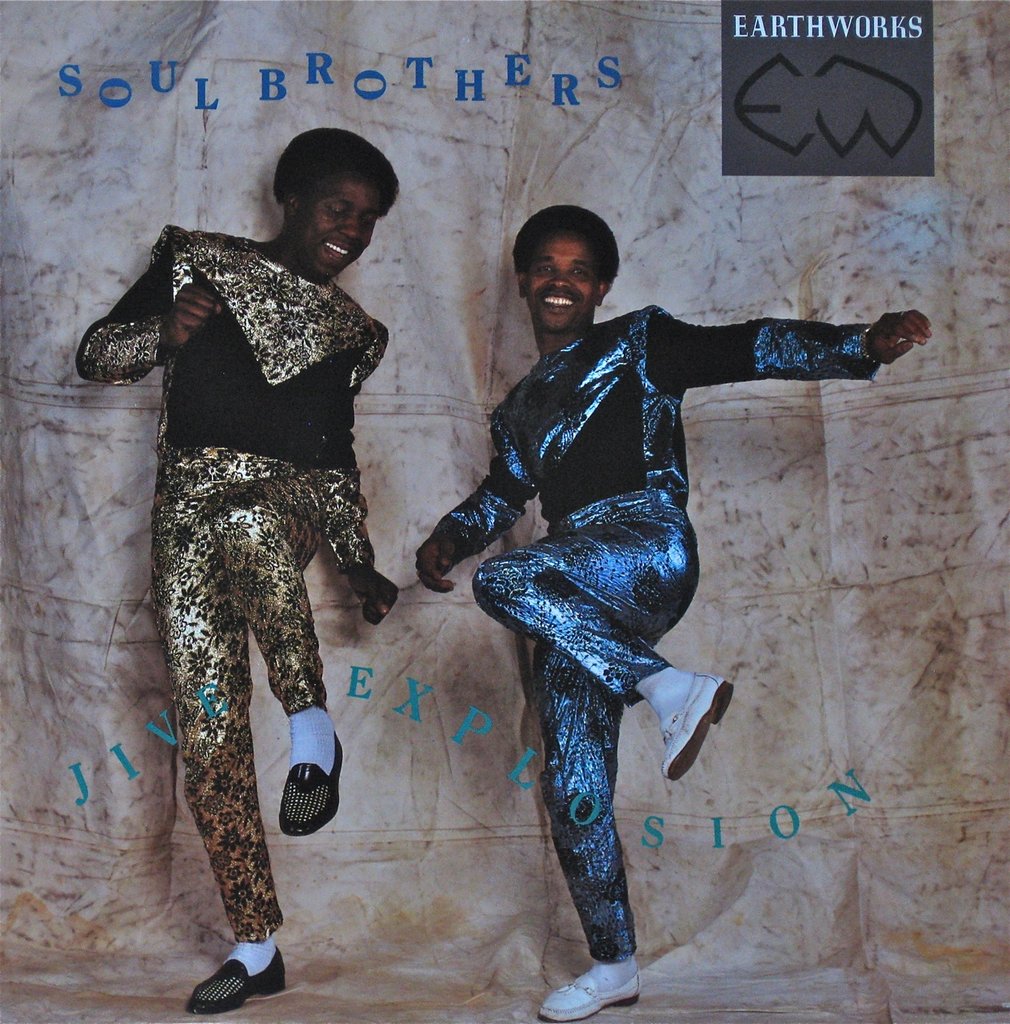
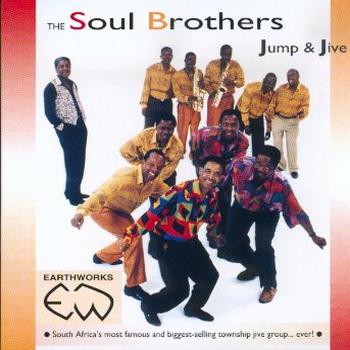
| Jump & Jive | 1994 | First international album, produced by Peter Gabriel’s Earthworks label; opened the door to Europe |
Legacy and Influence
The Soul Brothers count among the most influential figures in South African mbaqanga. Their major innovation — integrating soulful Hammond organ into a Zulu vocal architecture — has been compared by press specialists to what Ray Charles would have done by introducing the electric piano into rhythm and blues. Their style, costumes, and stage energy shaped a generation of artists. More than 50 years after their debut, their music continues to animate South African radio stations and neighborhood gatherings. Their story, told in the biography by Sydney Fetsie Maluleke (2017), remains one of the most complete and human accounts of South African popular music.
Sources and References
- “The Soul Brothers Biography”, AllMusic, https://allmusic.com/artist/the-soul-brothers-mn0000044338/biography, accessed November 7, 2025.
- “The Soul Brothers”, Wikipedia, https://en.wikipedia.org/wiki/The_Soul_Brothers, accessed November 7, 2025.
- “Soul Brothers”, Music.org.za (Steve Gordon, 2004), https://music.org.za/artist.asp?ID=182&v=true, accessed November 7, 2025.
- “Soul Brothers”, Afrisson (world music site), https://www.afrisson.com/soul-brothers-8095/, accessed November 7, 2025.
- “Soul Brothers: the story of a band that revolutionised South African music”, The Conversation, https://theconversation.com/soul-brothers-the-story-of-a-band-that-revolutionised-south-african-music-220976, accessed November 7, 2025.
- “SAMA Winners 2011”, Bizcommunity, https://www.bizcommunity.com/article/sama-2011-winners, accessed November 7, 2025.