Biography
Tabanka Djaz: Ambassadors of Gumbé
Bissau, late 1980s. In the clubs and bars of the capital, a new rhythm pulses at the crossroads of cultures: Antillean zouk, Portuguese fado, Brazilian samba, Angolan kizomba. From this blending is born Tabanka Djaz, a group that would become the musical face of a young country just emerging from its war of independence.
In Brief
| Group Name | Tabanka Djaz |
| Origin | Bissau, Guinea-Bissau |
| Formation | 1988 |
| Genre(s) | Gumbé, afrozouk, world music |
| Founding Members | Micas Cabral, Juvenal Cabral, Caló Barbosa, Janeo Barbosa |
| Current Members | Micas Cabral, Jânio Barbosa, Juvenal Cabral, Mimito Lopes |
| Signature Works | Sperança, Tabanka, Sintimento, Depois do Silêncio |
| Awards | Silver, gold and platinum records (AFP); Ngwomo Africa nomination 1997 |
Key Dates
| Year | Event |
|---|---|
| 1981 | First steps of future members in the Tabanka group |
| 1986 | American tour by the Tabanka group (Micas, Juvenal and Zé Carlos Cabral, Aguinaldo de Pina, Rui Silva) |
| 1988 | Foundation of Tabanka Djaz by Micas Cabral, Juvenal Cabral, Caló Barbosa and Janeo Barbosa |
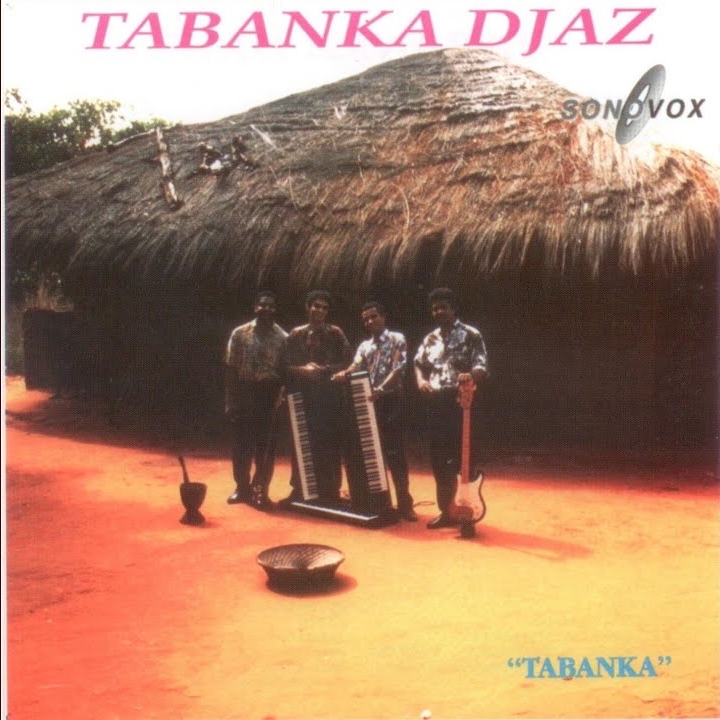
| 1990 | Release of the self-titled album Tabanka |
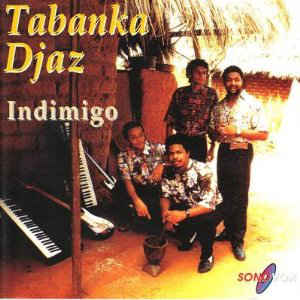
| 1993 | Release of Indimigo |
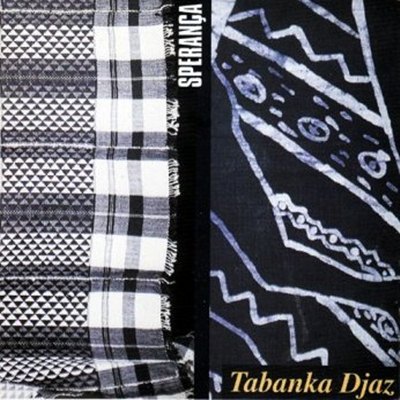
| 1996 | Sperança, silver, gold and platinum record |
| 1997 | Sperança nominated for Ngwomo Africa Awards (African equivalent of the Grammys) |
| 1999 | Participation in the Lusofonia project with Martinho da Vila |
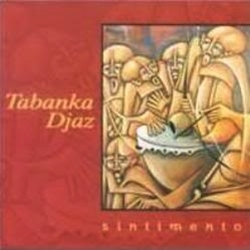
| 2002 | Release of Sintimento; collaboration with Martinho da Vila and Tony Dudu |
| 2006 | Death of keyboardist Caló Barbosa |
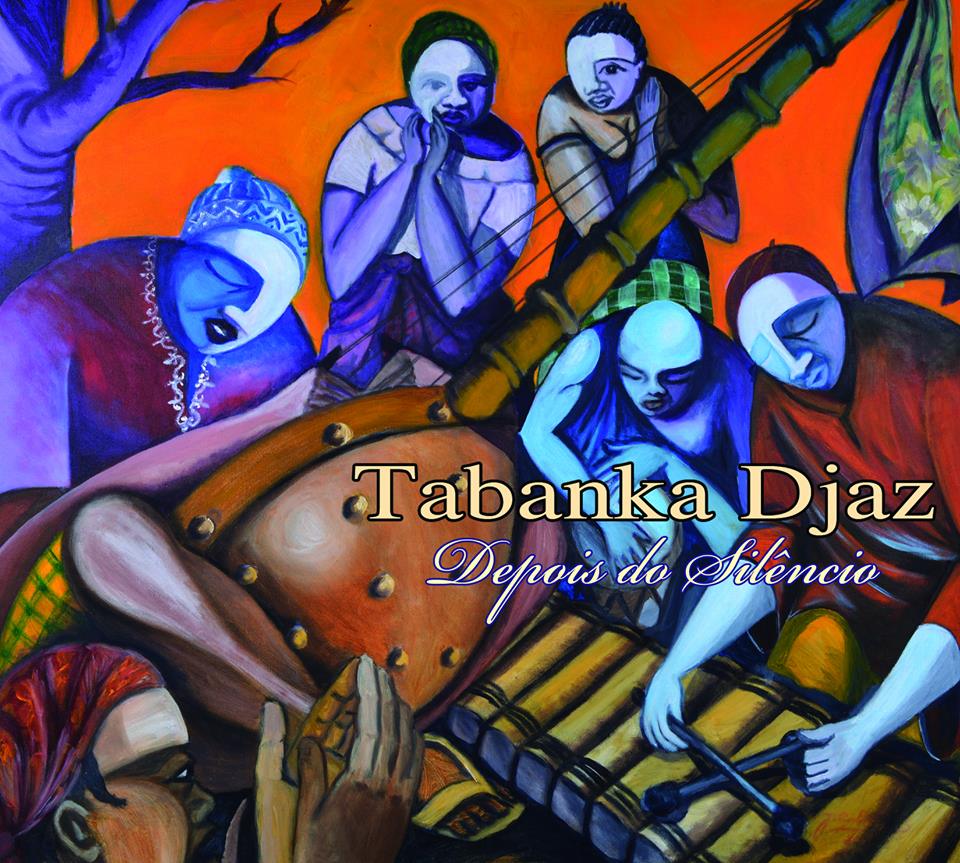
| 2013 | Depois do Silêncio, celebrating 25 years of career |
| 2025 | 30th-anniversary concert at Colisée des Recreios, Lisbon |
Journey and Resilience
Tabanka Djaz draws its roots from the political history of Guinea-Bissau: Micas Cabral and his brother Juvenal are nephews of Amílcar Cabral, a major figure in independence who was assassinated in 1973. This family bond imbues the group’s music with a dimension that is both intimate and collective. The genesis dates back to 1986 with the Tabanka group (the Cabral brothers, Aguinaldo de Pina, Rui Silva), which went on tour in the United States. After its dissolution, Micas and Juvenal relaunched the project in 1988 with Caló Barbosa on keyboards and Janeo Barbosa. The first self-titled album Tabanka was released in January 1990, recorded after a new American tour.
Micas Cabral explains that afrozouk is their African root tinged with Antillean zouk, the black music of slaves brought to these regions of the world.
The albums confirm a rapid ascent. Indimigo (1993) consolidated the style, then Sperança (1996) became the decisive turning point: the album sold nearly 40,000 copies, earning silver, gold and platinum certificates from the Associação Fonográfica Portuguesa. In 1997, Sperança received a nomination for the Ngwomo Africa Awards. At Martinho da Vila’s invitation, the group participated in the Lusofonia project and strengthened its status as an ambassador of gumbé internationally. Sintimento (2002) pushed this openness further: it invited Martinho da Vila and Guinean guitarist Tony Dudu, offering a cry of rebellion, according to Micas Cabral, while maintaining its declarations of love. The record earned a silver certificate one week after its release.
The 2000s opened a painful turning point. The death of Caló Barbosa in 2006, the global financial crisis and drummer Dinho Silva’s departure for Angola in 2008 left the group silent for eleven years. It reappeared only with Depois do Silêncio (2013), celebrating 25 years of career and releasing the single “Foi Assim”. Despite economic obstacles and the pandemic, Tabanka Djaz returned to international stages: sold-out show at Strand Theatre in Providence in 2022, and the 30th-anniversary concert at Colisée des Recreios in Lisbon in 2025.
Major Works
| Work | Year | Why It’s Essential |
|---|---|---|
| Tabanka | 1990 | Birth act of a new-gumbé sound |
| Indimigo | 1993 | Consolidation of the international style |
| Sperança | 1996 | Gold and platinum record, Ngwomo Africa nomination |
| Sintimento | 2002 | Co-production with Martinho da Vila |
| Depois do Silêncio | 2013 | Renaissance after eleven years of silence |
Legacy
Tabanka Djaz carried gumbé onto world stages — from Angola to the Netherlands, from the United States to Brazil — making Guinea-Bissau, a country of fewer than two million inhabitants, a recognized player in world music. The Cabrals, nephews of Amílcar, inherited the political struggle to transform it into musical vibration, with this fidelity that Janeo Barbosa summarizes simply: we are Tabanka Djaz. Now eleven years on stage, the group continues to produce and tour, more than three decades after its formation.
Sources and References
- « Tabanka Djaz », Wikipedia (Portuguese), https://pt.wikipedia.org/wiki/Tabanka_Djaz, accessed October 23, 2026.
- Kadidja Pinto Monteiro, « Ao ritmo do gumbé que nasceu em Bissau », Forbes África Lusofona, https://forbesafricalusofona.com/ao-ritmo-do-gumbe-que-nasceu-em-bissau/, accessed October 23, 2026.
- Rafael Mieses, « Festival Med 24 – Third Day, Tabanka Djaz and the Splendor of Lusofonia », World Music Central, https://worldmusiccentral.org/festival-med-24-third-day-tabanka-djaz-and-the-splendor-of-lusofonia, accessed October 23, 2026.
- « Tabanka Djaz, 30 Anos de Carreira — Concerto de 08 fev 2025 », RTP Palco, https://www.rtp.pt/play/palco/p12243/tabanka-djaz-30-anos-de-carreira-concerto, accessed October 23, 2026.
- « Djumbai di Povo — 30 Anos de Tabanka Djaz », RTP Play, https://www.rtp.pt/play/p12244/djumbai-di-povo-30-anos-de-tabanka-djaz, accessed October 23, 2026.
- « Tabanka Djaz — After the Silence », Official Facebook Page of Tabanka Djaz, https://facebook.com/tabankadjazoficial/posts/tabanka-djaz-depois-do-sil%C3%AAncio-after-the-silence-the-new-albumtabanka-djaz-orig/709454422429707, accessed on 23 October 2026.
- « Tabanka Djaz », Festival MED 26, https://festivalmed.cm-loule.pt/en/artistas-29jun/tabanka-diaz, accessed on 23 October 2026.
- « Tabanka Djaz Biography », AllMusic, https://www.allmusic.com/artist/tabanka-djaz-mn0001606447, accessed on 23 October 2026.
- « Tabanka Djaz – Sperança », Discogs, https://www.discogs.com/release/4553290-Tabanka-Djaz-Speran%C3%A7a, accessed on 23 October 2026.