Biography
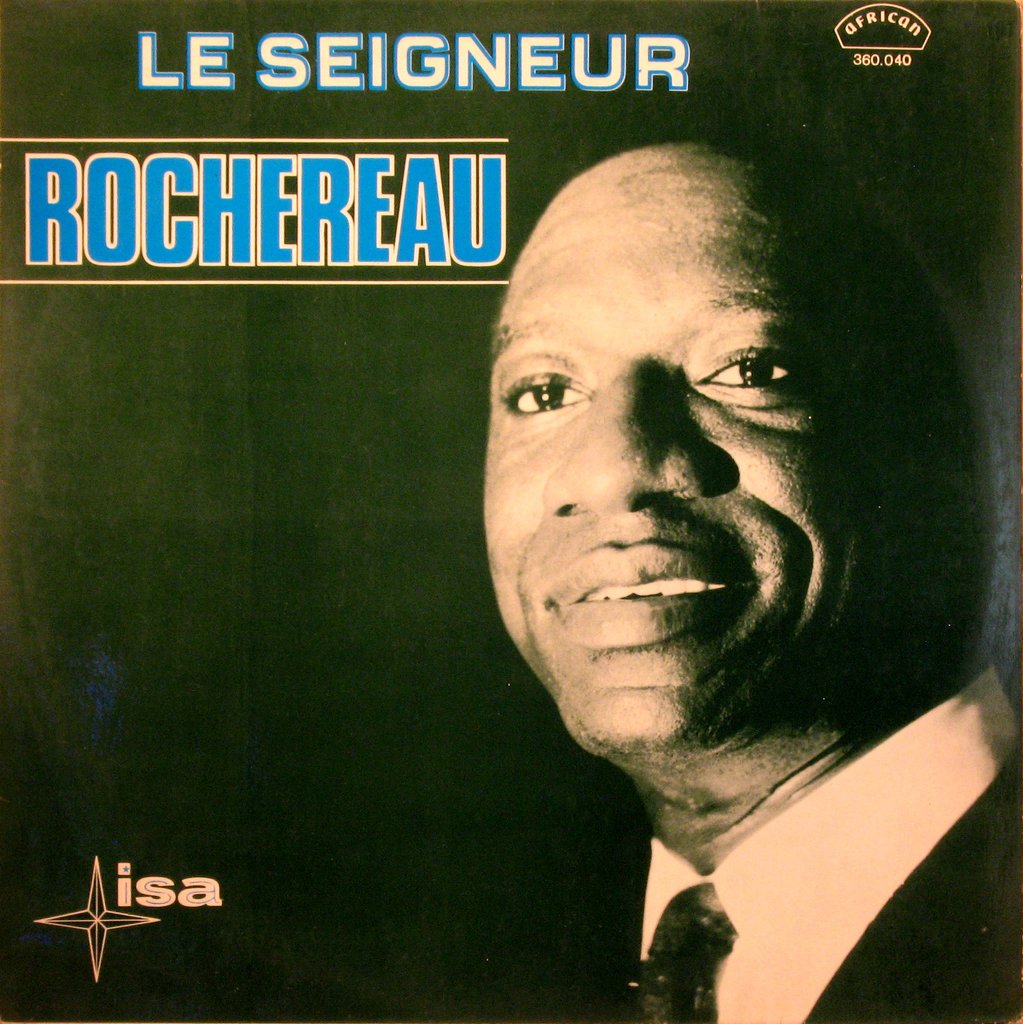
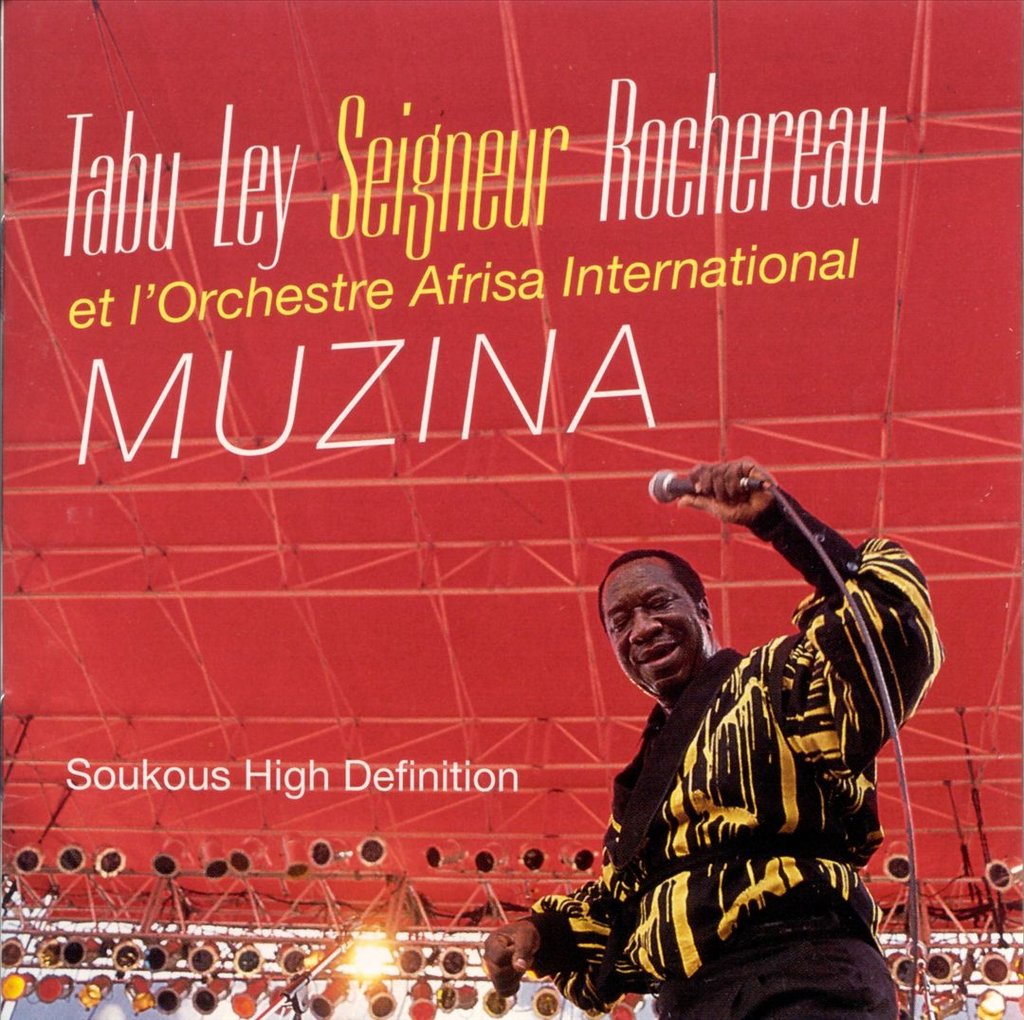
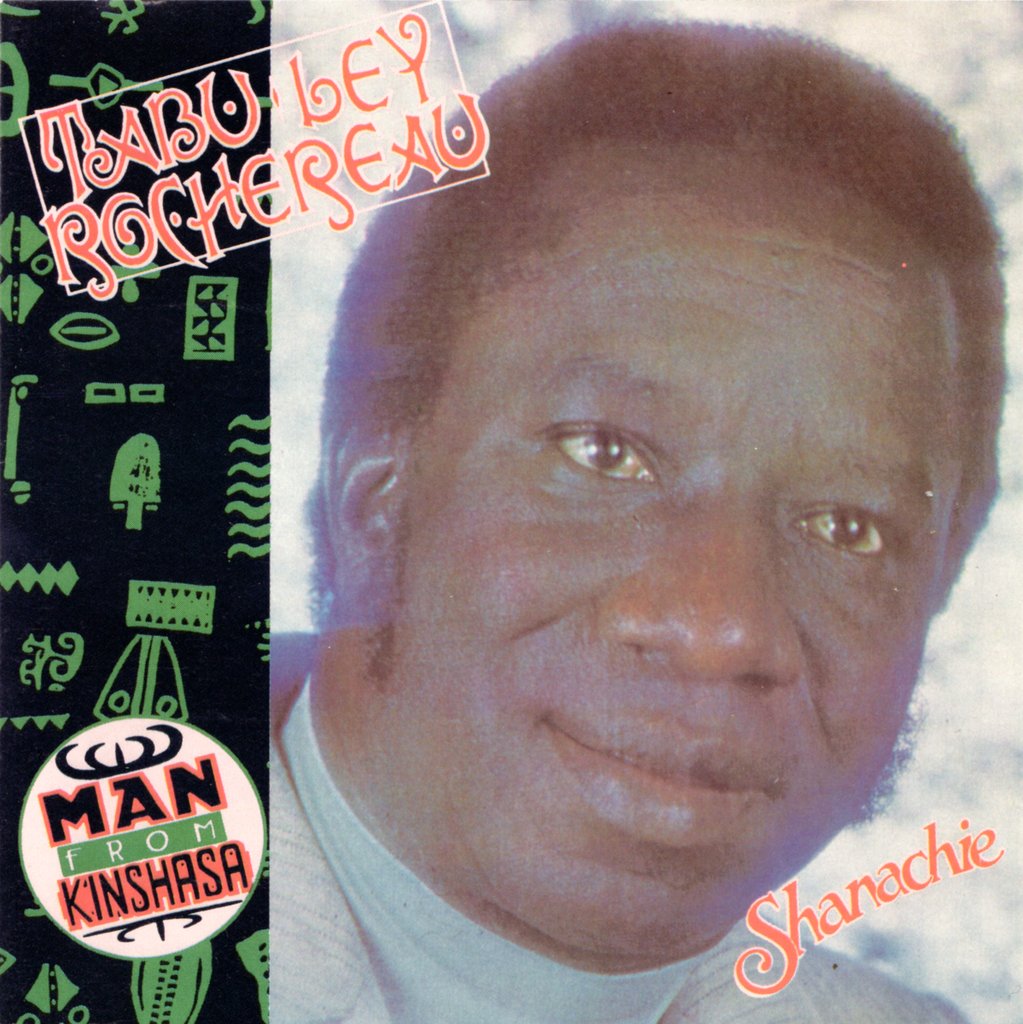
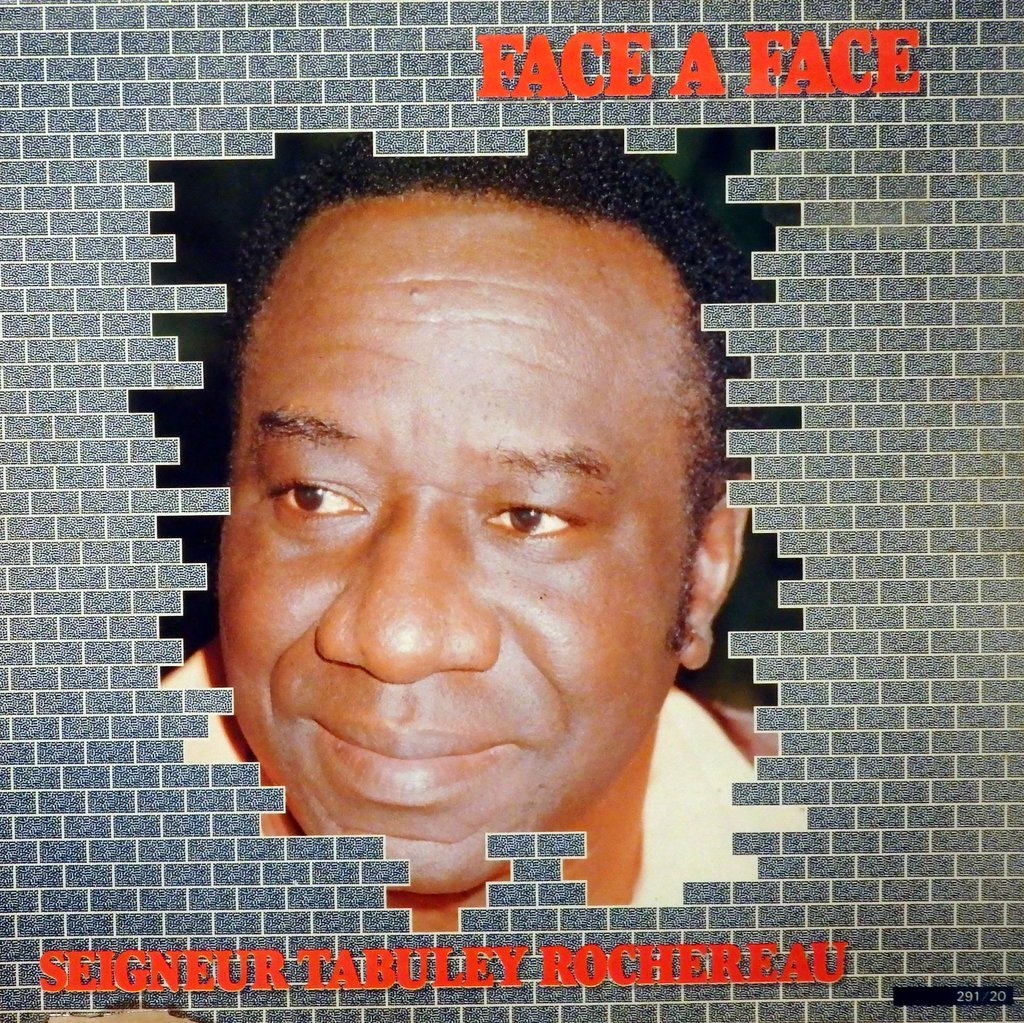
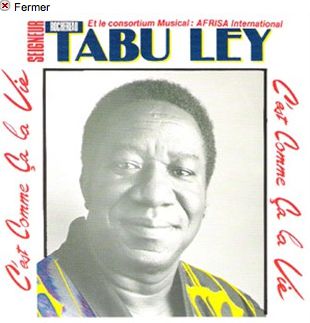
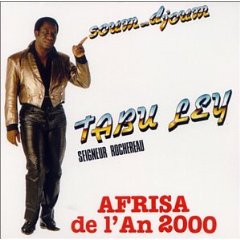
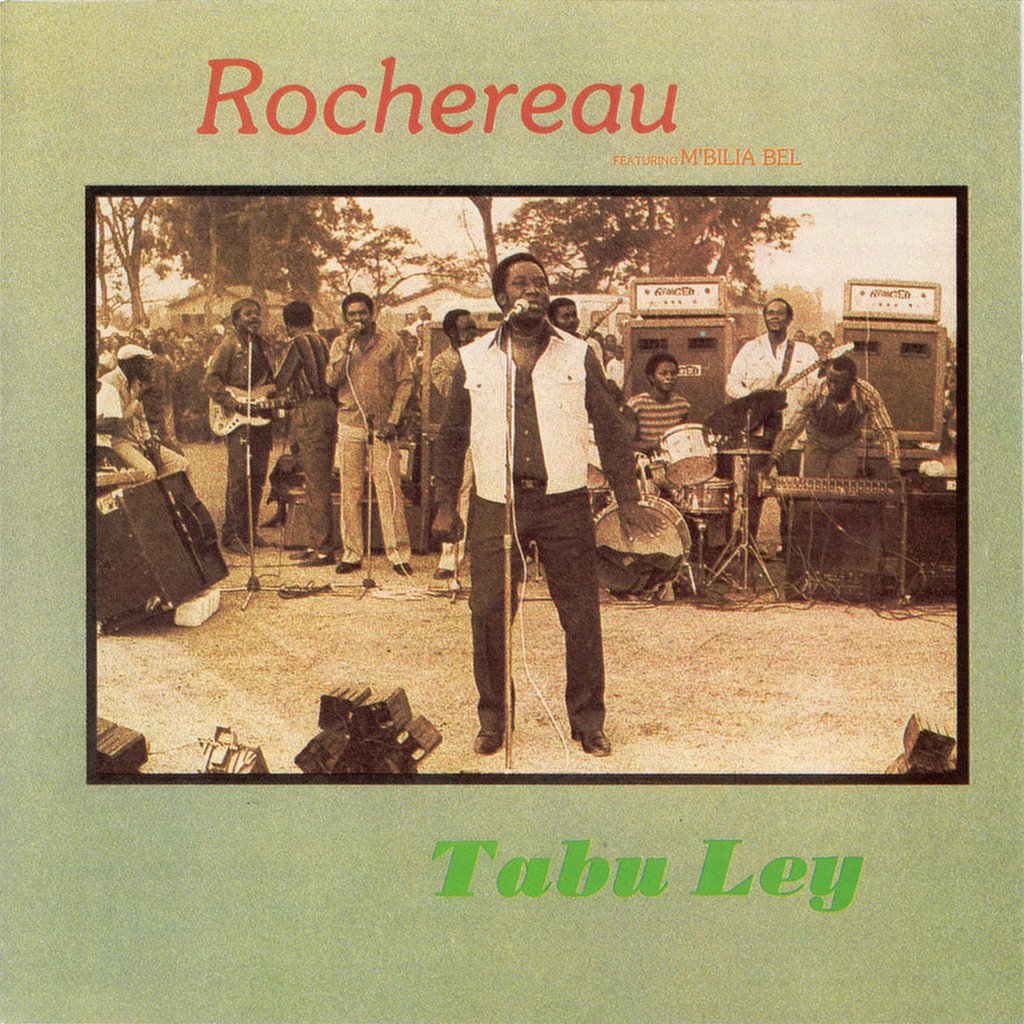
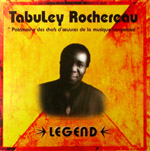
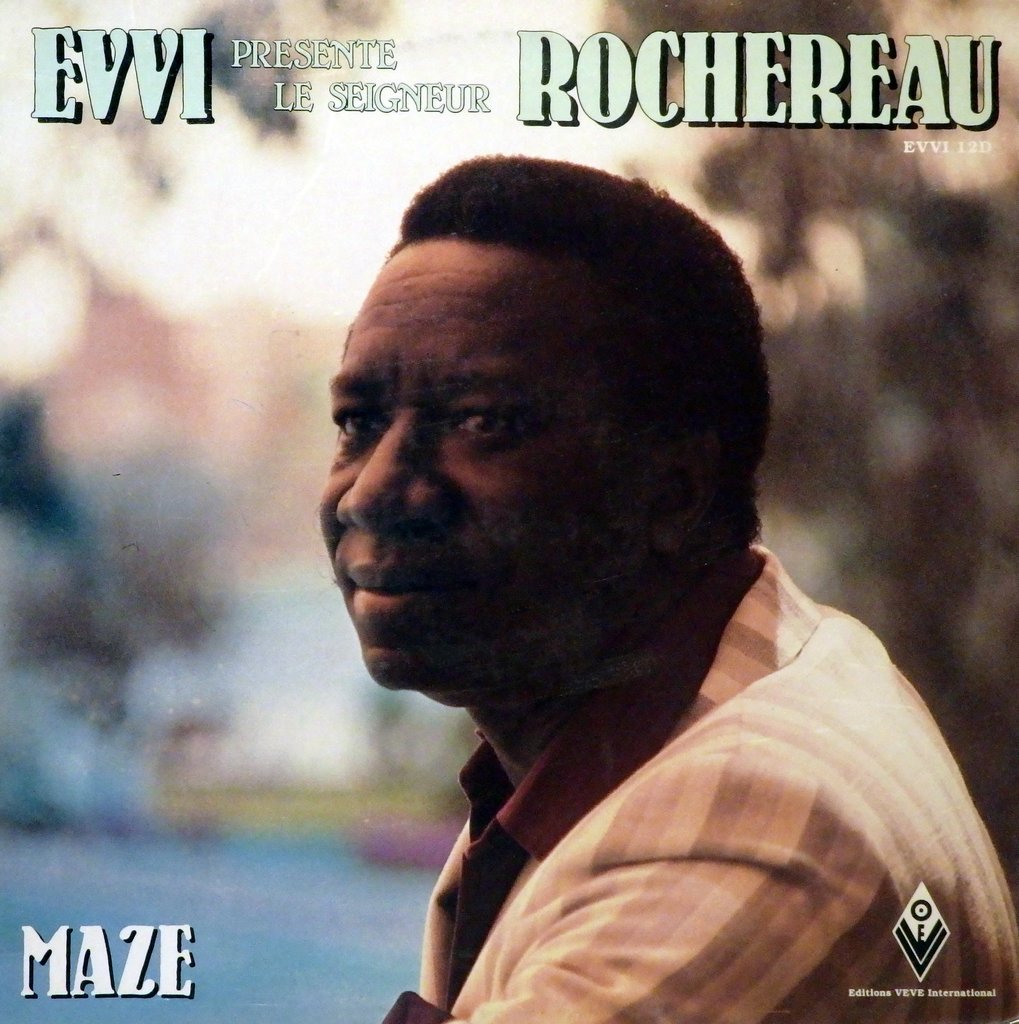
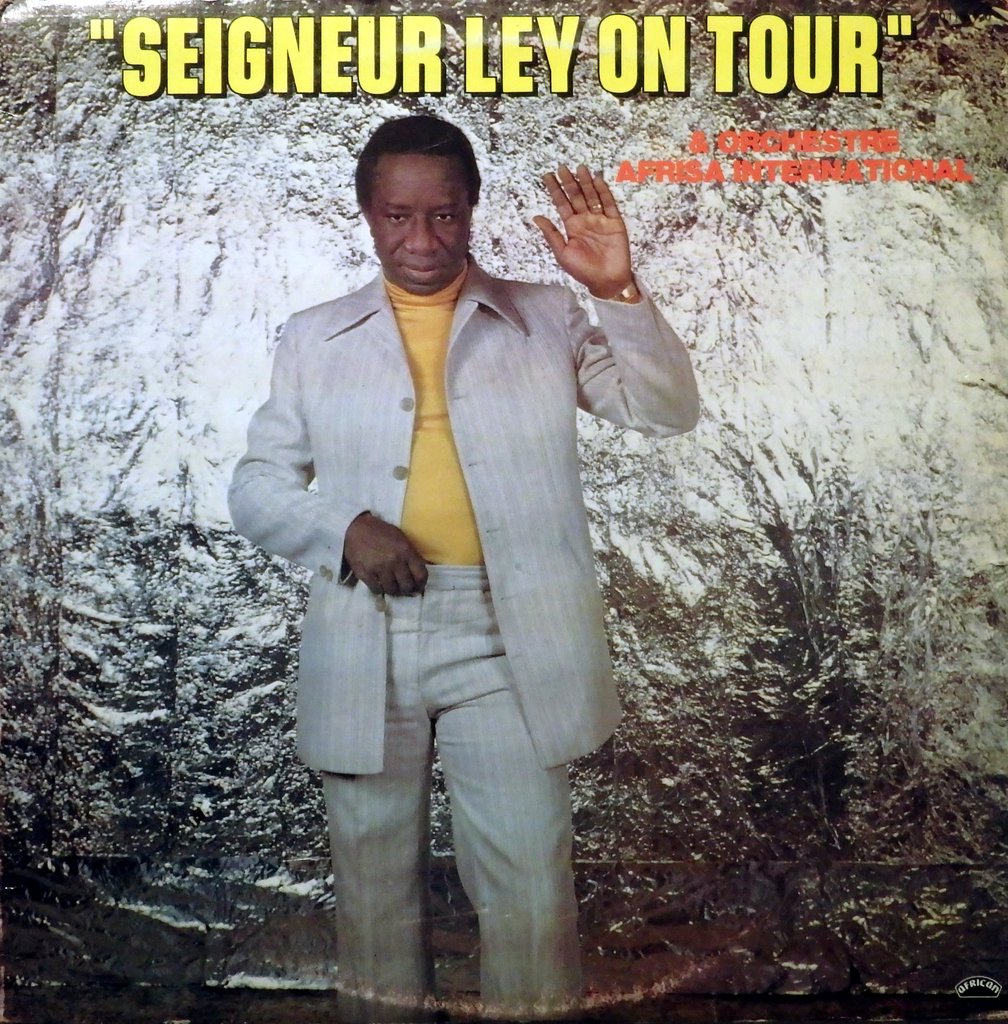
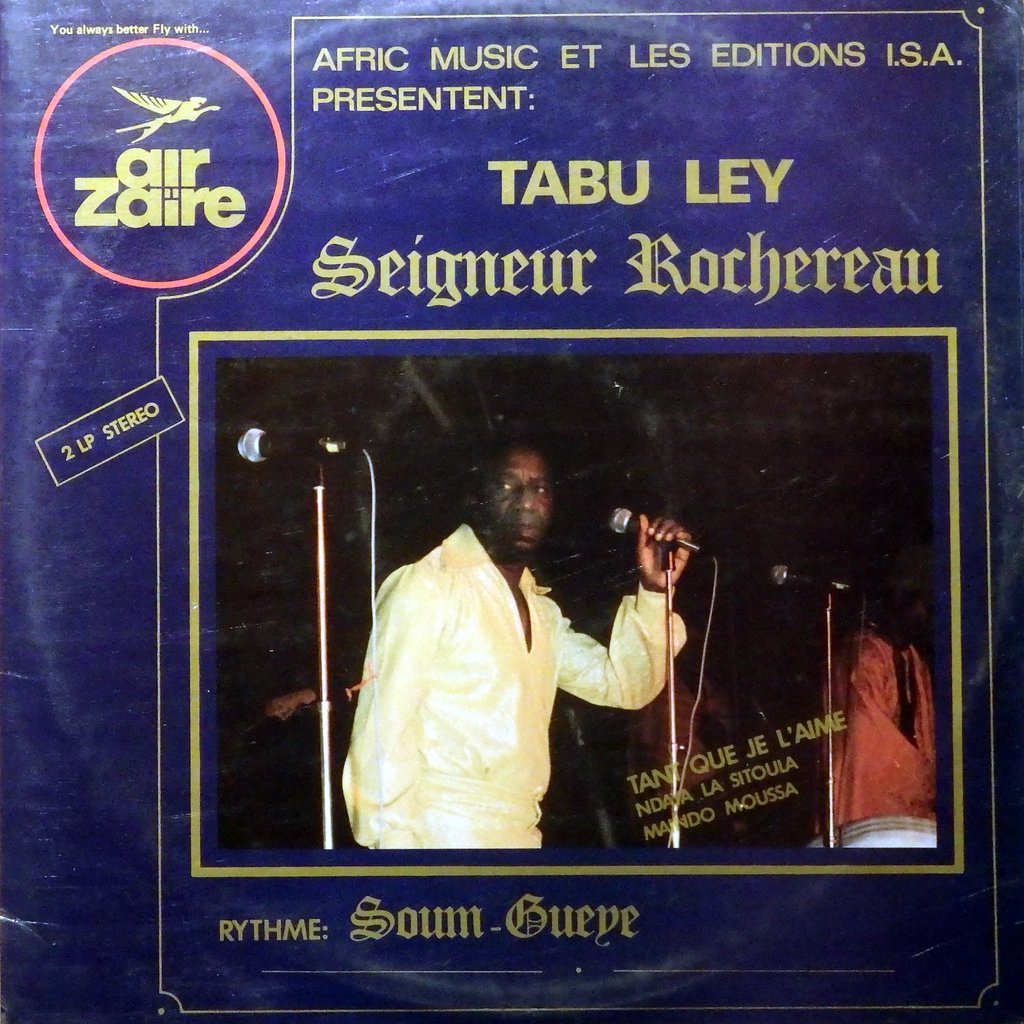
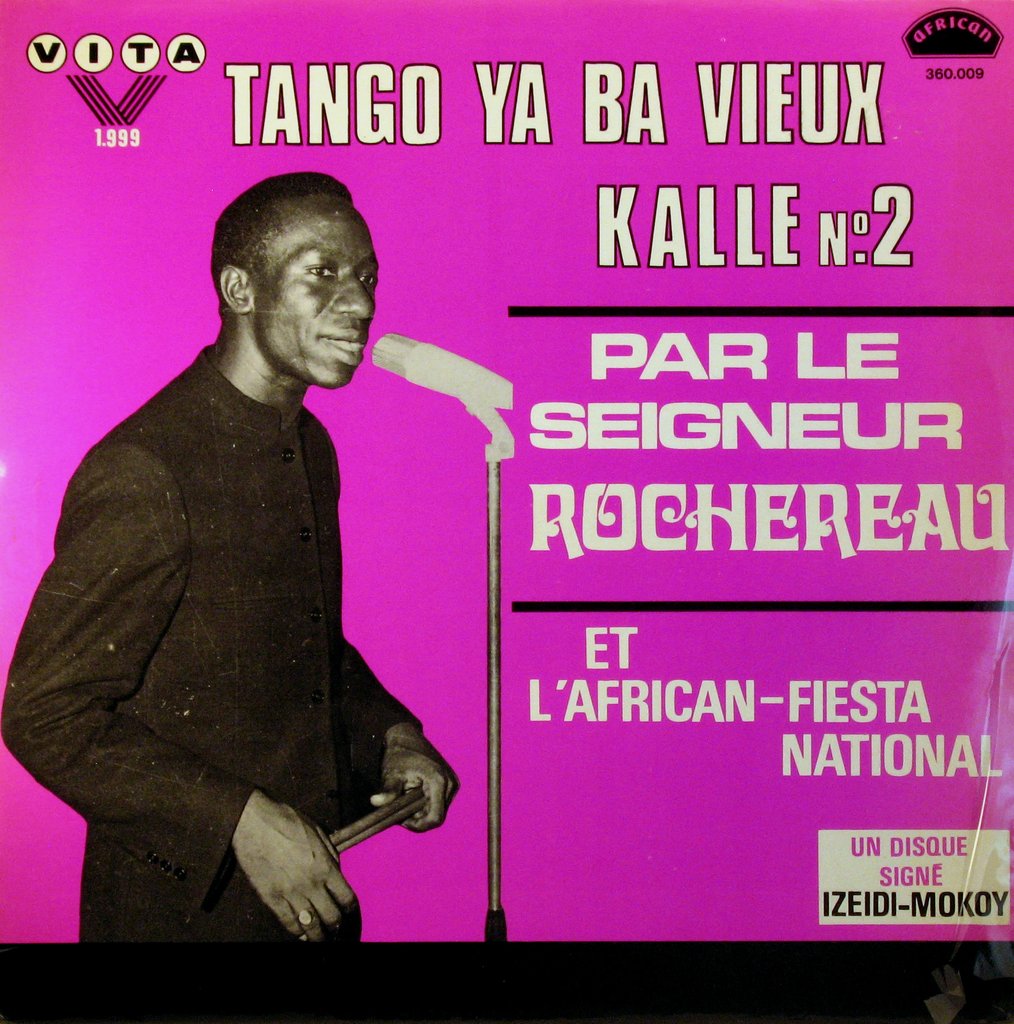
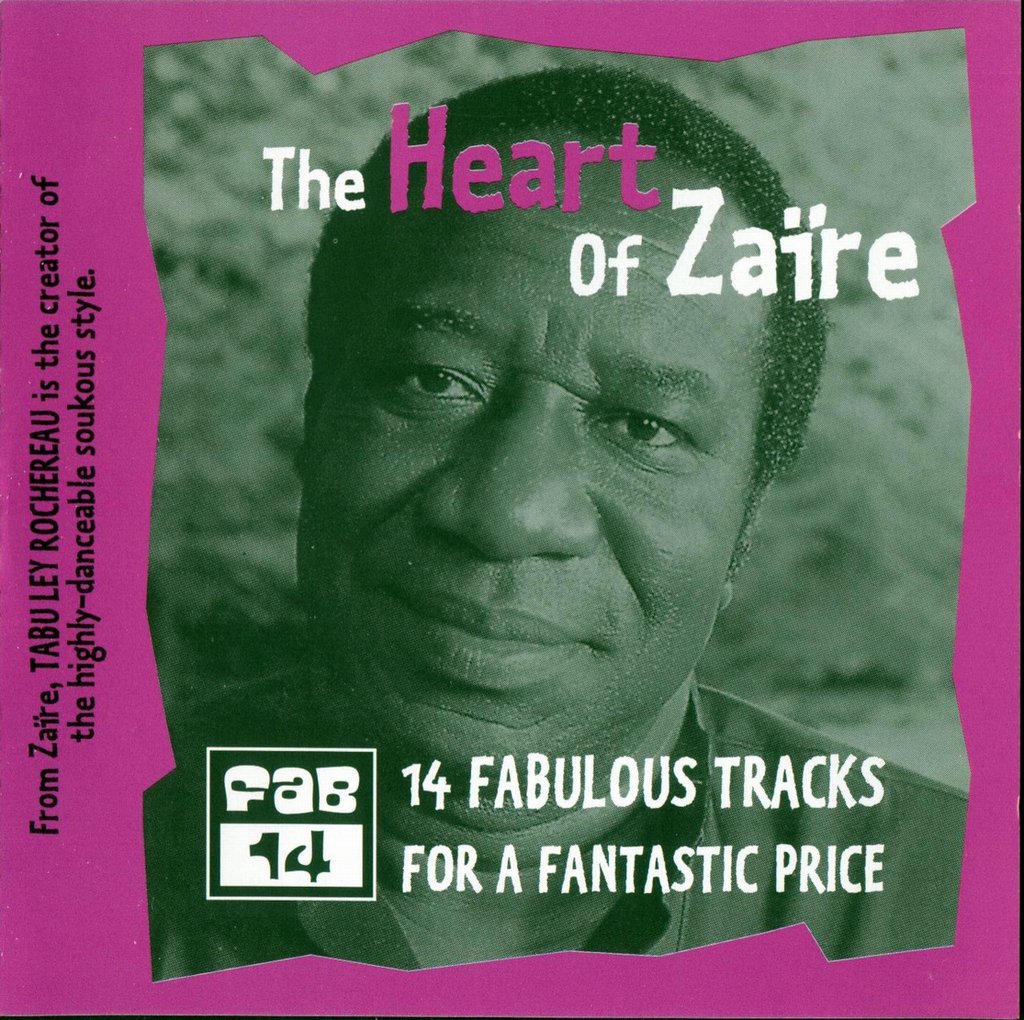
Tabu Ley Rochereau — The lord of Congolese rumba
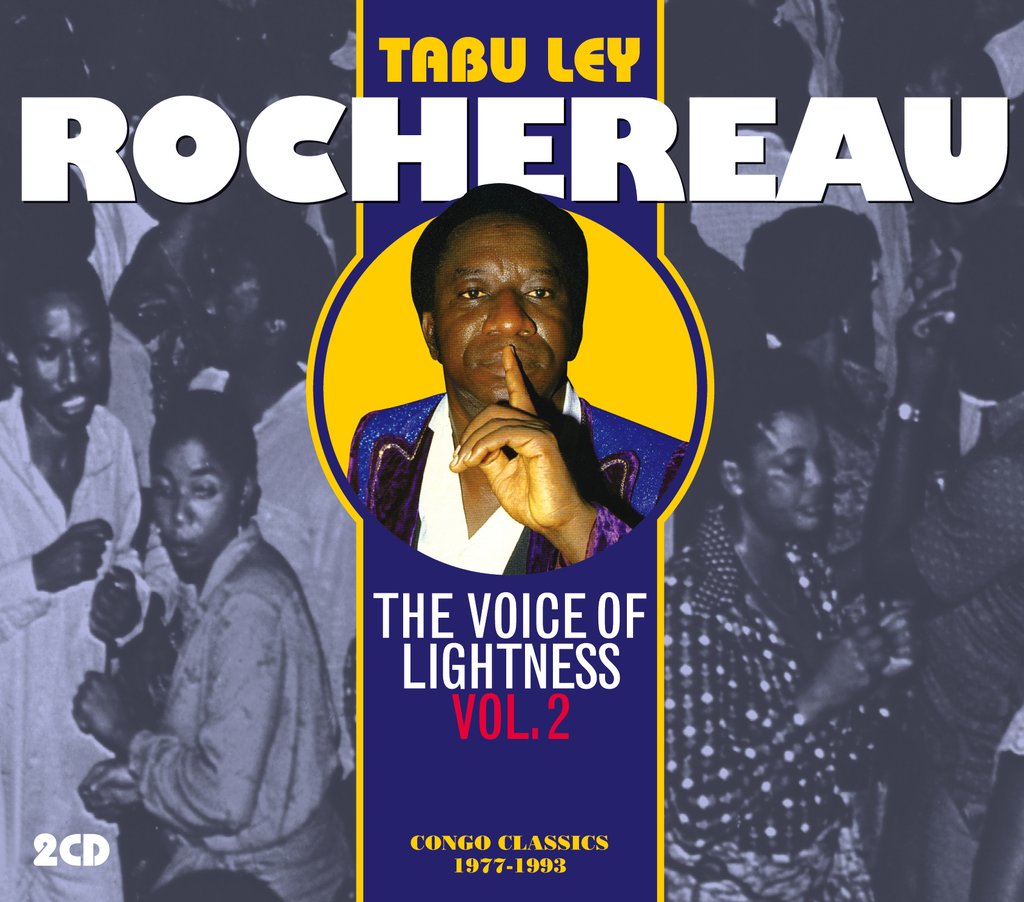
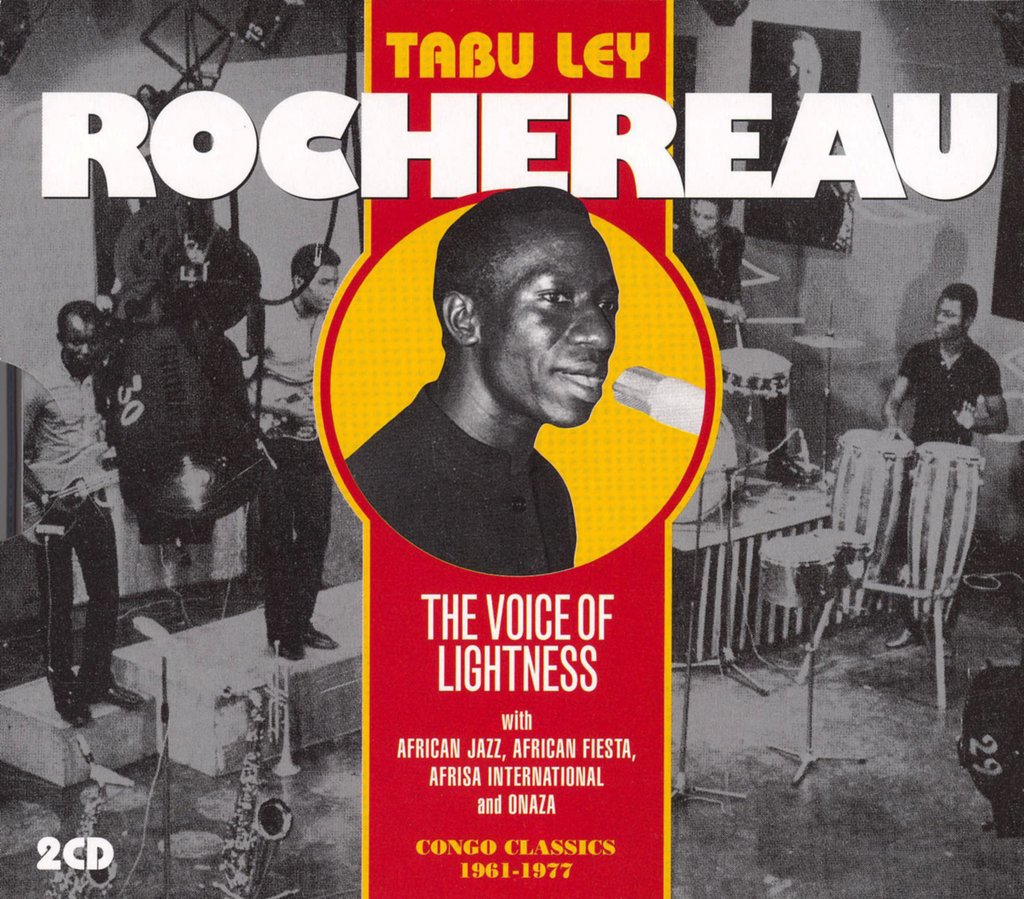
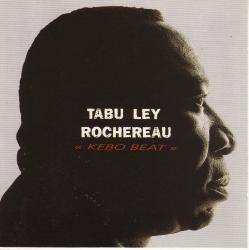
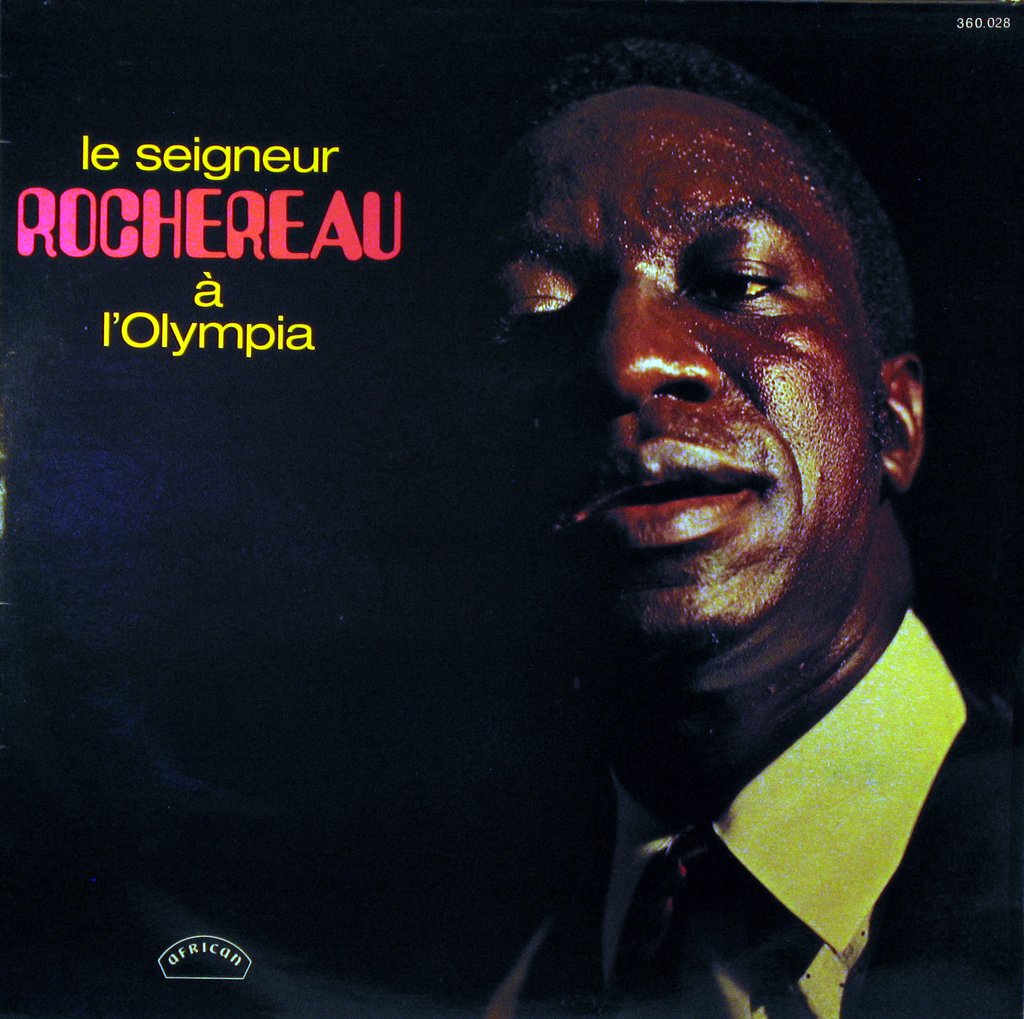
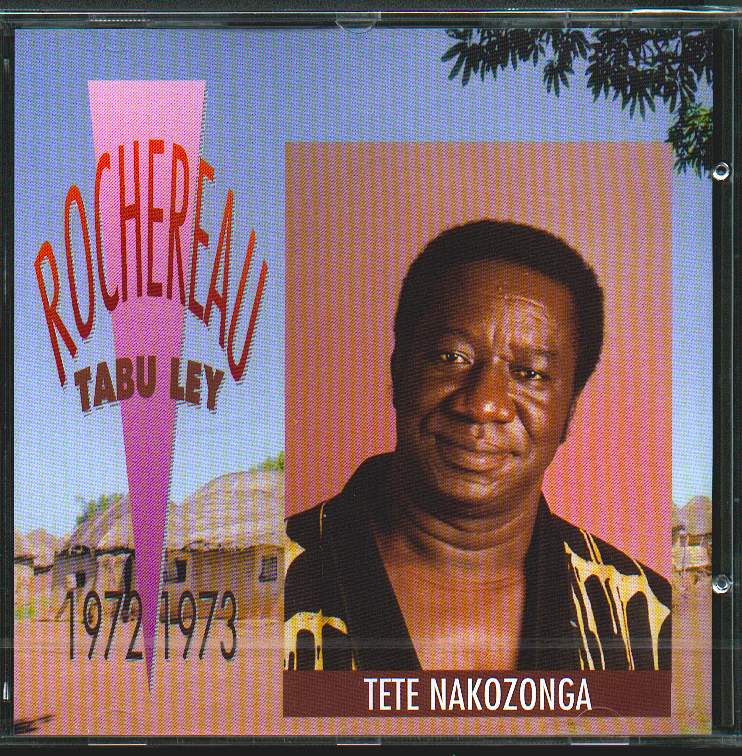
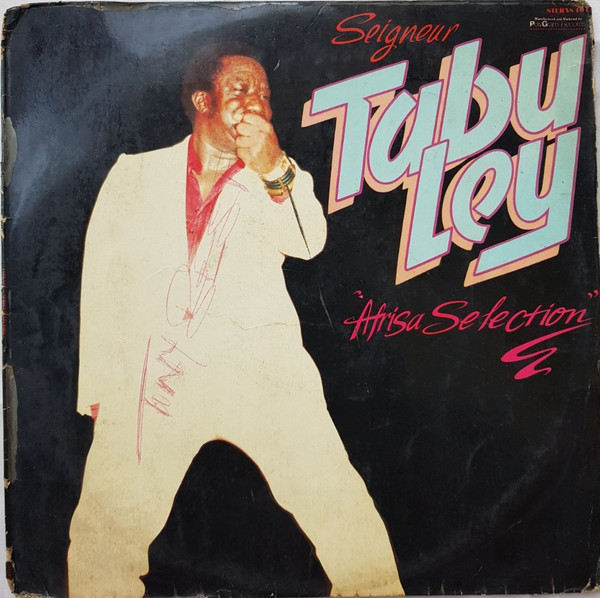
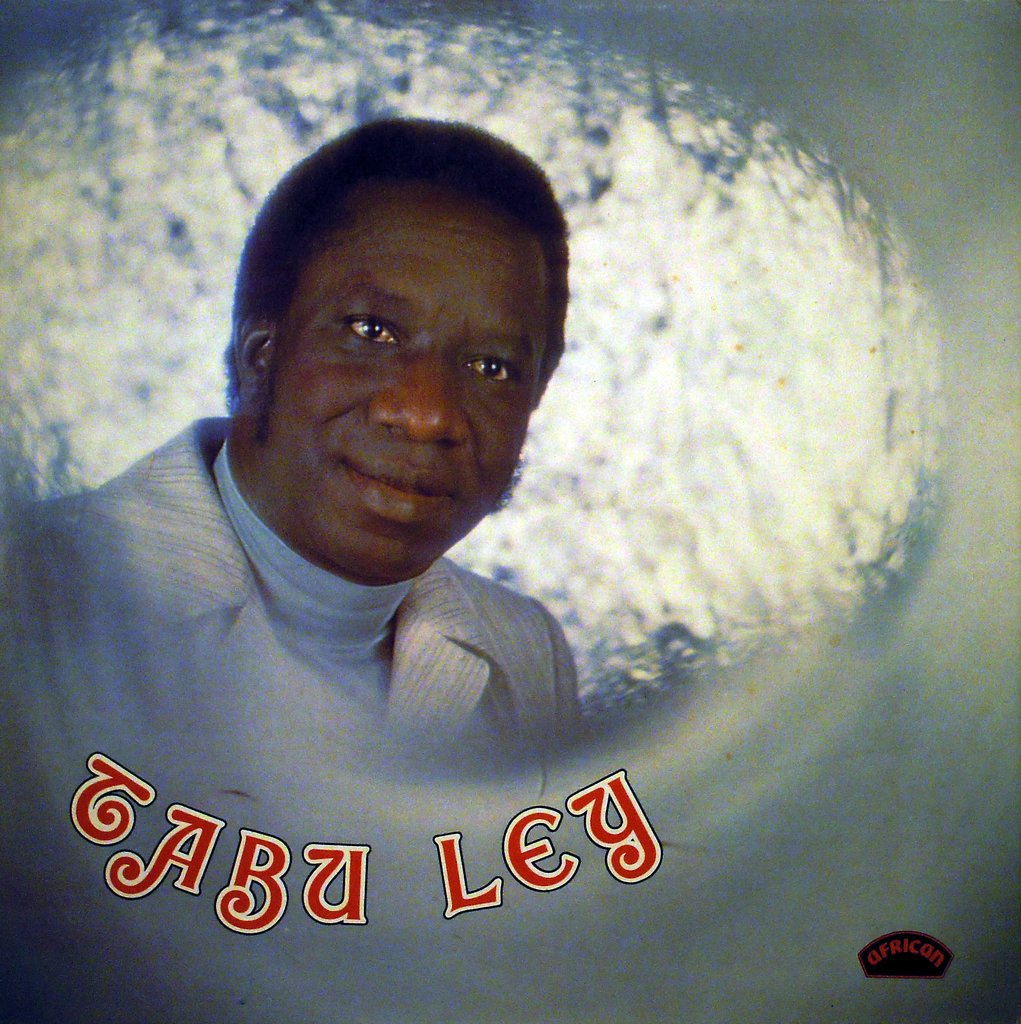
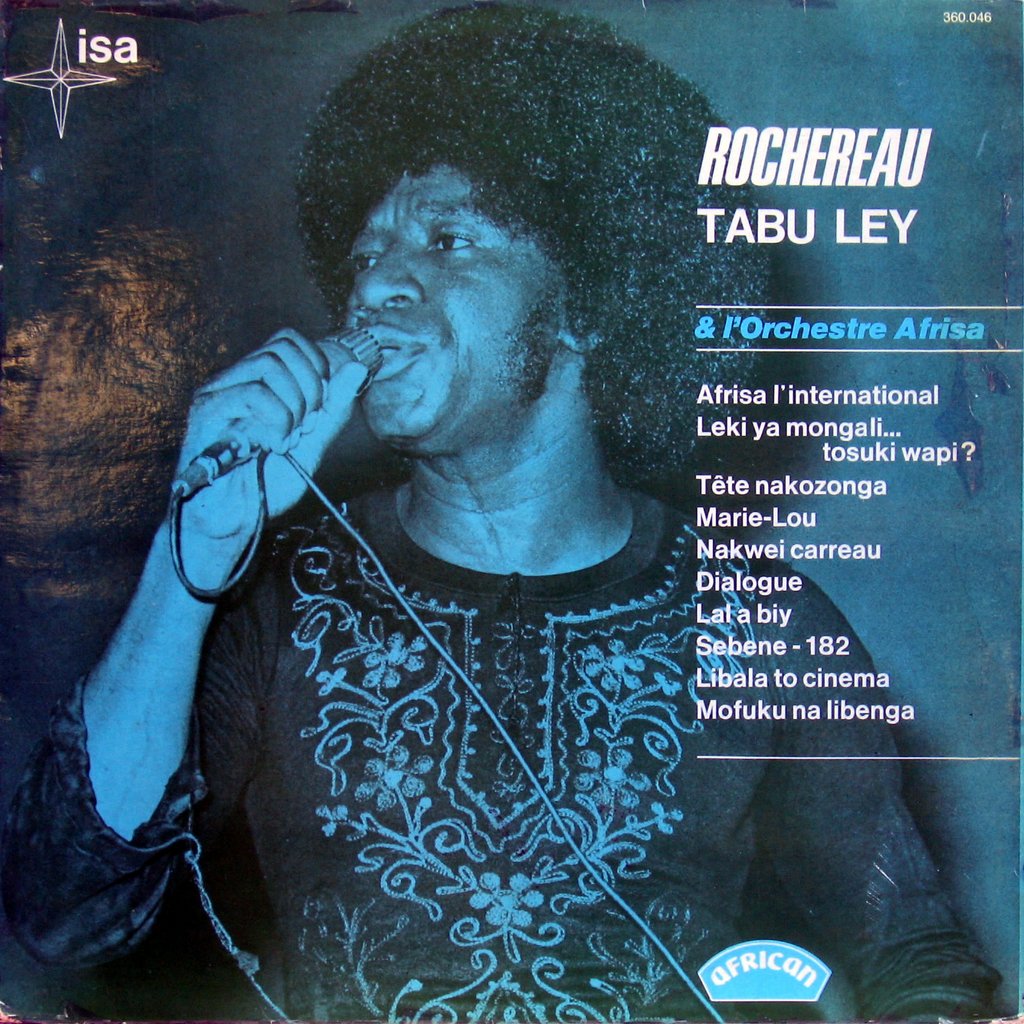
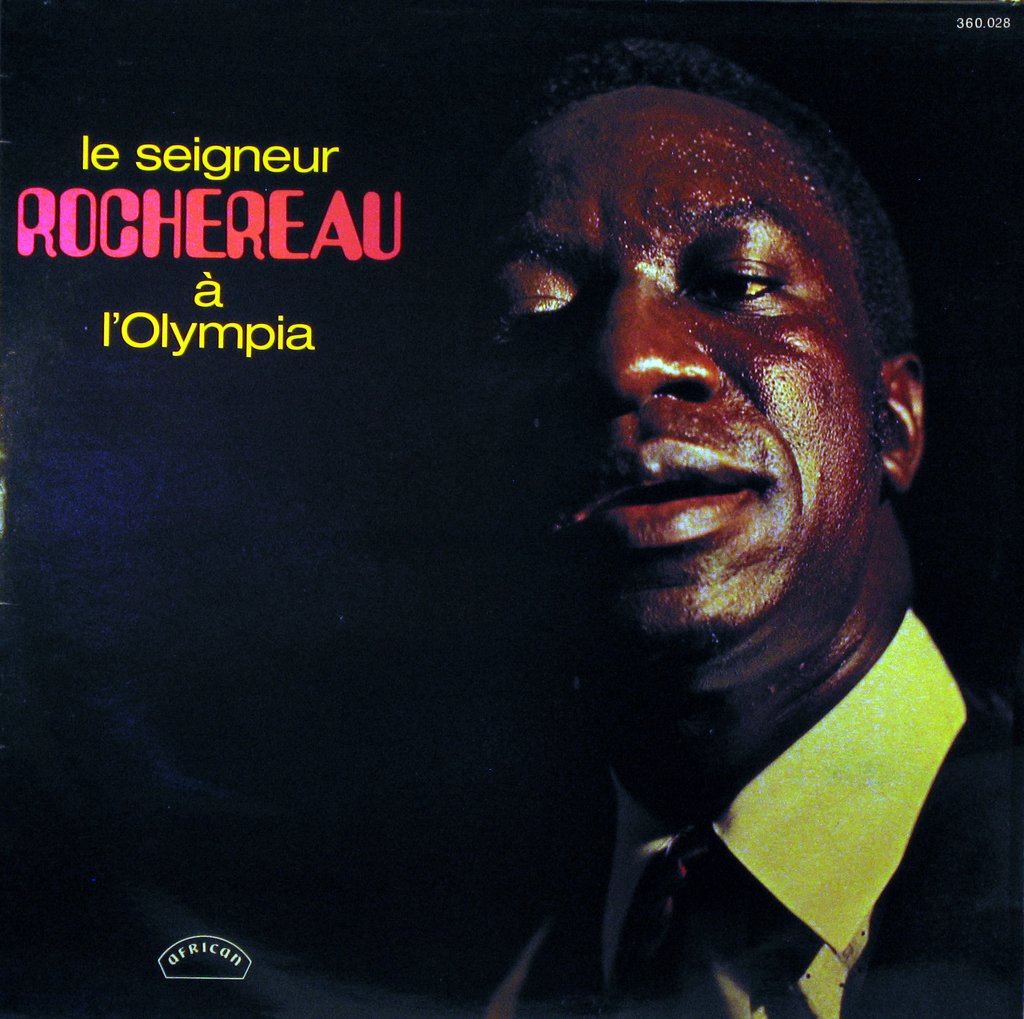
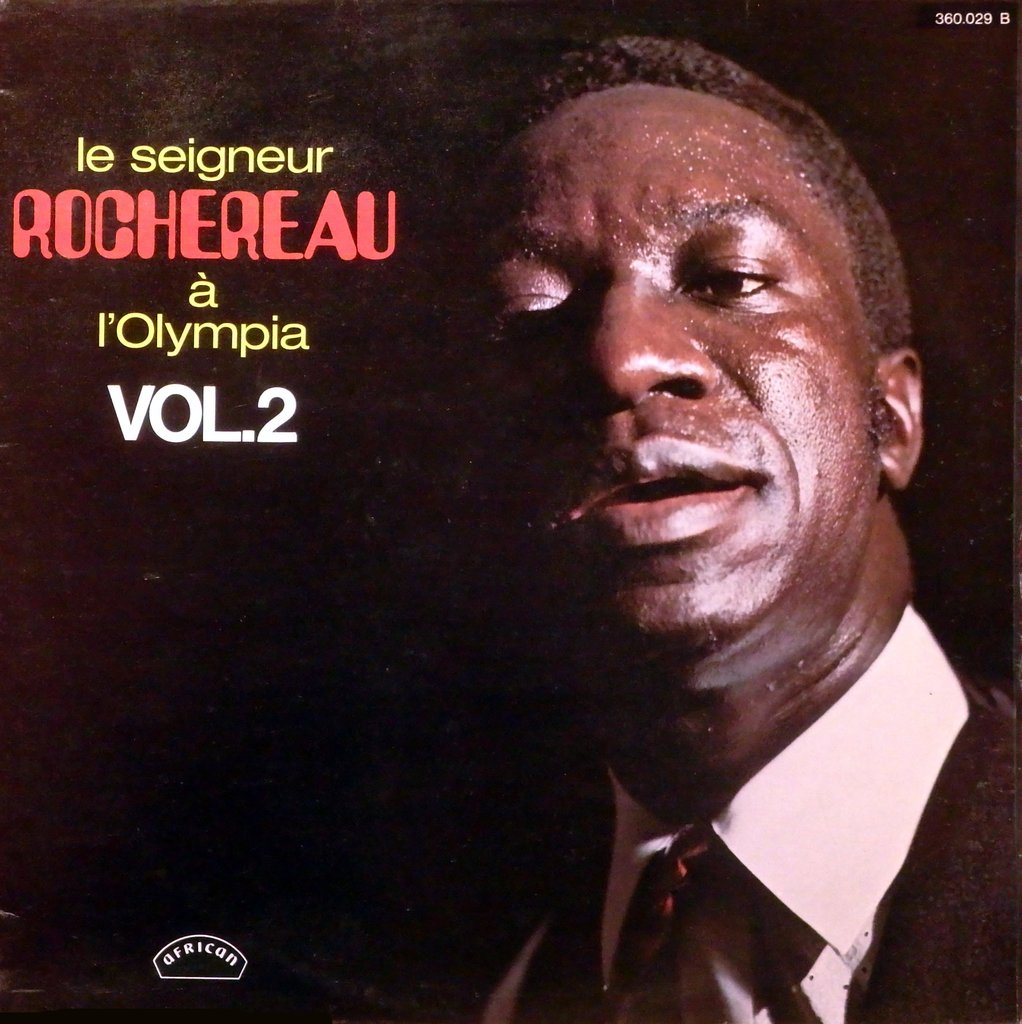
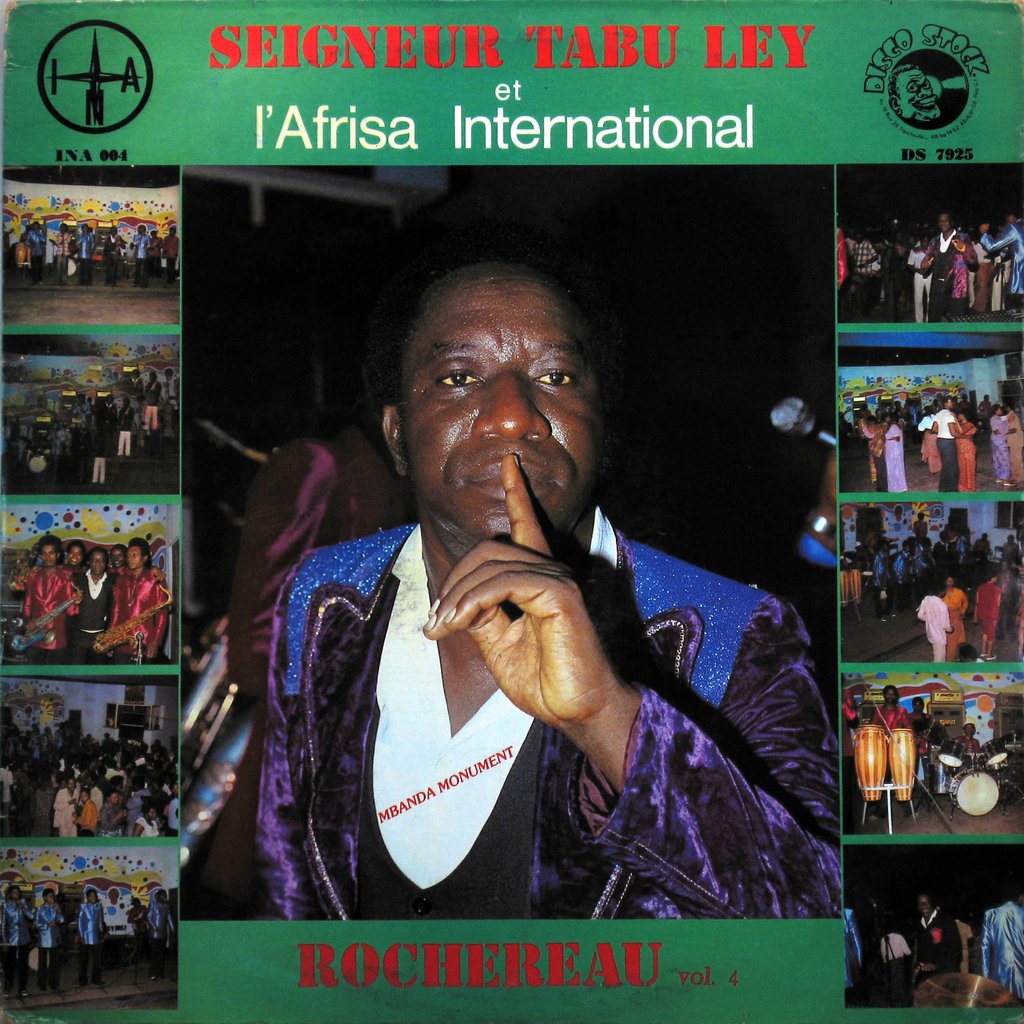
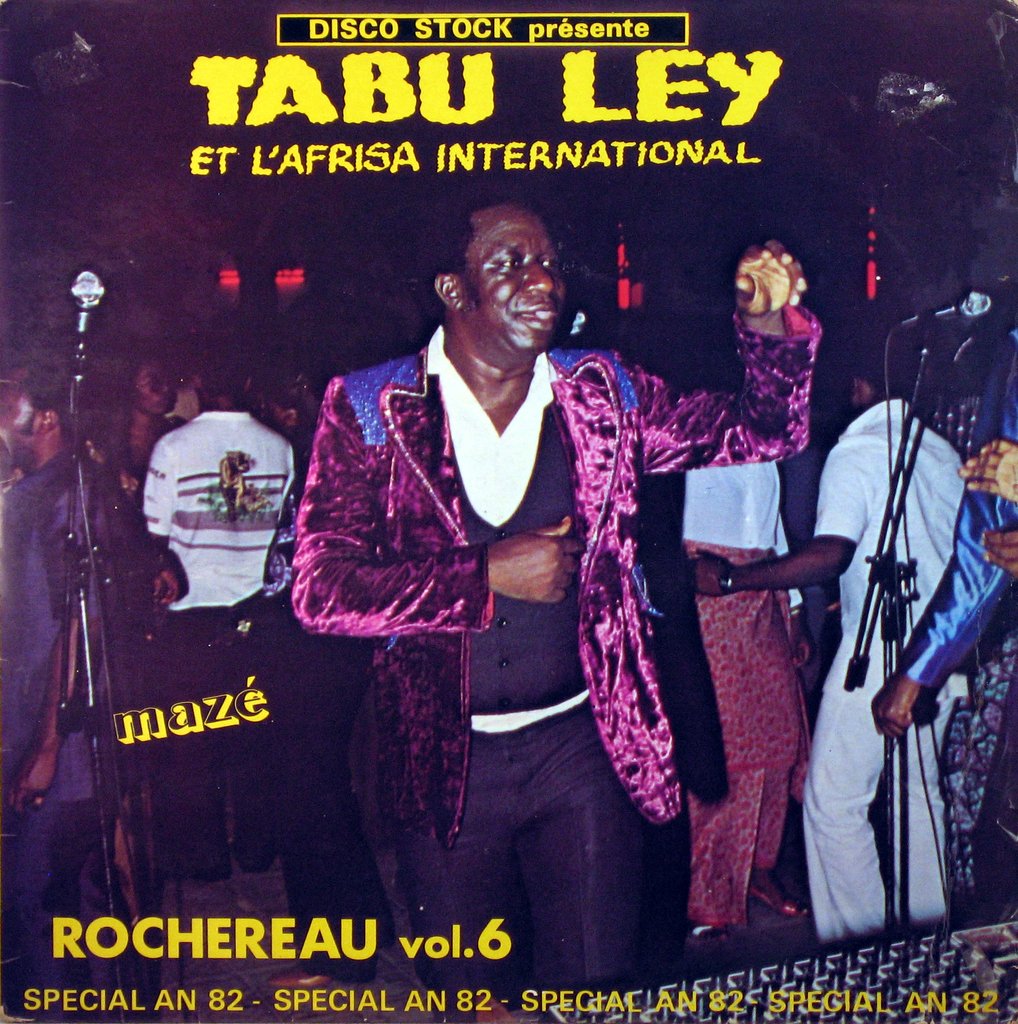
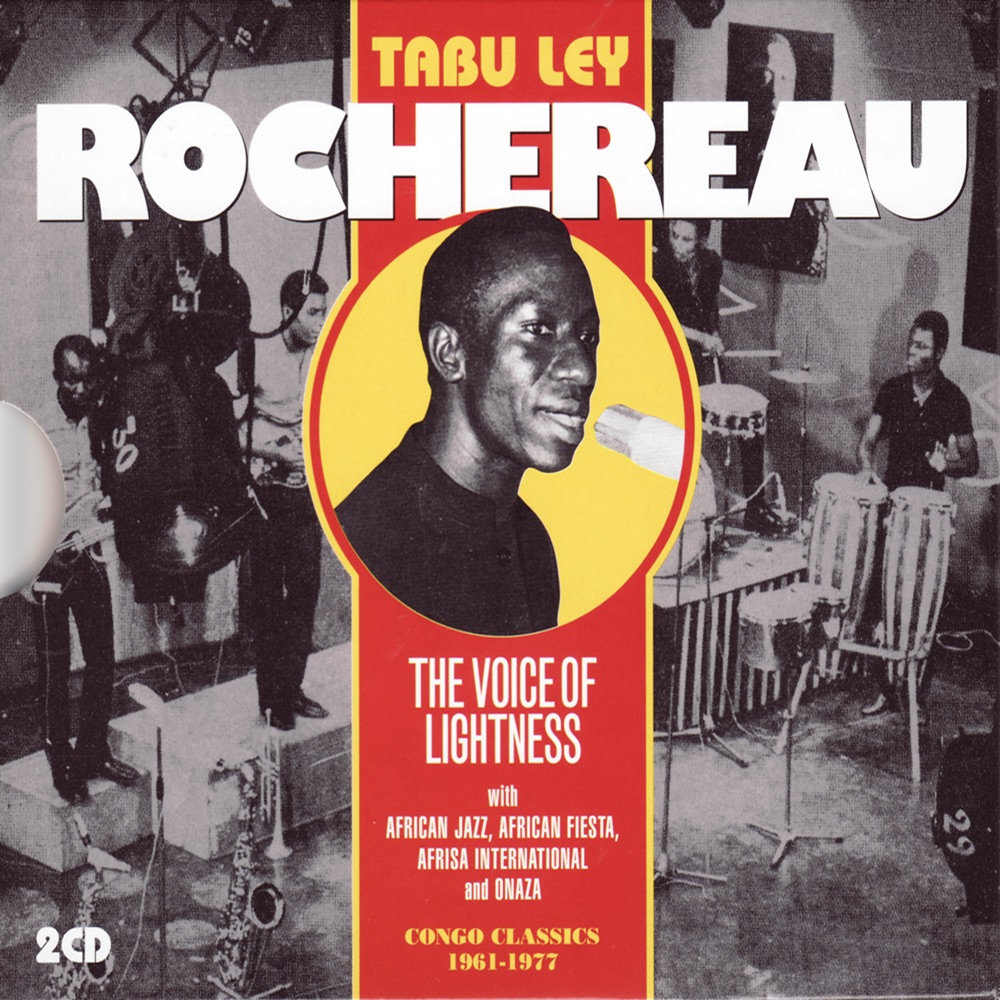
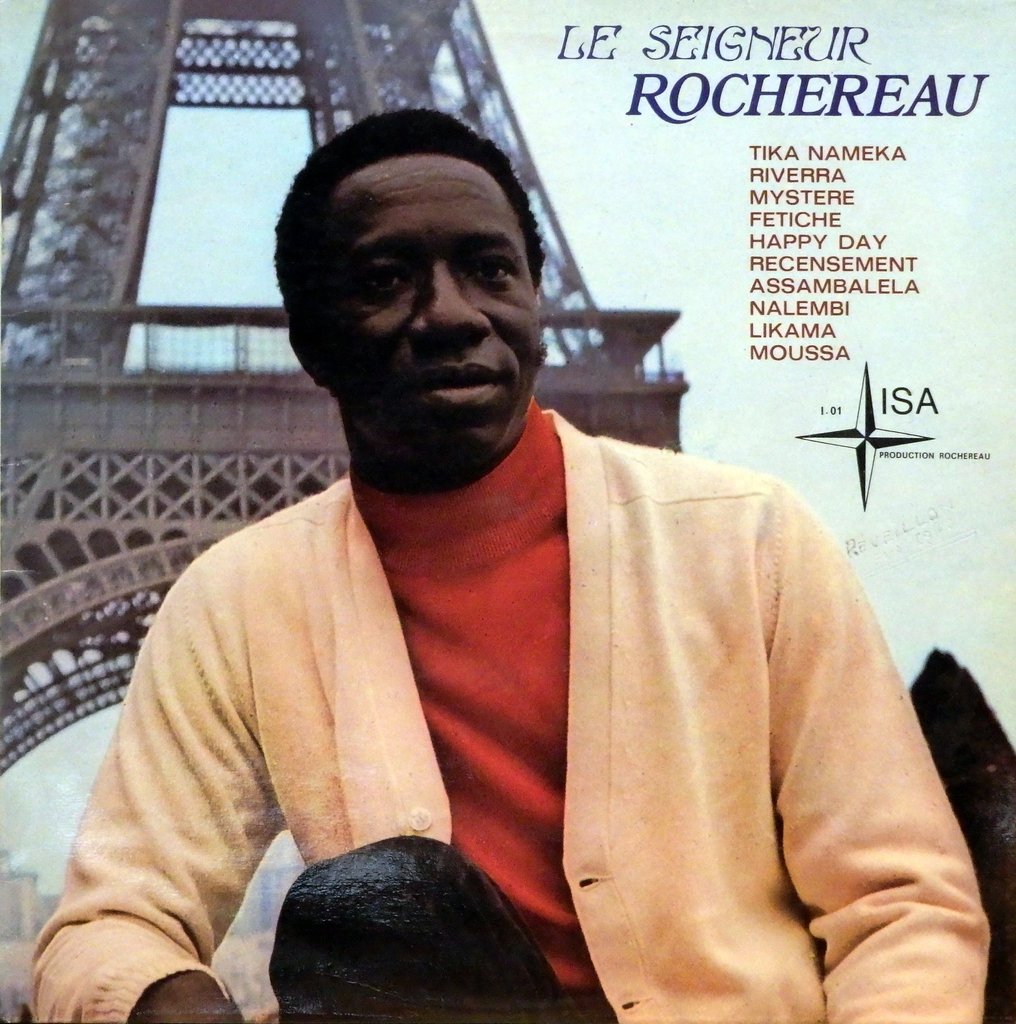
In the autumn of 1970, on the stage of Paris’s Olympia, a Congolese singer with a clear baritone dominated the audience for sixteen days in a row. “Bruno Coquatrix himself came to get me in Kinshasa,” he would recall. The “voice of lightness” has just imposed his cosmopolitan vision of Congolese rumba on a mythical stage.
In brief
| Full name | Pascal-Emmanuel Sinamoyi Tabu |
| Birth | November 13, 1940, Bagata, Belgian Congo |
| Death | November 30, 2013, Brussels, Belgium |
| Genre | Congolese rumba and soukous — a style blending Cuban rumba, local rhythms, and rhythm and blues |
| Instruments | Vocals (baritone), composition |
| Groups | African Jazz, African Fiesta, African Fiesta National, Orchestre Afrisa International |
| Honors | Rolling Stone ranking, 178th of the “200 Greatest Singers of All Time” (2023) |
Key dates
| Year | Event |
|---|---|
| 1940 | Born in Bagata, Bandundu province, Belgian Congo |
| 1956 | First recordings with Le Grand Kallé and African Jazz |
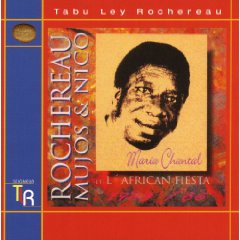
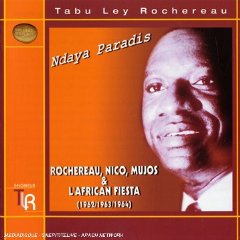
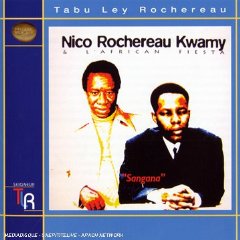
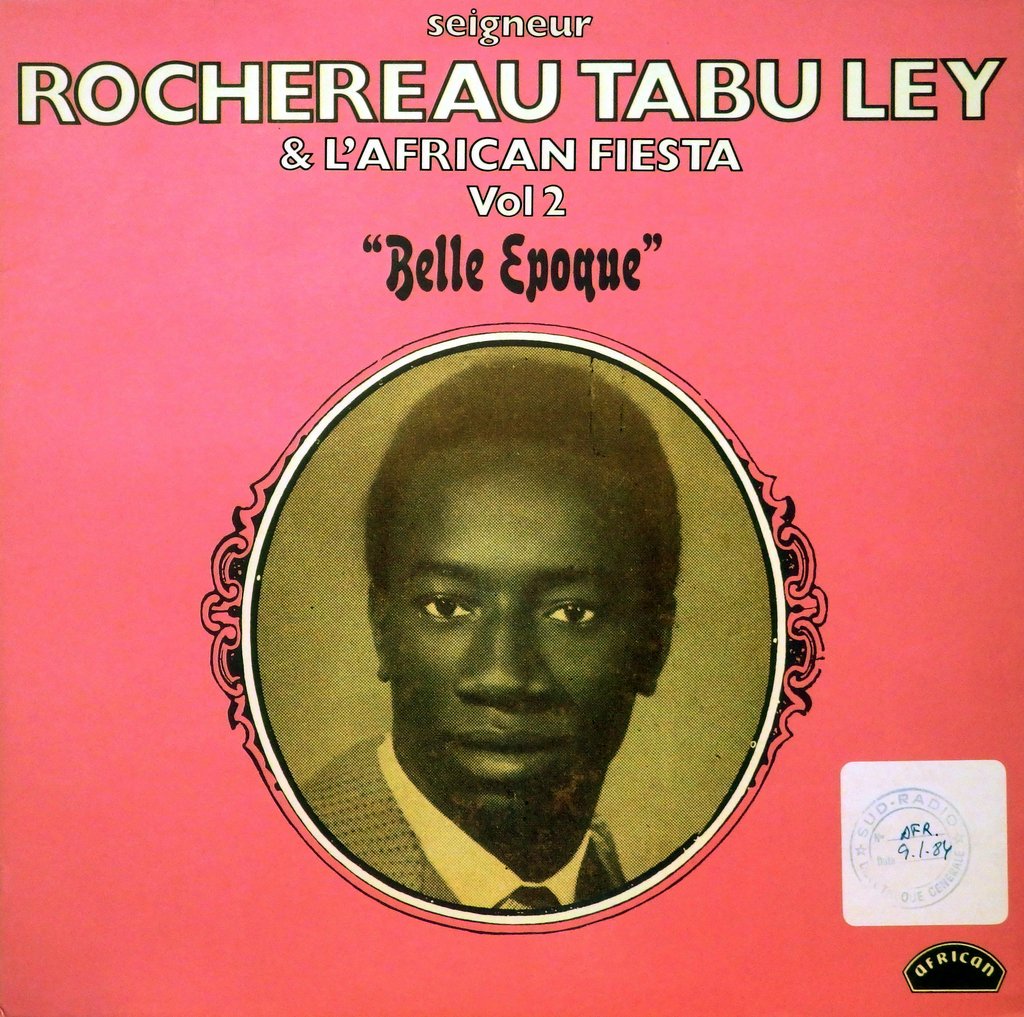
| 1963 | Co-founded African Fiesta with guitarist Dr Nico Kasanda |
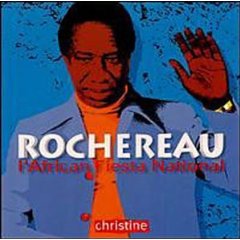
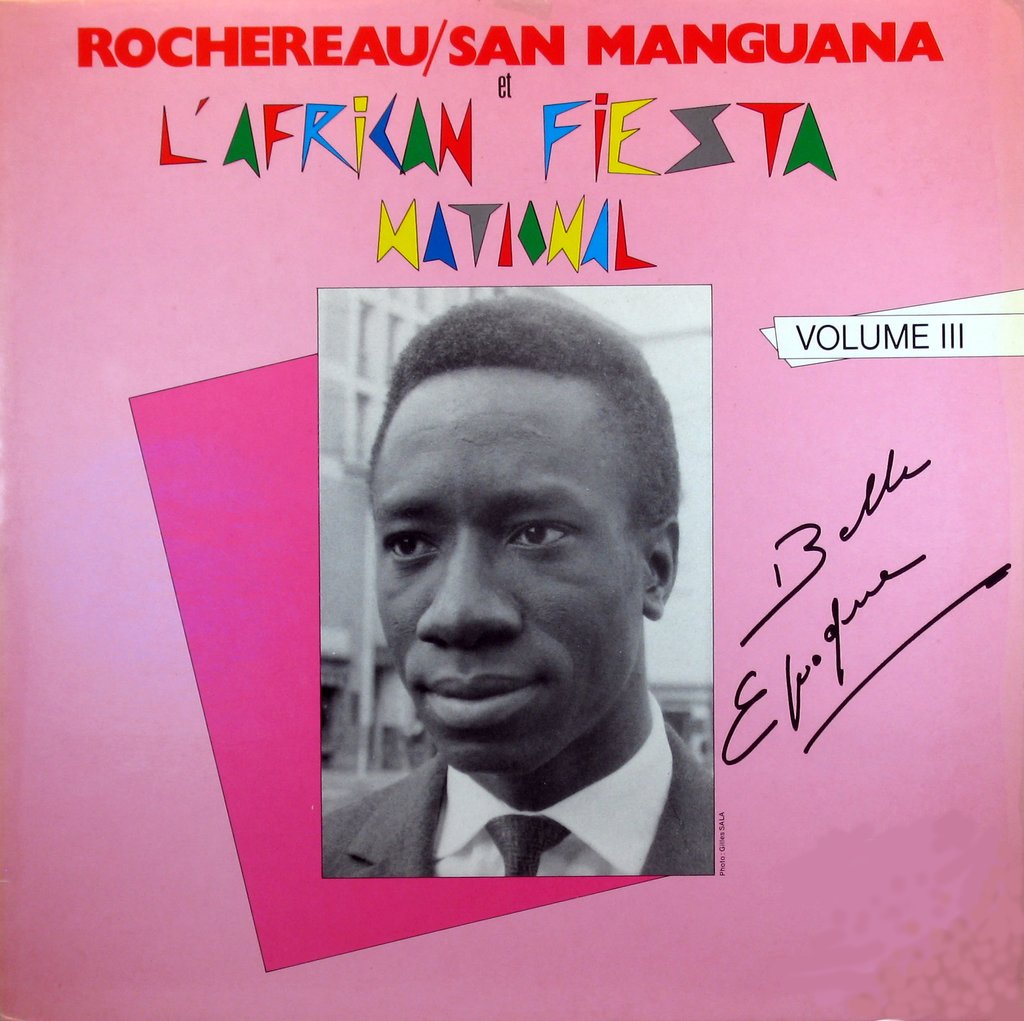
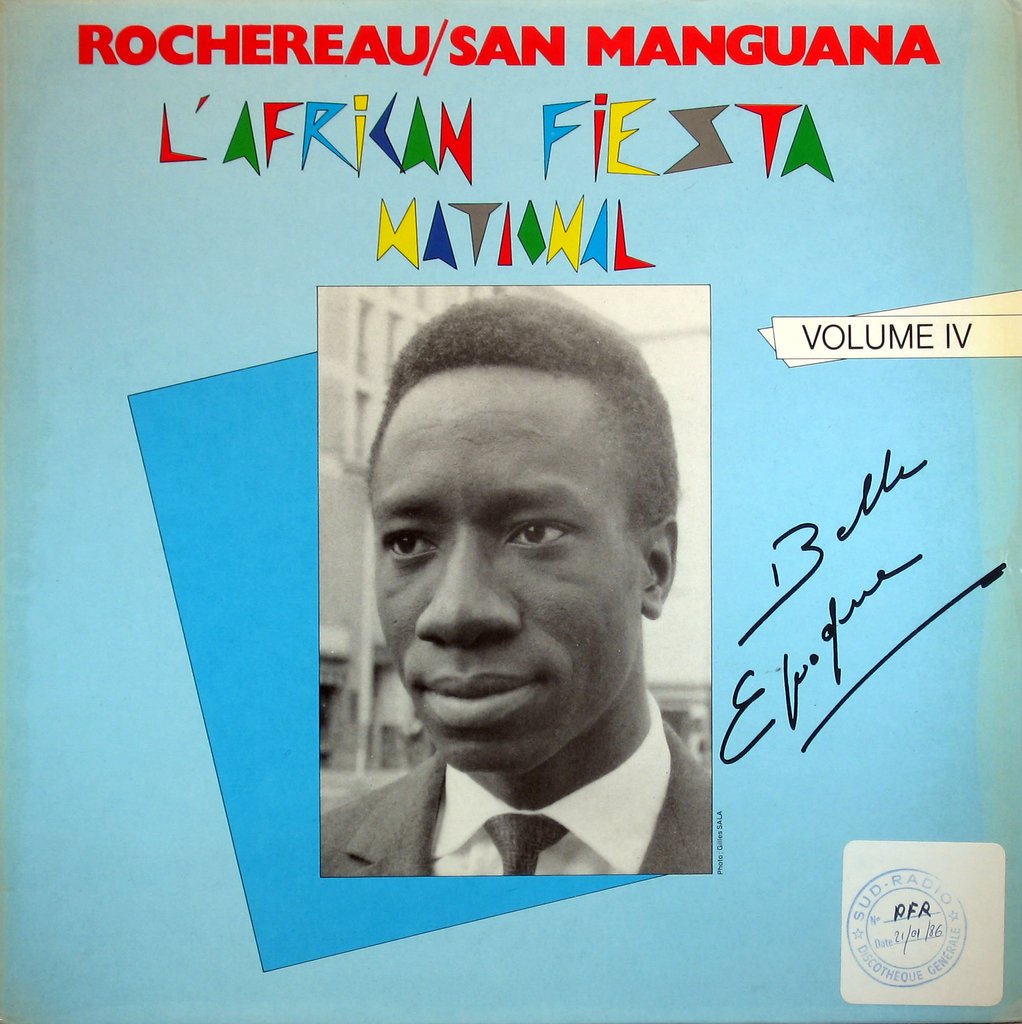
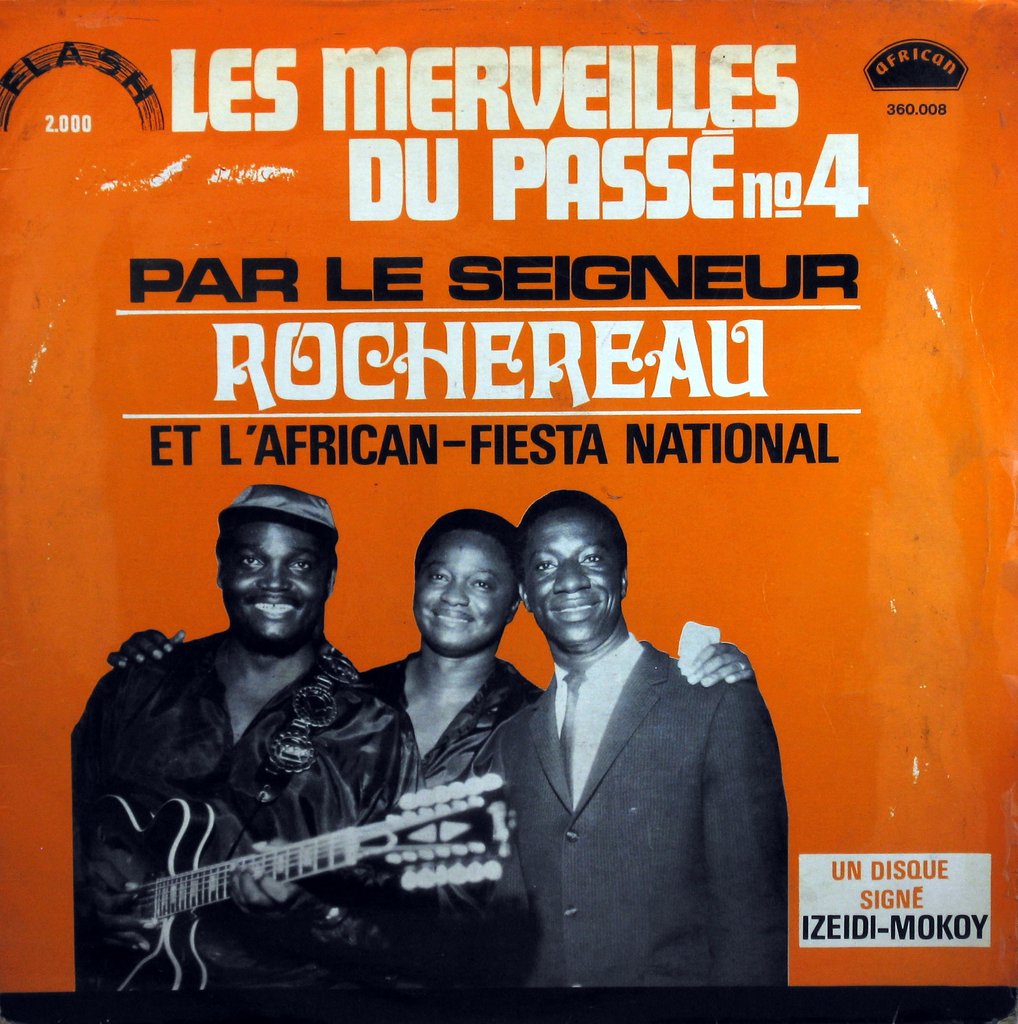
| 1966 | African Fiesta split; Tabu Ley created African Fiesta National |
| 1970 | First artist from sub-Saharan Africa to perform at Paris’s Olympia |
| 1971 | Adopted the name “Tabu Ley” under Mobutu’s authenticity policy |
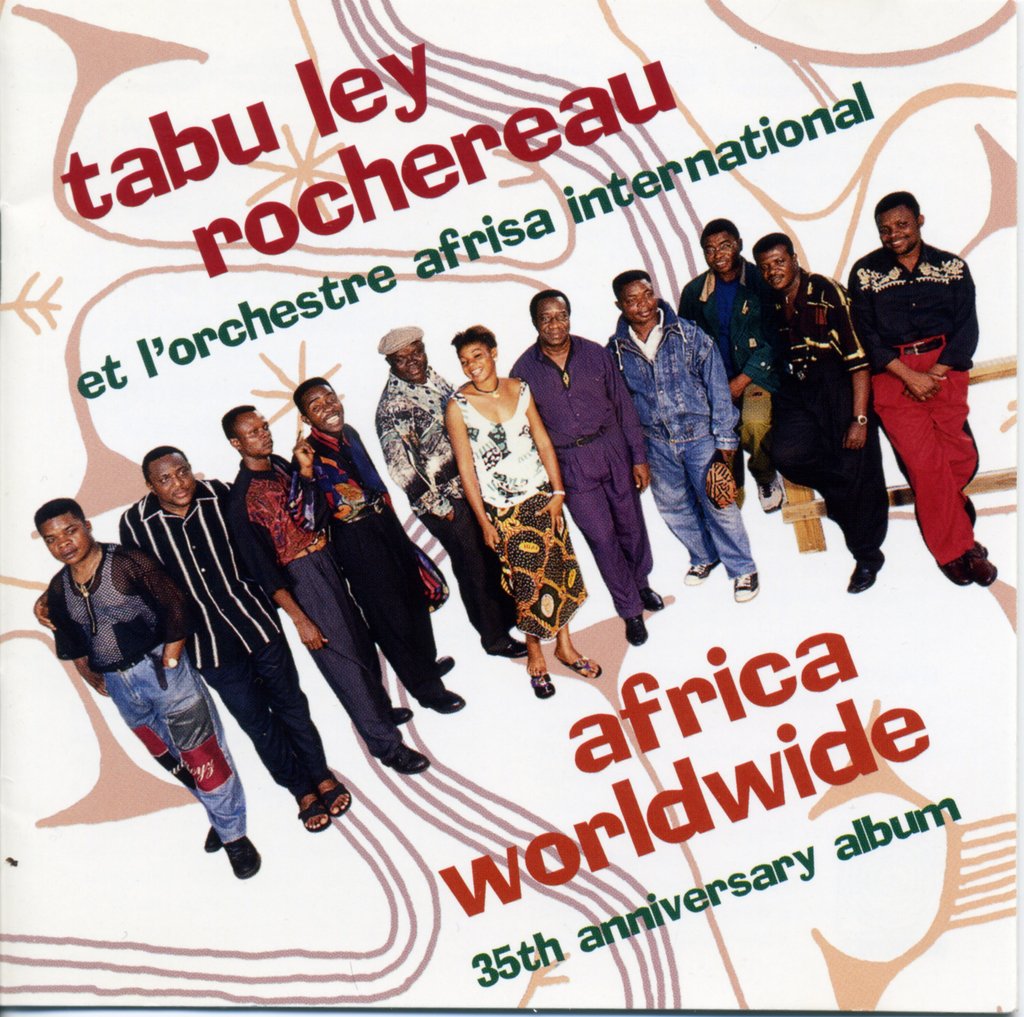
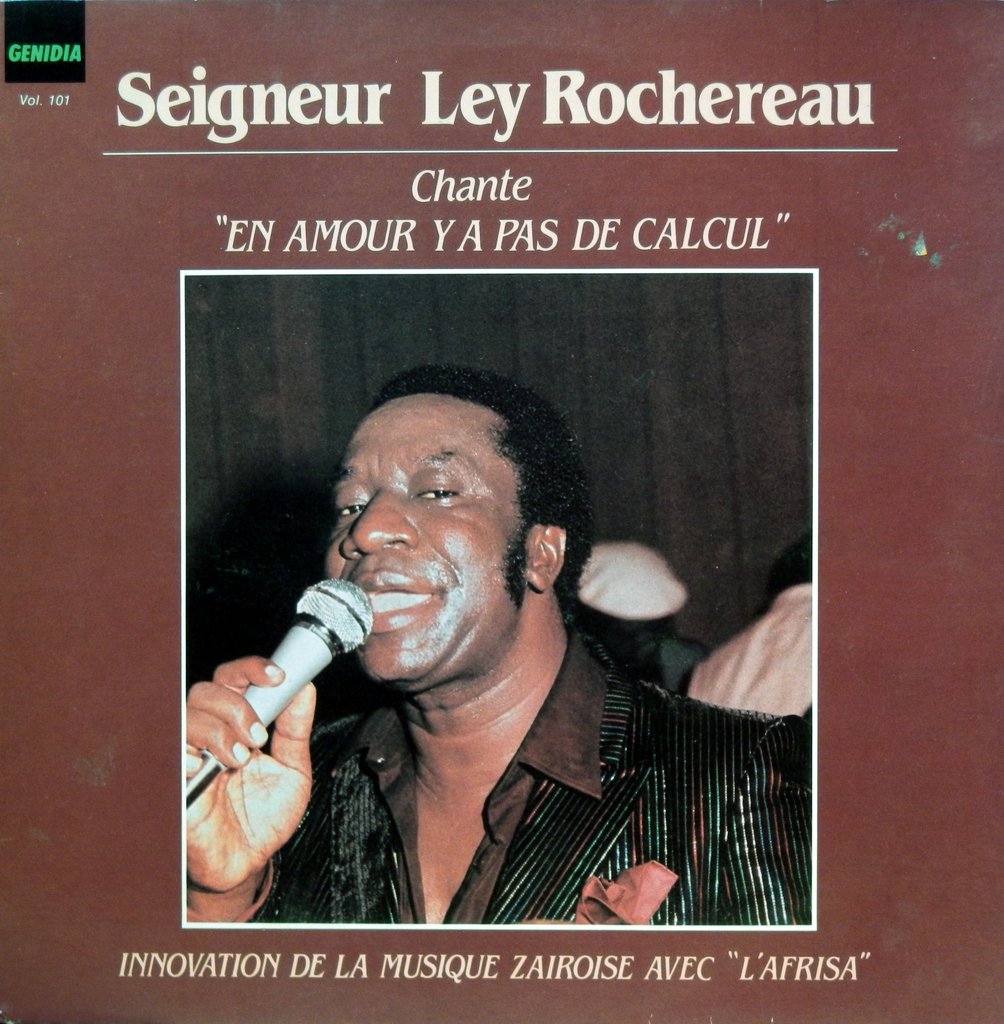
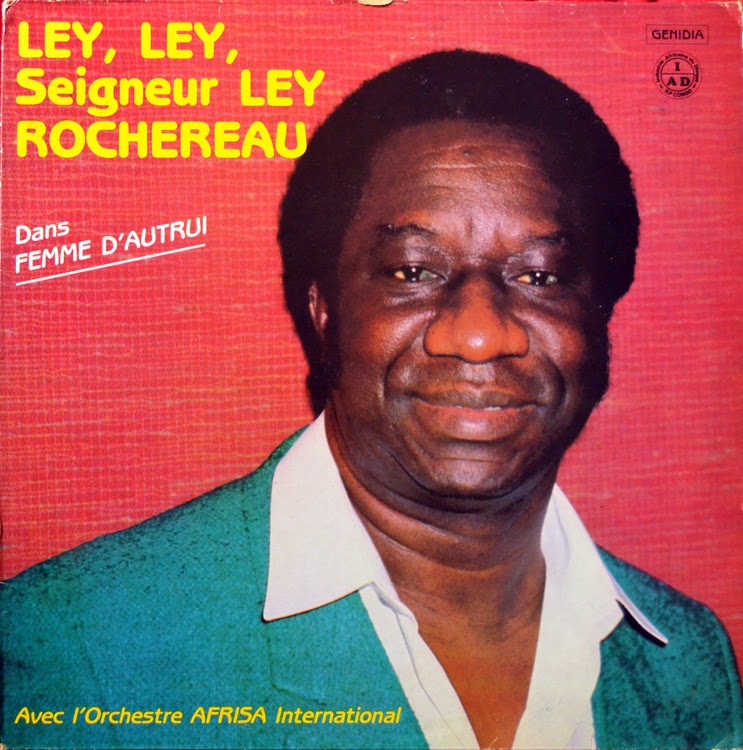
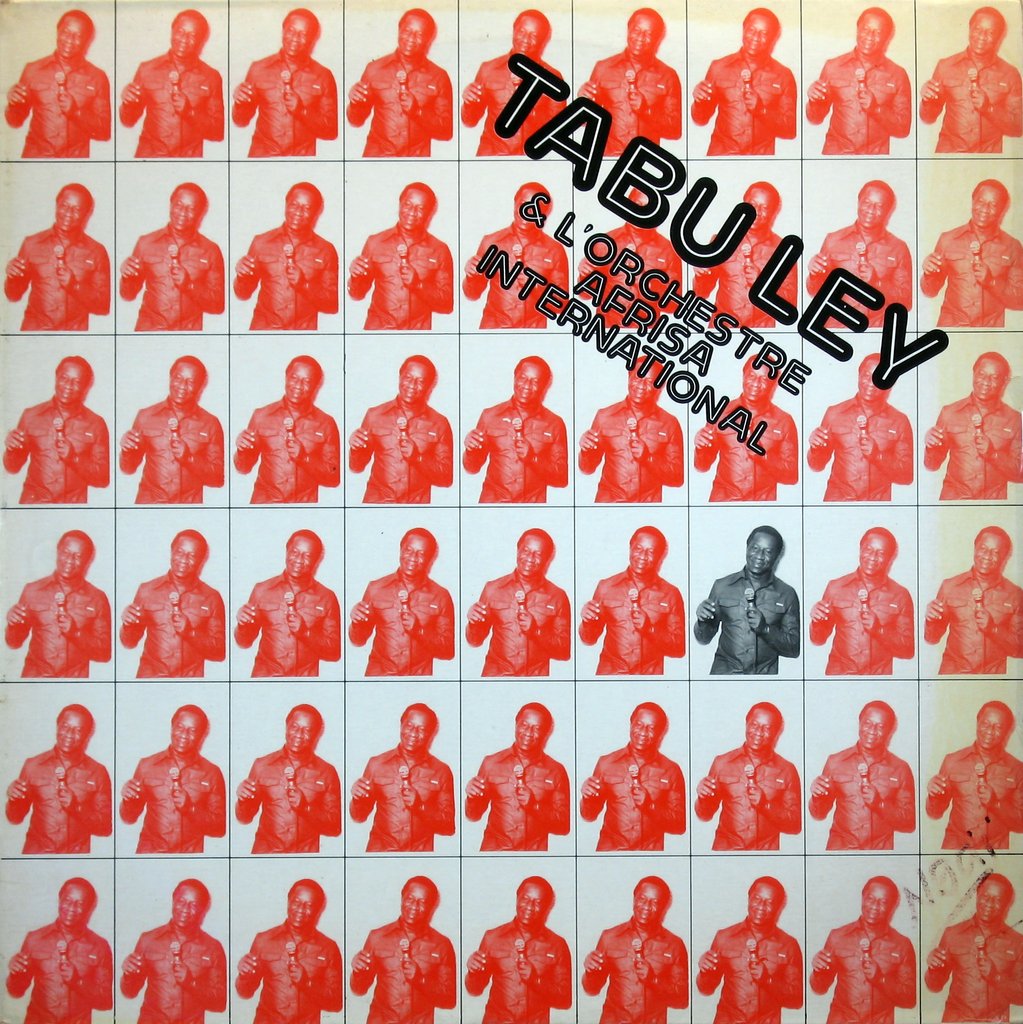
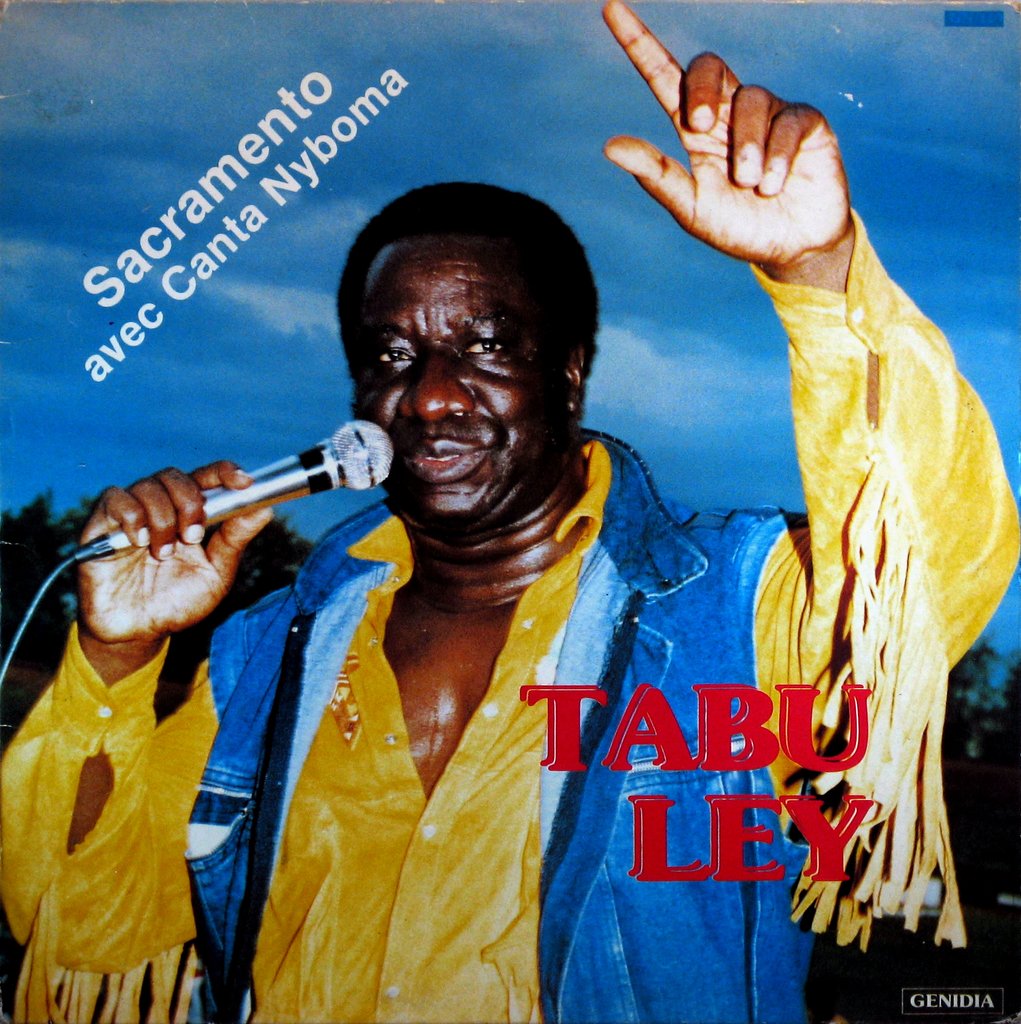
| 1973 | Founded Orchestre Afrisa International and the Genidia label |
| 1981 | Recruited Mbilia Bel, future vocal partner and wife |
| 1988 | Exiled to Europe facing Mobutu’s dictatorship |
| 2005 | Appointed vice-governor of Kinshasa |
| 2008 | Stroke that ended his active career |
| 2013 | Died in Brussels at age 73 |
From choir singer to Olympia glory
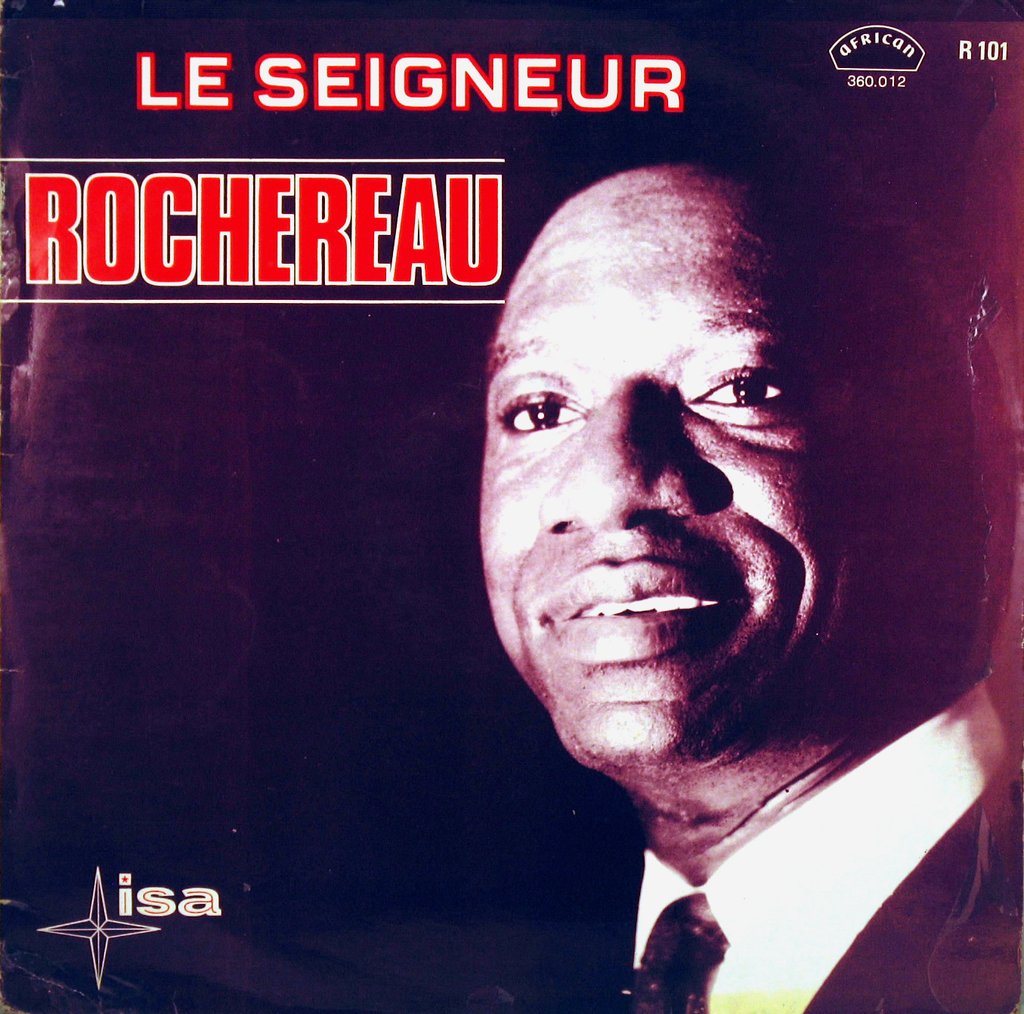
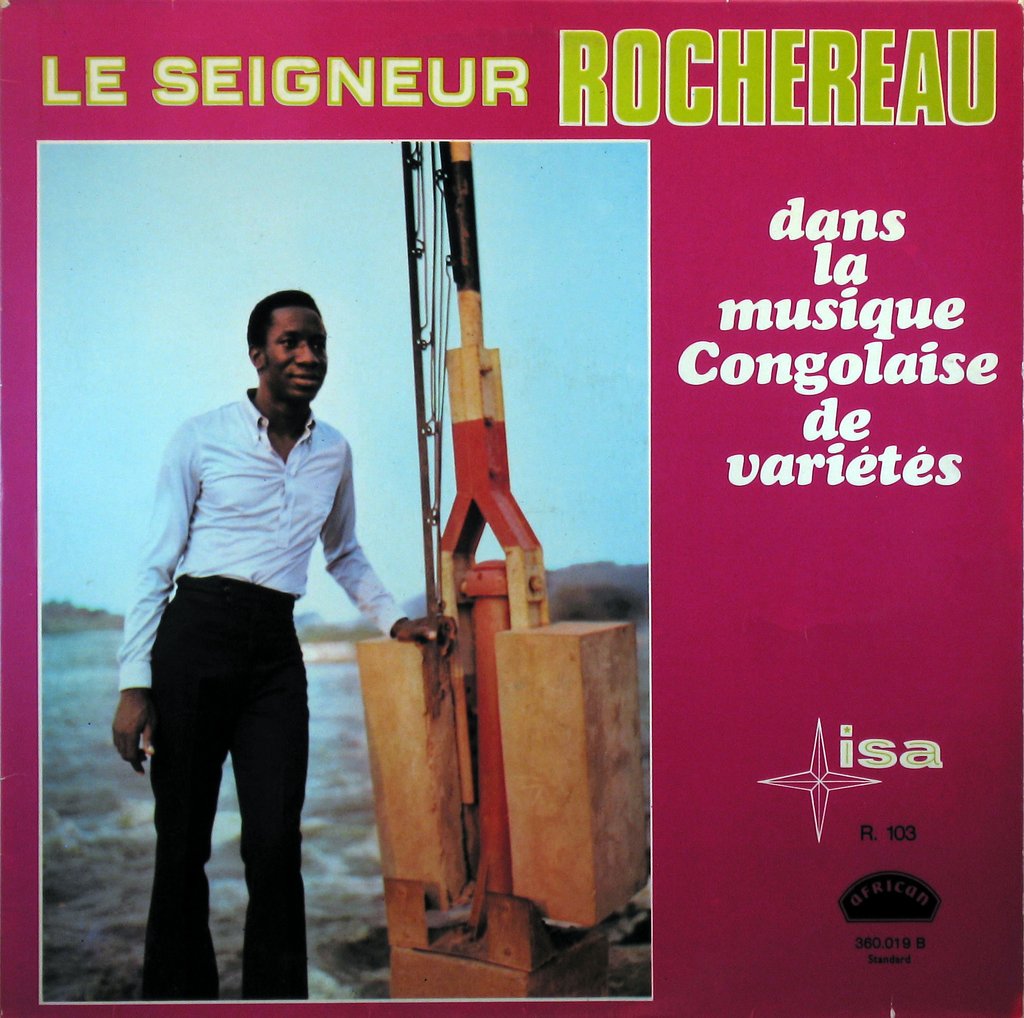
Pascal-Emmanuel Sinamoyi Tabu was born in 1940 in Bagata. His mother, a former griotte — traditional storyteller and singer — instilled in him a love of singing. As an adolescent, he shone for his memory in history class and his classmates nicknamed him “Rochereau” in mockery; the sobriquet became his stage name. After graduating, he worked as a civil servant at the Athénée de Kalina in Léopoldville (now Kinshasa) while composing. In 1956, he sent his songs to the leader of African Jazz, Le Grand Kallé, who hired him. His hits Kelya, Adios Tété and Bonbon sucré propelled him among the most prominent songwriters.
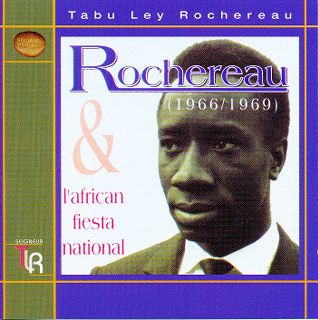
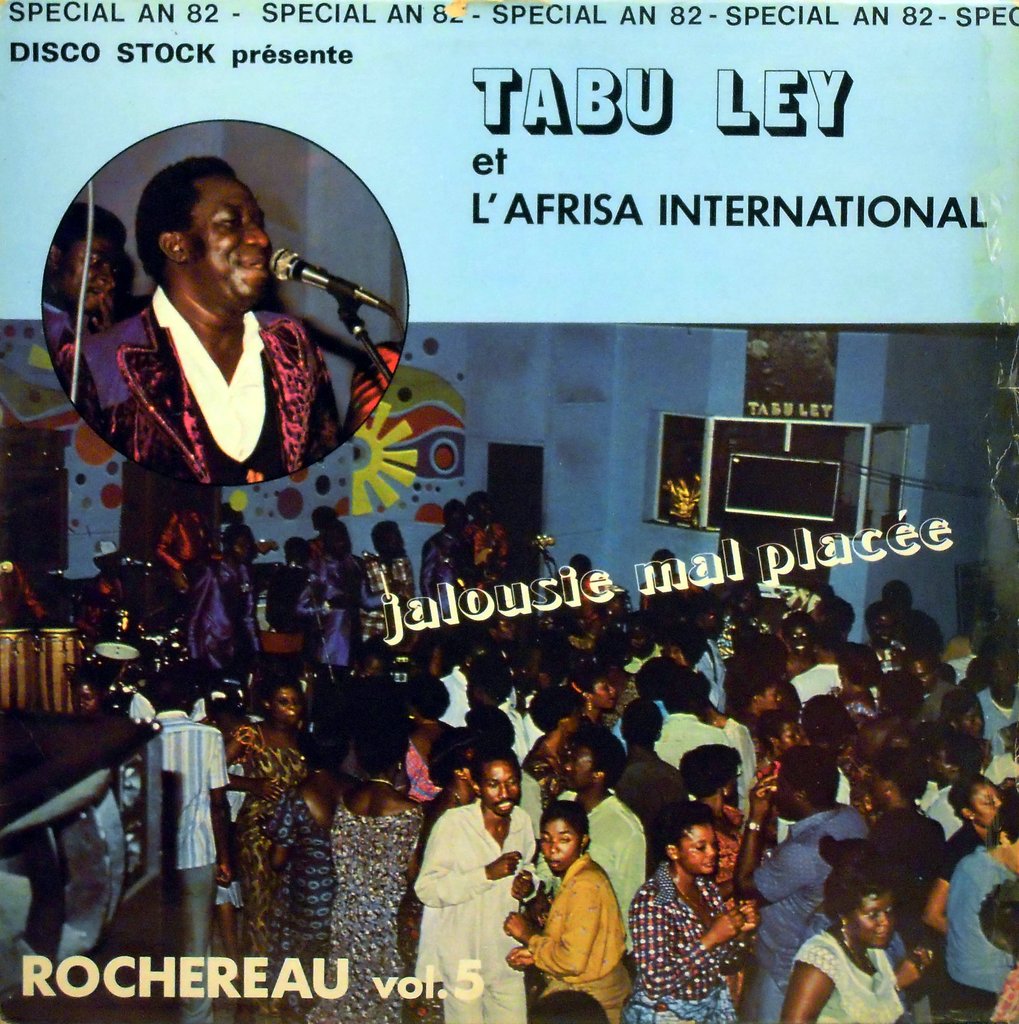
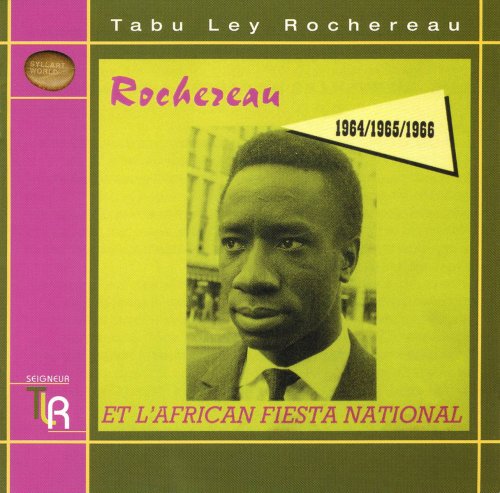
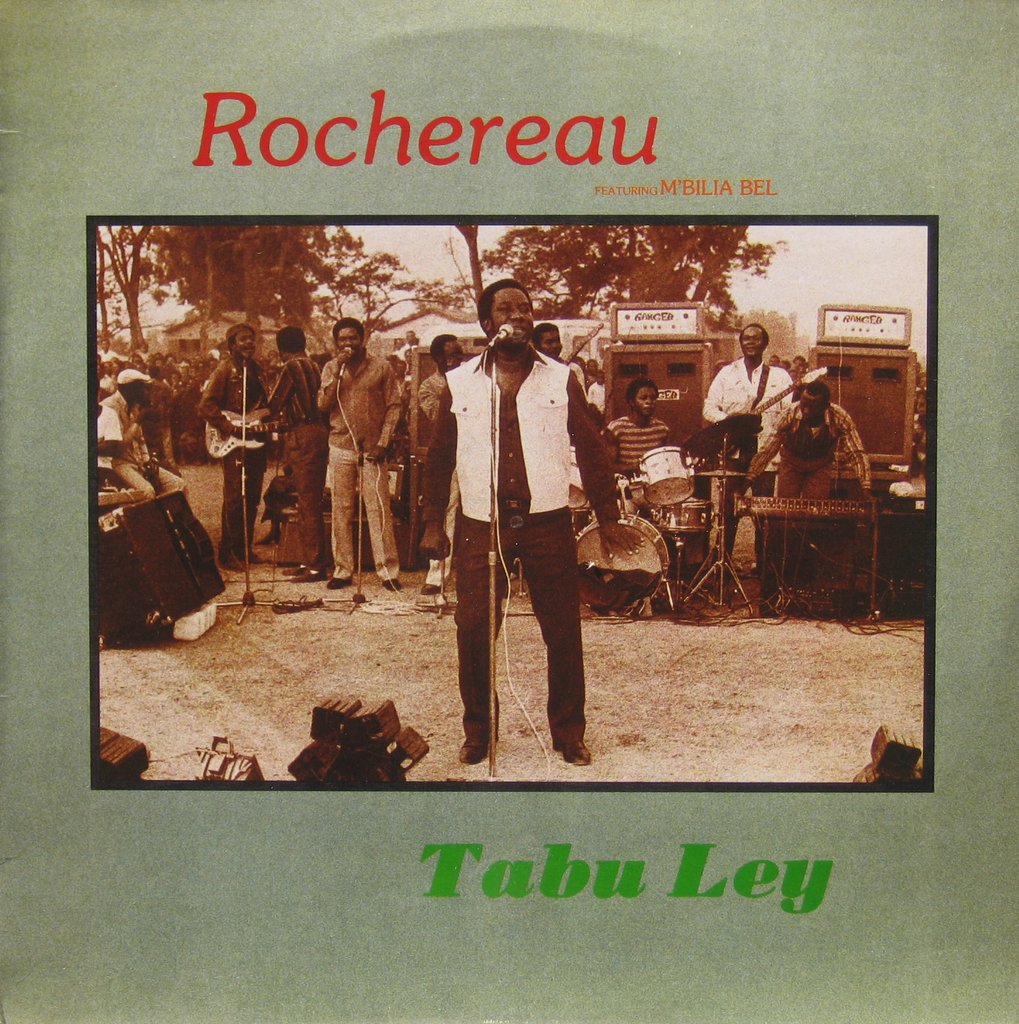
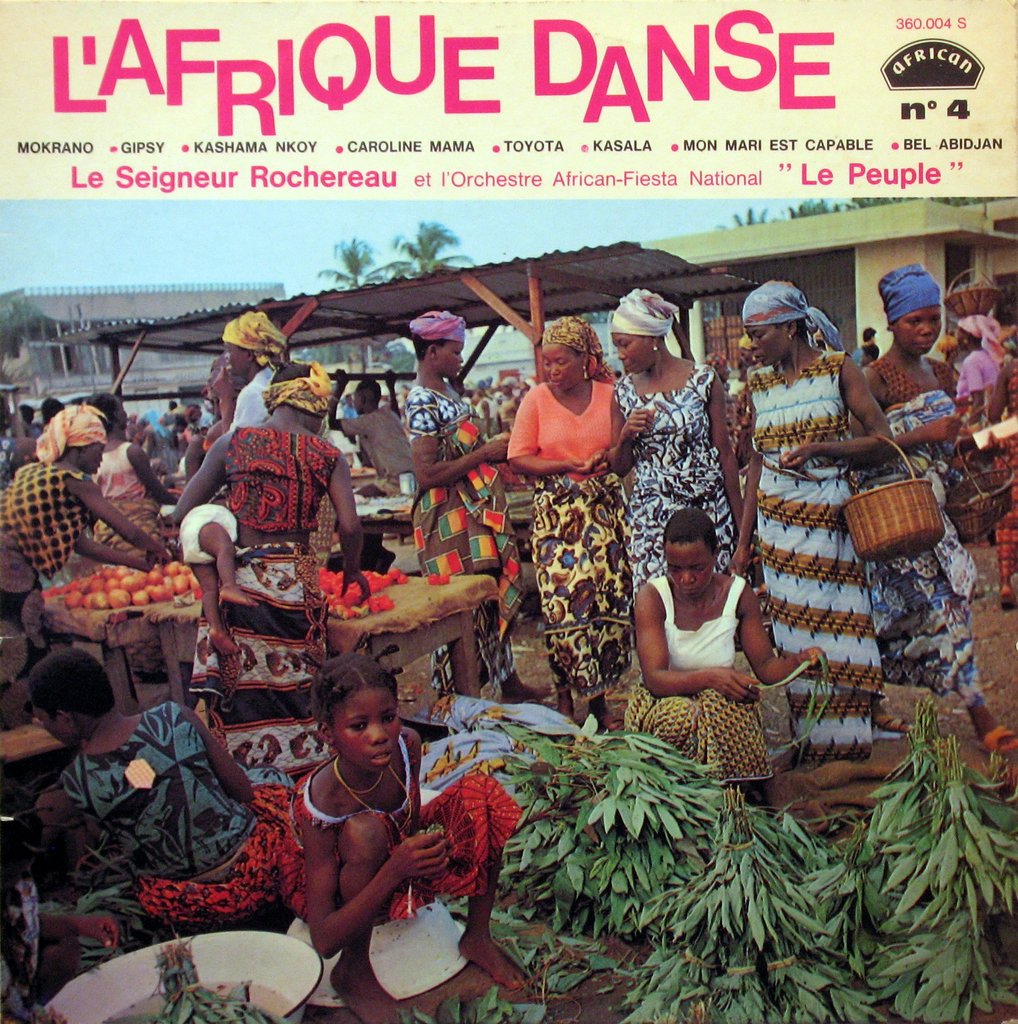
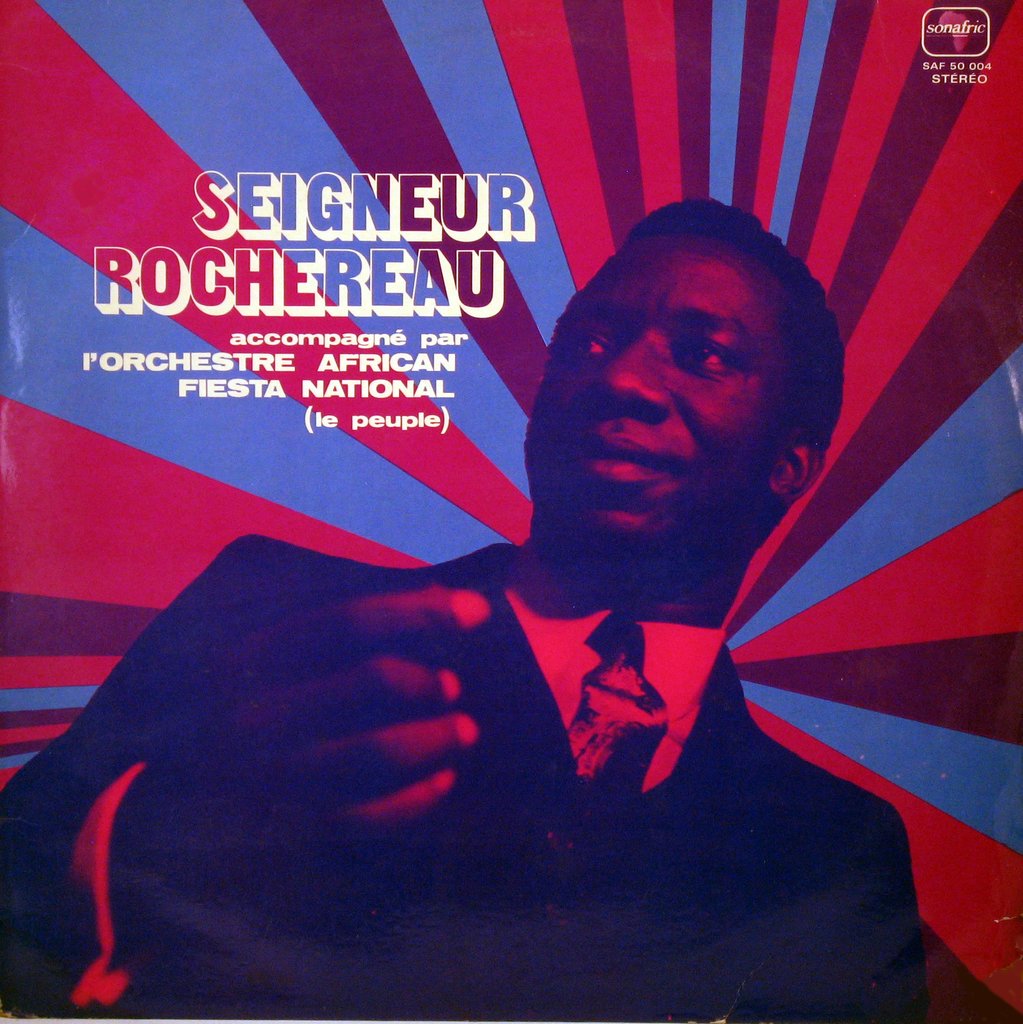
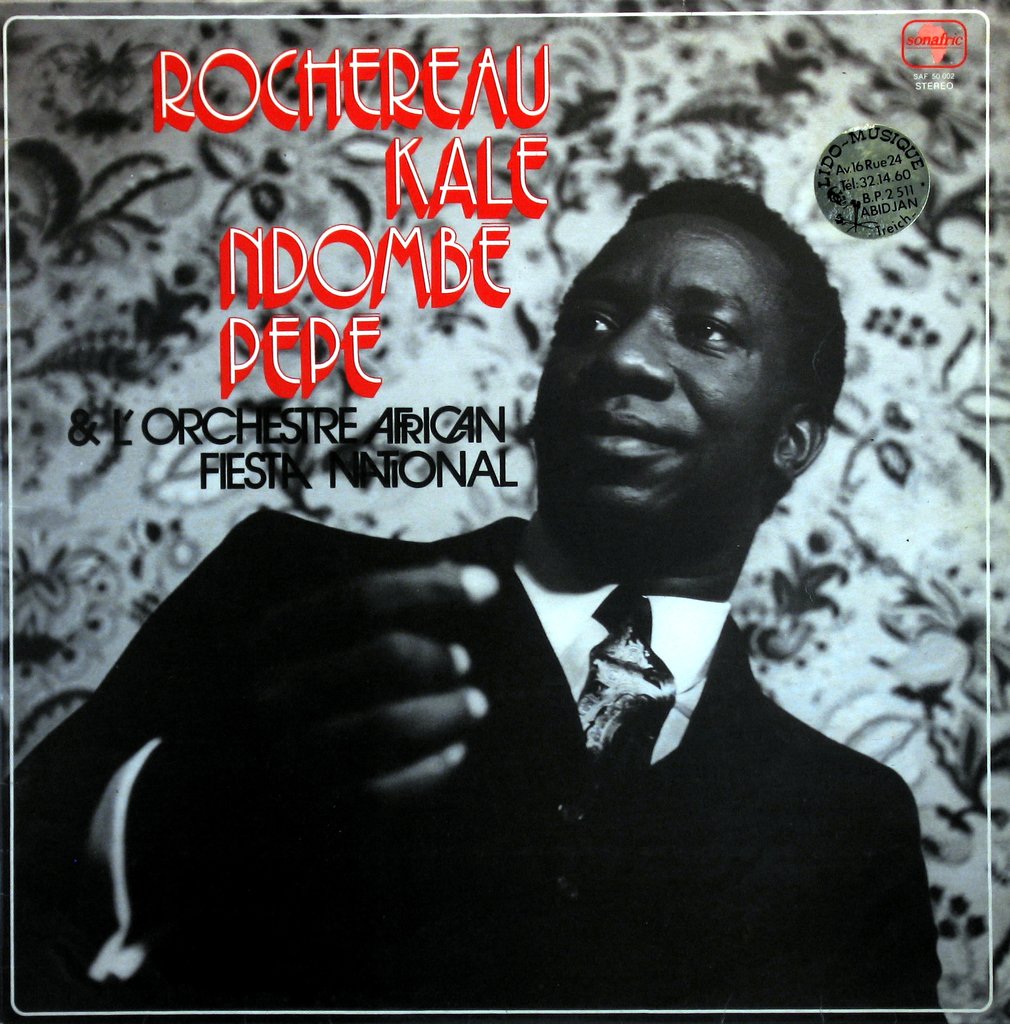
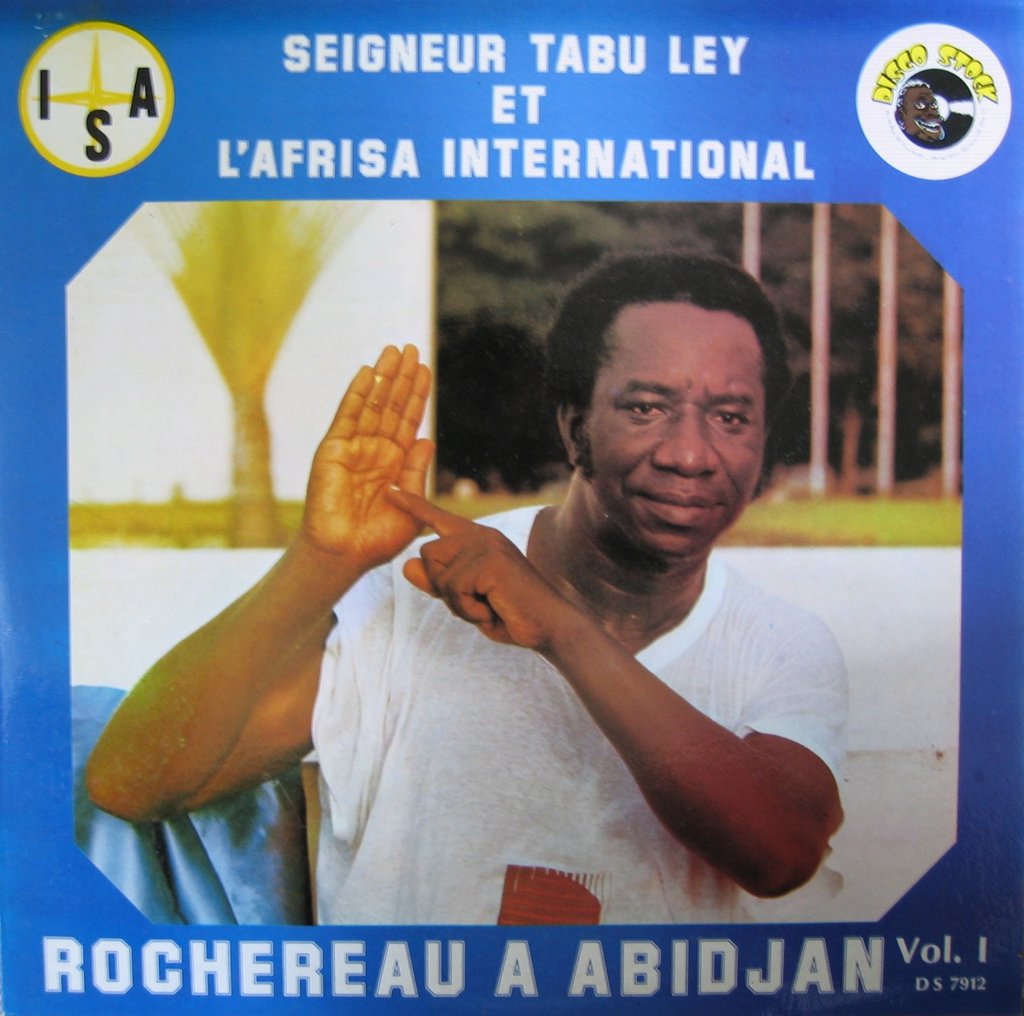
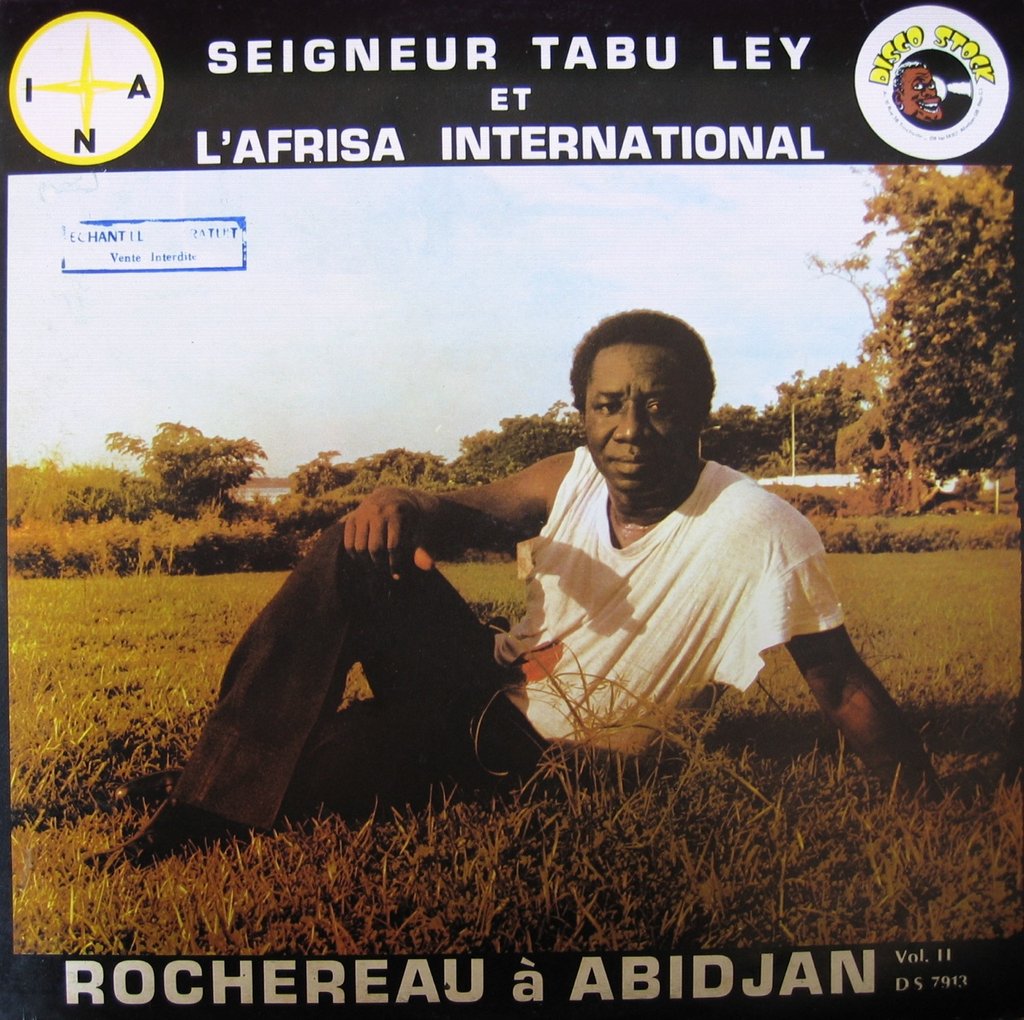
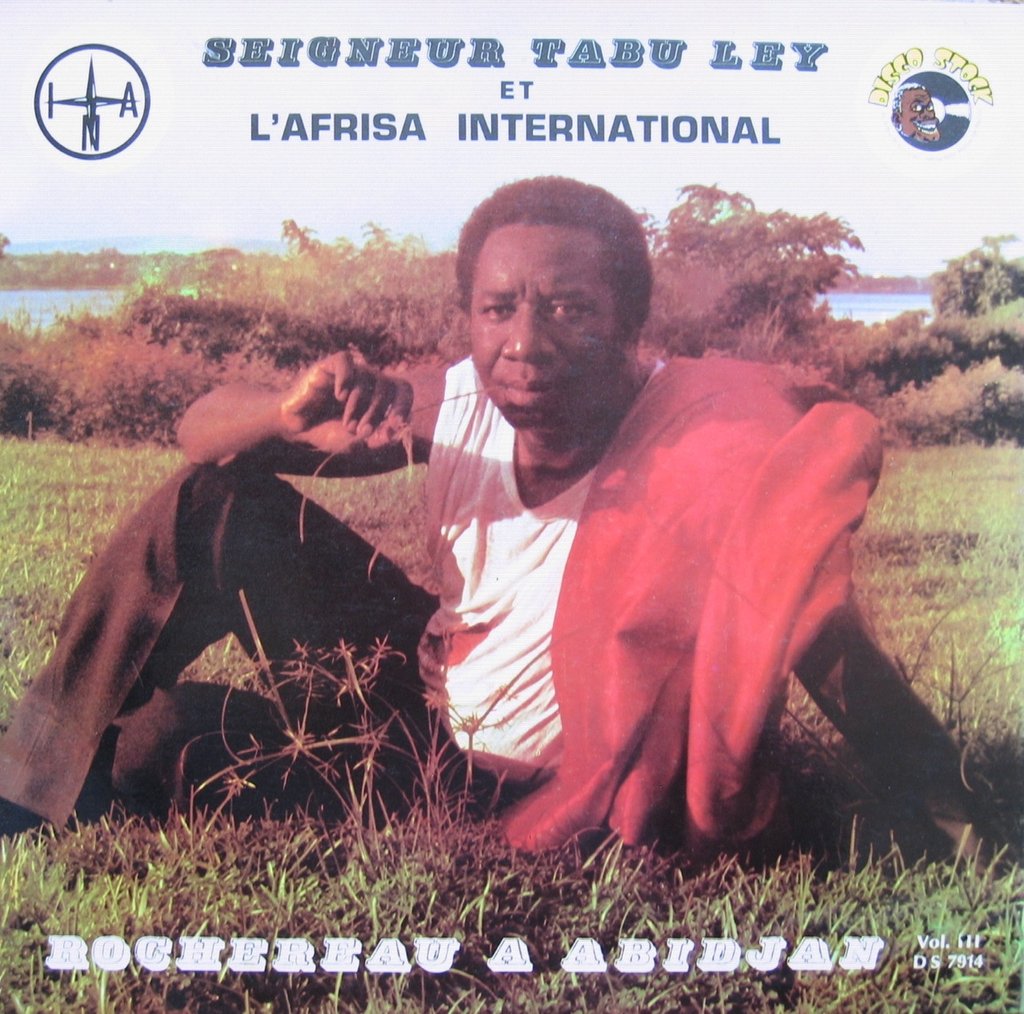
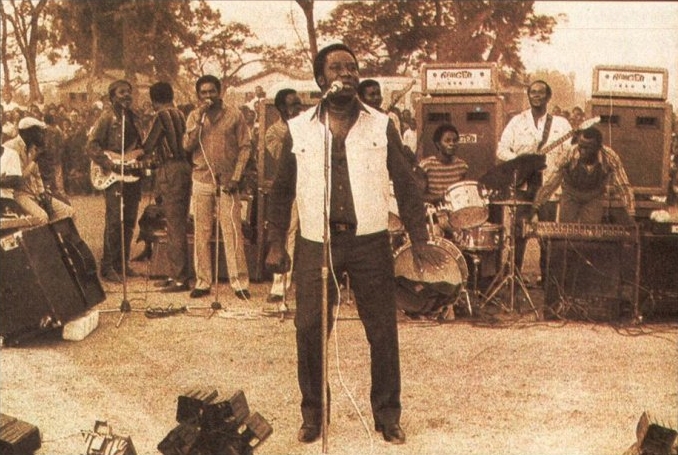
In 1963, Tabu Ley and guitarist Dr Nico Kasanda founded African Fiesta. In 1966, differences drove them apart; Tabu Ley created African Fiesta National. He composed nearly 200 tracks and led his orchestra on tour to Brazzaville, Montreal, and Abidjan. On stage, he transformed rumba into a spectacle: “There wasn’t enough passion. I knew I had to create a spectacular show,” he would say. From Dakar, he launched the soum-djoum — a rhythm inspired by Soumbédioune market — which paved the way for soukous. At Paris’s Olympia in 1970, brass bands, horns, and the Rocherettes, his troupe of dancers, consecrated this revolution.
Conductor, discoverer, and politician
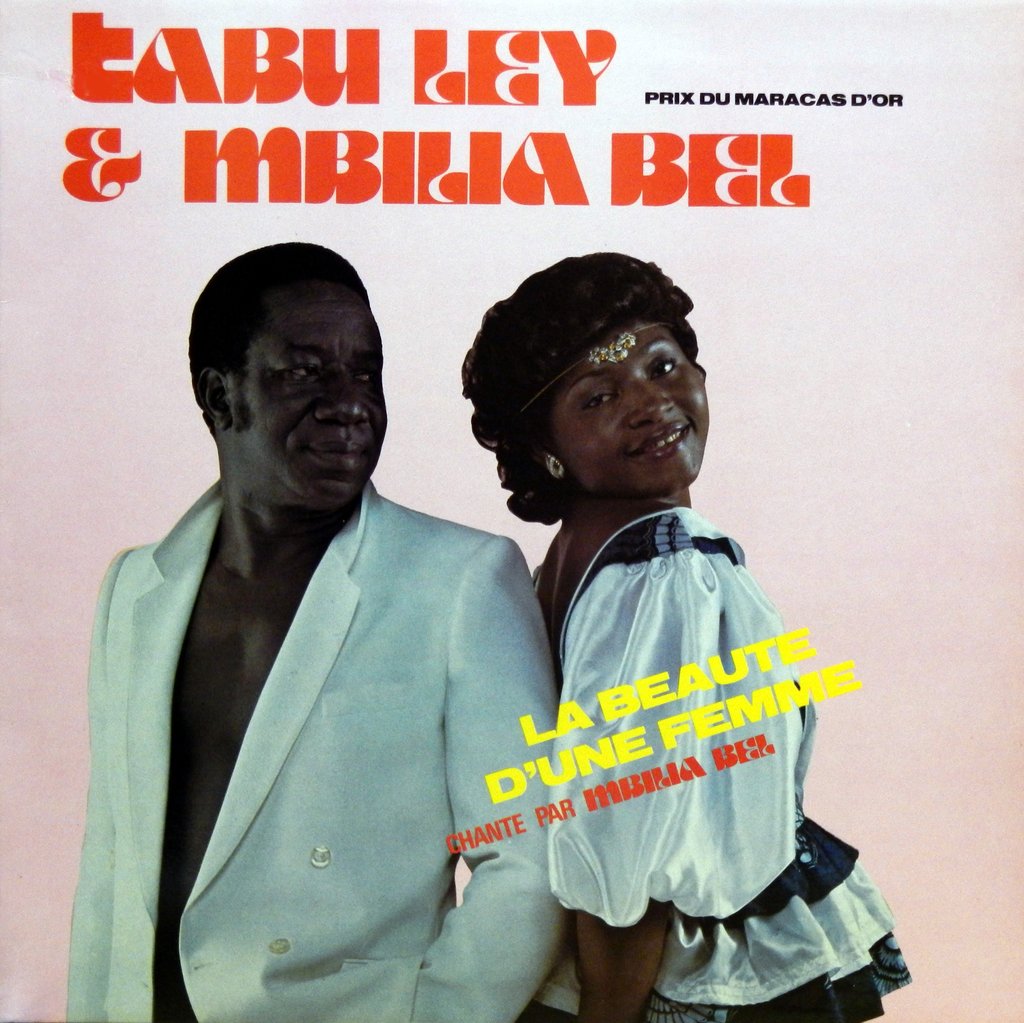
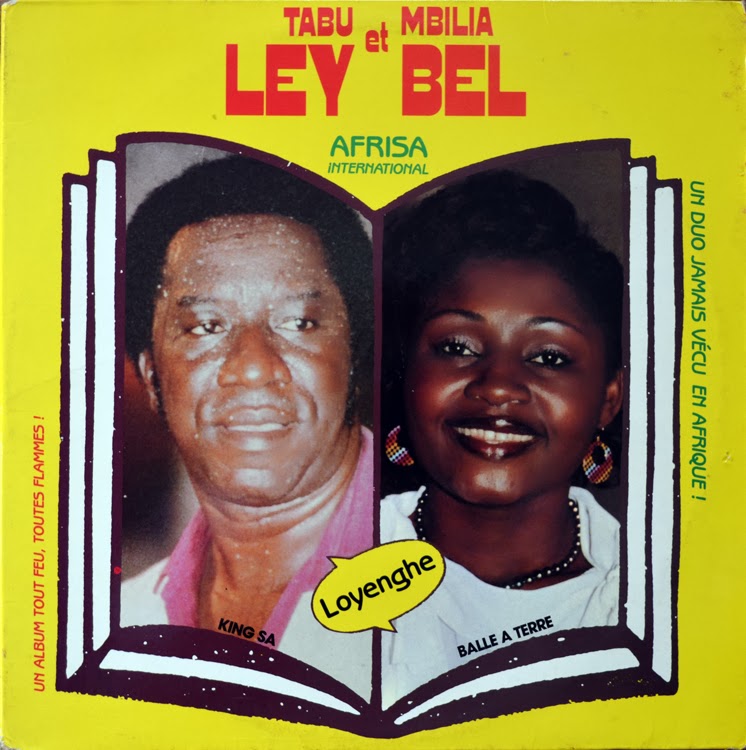
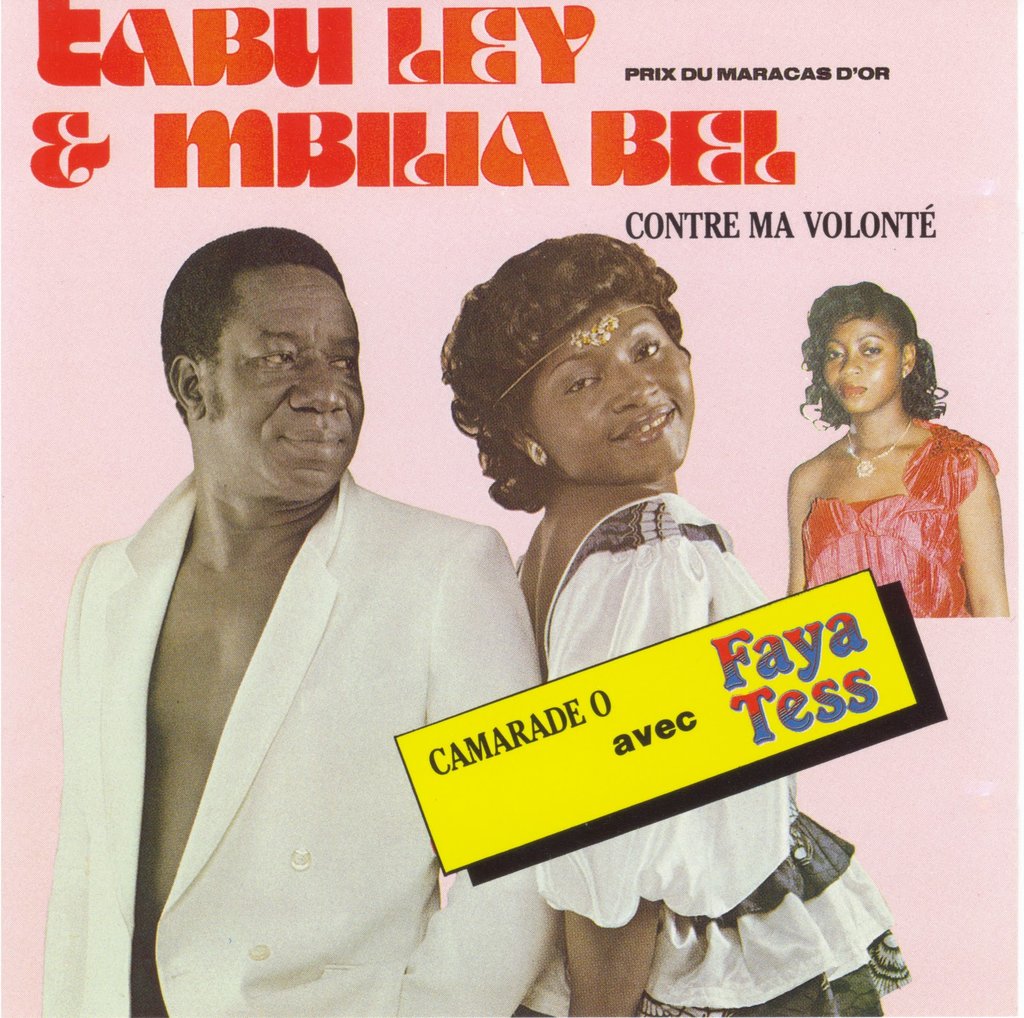
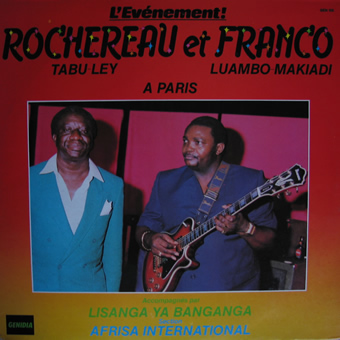
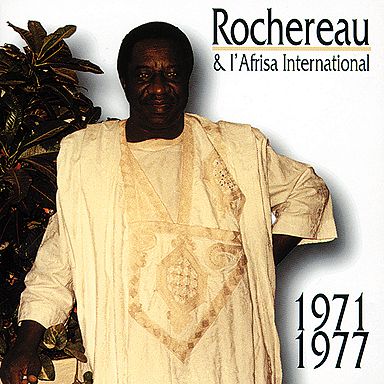
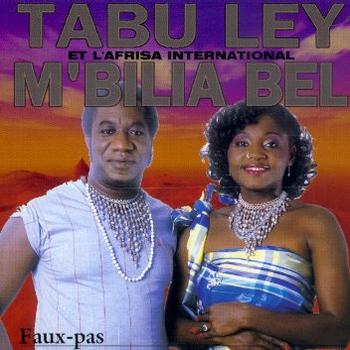
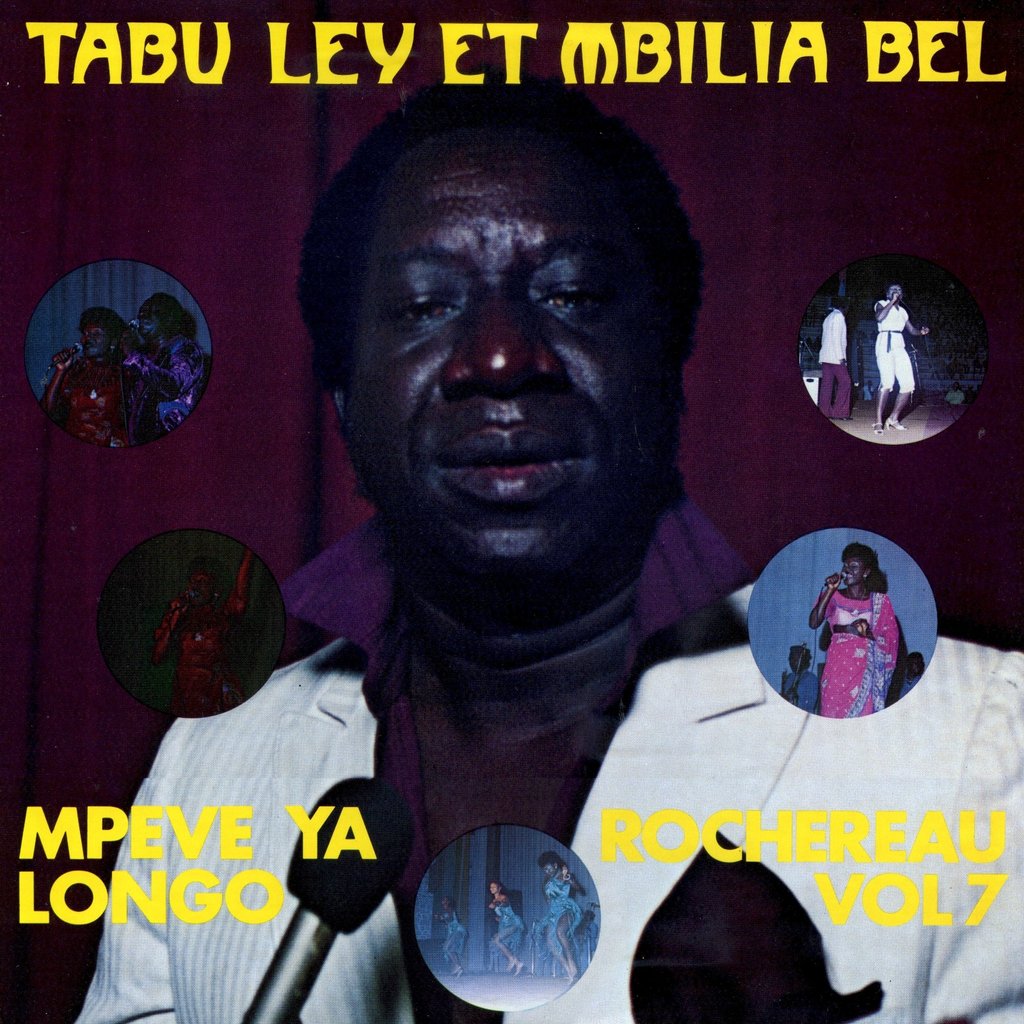
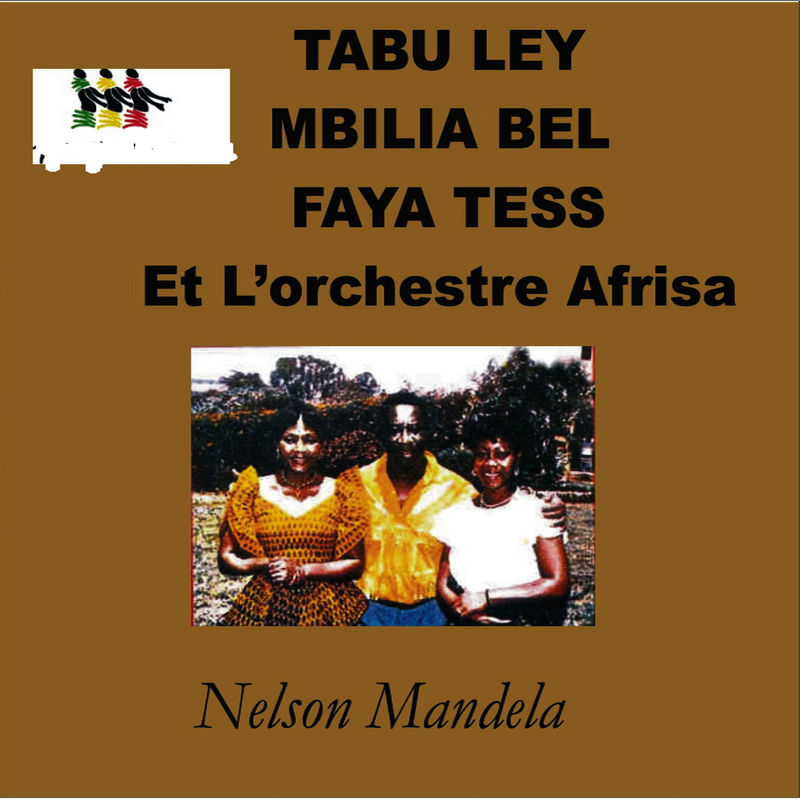
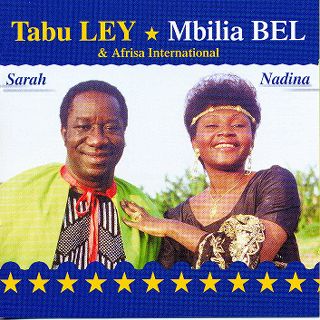
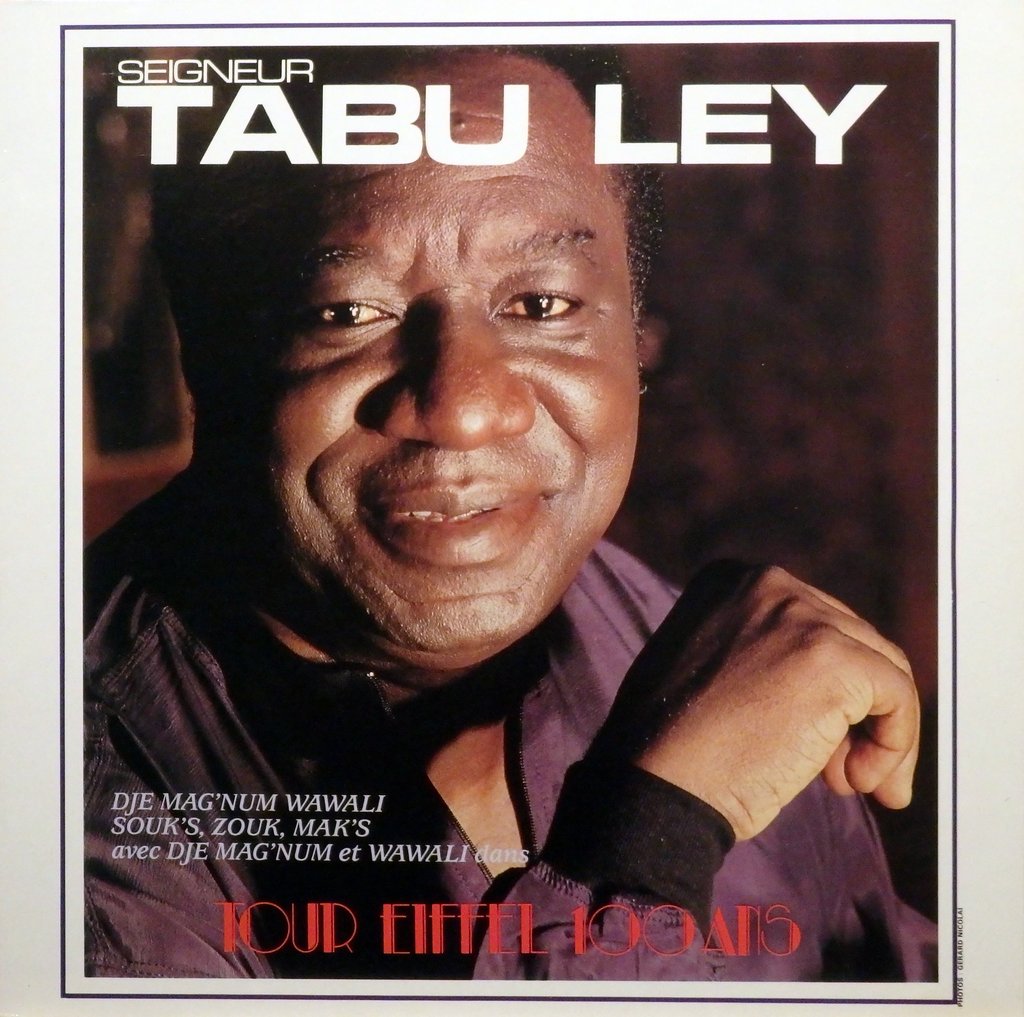
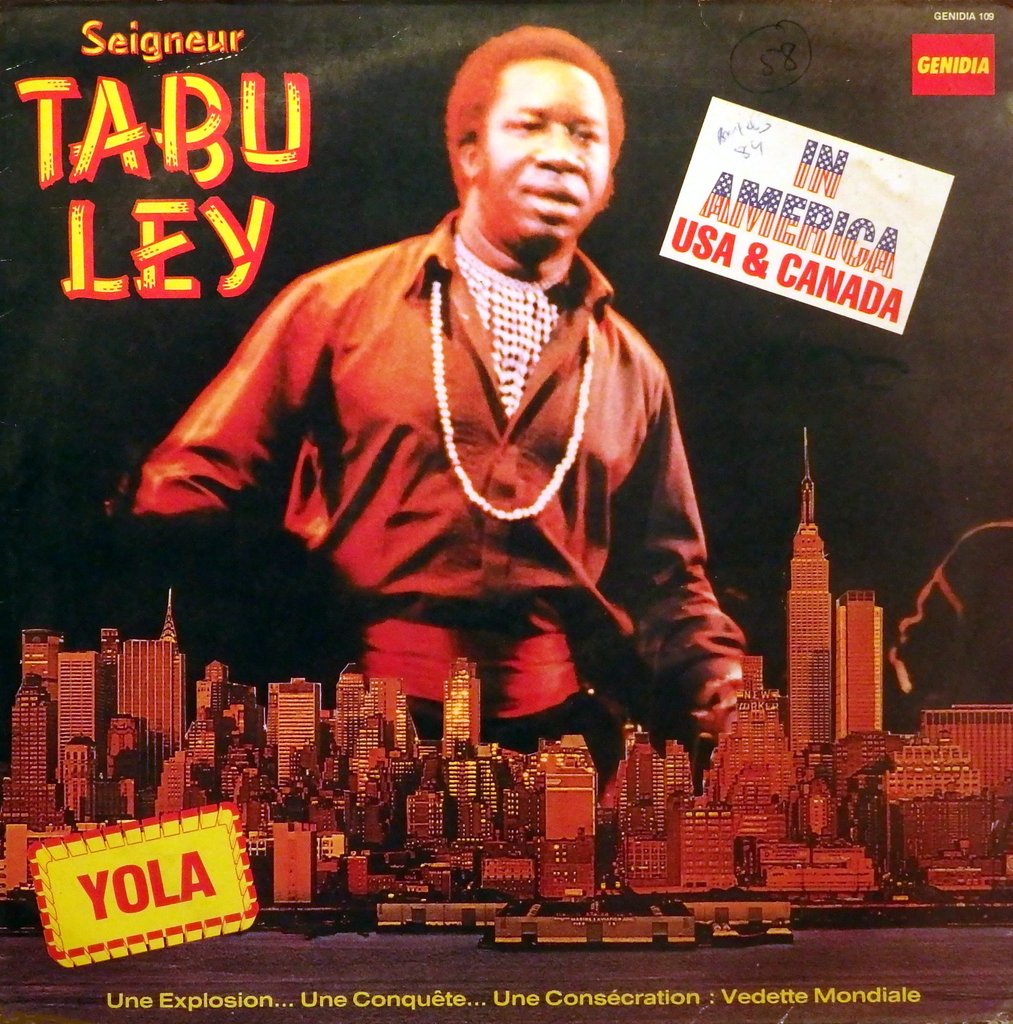
With Afrisa International, Tabu Ley established himself as Franco Luambo’s rival. In 1981, he recruited Mbilia Bel, a young dancer from the Rocherettes, who became Afrisa’s iconic voice and his wife; the duo recorded seven albums and toured the world. Facing Mobutu’s dictatorship, Tabu Ley went into exile in 1988 to the United States and then Belgium, where he openly denounced the regime. After Mobutu’s fall in 1997, he returned to Congo, founded the “La Force du peuple” movement, entered politics as a transitional deputy, and then became vice-governor of Kinshasa (2005). A stroke in 2008 interrupted his career; he died on November 30, 2013 in Brussels at age 73.
Major works
| Work | Year | Why it’s essential |
|---|---|---|
| Afrika Mokili Mobimba | ~1966 | Pan-African anthem that propelled African Fiesta National onto the continental stage |
| Mokolo na ko kufa | 1968 | Massive hit, interpreted as a veiled allusion to political executions under Mobutu |
| La Beauté d’une femme (with Mbilia Bel) | 1984 | First album by the mythical duo; certified in Africa |
| Babeti Soukous | 1989 | Pioneering album fusing soukous, jazz, and American rhythm and blues |
Legacy and influence
Tabu Ley Rochereau is one of the architects of Congolese musical modernity: he introduced drums into rumba, invented the soum-djoum, opened positions for women in orchestras, and elevated stage performance to an art form. His legacy resonates in every soukous group in Central Africa and among diaspora artists. More than 3,000 songs and nearly 250 albums mark a five-decade career. In 2023, Rolling Stone ranked him 178th on its list of “200 Greatest Singers of All Time.”
Sources and references
-
« Tabu Ley Rochereau », The Guardian, https://www.theguardian.com/music/2013/dec/11/tabu-ley-rochereau, accessed October 19, 2025.
-
« Tabu Ley Rochereau », Wikipedia (English), https://en.wikipedia.org/wiki/Tabu_Ley_Rochereau, accessed October 19, 2025.
-
« Tabu Ley Rochereau », Wikipedia (French), https://fr.wikipedia.org/wiki/Tabu_Ley_Rochereau, accessed October 19, 2025.
-
« Tabu Ley, papa rumba, le retour d’une légende », RFI, https://www.rfi.fr/fr/musique/20030314-tabu-ley-papa-rumba-le-retour-d-une-l%C3%A9gende, accessed October 19, 2025.
-
« RDC: Tabu Ley Rochereau, monstre sacré de la rumba, est mort », RFI, https://www.rfi.fr/fr/afrique/20131130-rdc-congo-tabu-ley-rochereau-monstre-sacre-rumba-deces, accessed October 19, 2025.
-
« Tabu Ley Rochereau », Encyclopædia Britannica, https://britannica.com/biography/Tabu-Ley-Rochereau, accessed October 19, 2025.
-
“Tabu Ley Rochereau: Singer and songwriter who championed Congolese rumba then went on to serve as a cabinet minister”, The Independent, accessed 19 October 2025, https://independent.co.uk/news/obituaries/tabu-ley-rochereau-singer-and-songwriter-who-championed-congolese-rumba-then-went-on-to-serve-as-a-cabinet-minister-9065510.html.
-
“Les souvenirs de la musique congolaise : biographie et œuvres de Tabu Ley Rochereau”, Le Courrier de Kinshasa, https://www.lecourrierdekinshasa.com/node/156277, accessed 19 October 2025.