Biography
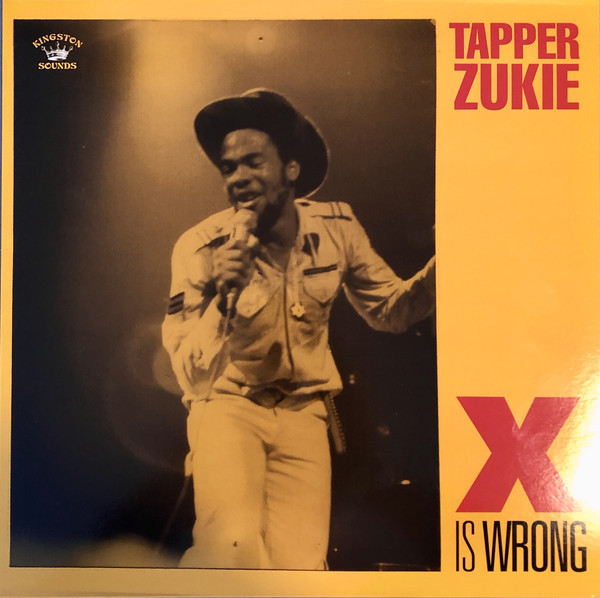
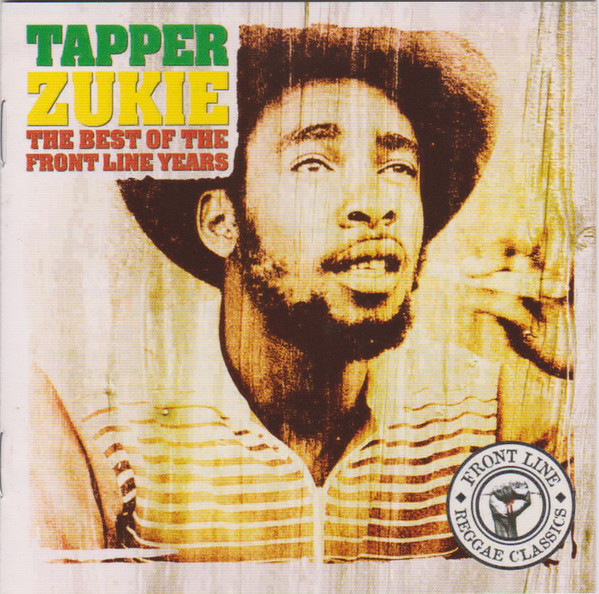
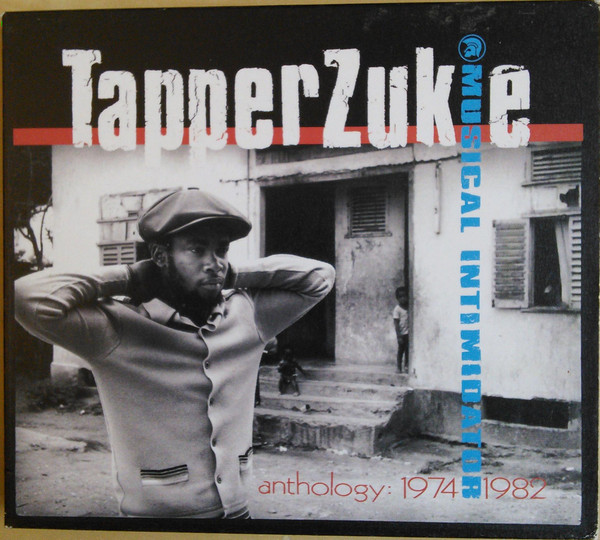
Tappa Zukie
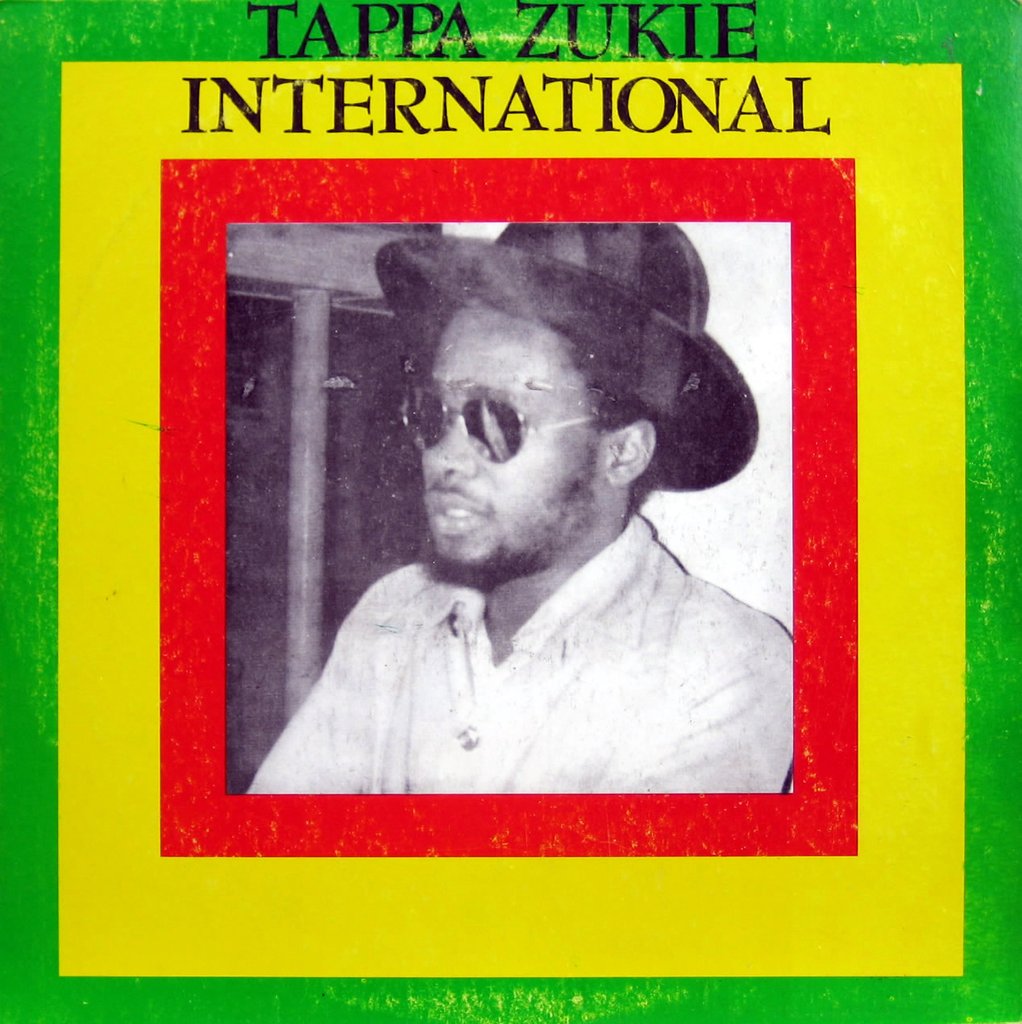
In 1973, young David Sinclair landed in Ladbroke Grove, London, the day after his seventeenth birthday. He did not yet know that that evening he would open a U-Roy concert, but he knew he was holding a microphone. Twenty-four hours earlier, he was a rebellious Kingston teenager sent to England by his worried mother. Thus began one of the most unique careers in reggae: Tappa Zukie—a nickname born from a grandmother’s retort and a gang of Trench Town kids.
In Brief
| Full Name | David Sinclair |
| Birth | July 2, 1955, Kingston, Jamaica |
| Genre | Reggae, deejay (toaster), producer |
| Notable Works | Man Ah Warrior, M.P.L.A., “Oh Lord” |
| Labels | Stars (own), Klik, Front Line / Virgin |
Key Dates
| Year | Event |
|---|---|
| 1955 | Birth of David Sinclair in Kingston, Jamaica |
| 1967 | First steps as a drummer, then first political vocal for the PNP at eleven-twelve years old |
| 1972 | Sent to England at seventeen by his mother and Bunny Lee |
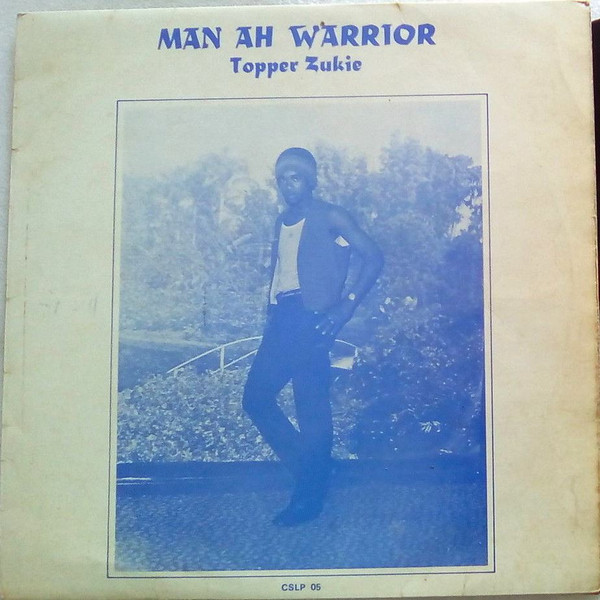
| 1973 | First single “Jump & Twist” in London; Man Ah Warrior on Klik Records |
| 1976 | M.P.L.A. on Stars Records; success in the United Kingdom |
| 1977 | Patti Smith reissues Man Ah Warrior on her label |
| 1978 | Front Line / Virgin contract; hit “Oh Lord” reaches #1 in Jamaica |
| 1986 | Album Raggamuffin |
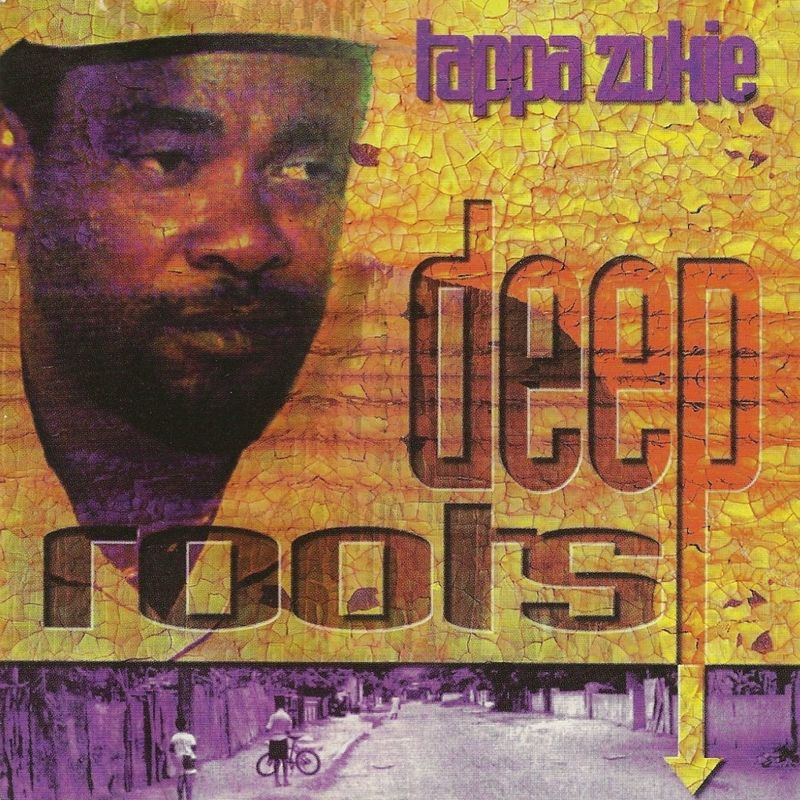
| 1996 | Deep Roots (RAS Records) |
| 2022 | Bunker Buster (Kingston Sounds) |
The Man Who Survived Himself: From Kingston to London and Back
David Sinclair grew up in Greenwich Farm, a Kingston neighborhood where music and political tensions intertwined as early as the seventies. By eleven or twelve, he fled his family home and hung around the People’s National Party (PNP) headquarters, where activists gave him a microphone to sing at rallies. He became the first small deejay of dancehall, in his own words. A young toaster at a time when U-Roy was the only model of the genre.
But the street also led him to other horizons. In a politicized Jamaica, he became an “enforcer”—a hired hand—for one party and then the other, even working as bodyguard for a Jamaica Labour Party leader, surviving several bullets fired at point-blank range. His grandmother nicknamed him “tapper cat”—“thief cat”—for his childhood larcenies. Bunny Lee, mentor and family friend, decided with his mother to send him to England in 1973, at seventeen, to protect him.
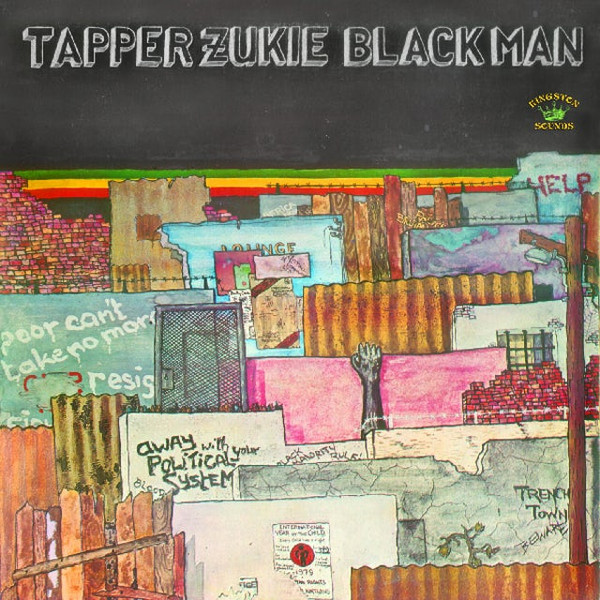
England changed everything. U-Roy performing at Ladbroke Grove, a microphone extended toward him, and the audience responding. In a few weeks, he recorded “Jump & Twist” with entrepreneur Larry Lawrence and the first tracks of what would become Man Ah Warrior with producer Clement Bushay. The album was released on Klik in 1973 and, against all expectations, earned a cult legacy in London.
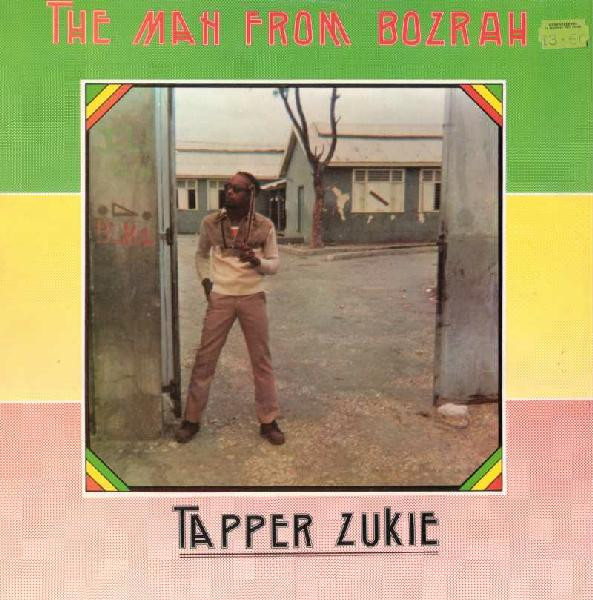
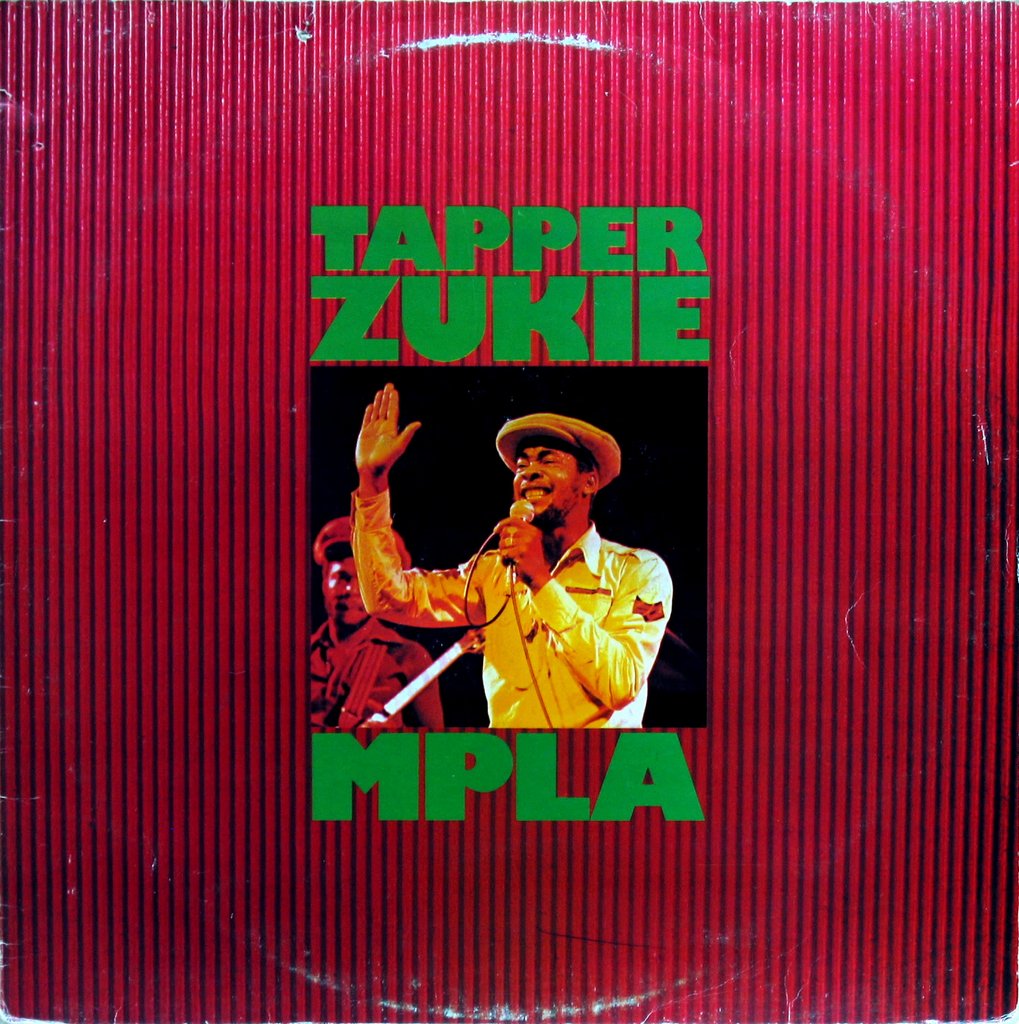
Back in Kingston, he recorded a few tracks for Bunny Lee—“Natty Dread Don’t Cry”—and, after an altercation that brought the police to the studio, the two men reconciled. Lee entrusted him with riddims that he recorded at King Tubby’s. The result was M.P.L.A. (1976), a track paying homage to Angolan fighters for independence and becoming a political anthem. Success reached London in 1975. Man Ah Warrior was reissued, MPLA released as a single. Patti Smith, a fan of the album, opened her British tour stage for him, reissued Man Ah Warrior on her Mer label, and wrote the liner notes for The Man From Bozrah (1977). Critic Robert Christgau, in the Village Voice, noted that Zukie’s toast possessed a verbal freshness that set him apart from his contemporaries.
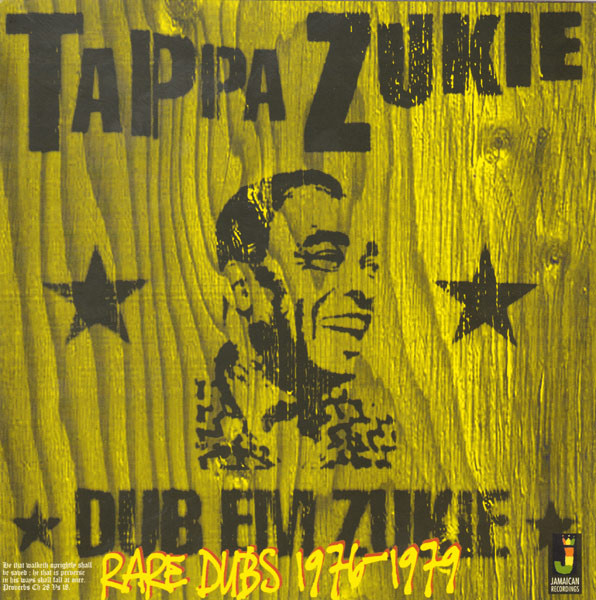
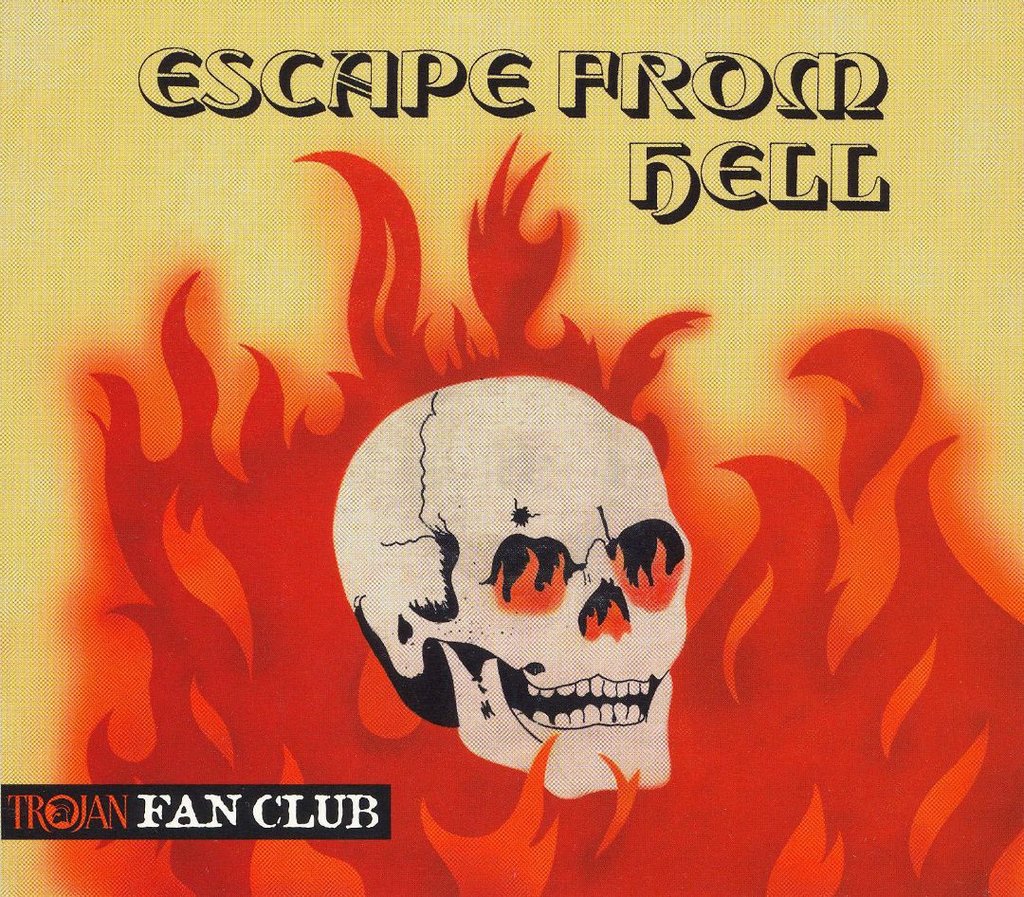
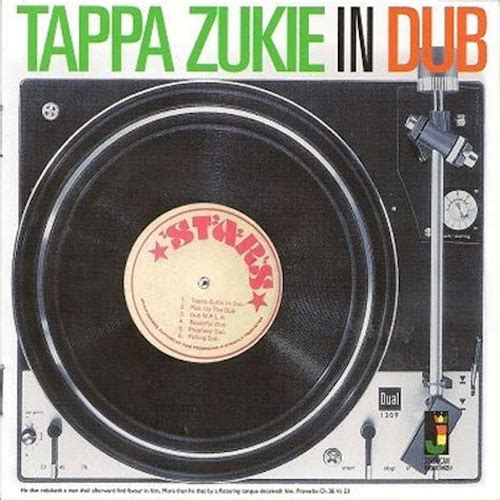
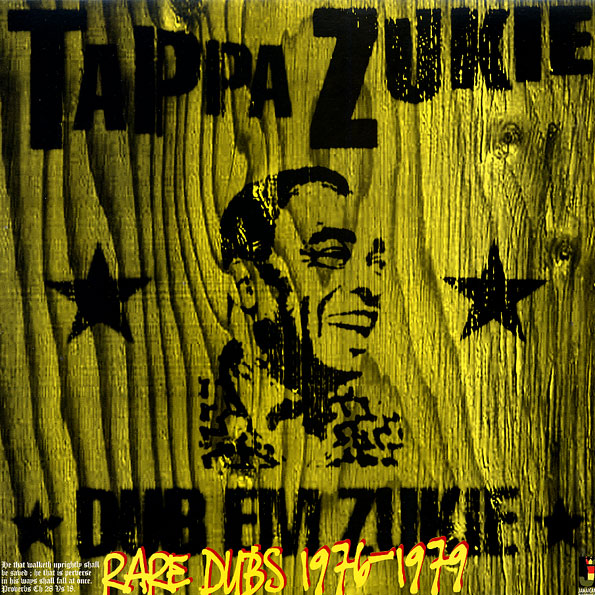
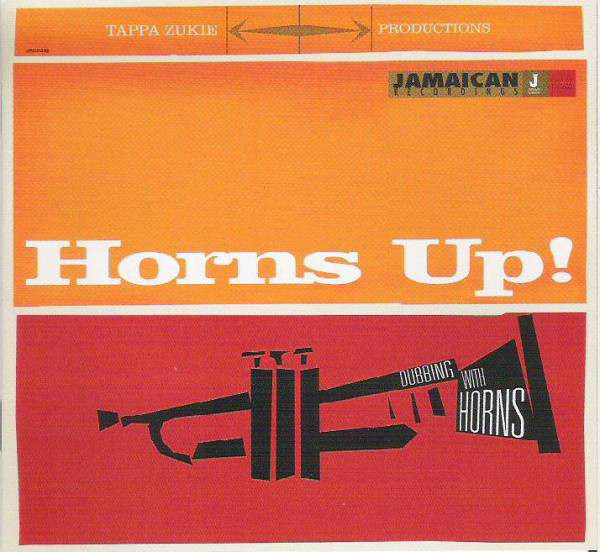
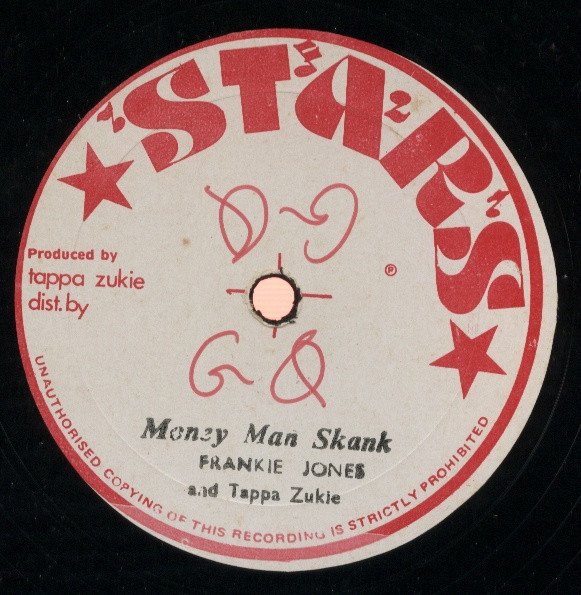
With this notoriety, Sinclair founded his own label, Stars Records, and became a prolific producer. He birthed major dub albums like Escape From Hell (1977) and Tapper Zukie In Dub, and produced Horace Andy, Prince Alla, The Mighty Diamonds, Sugar Minott. He signed a contract with Front Line / Virgin in 1978—a contract he broke shortly after, believing the company sold records in South Africa without remitting funds. His dispute was fierce, but he retained the loyalty of a faithful audience.
« If it wasn’t for music, I wouldn’t be sitting here talking to you », he said solemnly. « Down here, they had me as a rude boy, but music changed me, and I didn’t change until I came back to England and ‘MPLA’ turn me into a star ».
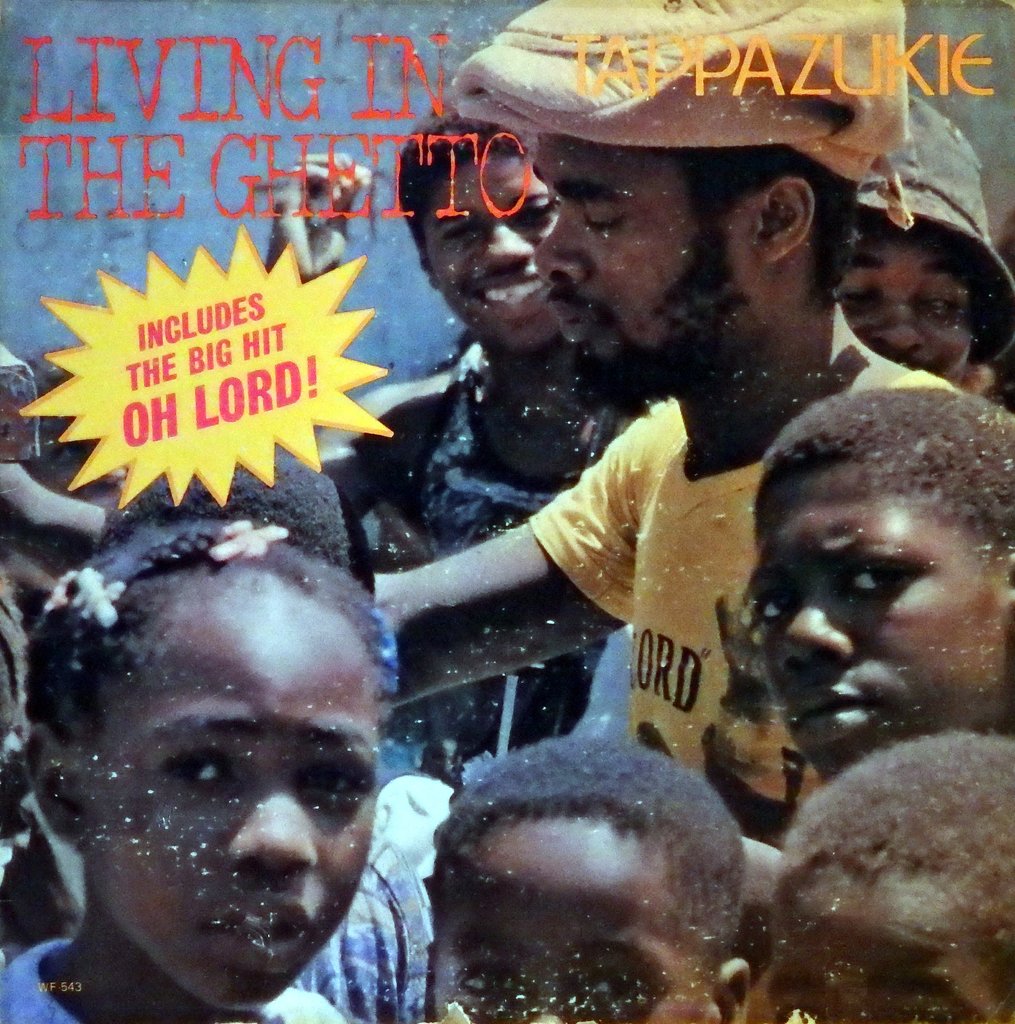
“Oh Lord” reached number one on the Jamaican charts in 1978 and stayed there for six weeks. “She Want a Phensic” became a summer hit. He also produced “Putting Up Resistance” by Beres Hammond, still immensely popular.
Legacy and Influence
Tappa Zukie ranks among the rare toasters to have navigated four decades of reggae without ever succumbing to nostalgia or conformity. His transition from protest toasting to prolific production, his friendship with Patti Smith, and his 2022 return with Bunker Buster, an album entirely based on reworked vintage rhythms, testify to a rare constancy. Artists like Mad Professor and Creation Rebel claimed his political stance; later dubmasters recognized Tapper Zukie In Dub as one of the foundational grammars of the genre. « I’m a creative person, so the things that I do, other people don’t even think of doing it », he summarized. The tapper cat of Trenchtown never stopped improvising.
Major Works
| Work | Year | Why It’s Essential |
|---|---|---|
| Man Ah Warrior | 1973 | First album; raw toastings and urban poems that became a reference for the toasting style |
| M.P.L.A. | 1976 | Political anthem inspired by the Angolan struggle; propels Zukie onto the international stage |
| Tapper Zukie In Dub | 1977 | Dub masterpiece mixed at King Tubby’s; Zukie’s toasting gets lost in the echoes and basslines |
| “Oh Lord” | 1978 | Six weeks at #1 in Jamaica; Zukie’s popular peak |
Sources and References
- “Tapper Zukie — Biography”, AllMusic, https://www.allmusic.com/artist/tapper-zukie-mn0000014007, accessed November 3, 2026.
- David Katz, “Man Ah Warrior: The Tappa Zukie Story”, Red Bull Music Academy Daily, https://daily.redbullmusicacademy.com/2015/05/tappa-zukie-feature/, accessed November 3, 2026.
- Angus Taylor, “Interview: Tappa Zukie (Part 1)”, United Reggae, https://unitedreggae.com/articles/n891/022712/interview-tappa-zukie-part-1, accessed November 3, 2026.
- “Tapper Zukie”, Wikipedia, https://en.wikipedia.org/wiki/Tapper_Zukie, accessed November 3, 2026.
- Campbell Howard, “Tappa Zukie looks to Europe”, Jamaica Observer, January 9, 2019, http://www.jamaicaobserver.com/entertainment/tappa-zukie-looks-to-europe_154148?profile=1116, accessed November 3, 2026.
- “Tapper Zukie”, Discogs, https://www.discogs.com/artist/313026-Tapper-Zukie, accessed November 3, 2026.
- “Roots Archives — Tapper Zukie”, https://www.roots-archives.com/artist/3137, accessed November 3, 2026.
- Colin Larkin (1998), The Virgin Encyclopedia of Reggae, Virgin Books, ISBN 0-7535-0242-9.