Biography
Tchico Tchicaya: the golden voice of transcultural soukous
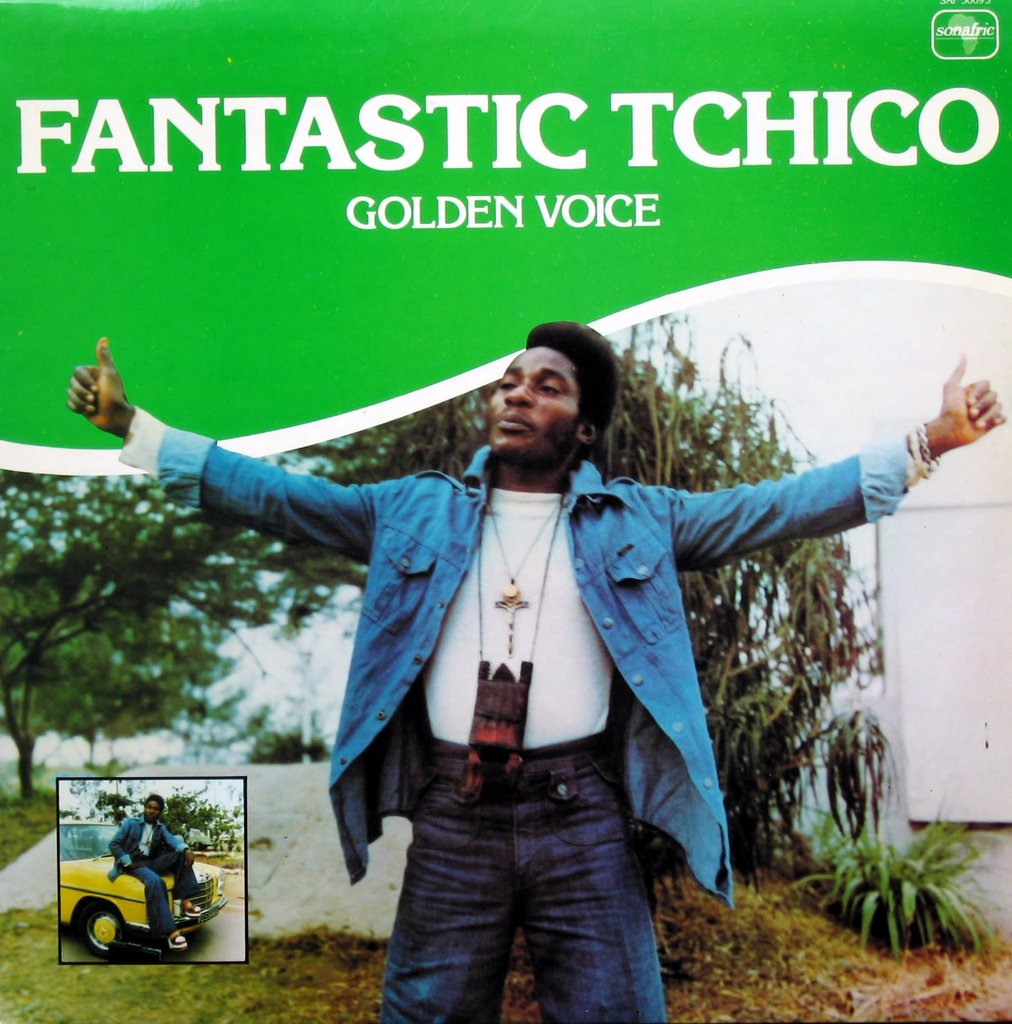
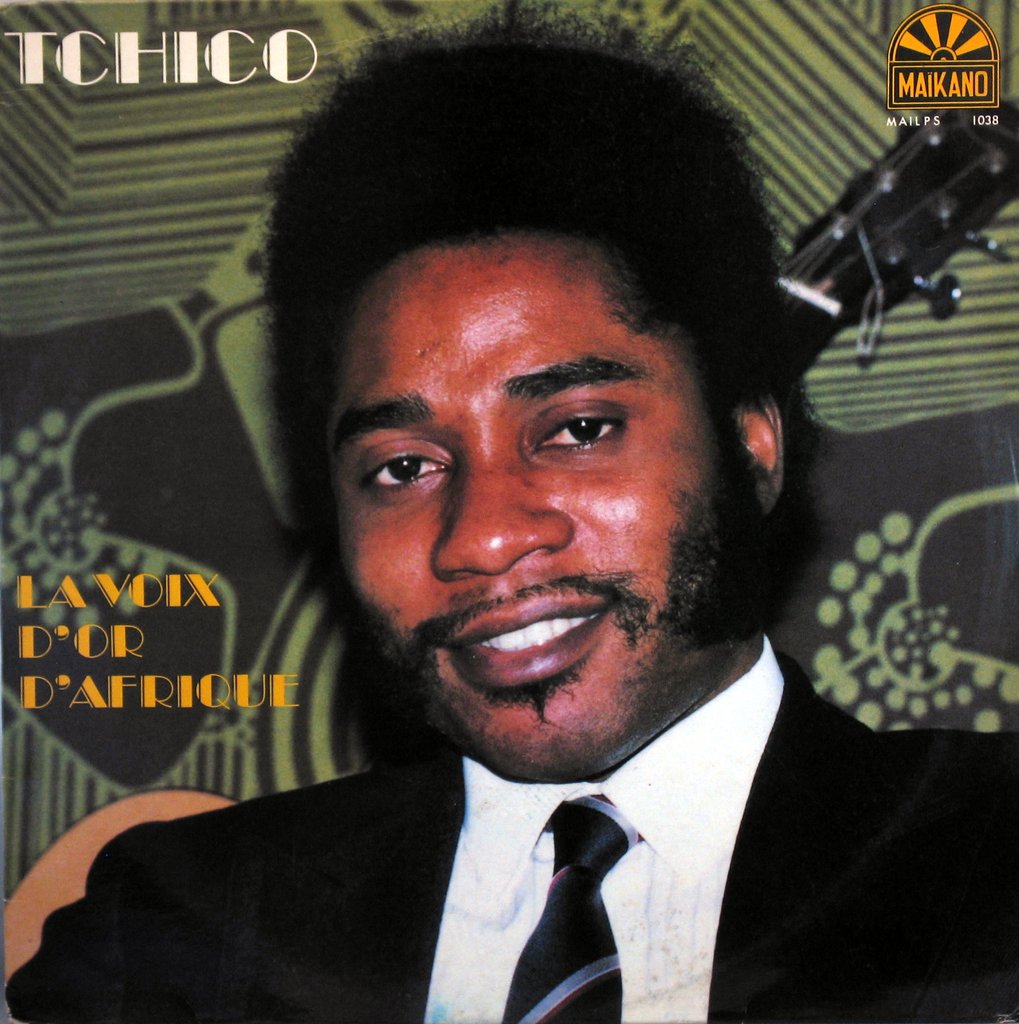
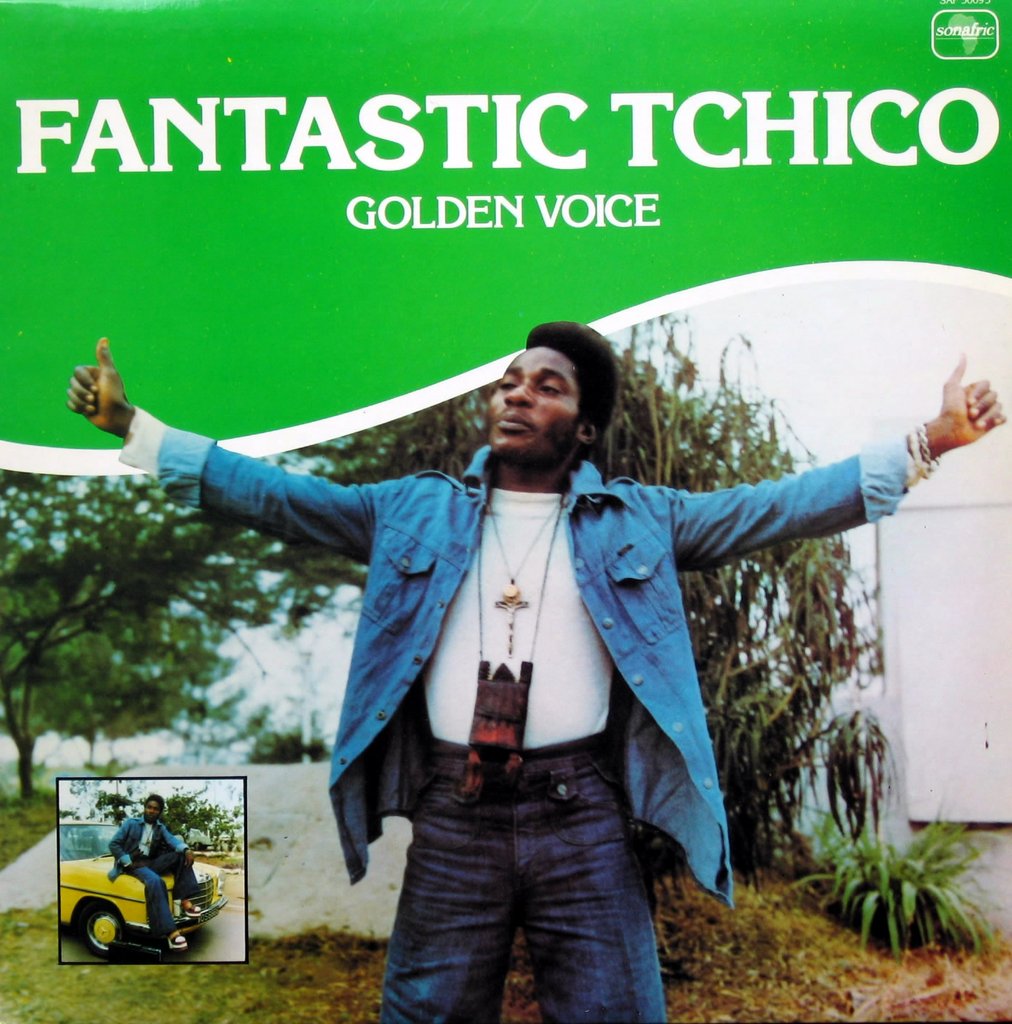
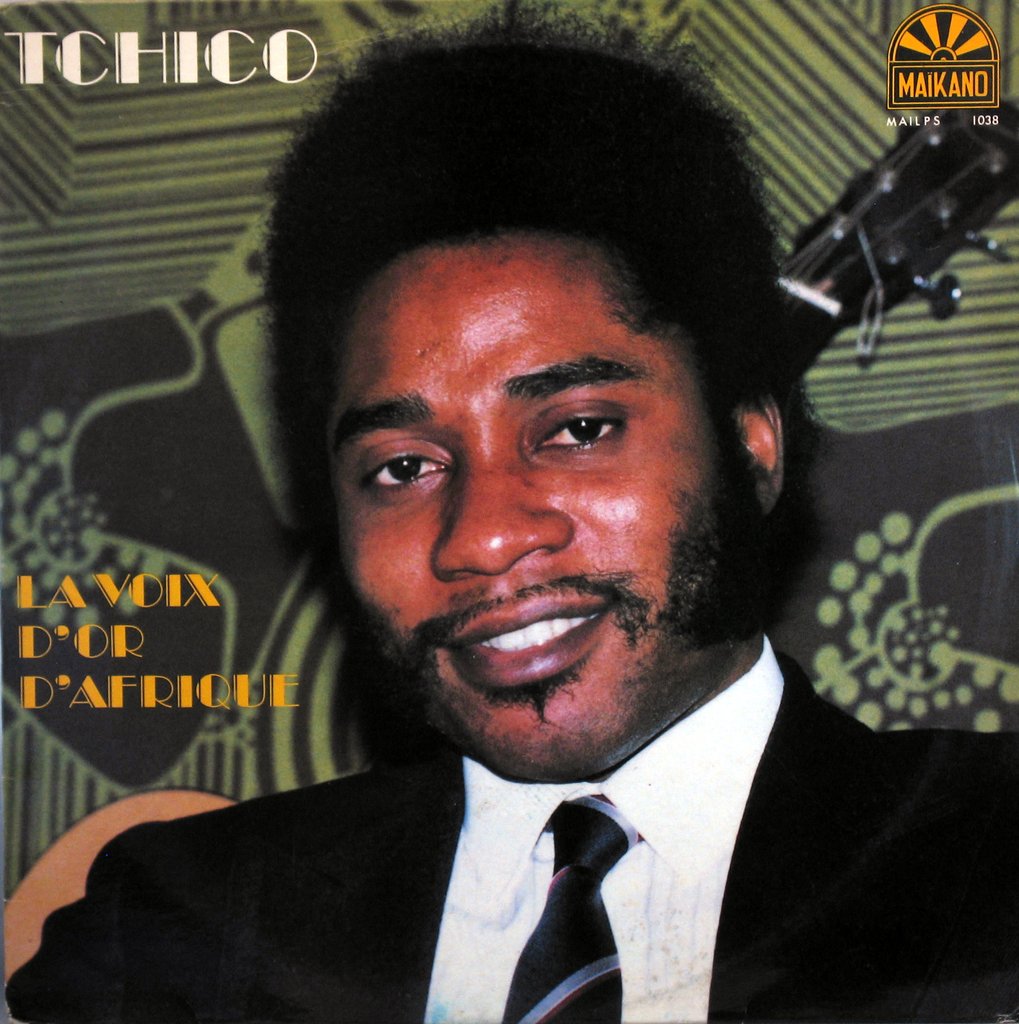
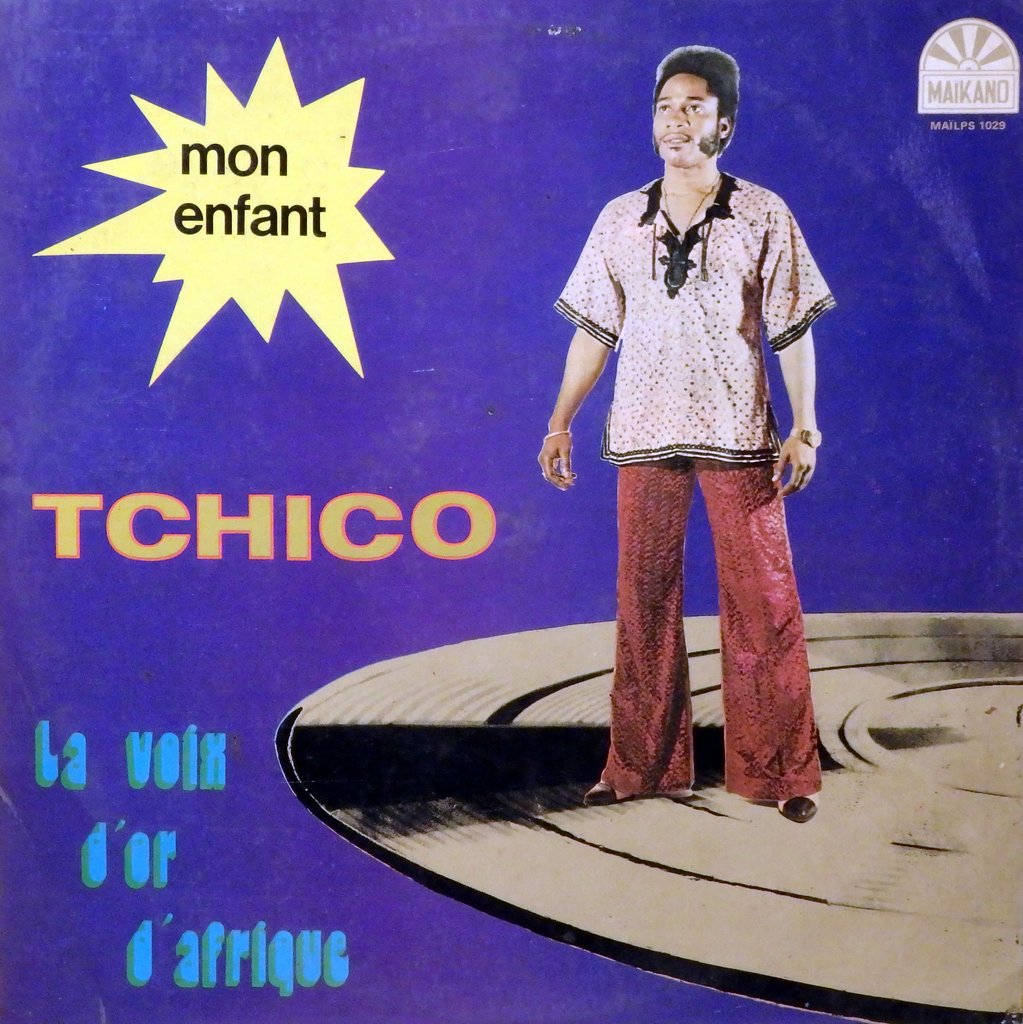
In 1978, a record on Sonafric shook the dance-halls of Lagos: “Mamy Rosa”, Tchico Tchicaya’s title, sold more than 800,000 copies and earned a first gold record. The nickname “the golden voice of Africa” was born — and this Congolese from Pointe-Noire had plenty to deserve it. As a composer, guitarist and arranger, he carved his path between West Africa, Paris and Australia, forging a soukous that absorbs Cuban salsa and Caribbean rhythms without ever betraying them.
In brief
| Full name | Denis Pambou Tchicaya |
| Stage name | Tchico Tchicaya |
| Birth | Around 1950, Pointe-Noire, Republic of the Congo |
| Genre | Soukous, Congolese rumba, salsa and Caribbean influences |
| Instruments | Vocals, guitar, arrangements |
| Signature works | Isabelle mwana ya Kin, Mamy Rosa, Jeannot |
| Nickname | The golden voice of Africa |
Key dates
| Year | Event |
|---|---|
| 1969 | Debut with Manta Lokoka in Pointe-Noire |
| 1972-1974 | Joins Les Bantous de la capitale, the flagship orchestra of Brazzaville |
| 1976-1979 | In Nigeria, records four albums,获 two gold records |
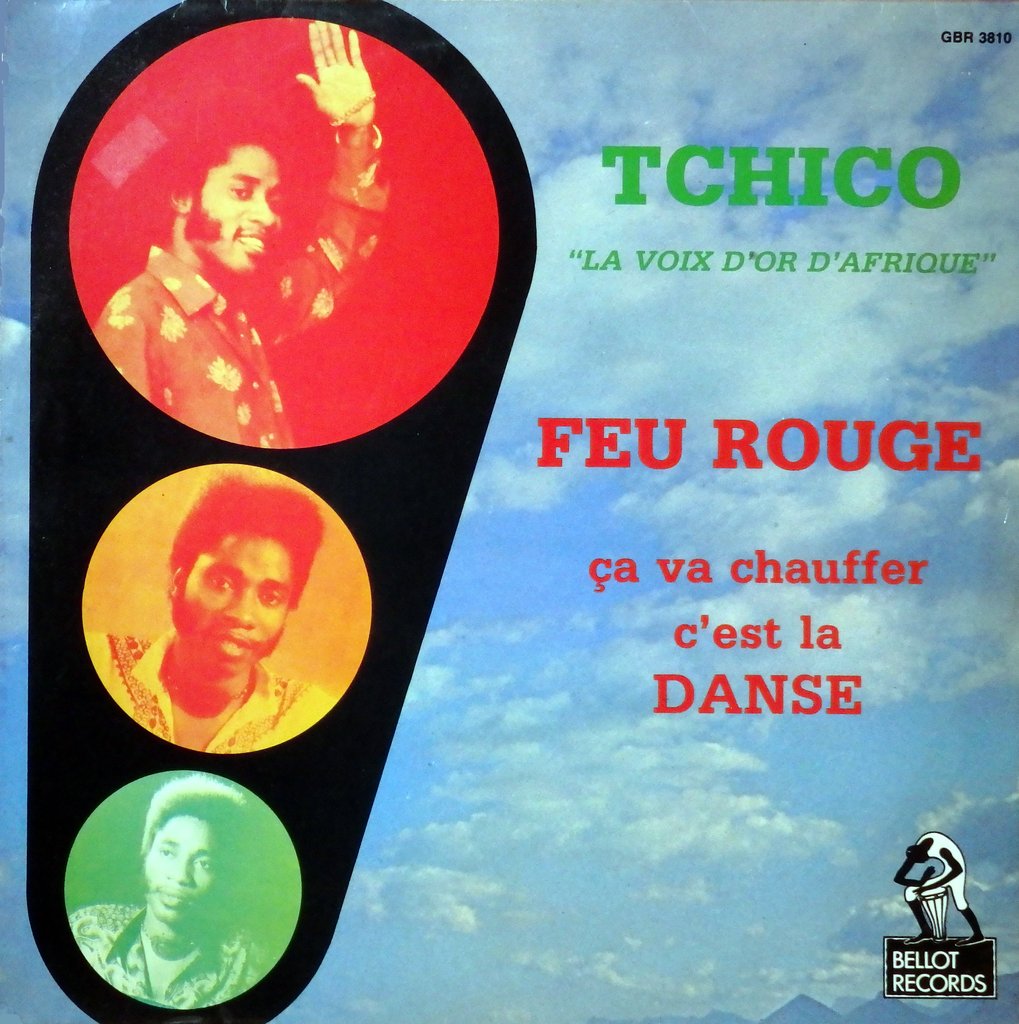
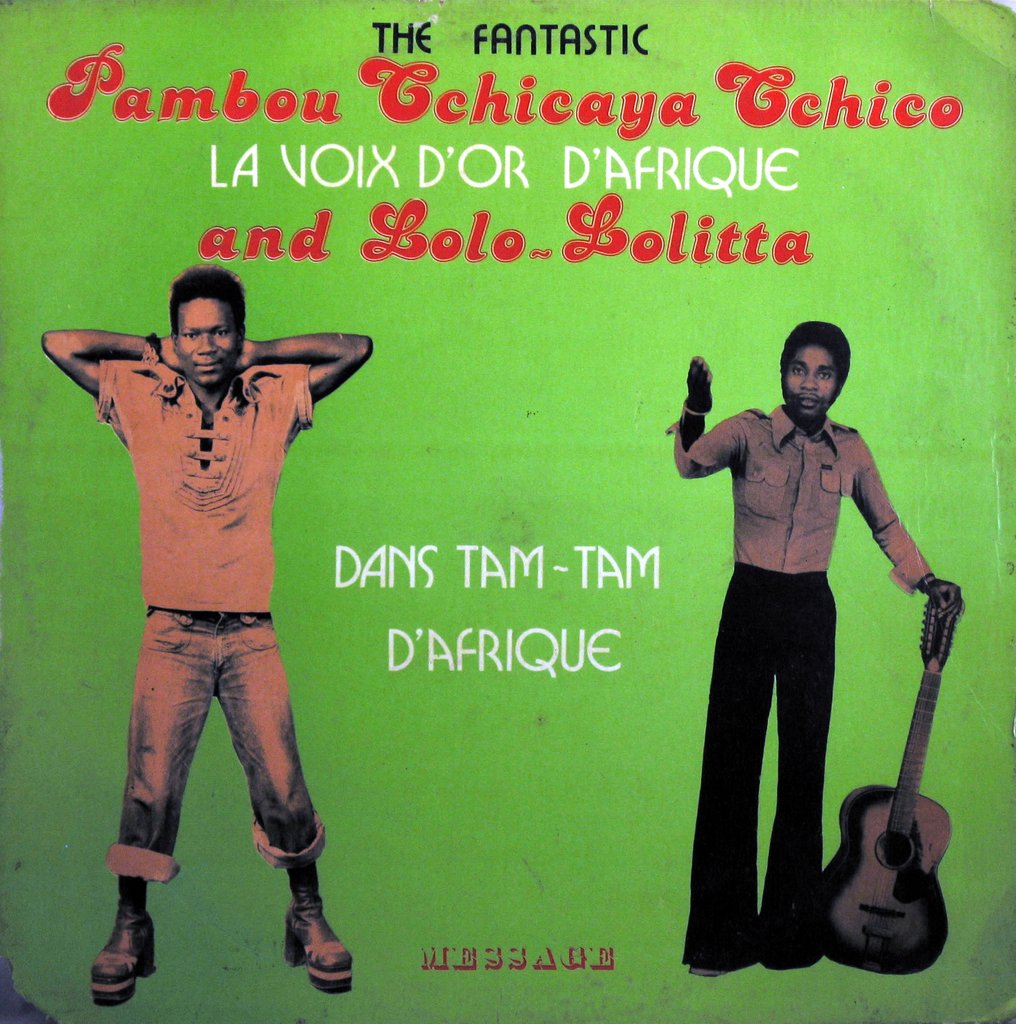
| 1981 | Moves to Abidjan, legendary duo with Mavoungou Lolo Lolita |
| 1983 | Settles in Paris, records with several formations |
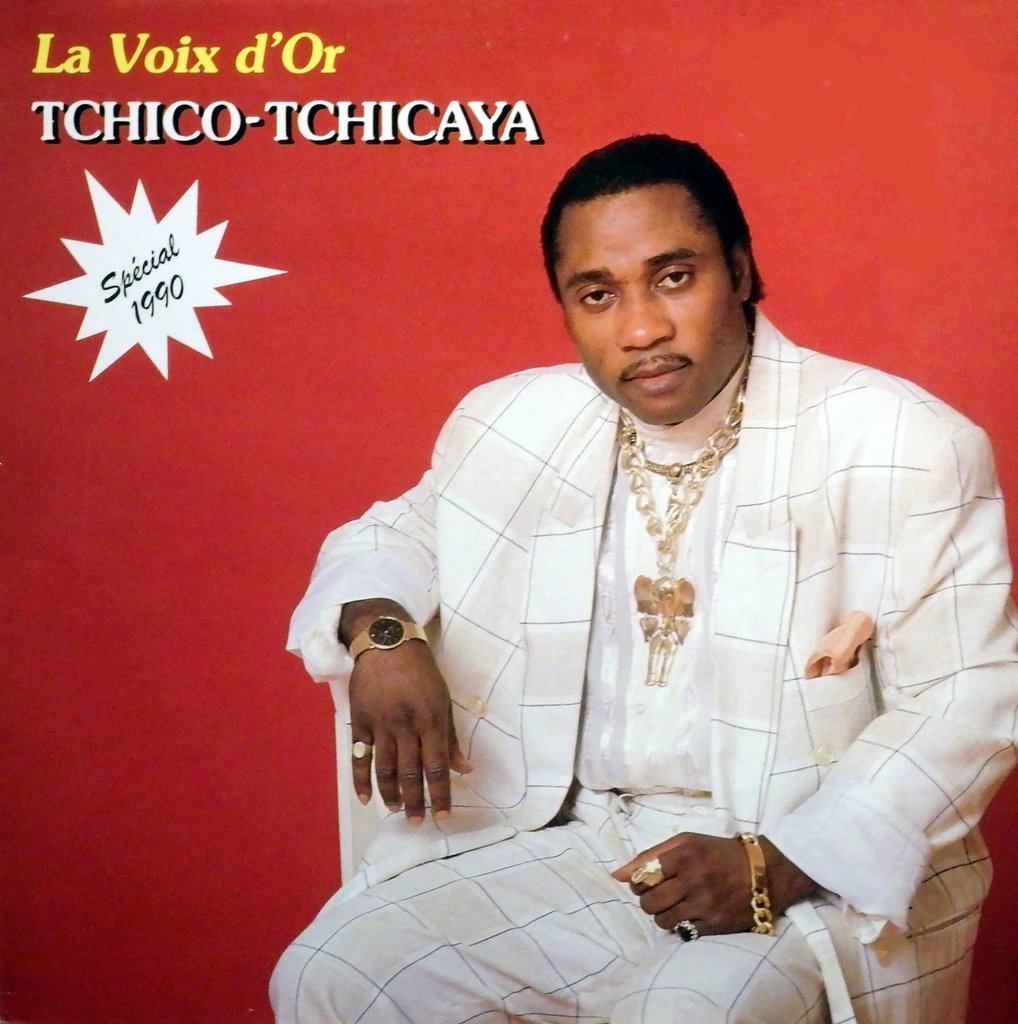
| 1990 | One of the brightest faces of soukous alongside Pepe Kalle and Aurlus Mabélé |
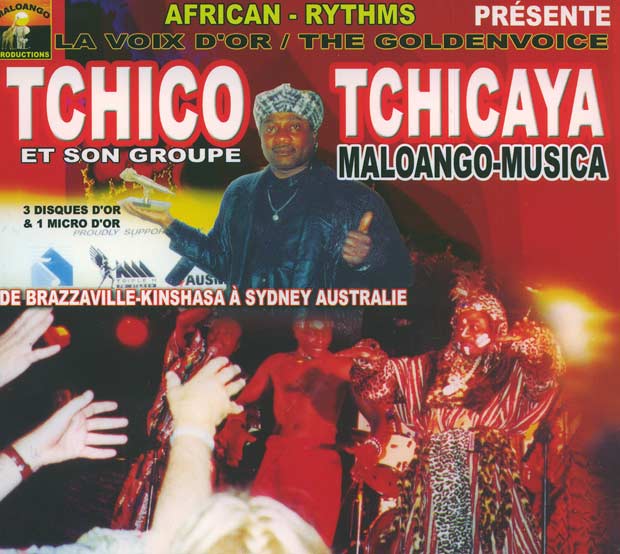
| 1999-2005 | Settles in Australia, founds Warako Musica |
| 2000 | Warako Musica wins the Australia Best Live Music Awards |
| 2010s-2020s | Returns to France, directs Maya-Maya Musica |
From Pointe-Noire to the world stage
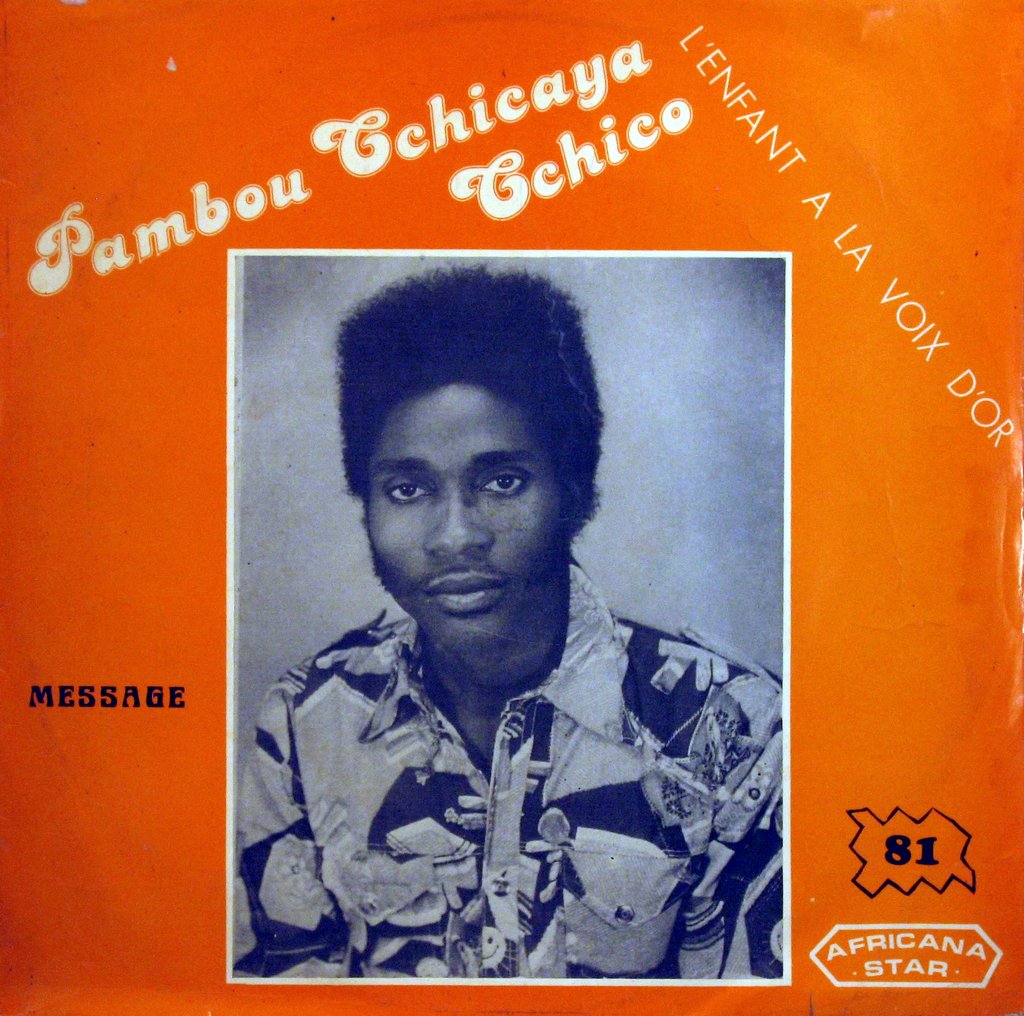
Denis Pambou Tchicaya was born in the Pointe-Noire region, a coastal city that has always been his compass. His grandfather lived in Diosso, on the road to the eponymous gorges. By the end of the 1960s, music was calling him. In 1969, he joined the Manta Lokoka orchestra, where he distinguished himself as a composer by signing two titles rich in vocal harmonies, Theresa-Rina and Santa-Maguy.
His reputation attracted the attention of Nino Malapet and Jean Serge Essous. In 1972, he was invited to join Les Bantous de la capitale, the most powerful orchestra in Brazzaville. It was here that Tchico became a known name: he composed Isabelle mwana ya Kin, a founding hit that placed him on the Congolese stage. He left in 1976 when several artists founded Le Peuple du trio CEPAKOS.
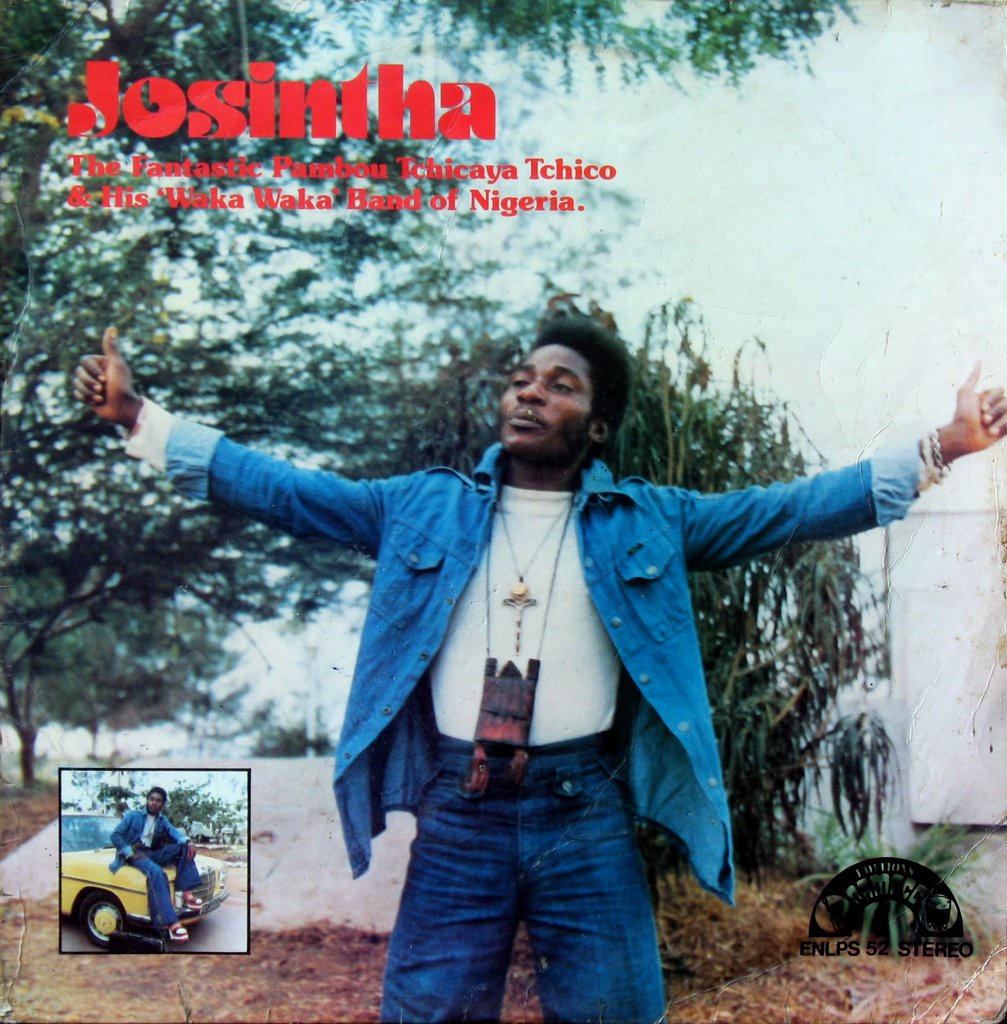
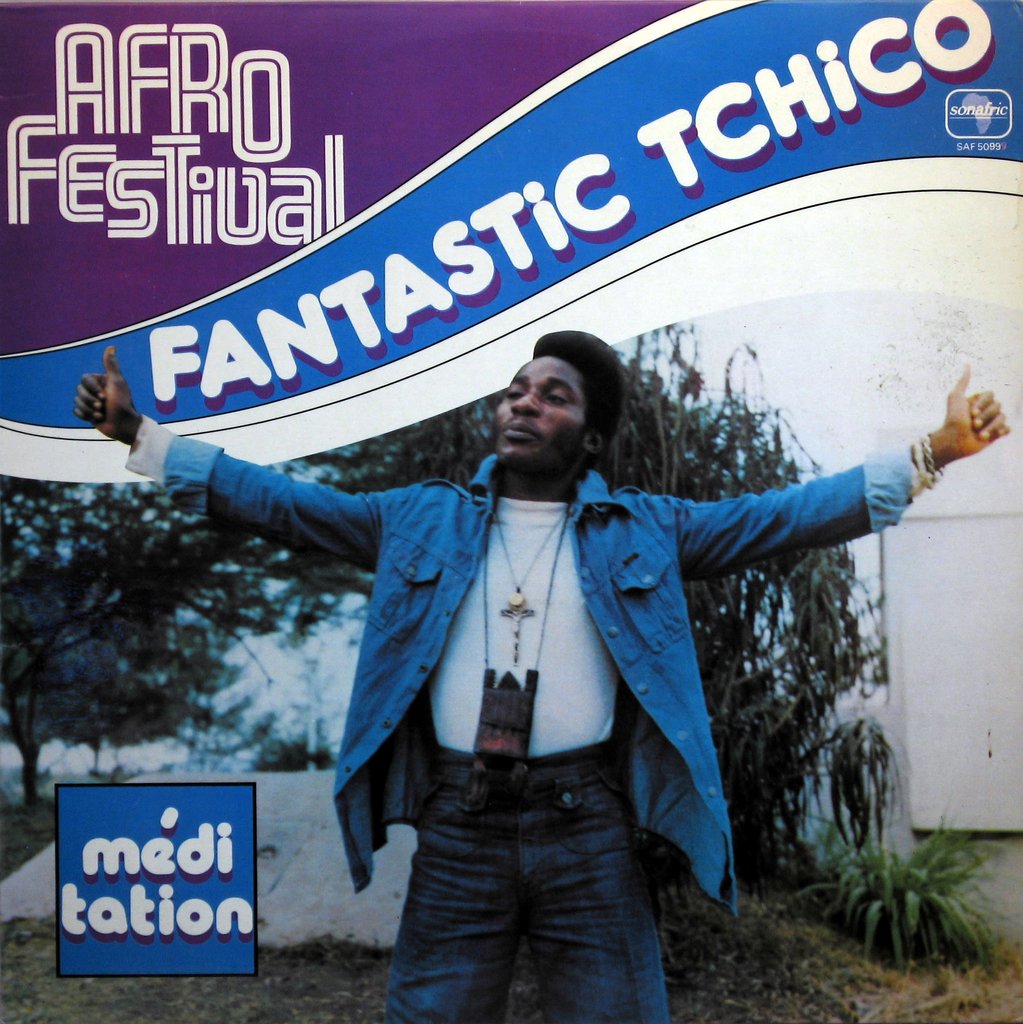
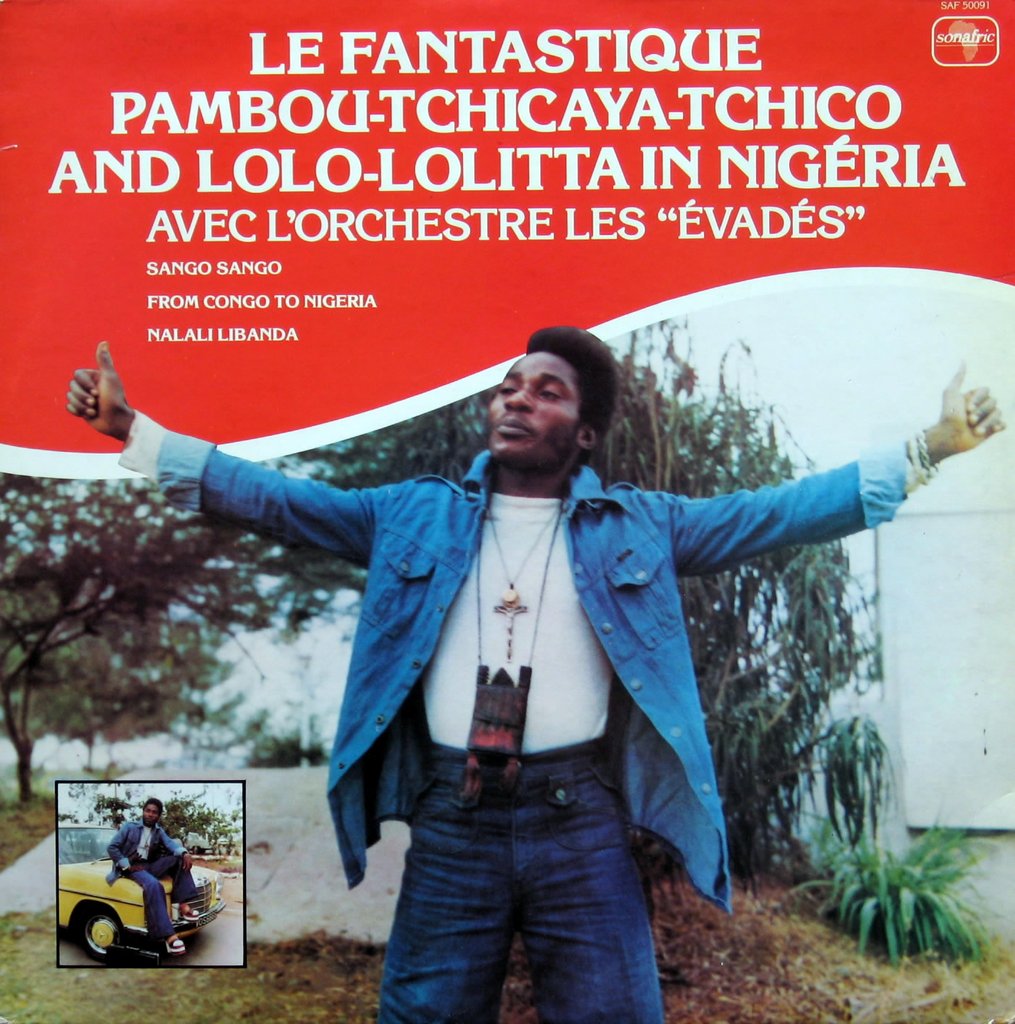
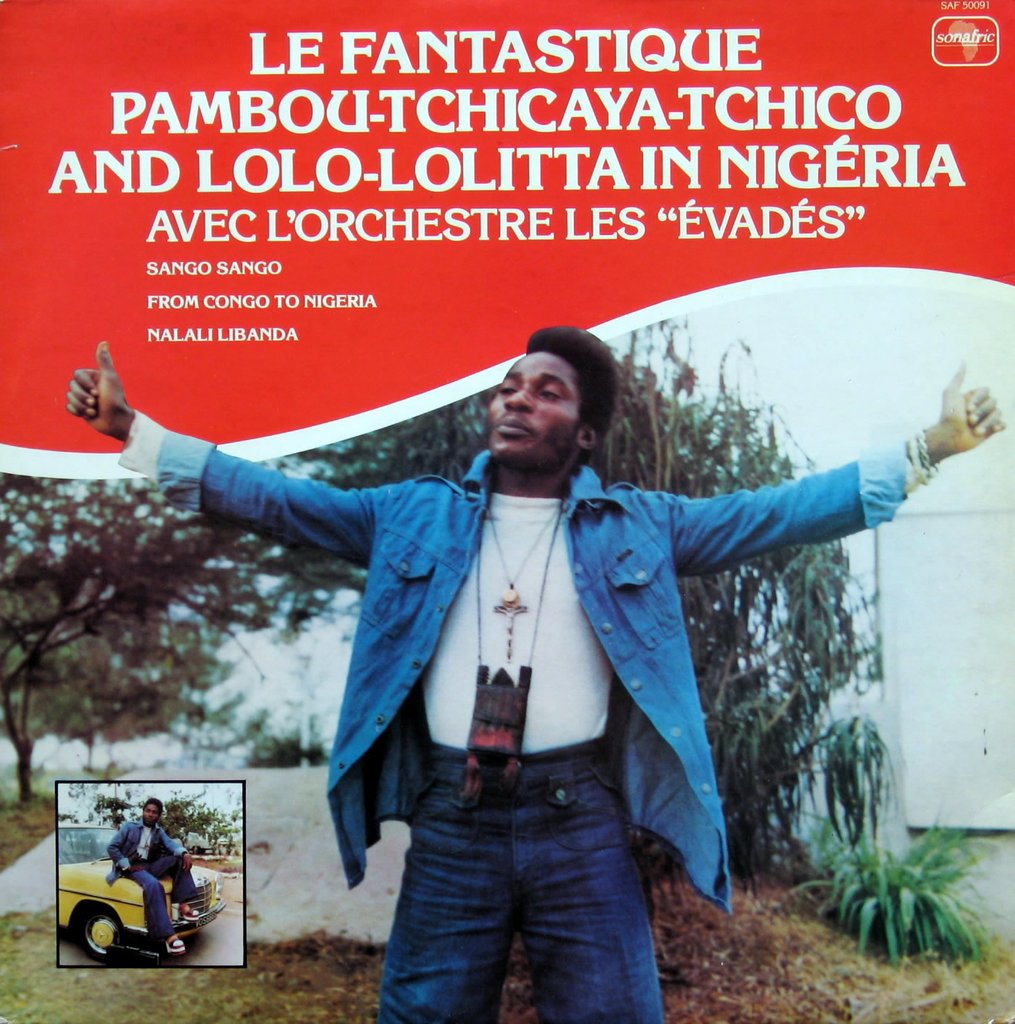
In Nigeria (1976-1979), Tchico absorbed the rhythms of afrobeat, a genre that was then shaking all of West Africa. Four albums were released, including Mamy Rosa (1978), a best-seller of 800,000 copies, and From Congo to Nigeria (1977), which earned him two gold records. It was there that he was given the nickname “Golden Voice”, the golden voice.
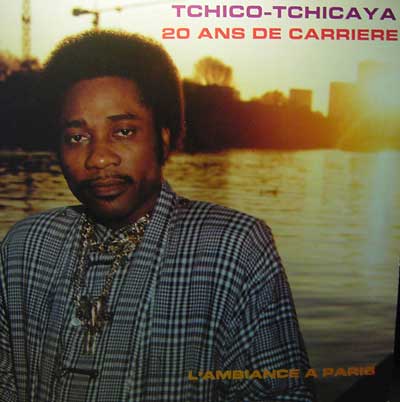
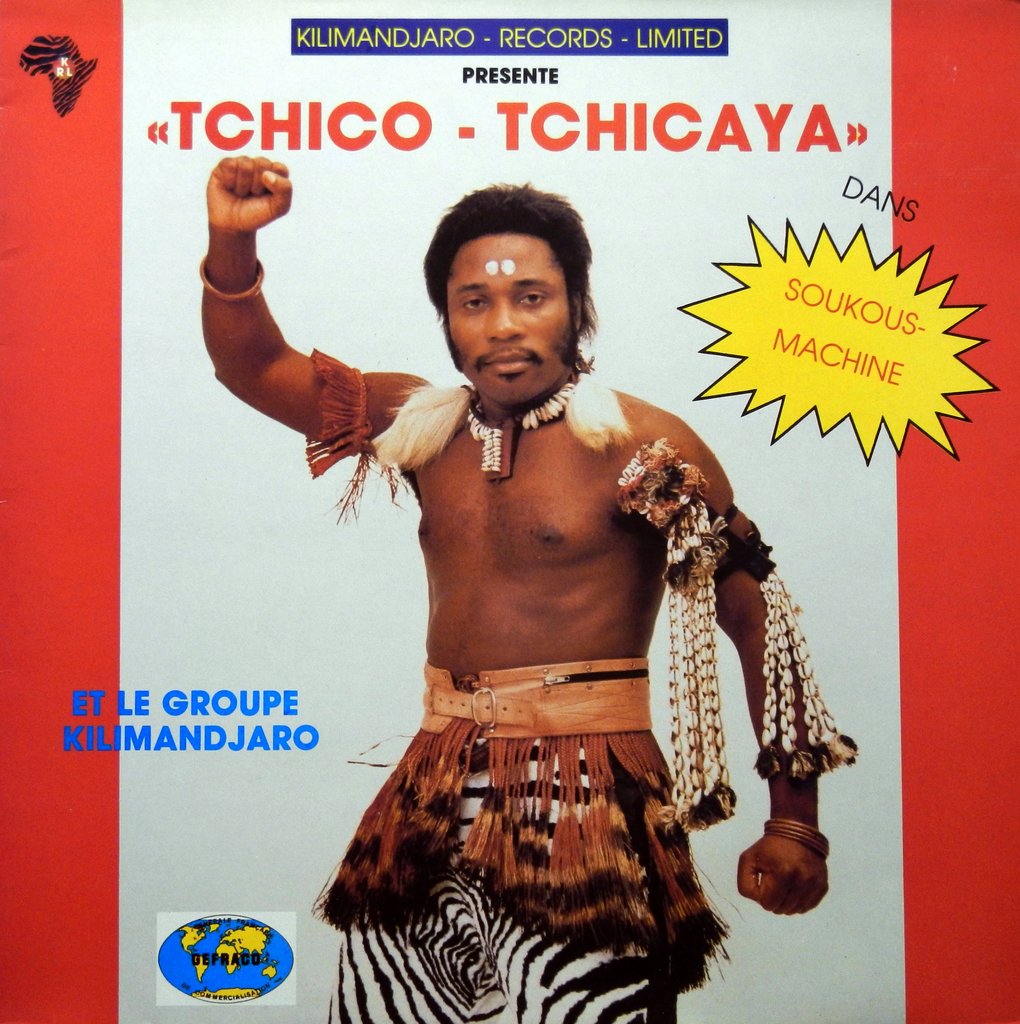
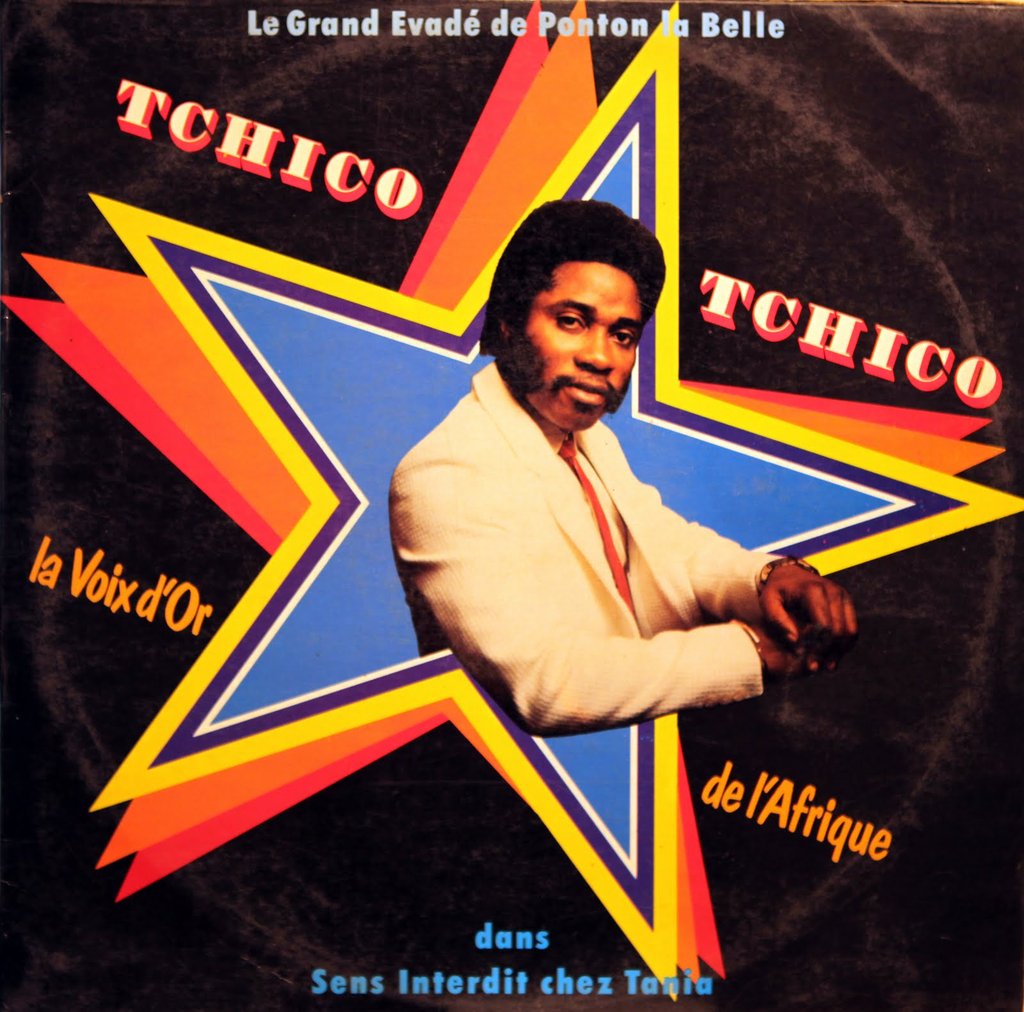
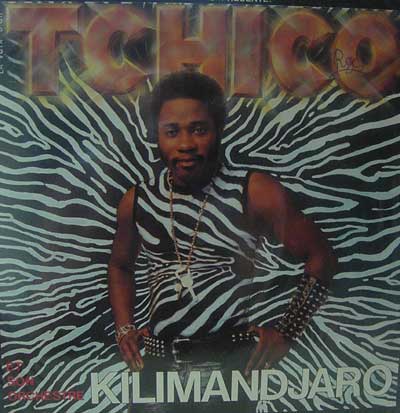
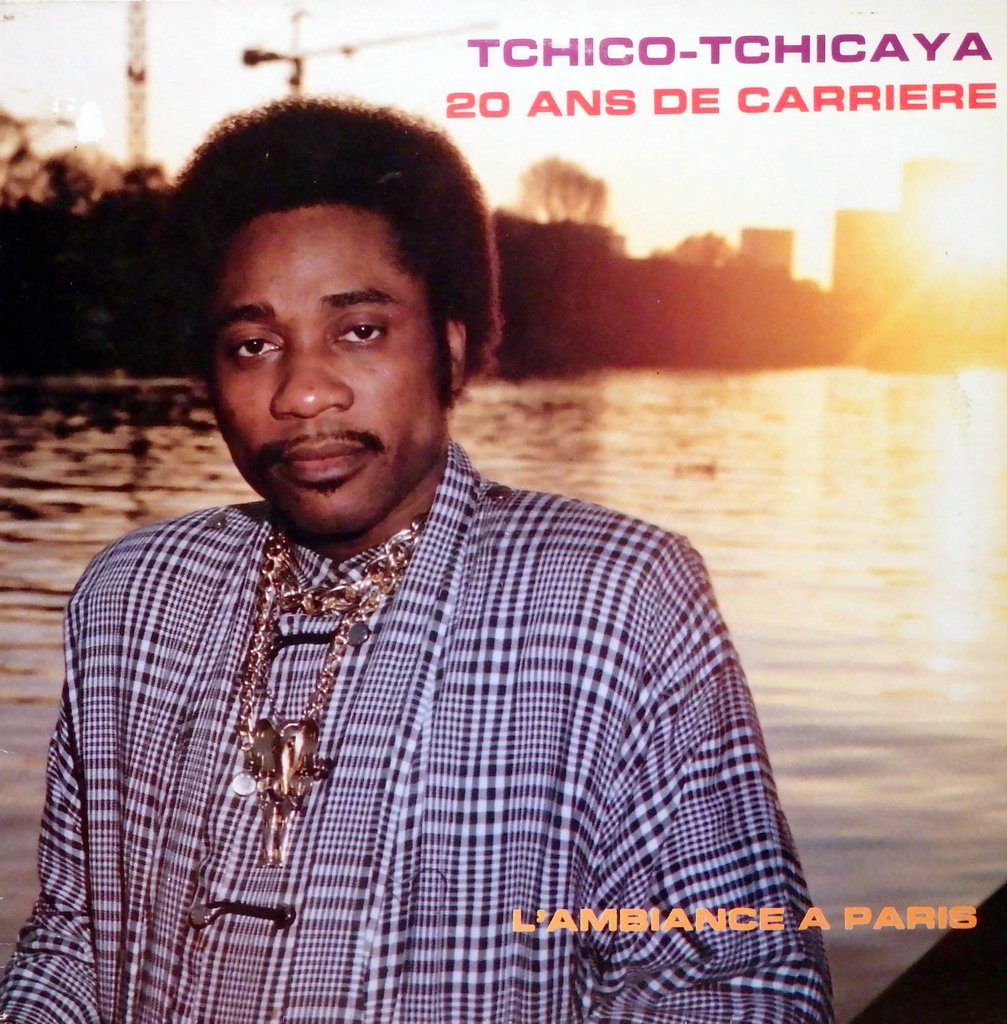
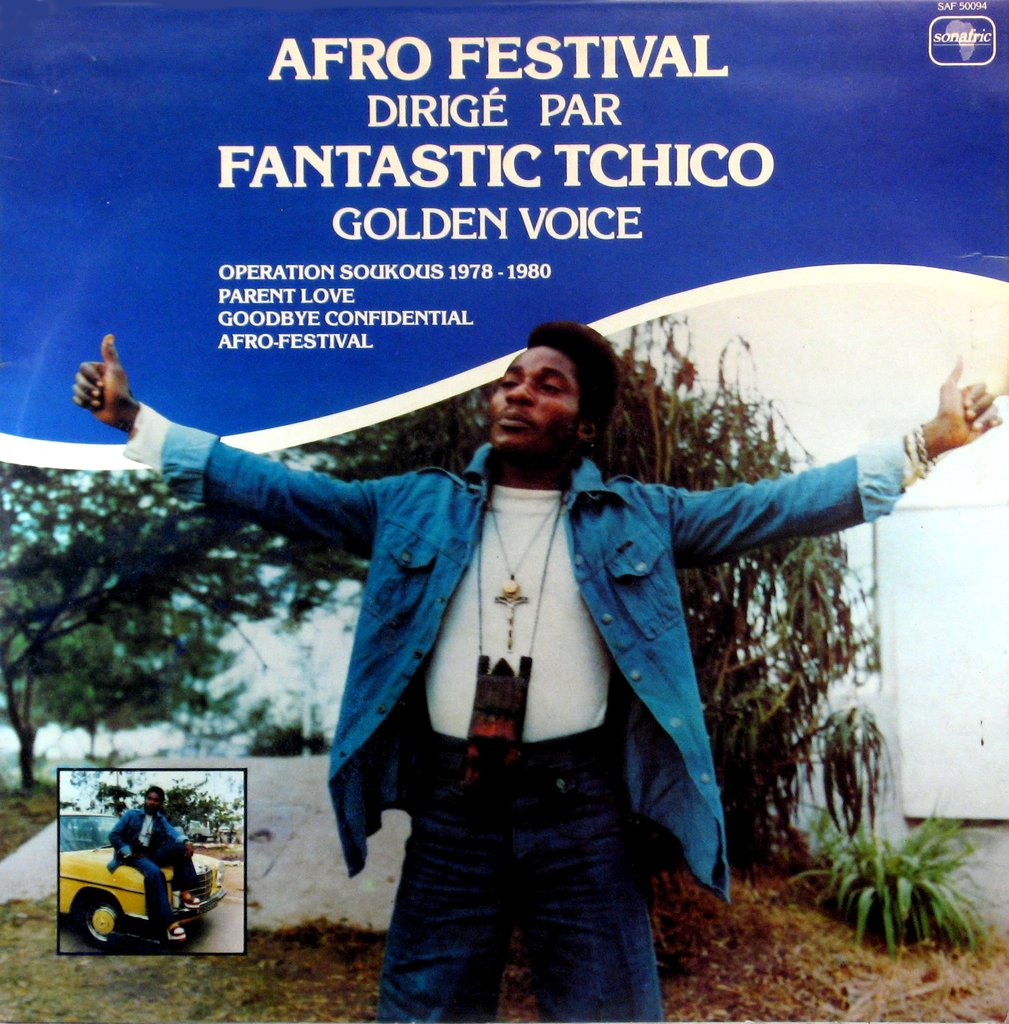
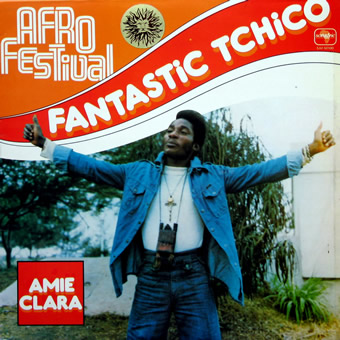
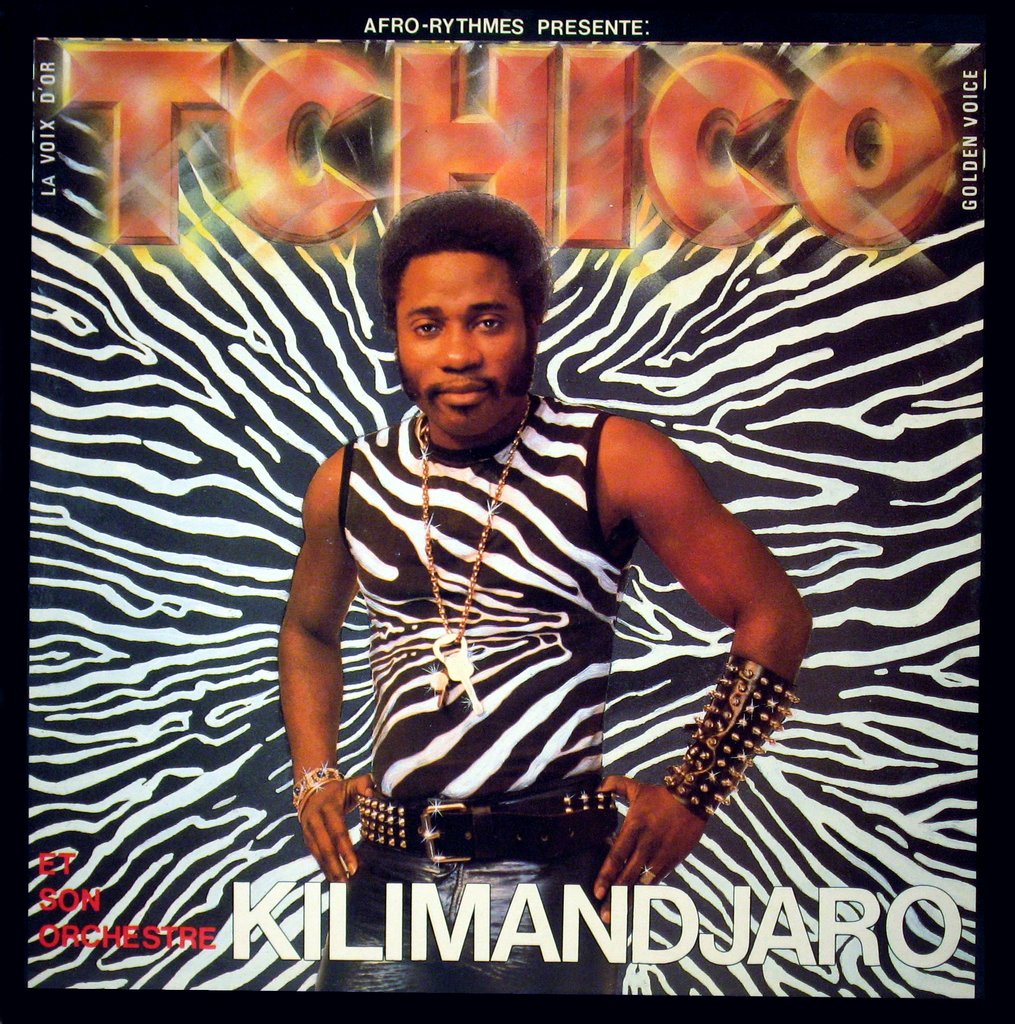
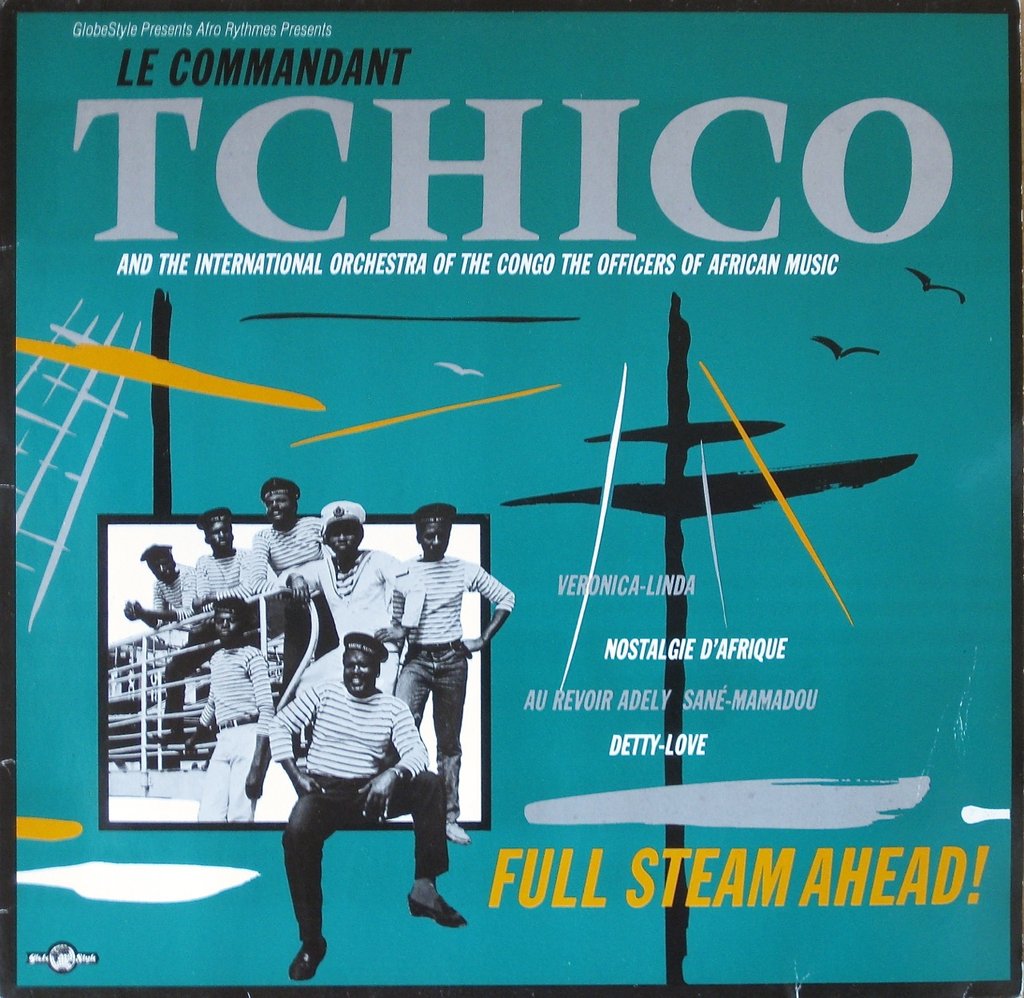
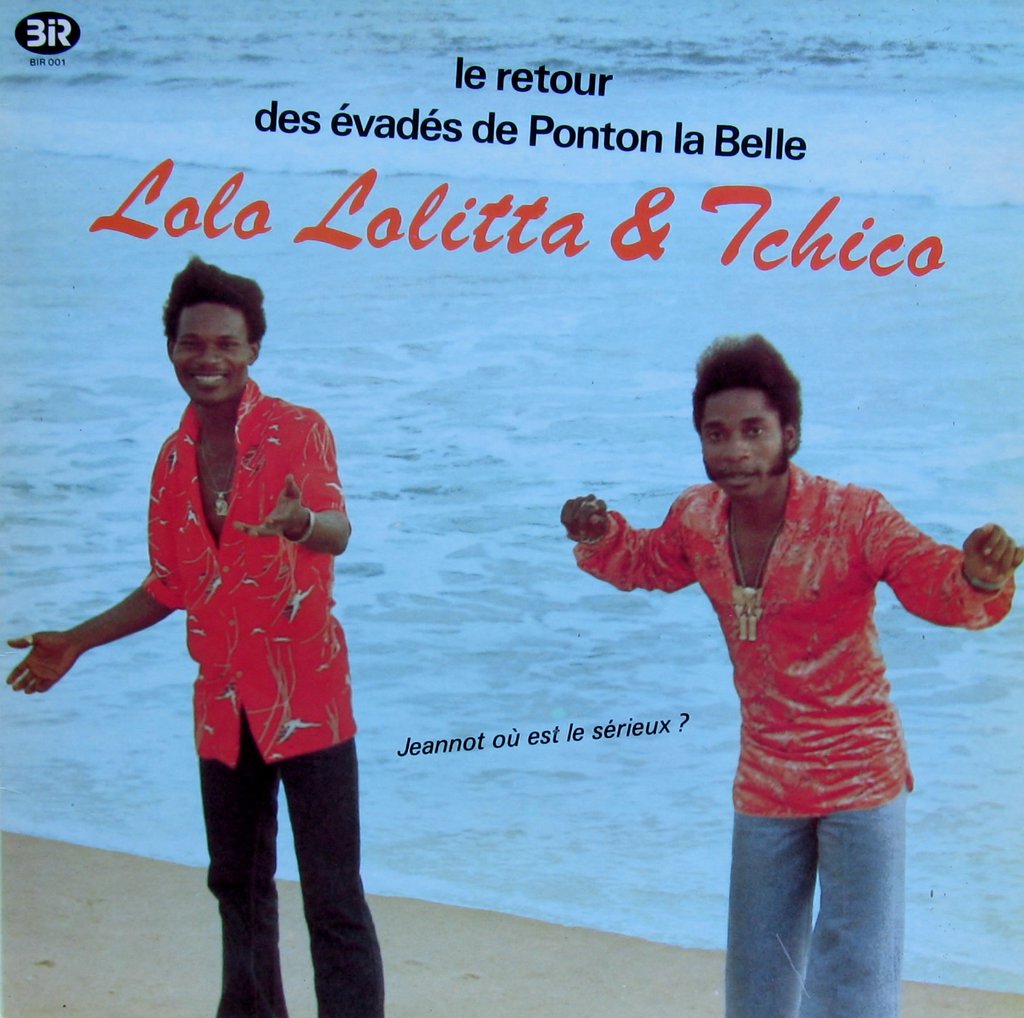
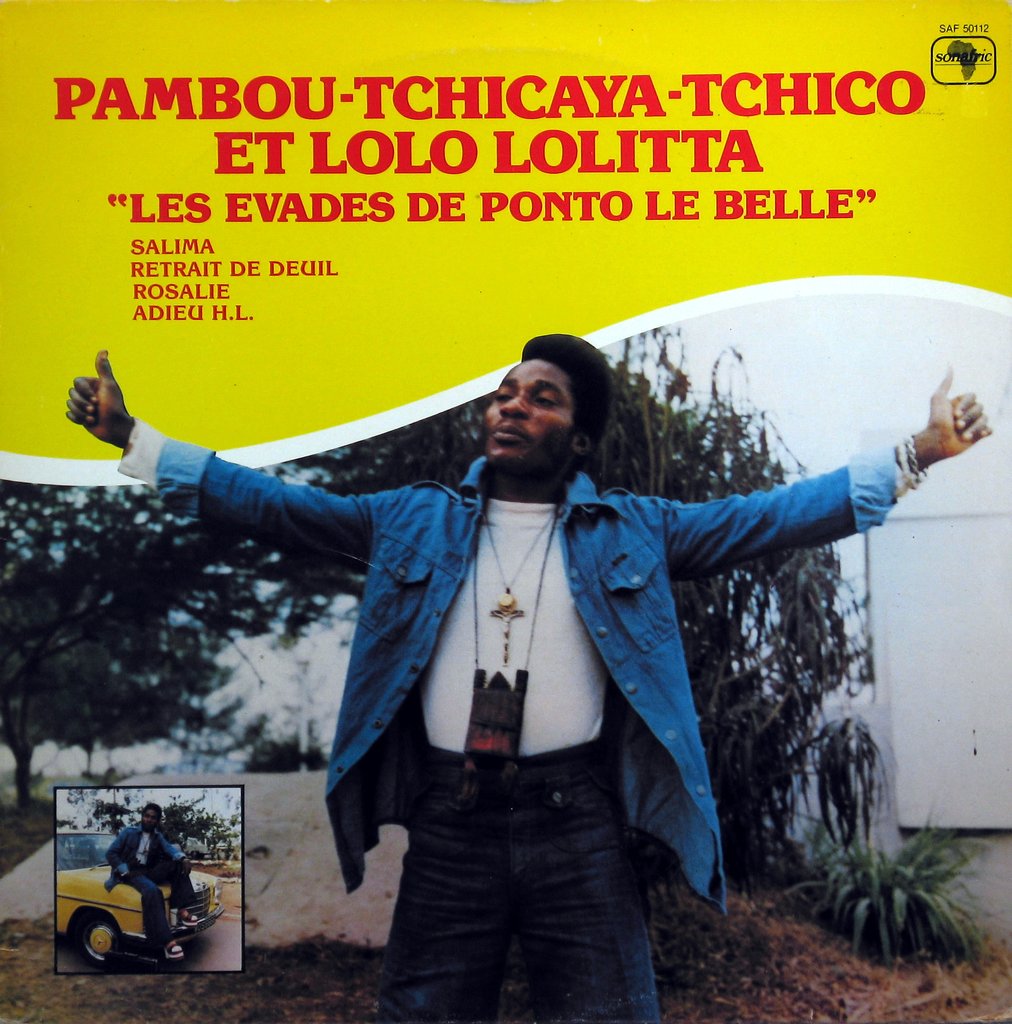
In 1981, he flew to Abidjan, then the cultural capital of Francophone Africa. There he formed a legendary duo with Mavoungou Lolo Lolita: their title Jeannot, où est le sérieux ? (1981) was named the best song of 1982 and became an inevitable classic of West African radio. In 1983, Tchico crossed the Parisian threshold — a few years before most of his colleagues. In Paris, he multiplied successive formations: African Kings, Afro Festival, Ponton la Belle, Les Officiers de la musique africaine, Kilimandjaro, Soukouss Machine. The titles Soukous Machine, Cocktail Tropical and Ambiance à Paris set the French dance-halls of the 1980s and 1990s on fire.
In the 1990s, his star shone at the same level as Kanda Bongo Man, Aurlus Mabélé or Diblo Dibala. From 1999 to 2005, he settled in Australia where he founded Warako Musica with singer Passi-Jo. The group brought together African and Australian musicians. In 2000, Warako Musica won the Australia Best Live Music Awards. Upon returning to France, he founded Maya-Maya Musica, his current formation, which draws from the Bantou traditions of Congo while integrating rising generations. Tchico composes in eight languages: lingala, kikongo, French, English, Spanish, Sango, Swahili, Vili and Lari.
Major works
| Work | Year | Why it is essential |
|---|---|---|
| Isabelle mwana ya Kin | 1972 | The title that revealed Tchico to Les Bantous de la capitale and placed him on the Congolese stage |
| Mamy Rosa | 1978 | Best-seller of 800,000 copies in Nigeria, first gold record; a soukous hymn |
| From Congo to Nigeria | 1977 | Second gold record, testimony of the African passage and afrobeat-soukous fusion |
| Jeannot, où est le sérieux ? | 1981 | Best song of 1982 in West Africa; cult duo with Lolo Lolita |
| Soukous Machine | 1987 | Parisian masterpiece: the meeting of soukous and hexagonal sounds |
Legacy and influence
Tchico Tchicaya carved his path without ever letting himself be confined to a single style or territory. His soukous absorbs Nigerian afrobeat, Cuban salsa and Caribbean rhythms, and restates them in an idiom that is his own. His transcontinental journey — Congo, Nigeria, Côte d’Ivoire, France, Australia — made him a pioneer of a musicality that is today the norm for African artists.
His music still resonates in the dance-halls of Brazzaville to Paris, and new generations recognize themselves in him as one of the architects of a style that conquered the whole world.
Sources and references
-
“Tchico Tchicaya”, Wikipedia, https://fr.wikipedia.org/wiki/Tchico_Tchicaya, accessed 19 October 2026.
-
“Tchico Tchicaya — Biography & History”, AllMusic, https://www.allmusic.com/artist/tchico-tchicaya-mn0001292216, accessed 19 October 2026.
-
“Tchico Tchicaya (Congo-Brazzaville)”, Musiques d’Afrique, https://www.musiques-afrique.net/congo/art-tchicaya.html, accessed 19 October 2026.
-
« Tchico Tchicaya – The Golden Voice », African Music Forum, https://amf.didiermary.fr/tchico-tchicaya-golden-voice/, accessed 19 October 2026.
-
« Tchico Tchicaya Discography », Qobuz, https://www.qobuz.com/ca-en/interpreter/tchicopamboutchicaya-10003271906/3271906, accessed 19 October 2026.
-
« Tchicaya Tchico », MusicBrainz, https://musicbrainz.org/artist/0c265659-6e22-4b30-8075-52b624df5616, accessed 19 October 2026.
-
« Tchico Tchicaya — Apple Music», https://music.apple.com/us/artist/tchico-tchicaya/785757720, accessed 19 October 2026.