Biography
Titica: the queen of kuduro
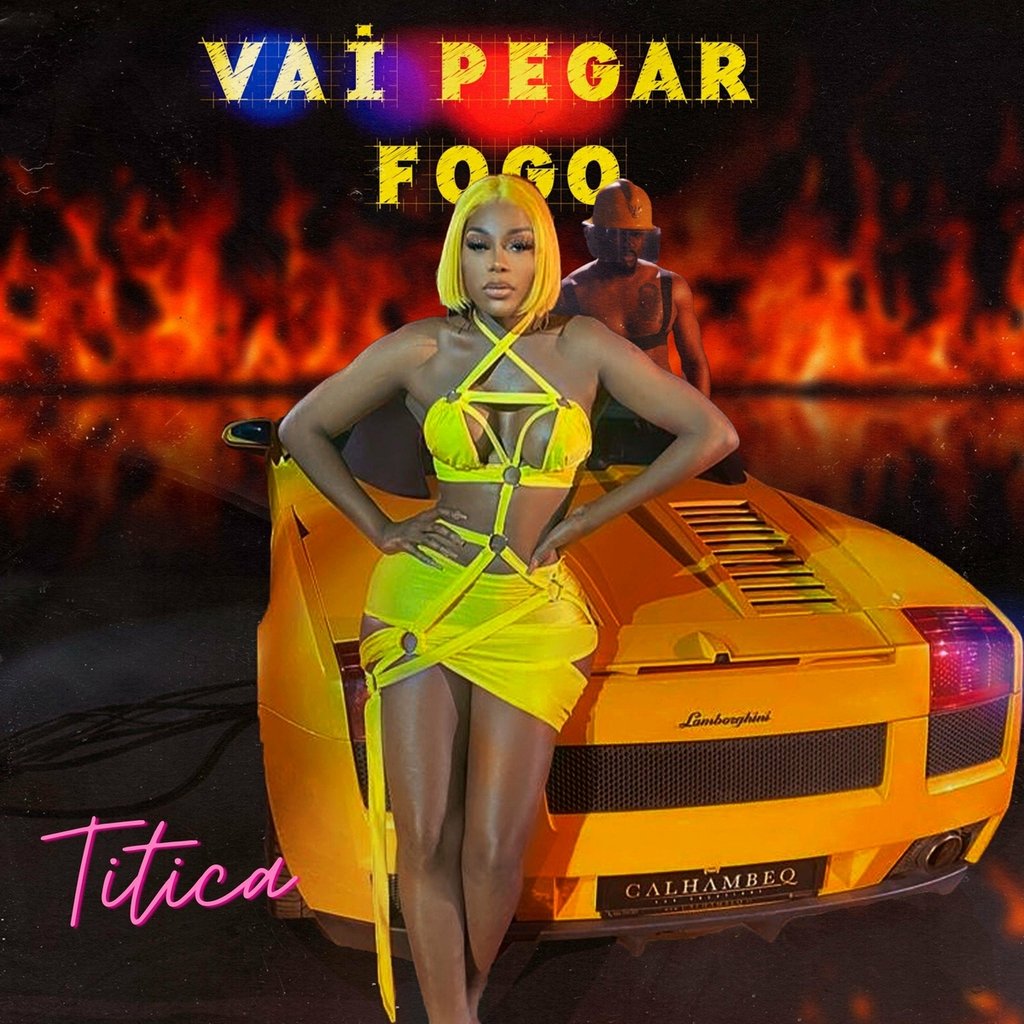
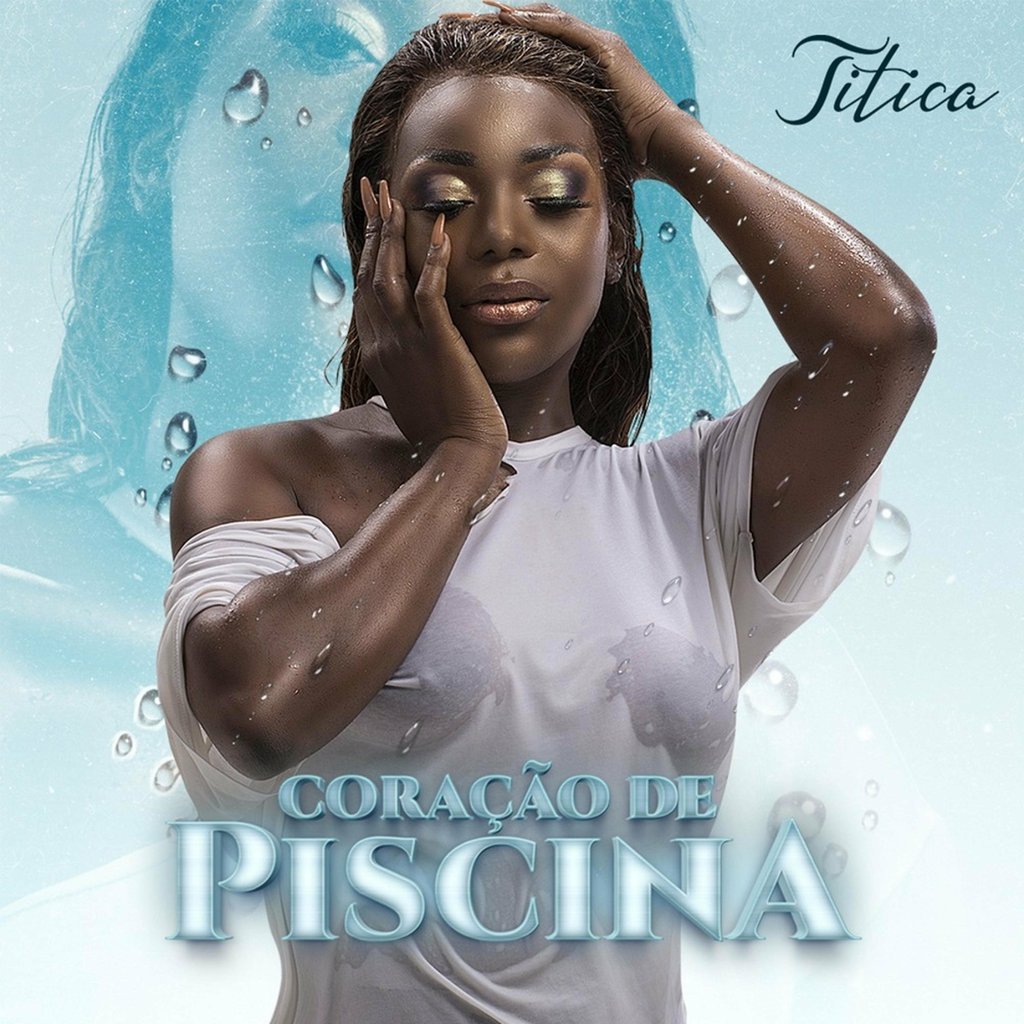
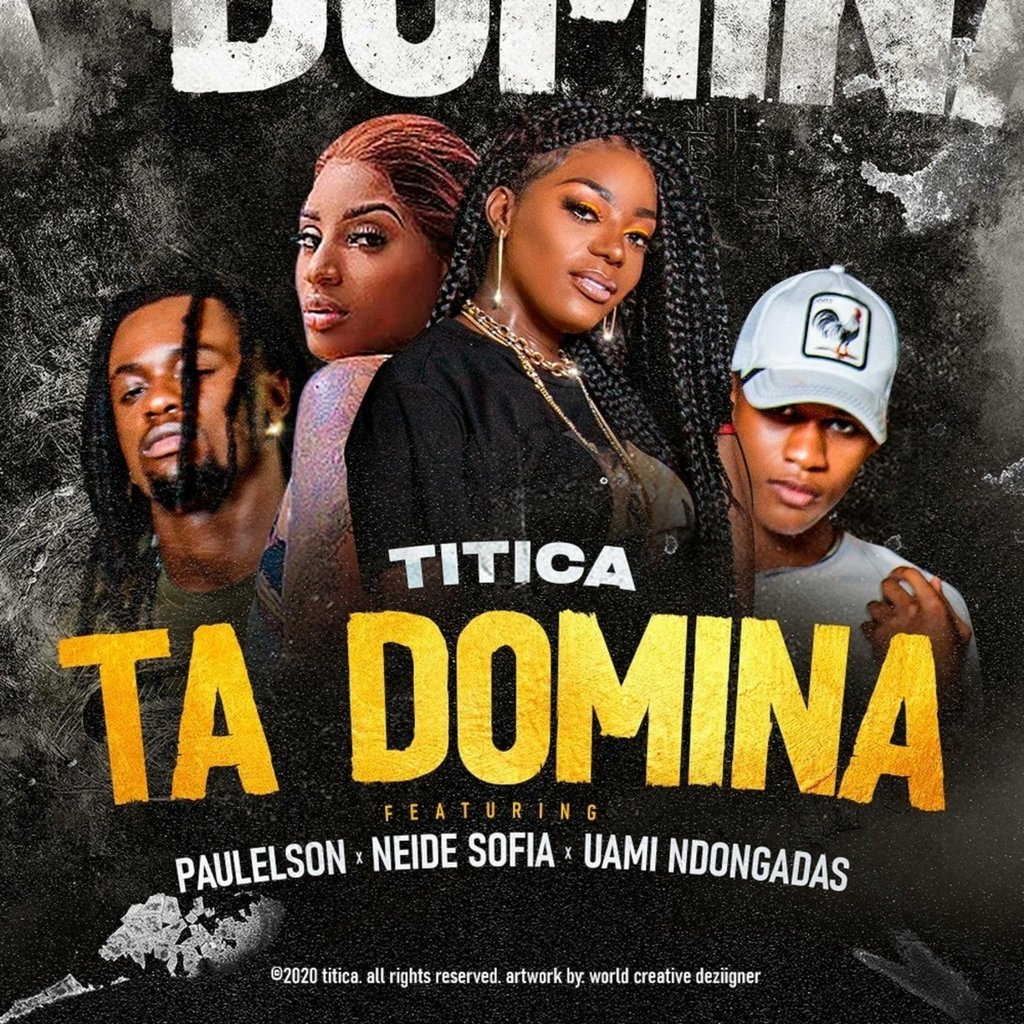
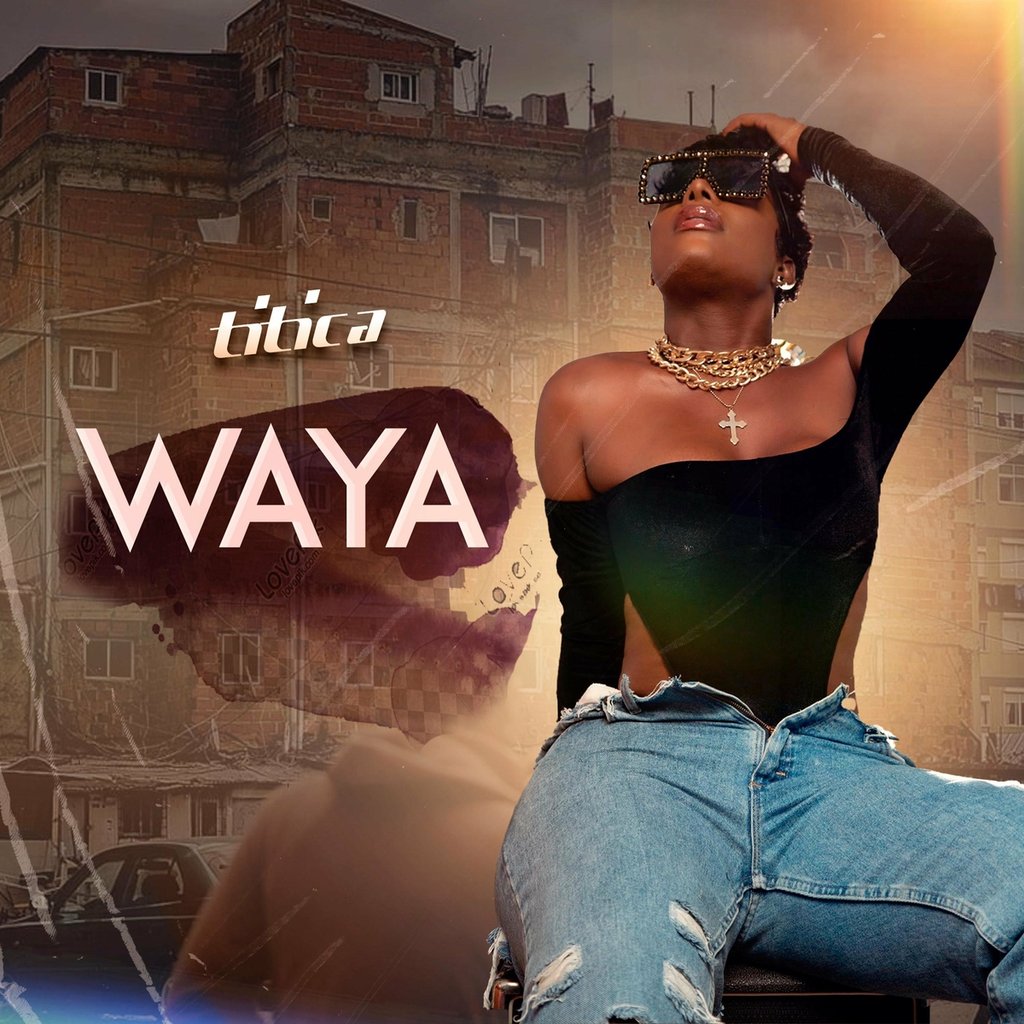
In 2011, a song recorded in a Luanda studio propelled Titica onto the international stage. Chão, her first single, exploded in Angola and then conquered Portugal and Brazil. Today, she performs at Rock in Rio in front of thousands of spectators. An ascent from trans singer to global ambassador of kuduro and activist who uses her popularity to change mindsets. « I built this career for real, not just for glory », she writes in an interview. « Music is art. »
In brief
| Full name | Teca Miguel André Garcia |
| Birth | 26 June 1987, Luanda (Angola) |
| Genre | Kuduro, pop, kizomba, semba |
| Signature works | “Chão”, “Olha o Boneco” (feat. Ary), « Makongo » (feat. Paulo Flores) |
| Awards | Best kuduro artist 2011, UNAIDS ambassador |
Key dates
| Year | Event |
|---|---|
| 1987 | Born in Luanda, to a Congolese father and an Angolan mother from Uíge |
| ~2010 | Background dancer for Noite e Dia, Própria Lixa and Puto Português |
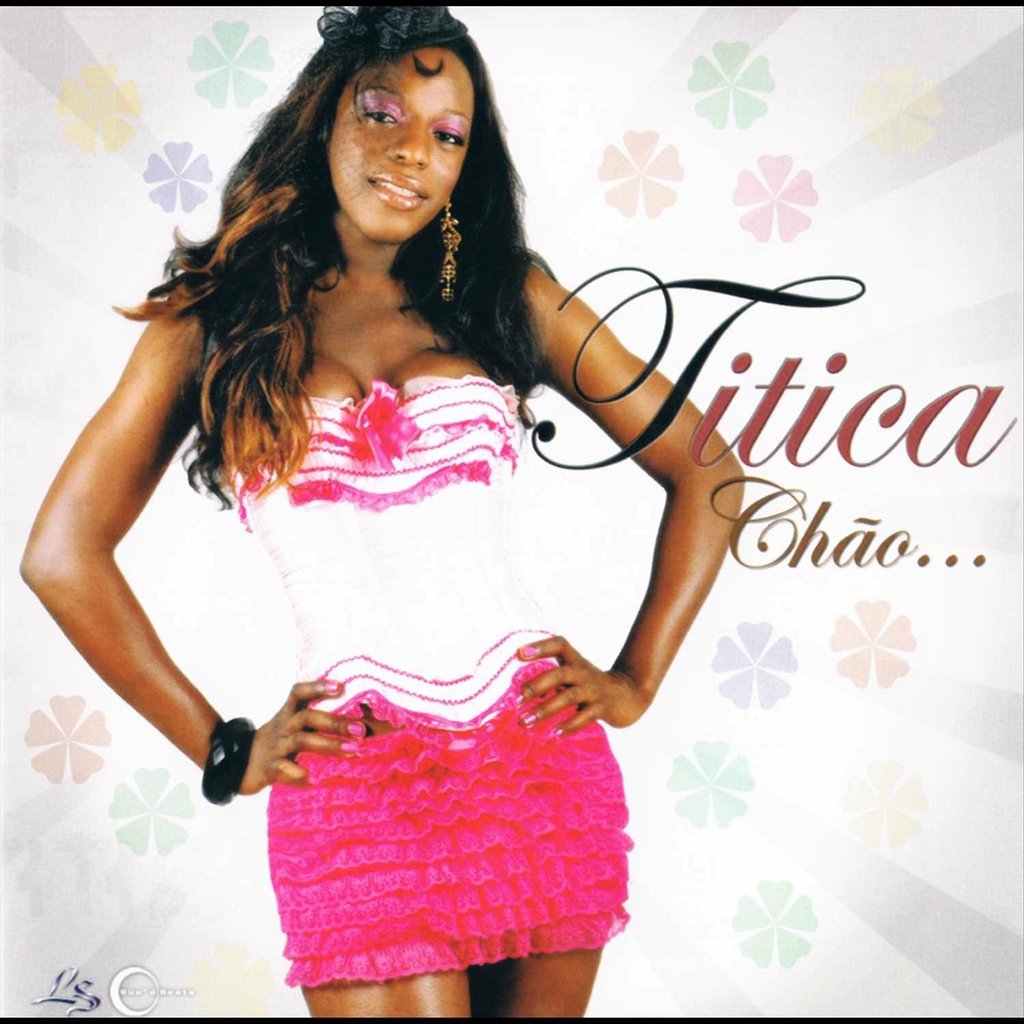
| 2011 | Release of Chão…, with hits “Chão” and “Olha o Boneco” |
| 2013 | UNAIDS good-faith ambassador for the fight against AIDS |
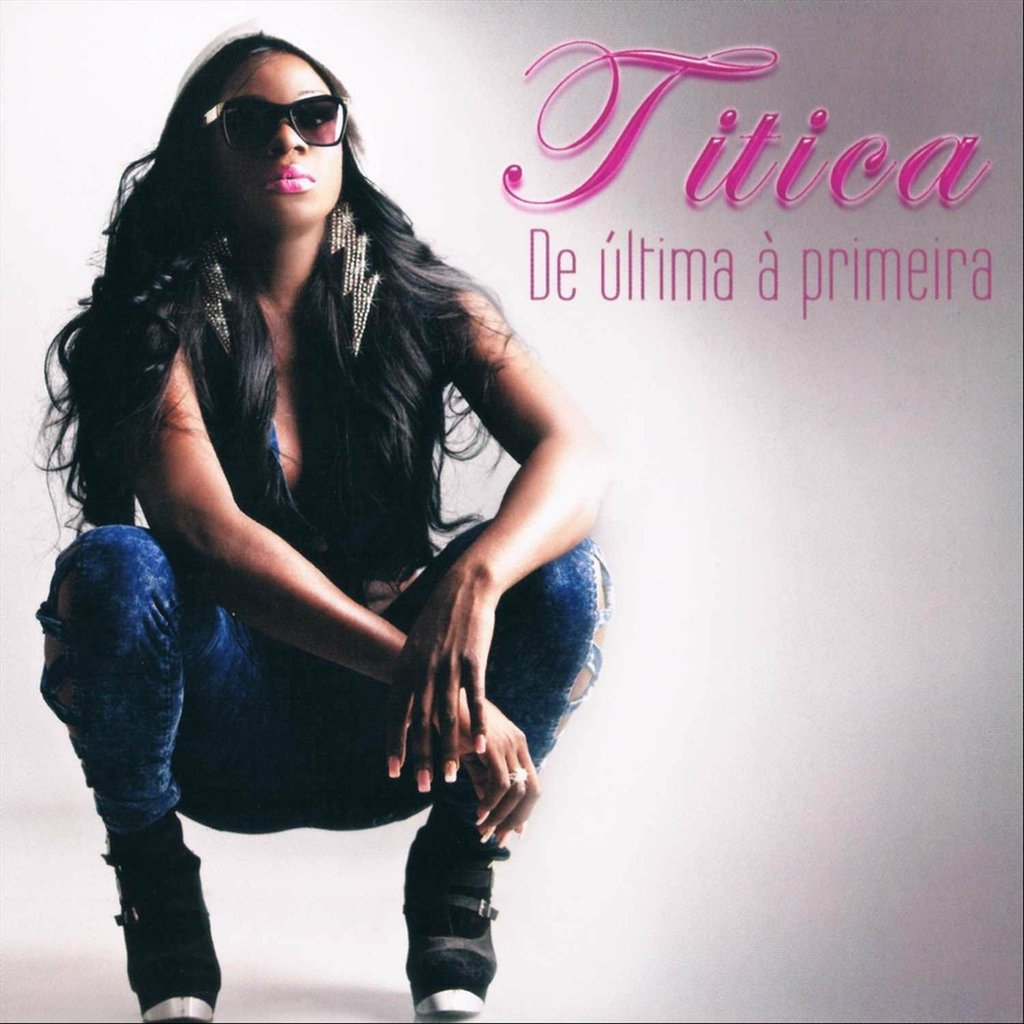
| 2014 | De Última à Première; duo with Paulo Flores on “Makongo” |
| 2015 | Best semba of Top Rádio Luanda for « Semba no pé » |
| 2018 | Pra Quê Julgar?; Rock in Rio; Red Bull Music Academy conference |
| 2018 | Angola decriminalizes homosexuality; Titica cited as a figure of change |
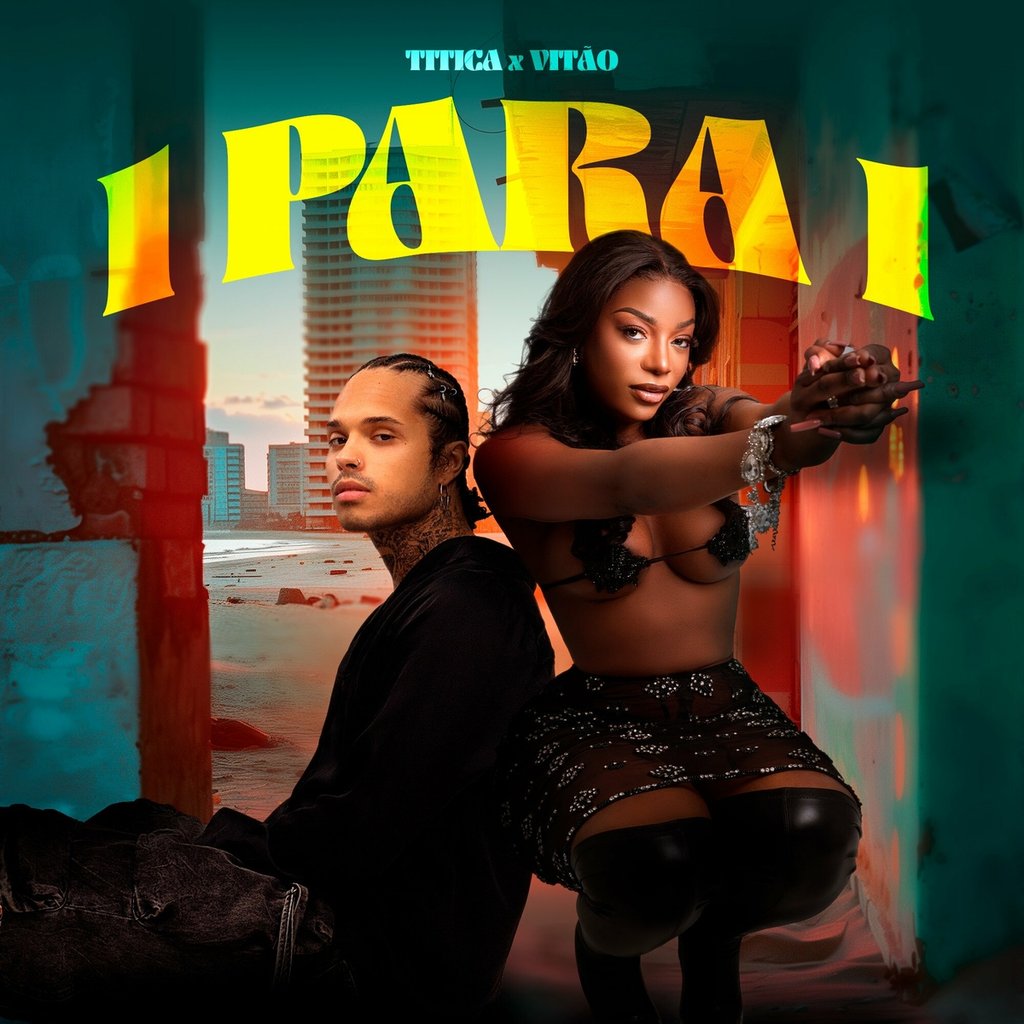
| 2018–23 | International collaborations with Pabllo Vittar, Sara Dem and Ivan Alekxei |
From Luanda to the world: a journey of resistance
Titica was born in Luanda in an Angola still submerged by a thirty-year civil war (1975–2002). Daughter of a Congolese father and an Angolan mother from Uíge, she grew up in a Bacongo family, cradled by Pépé Kallé and Koffi Olomide — voices that would mark her entire career. From adolescence, she learned ballet, a discipline that forged her stage sensuality. Very quickly, she joined the choreographies of Noite e Dia (one of the most famous female formations in Angola), then Própria Lixa and Puto Português. « I wanted to help Noite e Dia refine a chorus, and they recorded my voice », she recounts to the Red Bull Music Academy in 2018. This unexpected experience launched her recording career.
From adolescence, she embraced her condition as a trans woman in a Catholic Angola where homosexuality was then criminal. Her stage name, Titica, means in Portuguese « useless » or « worthless ». She chose it to reclaim the word thrown at her face. « It flows naturally, I don’t think about it », she says to the BBC. « God knows I am myself. You first, and then others. »
Kuduro — « the one with sugar, the one with salt », as Titica herself explains — was born at the end of the 1980s in the musseques of Luanda, at the crossroads of European techno, African percussion and Brazilian rhythms. It is the music of the peripheries, violent in its beats and joyful in its energy — « the kuduro rhythm », she notes, « even when people don’t understand the language, they dance ». In 2011, « Chão » exploded in Angola; the following year, « Olha o Boneco », in a duo with Ary (Anglo-Portuguese kizomba singer), took over the airwaves: number one for three weeks on the Portuguese TOP + and seven weeks on the Brazilian show Rolando Música. « In 2011 and 2012, the tracks were widely played in all Portuguese nightclubs », Titica confesses.
De Última à Première (2014) marks an artistic turning point. On this album, “Makongo” (a title meaning « problem ») associates Titica with Paulo Flores, « the king of semba », living legend of Angolan music. The track tells the story of a man who falls in love with a trans woman: « being different is not a sin, it’s just being different », Titica summarizes. This duo wins the 2015 best semba title from Top Rádio Luanda and takes Titica to a new stage: she conquers the semba, a respected traditional rhythm that is foreign to her. « I don’t know it by heart because it’s not my field, I studied to sing », she admits with lucidity. Titica quickly becomes more than an artist: a public figure. In 2013, she is appointed UNAIDS good-faith ambassador for the fight against AIDS. In 2015 and 2018, she performs at the Divas Concert in front of former Angolan president José Eduardo dos Santos. The same path carries her to international stages: Portugal, Brazil (Rock in Rio), United States, United Kingdom. « Angolan kuduro is on the right path », she observes, dreamy but pragmatic. « Nigerian singers have the advantage of English, but we can get there too. » Titica assumes her role as trendsetter: when she wears pink lipstick, young Angolans follow; when she styles her hair blonde, salons fill up. « Music is art, we must explore new waters », she insists. « I want to build a career, not just glory. » After a few years of success, she decides to enter music school to perfect her voice. « If you look at the comments on my YouTube videos, people from Russia, Germany and Switzerland write to me », she writes. « I am a privileged person, thank God, but nothing just fell into my lap. »
Major Works
| Work | Year | Why It’s Essential |
|---|---|---|
| Chão… | 2011 | Breakthrough album; “Chão” became one of the most played kuduro tracks in Angola |
| “Olha o Boneco” (feat. Ary) | 2012 | Number one single in Portugal and Brazil; iconic Anglo-Portuguese duo |
| “Makongo” (feat. Paulo Flores) | 2014 | Confronts LGBT prejudices with the king of semba; crowned best semba of 2015 |
| “Come e baza” (feat. Pabllo Vittar) | 2018 | Transatlantic duo; LGBT anthem linking two Lusophone icons |
Legacy and Influence
Titica popularized kuduro beyond Angola and transformed it. By opening the genre’s doors to trans visibility, she proved that kuduro is not just dance music: it is a space for social resistance. Angolan young women identify with her refusal to excuse the unacceptable, and Lusophone trans artists—from Pabllo Vittar to emerging voices—see in her a pioneer. Angolan kuduro now conquers international festivals—Rock in Rio, Red Bull Music Academy. “My attitude encourages many people,” writes Titica with the calm of one who knows that a career’s legacy is measured by the inspiration it leaves behind.
Sources and References
- BBC News, “Transsexual artist Titica takes Angola by storm”, https://www.bbc.co.uk/news/world-africa-17628726, accessed November 7, 2025.
- Red Bull Music Academy, “Titica” (Berlin 2018 lecture), https://www.redbullmusicacademy.com/lectures/titica, accessed November 7, 2025.
- Rainbopedia, “Titica, Angola’s Glamazon”, https://rainbopedia.org/wiki/titica-angolas-glamazon/, accessed November 7, 2025.
- Wikipedia, “Titica”, https://en.wikipedia.org/wiki/Titica, accessed November 7, 2025.
- MusicBrainz, “Titica”, https://musicbrainz.org/artist/d27e9cdf-9b74-4a6c-9ced-df3b1e659474, accessed November 7, 2025.
- UNIAIDS, “UNAIDS appoints Angolan music icons C4 Pedro and Titica as National Goodwill Ambassadors”, https://www.unaids.org/en/resources/presscentre/featurestories/2013/october/20131008angolagwa, accessed November 7, 2025.
- Jeune Afrique, “Angola in a trance with Titica”, http://www.jeuneafrique.com/140576/culture/l-angola-en-transe-avec-titica/, accessed November 7, 2025.