Biography
Tito Paris: The Soul of Morna That Conquered Lisbon
At the heart of Lisbon, Tito Paris’ raspy voice carries Creole saudade — this gentle nostalgia that traverses the morna (slow, melancholic piece) and the koladera (dancing rhythm) with unparalleled grace. He plays the guitarra, viola, and cavaquinho and sings in a raspy voice that never deceives. From the small Mindelo to European and American stages, São Vicente’s son has woven over forty years of career a musical bridge between Portugal, Brazil, and the entire Lusophone world.
In Brief
| Full Name | Aristides Paris |
| Birth | May 30, 1963, Mindelo, São Vicente, Cape Verde |
| Field | Singer, guitarist, bassist, composer (morna, funaná, koladera) |
| Emblematic Works | Fidjo Maguado, Dança Ma Mi Criola, Mim ê Bô |
| Honors | Commander of the Order of Merit (Portugal, 2017), Lisbon Silver Medal, Cultural Merit Medal (Cape Verde) |
Key Dates
| Year | Event |
|---|---|
| 1963 | Birth in Mindelo, within a musical family |
| 1982 | Start of professional career with Voz de Cabo Verde in Lisbon |
| 1987 | First solo album, Fidjo Maguado; first composition recorded by Cesária Évora (“Regresso”) |
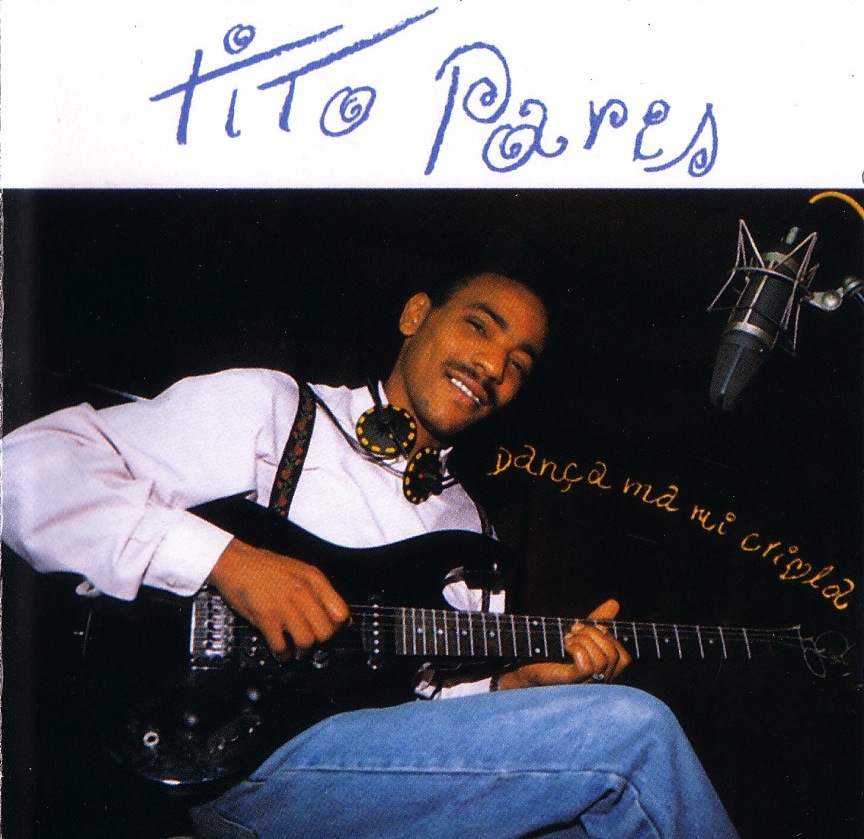
| 1994 | Dança Ma Mi Criola, album that revealed him to the general public |
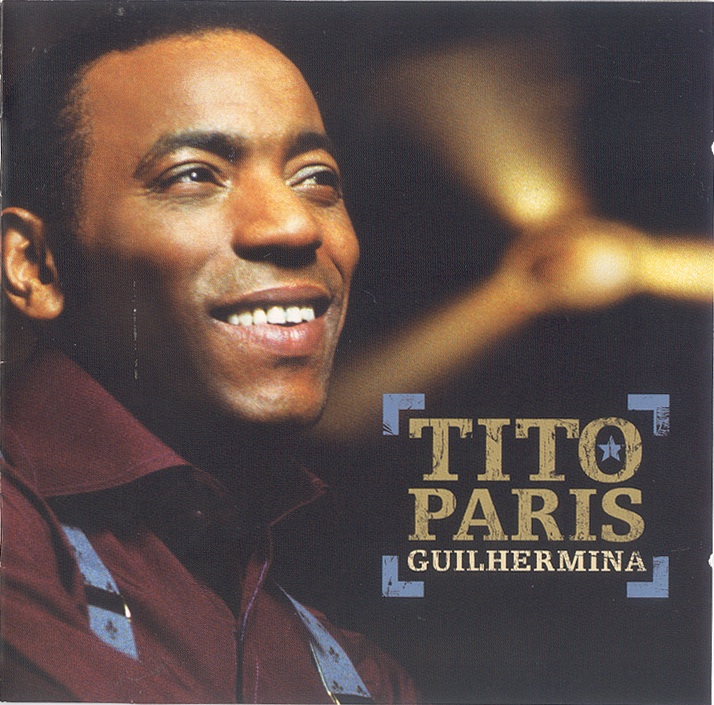
| 2002 | Release of Guilhermina, a vocal and stylistic turning point |
| 2012 | 30 years of career: concert at Lisbon’s Coliseum, orchestra in Rotterdam, photobiography |
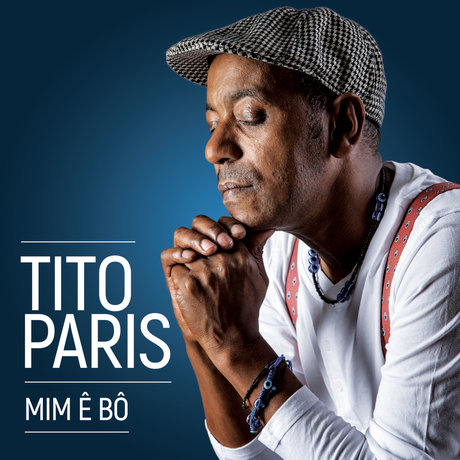
| 2017 | Decorated Commander of the Order of Merit; release of Mim ê Bô |
From Small Mindelo to the Lisbon Stage
Tito Paris was born into a household where almost every member plays an instrument. His older sister taught him his first chords, and he joined the group Seis Jovens Unidos very early. As an adolescent, he already played in Mindelo bars: “They used me as bait because I was so small, and when I took the guitar, people were left speechless.” His cousin Bau, soon famous himself, shared his first steps. Master clarinetists — Luis Morais, Valdemar Lopes da Serra, and pianist Chico Serra — marked his apprenticeship.
At nineteen, a letter arrived from Lisbon. Bana, the morna legend, invited him to join his band. The misunderstanding was comical: they thought he was a drummer, and Tito had never held one. A bassist left the group, and it was on the bass that he plunged in. The experience became a musical forge. In four years with Voz de Cabo Verde, he absorbed rhythms, arrangements, and studio secrets. When Dany Silva pushed him to launch: “I’m tired of you having your own group.” He formed a band, performed at the Ritz Club, Pilon, then B.Léza — that legendary venue whose name Tito Paris himself might have imagined.
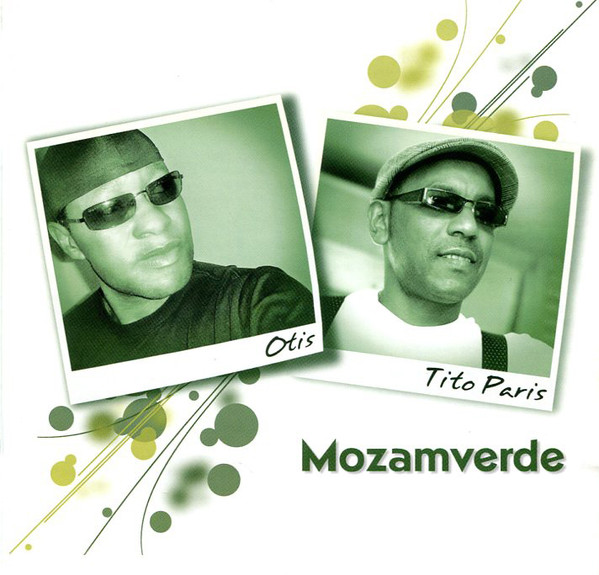
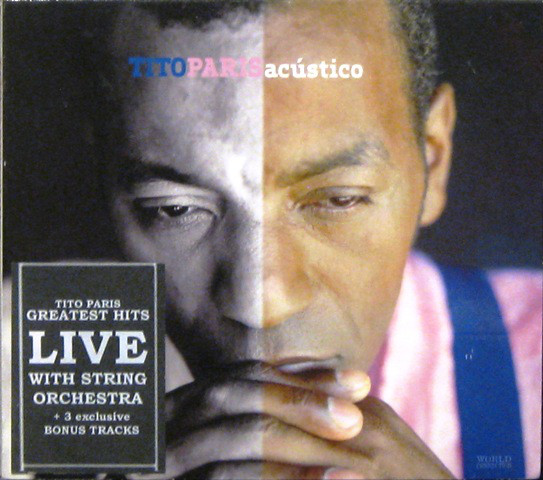
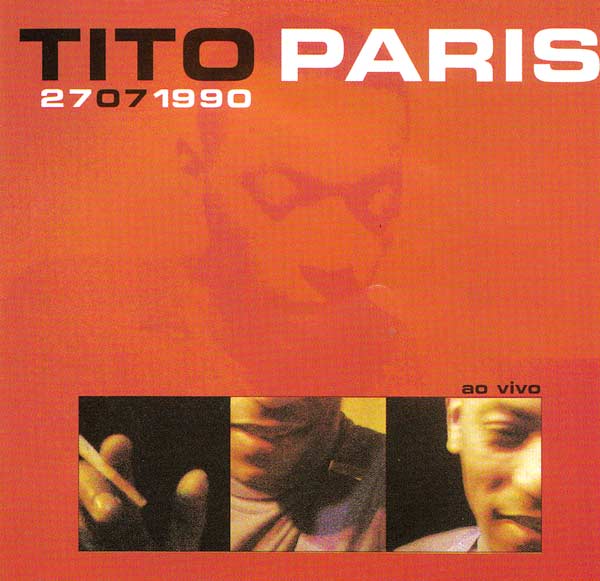
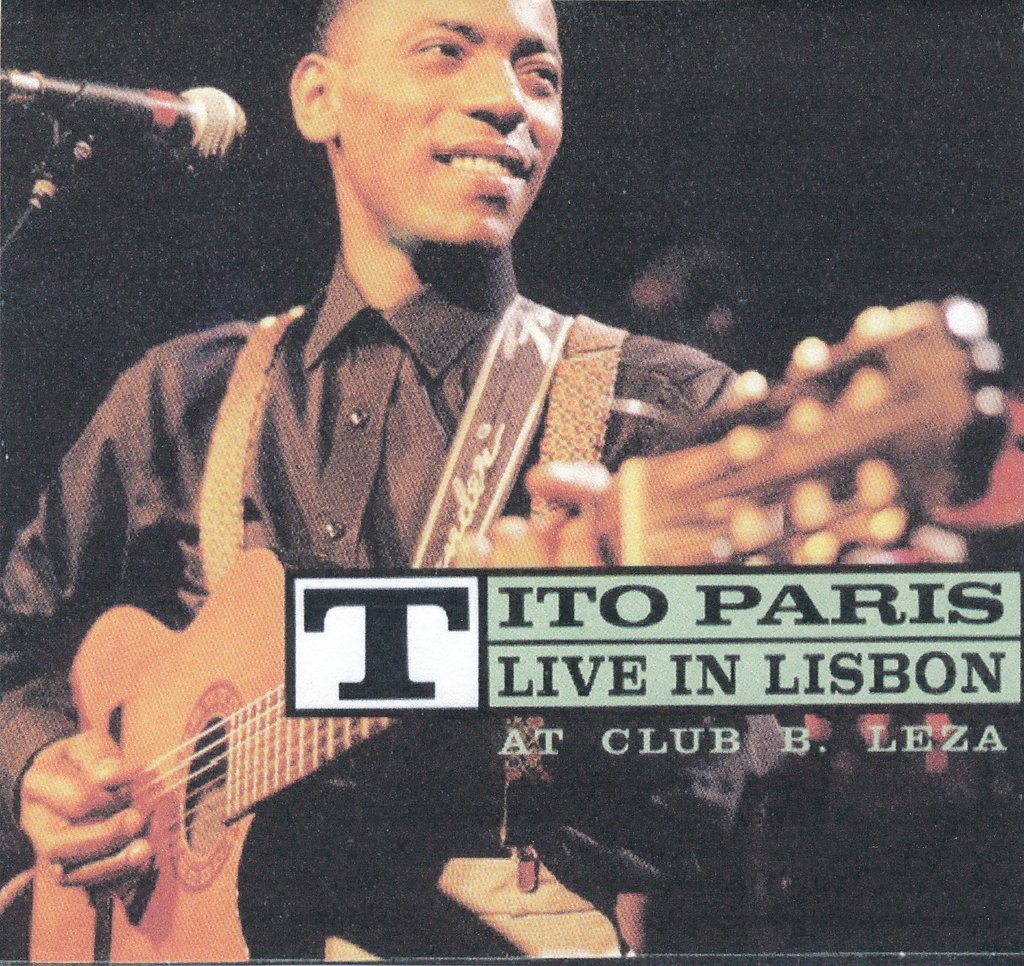
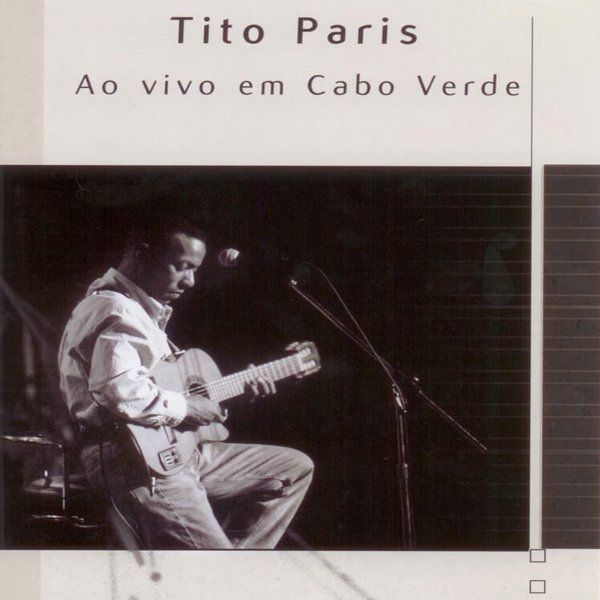
His first album, Fidjo Maguado (1987), is a pure instrumental jewel where Tito plays all instruments. His first recorded composition, “Regresso” (written in 1983), was engraved by Cesária Évora on her first album; Tito would later reprise it. It is with Dança Ma Mi Criola (1994), published by Boston’s MB Records label, that the composer and singer’s career truly took off: the title song became his most requested piece in concerts. He mixes koladera and morna with modern arrangements. Followed by Graça de Tchega (1996), two live albums (Ao vivo no B.Léza, 1998; Ao Vivo 27.07.1990), then Guilhermina (2002), where his voice becomes more present. In the 2000s, he pushed further his intercultural bridge approach: Acústico (2004) and Mozamverde cross Cabo Verdean, Angolan, Mozambican, and Brazilian influences. In 2017, he published Mim ê Bô, fifth studio album after fifteen years of waiting — concerts took precedence over the studio — which reunites Bana (posthumous reprise), Boss AC, and Brazilian Zeca Baleiro.
Institutional Recognition
In 2012, his thirty years of career were marked by a concert at Lisbon’s Coliseum and a recital in Rotterdam with the Netherlands’ Orchestre Métropolitain, accompanied by the publication of the photobiography Tito Paris — Alma de artista. The same month, Marcelo Rebelo de Sousa appointed him Commander of the Order of Merit. In an interview with Observador, he reacted: “I felt even more responsibility, because I am now a commander in a country where I was not born but that I also feel as my own.” The Cape Verdean government distinguished him by granting a diplomatic passport in the capacity of ambassador for Cape Verde’s music.
Major Works
| Work | Year | Why It Is Essential |
|---|---|---|
| Fidjo Maguado | 1987 | Showcase of poly-instrumental virtuosity |
| Dança Ma Mi Criola | 1994 | First success; concert hymn |
| Guilhermina | 2002 | Vocal turning point: his voice becomes main instrument |
| Mozamverde | 2007 | Cabo Verdean-Mozambican fusion |
| Mim ê Bô | 2017 | Return to studio after 15 years; Bana, Boss AC, Zeca Baleiro |
Legacy
Tito Paris is one of the few diaspora artists to accumulate a diplomatic passport and institutional recognition in Portugal and Cape Verde. His music, between tradition and openness, influenced a generation of musicians who continue to travel the sound of Morabeza’s islands. He also contributed to building a living cultural network — restaurant-stages like Casa da Morna in Lisbon and Mindelo — where Cabo Verdean music remains a rallying point.
Sources and References
- “Tito Paris”, Wikipedia (Portuguese), https://pt.wikipedia.org/wiki/Tito_Paris, accessed October 23, 2026.
- “Tito Paris”, Wikipedia (English), https://en.wikipedia.org/wiki/Tito_Paris, accessed October 23, 2026.
- “Tito Paris – Cabo Verde & a Música – Museu Virtual”, https://www.caboverdeamusica.online/tito-paris/, accessed October 23, 2026.
- « Tito Paris — Biography », AllMusic, https://www.allmusic.com/artist/tito-paris-mn0000608395, accessed 23 October 2026.
- « Tito Paris assinala 40 anos de carreira », RTP Antena 1, https://antena1.rtp.pt/apoios/tito-paris-assinala-40-anos-de-carreira/, accessed 23 October 2026.
- Tito Paris, « Gostava de ver uma bandeira da lusofonia », Observador, https://observador.pt/2017/07/02/tito-paris-gostava-de-ver-uma-bandeira-da-lusofonia/, accessed 23 October 2026.
- « Sobre Tito Paris », Lusafrica, https://www.lusafrica.com/en/our-artists/tito-paris, accessed 23 October 2026.
- « Cidadãos Nacionais Agraciados com Ordens Portuguesas », Presidência da República Portuguesa, http://www.ordens.presidencia.pt/?idc=153, accessed 23 October 2026.