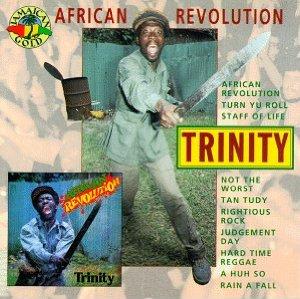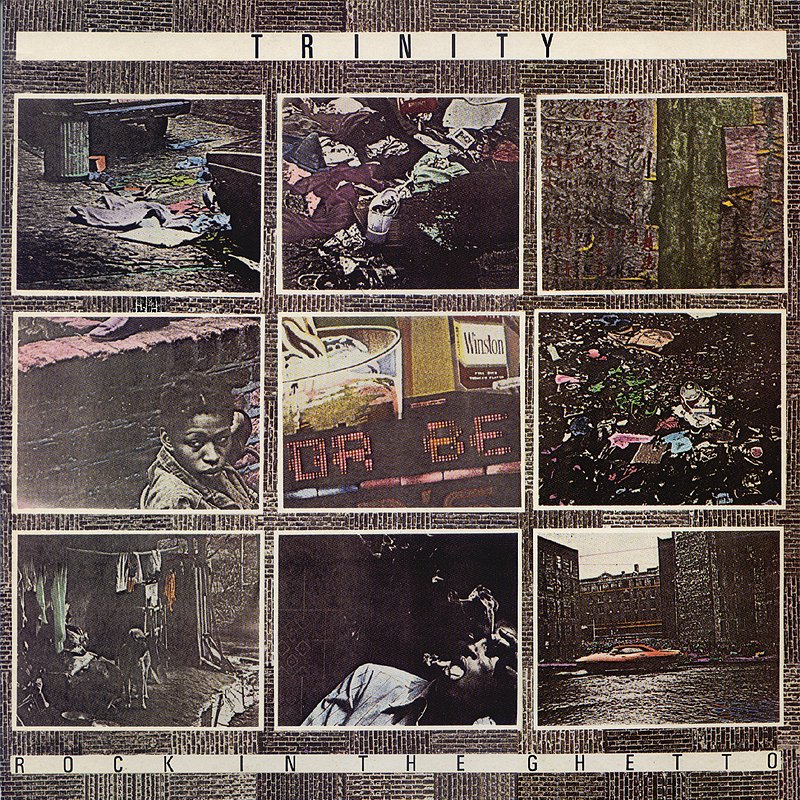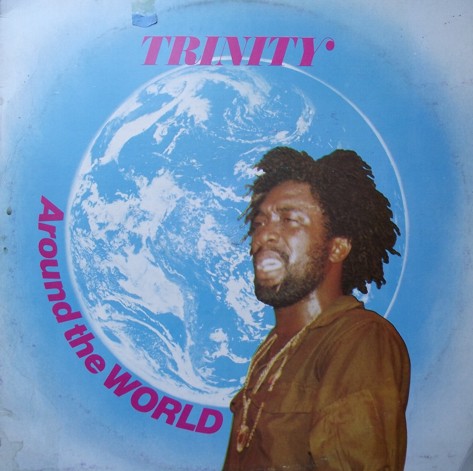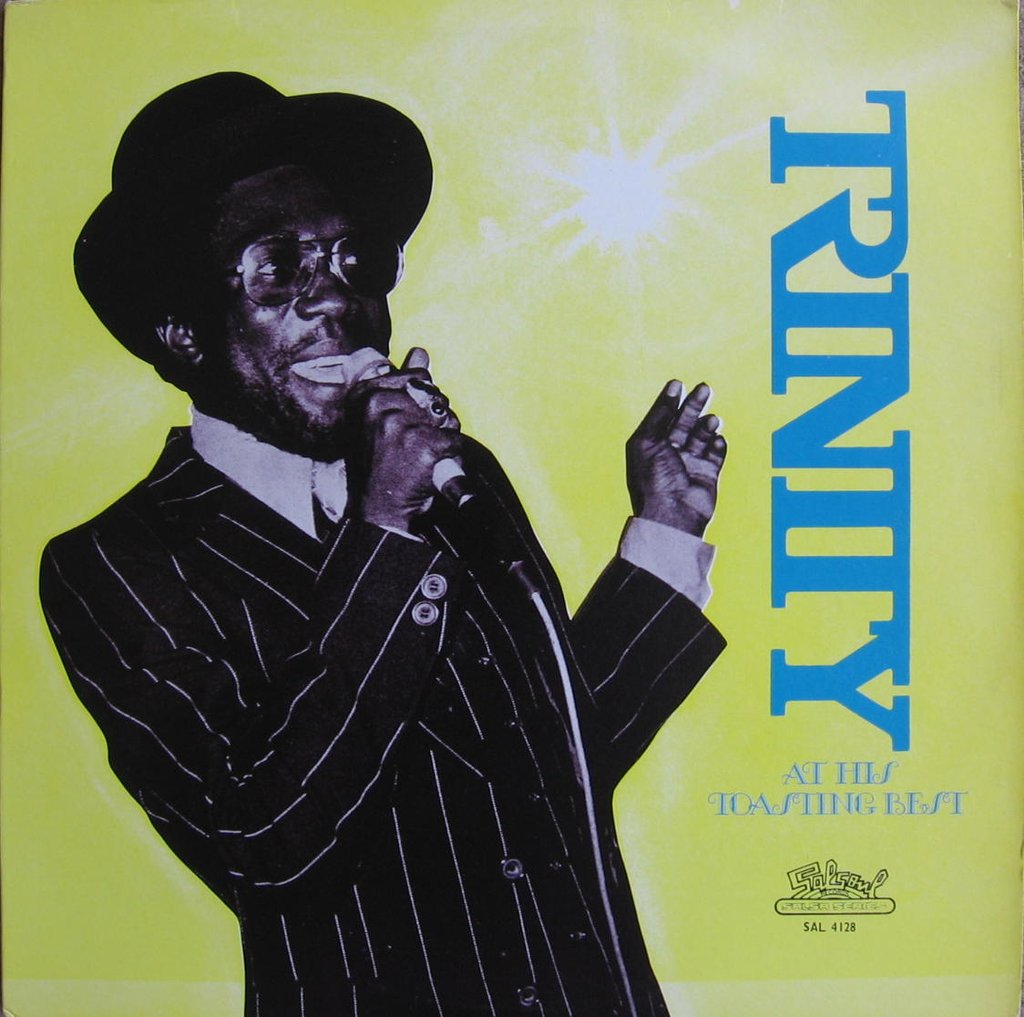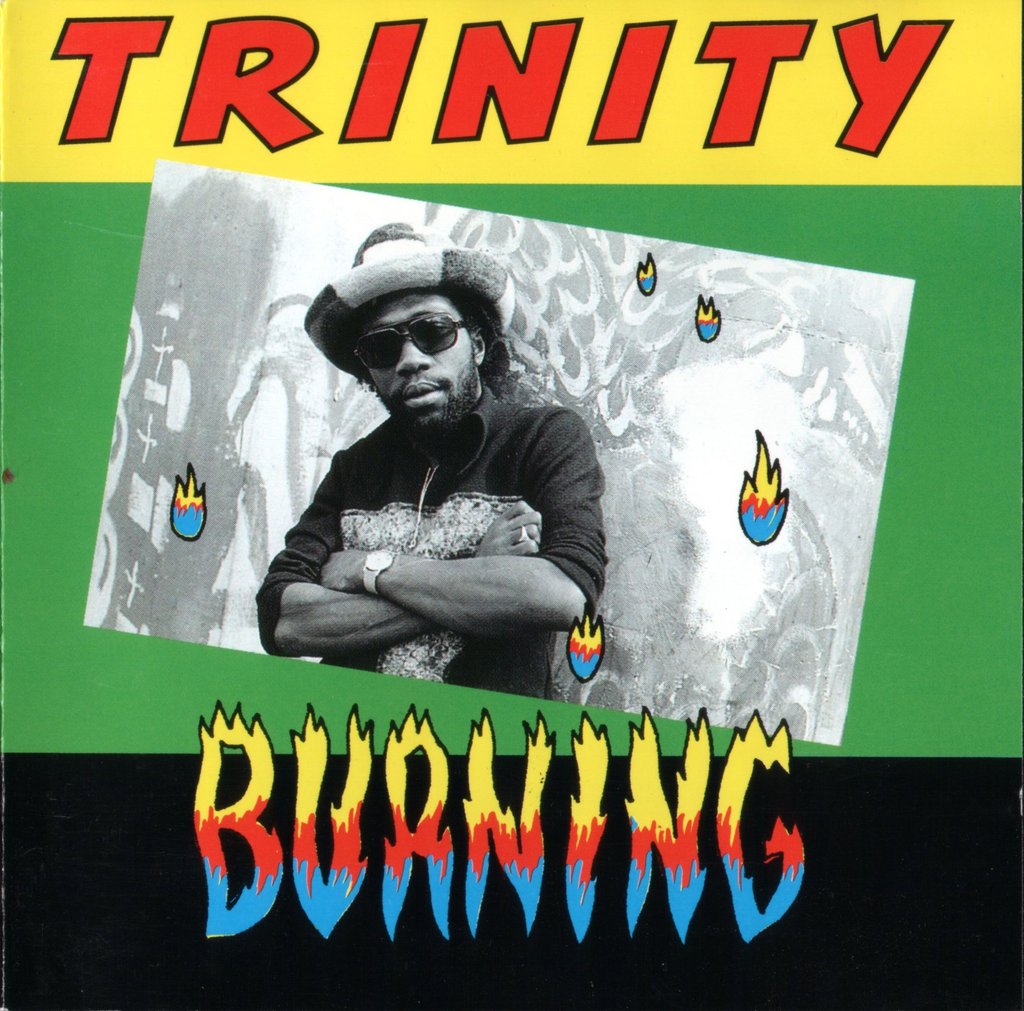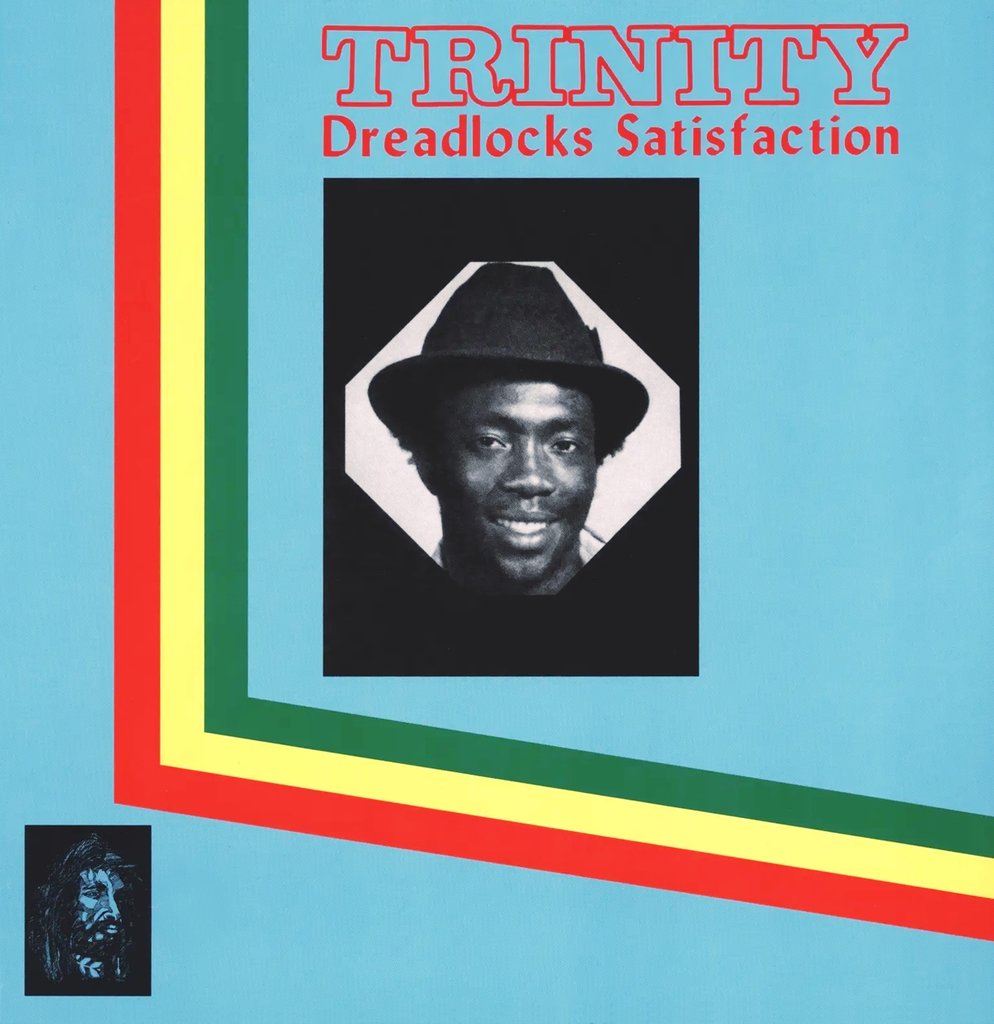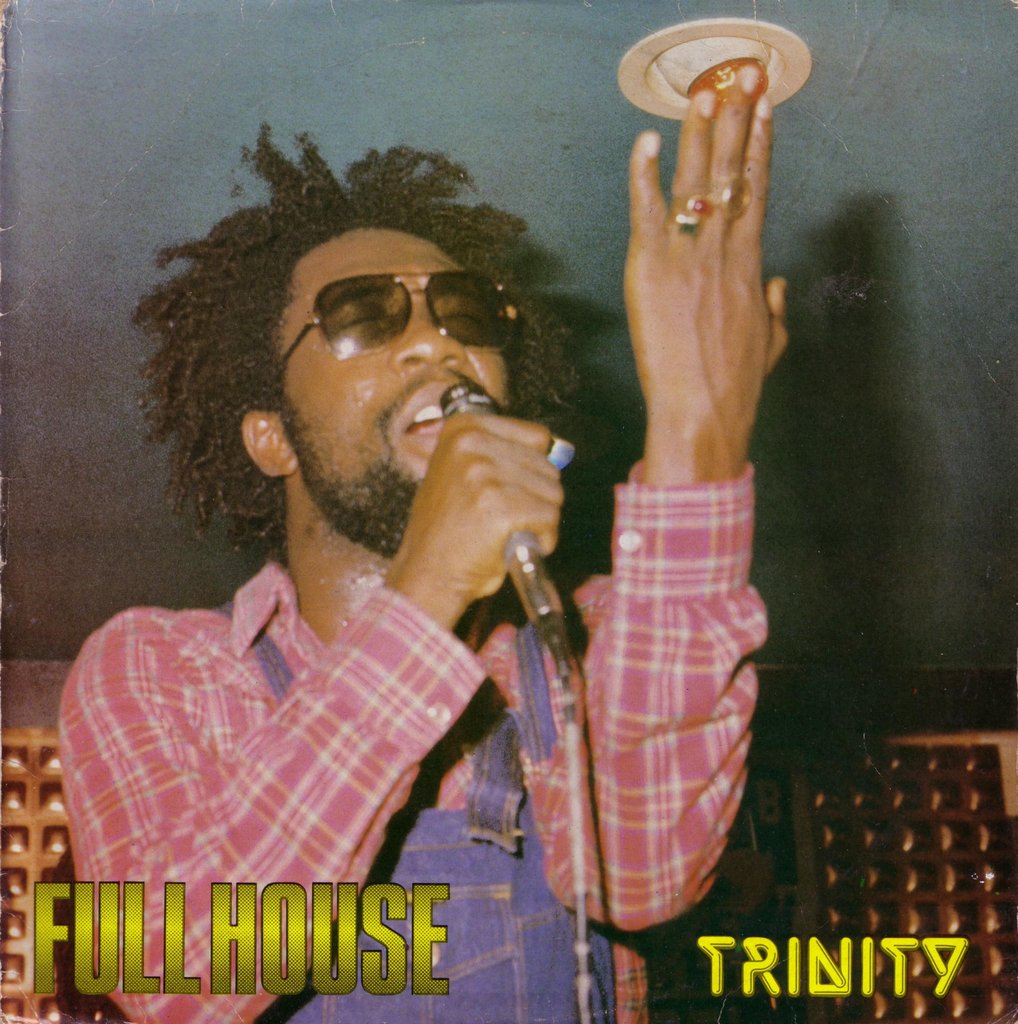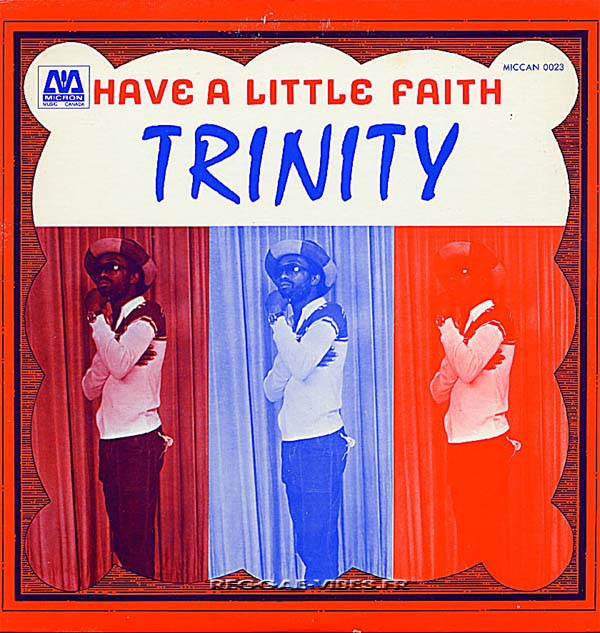
Biography
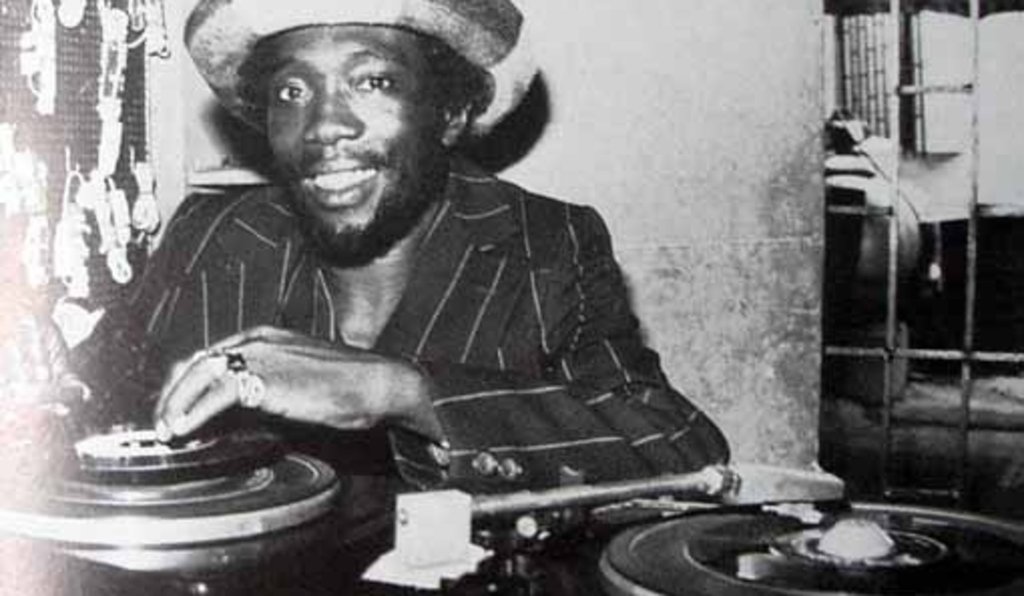
Trinity, the deejay who gave birth to dancehall
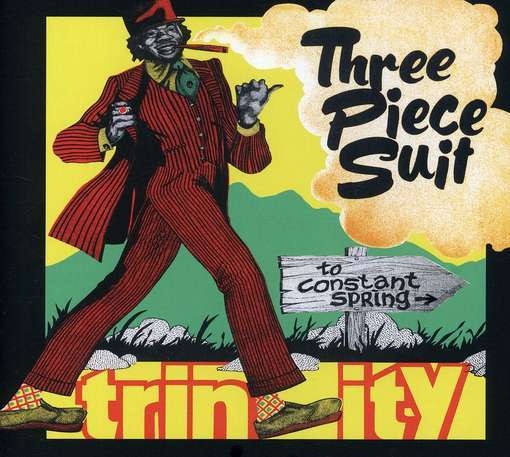
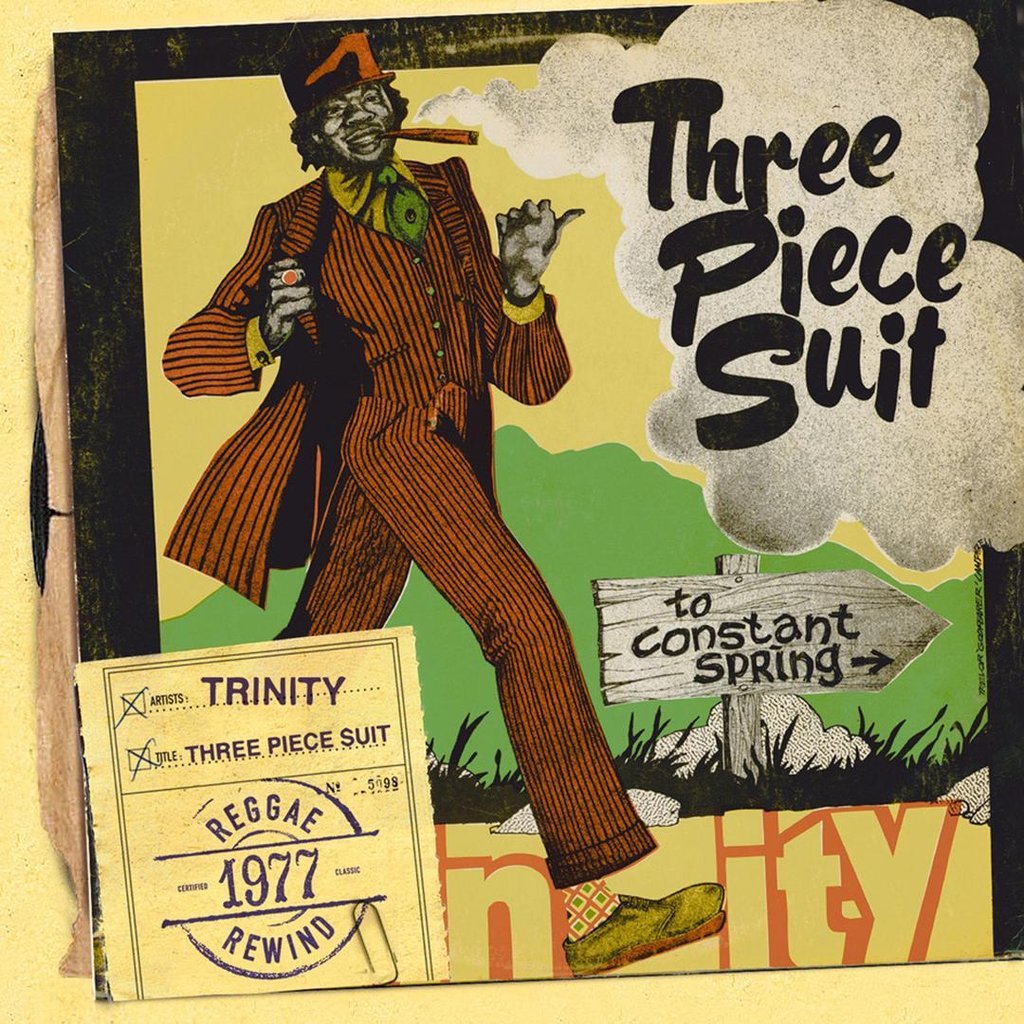
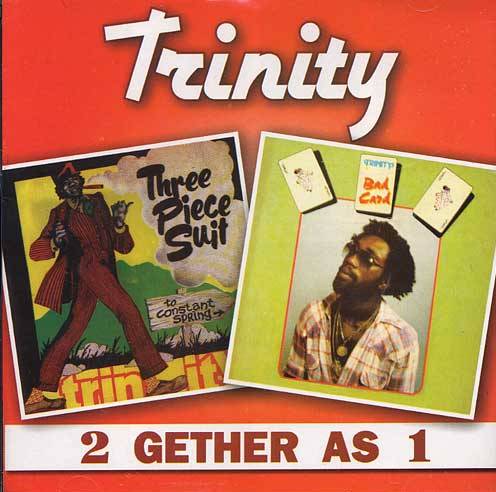
With the release of Three Piece Suit in 1977, a young Jamaican deejay burst onto the vibrant riddim of Alton Ellis and launched “Three Piece Suit!” The delirious audience of Kingston responded with shouts. Far from the dominant roots culturalism, the lyrics celebrate the three-piece suit, money, and seduction—a stylistic turning point that would open the door to a new era. This song, produced by Joe Gibbs and signed by Trinity, is considered by many to be the first true dancehall hit.
In Brief
| Full Name | Wade Brammer |
| Stage Name | Trinity (also Junior Brammer for his vocal albums) |
| Birth | February 10, 1954, Kingston (Jamaica) |
| Death | April 9, 2021, Saint Andrew Parish (Jamaica) |
| Genre | Reggae / dancehall — deejay (toaster) |
| Notable Works | Three Piece Suit, “Uptown Top Ranking” (riddim), Shanty Town Determination |
| Awards | One of the most prolific deejays of late 1970s reggae; Three Piece Suit considered the first dancehall hit |
Key Dates
| Year | Event |
|---|---|
| 1954 | Birth of Wade Brammer in Kingston, Jubilee Hospital. Educated at Alpha Boys School. |
| 1976 | Baptism of the name Trinity by Jo-Jo Hookim (Channel One). First hit: “Set Up Yourself”. |
| 1976 | Collaboration with Dillinger on the single “Crank Face” and the album Clash (Clem Bushay). |
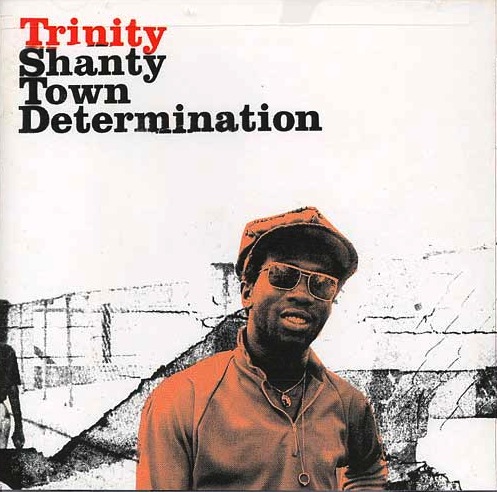
| 1976 | Release of the album Shanty Town Determination (Yabby You). |
| 1977 | “Three Piece Suit”: the hit that marks the birth of dancehall. More than 20 singles that year. |
| 1978 | One Love Peace concert at the National Stadium in Kingston. Albums Three Piece Chicken and Chips and Showcase. |
| 1979-80 | Duets with Dennis Brown (“Funny Feeling”) and Barrington Levy (“Lose Respect”, “I Need a Girl”). Launch of the Flag Man label. |
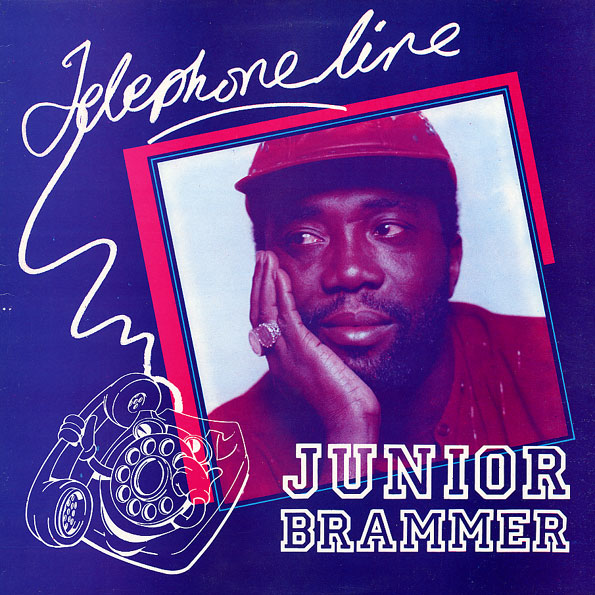
| 1987 | Transition to singing under the name Junior Brammer: Telephone Line, Hold Your Corner. |
| 2021 | Death at the National Chest Hospital in Saint Andrew, from complications of diabetes. |
Origins: Alpha Boys School and Rapid Rise
Born on February 10, 1954, at Jubilee Hospital in Kingston, Wade Brammer grew up in the neighborhoods of Maverley Avenue and Oakland Road. A scholarship student at Alpha Boys School—a talent incubator that saw King Tubby, Earl “Chino” Smith, and many others bloom—he developed a keen musical ear very early on. After dropping out of school to pursue plumbing training, music eventually took precedence. He began touring Kingston’s sound systems under the name Prince Glen, then Dub Mouth—a nickname due to his ability to mimic voices on bar juke-boxes.
It was Dillinger, his mentor and close friend, who opened the door to Channel One in the early 1970s. There, Jo-Jo Hookim suggested the name Trinity, a biblical reference and a nod to the spaghetti western style so beloved by Kingston’s youth. In 1976, recordings poured out: “Set Up Yourself”, “All Gone”, and “School Days” for Channel One, followed by “Words of the Prophet” with Yabby You. The militant style of the Revolutionaries (Joe Gibbs’ studio) gave Trinity a changing flow: he transposed the culturalist heritage of Big Youth onto more “rocker’s” rhythms—a sound ahead of its time.
1977 was Trinity’s year. The deejay recorded more than twenty singles for as varied a group of producers as Winston Riley, Tommy Cowan, Yabby You, and Joe Gibbs. “Three Meals a Day”, “Pomps & Pride”, and especially “Three Piece Suit” triumphed in Jamaica. The latter, produced by Joe Gibbs on Marcia Aitken’s riddim (which covered Alton Ellis’s voice on “I’m Still in Love with You”), was a shock: the lyrics praised branded clothing, money, and seduction—themes previously reserved for the backrooms.
In an interview with ReggaeVille, Trinity recounted: “It was like at a dance. Back then, we all wore three-pieces. I saw a guy at the dance with a three-piece suit and a big girl—and I thought ‘I can make a song about that’.” He never tested it in public for fear other deejays would steal it: “I went secretly where Dillinger was recording for Joe Gibbs, and I found Errol Thompson.” The result exploded sales, to the point where the pressing was torn in two.
Pivot, Decline, and Revival
At the turn of the 1980s, Jamaican public tastes began to change. Trinity’s style saw a commercial decline, but the artist did not throw in the towel. He turned to singing under the name Junior Brammer, publishing Telephone Line and Hold Your Corner in 1987. He continued to produce, launching his own Flag Man label and mentoring artists like Natty King and Luciano.
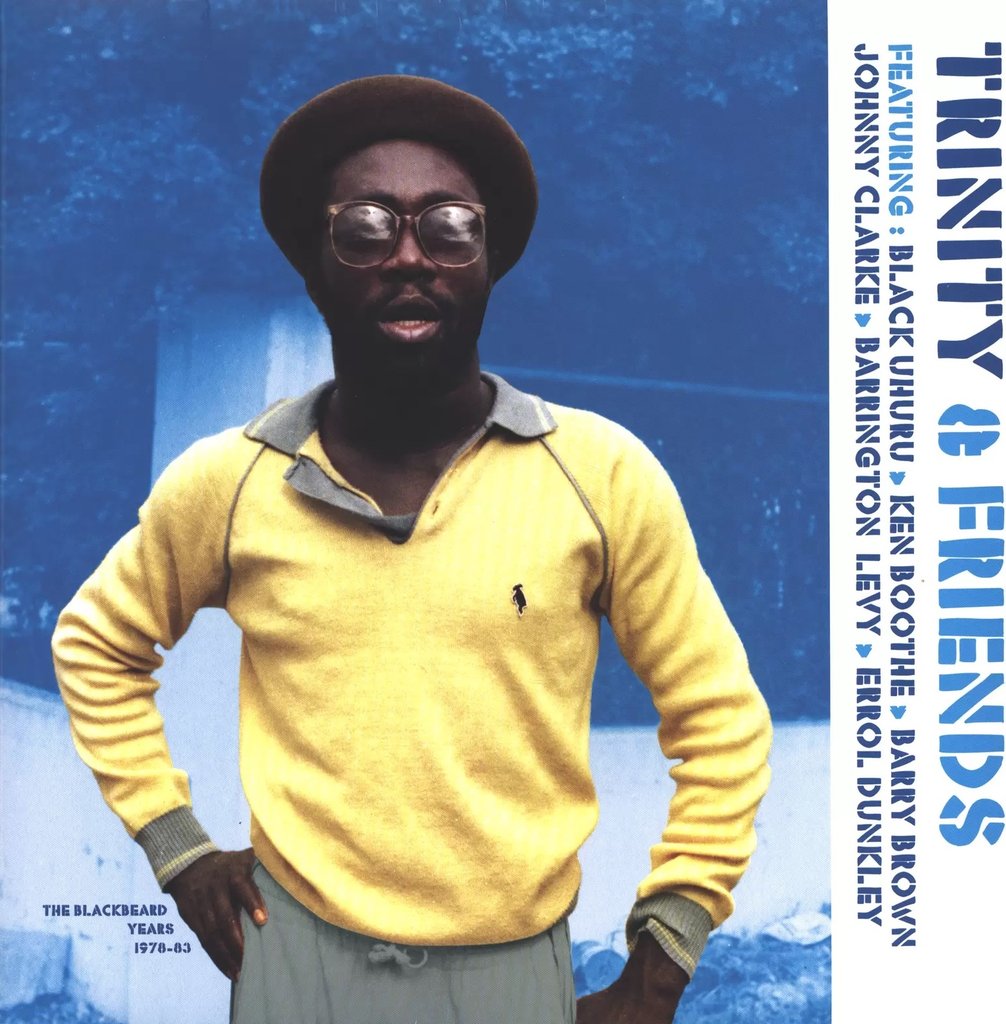
Even in retreat, he remained active on the revival scene. In 2014, he performed at Reggae SunDance in Belgium and recounted: “I always believed Jah chose me for this… Dillinger really introduced me to the profession, we sparred regularly.” In 2020, he released the album Trinity & Friends produced by Rodguel “Blackbeard” Sinclair, alongside Barrington Levy, Ken Boothe, and Johnny Clarke—a sort of anticipated posthumous tribute.
Major Works
| Work | Year | Why It’s Essential |
|---|---|---|
| “Three Piece Suit” (single) | 1977 | First dancehall hit: materialist theme, fast flow, iconic Alton Ellis riddim |
| Three Piece Suit (LP) | 1977 | Full album with Joe Gibbs; “Judgment Time” and collaborations with Ruddy Thomas |
| Shanty Town Determination | 1976 | Debut album; reissued by Blood & Fire in 2000 with disco mixes |
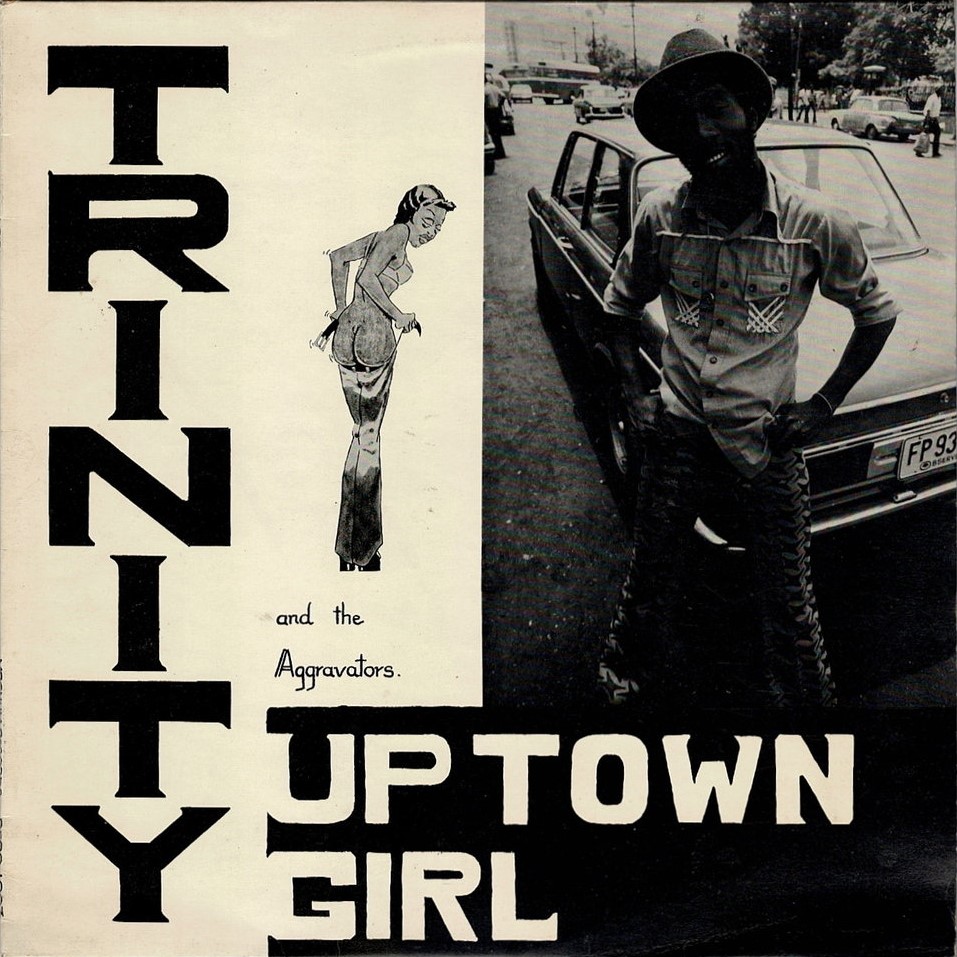
| Uptown Girl (album) | 1977 | Produced by Bunny Lee; title track from the eponymous song |
Heritage and Influence
Trinity is one of the pivotal voices between roots culturalism and the dancehall revolution. His fast-paced and humorous style paved the way for subsequent deejays — Yellowman, Eek-A-Mouse, and Toyan all cited Trinity as a model. “Three Piece Suit” proved that a deejay could inspire an international pop hit (Althea & Donna), shifting the reggae hierarchy toward lighter themes. His longevity — three decades of activity as a deejay, singer, and producer — makes him a figure of resilience for a generation that witnessed reggae move from the studio to the dancehalls. In April 2021, his death caused an uproar within the global reggae community: tributes poured in, reminding us that he embodied the golden era of Jamaican reggae.
Sources and References
- « Trinity (musician) », Wikipedia, https://en.wikipedia.org/wiki/Trinity_(musician), accessed November 7, 2026.
- « Trinity », World of Jamaican Music (worldofjamaicanmusic.com), https://worldofjamaicanmusic.com/trinity, accessed November 7, 2026.
- « Trinity Biography », AllMusic, https://www.allmusic.com/artist/trinity-mn0000024166, accessed November 7, 2026.
- « Reggae Deejay Trinity, Of ‘Three Piece Suit’ Fame, Dead At 67 », DancehallMag, https://dancehallmag.com/2021/04/09/news/reggae-deejay-trinity-of-three-piece-suit-fame-dead-at-67.html, accessed November 7, 2026.
- « Trinity — Profile », The Reggae Museum, https://thereggaemuseum.com/musician/trinity, accessed November 7, 2026.
- « Trinity — Interview », ReggaeVille, https://reggaeville.com/artist-details/trinity/news/view/interview-with-trinity-natural-chanter, accessed November 7, 2026.
- Steve Barrow & Peter Dalton, « Trinity », The Rough Guide to Reggae, 3rd ed., Rough Guides, 2004.