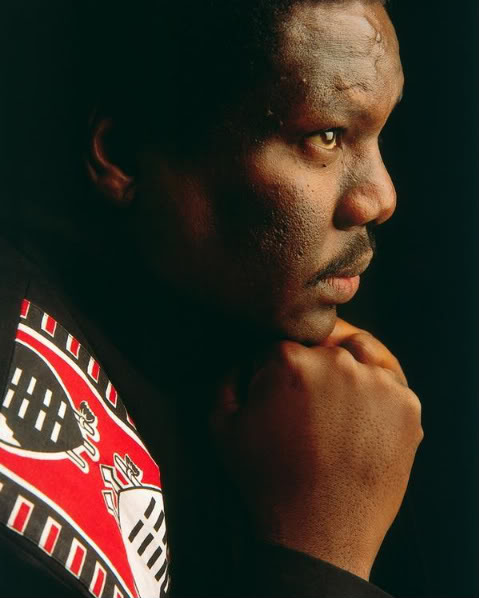
Biography
Vusi Mahlasela: The Voice of a Reconciling Africa
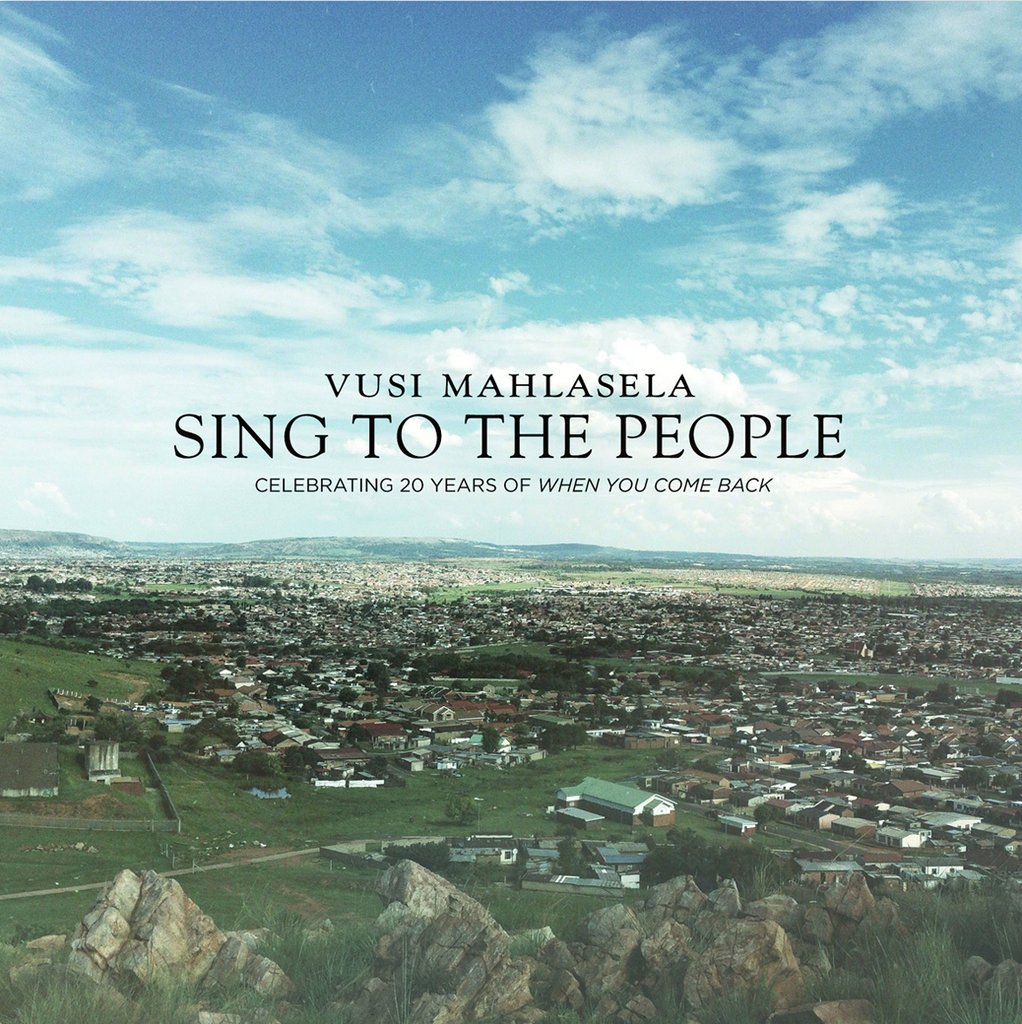
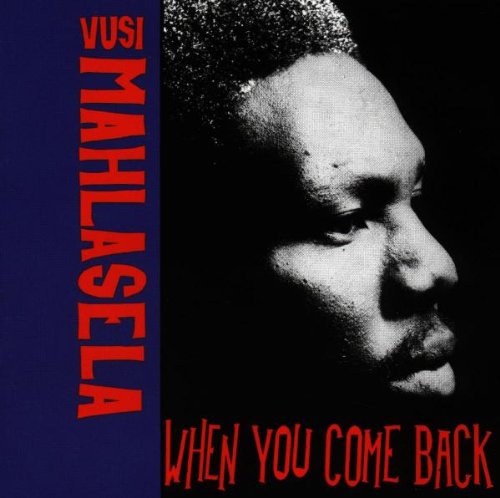
In 1992, a South African released an album dedicated to compatriots exiled by the apartheid regime. Its title, “When You Come Back,” is a dream of return: the bells will ring when you come home. The album instantly became a classic on the continent, then a reference text for all those who had to leave their country for political reasons. Its author, then unknown outside South Africa, would build an entire career on this promise of return, forgiveness, and resilience.
In Brief
| Full Name | Vusi Sidney Mahlasela Ka Zwane |
| Birth | 1965, Lady Selbourne, Pretoria, South Africa |
| Origin | Zulu |
| Genre | African folk, worldbeat, South African pop |
| Instruments | Vocals, acoustic guitar |
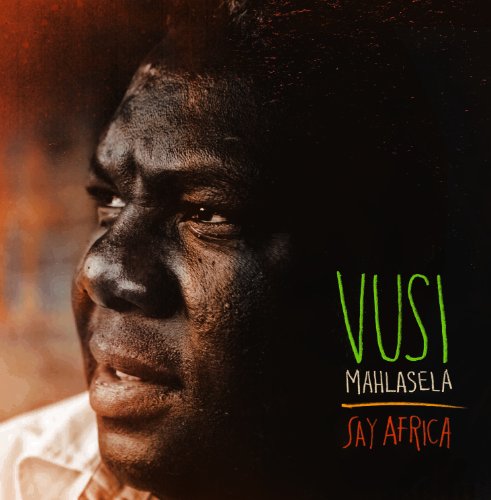
| Notable Works | “When You Come Back”, “Silang Mabele”, “Say Africa” |
| Awards | SAMA Lifetime Achievement (2012), Order of Ikhamanga (2012) |
Key Dates
| Year | Event |
|---|---|
| 1965 | Born in Lady Selbourne, Pretoria; raised by his grandmother Ida in Mamelodi |
| 1981 | Joined the poetry group Ancestors of Africa (on the apartheid blacklist) |
| 1988 | Membership in the Congress of South African Writers |
| 1990 | First performance in London; more famous in Europe than in South Africa |
| 1992 | Release of When You Come Back, album dedicated to political exiles |
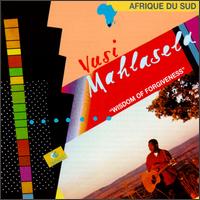
| 1994 | Release of Wisdom of Forgiveness; performance at Nelson Mandela’s inauguration |
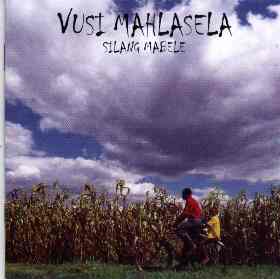
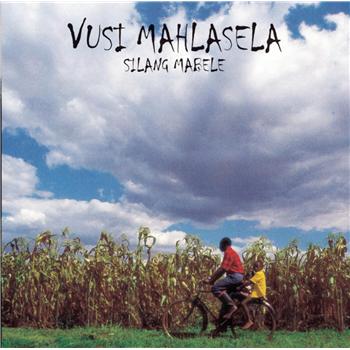
| 1997 | Silang Mabele, album focused on building a new South Africa |
| 2002 | Participation in the documentary Amandla! A Revolution in Four-Part Harmony |
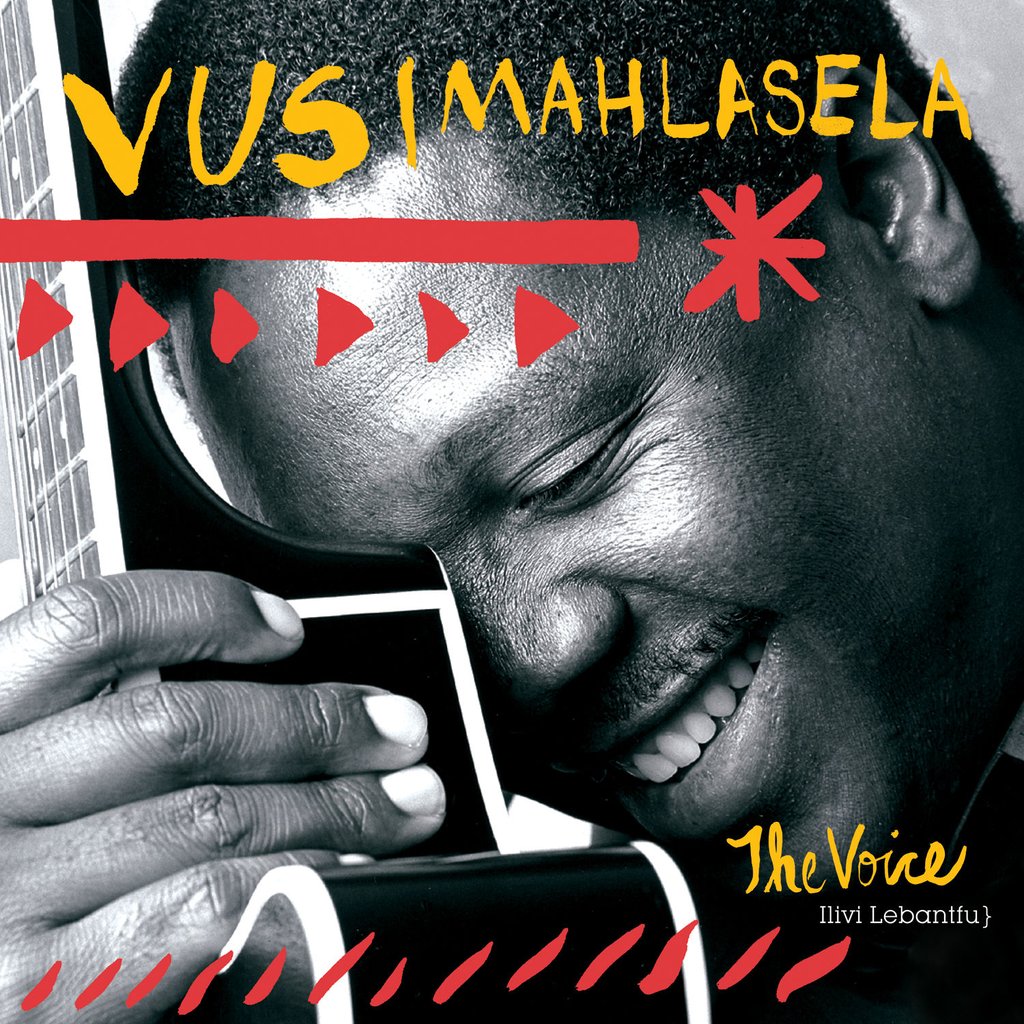
| 2003 | Signing with ATO Records (Dave Matthews); compilation The Voice in the United States |
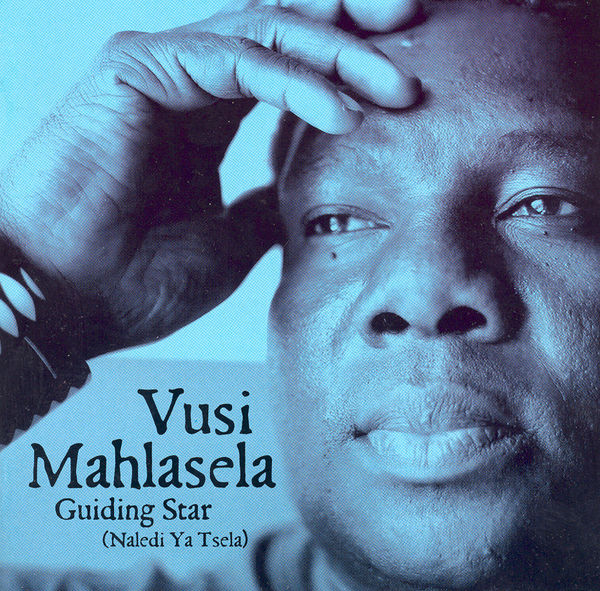
| 2007 | Naledi Ya Tsela / Guiding Star; Best Male Artist award at the SAMA |
| 2010 | Opening concert for the FIFA World Cup in Soweto; “When You Come Back” becomes ITV theme |
| 2012 | South African Music Awards Honorary Award; Silver Order of Ikhamanga |
| 2023 | Release of Umoya (Embracing the Human Spirit), eighth studio album |
A Life Dedicated to Voice and Reconciliation
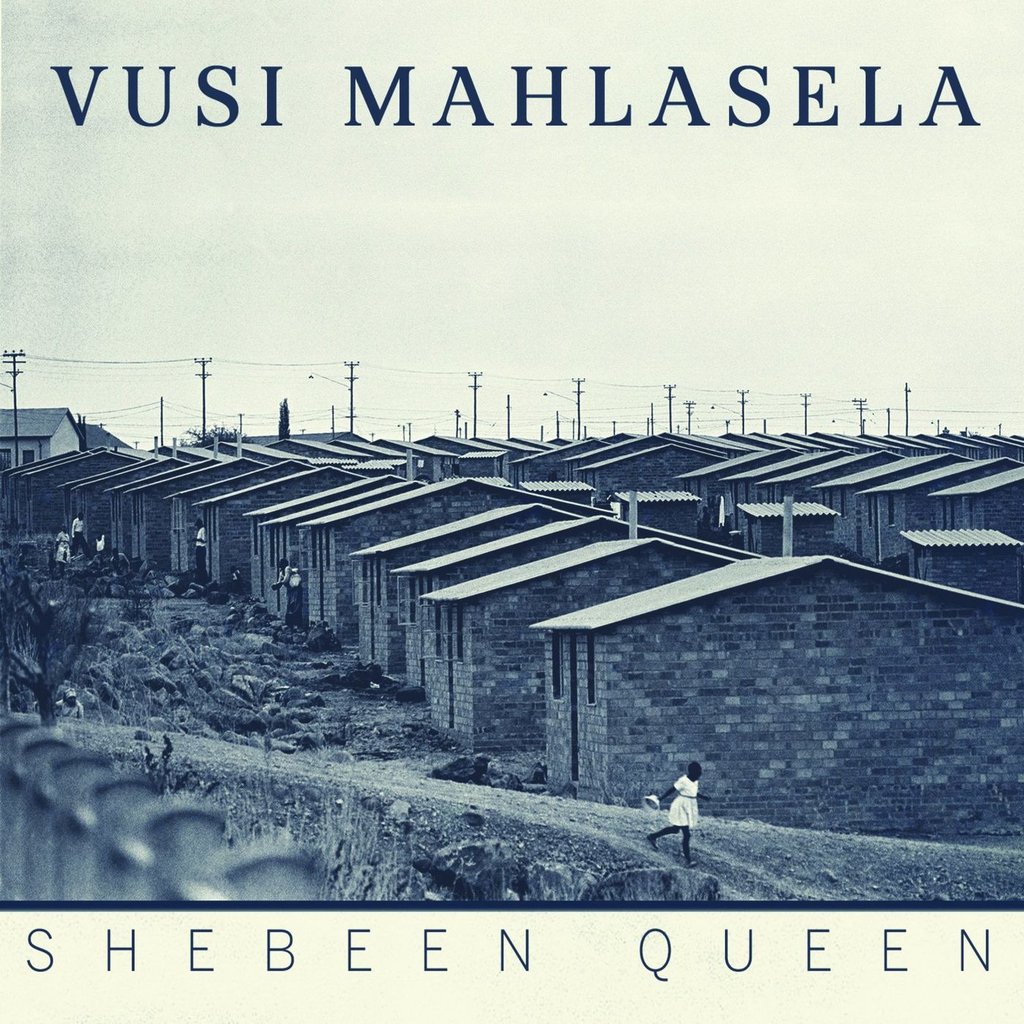
Vusi Mahlasela grew up in the Mamelodi township near Pretoria, raised by his grandmother Ida, who ran a shebeen—a clandestine township café where music and words circulated like alcohol. “Music was in my grandmother’s kitchen,” he would say. As a teenager, he built his first instrument from an oil can and fishing line, then taught himself guitar by ear, listening to Victor Jara—the Chilean singer assassinated by the Pinochet regime, whom Mahlasela cites as his strongest influence. His early lyrics denounced the condition of migrant workers and segregation; in 1981, he joined Ancestors of Africa, a political poetry group placed under police surveillance, and endured arrest and isolation. In 1988, he joined the Congress of South African Writers, a step he describes as his artistic maturation.
It was in London, in 1990, that the public discovered his voice. The reception was so warm that his first album, When You Come Back (1992, BMG Africa/Label Bleu), achieved more success in Europe than in South Africa. Each track is a letter addressed to the exiles: it is a classic of South African folk music. Wisdom of Forgiveness (1994) took the same stance, one year before the end of apartheid—its title, “wisdom of forgiveness,” summarized the direction of the country. Mahlasela sang at Nelson Mandela’s inauguration that same year. He then alternated between tours and albums: Silang Mabele (1997), whose Zulu title means “hardworking,” launched a message of construction; Live at the Bassline (1999), a duo with Louis Mhlanga, was an acoustic barrage.
In 2002, the documentary Amandla! A Revolution in Four-Part Harmony explored the role of music in the struggle against apartheid and opened the doors to the United States. Dave Matthews, a global star and long-time admirer, signed Vusi to his label ATO Records. The Voice (2003) reached number 13 on the Billboard World Albums chart. Guiding Star (2007) earned him the SAMA for Best Male Artist. In 2010, he sang at the opening concert of the FIFA World Cup in Soweto, and “When You Come Back” became the ITV theme. Ambassador for the 46664 campaign against AIDS and founder of an educational foundation, he received in 2012 the SAMA Lifetime Achievement Award and the Silver Order of Ikhamanga for drawing attention to the injustices of apartheid. Nadine Gordimer, Nobel Prize in Literature, summarized it: “Vusi sings like a bird that answers simply by being alive. He is a national treasure.” (translated from English)
Major Works
| Work | Year | Why It’s Essential |
|---|---|---|
| When You Come Back | 1992 | Album dedicated to exiles; timeless classic of South African folk |
| Wisdom of Forgiveness | 1994 | Symbol of post-apartheid forgiveness |
| Silang Mabele | 1997 | “Hardworking”: pivot toward building the new country |
| The Voice (compilation) | 2003 | Gateway to international success on ATO Records |
| Guiding Star | 2007 | Confirmation of status as musical ambassador; SAMA award |
Heritage and influence
Vusi Mahlasela paved the way for an entire generation of South African musicians who, like him, understood that popular music could be a social mirror and an intercultural bridge. His association with Dave Matthews allowed ATO Records to distribute The Voice and several albums in the United States, while the Ikhamanga Order reminds us that his struggle became institutional. Young artists such as Abel Selaocoe cite Mahlasela as a reference, and his educational foundation perpetuates his commitment to the townships — heir to his grandmother’s shebeen, he always played so that children could sing in turn.
Sources and references
- “Vusi Mahlasela”, Wikipedia (French version), https://fr.wikipedia.org/wiki/Vusi_Mahlasela, accessed November 3, 2026.
- “Vusi Mahlasela”, Wikipedia (English), https://en.wikipedia.org/wiki/Vusi_Mahlasela, accessed November 3, 2026.
- “Vusi Mahlasela Bio”, Official Vusi Mahlasela Website, https://www.vusimahlasela.com/bio, accessed November 3, 2026.
- “Vusi Mahlasela — Full Biography”, AllMusic, https://www.allmusic.com/artist/vusi-mahlasela-mn0000187058, accessed November 3, 2026.
- “Vusi Mahlasela”, Red Light Management, https://redlightmanagement.com/artists/vusi-mahlasela/, accessed November 3, 2026.
- “Vusi Mahlasela’s Musical Journey”, NPR, https://www.npr.org/2003/09/20/1436672/vusi-mahlaselas-musical-journey, accessed November 3, 2026.
- “Vusi Mahlasela Discography”, Discogs, https://www.discogs.com/artist/375747-Vusi-Mahlasela, accessed November 3, 2026.
- “Vusi Mahlasela: The Voice of South Africa’s Freedom”, Washington Times, https://www.washingtontimes.com/news/2004/jan/7/20040107-095435-4434r/, accessed November 3, 2026.