Biography
Wenge Musica
In July 1981, some childhood friends of Bandalungwa, a popular neighborhood in Kinshasa, renamed their amateur orchestra Celio Stars to Wenge Musica. Twenty-six years later, on June 30, 2022, more than 80,000 people invaded the Stade des Martyrs to attend the reconciliation concert of a group that popularized the Ndombolo dance on five continents and trained an entire generation of Congolese musicians.
In brief
| Group name | Wenge Musica BCBG 4×4 Tout Terrain |
| Origin | Kinshasa, Democratic Republic of the Congo (ex-Zaïre) |
| Genres | Soukous, Congolese rumba, Ndombolo |
| Active period | 1981 – 1997 (reunion in 2022) |
| Founding members | Didier Masela (bass), Werrason, JB Mpiana, Alain Makaba, Aimé Buanga |
| Signature works | “Mulolo”, Kin É Bougé, Pentagone |
| Labels | Bisel, Mabisa, SonoDisc, SIPE Simon Music |
Key dates
| Year | Event |
|---|---|
| 1979 | Creation of the amateur group Celio Stars in Bandalungwa, Kinshasa |
| 1981 | Name change to Wenge Musica; JB Mpiana joined in 1982 |
| 1988 | First album, Bouger !! Bouger !! Makinzu !!!; national success with “Mulolo” |
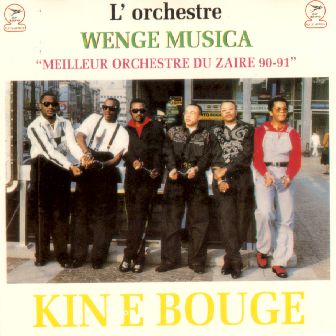
| 1991 | Kin É Bougé recorded in Brussels; the group dominated the Zairian scene |
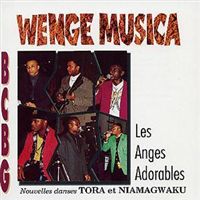
| 1993–94 | Albums Kala-Yi-Boeing and double album Les Anges Adorables; consecration |
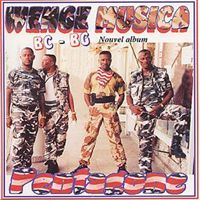
| 1996 | Last studio album, Pentagone; worldwide popularization of Ndombolo |
| 1997 | Split into Wenge BCBG (JB Mpiana) and Wenge Musica Maison Mère (Werrason) |
| 2022 | Historic reconciliation and concert of 80,000 people at Stade des Martyrs |
From soukous to Ndombolo: the rise and fragmentation of the clan
Wenge Musica was born on July 12, 1981, from the fusion of a small amateur group called Celio Stars, founded in 1979 by students from the Bandalungwa commune in Kinshasa. Among the founders: Didier Masela on bass, Werrason, and Aimé Buanga. Wenge comes from a local football team; Musica is inspired by the name of previous formations. In 1982, vocalist JB Mpiana joined the group with his friend Blaise Bula — this duo would become the backbone of the collective.
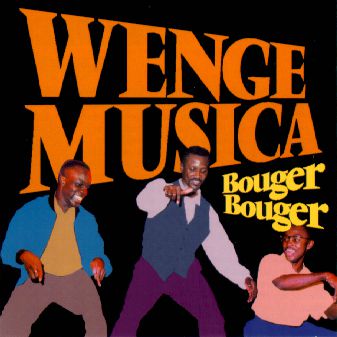
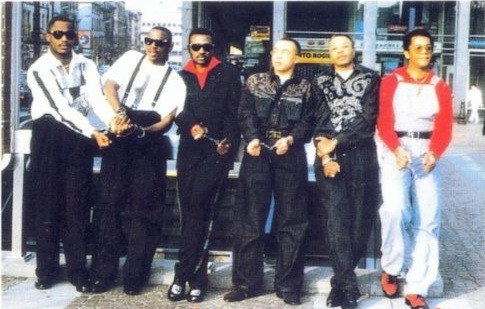
Their sound was inspired by the modern rhythms of King Kester Emeneya and soukous. The group defined itself as « Bon chic, bon genre » (BCBG) and embodied the movement La Sape, the Congolese sapeur who makes appearance an art of living. In 1987, after two years of arduous tours in Kinshasa venues (Moto Na Moto, Olympia), Wenge Musica recorded at Studio Bobongo their first album released by the Bisel label: Bouger !! Bouger !! Makinzu !!!. The album revealed tracks destined to mark Congolese music: “Mulolo” by JB Mpiana, “Amoi Nicky D” performed by Werrason with bass timbres, “La Fille de Roi”, “Bakolo Budget”, and “Fisol” by Alain Makaba. Kinshasa critics praised the alliance between electronic sounds and innovative rhythmic structures. The following year, the group was crowned best orchestra of Zaire.
The prosperous period began with the European tour of December 1990, which brought JB Mpiana, Werrason, Didier Masela, Alain Makaba, and drummer Titina Al Capone to Brussels. It was there that the album Kin É Bougé was recorded, published in 1991 by the Mabisa label. The record, with a more staccato tempo and refined sound, became the group’s greatest commercial success. The contributions of Werrason, Blaise Bula, and Roberto Ekokota — with “Ngoma Maguy” — inaugurated the Ndombolo opening theme format, with atalaku (announcer) Ekokota in a central role.
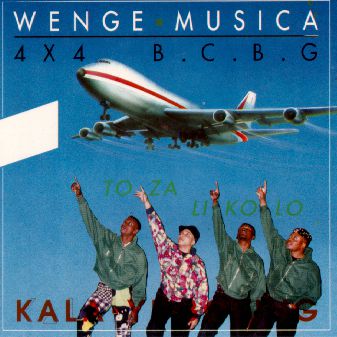
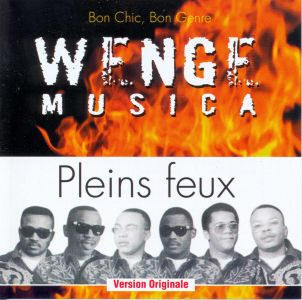
After their return to Kinshasa, the first fracture appeared: vocalist Marie-Paul Kambulu remained in Paris and founded the branch Wenge Musica Aile Paris, creating a lasting rivalry with the Kinshasa wing. In 1992, Pleins Feux was recorded in Brussels but only saw the light of day in 1996; it revealed the young Manda Chante and oriented towards pushed electronic arrangements. Kala-Yi-Boeing (1993), signed by Werrason in Kimbalá language, popularized the Boma Liwanza dance movement and reinforced Wenge Musica as a dominant force on the Congolese scene. The group collaborated with Kassav’ in Paris and two new talents joined the orchestra: Aimélia Lias and the young Ferré Gola.
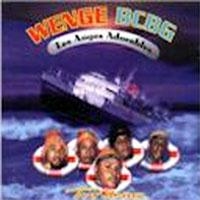
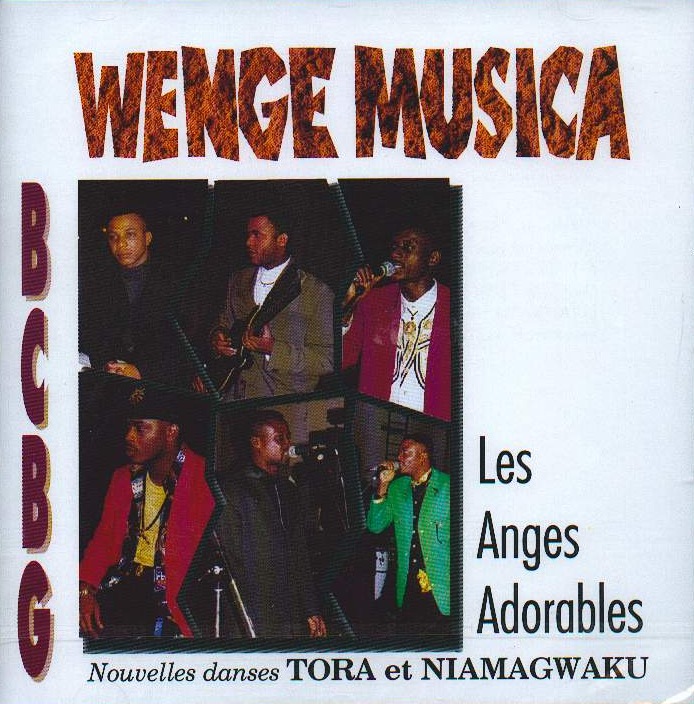
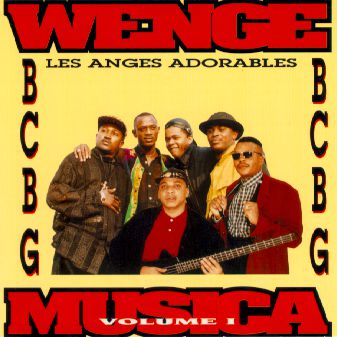
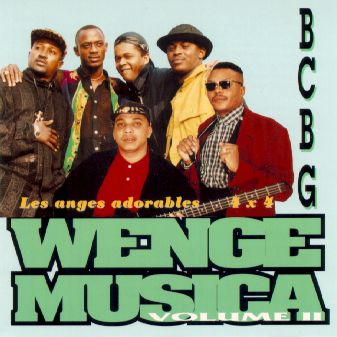
The double album Les Anges Adorables (1994, SonoDisc) exploded sales: two volumes of six tracks with “La Tempête du désert”, “Hi Ho Ha New Image”, and “Sourires des vendeurs”. The nickname « Adorable Angels », attributed to the young musicians, crystallized popular imagination. In 1996, Pentagone (Simon Music S.I.P.E.) was released — the group’s last studio album. With tracks like “Coco Madimba”, “Daddet Autant”, and the title piece by Roberto Ekokota, it definitively popularized Ndombolo. The dance, based on rapid hip movements and abrupt gestures, divided opinion: some even tried to have it banned for immorality. Ferré Gola participated in its promotion before founding his own group in 1997.
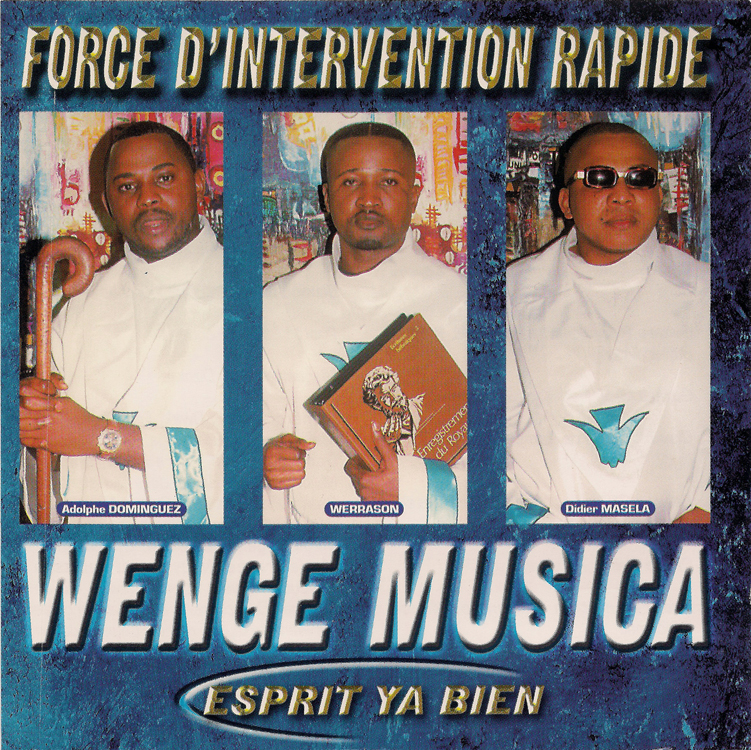
The rivalry between JB Mpiana and Werrason erupted in December 1997, during a concert at the InterContinental hotel in Kinshasa — after the release of Feux de l’amour, JB Mpiana’s solo album praised for a collaboration with Papa Wemba as a guest star. The mediation by the Minister of Information failed, and Wenge Musica officially split into two rival groups: Wenge BCBG (Mpiana) and Wenge Musica Maison Mère (Werrason, Dominguez, Masela).
Heritage and influence
Wenge Musica gave birth to a unique musical ecosystem: the Wenge family brings together more than ten independent formations. The rivalry with Koffi Olomidé over his rumba crystallized the golden age of Zairian music. Brașavian groups like Extra Musica eventually drew inspiration from his model. Ferré Gola, Fally Ipupa, and Héritier Watanabe — all bear the imprint of Wenge. The 2022 reconciliation, twenty-five years after the separation, confirms that Wenge Musica was not merely a group: it is a Congolese cultural institution whose legacy continues to rhythm the continent.
Major works
| Work | Year | Why it is essential |
|---|---|---|
| Bouger !! Bouger !! Makinzu !!! | 1988 | Founding album; reveals “Mulolo”, first continental hit |
| Kin É Bougé | 1991 | Biggest commercial success; inaugurates the era of atalakus |
| Les Anges Adorables (vol. 1–2) | 1994 | Flagship double album; cements the group’s identity and dance |
| Pentagone | 1996 | Final album; popularizes Ndombolo worldwide |
Sources and references
- « Wenge Musica », Wikipedia (English version), https://en.wikipedia.org/wiki/Wenge_Musica, accessed November 11, 2026.
- « Wenge Musica », Wikipedia (French version), https://fr.wikipedia.org/wiki/Wenge_Musica, accessed November 11, 2026.
- Emery Makumeno, « Music: what is the Wenge clan, pioneer of Ndombolo dance? », BBC Afrique, https://www.bbc.com/afrique/articles/c84xqw9ppk1o, accessed November 11, 2026.
- Frank Bessem, « J.B. M’Piana & Wenge Musica BCBG », Musiques d’Afrique, https://www.musiques-afrique.net/rdc/art-wenge-bcbg.html, accessed November 11, 2026.
- « Wenge Musica – Bouger !! Bouger !! Makinzu !!! », Discogs, https://www.discogs.com/master/1169974-Wenge-Musica-Bouger--Bouger--Makinzu-, accessed November 11, 2026.
- Achraf Tijani, « DRC: Werrason and JB Mpiana finally reconciled, reform Wenge Musica », Jeune Afrique, https://www.jeuneafrique.com/1337677/culture/rdc-werrason-et-jb-mpiana-enfin-reconcilies-reforment-wenge-musica, accessed November 11, 2026.
- Achraf Tijani, « DRC: Congolese music fans rejoice as Werrason and JB Mpiana finally reconcile », The Africa Report, https://www.theafricareport.com/193958/drc-congolese-music-fans-rejoice-as-werrason-and-jb-mpiana-finally-reconcile, accessed November 11, 2026.
- « Congolese music - JB Mpiana brings us the horse dance », RFI Musique, http://www1.rfi.fr/musiqueen/articles/135/article_8466.asp, accessed November 11, 2026.