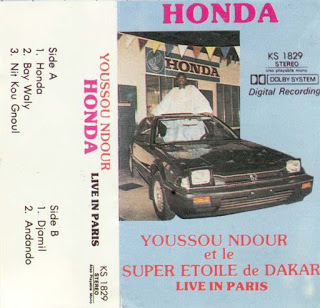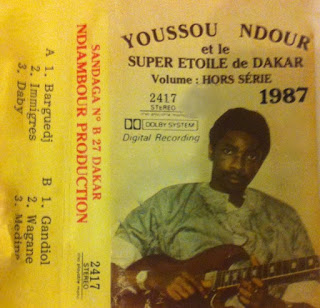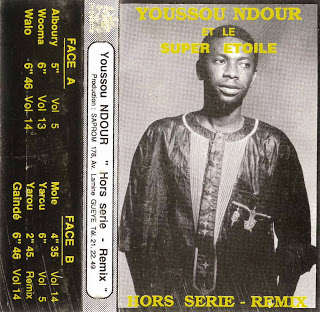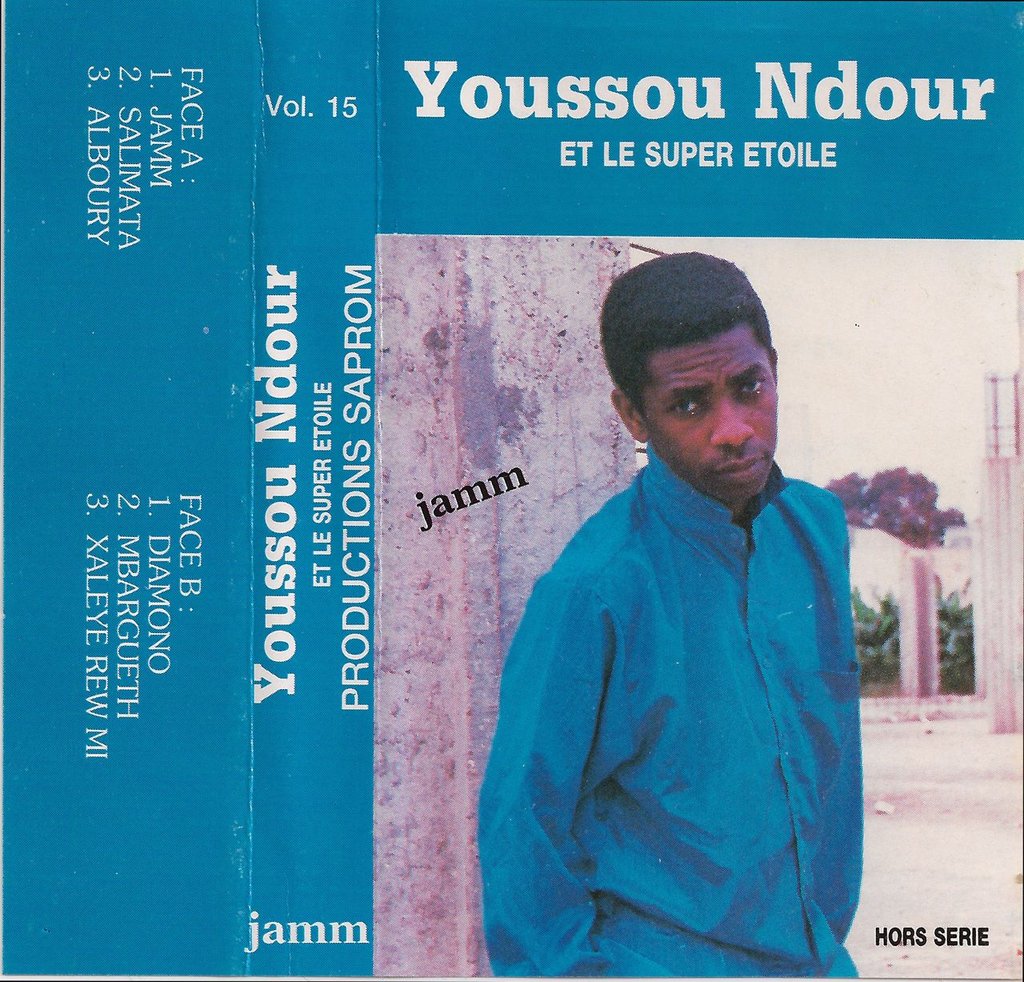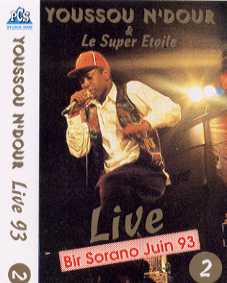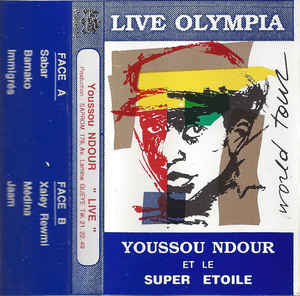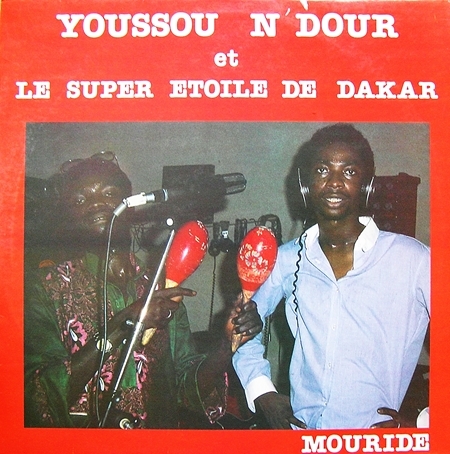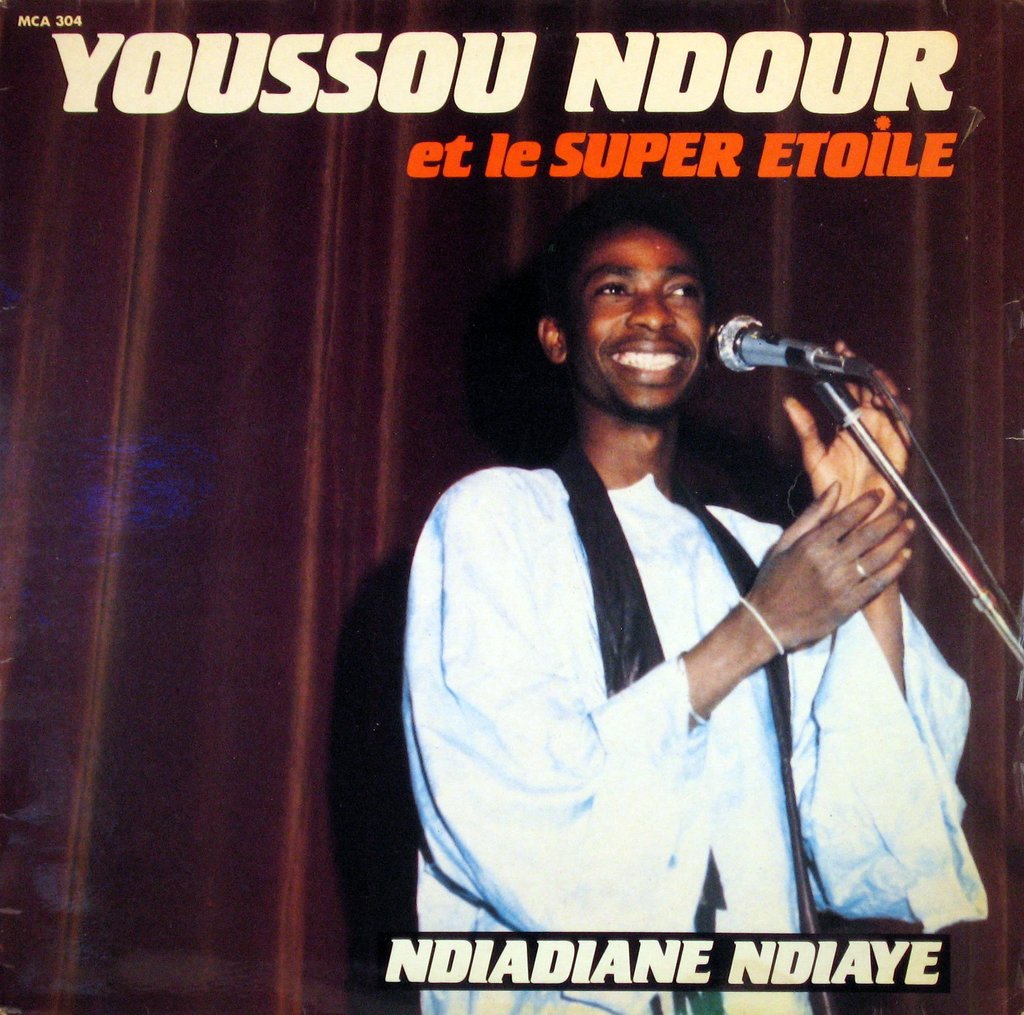
Biography
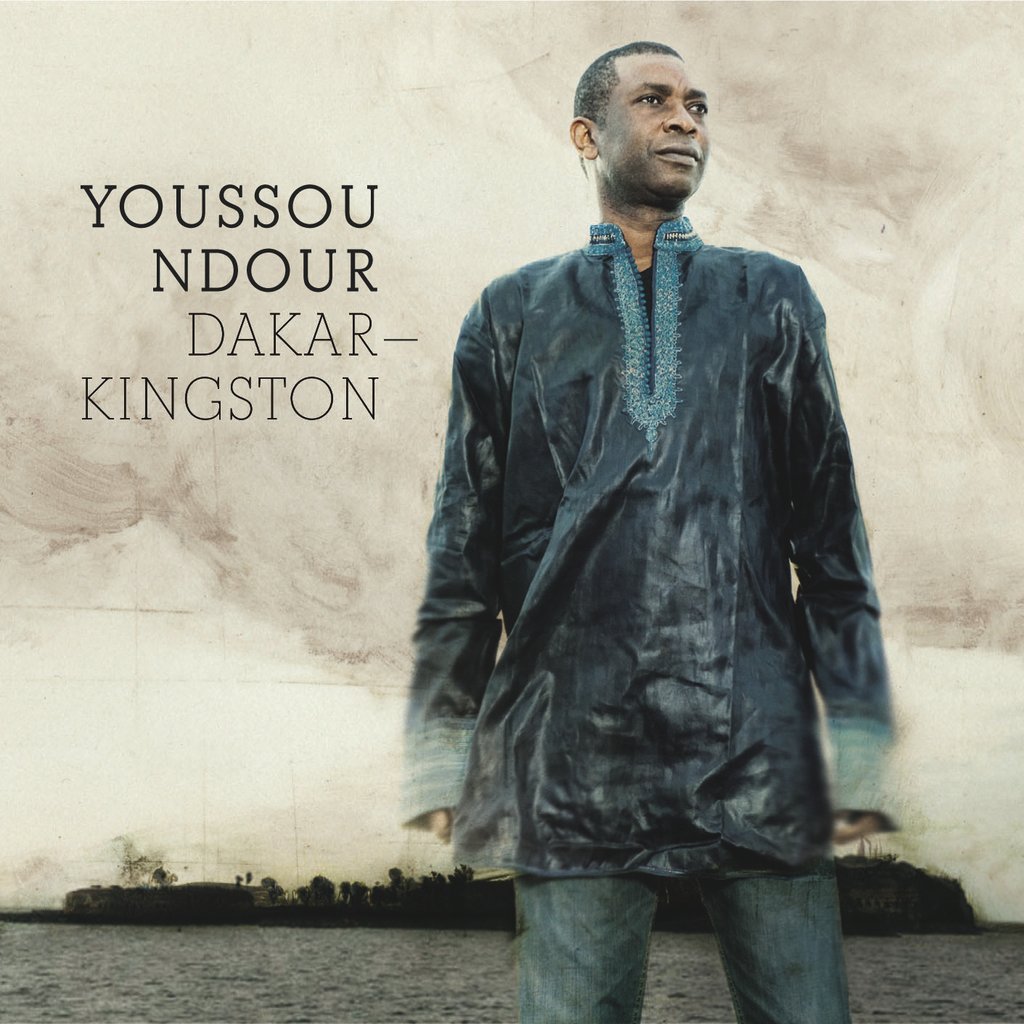
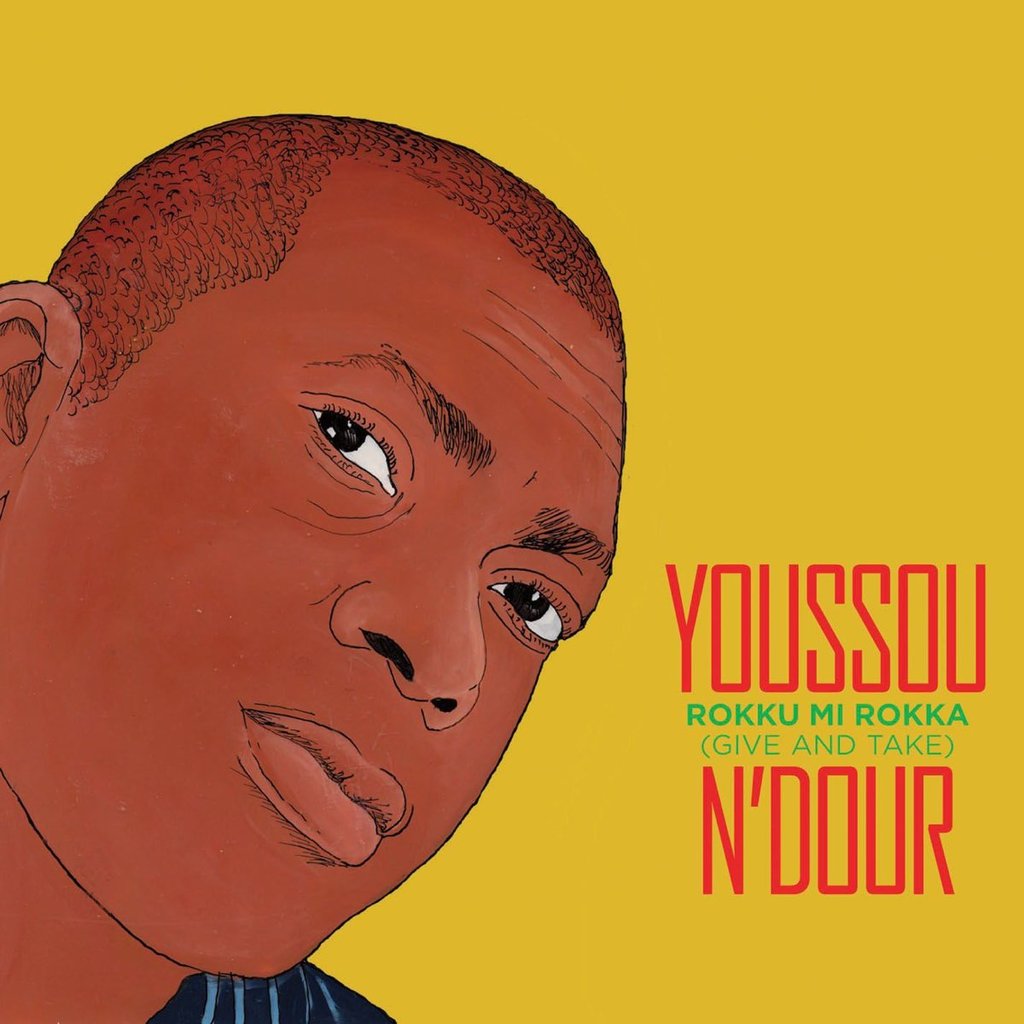
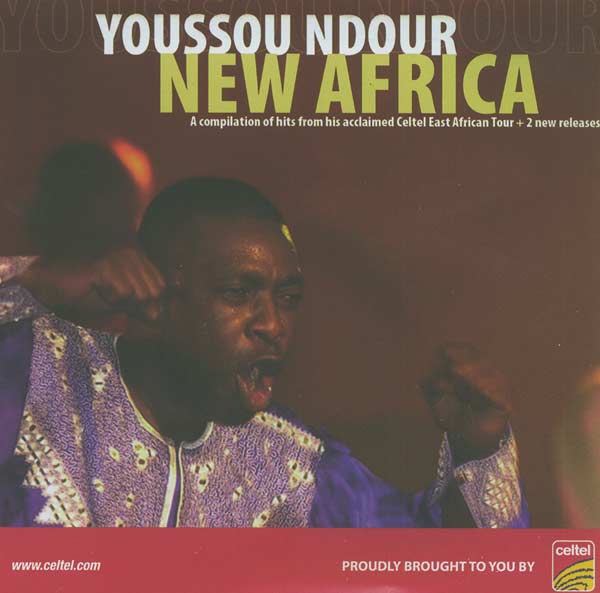
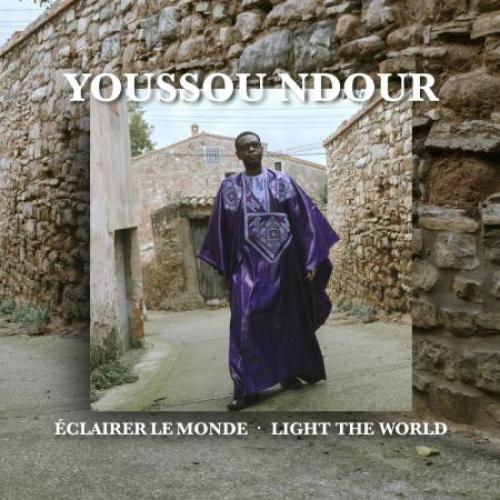
Youssou N’Dour: the voice that crosses borders
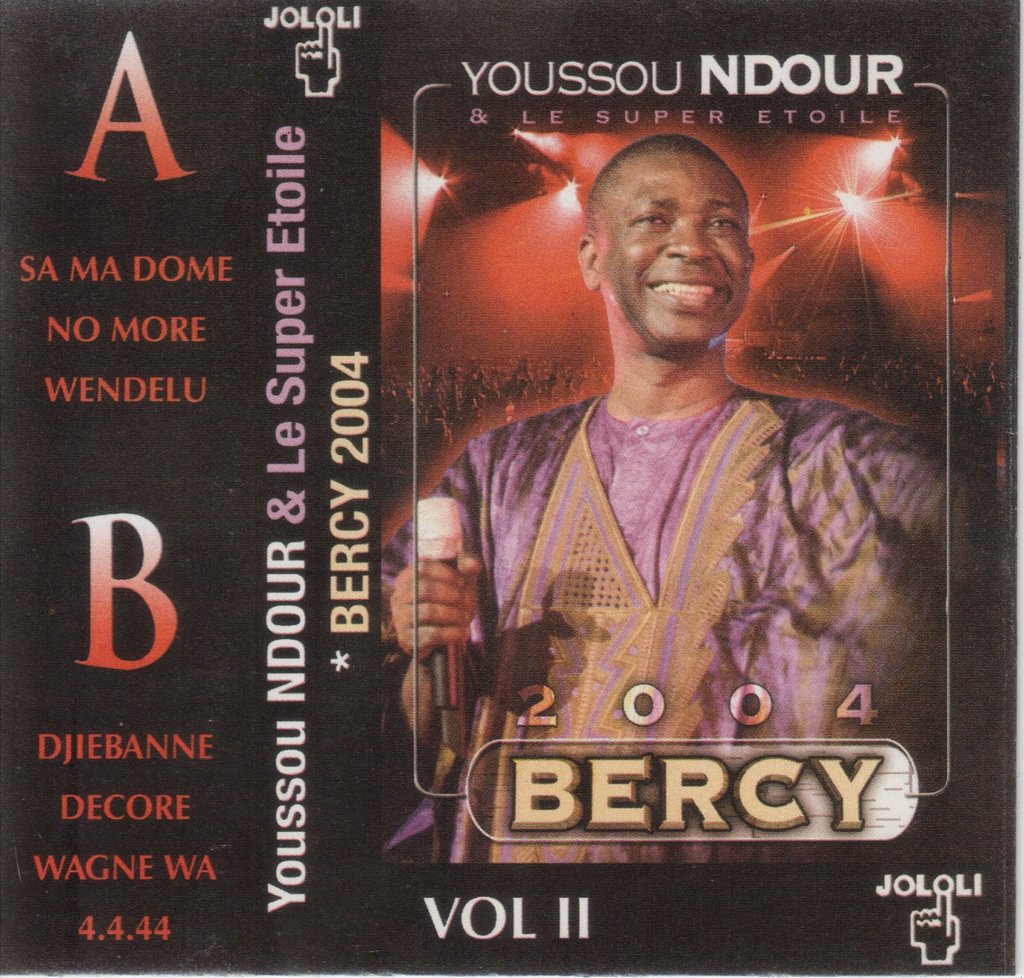
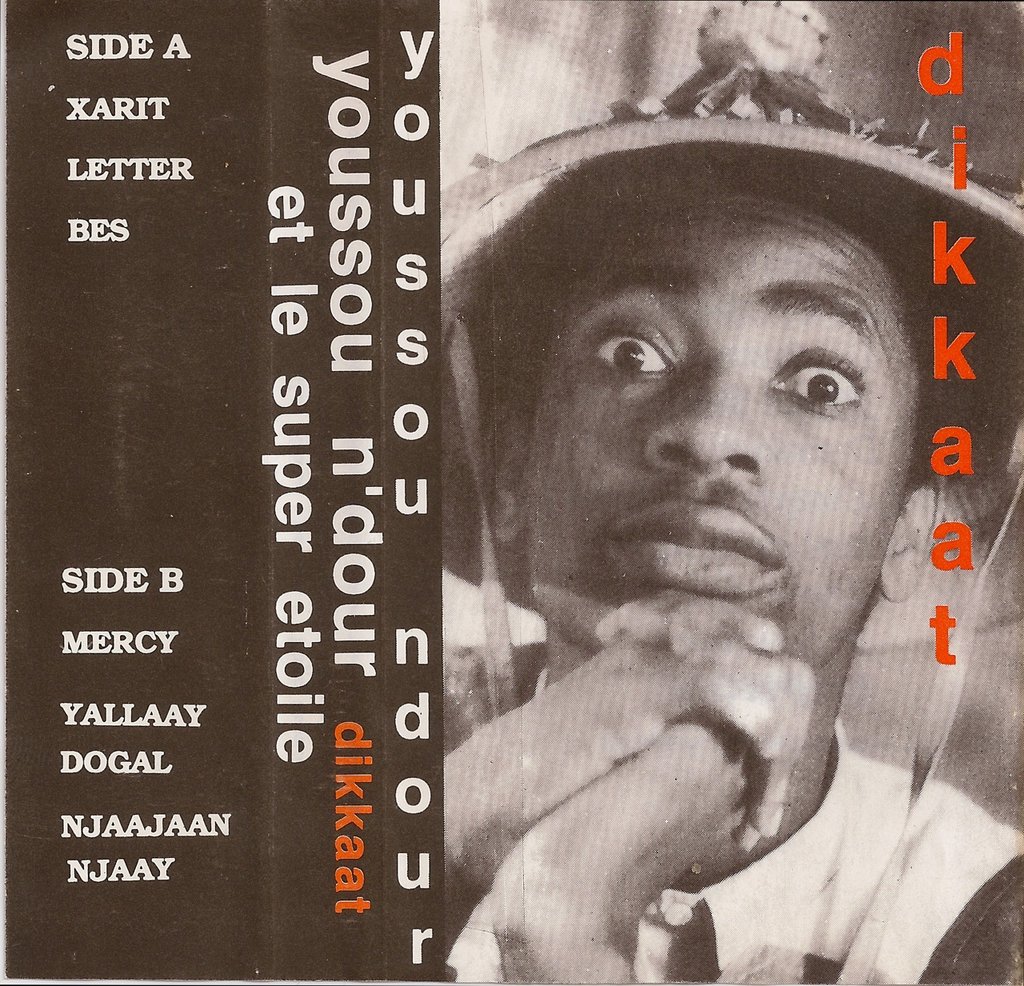
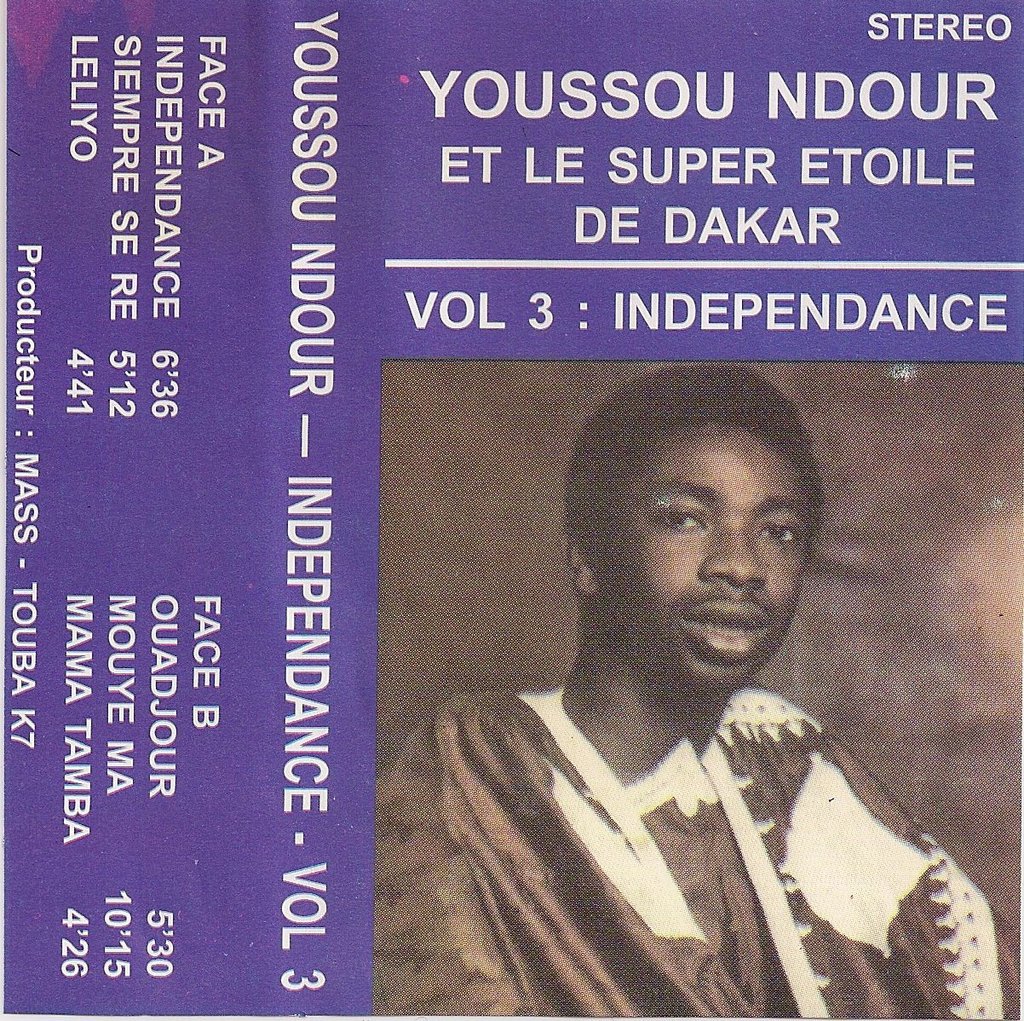
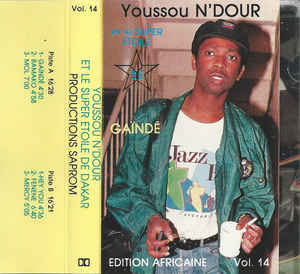
The Médina of Dakar, in 1977. An eighteen-year-old man steps onto the stage of the Miami club and unleashes a devouring voice — four clear octaves that silence the room. In the audience, bandleaders turn around. That evening, Youssou N’Dour signs his contract with the Star Band of Dakar. Fifty years later, his voice remains that of a country: Senegal, its anger, its joys, its struggles.
In brief
| Full name | Youssou Madjiguène Ndour |
| Birth | October 1, 1959, Dakar, Senegal |
| Field | Singer, musician, composer — mbalax, afro-pop, world music |
| Iconic works | The Guide (Wommat) (1994), Egypt (2004), “7 Seconds” (1994) |
| Awards | Grammy Award, Polar Music Prize, Praemium Imperiale, honorary doctorate from Yale |
Key dates
| Year | Event |
|---|---|
| 1959 | Birth in Dakar, Médina district |
| 1976 | Joins the Star Band of Dakar at sixteen |
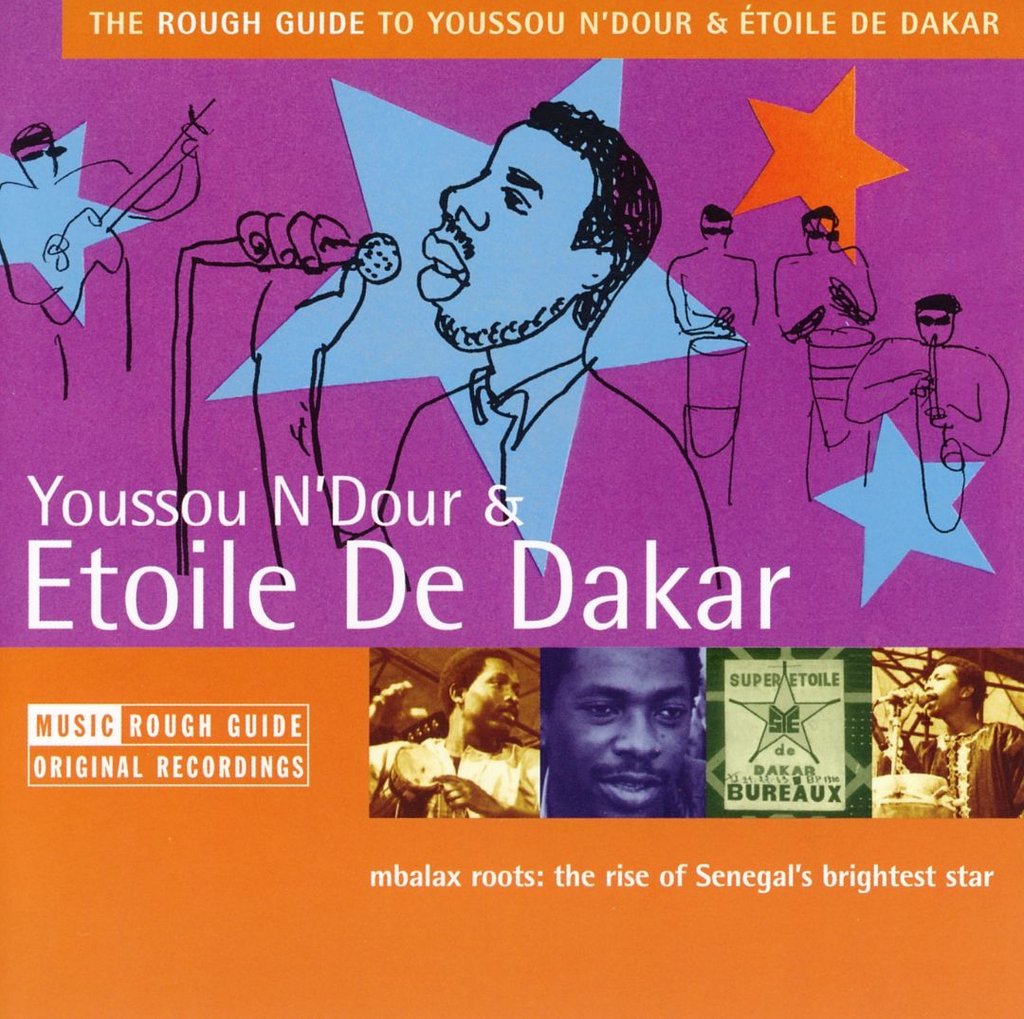
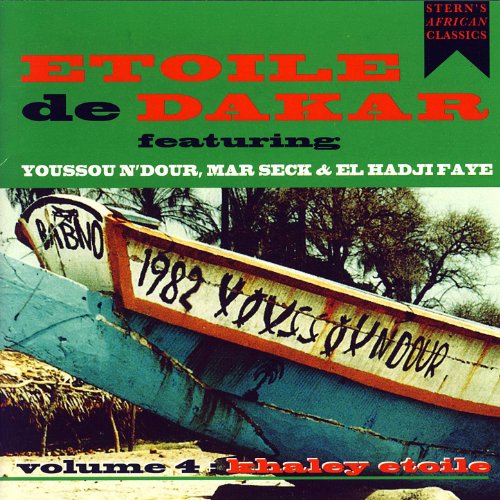
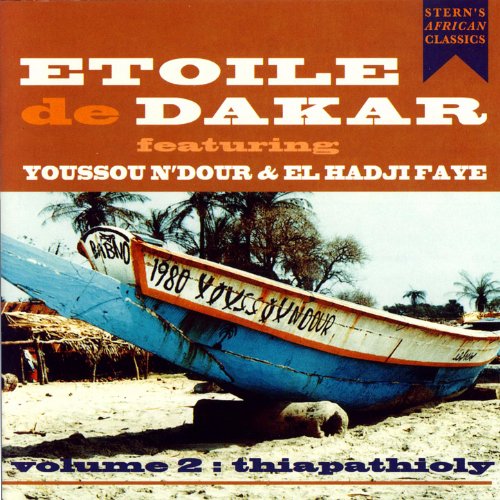
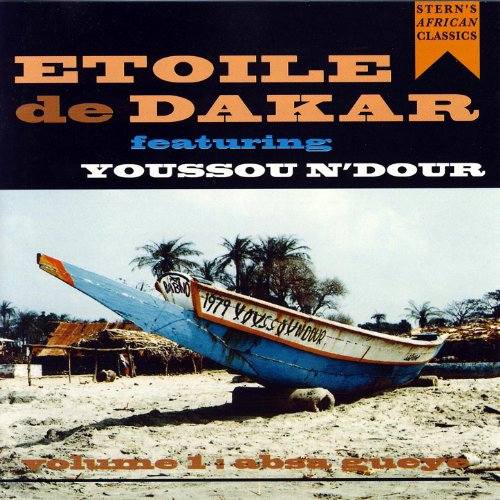
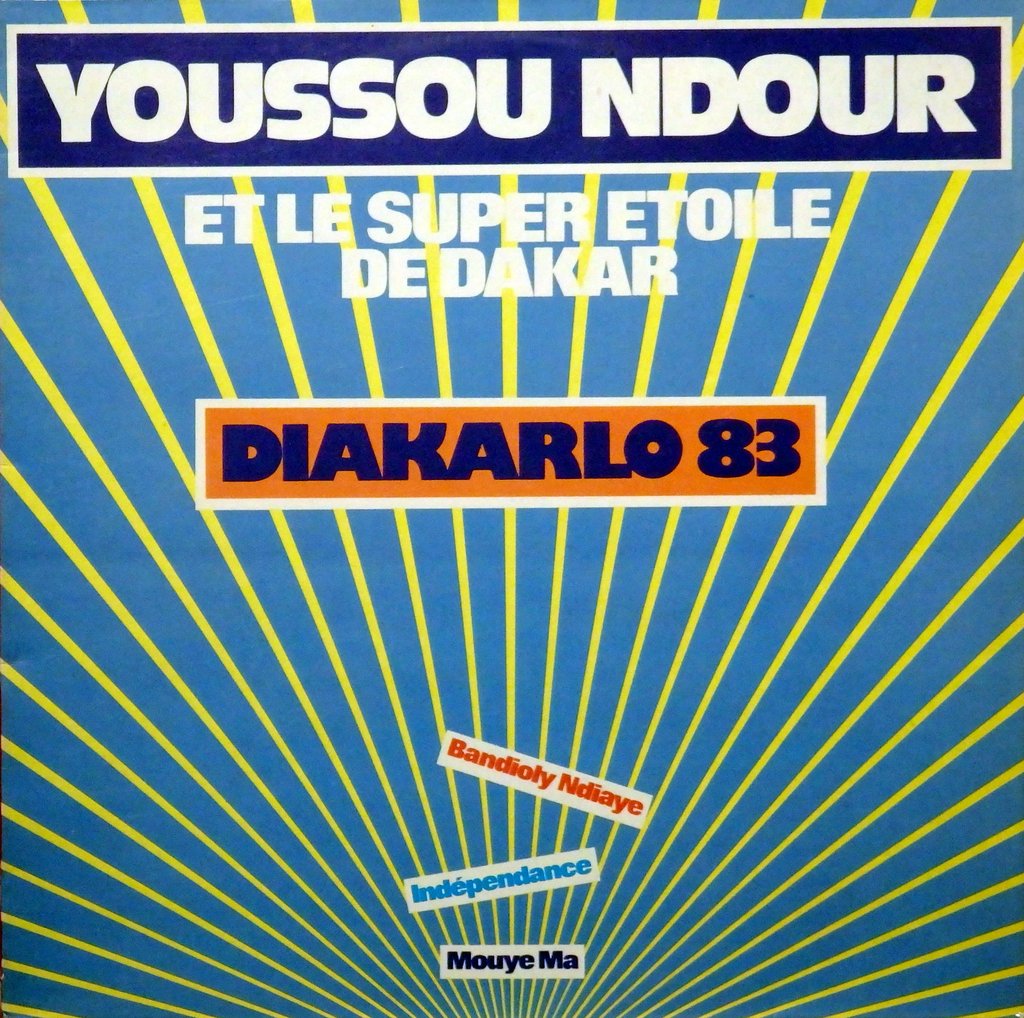
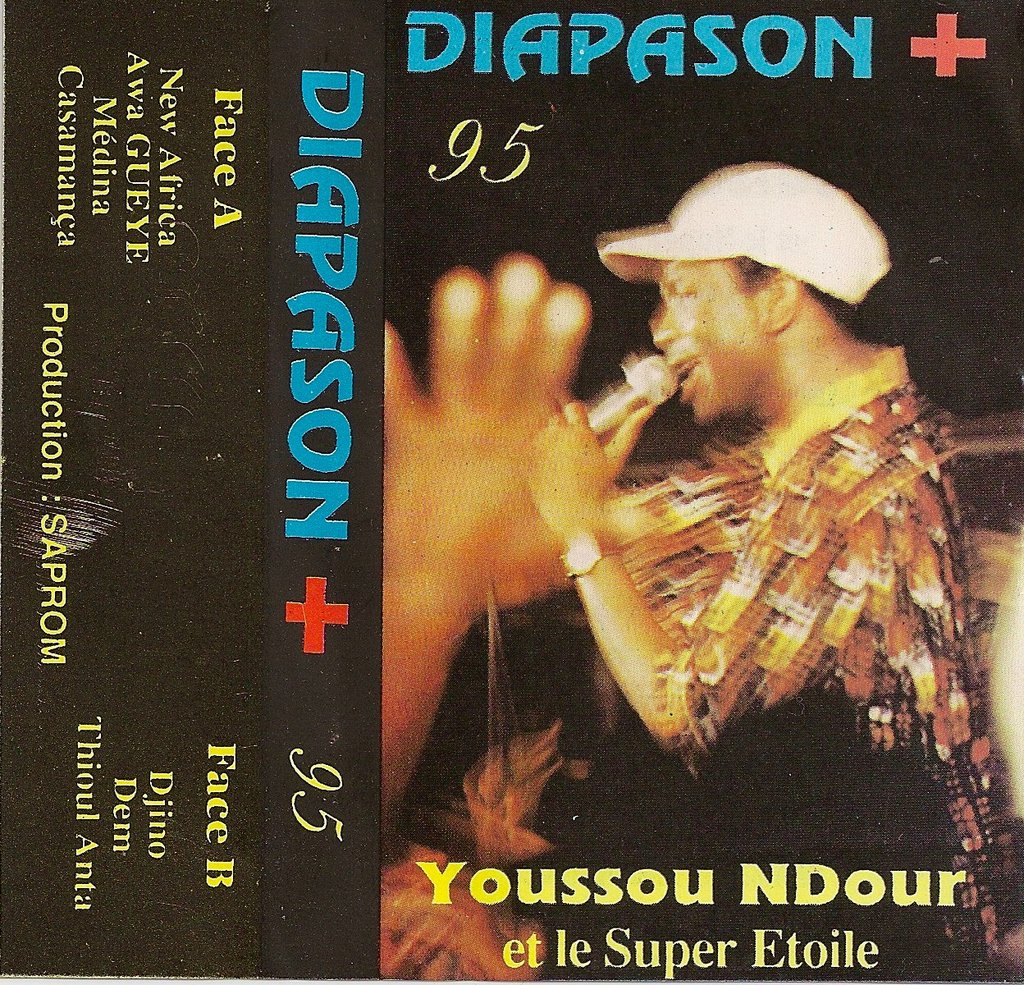
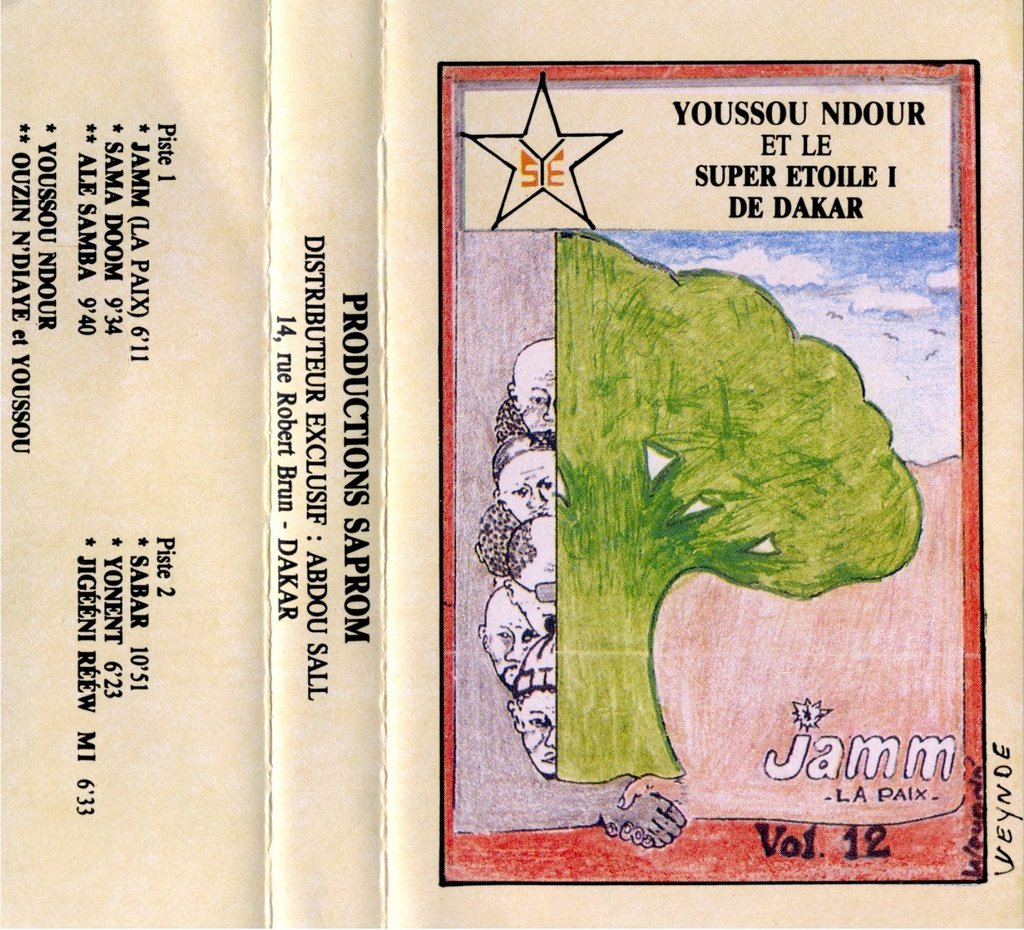
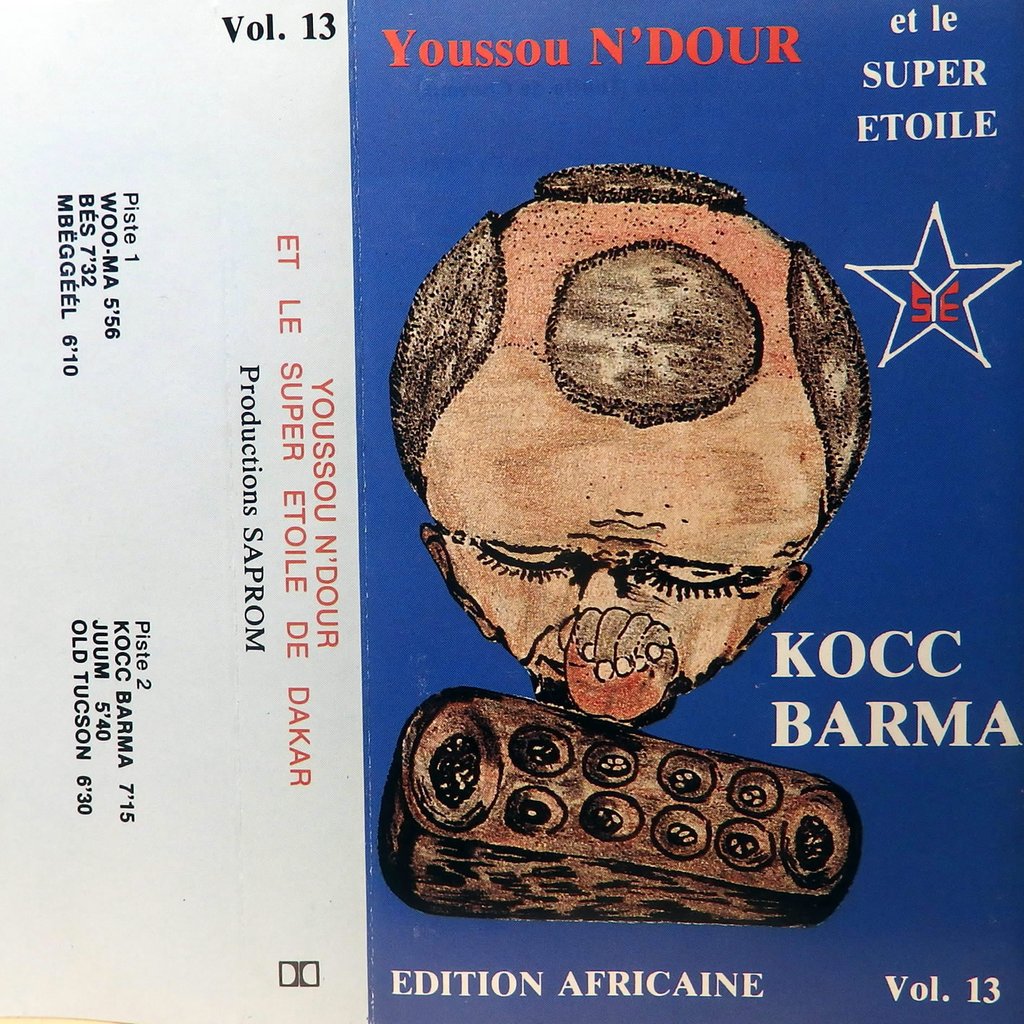
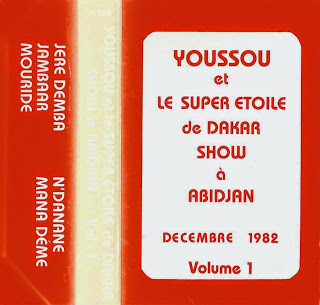
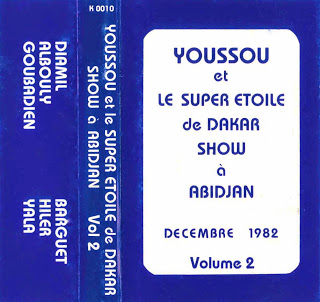
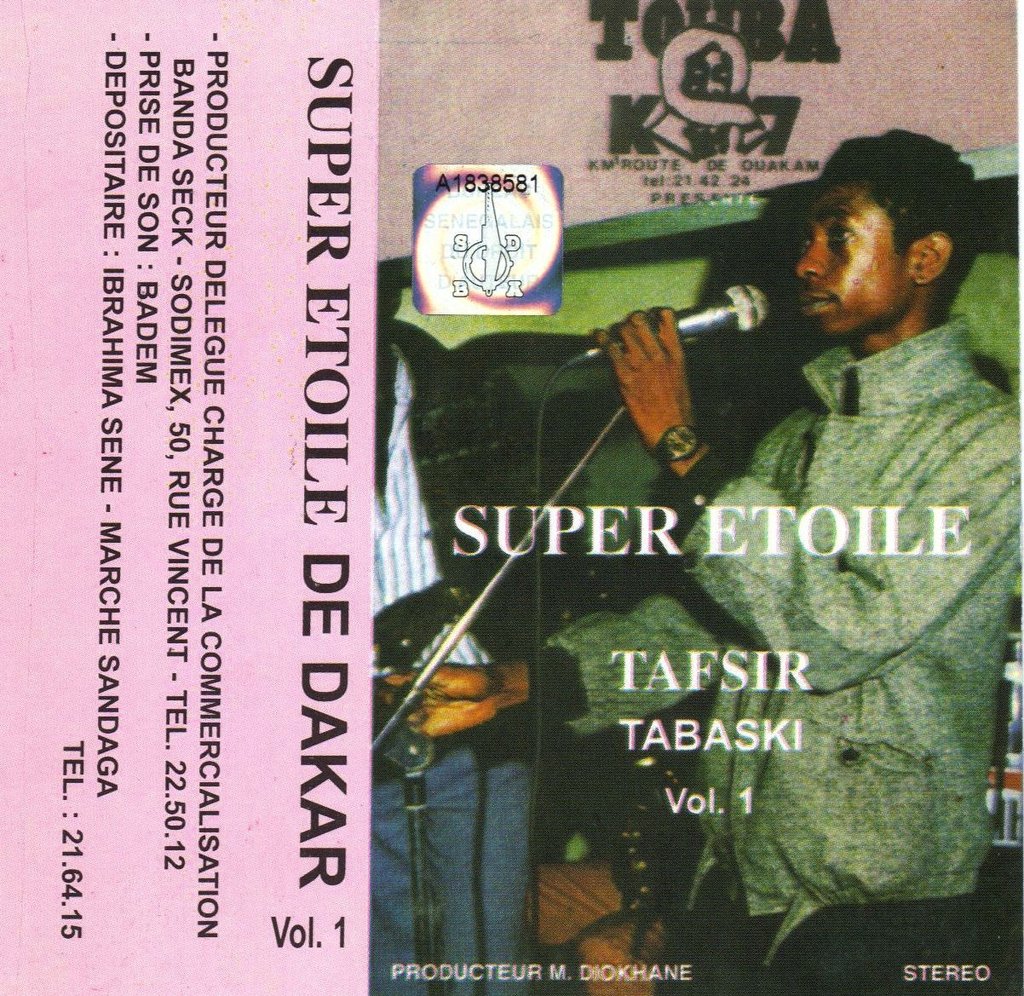
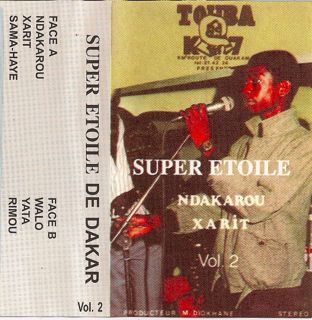
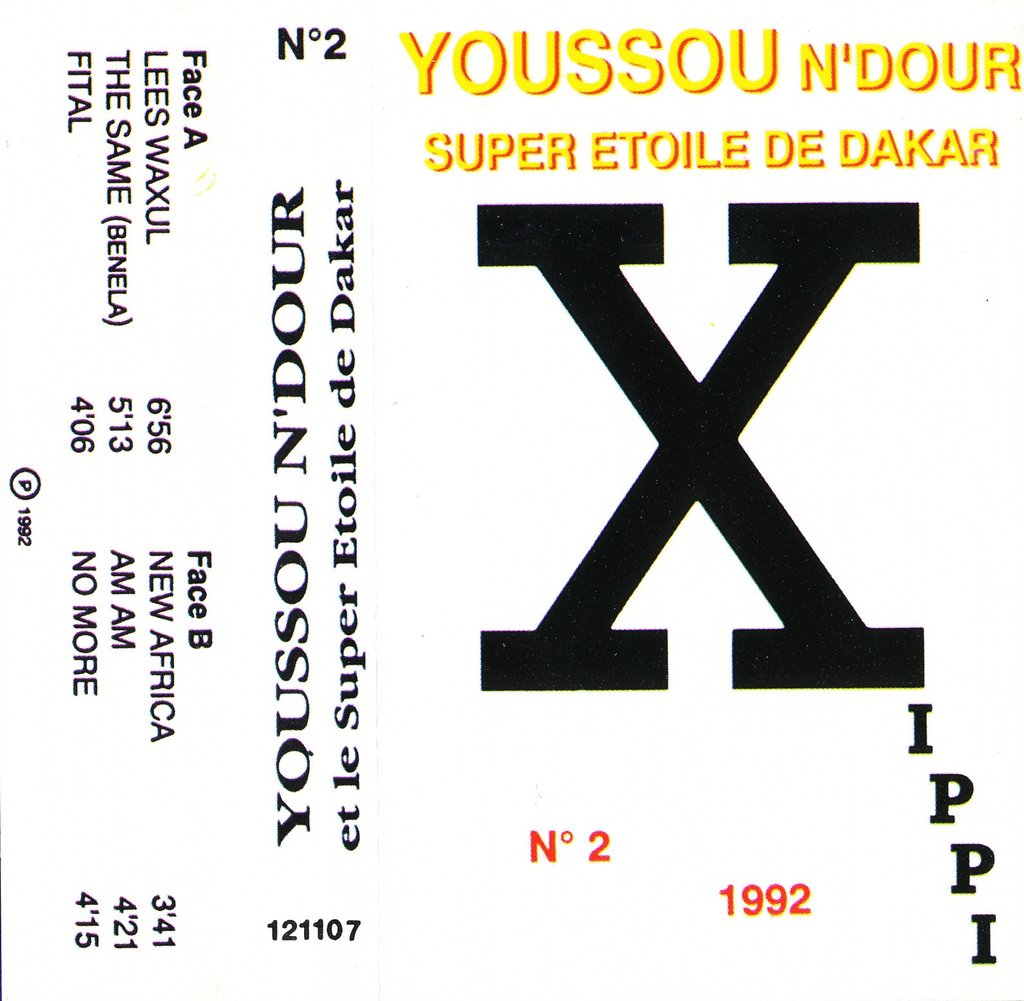
| 1979 | Founding of Super Étoile de Dakar |
| 1986 | Participates in Peter Gabriel’s “In Your Eyes”, international breakthrough |
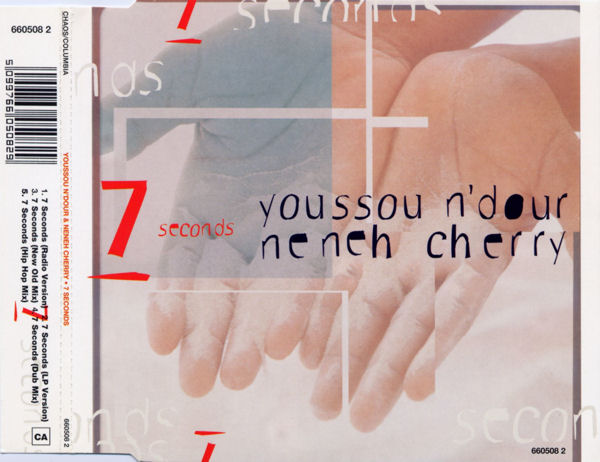
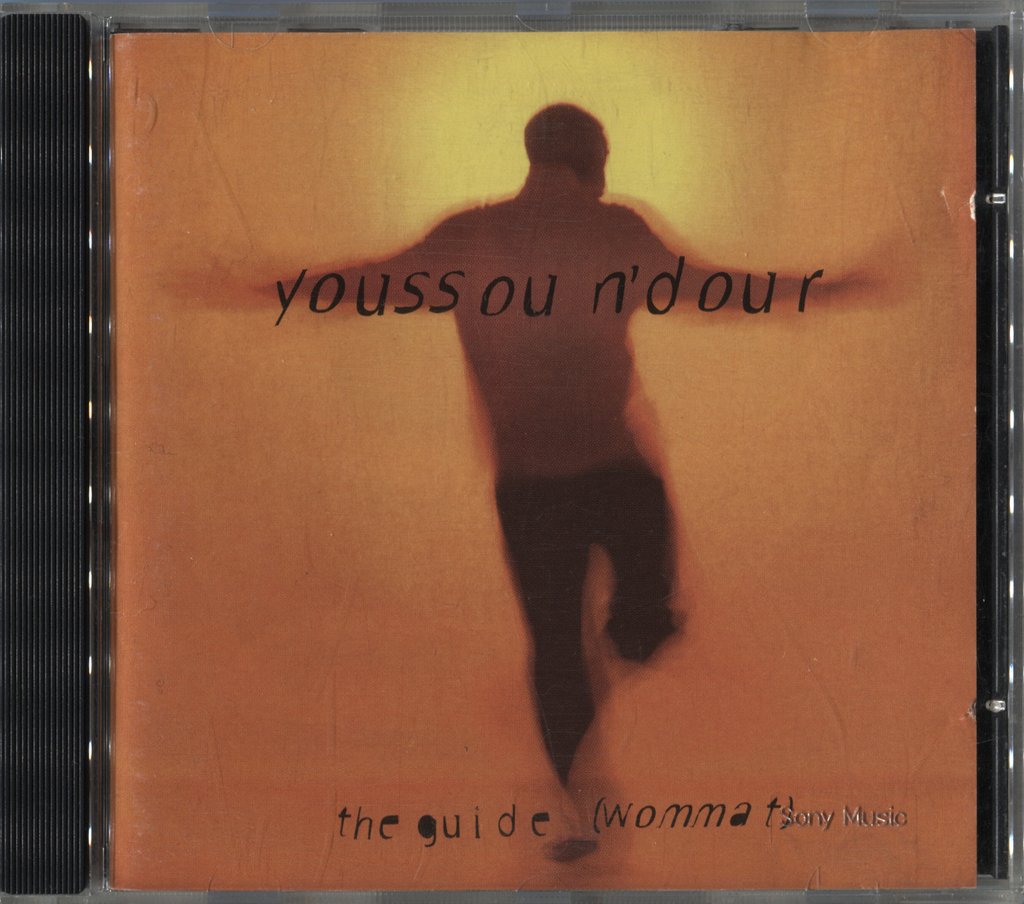
| 1994 | Release of The Guide (Wommat) and the hit “7 Seconds” with Neneh Cherry |
| 1998 | Composer of the soundtrack for Kirikou and the Sorceress; World Cup anthem |
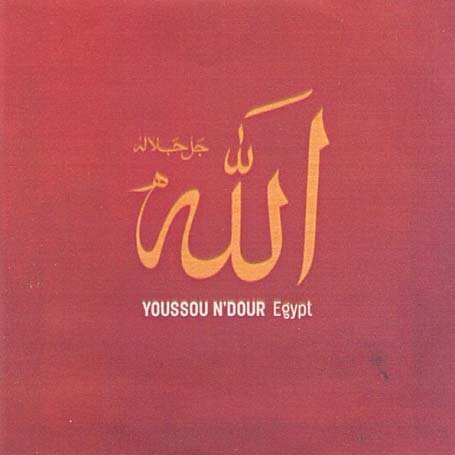
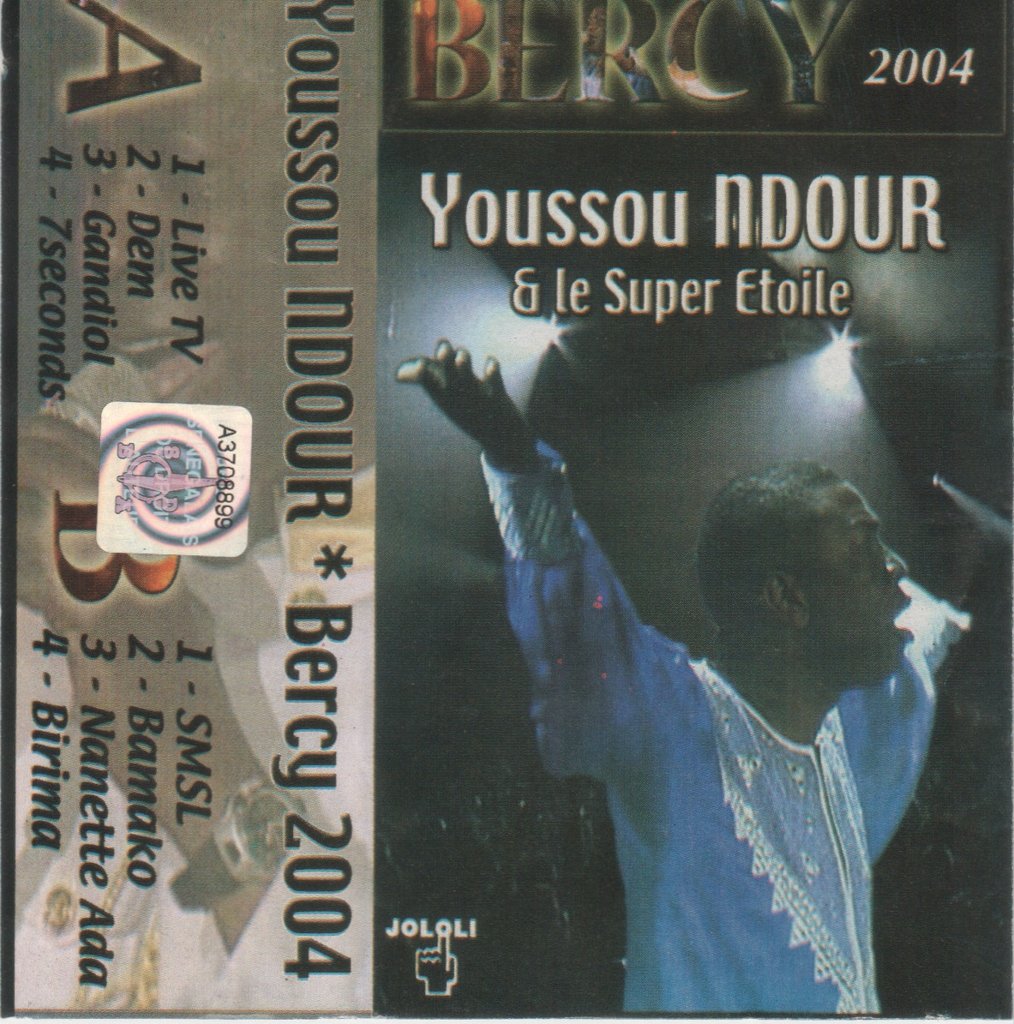
| 2004 | Wins a Grammy for the album Egypt |
| 2012-2013 | Minister of Culture and Tourism of Senegal |
| 2013 | Receives the Polar Music Prize in Sweden |
| 2017 | First Senegalese to receive the Praemium Imperiale |
From griot origins to the world stage
Youssou Madjiguène Ndour was born on October 1, 1959, in the heart of the Médina, the popular district of Dakar. His father, Elimane Ndour, is of Serer ethnicity; his mother, Ndeye Sokhna Mboup, descends from a lineage of griots — these musician storytellers who, for centuries, have transmitted the memory of Wolof and Manding peoples. Culturally Wolof but deeply marked by this double influence, Youssou grew up in a Muslim family of the Mouride brotherhood, one of the great Sufi orders of Senegal. This hybrid identity would become the foundation of his art.
At twelve, he was already singing at religious festivals in his neighborhood. At sixteen, he joined the Star Band of Dakar, a flagship formation that played a crucible role in the emergence of a new musical style later called mbalax. This genre fuses sabar — the traditional Wolof drum — with Cuban rhythms, rock, and afro-pop. Youssou discovered his vocal signature and established himself as one of the most powerful voices in Africa.
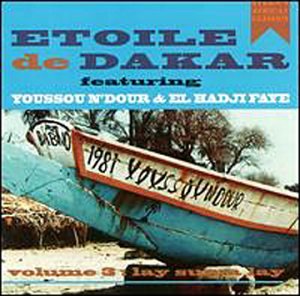
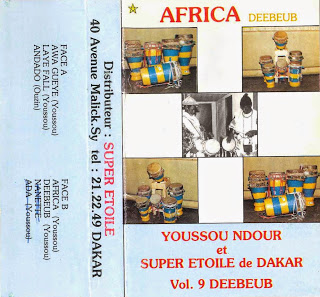
In 1979, tired of artistic tensions, he founded Super Étoile de Dakar, which became his faithful orchestra for more than forty years.
The world salutes the griot
The break with the West occurs in 1986, when Peter Gabriel invites Youssou to sing on his global hit “In Your Eyes”. This passage exposes the Senegalese artist to millions of listeners. He then signs with Columbia Records, distributed by Spike Lee, and becomes the headliner of world tours alongside Gabriel, Bruce Springsteen, Sting, and Tracy Chapman during Amnesty International’s major “Human Rights Now!” campaign in 1988.
But it is in 1994 that the wall falls. The Guide (Wommat), an album recorded in Senegal and produced with rare intelligence, propels N’Dour onto the world stage. The record contains “7 Seconds”, a transcultural duet with Swedish artist Neneh Cherry, which reaches number one on the European charts. The English press does not hold back in praise: Folk Roots crowns him “artist of the century”.
Music, commitment, and politics
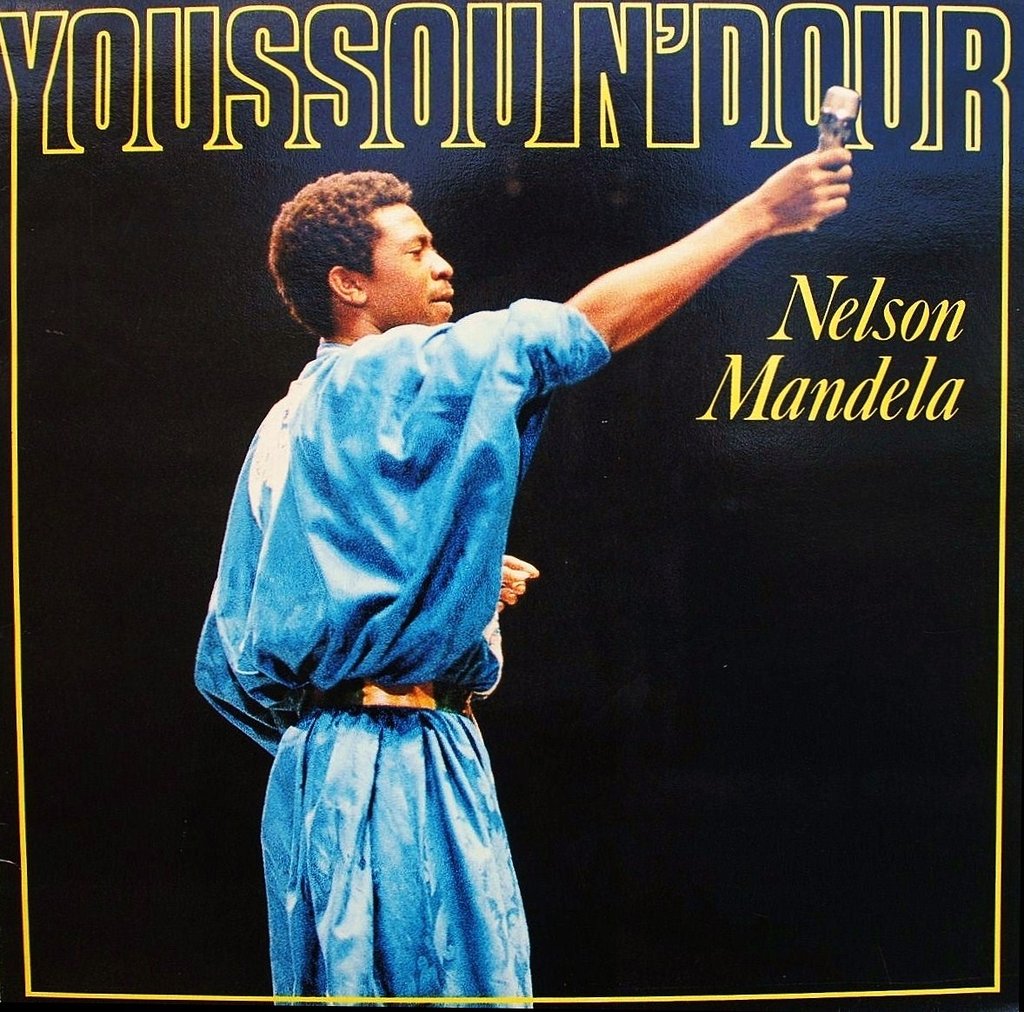
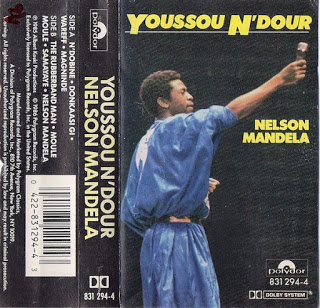
Parallel to his career, Youssou N’Dour is a fierce activist. As early as 1985, he organizes a concert at the Stade de l’Amitié in Dakar for the liberation of Nelson Mandela. He becomes a goodwill ambassador for UNICEF and FAO. In 2008, he launches the microcredit company Birima and dedicates a significant portion of his resources to fighting malaria, which kills one million Africans annually.
In January 2012, he announces his candidacy for the presidential election in Senegal to challenge the incumbent president’s third term. The Constitutional Council rejects his candidacy. Shortly after, new President Macky Sall appoints him Minister of Culture and Tourism — a role he leaves in September 2013, before being attached to the presidency as an advisor.
Major works
| Work | Year | Why it is essential |
|---|---|---|
| The Guide (Wommat) | 1994 | The album that made Youssou a global star, driven by “7 Seconds” |
| Egypt | 2004 | Tribute to Senegalese Islam and great Sufis; Grammy Award for Best Contemporary World Music Album |
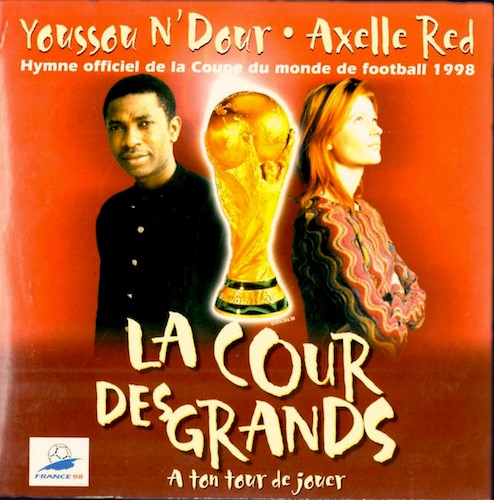
| La Cour des Grands (with Axelle Red) | 1998 | Official anthem of the FIFA World Cup |
| Soundtrack for Kirikou and the Sorceress | 1999 | Michel Ocelot’s music carried by an unforgettable voice |
Legacy and influence
Youssou N’Dour is not just a musician: he is a bridge between worlds. His influence extends far beyond music. Rolling Stone ranked him 69th best singer of all time. His work has inspired an entire generation of African artists who proudly claim a modernity without renouncing their roots. He proved that one can sing in Wolof, perform at the Palais Garnier, win a Grammy, and remain, every evening, a child of the Médina of Dakar.
Sources and references
- “Youssou N’Dour”, Wikipedia, https://fr.wikipedia.org/wiki/Youssou_ndour, accessed September 3, 2026.
- “Youssou N’Dour”, Britannica, https://www.britannica.com/biography/Youssou-NDour, accessed September 3, 2026.
- Craig Harris, “Youssou N’Dour — Biography”, AllMusic, https://www.allmusic.com/artist/ndour-mn0000692100, accessed September 3, 2026.
- “Youssou N’Dour, a Senegalese story”, RFI Musique, https://www.rfi.fr/fr/musique/20190426-youssou-n-dour-une-histoire-s%C3%A9n%C3%A9galaise, accessed 3 September 2026.
- “Interview: Youssou N’Dour”, Al Jazeera, https://www.aljazeera.com/features/2009/7/31/interview-youssou-ndour, accessed 3 September 2026.
- “Youssou N’Dour interview: Even today music can carry a message”, Songlines, https://www.songlines.co.uk/content/features/youssou-n-dour-interview-even-today-music-can-carry-a-message-and-change-people-s-lives, accessed 3 September 2026.
- “Youssou N’Dour Grammy Awards and Nominations”, Grammy.com, https://grammy.com/artists/youssou-ndour%2F17140, accessed 3 September 2026.
- “Youssou N’Dour”, Praemium Imperiale, https://www.praemiumimperiale.org/en/laureate/ndour/, accessed 3 September 2026.