Biography
Zap Mama
On October 20, 1964, in the city of Isiro, east of Zaire, Marie Daulne was born from the union of a Belgian Walloon farmer and a Bantu Congolese woman from Kisangani. A few days later, Simba rebels captured and killed her father during the Congolese crisis. Her mother fled into the forest with four children, protected by pygmies. A few months later, Belgian paratroopers evacuated them to Belgium. This childhood torn from a continent in turmoil would become the deep root of a music that crossed the world1.
In Brief
| Stage Name | Zap Mama |
| Legal Name | Marie Daulne |
| Birth | October 20, 1964, Isiro, Zaire (DRC) |
| Genre | World music, afro-pop, afro fusion |
| Instruments | Voice, beatbox |
| Labels | Crammed Discs, Luaka Bop, Heads Up International |
| Distinction | Grammy Awards 1995 – nomination |
Key Dates
| Year | Event |
|---|---|
| 1964 | Birth in Isiro, Zaire; death of her father |
| 1965 | Evacuation to Belgium by paratroopers |
| 1984 | First trip to Zaire to discover her roots |
| 1991 | Release of the eponymous album Zap Mama (Crammed Discs) |
| 1993 | Adventures in Afropea on Luaka Bop, number 1 Billboard |
| 1994 | Release of Sabsylma, Grammy nomination |
| 2000 | Move to the United States; Mission Impossible 2 with Hans Zimmer |
| 2004 | Ancestry in Progress, return to vocal roots |
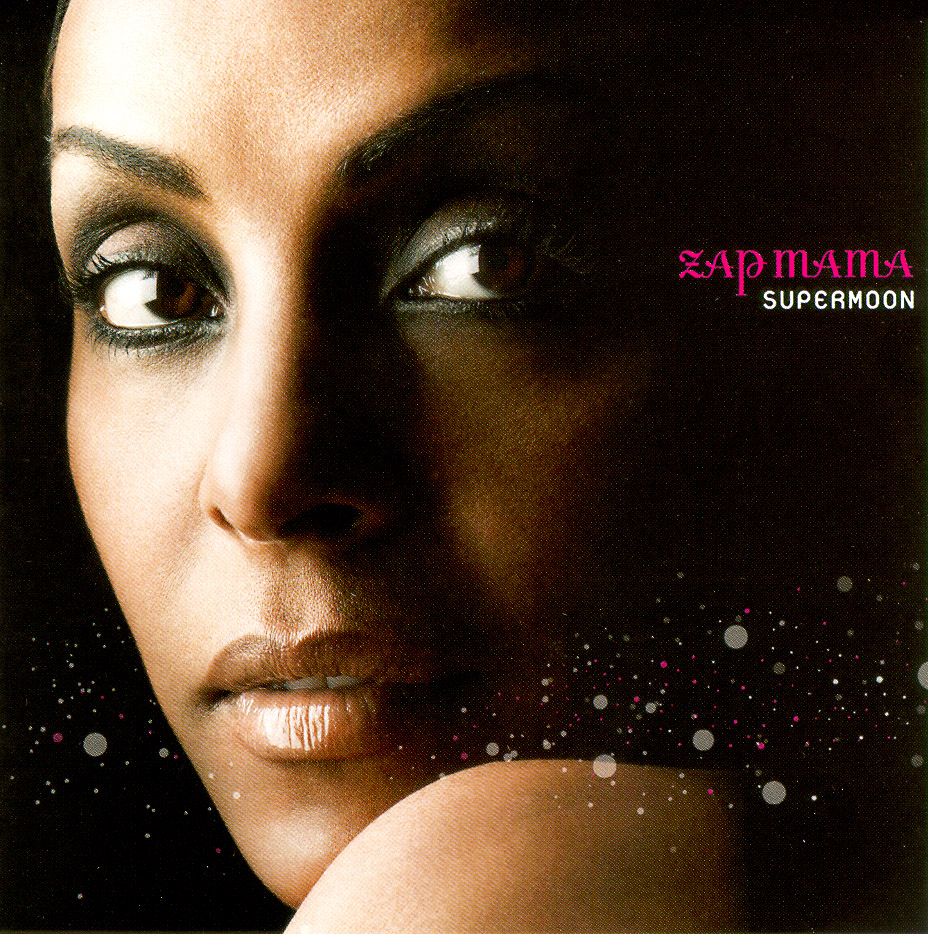
| 2007 | Supermoon; collaboration with Erykah Badu |
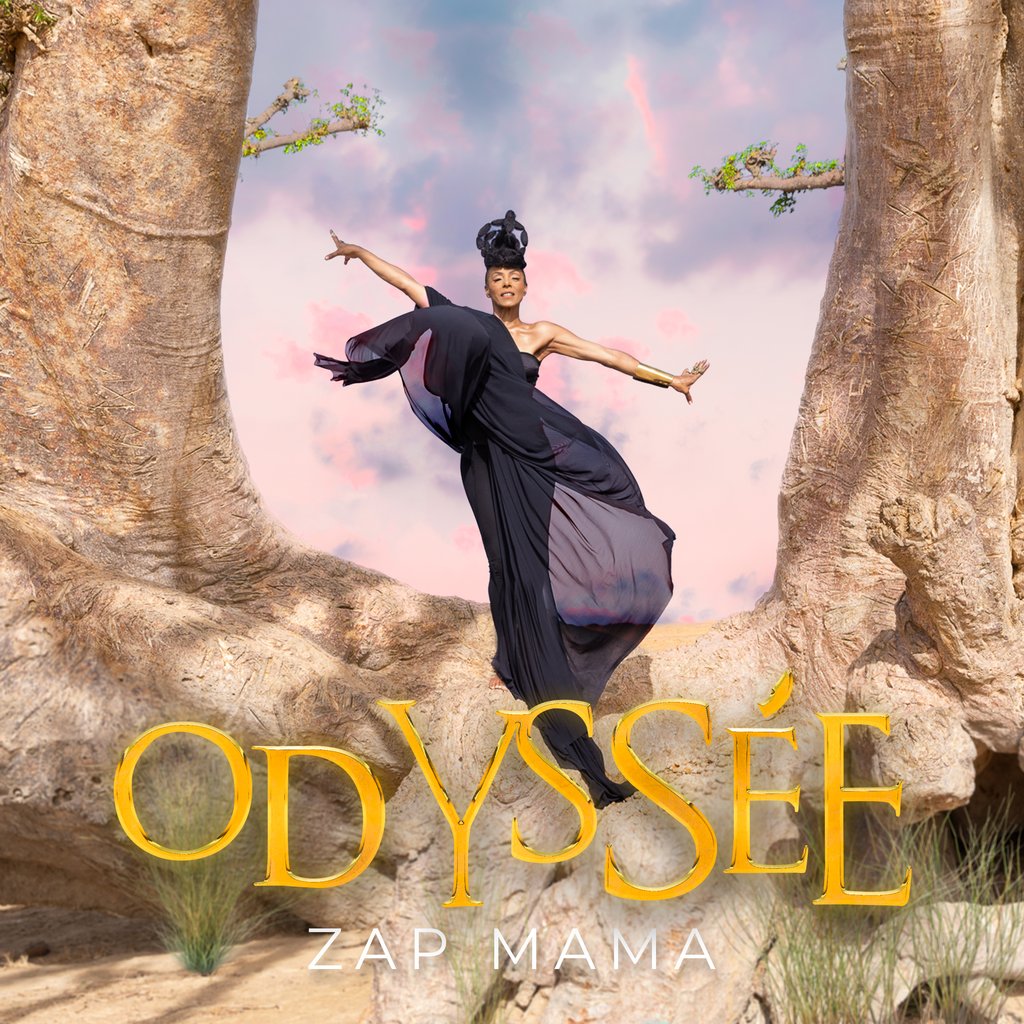
| 2022 | Odyssée, last album recorded |
Origins, Training and Musical Revelation
Marie Daulne grew up in Belgium in an Afro-Belgian family still little represented at the time2. At home, it was Congolese culture that animated the days: her mother and sisters sang traditional tunes. On the father’s side, it was liturgical music and Walloon songs that served as radio. This double heritage, apparently contradictory, forged in her an unshakable musical instinct.
As a teenager, Marie practiced track and field, athletics, and volleyball, with the ambition to compete in the Olympic Games. She then joined the Royal Academies of Fine Arts in Brussels and La Cambre, where she excelled in visual arts. Music won her little by little: playing no instrument, she used her voice as her first and only instrument3.
A recording of pygmy chants from the colonial era, discovered in a Brussels toy library, made her recognize the same vocal registers as her mother’s chants. This click pushed her to return to Zaire in 1984 to learn the onomatopoeic vocal techniques of the pygmies.
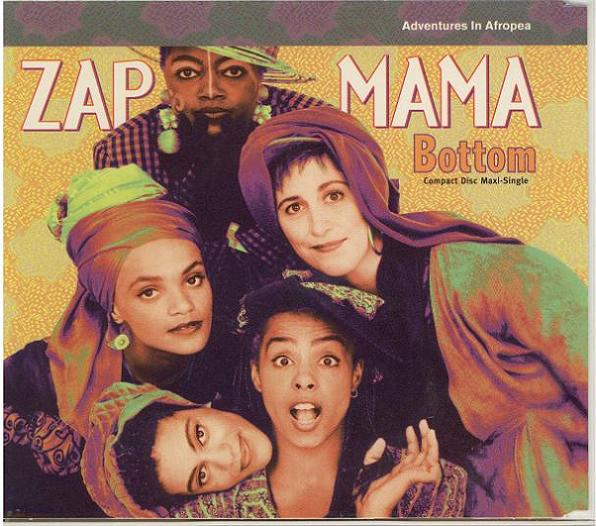
In 1990, Marie gathered four friends to form Zap Mama, a female a cappella quintet4. The eponymous album, recorded in two weeks at the Studio Daylight in Brussels and produced by Vincent Kenis, was released in 1991 on Crammed Discs. The reception was immediate: the group performed at the Théâtre de la Ville in Paris and at Printemps de Bourges.
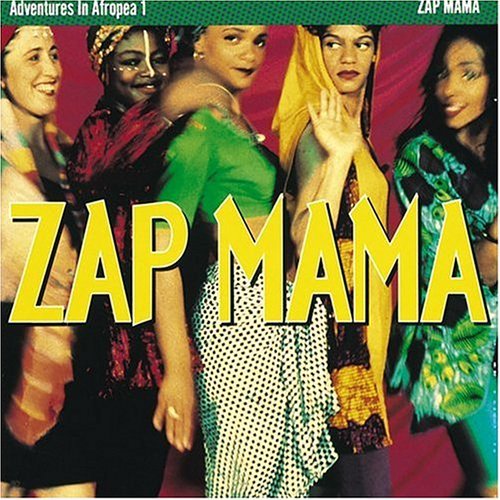
The album attracted the attention of David Byrne, singer of Talking Heads, who signed it to his label Luaka Bop. Adventures in Afropea appeared in 1993 and introduced a neologism: the afropéenne, this expression of a generation that is both Afro-descendant and Euro-descendant. The album remained number 1 on the Billboard World Music charts for eleven weeks and became the best-selling non-compilation album in Luaka Bop’s history.
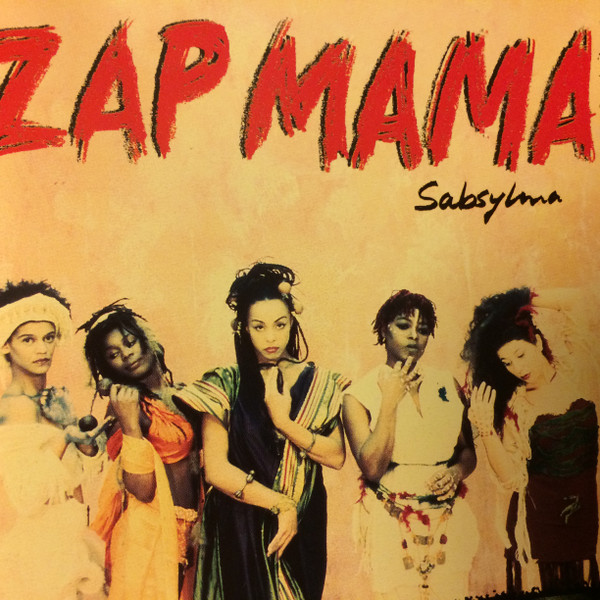
- Sabsylma * followed in 1994. The group embarked on tours across Europe, Japan and the United States, performing at Carnegie Hall with Bobby McFerrin.
From Pygmy to Hip Hop: The Metamorphoses of Zap Mama
In the 2000s, Zap Mama made a deep turn. Marie settled in the United States in 2000, fascinated by American rhythm which she described as “inspired by the beat coming from Africa”. She collaborated with questlove of The Roots, Common and joined Erykah Badu’s national tour in 2003.
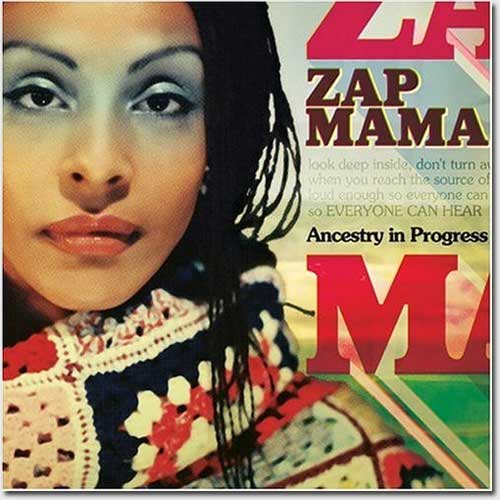
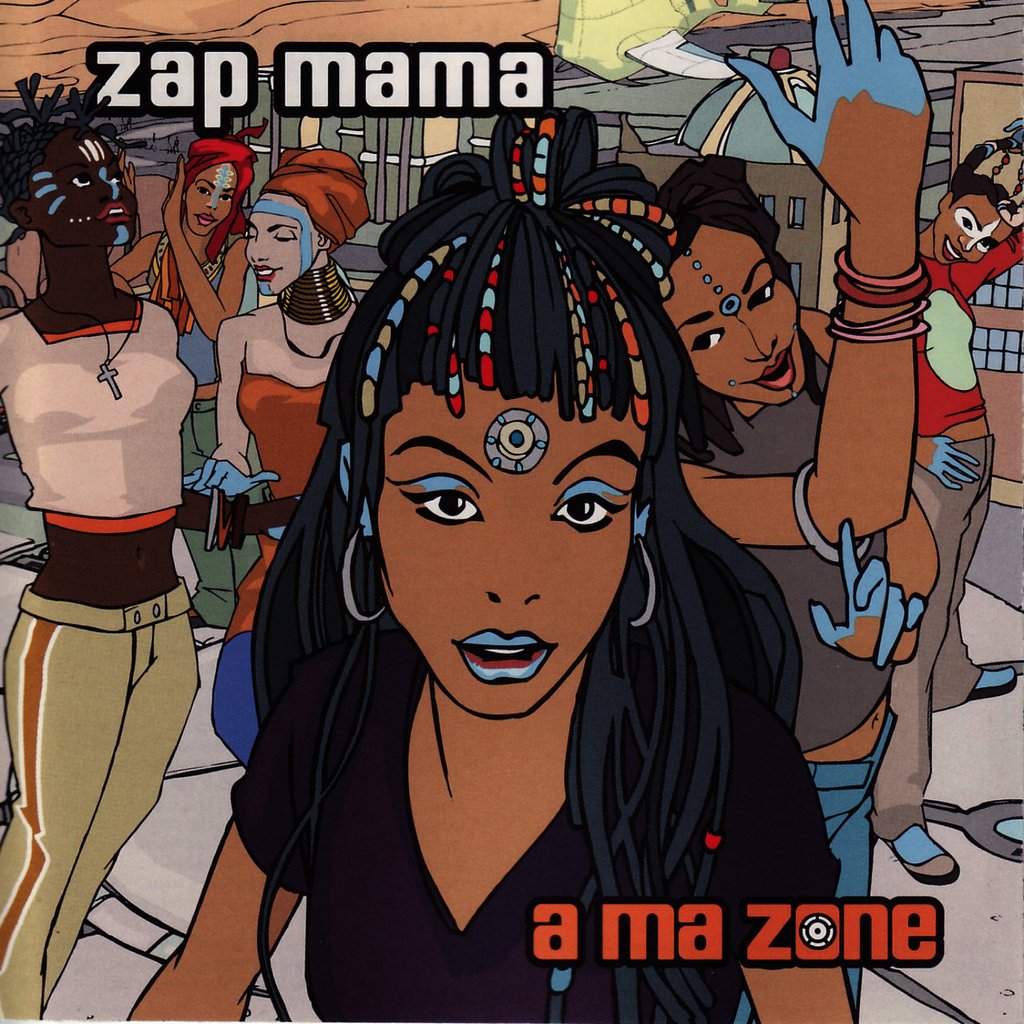
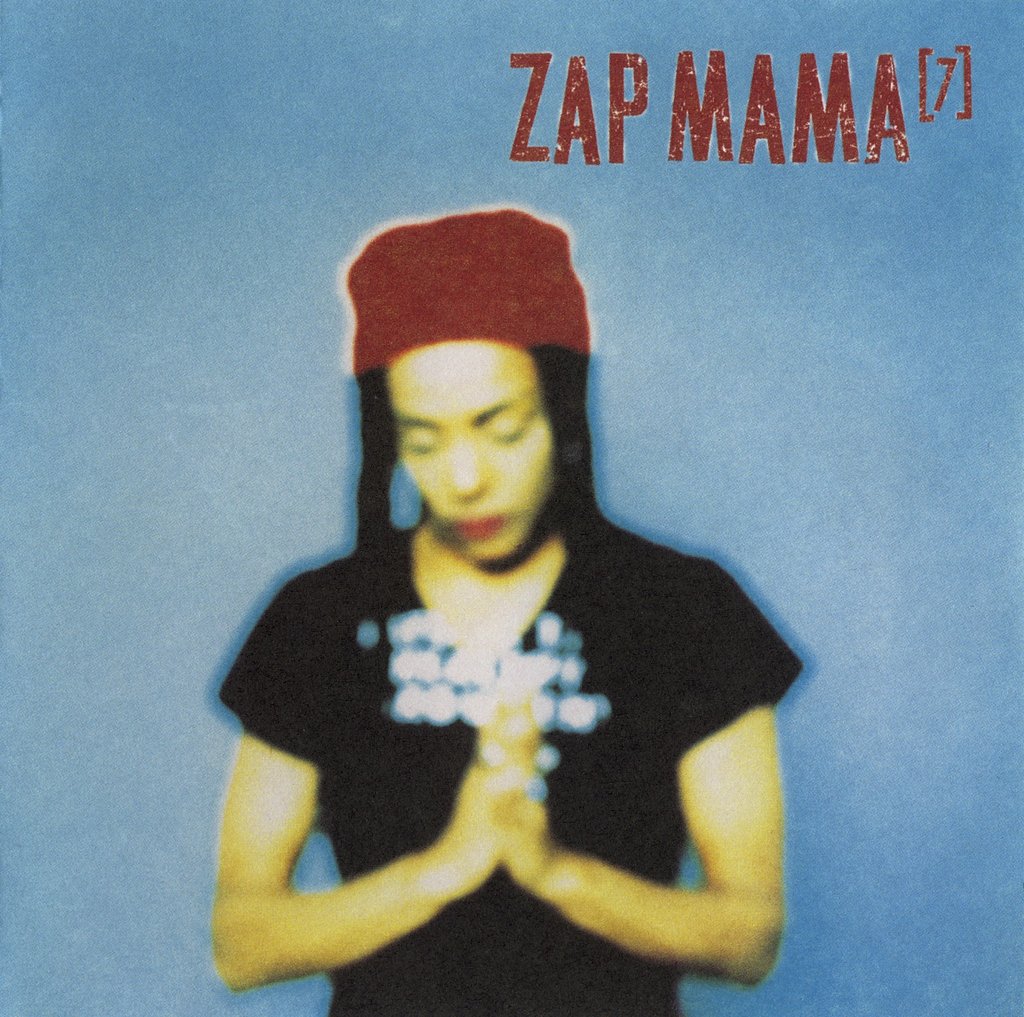
Her album 7 (1997) introduced keyboards, bass and drums, bringing the sound closer to funk and hip hop. A Ma Zone (1999) navigates between tradition and modernity, with a featuring by Manu Dibango. Ancestry in Progress (2004) was recorded in Philadelphia, nourished by the influences of the Nu-Soul scene.
Each album marks a new turn, but the voice remains the central instrument. Marie Daulne travels across Africa: with Malian griots, Tuareg women of Tamentit, the Dogons, the Pygmies, the Mangbetu and the Zulus, collecting healing chants, lullabies and mourning songs5.
Major Works
| Work | Year | Why it is essential |
|---|---|---|
| Zap Mama | 1991 | First draft: pygmy a cappella and founding polyphonies |
| Adventures in Afropea | 1993 | Worldwide consecration; number 1 Billboard; afropéenne neologism |
| Sabsylma | 1994 | Increased universality; Grammy nomination |
| 7 | 1997 | Funk/hip hop turn; collaboration with Michael Franti |
| A Ma Zone | 1999 | Tradition and modernity; featuring Manu Dibango |
| Ancestry in Progress | 2004 | Return to vocal roots after immersion in American soul |
Legacy
Zap Mama opened a path that few artists have been able to trace6. The term afropéenne which she invented has entered world music vocabulary, now designating the music of African diasporas in Europe.
More than three decades after her first recordings, Marie Daulne remains an tireless world citizen. Her journey, from the forest of Zaire to the stages of Carnegie Hall passing through the studios of Philadelphia, tells a story that goes beyond music: that of a girl born of two hostile worlds who made a fracture into a symphony.