Biography
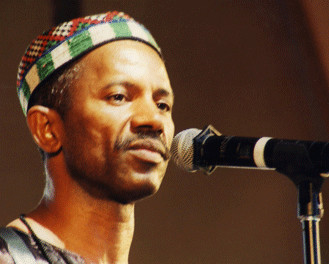
Zé Manel
In 1982, Zé Manel Fortes recorded an album that challenged the new leaders of Guinea-Bissau. The regime offered him a scholarship to study abroad; he was only twenty-five years old. This polite but firm way of silencing him marked a turning point in a life that, since the age of six, had chosen percussion as its language. Zé Manel has not stopped since: singing for his people, supporting the youth, and carrying bissau-guinean music far beyond its borders.
In brief
| Full name | José Manuel Fortes |
| Artist name | Zé Manel (or Ze’Manel) |
| Birth | 22 May 1957, Bissau (Guinea-Bissau) |
| Field | Bissau-guinean Creole, afro-jazz, goumbé (traditional carcan rhythm); singer, guitarist, and percussionist |
| Notable works | Maron di Mar, Nha Alma, Super Mama Djombo |
| Awards | Lusophone Music Prize (2022), Kora Awards nomination, Just Plain Folk Music Awards |
Key dates
| Year | Event |
|---|---|
| 1957 | Birth in Bissau, capital of Guinea-Bissau |
| c. 1963 | First steps on percussion in the scouts of Bissau, at age six |
| 1972–1973 | Creation of Super Mama Djombo; name inspired by a sacred female place |
| 1974 | Independence of Guinea-Bissau: the group becomes the musical voice of the regime |
| 1978 | Representation at the Youth Music Festival in Cuba; concerts throughout the PALOP |
| 1982 | First solo album critical of the regime, Gulbenkian scholarship, and forced departure from the country |
| 1988 | Relocation to Oakland, California; recording studio |
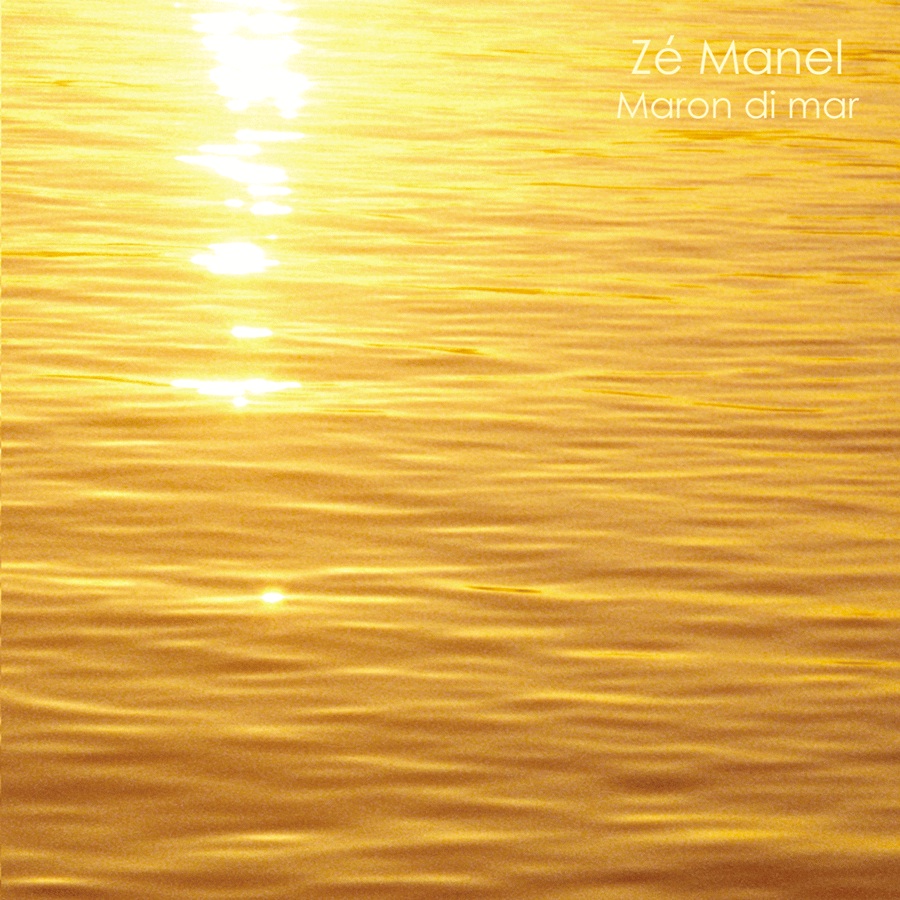
| 2001 | Maron di Mar, Kora Awards nomination (South Africa) |
| 2010 | Return to Guinea-Bissau, co-founding of Cobiana Records and the Bubaque Festival |
| 2018 | Nha Alma, fifth album recorded in the workshop installed in his bissau-guinean home |
From child drummer to stadiums
Born on 22 May 1957 in Bissau, José Manuel Fortes grew up under Portuguese domination. At six, he discovered percussion within the scouts: campfires, churches, and popular rhythms shaped his ear. « Formámos um grupo nos escuteiros, ainda sem nome, que tocava nos acampamentos », he recalls. Soon, his slightly older comrades decided to form a group outside the scouting movement under the name Sete Guinéus. Guitarist Jorge Medina demanded leadership and baptized the ensemble Super Mama Djombo, named after a sacred place dedicated to offerings to a spiritual woman.
After independence in 1974, Super Mama Djombo exploded. The group grew from seven to fourteen musicians, multiplied vocalizations, and acquired five electric violas. « After independence, life was a party, and no longer a struggle », Zé Manel recalls (translated from Portuguese). Creole music — the crioulo, the vernacular language of Bissau — became the identity glue of a young people. The group toured the PALOP, played at the Palácio de Belém before the Portuguese president, and recorded in Senegalese stadiums where the crowd battered down the doors. Youssou N’Dour then opened one of their concerts. They also represented their country at the Youth Music Festival in Cuba in 1978.
Exile and international recognition
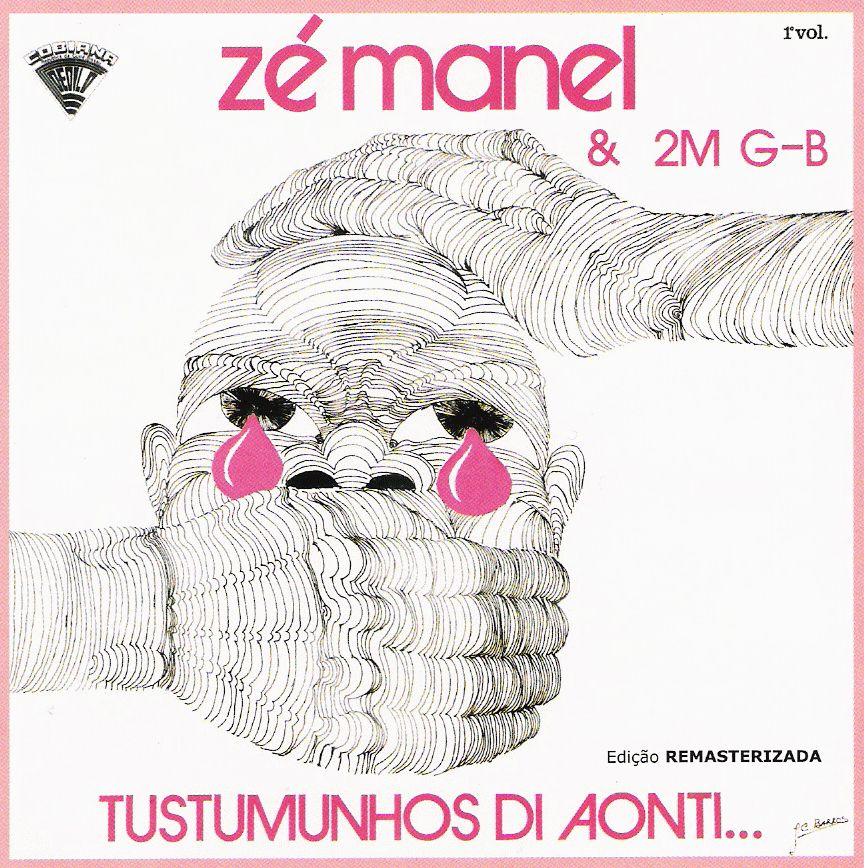
The bond between Super Mama Djombo and President Luís Cabral lasted as long as the euphoria. But in 1982, Zé Manel published Tustumunhos di Aonti (« Testimonies of Yesterday »), a record that pointed out the regime’s deviations. The album shook the power; disappearances intensified. The government offered him a scholarship to study abroad — « a clever way to eliminate voices of dissent », reports Africultures. Zé Manel accepted and went to Lisbon, where he studied piano, opera, and classical music for four years at the Academia dos Amadores de Música thanks to a Gulbenkian scholarship.
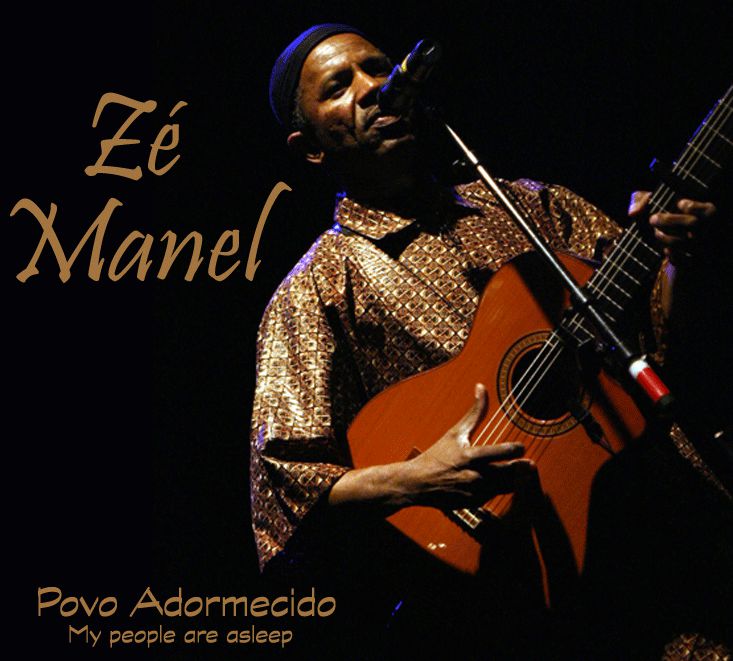
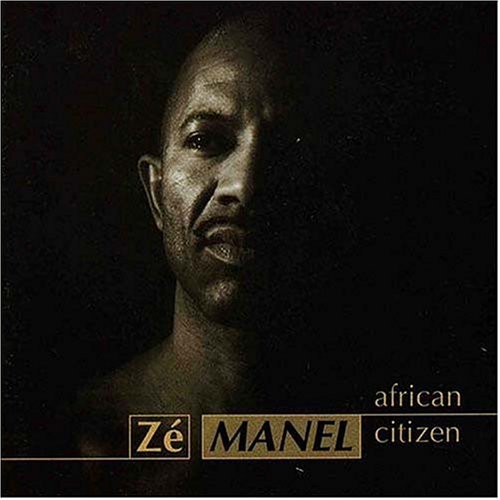
He then lived in Paris, « without finding his place there », before moving to Oakland in California in 1988. The new continent opened a studio and an Afro-American musical community that nourished the rest of his work. « That is where everything happened, he says: Maron di Mar, African Citizen, Povo Adormecido » (translated from English). He composed with his own band, carrying the bissau-guinean creole — a blend of traditional goumbé, afro-jazz, and rhythm-and-blues — across the oceans.
In 2010, Zé Manel returned to Guinea-Bissau and installed a studio in his home. « My house is the house of musicians; everyone enters, if there is food, everyone eats » (translated from Portuguese). He co-founded Cobiana Records and launched the Bubaque Festival to train young talents, convinced that « culture is a country’s passport » (translated from Portuguese).
Major works
| Work | Year | Why it is essential |
|---|---|---|
| Super Mama Djombo (group) | 1972–80 | Musical voice of bissau-guinean independence; hybrid orchestra |
| Tustumunhos di Aonti (solo) | 1982 | Critical album of the regime; turning point toward exile |
| Maron di Mar (solo) | 2001 | International recognition; Kora Awards nomination |
| African Citizen (solo) | 2004 | Best African album; Just Plain Folk Music Awards |
| Nha Alma (solo) | 2018 | Intergenerational transmission album, recorded in Guinea-Bissau |
Legacy and influence
Zé Manel Fortes paved the way for a generation of bissau-guinean musicians. By founding Cobiana Records and the Bubaque Festival, he invested in the future rather than past glory. Super Mama Djombo remains a pillar of Guinea-Bissau’s cultural identity, and the bissau-guinean creole music carried by Zé Manel is today recognized as one of the most authentic voices of the West African postcolonial wave. The 2022 Lusophone Prize consecrates a career that, from now on, no longer aims for recognition but for transmission.
Sources and references
- « Zé Manel — Person Profile », Africultures, https://africultures.com/personnes/?no=4817, accessed November 6, 2026.
- « Zé Manel (Guinea-Bissau) », Putumayo World Music, https://www.putumayo.com/zemanel, accessed November 6, 2026.
- « Biography — Zé Manel Fortes », Official Site, https://www.zemanelfortes.com/index.php?page=biography, accessed November 6, 2026.
- « Zé Manel released a record that is the soul and hope of the Guineans », PÚBLICO, https://www.publico.pt/2019/08/23/culturaipsilon/noticia/ze-manel-pos-disco-alma-esperanca-guineenses-1884010, accessed November 6, 2026.
- « Zé Manel Discography », Discogs, https://www.discogs.com/artist/878997-Zé-Manel, accessed November 6, 2026.
- « Legendary musician from Guinea-Bissau: ZE’MANEL Fortes », InMenlo, https://inmenlo.com/2026/03/10/legendary-musician-from-guinea-bissau-ze-manel-fortes-at-feldmans-book-march-14/, accessed November 6, 2026.