Eswatini: The Musical History of a Kingdom
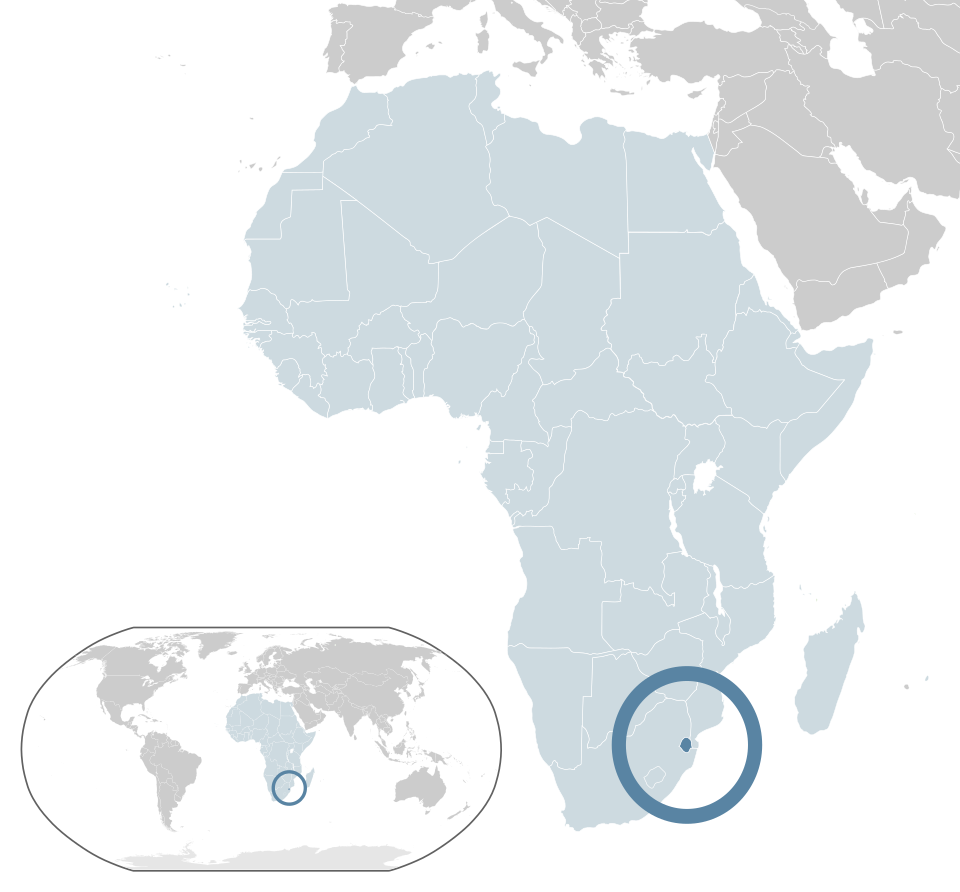
Eswatini, a small enclaved kingdom between South Africa and Mozambique, is the last absolute monarchy in Africa. But where politics may seem frozen, music continues to innovate1. From the sound of the makhoyane, a wooden and calabash musical bow played in the lowveld valleys, to the house beats of Antidote Music exported all the way to Europe and Brazil2, the kingdom is developing a scene that blends ancestral heritage with bold contemporary sounds3.
Royal Ceremonies and the Musical Bow
Swazi music is rooted in rituals of unparalleled power. The Incwala, the royal coronation ceremony, spans a month with songs and dances by regiments divided by region4. The Umhlanga, the reed dance, brings together thousands of young girls who cut reeds and sing in a polyphonic chain-response structure—a vocal architecture that defines all music from the southern part of the continent5.
Traditional instruments are rare but symbolic. The makhoyane (or makhweyana), a one-stringed musical bow stretched over a calabash, is the national instrument of Eswatini—a recording of this bow announces hourly news on the siswati radio6. The players, traditionally women, accompany their songs with tales of courtship and local stories7. The isitolotolo, a mouth harp made of recycled metal, is omnipresent8.
In the 20th century, thousands of Swazi men worked in South African mines and brought back the isicathamiya (a cappella choral singing made famous by Ladysmith Black Mambazo), the mbube (powerful vocal style with call-and-response and clapping) and the concertina (inkhositina) from Zulu communities9. These imports were fused into local culture10.
Mbaqanga, Pioneers and Smiles Makama
South African influence dominated as early as the 1950s-60s. The mbaqanga11—township music marrying Zulu harmonies, traditional rhythms and Western instruments—reigned on the airwaves12. Major ensembles like Mahlathini and the Mahotella Queens performed in Manzini for independence celebrations in 197313.
Mshikishi Mndzebele, nicknamed the “Gorilla Man”14, is a historical figure. He began in 1974 as an mbaqanga dancer in bars15. Noticed by the South African group Emagugu Esmanjemanje, he toured Zimbabwe where he was greeted by Oliver Mtukudzi16. Returning to the country in 1976, his career spanned four decades and three albums17. He presided over the Swaziland Arts and Music Association (SWAMA) and explored maskandi, mbaqanga and house18.
But the most visionary figure is Smiles Mandla Makama19. A youth in Mbabane, he discovered music in the capital’s hotels with counter-culture hippies20. His first album, Zanka Magic (1983), is today almost unfindable21. He formed Azumah, a marimba group whose “Johannesburg version” of Amampondo22 sang upon Nelson Mandela’s release in 1990. The albums Long Time Ago (1991) and The Source (1993) blend kora, mbira and makhoyane into a pan-African sound23. Makama, who learned the kora in Amsterdam by listening to Toumani Diabaté24, received a Lifetime Achievement Award in 201825. His renaissance, driven by Belgian trumpeter Ralph Smit26, culminated in the EP Ode to eSwatini released on a Bristol label27.
Swazi Soul and the Contemporary Scene
As early as 2010, Bholoja (Mbongiseni Ngubane) launched “Swazi Soul”28—Afro-jazz, folk and soul expressed in siswati29. His album Swazi Soul (2010) integrates mbira, sitolotolo and traditional percussion30. Softer still, Sandz (Sandziso Matsebula) adapts the genre for a young audience31. His song Tigi, in siswati, broke through in South Africa32. Velemseni, the “Queen of Soul”, captures the Afro-jazz facet with We Are All People (2012)33.
Hip-hop is structured with KrTC (Thamsanqa Sibandze) from the duo Siyinqaba, winner of the Tihlabane Album of the Year in 2010—the first contemporary prize for urban artists34. The duo KingXKein (Wandile Nkambule and Wakitsi Dlamini), formed in 2020, explores dark and cinematic hip-hop35.
Gospel probably dominates the most popular genre36. Nothando Hlophe, from the group Women In Praise, won awards in South Africa at the Crown Gospel Awards37. The Rastafarian community cultivates a reggae tradition with Ras Reggie, Ras Ritchie and Pachanga38.
House music is the other major export39. S-Tone (Sifiso Sicelo Magagula) launched house in 2005 with DJ Simza40. The label Antidote Music, founded by Mmely Hlanze, Sakhile Mkhonta and Sizo Hlophe, became the central player41. The compilation The Vault Unlocked (2020), supported by the Eswatini National Council for Arts and Culture (ENCAC), reached 18th place on the Apple Music chart42. Artists like Sooks (Best Underground Record 2019), Slotta and Parcel SWZ43 export to Europe, Brazil and the United States44.
The Echo of Bushfire
The MTN Bushfire Festival, created in 2007 in the lush valley of Malkerns45, is the showcase for this scene46. It brings together each year local and international artists47. The festival is one of the most appreciated cultural gatherings in Africa48. Mzwaa (soul-hip-hop), Queen (soul R&B), Black Rhino (composer) and the young generation find their platform49 there.
Eswatini has neither the industry nor the budget of musical giants. There is no local royalty system, and artists often record in South Africa50. But it is this smallness that forges the singularity of the Swazi sound: oral traditions, Zulu and South African influences, worldly ambitions, and a generation refusing to choose between the ancestral musical arc and tomorrow’s beat. If this kingdom of 1.2 million inhabitants manages to produce such a rich scene, it is because music there is a national language before being an industry.
Did you know? The national anthem Nkulunkulu Mnikati wetibusiso temaSwati was composed in 1967 by David Kenneth Rycroft, researcher at the Royal Military School of Music in England, on lyrics by Swazi teacher Andrease Fanyana Kukies Simelane51. It blends Western harmony and Swazi polyphonic traditions — phrase shift and non-simultaneous voice entry52.
Founding Figures
| Artist | Period | Style | Contribution |
|---|---|---|---|
| Mshikishi Mndzebele | 1974-2010 | Mbaqanga, maskandi | 4 decades, 3 albums, SWAMA president |
| Smiles Makama | 1983-2018+ | Pan-African | Zanka Magic (1983), Azumah, The Source (1993) |
| Bholoja | 2010- | Swazi Soul | Swazi Soul (2010), tours AF/EU |
| Sandz | 2015- | Afro-soul | Best Radio Song 2015, breakthrough in South Africa |
| KrTC | 2010- | Hip-hop | Tihlabane 2010, BushFire, Lake of Stars |
| S-Tone | 2005- | House | Holding Back, pioneer with DJ Simza |
| Antidote Music | 2014- | Deep/Tech House | Imiyalo, Vault Unlocked, export Europe/Brazil |
| Velemseni | 2012- | Afro-jazz | We Are All People (2012), « Queen of Soul » |
Sources
-
Afrisson, « Music in Eswatini », accessed October 26, 2026. ↩︎
-
OkayAfrica, « Antidote Music’s The Vault Unlocked », 2020, accessed October 26, 2026. ↩︎
-
World Beat Magazine, « Eswatini Music », accessed October 26, 2026. ↩︎
-
Music in Africa, « Traditional music in Swaziland », accessed October 26, 2026. ↩︎
-
Music in Africa, « Traditional music in Swaziland », accessed October 26, 2026. ↩︎
-
Music in Africa, « Traditional music in Swaziland », accessed October 26, 2026. ↩︎
-
Music in Africa, « Traditional music in Swaziland », accessed October 26, 2026. ↩︎
-
Music in Africa, « Traditional music in Swaziland », accessed October 26, 2026. ↩︎
-
Music in Africa, « Traditional music in Swaziland », accessed October 26, 2026. ↩︎
-
Sterns Guide to Contemporary African Music, Vol. 2, Pluto Press, 1992. ↩︎
-
Wikipedia, « Mbaqanga », accessed October 26, 2026. ↩︎
-
OzOutback, « Making music | Swaziland », accessed October 26, 2026. ↩︎
-
OzOutback, « Making music | Swaziland », accessed October 26, 2026. ↩︎
-
Afrisson, « Mshikishi Mndzebele », accessed October 26, 2026. ↩︎
-
Afrisson, « Mshikishi Mndzebele », accessed October 26, 2026. ↩︎
-
Afrisson, « Mshikishi Mndzebele », accessed October 26, 2026. ↩︎
-
Music in Africa, « The recording industry in Swaziland », accessed October 26, 2026. ↩︎
-
Afrisson, « Mshikishi Mndzebele », accessed October 26, 2026. ↩︎
-
MG.co.za, « The deep African science of Smiles Makama », March 22, 2019, accessed October 26, 2026. ↩︎
-
MG.co.za, « The deep African science of Smiles Makama », March 22, 2019, accessed October 26, 2026. ↩︎
-
MG.co.za, « The deep African science of Smiles Makama », March 22, 2019, accessed October 26, 2026. ↩︎
-
MG.co.za, « The deep African science of Smiles Makama », March 22, 2019, accessed October 26, 2026. ↩︎
-
MG.co.za, « The deep African science of Smiles Makama », March 22, 2019, accessed October 26, 2026. ↩︎
-
MG.co.za, « The deep African science of Smiles Makama », March 22, 2019, accessed October 26, 2026. ↩︎
-
MG.co.za, « The deep African science of Smiles Makama », March 22, 2019, accessed October 26, 2026. ↩︎
-
MG.co.za, « The deep African science of Smiles Makama », March 22, 2019, accessed October 26, 2026. ↩︎
-
MG.co.za, « The deep African science of Smiles Makama », March 22, 2019, accessed October 26, 2026. ↩︎
-
Music in Africa, « Popular music in Swaziland », accessed October 26, 2026. ↩︎
-
Music in Africa, « Popular music in Swaziland », accessed October 26, 2026. ↩︎
-
The Culture Trip, « 5 Contemporary Musicians You Need to Know From eSwatini », accessed October 26, 2026. ↩︎
-
The Culture Trip, « 5 Contemporary Musicians You Need to Know From eSwatini », accessed October 26, 2026. ↩︎
-
The Culture Trip, « 5 Contemporary Musicians You Need to Know From eSwatini », accessed October 26, 2026. ↩︎
-
Music in Africa, « Popular music in Swaziland », accessed October 26, 2026. ↩︎
-
The Culture Trip, « 5 Contemporary Musicians You Need to Know From eSwatini », accessed October 26, 2026. ↩︎
-
Eswatini Positive News, « KingXKein Duo Set to Revolutionize Local Hip Hop », accessed October 26, 2026. ↩︎
-
Music in Africa, « Popular music in Swaziland », accessed October 26, 2026. ↩︎
-
World Beat Magazine, « Eswatini Music », accessed October 26, 2026. ↩︎
-
Music in Africa, « Popular music in Swaziland », accessed October 26, 2026. ↩︎
-
OkayAfrica, « The Vault Unlocked : Eswatini Dance Music Compilation », 2020, accessed October 26, 2026. ↩︎
-
The Culture Trip, « 5 Contemporary Musicians You Need to Know From eSwatini », accessed October 26, 2026. ↩︎
-
OkayAfrica, « What It’s Like to Run an Electronic Music Label in Eswatini », accessed October 26, 2026. ↩︎
-
OkayAfrica, « The Vault Unlocked : Eswatini Dance Music Compilation », 2020, accessed October 26, 2026. ↩︎
-
OkayAfrica, « The Vault Unlocked : Eswatini Dance Music Compilation », 2020, accessed October 26, 2026. ↩︎
-
OkayAfrica, « The Vault Unlocked : Eswatini Dance Music Compilation », 2020, accessed October 26, 2026. ↩︎
-
World Beat Magazine, « Eswatini Music », accessed October 26, 2026. ↩︎
-
Harbinger Standard, « Eswatini’s Music Scene Blends Tradition and Talent », accessed October 26, 2026. ↩︎
-
Harbinger Standard, « Eswatini’s Music Scene Blends Tradition and Talent », accessed October 26, 2026. ↩︎
-
Harbinger Standard, « Eswatini’s Music Scene Blends Tradition and Talent », accessed October 26, 2026. ↩︎
-
World Beat Magazine, « Eswatini Music », accessed October 26, 2026. ↩︎
-
Music in Africa, « The recording industry in Swaziland », accessed October 26, 2026. ↩︎
-
Wikipedia, « Nkulunkulu Mnikati wetibusiso temaSwati », accessed October 26, 2026. ↩︎
-
Wikipedia, « Nkulunkulu Mnikati wetibusiso temaSwati », accessed October 26, 2026. ↩︎