Biografía
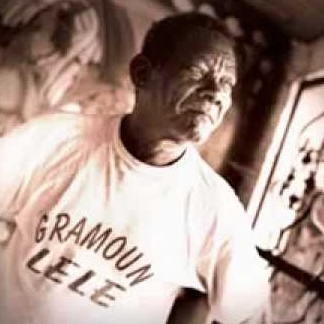
Granmoun Lélé: guardian of Réunionnais maloya
At the dawn of a servis kabaré, Granmoun Lélé’s deep voice blends with the sound of the kayanm — that large bamboo rattle that shakes the air in Bras-Fusil — and the spirits descend. From the sugar cane plantations of the 1940s to international stages in the 1990s, Julien Ernest Philéas, known as Granmoun Lélé, carried the Réunionnais maloya like a living memory, a bridge between enslaved ancestors and new generations.
In brief
| Full name | Julien Ernest Philéas |
| Stage name | Granmoun Lélé |
| Birth | February 28, 1930, Saint-Benoît, La Réunion |
| Death | November 14, 2004, Saint-Benoît, La Réunion |
| Field | Maloya (song, dance, drums — ritual music born of slavery in La Réunion) |
| Instruments | Voice, drums, kayanm (bamboo rattle) |
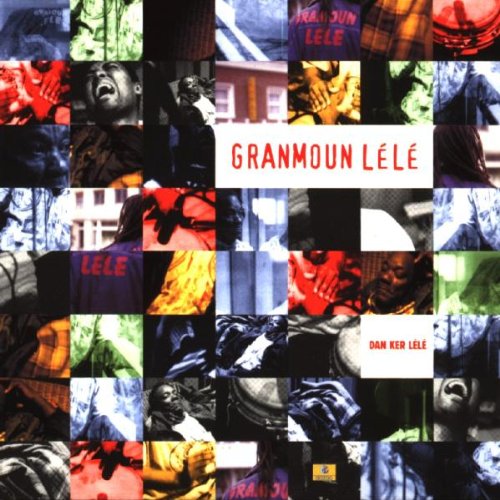
| Iconic works | Namouniman, Soléyé, Dan Ker Lélé, Zelvoula |
| Honors | Centre Granmoun Lélé (Conservatoire de Saint-Benoît, 2008); maloya inscribed on UNESCO’s intangible heritage list (2009) |
Key dates
| Year | Event |
|---|---|
| 1930 | Birth in Saint-Benoît, La Réunion |
| 1940s | Learning of Tamil rites and Malagasy ceremonies |
| 1944 | Sugar factory fitter; frequenting kabars |
| 1977 | Founding of his troupe; first maloya 45-rpm record (with Firmin Viry) |
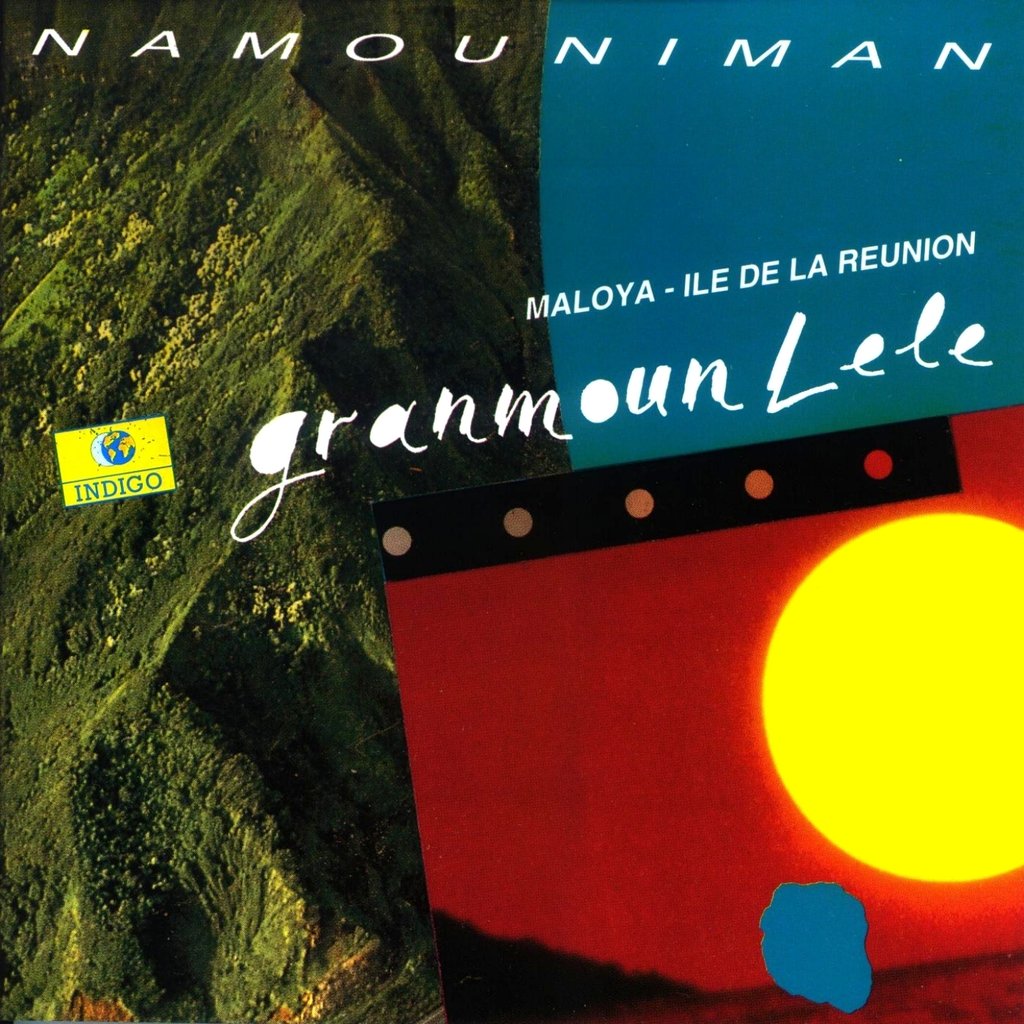
| 1993 | Release of Namouniman (Label Bleu), first album |
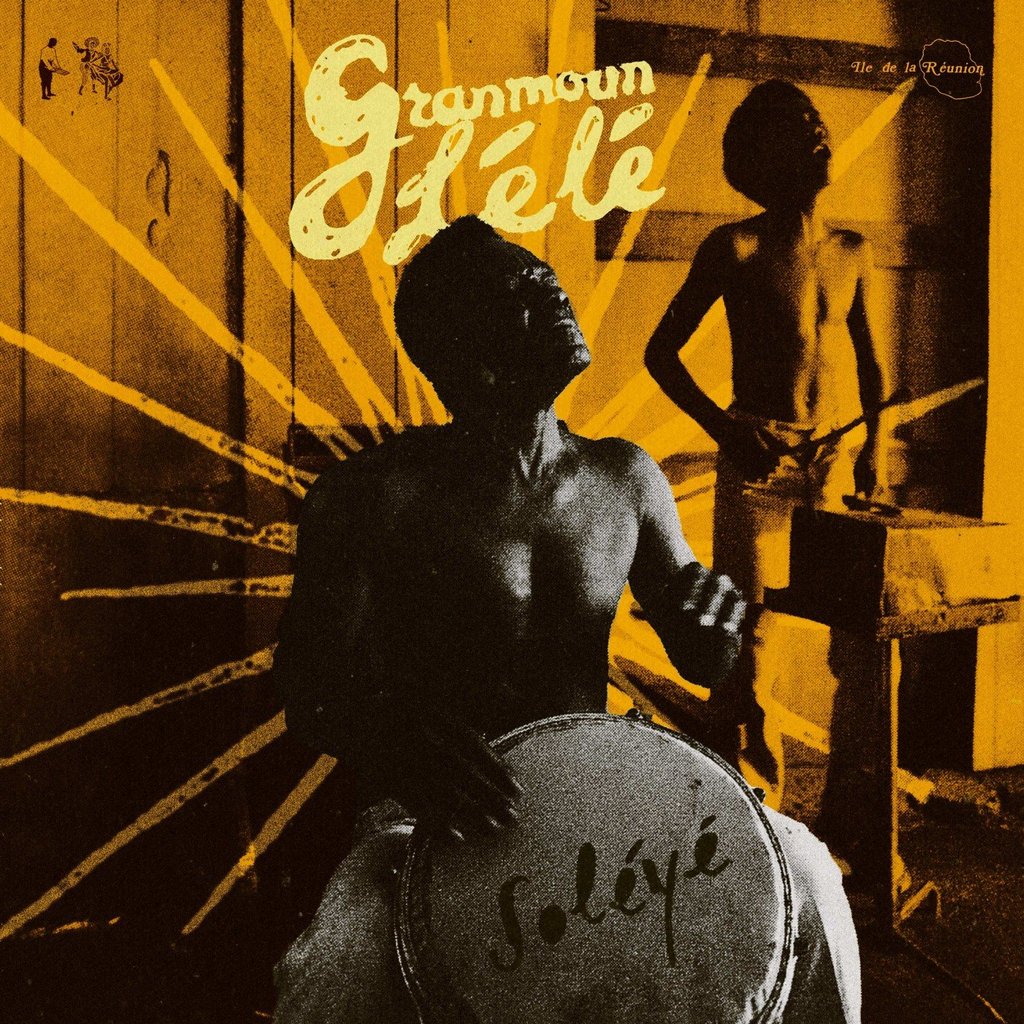
| 1995 | Release of Soléyé, cornerstone of ritual maloya |
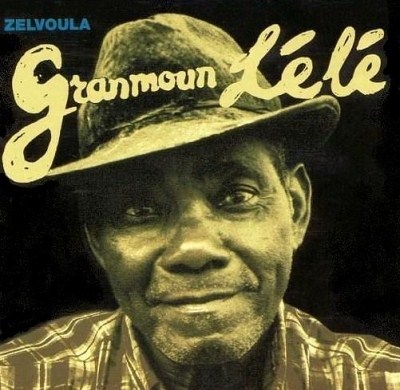
| 2003 | Final album, Zelvoula (Marabi/Lusafrica) |
| 2008 | The Conservatoire de Saint-Benoît takes his name |
A child of the servis kabaré: from field work to the voice of ancestors
Julien Ernest Philéas was born in 1930 in Saint-Benoît, at the heart of eastern La Réunion. One of twelve Philéas children, he grew up cradled by two heritages: his father initiated him into Tamil rites, and his mother into Malagasy ceremonies. These traditions, the servis kabaré, these nights of dialogue with ancestors, would forever permeate his music. His stage name comes from a family anecdote: his mother called him for snack time saying “Julien, lé lait,” and the Creole term granmoun — which designates elderly people — forged the nickname that remained.
As a teenager, he worked as an fitter in a sugar factory. Every weekend, he listened to workers sing and dance to the sound of traditional instruments. It was in these kabars that Granmoun Lélé discovered maloya — this sung and danced music born of the suffering of African and Malagasy slaves, rhythmically driven by the roulèr, a large wooden hand-beaten drum. He found his voice, his gesture, and his mission there. At fourteen, he composed his first maloya. More than two hundred would follow, written in the tin shack of Bras-Fusil, where his family had established a mystical courtyard: a chapel for Malagasy ancestors and another for Indian roots. “The dead are not dead in La Réunion,” he said, “they guide the living.”
In 1977, he founded his troupe and recorded a first maloya 45-rpm record, the first with that of Firmin Viry. It was only late in life, in the 1990s, that he crossed the threshold of fame beyond his island. Namouniman (1993) became a classic; Soléyé (1995), recorded at the Maison de la Culture d’Amiens, was hailed as a cornerstone of ritual maloya — it captures the essence of servis kabaré, a nocturnal ritual of invocation, trance, and communion. On stage, Granmoun Lélé was accompanied by a dozen musicians, seven of whom were his own children. His deep voice, accompanied by the cracking sound of the kayanm, carved a furrow between lived experience, oral tradition, and the invisible.
Always on stage until his end, he toured festivals worldwide — metropole, West Africa, India — and enriched his approach. His children, Willy and Urbain Philéas (future formation Groove Lélé), perpetuated his music with fervor. Granmoun Lélé passed away on November 14, 2004 at the age of 74, leaving more than two hundred tracks and a family of musicians who continue to make the island vibrate.
Major works
| Work | Year | Why it is essential |
|---|---|---|
| Namouniman | 1993 | First album; the title means “Party in memory of our ancestors” — a program in one song |
| Soléyé | 1995 | Cornerstone of ritual maloya; opens and closes with two versions of “Soléyé,” sunset and sunrise chants |
| Zelvoula | 2003 | Final album during his lifetime; dialogue between tradition and modernity |
Legacy and influence
Granmoun Lélé is one of the great figures of maloya, that music which was banned by French authorities from 1946 to 1962 because it carried the memory of slaves and a refusal to forget. His Bras-Fusil courtyard became a pilgrimage site for maloya heirs. The Maurice BABANI label reissued Soléyé on vinyl in 2025: the patriarch no longer sleeps, but his drums do not stop.
Sources and references
- « Gramoun lélé (Julien Ernest Philéas) », Wikipédia, https://fr.wikipedia.org/wiki/Granmoun_Lélé, accessed October 21, 2025.
- « LÉLÉ GRANMOUN (1930-2004) », Encyclopædia Universalis, https://www.universalis.fr/encyclopedie/granmoun-lele/, accessed October 21, 2025.
- « Granmoun Lélé », Qobuz, https://www.qobuz.com/dk-en/interpreter/granmoun-lele/66238, accessed October 21, 2025.
- « Granmoun Lélé — maloya, Réunion heritage archive », BABANI / ë, https://eeee.mu/babani/granmoun-lele/, accessed October 21, 2025.
- « Granmoun LÉLÉ — Soléyé », Bandcamp, https://granmounlele.bandcamp.com/album/sol-y, accessed October 21, 2025.
- « Musicien réunionnais, Granmoun Lélé », Guide Réunion, https://guide-reunion.fr/musique/granmoun-lele/, accessed October 21, 2025.
- So-y-sen Maumont et Willy Philéas, Granmoun Lélé, la voix des ancêtres : biographie officielle, Saint-Denis, Éditions Orphie, 2014.
- « Granmoun lé la ! – RFI Musique », Radio France Internationale, http://musique.rfi.fr/musique/20090810-granmoun-le.html, consulté le 21 octobre 2025.