Biography
Abeti Masikini, queen of soukous
In 1973, a nineteen-year-old woman took the stage at the Olympia in Paris. Her name: Abeti Masikini. Her music, an unprecedented blend of Congolese rumba, blues, folk, and soukous — a style born in Kinshasa in the 1950s. Thirty years later, that concert remains a milestone: an African woman breaking the codes of a music industry that was predominantly male.
In brief
| Birth name | Élisabeth Finant |
| Birth | 9 November 1954, Stanleyville (now Kisangani), Belgian Congo |
| Death | 28 September 1994 (age 40), Villejuif, France |
| Genres | Soukous, Congolese rumba, folk, blues, soul, pop |
| Instruments | Piano, guitar |
| Nicknames | « The Tigress with Golden Claws », « Tantine » |
| Group | Les Redoutables |
| Honors | Knight of the National Order of the Leopard (posthumous) |
Key dates
| Year | Event |
|---|---|
| 1954 | Birth in Stanleyville (Belgian Congo) into a family of eight children |
| 1961 | Assassination of her father; exile to Kinshasa |
| 1971 | Young Talent Discovery Contest; discovered by Gérard Akueson |
| 1972 | Formation of the orchestra Les Redoutables |
| 1973 | Paris Olympia; New York Carnegie Hall; album Pierre Cardin Présente: Abeti |
| 1974 | Zaire 74: Ali-Foreman fight |
| 1981 | Dixième anniversaire, peak of rumba |
| 1994 | Death in Villejuif |
Career
Élisabeth Finant grew up in a cultivated home belonging to the Congolese elite. Her father, Jean-Pierre Finant, a Belg Congo métis who became a Lumumbist, was the first Congolese governor of the Orientale Province. Her mother, Marie Masikini, a church choir singer, introduced the little girl to the piano. In 1961, the assassination of her father in Bakwanga forced the family into exile in Kinshasa, where Abeti entered the Sacré-Cœur high school before working as a secretary in the office of the Minister of Culture. Behind administrative discretion, a devouring passion was born: under the nickname « Betty Finant », she began singing in small clubs with her younger brother Jean Abumba on guitar. In 1971, Mobutu’s policy of authenticity — a reform imposing Congolese names at the expense of colonial ones — led her to adopt the name Abeti Masikini.
The breakthrough came when Togolese producer Gérard Akueson, passing through Kinshasa, spotted Abeti on television. In West Africa, where she performed in Benin, Côte d’Ivoire, Senegal, and Nigeria, the public adopted her immediately. Her music, blending Swahili rhythms and electric instruments, captivated thousands of spectators. This continental success opened the doors to Europe: on 19 February 1973, the Parisian Olympia welcomed her. Two years later, 3,000 spectators cheered her at the New York Carnegie Hall. Her manager defended the use of electric instruments: « The basic rhythm is African », he stated in an interview with the New York Times, « but young Africans are revolutionizing their music with electric guitars and basses ». She sang alongside James Brown, Miriam Makeba, and Tabu Ley Rochereau, and participated in September 1974 in Zaire 74, the festival for the Ali-Foreman fight.
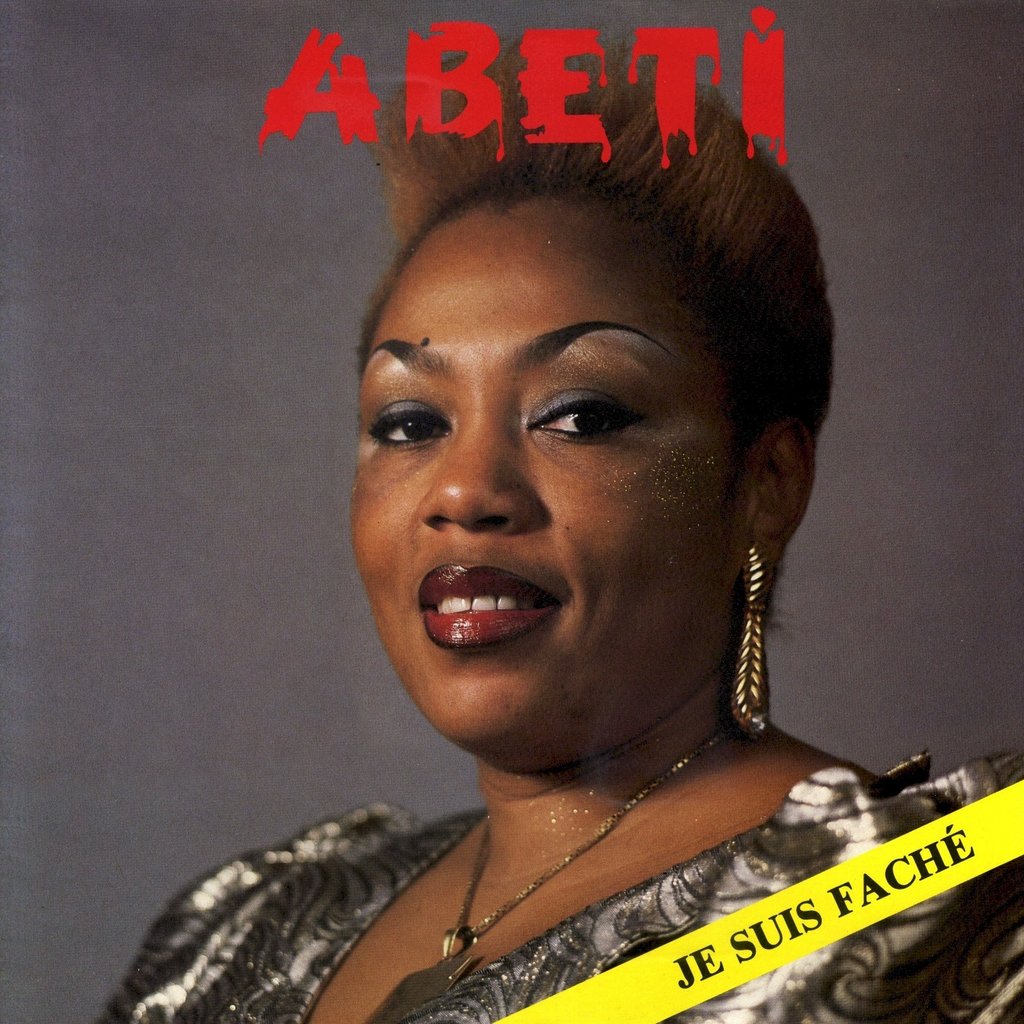
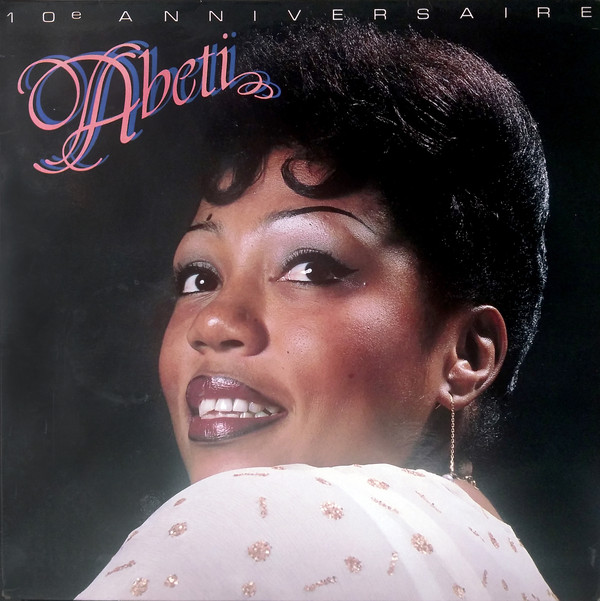
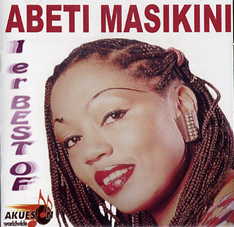
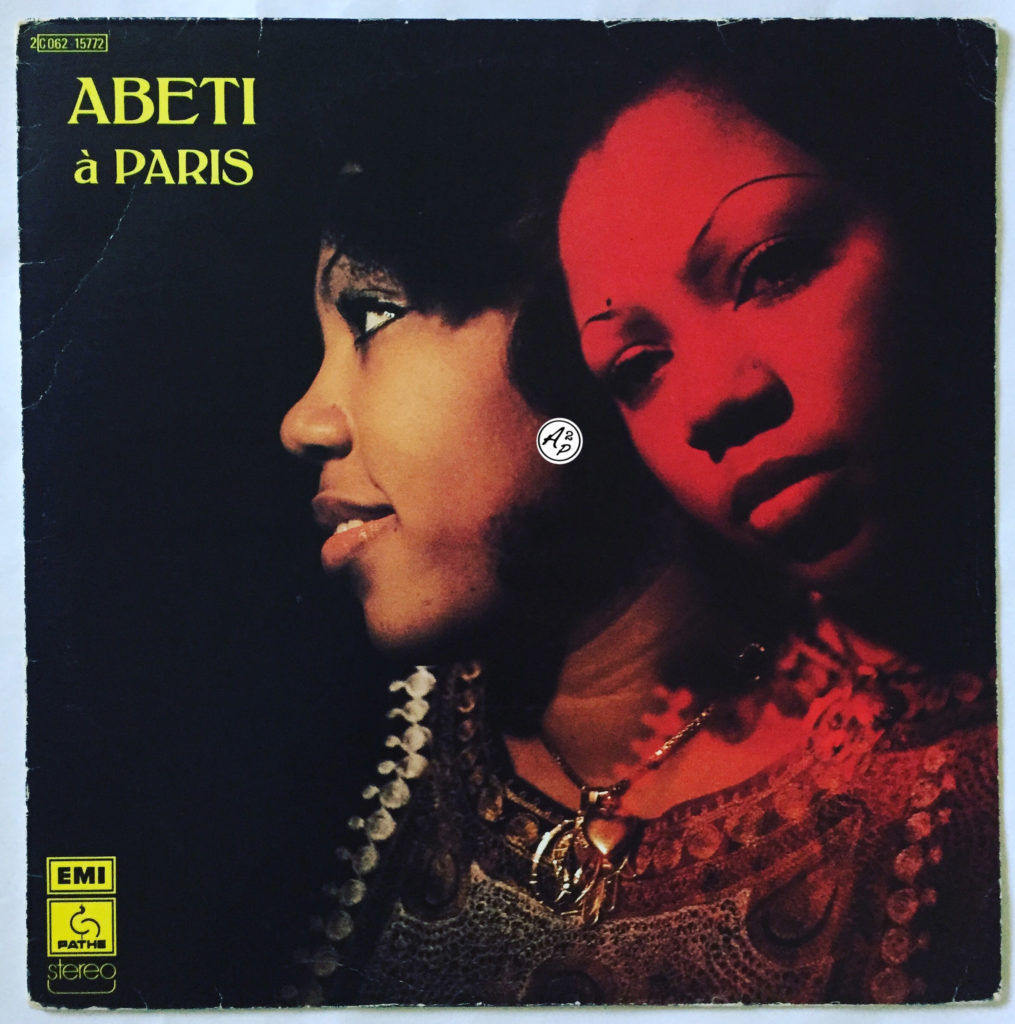
Upon returning to her country, Abeti encountered a lukewarm reception. Her songs in Swahili, with blues and soul melodies, were judged foreign by a Kinshasa public accustomed to Lingala. She managed only twelve spectators at her first cinema outing at the Palladium. But she did not lose heart. Relentless work, constant television appearances with Les Redoutables — her orchestra — and his dancers Les Tigresses eventually changed minds. Her first album, Pierre Cardin Présente: Abeti (1973), includes the tracks “Mutoto Wangu”, “Bibile”, “Aziza”, “Miwela”, “Safari” and “Papy Yaka”. She followed up with La Voix du Zaïre, l’idole de l’Afrique (1975), Abeti à Paris (1976), and Visages (1980, RCA) which introduced disco. For her tenth career anniversary, she released Dixième anniversaire (1981), featuring anthems like “Baruwa Kwa Mupenzi”, “Chéri Badé”, “Père Bouché”, “Ndolindo”, “Bilonda” and “Zaire Oye”. Rumba became her preferred style. “Je suis fâché” was a hit in France. Abeti continued experimenting with Mokomboso (1980), Amour Ya Sens Unique (1984) and Ba Mauvais Copistes (1984). Her orchestra Les Redoutables functioned like a school: M’bilia Bel, Lokua Kanza, Abby Surya, Tshala Muana and Yondo Sister all began there.
Major works
| Work | Year | Why it is essential |
|---|---|---|
| Pierre Cardin Présente: Abeti | 1973 | First album; European recording contract; inauguration at the Olympia |
| La Voix du Zaïre, l’idole de l’Afrique | 1975 | Coronation in West Africa; tours at the Olympia |
| Visages | 1980 | Disco experiment with Congolese rhythms; success in the Caribbean |
| Dixième anniversaire | 1981 | Peak of rumba; anthems “Chéri Badé” and “Baruwa Kwa Mupenzi” |
Legacy
Abeti Masikini opened doors that no Congolese woman had crossed before. As the first Zairian woman to lead her own orchestra and perform at the Olympia, the Carnegie Hall, and the Apollo Theater in New York, she turned Les Redoutables into a nursery of talent. After her death from uterine cancer, the Abeti Masikini Foundation organizes annual commemorations in Kinshasa, Kisangani, and Lubumbashi. A documentary, Abeti Masikini, le combat d’une femme (2016), restored the diva to her rightful place.
Sources and references
- « Abeti Masikini », Wikipedia (French), https://fr.wikipedia.org/wiki/Abeti_Masikini, accessed 24 October 2026.
- « Abeti Masikini », Wikipedia (English), https://en.wikipedia.org/wiki/Abeti_Masikini, accessed 24 October 2026.
- « Abeti Masikini: 20 years after her death », Music In Africa, https://www.musicinafrica.net/fr/magazine/abeti-masikini-20-ans-apr%C3%A8s-sa-mort, accessed 24 October 2026.
- « Portrait: Abeti Masikini », Culture Congo, https://culturecongo.com/article/abeti-masikini, accessed 24 October 2026.
- « Abeti Masikini », Valeorine Encyclopedia, https://www.valeorine.com/reference/abeti-masikini, accessed 24 October 2026.
- « African Singer, Too, Got A Start in Church Choir », The New York Times, https://nytimes.com/1974/03/11/archives/african-singer-too-got-a-start-in-church-choir.html, accessed 24 October 2026.
- « Paris pays tribute to great Congolese diva Abéti Masikini », Afrik.com, https://www.afrik.com/paris-rend-hommage-a-la-grande-diva-congolaise-abeti-masikini, accessed 24 October 2026.
- « Abeti Masikini Catalogue: the golden voice of Zaire », Bibliothèque publique d’information (BPI), https://catalogue.bpi.fr/fr/document/ark:/34201/nptfl0000333759, accessed 24 October 2026.
- « The Biography of Abeti Masikini », Congo Heritage, https://congoheritage.org/content/la-biographie-dabeti-masikini, accessed 24 October 2026.
- « Abeti Masikini », Deezer, https://www.deezer.com/us/artist/457025, accessed 24 October 2026.