Biography
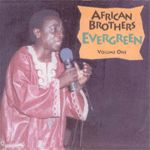
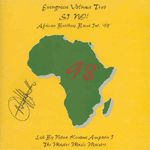
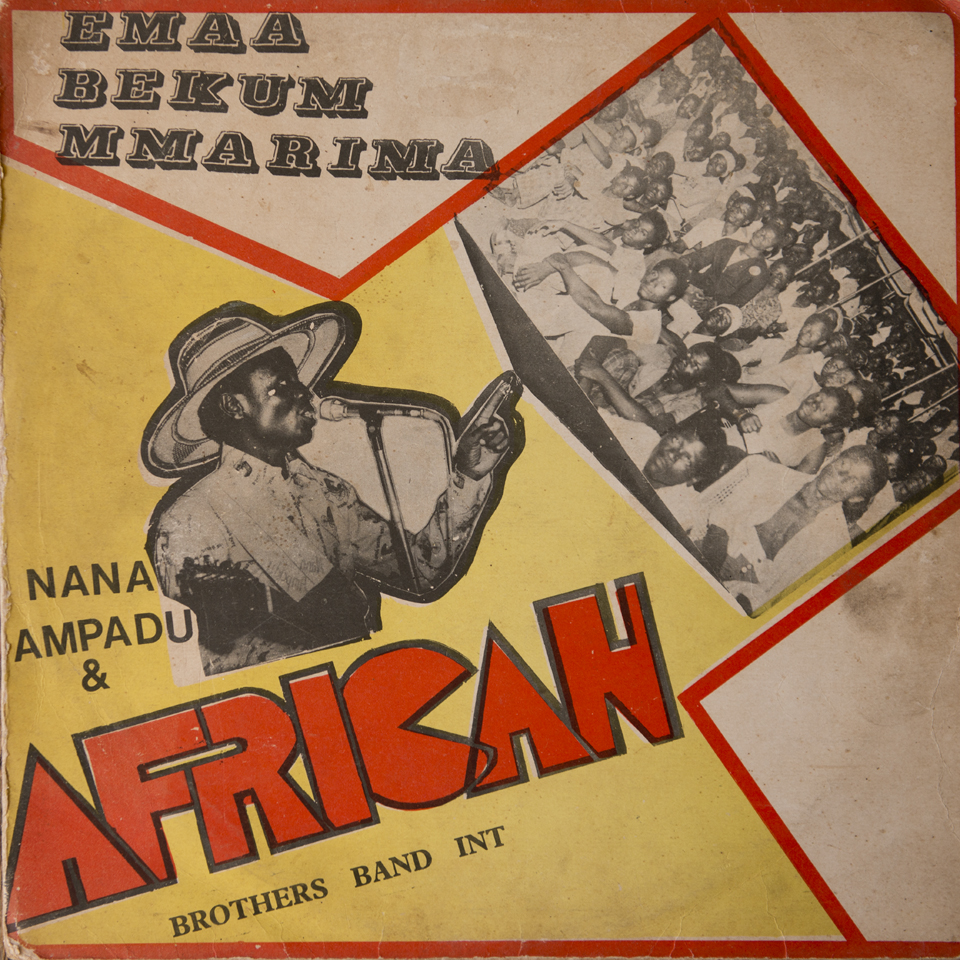
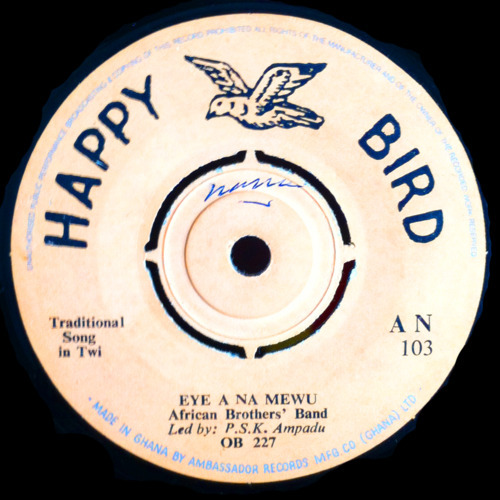
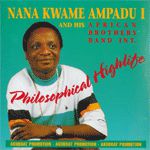
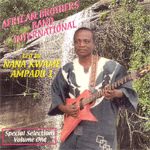
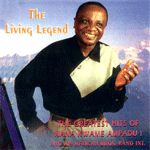
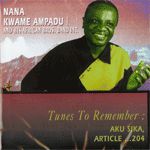
Nana Ampadu (African Brothers Band)
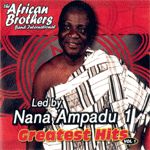
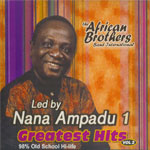
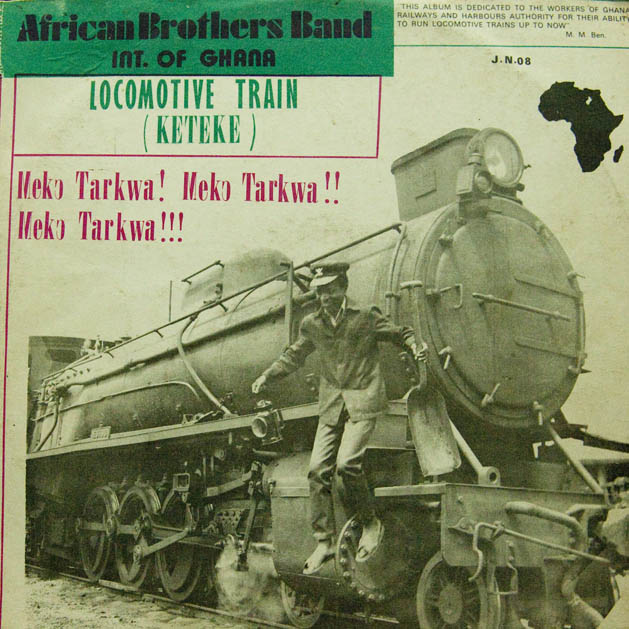
In 1967, Nana Kwame Ampadu and his African Brothers Band recorded “Ebi Te Yie” — “Some Make It” in Akan. A song about social inequalities that shocked the ruling military regime and disappeared from the airwaves. The return of music would not be enough to make the message forgotten: in 1970s Ghana, a teenage guitarist dared to say out loud what people whispered in low voices.
In Brief
| Full Name | Nana Kwame Ampadu (born Patrick Kwame Ampadu) |
| Birth | March 31, 1945, Obo Kwahu (Eastern Region), Colonial Ghana |
| Death | September 28, 2021 (76 years), Accra, Ghana |
| Field | Highlife — guitar, vocals, composition |
| Nicknames | Paa Steele, Odwontofoohene (King of Musicians) |
| Notable Works | “Ebi Te Yie”, Me Poma, “Agartha” |
| Awards | Odwontofoohene (1973), Grand Medal of the Volta Civil Division (1977) |
Key Dates
| Year | Event |
|---|---|
| 1963 | Formation and inauguration of the African Brothers Band in Accra (Park Cinema Theatre) |
| 1967 | Resounding success of “Ebi Te Yie”, a track censored by the military regime |
| 1968–1978 | Recording of ~400 singles under Philips West Africa Ltd |
| 1972 | First prize in the national rhythm band competition (Rex Cinema Hall, Accra) |
| 1973 | Renaming of the group to African Brothers Band International |
| 1976 | First tour of the United States and Canada |
| 1984 | International release of the album Me Poma (Stern’s Africa / Rounder Records) |
| 1992 | Composition of a track for Jerry Rawlings’ election campaign (NDC) |
| 2021 | Death at Legon Hospital, Accra (September 28) |
From Teenagers to the Pinnacle of Highlife
Patrick Kwame Ampadu grew up in Adabraka, a popular neighborhood in Accra, where music is a public passion: at fourteen, he was spotted in the streets with his guitar. This young boy from Kwahu quickly attracted the attention of local musicians. Guitarist Eddie Donkor noticed him and then introduced him to his brother-in-law, who was preparing a group in the Nima neighborhood. This is where the idea of a new formation was born.
With his older brother Rover Amo Kofi Ampadu, Patrick bought congas, an acoustic guitar, and a handmade drum kit. Together with Yaw Owusu (cousin), P.K. Ampadu, Kwasi Boahene, and K. Ofori, they assembled their instruments on credit—a crazy bet for teenagers at a time when professional musicians were respected adults. The name African Brothers Band was chosen unanimously by K. Ofori, echoing the vision of African unity championed by Kwame Nkrumah and the future Organization of African Unity (OAU).
The group was inaugurated in September 1963 at the Park Cinema Theatre in Adabraka, before a captivated audience. Their repertoire: original compositions played in beer bars, Muslim wedding ceremonies (Sunna), and funeral wakes.
Censorship, Consecration, and International Opening
Three years of hard work before Philips West Africa deigned to record them. In 1967, “Ebi Te Yie” exploded and transformed the group into a national phenomenon—until the military regime of the National Liberation Council saw in the song a veiled criticism. The airwaves closed, but the public kept in memory the words of the young group leader: music had spoken.
Consecration arrived in 1972, at the Rex Cinema Hall in Accra, where Nana Ampadu won the first national rhythm band competition. His title changed from then on: Patrick Kwame Ampadu became Nana Kwame Ampadu I, and he was proclaimed Odwontofoohene—“King of Musicians,” according to the song itself.
Under his leadership, the group innovated deeply: interlaced multiple guitar melodies (up to four guitarists), rich percussion, and a style they baptized Afrohili—a blend of highlife and reggae. The Tinawele, a dance they invented, made the halls of Ghana dance. From 1968 to 1978, some 400 tracks were recorded and more than fifty albums.
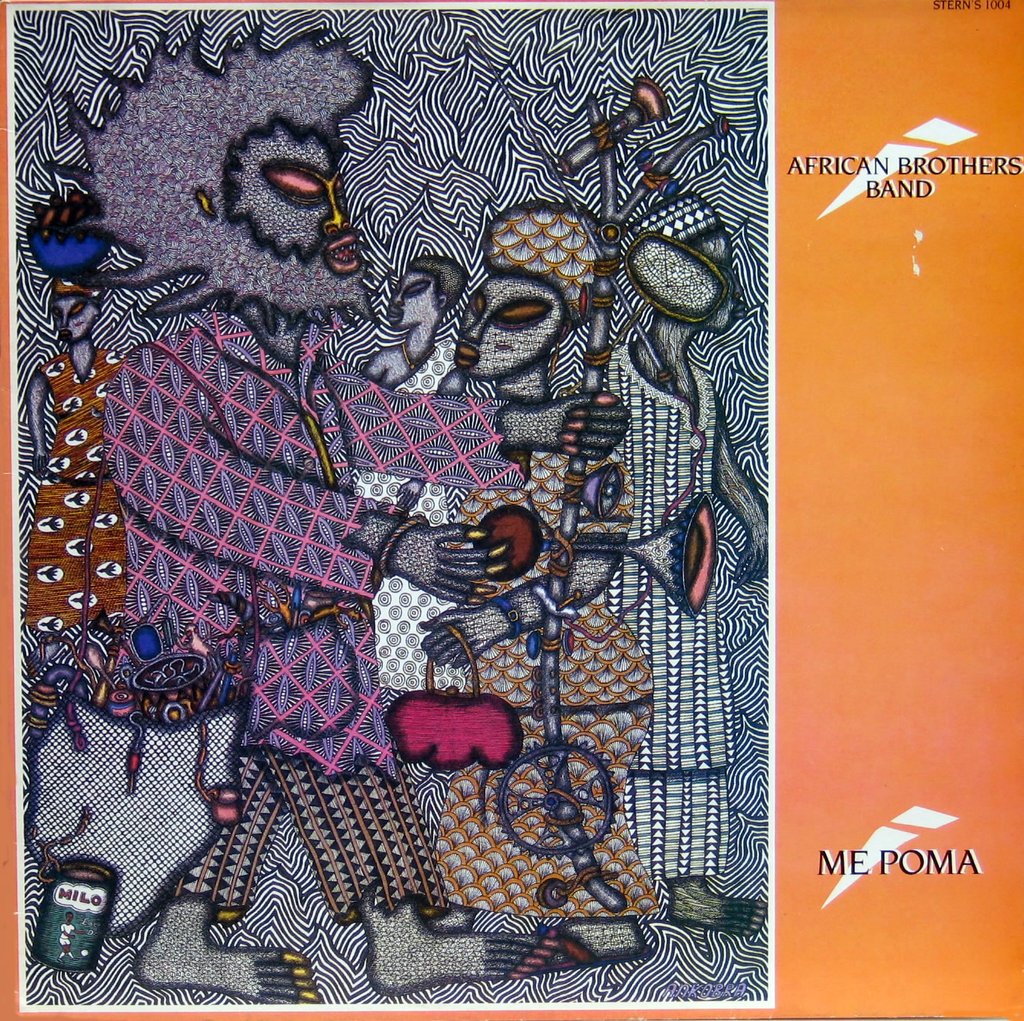
In 1976, the group went on stage across the Atlantic: the United States and Canada welcomed the African Brothers Band International. The album Me Poma was released by Stern’s Africa in the United Kingdom and Rounder Records in the United States in 1984, propelling Ghanaian highlife onto the American and European continents.
A Citizen Artist, from Political Reggae to Posthumous Memory
Nana Ampadu’s music did not just entertain: it told the daily life of Ghanaians, placing political and social debates on the table. In 1992, he composed a track for Jerry Rawlings’ presidential campaign (NDC)—and published a song denouncing the project to exclude Rawlings from the elections due to his mixed heritage. His track Obra even became the theme song of a famous Ghanaian TV series.
With more than 800 compositions to his name, Nana Ampadu was also president of MUSIGA (the Union of Ghanaian Musicians). He died on September 28, 2021, at Legon Hospital, Accra. President Akufo-Addo, the hiplife star Sarkodie, and thousands of Ghanaians paid tribute to the Odontofohene who passed away too soon. His music continues to live on, a faithful witness to a century.
Major Works
| Work | Year | Why It Is Essential |
|---|---|---|
| “Ebi Te Yie” (Some Make It) | 1967 | Censored track for its social criticism—the moment that launched African Brothers Band onto the national stage. |
| Me Poma | 1984 | First album to reach an international audience via Stern’s Africa and Rounder Records; quintessence of Afrohili. |
| “Agartha” | 1981 | Reference hymn of the repertoire; blends Akan fable and social commentary. |
| “Have African Feeling” | ~1980 | Hymn of African unity that closed the decade of international tours. |
Heritage and influence
Nana Ampadu shaped 1970s Ghanaian highlife like no other. His practice — four to six guitarists playing in interlocking patterns, percussion rich in congas and cajons — became the standard model for the entire younger generation. Artists like Eddie Donkor (co-founder), Sarkodie, and subsequent generations of highlife and afrobeat still draw from it. Reissues of his catalogue via Rounder Records and recent compilations — Ghana Soundz: Afro-Beat, Funk and Fusion in 70’s Ghana — testify to a worldwide rediscovery of his work. African Brothers Band International remains one of the most important African music groups of the 20th century, and Nana Kwame Ampadu, its visionary founder, remains a fundamental figure in the music of the continent.
Sources and references
- Ghana News Agency, “Profile of Highlife Legend Nana Ampadu”, https://gna.org.gh/2021/09/profile-of-highlife-legend-nana-ampadu, accessed 7 November 2025.
- “Nana Ampadu”, Wikipedia (EN), https://en.wikipedia.org/wiki/Nana_Ampadu, accessed 7 November 2025.
- “Profile of Highlife Legend Nana Ampadu”, GhanaWeb, https://www.ghanaweb.com/GhanaHomePage/entertainment/Profile-of-highlife-legend-Nana-Ampadu-1369396, accessed 7 November 2025.
- AllMusic, “The African Brothers Band”, https://www.allmusic.com/artist/the-african-brothers-band-mn0001179147, accessed 7 November 2025.
- “Ghana’s Highlife Music Collection: African Brothers”, Fondation Daniel Langlois, https://www.fondation-langlois.org/html/e/page.php?NumPage=2275, accessed 7 November 2025.
- Discogs, “African Brothers”, https://www.discogs.com/artist/352298-African-Brothers, accessed 7 November 2025.
- “Band History”, official site Nana Kwame Ampadu, https://nanakwameampadu.com/band-history, accessed 7 November 2025.
- BBC Pidgin, “Nana Ampadu: Ghana highlife legend die at age 76”, https://www.bbc.com/pidgin/tori-58732510, accessed 7 November 2025.