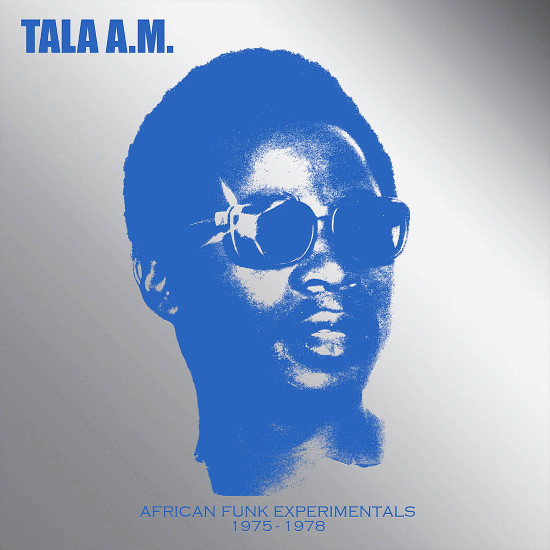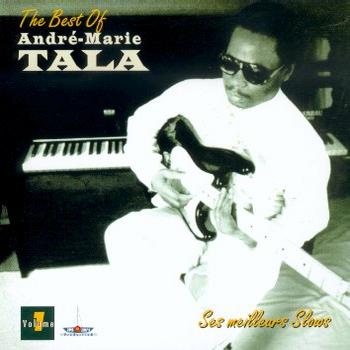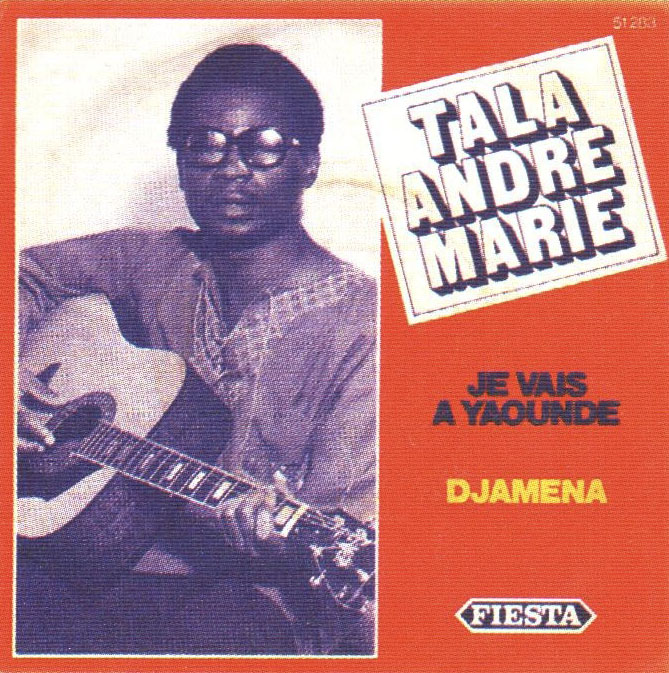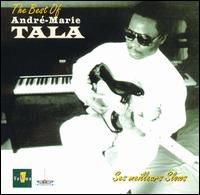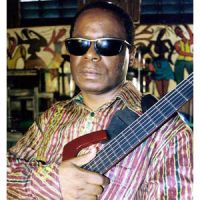
Biography
André-Marie Tala: the melody woven from loss and music
In May 1975, James Brown made a stop in Douala for a series of concerts. A young blind Cameroonian slipped an album into his hands: Hot Koki, signed by André-Marie Tala. Four years later, the “Papa de la Soul” published the track under the title « The Hustle », without crediting the author. Tala filed a lawsuit, won the trial in 1978 and received 15% of the song’s earnings. This verdict, among the most famous cases of African musical plagiarism, sheds a unique light on the journey of a guitarist who transformed his blindness into a compass.
In brief
| Full name | André-Marie Tala |
| Birth | 29 October 1950, Bandjoun (Cameroon) |
| Genre | Tchamassi, Bend Skin, Afro Jazz |
| Instruments | Guitar, vocals |
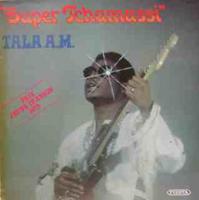
| Signature works | Hot Koki, Sikati, Super Tchamassi, Bend Skin |
| Awards | Prix de la jeune chanson francophone (1978), Charles Humel Prize (1980), Kora Award (2000), Commander of the Order of the Value of Cameroon (2022) |
Key dates
| Year | Event |
|---|---|
| 1950 | Birth in Bandjoun, in the West of Cameroon |
| 1965 | Loss of sight at age 15; taken in by his grandmother |
| 1968 | Founding of the Rock Boys, soon to become the Black Tigers with Sam Fan Thomas |
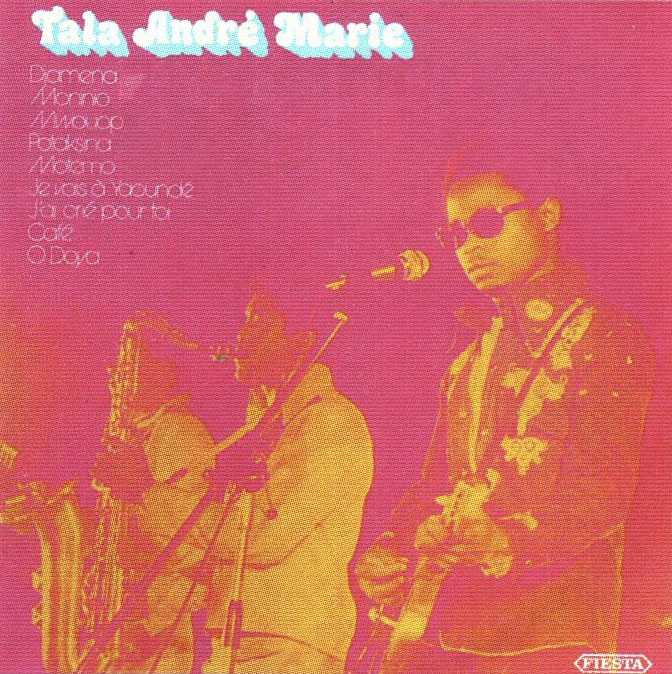
| 1972 | Meeting with Manu Dibango; signing with Decca (Fiesta) |
| 1975 | Hot Koki; James Brown visits Cameroon |
| 1978 | Victory against James Brown in court; Prix de la jeune chanson francophone |
| 1993 | Launch of Bend Skin, founding piece of the style |
| 2000 | Kora Award for Best Artist in Central Africa |
| 2012 | Opening of a music school in Douala |
| 2022 | Commander of the National Order of the Value |
A guitarist who made the night his compass
Born on 29 October 1950 in Bandjoun, André-Marie Tala lost his mother at four and his father sixteen years later. Taken in by his grandmother Marie-Thérèse Mambwa, he grew up cradled by the traditional songs of the Bamoun. A passionate teenager, he crafted his first guitar with a friend: nylon string, bamboo neck, recycled wood body. « We imitated the rhythms that had cradled us », he would recount. At seventeen, yé-yé and French chanson — Johnny Hallyday — captivated him. In 1965, he lost his sight without prior symptoms. Music became his compass.
Success came quickly. In 1967, his song « J’ai faim » triumphed in a contest organized by Radio Cameroun. The Rock Boys, which he founded, soon became the Black Tigers with Sam Fan Thomas on guitar. In 1971, Tala was the first Cameroonian artist to perform at the Abbia cinema-theatre in Yaoundé. His trajectory took off in 1972 thanks to Manu Dibango, who brought him to Paris and put him in the studio at Decca (Fiesta). He released a series of landmark tracks: « Sikati », « Potaksina », « Namala ébolo » (100,000 copies sold) and « Donnons-nous la main », anthem of the Central African States Confederation.
But in the same year, 1975, James Brown, on tour in Cameroon, seized the melody of Hot Koki. He published it under the title « The Hustle » without crediting the author. « The method horrified me », Tala would confess in 2006 to CAMERFEELING. His publisher hired American lawyers, and after four years of battles, the court ruled in Tala’s favor in 1978. This verdict, among the most famous cases of African musical plagiarism, made headlines. Tala also won that same year the Prix de la jeune chanson francophone in Paris.
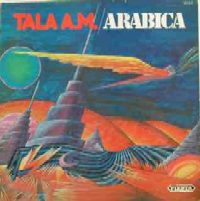
Tala did not let himself be confined. In the 1970s, he invented Tchamassi — a modernization of traditional rhythms from the West of Cameroon mixed with afro-jazz. Super Tchamassi (1978) and Arabica (1978) are its peaks. He also composed the soundtrack for Push-Pousse, a film by Daniel Kamwa (1974). In the 1990s, he explored Bend Skin with the eponymous piece (1993) and the album Koungné (1999), wrapped in pop and funk, carrying a message of integration for the new African generation.
Major works
| Work | Year | Why it is essential |
|---|---|---|
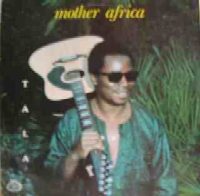
| Hot Koki | 1973 | First international album, origin of the lawsuit against James Brown |
| Sikati | 1972 | Landmark track that anchored Tchamassi in radio circuits |
| Super Tchamassi | 1978 | Winner of the Prix de la jeune chanson francophone |
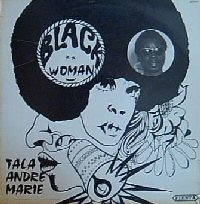
| Black Woman | 1976 | Engaging album blending African consciousness and groove |
| Bend Skin | 1993 | Founding piece of the style; influenced an entire generation |
Legacy and influence
André-Marie Tala is often compared to Stevie Wonder and Ray Charles due to his blindness, but his musical language belongs to him: Tchamassi and Bend Skin are today recognized genres in the Cameroonian musical landscape. His victory against James Brown remains a precedent cited in works on musical plagiarism. Settled in Paris since the mid-2000s, Tala continues to transmit. He founded AEPIHA (now a foundation), which works for a music school and a Braille school in Douala. In 2024, he celebrated his 55 years of stage career with two concerts in Douala and Yaoundé.
Sources and references
- « Bio – Andre Marie Tala », andremarietala.com, https://andremarietala.com/bio, accessed 18 October 2026.
- « André-Marie Tala », Wikipédia en français, https://fr.wikipedia.org/wiki/André-Marie_Tala, accessed 18 October 2026.
- « André-Marie Tala », Musiques d’Afrique (Frank Bessem), https://musiques-afrique.net/cameroon/art-tala.html, accessed 18 October 2026.
- « André-Marie Tala : Mon dernier Koki avec James Brown », CAMERFEELING, https://camerfeeling.fr.fo/fr/272/, accessed 18 October 2026.
- « Musical plagiarism – Africans no longer throw in the towel », RFI Musique, https://musique.rfi.fr/musique/19980612-plagiat-musical.html, accessed 18 October 2026.
- “When James Brown shamelessly draws inspiration from André-Marie Tala”, Jeune Afrique, https://www.jeuneafrique.com/1626799/culture/quand-james-brown-sinspire-sans-vergogne-dandre-marie-tala/, accessed 18 October 2026.
- “Tala André Marie”, Discogs, https://discogs.com/artist/748592-Tala-André-Marie, accessed 18 October 2026.
- “André Marie Tala - Bibliography”, Afro Video, https://afro.video/en/artist/andre-marie-tala, accessed 18 October 2026.