Biography
Aster Aweke
In December 1996, Aster Aweke boarded a plane bound for Addis Ababa after sixteen years of exile in the United States. Upon arrival, thousands of fans awaited her in the airport terminal with banners acclaiming her return. Teenagers born well after her departure surged forward, weeping. The singer wiped away her tears and smiled, moved by this encounter.
In Brief
| Full Name | Aster Aweke (አስቴር አወቀ) |
| Birth | March 5, 1959, Gondar (Ethiopia) |
| Genre | Ethiopian music, ethio-jazz, afro-soul |
| Notable Works | Aster, Kabu, Hagere, Fikir |
| Awards | Nicknamed Queen of Ethiopian Pop Music by international press |
Key Dates
| Year | Event |
|---|---|
| 1959 | Born in Gondar, Ethiopia |
| 1972 | Audition at Hager Fikir Theatre in Addis Ababa |
| 1977 | Solo career begins and first cassette albums released |
| 1981 | Arrival in the United States, settlement in Washington D.C. |
| 1989 | Release of album Aster on Triple Earth/Columbia |
| 1990 | Kabu #1 CMJ, top ten Billboard World Music |
| 1997 | Triumphant return to Ethiopia, concert for 80,000 people |
| 1999 | Founding of Kabu Records and release of Hagere |
Rebel Origins and Revelation
Aster Aweke was born on March 5, 1959, in Gondar, a historic city in northern Ethiopia. Daughter of a high-ranking official in the imperial government, she grew up in Addis Ababa. Of Gurage descent, the child listened to Tilahun Gessesse and Bizunesh Bekele while also appreciating Donna Summer and Aretha Franklin. At twelve, she slipped into nightclubs to observe the singers and reproduce their melodies in front of her mirror.
At thirteen, she auditioned at Hager Fikir Theatre, singing a piece by Bizunesh Bekele. Her family strongly opposed it: singing was not considered a serious profession for a young woman. “My family opposed me, but I continued… Music makes me so happy,” she wrote in 1990 in an interview with Christian Science Monitor (translated from English). She replied by writing a farewell letter and left.
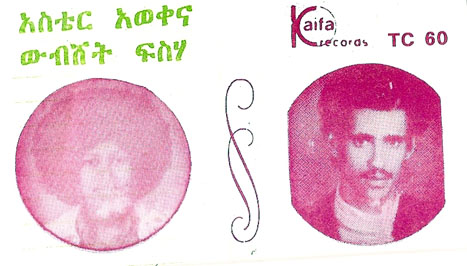
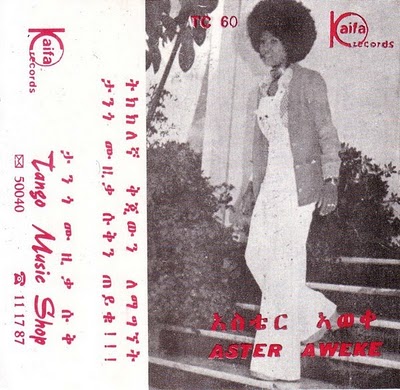
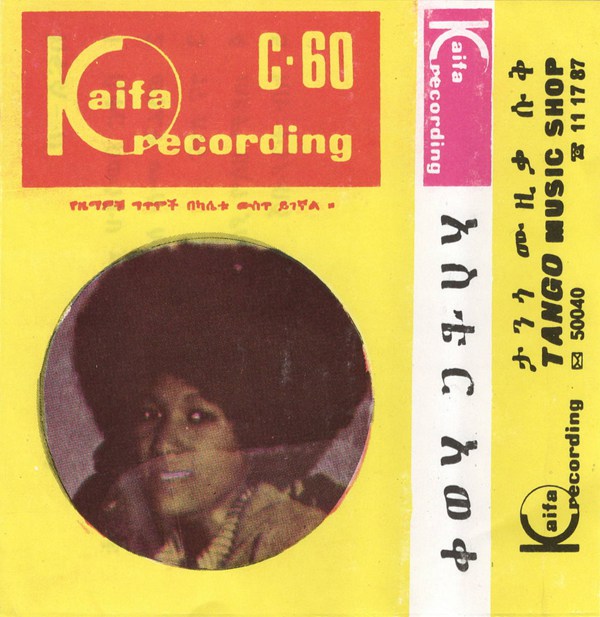
Later, Aster performed in the clubs and hotels of Addis Ababa — Continental, Hotel D’Afrique, Wabi Shebele — accompanied by the Shebelle Band, the Roha Band (formerly Ibex Band), and the Hotel D’Afrique Band. In 1977, she embarked on a solo career with the support of music entrepreneur Ali Tango.
Life turned in 1981. Disappointed by the political climate, Aster Aweke joined the United States and settled in Washington D.C. She sang in restaurants and clubs of the diaspora, briefly enrolled at Northern Virginia Community College — for computer science — and hated it. “I realized that my only true vocation was singing,” she explained in 1997 in an interview with Ethiopian Review (translated from English).
Toward International Acclaim
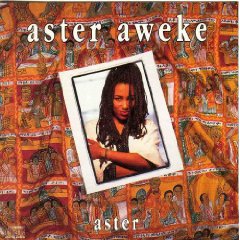
Her enchanting voice, with a soul timbre imbued with blues, attracted British producers Iain Scott and Bunt Stafford Clark from the label Triple Earth. Their first production: the album Aster, released in 1989 and distributed worldwide by Columbia Records. The record alternates between voice-kraar duos (the Ethiopian harp) and electric orchestration with brass sections, blending afro-soul, afro-blues, and ethio-jazz. The Seattle Times described her performances as a “constant glimmer of electricity” (translated from English) and highlighted her rare ability to express multiple emotions without the words being understood.
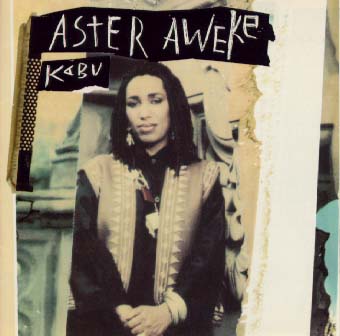
The album Kabu, released in 1990, propelled Aster to the top of global charts: four weeks at #1 on CMJ New Music Charts, ten weeks in the top ten of Billboard World Music. The tracks “Yede Gosh” (My Friend) and “Keriza” contrast Caribbean-colored funk energy. In this same 1997 interview, Aster confessed that Kabu is “the album of which she is most proud” (translated from English).
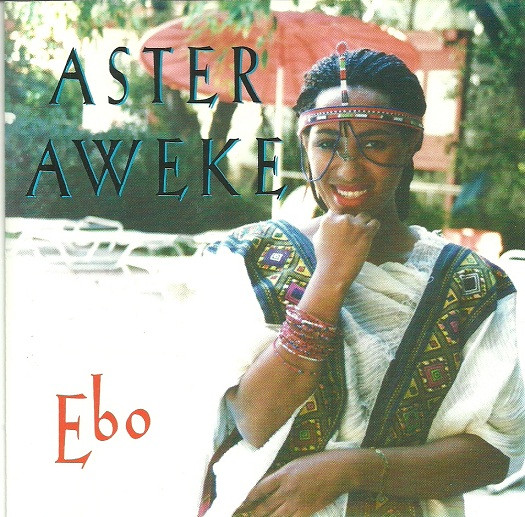
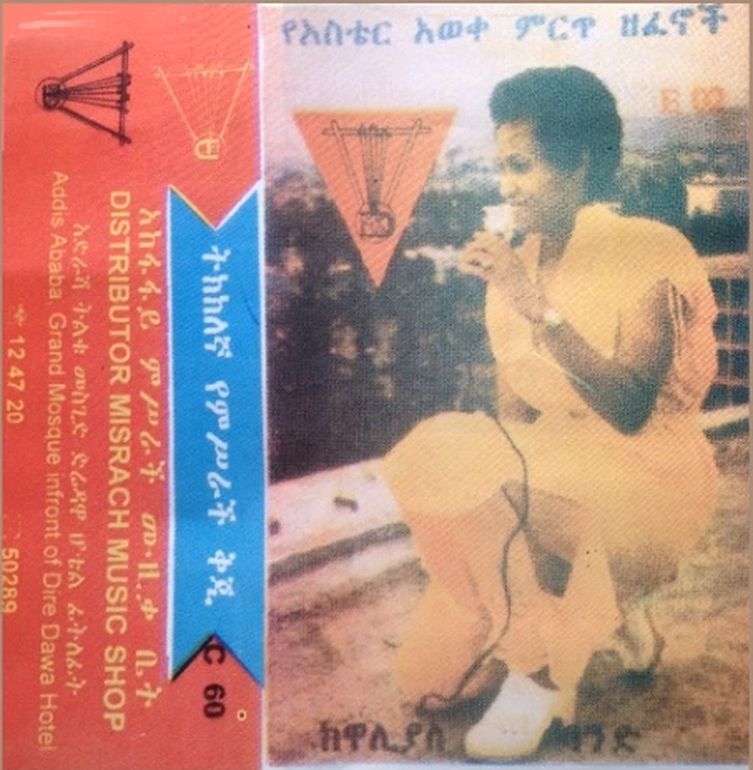
After Kabu, Aster continued touring. In 1994, the label Barkhanns released Ebo, followed by the live album Live in London in 1995.
Return to Home and Creation of Kabu Records
On December 24, 1996, Aster Aweke returned to Ethiopia after sixteen years of exile. The reception was ecstatic: thousands of fans, teenagers born after her departure, long acclaiming her arrival. “I started sobbing with joy,” she recounted (translated from English, Ethiopian Review).
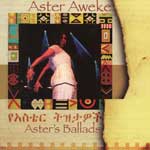
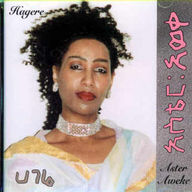
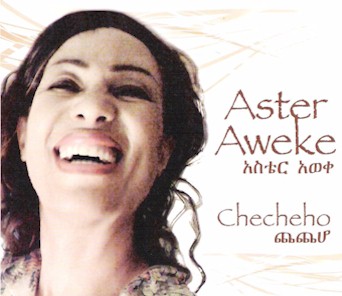
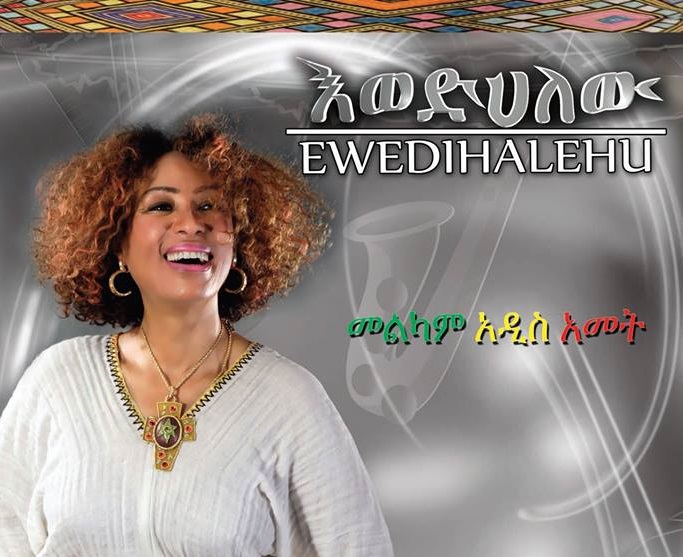
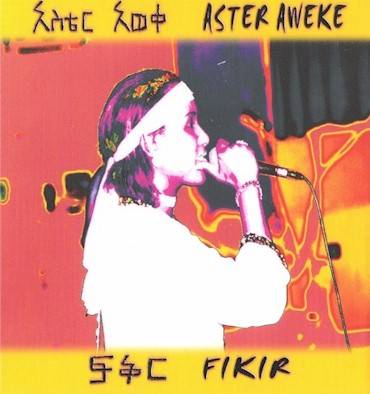
Convinced that her music had a role to play, Aster founded Kabu Records in 1999 (named after the song “Kabu” and the café she ran in Addis Ababa). That same year, she released Hagere, an acoustic and intimate album that became one of her most famous records. She continued to publish: Sugar (2001), Aster’s Ballads (2004), Fikir (2006) — acclaimed by critics —, then Checheho (2010) and Ewedihalehu (2013).
In November 2012, the singer published a call for solidarity in response to famine. In February 2014, she became the second Ethiopian musician to perform at B.B. King’s Blues Club in New York, after Teddy Afro.
Major Works
| Work | Year | Why It Is Essential |
|---|---|---|
| Aster (Triple Earth/Columbia) | 1989 | First global album: blend of kraar and electric orchestration, revelation of a unique soul voice |
| Kabu (Triple Earth/CBS) | 1990 | #1 CMJ, top ten Billboard: peak of Ethiopian funk and afro-soul |
| Hagere (Kabu Records) | 1999 | Intimate acoustic album, return to roots after sixteen years of exile |
| Fikir (Kabu Records) | 2006 | Acclaimed by critics, mature synthesis |
| Checheho (Kabu Records) | 2010 | Exploration of vocal registers and Ethiopian heritage |
Heritage and influence
Aster Aweke is often nicknamed “the Aretha Franklin of Ethiopia” — a comparison that does justice to the power and depth of her voice. She wrote nearly 170 tracks over a career spanning twenty albums, reaching an immense Ethiopian diaspora and an international world music audience.
The young Ethiopian singer Fikeraddis cites Aster Aweke as her childhood idol: “Her stage presence and talent serve as a model” (according to the Ethiopian press, 2025). Her albums, reissued in remastered digital versions via Barkhanns Records and Kabu Records, continue to discover a new audience. As a producer through Kabu Records and promoter of young Ethiopian talents, Aster Aweke carries the future of her music.
Sources and references
- “Aster Aweke”, Wikipedia in English, https://en.wikipedia.org/wiki/Aster_Aweke, accessed November 10, 2026.
- “Aster Aweke Biography”, AllMusic, by Craig Harris, https://www.allmusic.com/artist/aster-aweke-mn0000604783.
- “INTERVIEW – Singer Aster Aweke”, Ethiopian Review, July 1997, https://ethiopianreview.com/content/900570.
- “Ethiopian Aster Aweke Speaks The Universal Language Of Music”, The Seattle Times, Cathy Ragland, June 26, 1991.
- “Aster Aweke”, Afrisson, by Nago Seck, https://www.afrisson.com/aster-aweke-233/.
- “Aster Aweke”, Famous Birthdays, https://www.famousbirthdays.com/people/aster-aweke.html.
- Amy Duncan, “Aweke sings for the world”, Christian Science Monitor, 1990 (citation via Wikipedia EN).