Biography
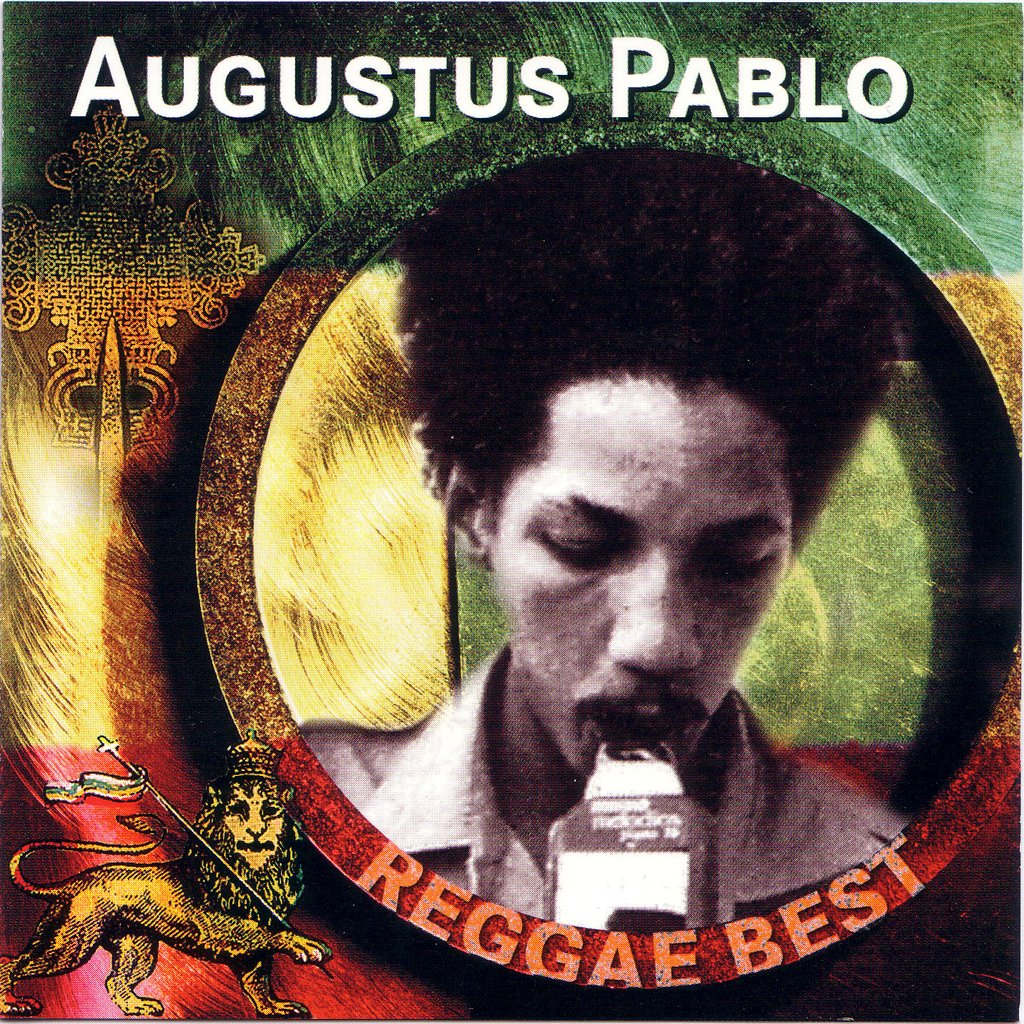
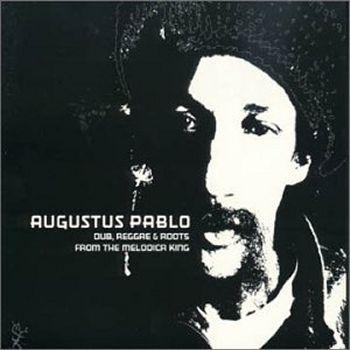
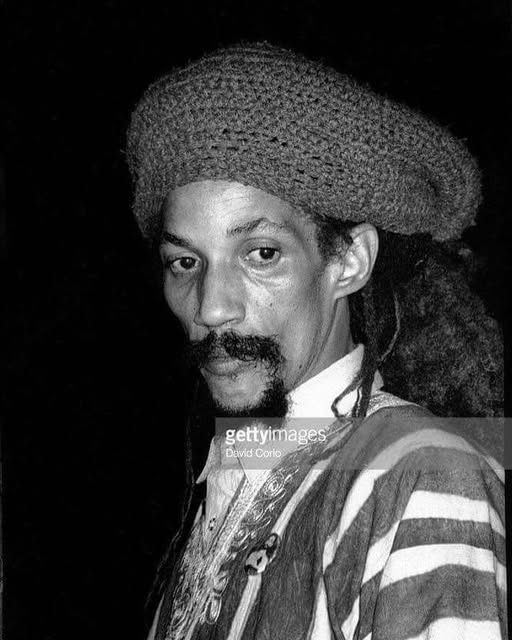
Augustus Pablo: the man who made the melodica sing
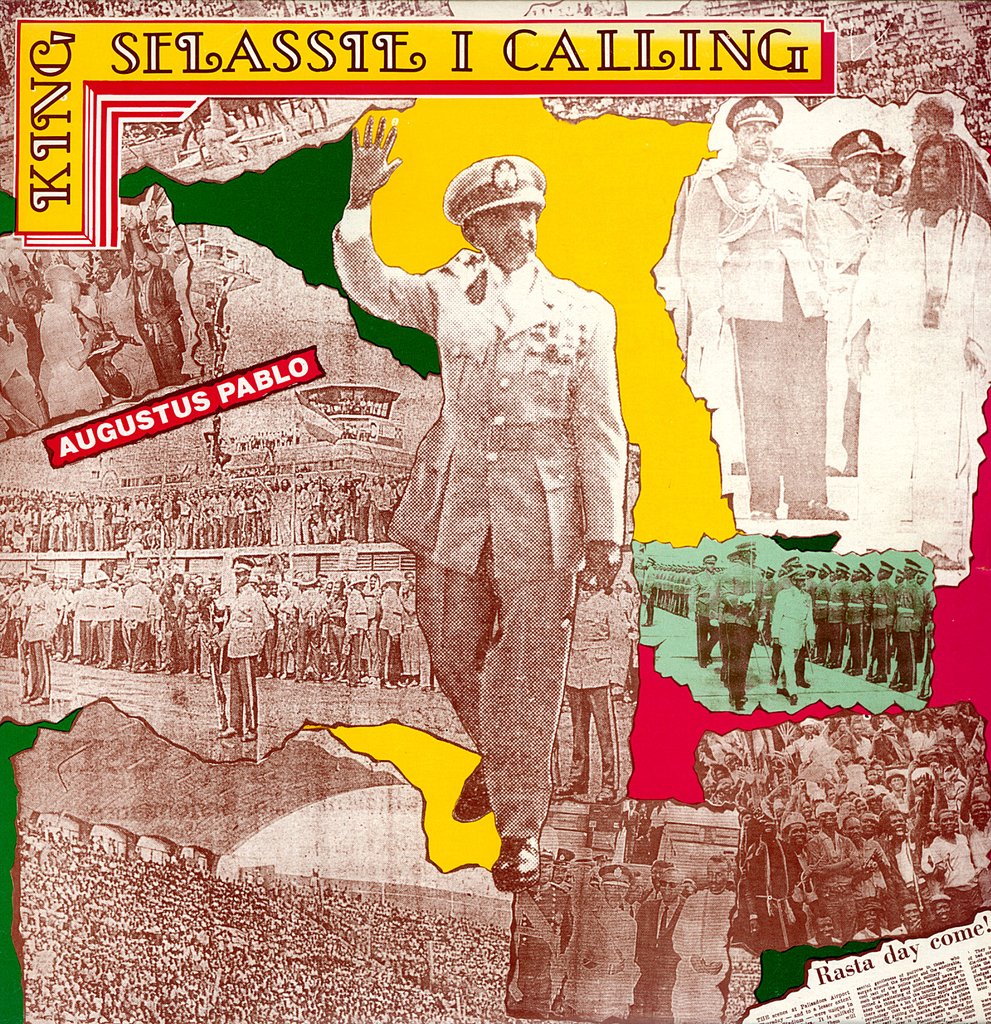
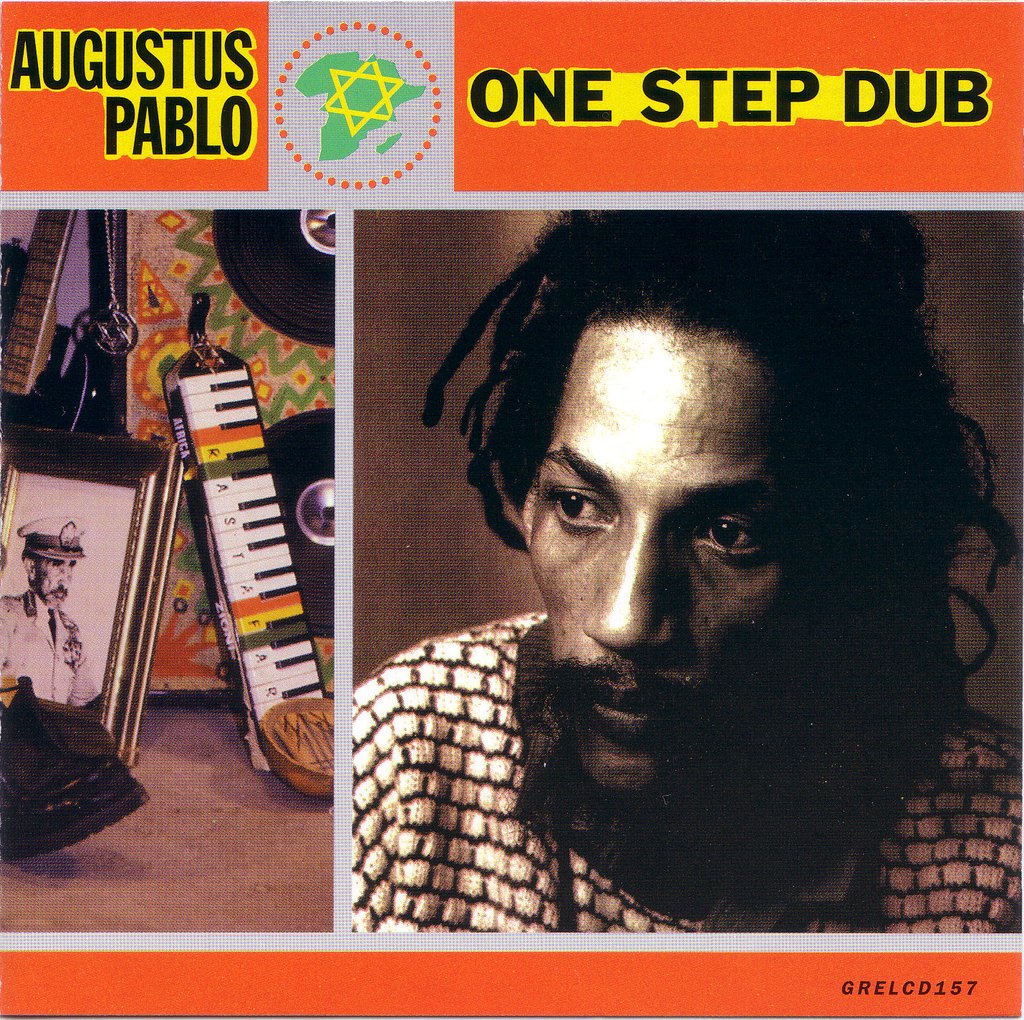
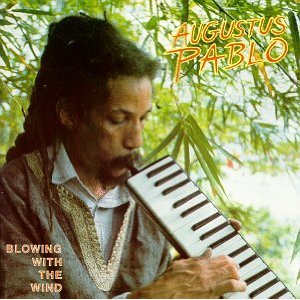
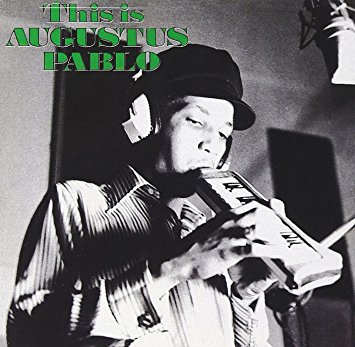
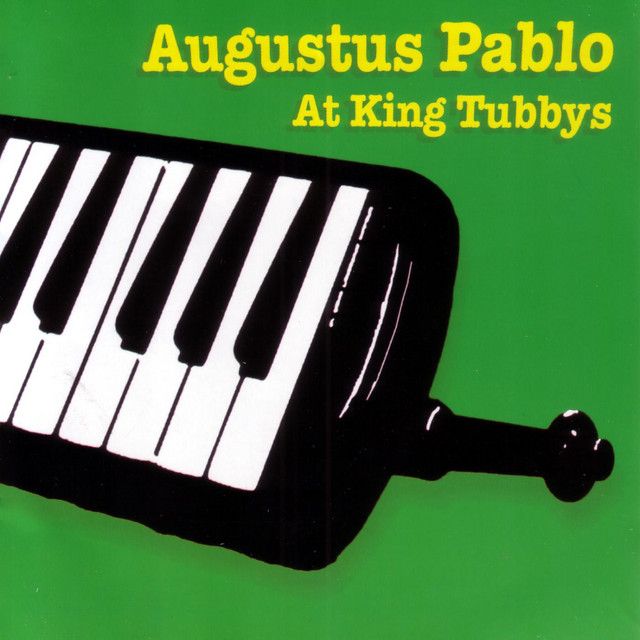
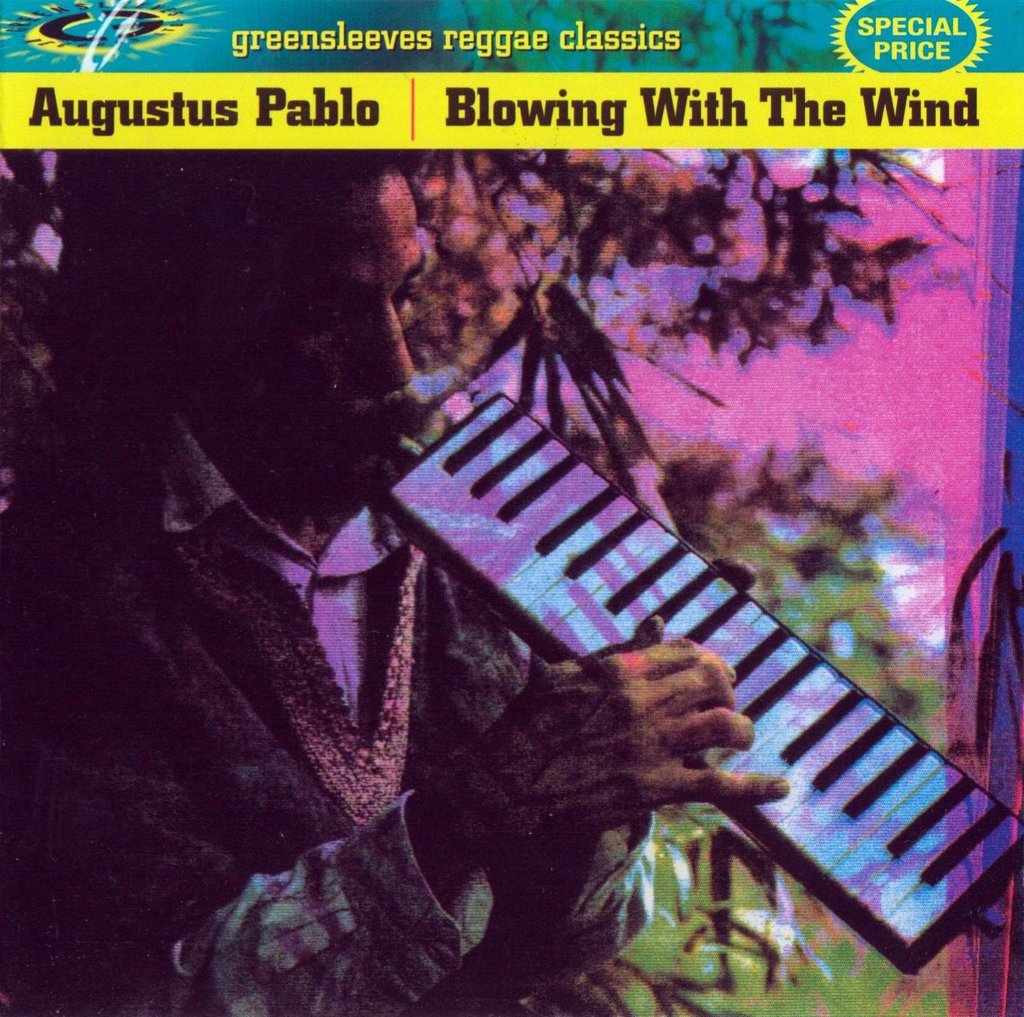
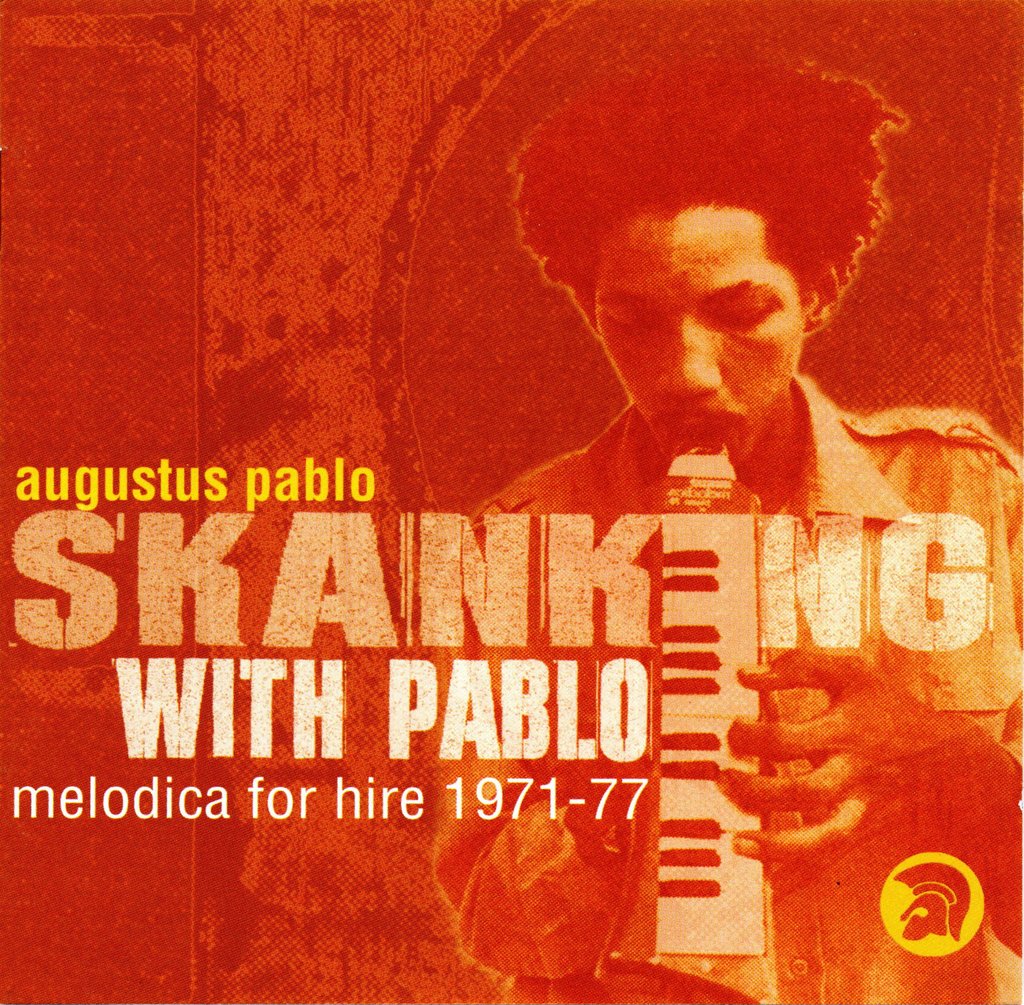
In 1971, while the Jamaican reggae scene was still searching for its voice, a fifteen-year-old keyboardist released an instrumental that would change everything. On the airwaves, a minor melody stood out, played with a child’s breath on an instrument thought to be reserved for playground lessons. The melodica, usually considered a toy, had just conquered the island.
In brief
| Full name | Horace Michael Swaby |
| Birth | June 21, 1954, Saint Andrew, Jamaica |
| Death | May 18, 1999, Kingston, Jamaica |
| Field | Reggae roots, dub — melodica, keyboard, production |
| Iconic works | King Tubbys Meets Rockers Uptown, East of the River Nile, « Java » |
| Honors | « Java» ranked 266th greatest song of all time by Rolling Stone |
Key dates
| Year | Event |
|---|---|
| 1954 | Birth in Saint Andrew, Jamaica |
| 1970 | First recordings under the name Augustus Pablo with Herman Chin Loy |
| 1971 | « East of the River Nile »: the hymn that revealed the melodica to reggae |
| 1973 | « Java »: a rhythm that became a classic with Clive Chin |
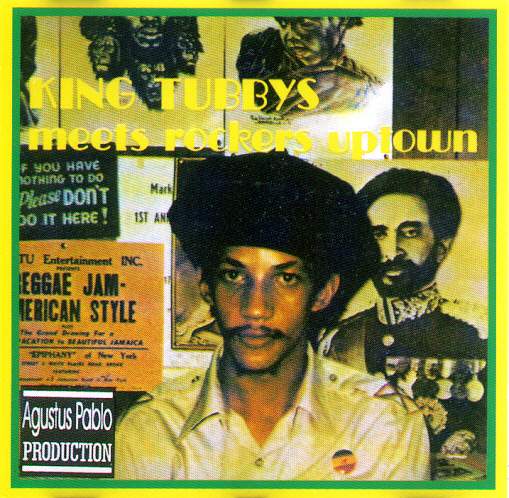
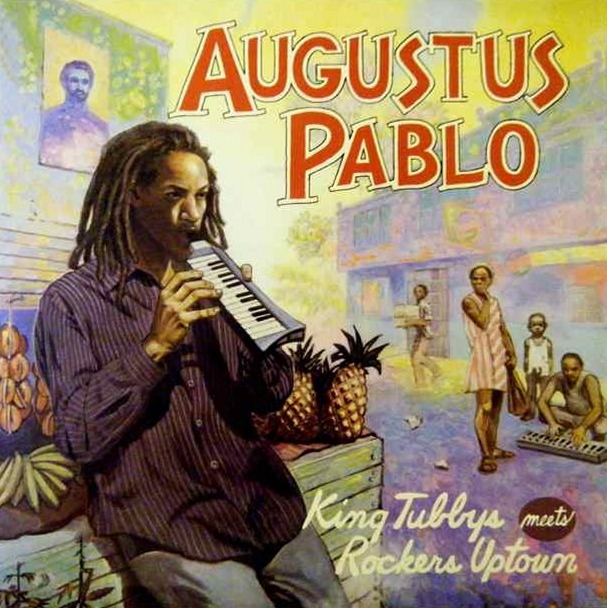
| 1976 | King Tubbys Meets Rockers Uptown, a foundational dub work |
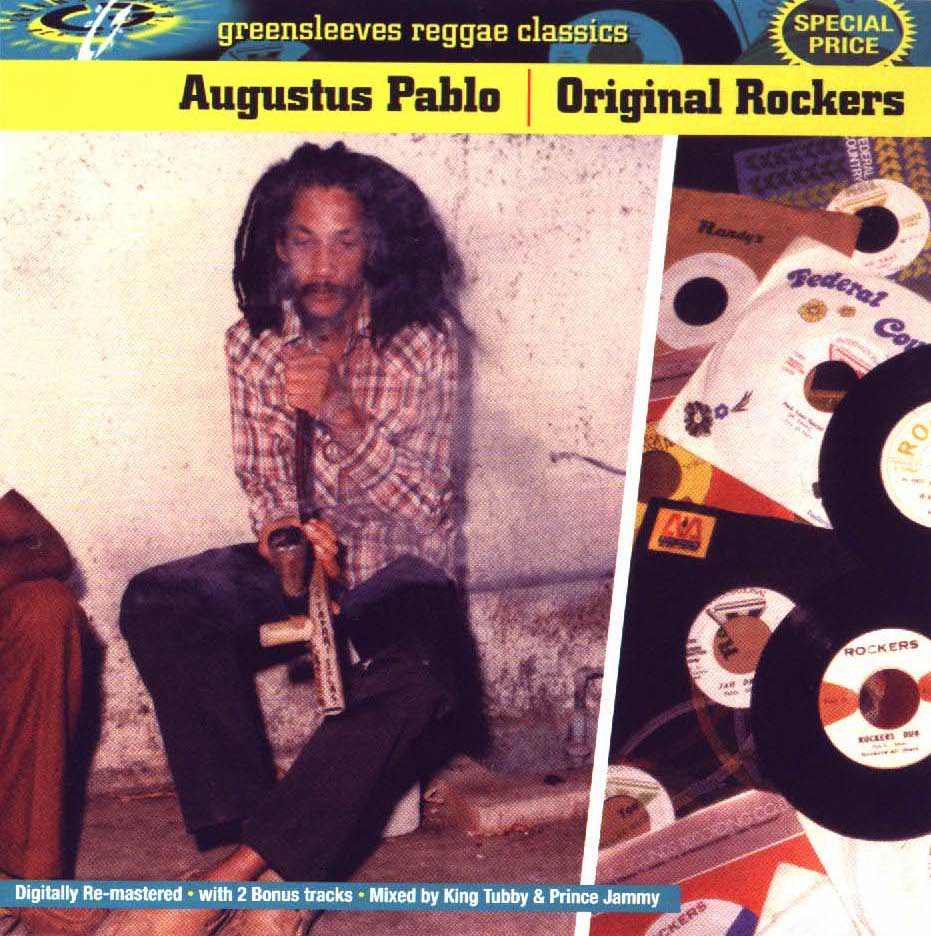
| 1979 | Original Rockers released in Europe by Greensleeves |
| 1986 | Rising Sun, a comeback and signing with Island |
| 1999 | Death at age 45 in Kingston |
The sound that changed reggae
Born Horace Michael Swaby into a modest family of Afro-Caribbean and Indian descent, Augustus Pablo grew up in Saint Andrew, Jamaica. As a teenager, he became interested in music by sneaking into the chapel of Kingston College to practice the organ. It was there that he met Clive Chin, whose family ran Randy’s record store, one of the best outlets in the capital.
In 1970, at fifteen, Horace went to see Herman Chin Loy, who produced under the Aquarius label. His keyboard playing convinced the producer, but it was another pseudonym that was assigned to him on the first recording. « Augustus Pablo » had until then been a generic label used by Chin Loy to credit the instrumentals of his studio. Horace adopted the name and never parted from it again.
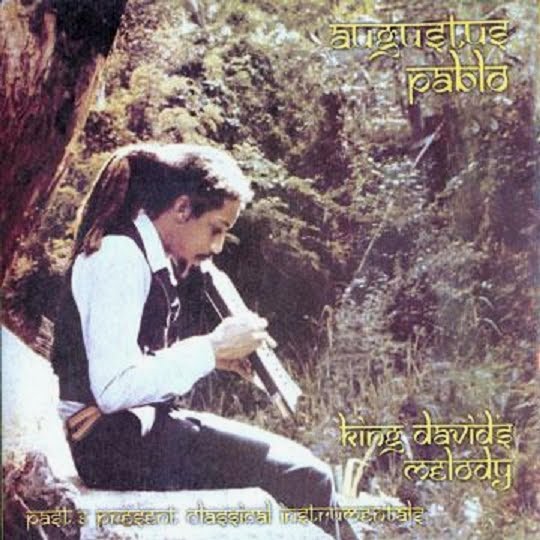
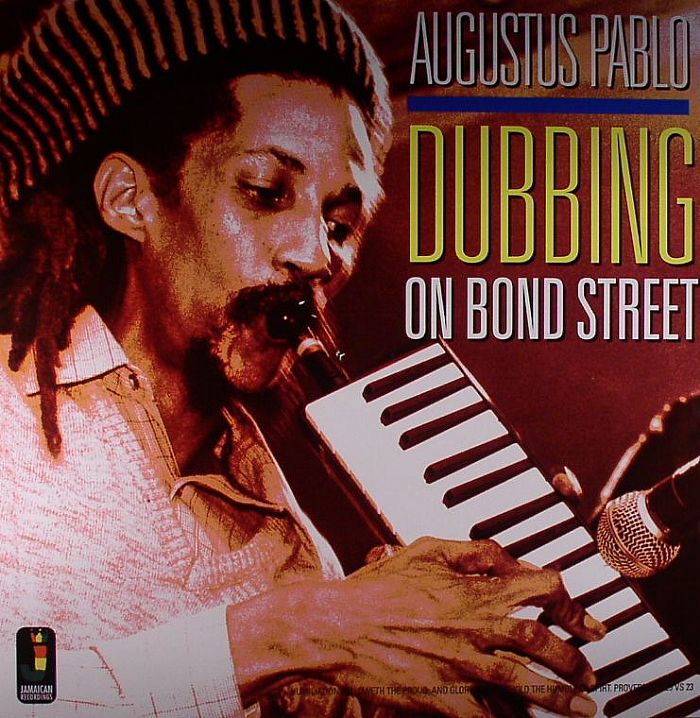
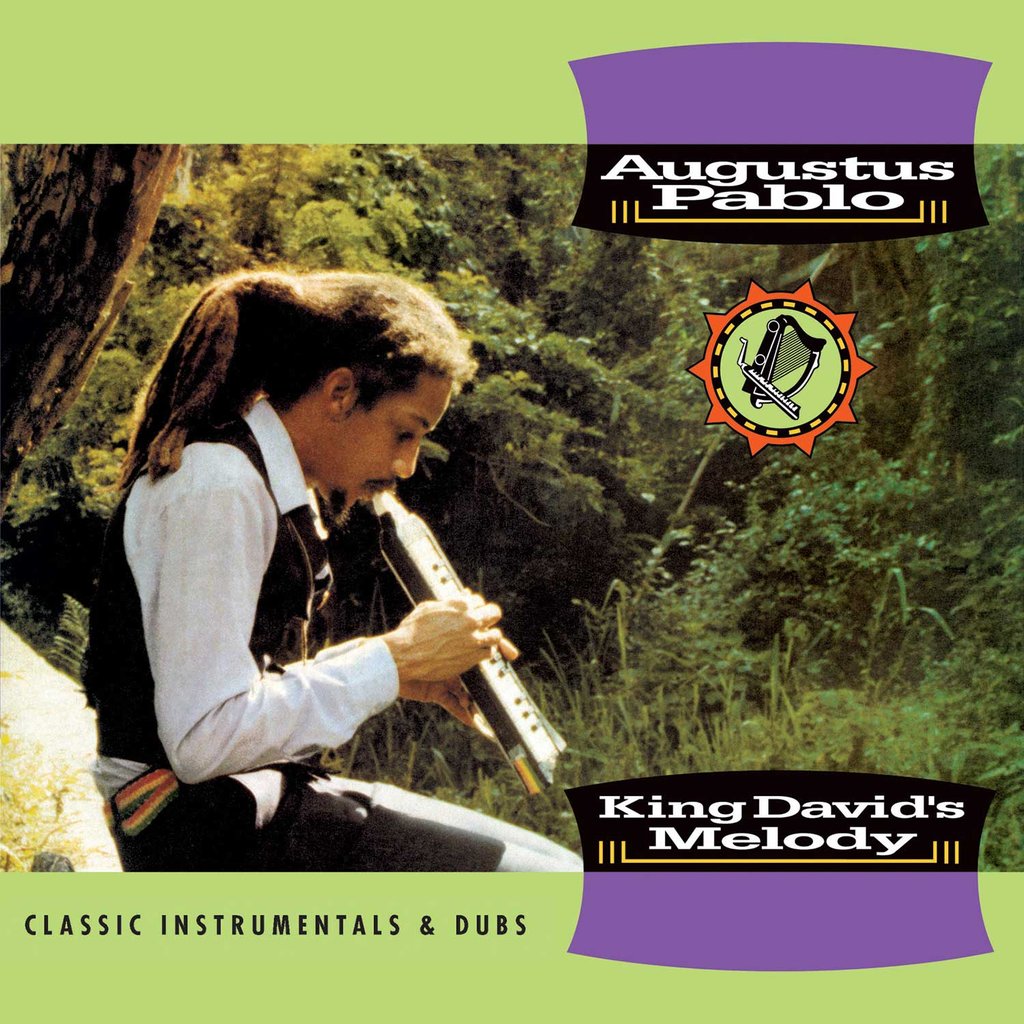
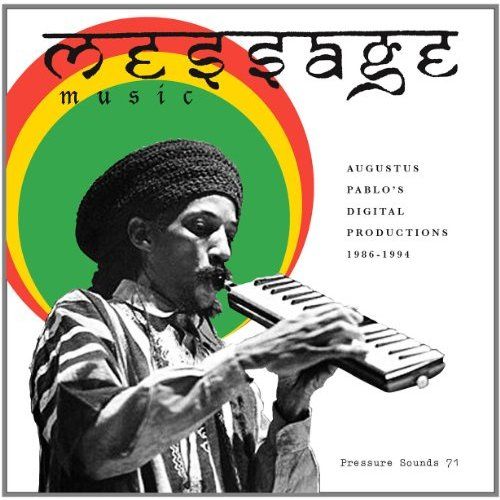
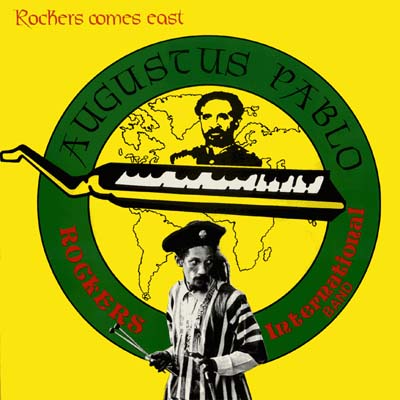
The following year, he recorded his first real Tubes: « East of the River Nile ». A melodica-organ duo set on a rhythm borrowed from Lee Perry, with a minor harmony that had never resonated in the Caribbean. The track was a shock. A new aesthetic was born — the « Far East sound » — and the melodica, this child’s toy accessory, burst onto the reggae scene.
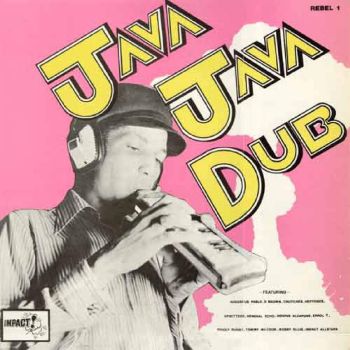
After a brief stint with Mikey Chung’s group, Now Generation, Pablo returned to his friend Clive Chin at the Randy’s studio. Together, they recorded « Java » in 1973, a title that would become one of the most covered rhythms in Jamaican reggae history. Pablo grabbed his melodica, traced an instant melody, and the « Java » rhythm would be taken up and recycled in countless reggae tracks over the following decades.
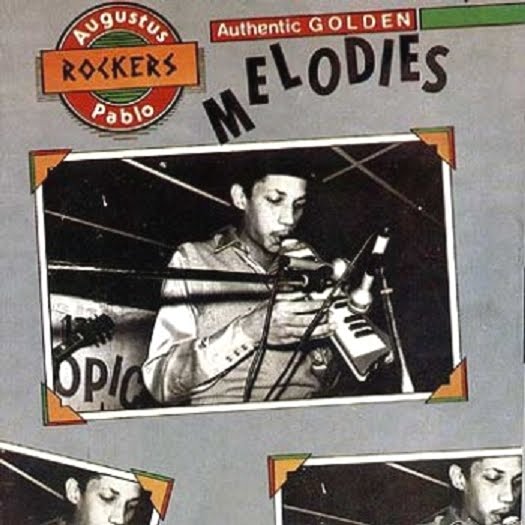
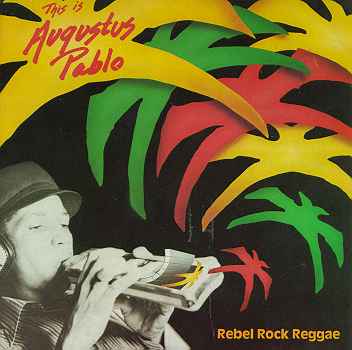
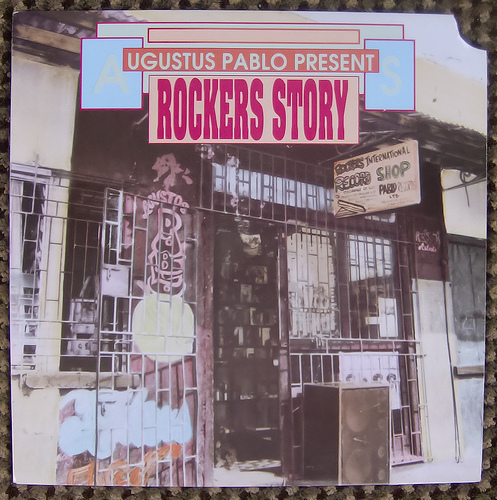
The artist recorded for all the major producers: Lee Perry, Bunny Lee, Gussie Clarke, Keith Hudson. He quickly realized that as a session musician, he saw very little of the financial returns. He founded his own label Rockers, named after the sound system he ran with his brother Garth. The series of labels Rockers International, Message, Hot Stuff, Pablo International followed.
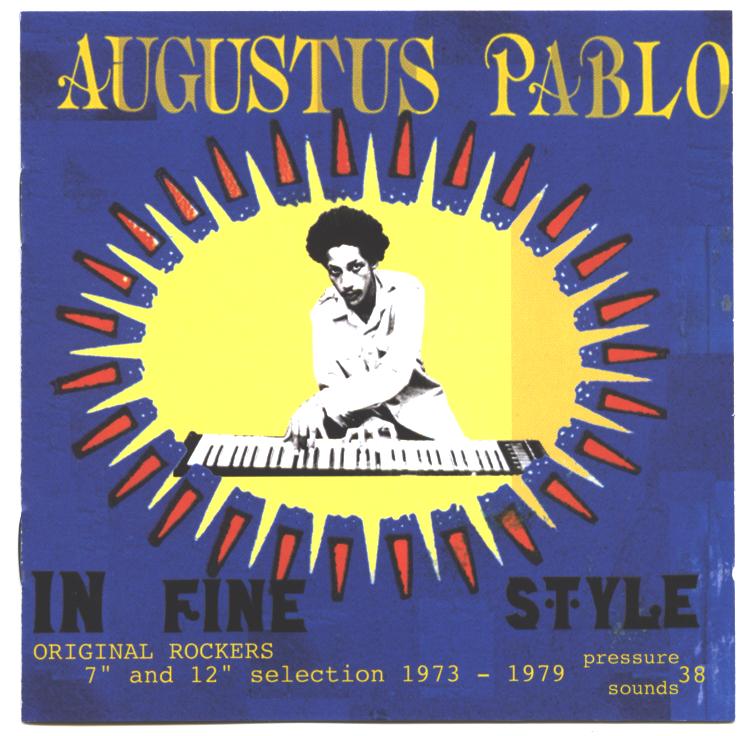
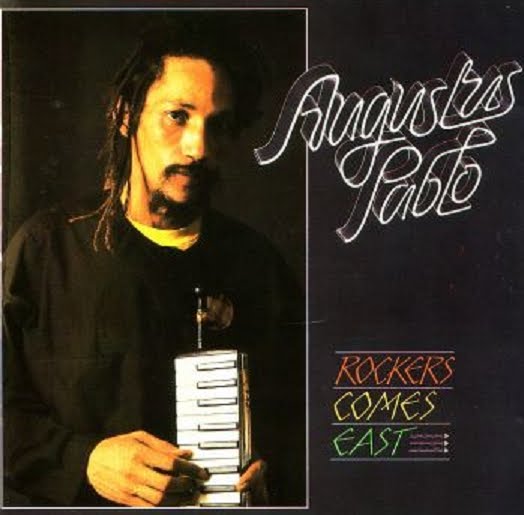
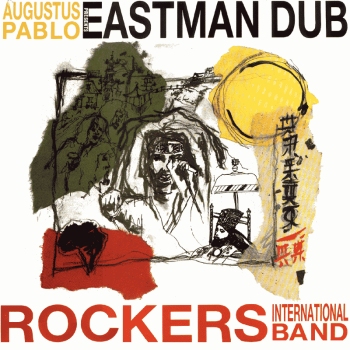
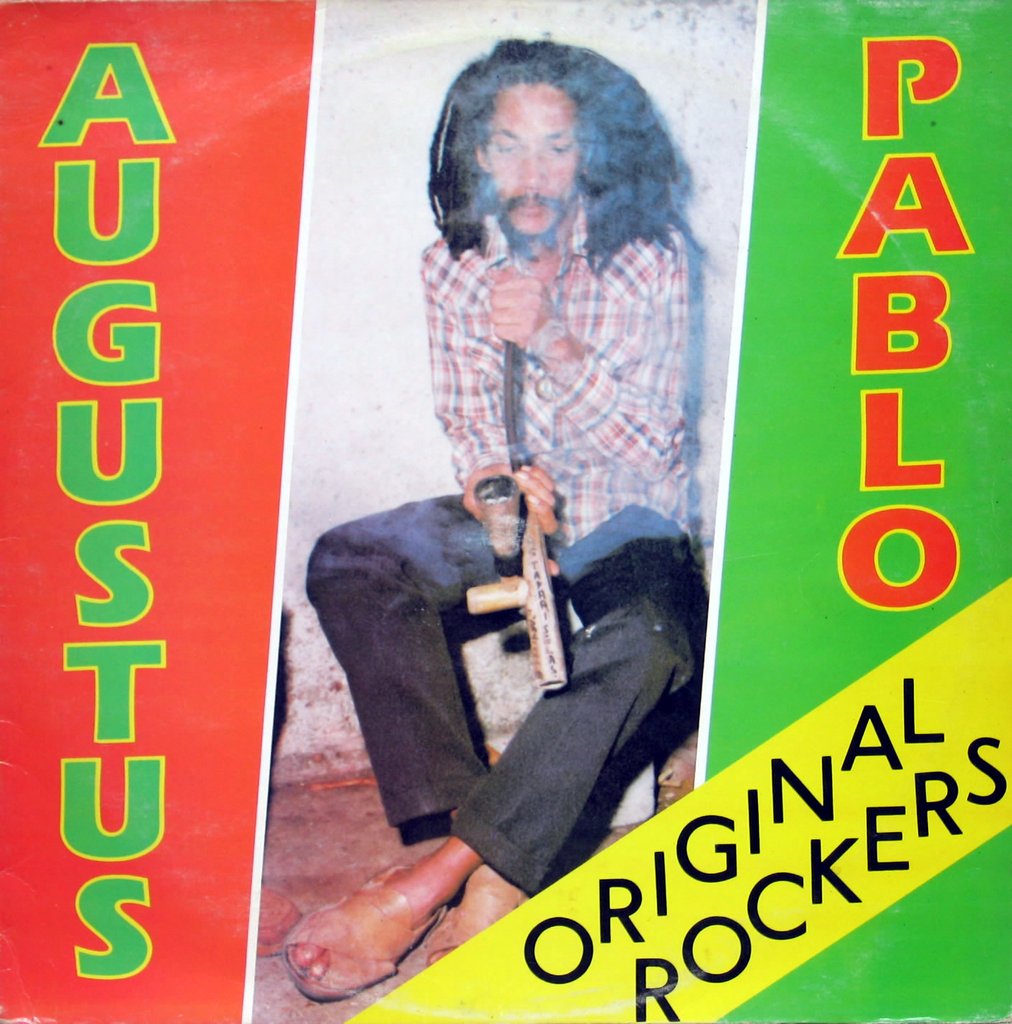
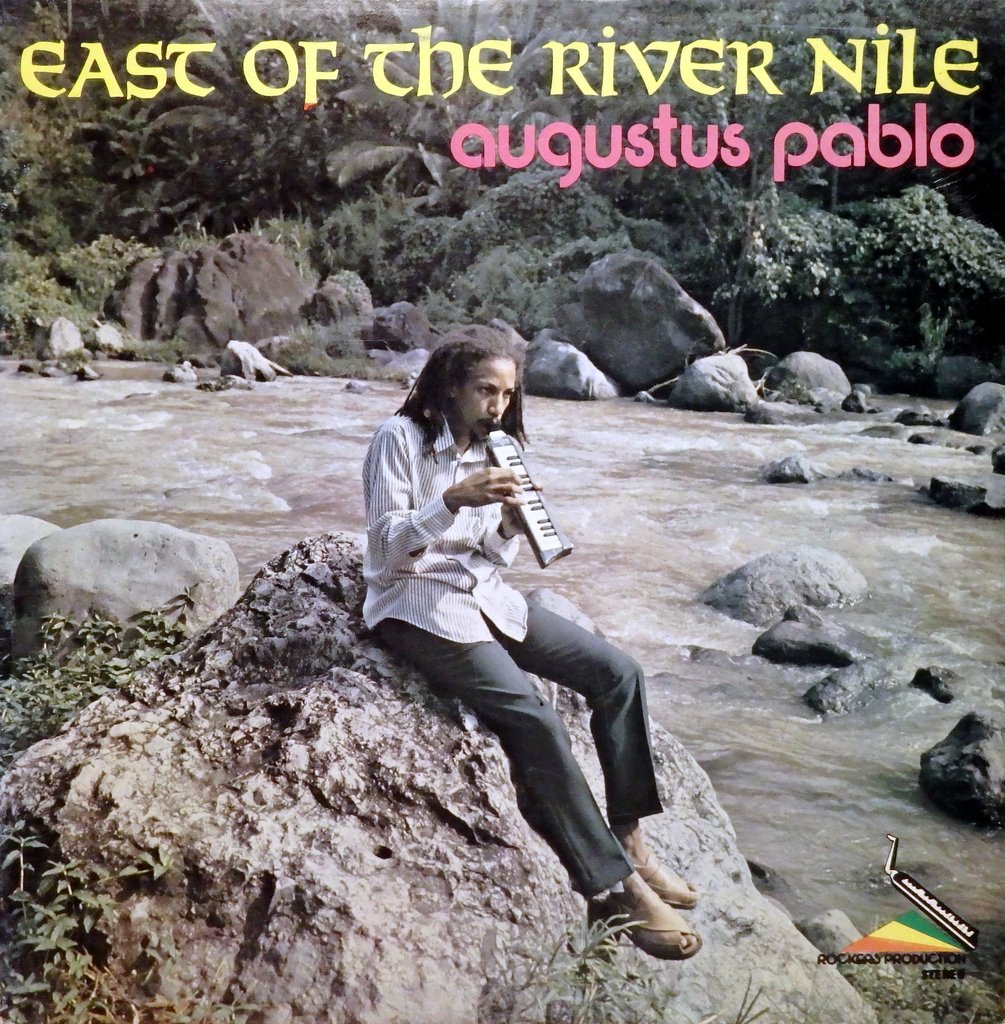
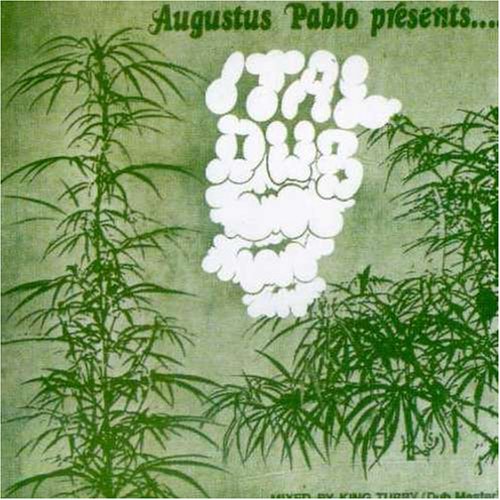
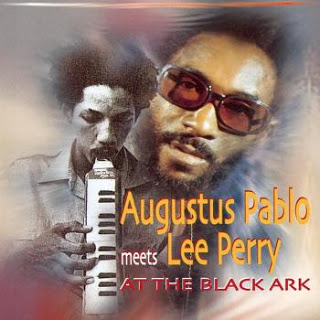
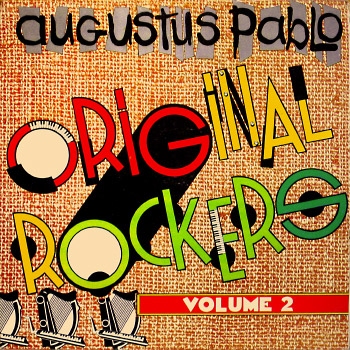
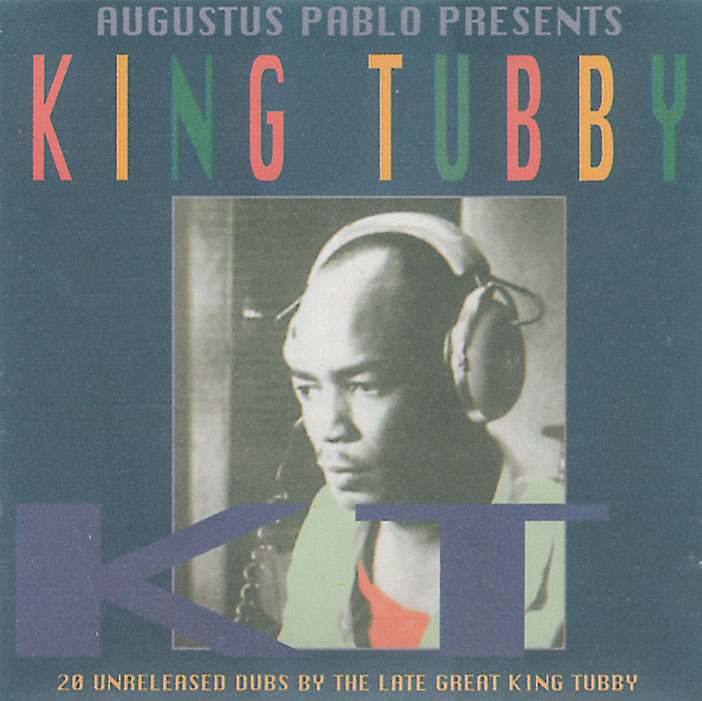
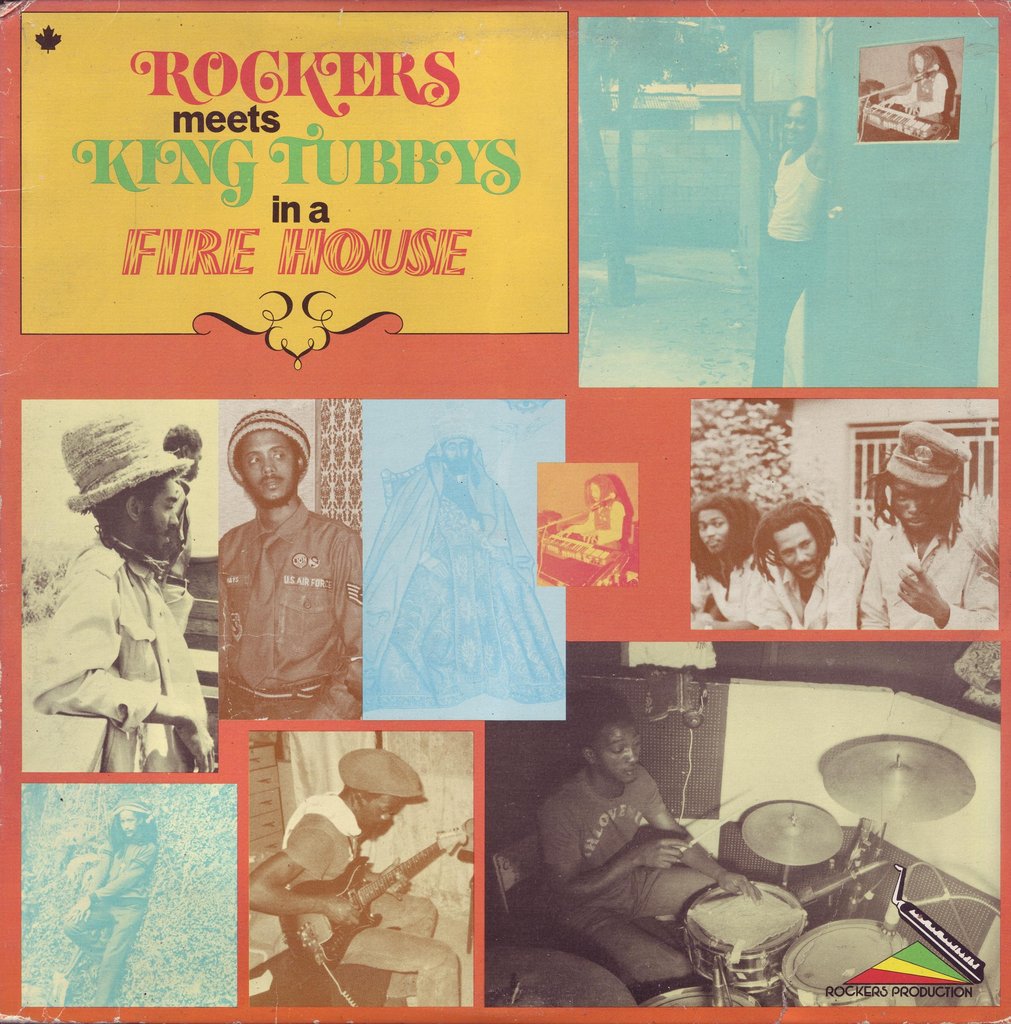
The years 1975 to 1980 were those of maturity. With King Tubby, whose mixing technique revolutionized dub, Pablo recorded a masterpiece: King Tubbys Meets Rockers Uptown (1976). East of the River Nile (1978), recorded at Lee Perry’s Black Ark, Original Rockers (1979) and Rockers Meets King Tubby in a Firehouse (1980) completed what fans call the « holy trinity » of dub.
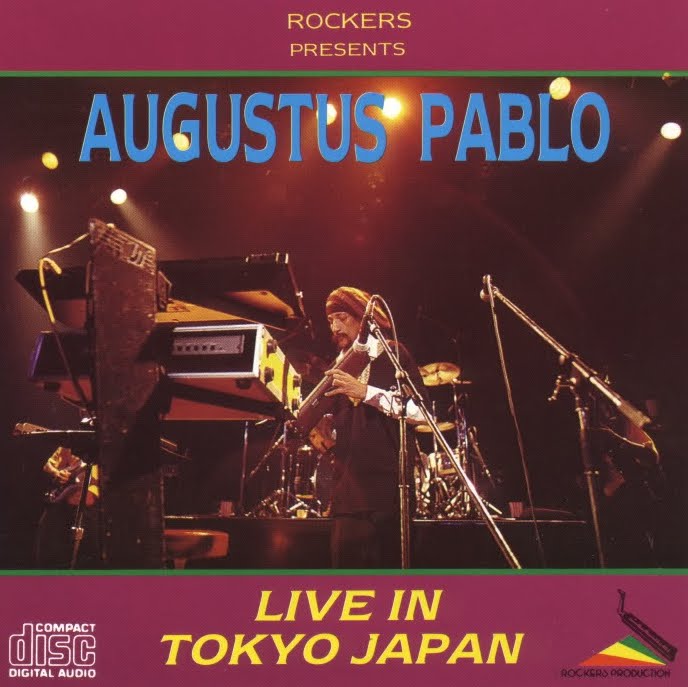
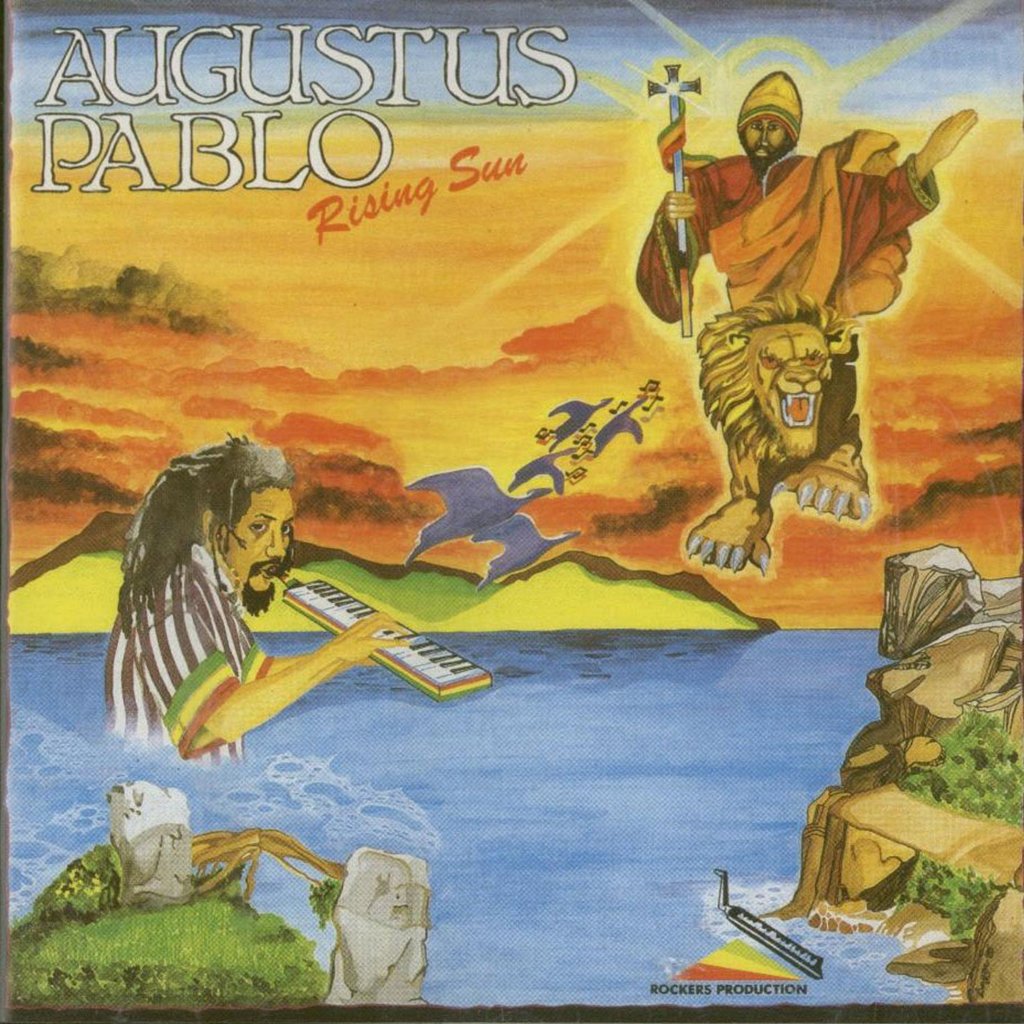
In the 1980s, public taste in Jamaica shifted toward digital productions. Pablo’s flame dimmed but did not extinguish. In 1986, he released Rising Sun, which restored his reputation and allowed him to sign with Island Records. He embarked on world tours and recorded a live album in Tokyo in 1987, which was well-received. His health declined due to a nervous disorder, myasthenia gravis. He passed away on May 18, 1999, in Kingston at the age of 45.
Major works
| Work | Year | Why it is essential |
|---|---|---|
| King Tubbys Meets Rockers Uptown | 1976 | Fundamental to dub: the collaboration between Pablo and King Tubby redefined reggae mixing |
| East of the River Nile | 1978 | Recorded at Black Ark, the album sealed Pablo’s « Far East » style |
| Original Rockers | 1979 | First major album distributed in Europe by Greensleeves |
| « Java » | 1973 | The most covered rhythm in reggae |
Legacy and influence
Augustus Pablo is universally recognized as one of the founding fathers of dub. His pioneering use of the melodica as a main instrument — and not just a color — remains at the heart of reggae roots aesthetics. His influence can be found in British dub of the 1980s, with Primal Scream inviting him on « Star » in 1997, and in hip-hop samples. He is one of the few instrumental tracks to appear on Rolling Stone’s 500 Greatest Songs of All Time, ranked 266 for « King Tubby Meets Rockers Uptown ».
Sources and references
-
« Augustus Pablo », Wikipedia, https://en.wikipedia.org/wiki/Augustus_Pablo, accessed October 20, 2026.
-
« Augustus Pablo — Biography », AllMusic, https://www.allmusic.com/artist/augustus-pablo-mn0000052151, accessed October 20, 2026.
-
« Meet Augustus Pablo, King of Dub & Melodica », Enki Music Records, https://enkismusicrecords.com/augustus-pablo-biography/, accessed October 20, 2026.
-
« Augustus Pablo », The Guardian, https://www.theguardian.com/news/1999/may/24/guardianobituaries, accessed October 20, 2026.
-
“Augusto Pablo, 46, Musician; Helped Shape Reggae’s Sound”, The New York Times, https://www.nytimes.com/1999/05/20/arts/augusto-pablo-46-musician-helped-shape-reggae-s-sound.html, accessed October 20, 2026.
-
“Augustus Pablo”, Discogs, https://discogs.com/artist/41891-Augustus-Pablo, accessed October 20, 2026.
-
“Augustus Pablo”, Rolling Stone’s 500 Greatest Songs of All Time, https://www.rollingstone.com/music/music-lists/best-songs-of-all-time-1224767/augustus-pablo-king-tubbys-meets-rockers-uptown-1225072/, accessed October 20, 2026.
-
“Augustus Pablo”, Forced Exposure, https://www.forcedexposure.com/Artists/PABLO.AUGUSTUS.html, accessed October 20, 2026.
-
“Augustus Pablo”, Trojan Records, https://trojanrecords.com/artist/augustus-pablo/, accessed October 20, 2026.
-
“Augustus Pablo”, VP Records, https://vprecords.com/artist/augustus-pablo/, accessed October 20, 2026.