Biography
Aurlus Mabélé: the king of soukous who made the world dance
In 1989, on the stage of the SOB’s club in New York, Aurlus Mabélé jumps, twists, and collapses on stage like a delirious actor, while guitarist Diblo Dibala strings together furious arpeggios. The audience, initially incredulous, stands up. That night, the soukous – this panting rhythm born on the banks of the Congo – has just crossed the Atlantic. Mabélé, the “king,” has done his work.
In brief
| Full name | Benoit Aurélien Miatsonama |
| Birth | October 24, 1953, Poto-Poto, Brazzaville, French Congo |
| Death | March 19, 2020 (66 years), Eaubonne, France |
| Fields | Soukous, Congolese rumba |
| Instrument(s) | Vocals, maracas, bell |
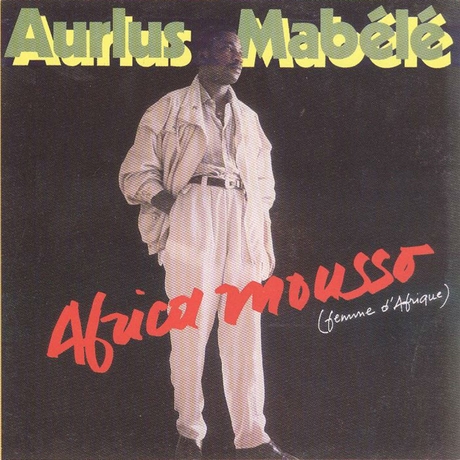
| Signature works | Africa Mousso, Embargo, Extra Ball |
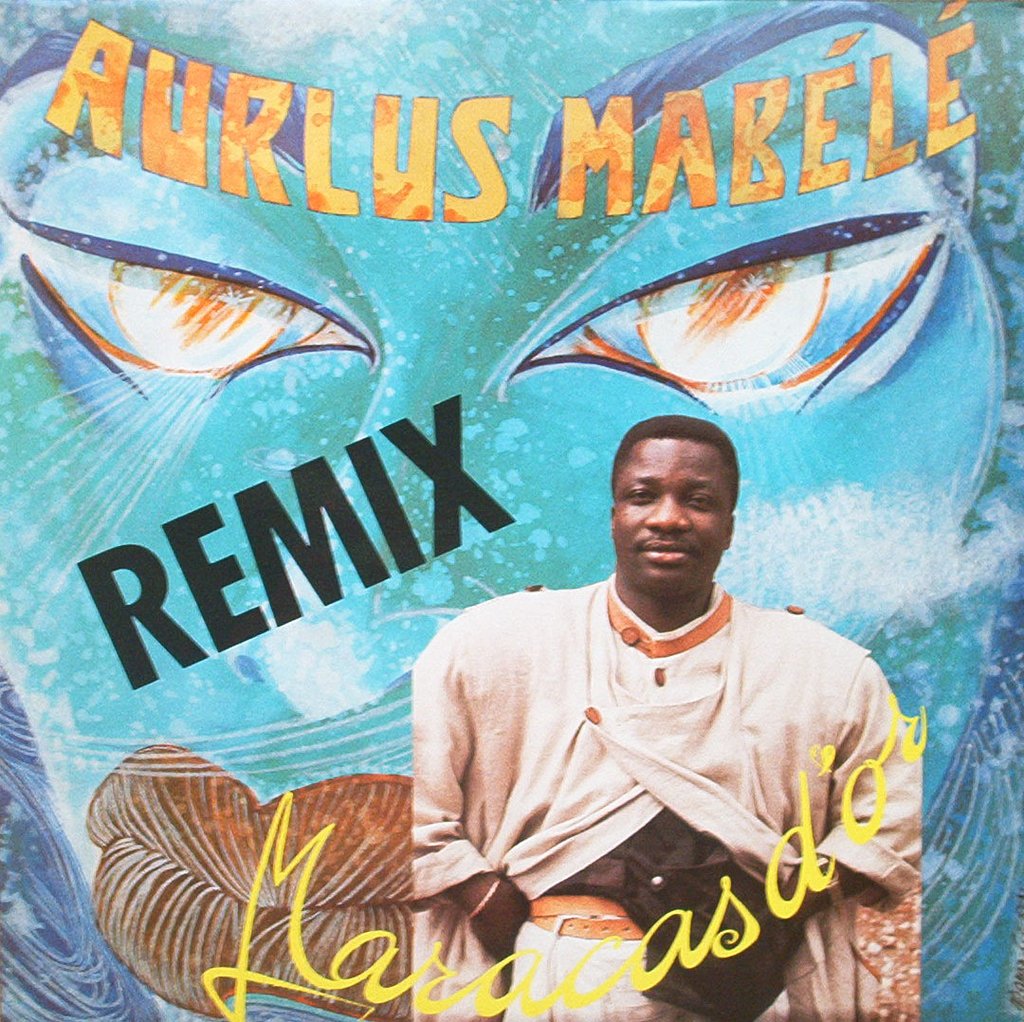
| Awards | Golden Maracas Award (1986) |
Key dates
| Year | Event |
|---|---|
| 1953 | Birth in Brazzaville in the Poto-Poto neighborhood |
| 1974 | Co-founding of Les Ndimbola Lokole |
| 1981 | Move to Paris, entry into the diaspora scene |
| 1986 | Success of Africa Mousso, Golden Maracas Award, founding of Loketo with Diblo Dibala |
| 1989 | Legendary concert at SOB’s (New York) |
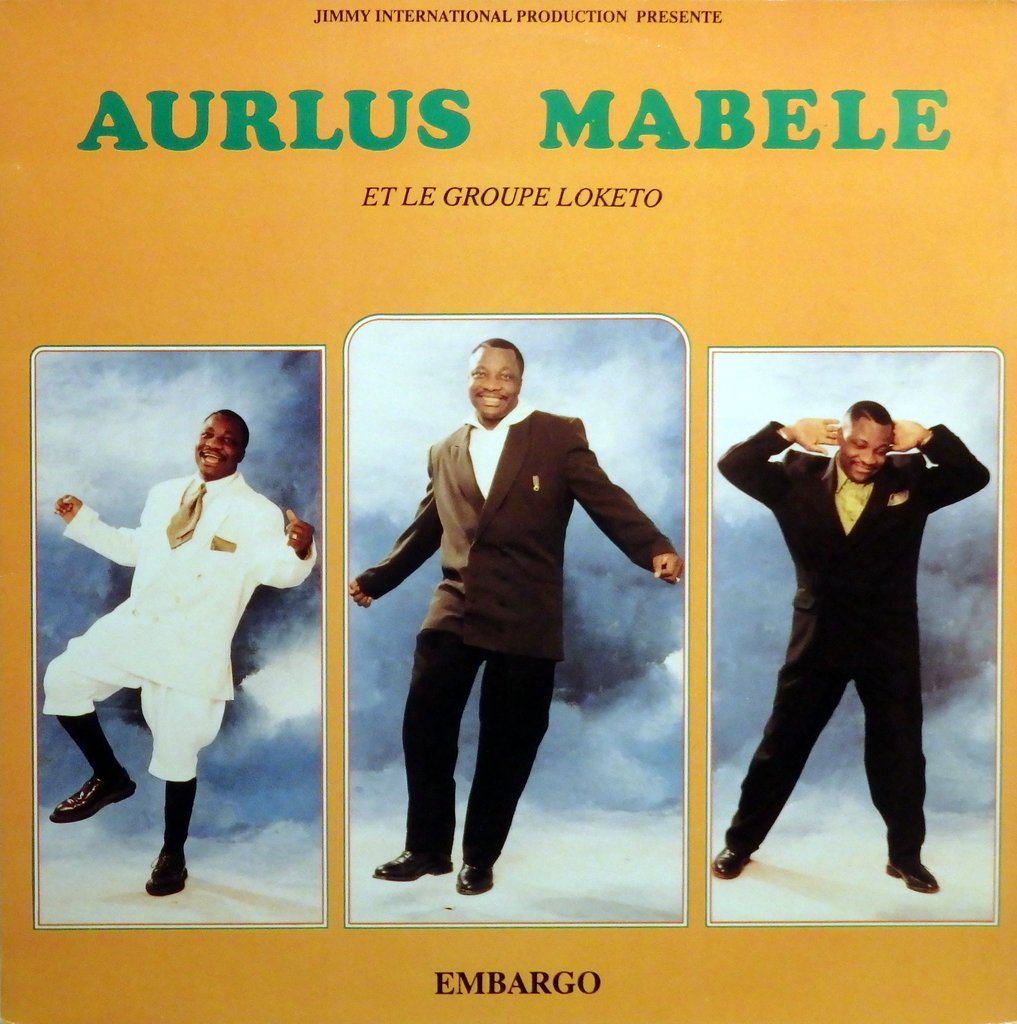
| 1991 | Breakup with Diblo Dibala, recruitment of Dally Kimoko, album Embargo |
| 2005-2007 | Throat cancer, then stroke (AVC) |
| 2009 | Successful tour in the Caribbean with Loketo |
| 2020 | Death in Eaubonne from complications of Covid-19 |
Career: From Brazzaville to world stages
Born into a family of musicians, Aurélien Benoît Miatsonama, known as Aurlus Mabélé, was born on October 24, 1953, in the popular neighborhood of Poto-Poto in Brazzaville. Raised swaying to Baluba rhythms, his father’s people, he joined a traditional dance ballet in his adolescence, forging the sense of spectacle that would become his trademark. In 1974, at twenty-one years old, he co-founded Les Ndimbola Lokole with Mav Cacharel and Jean Baron. The group scored hits like “Waka Waka” and “Zebola,” which made Brazzaville vibrate.
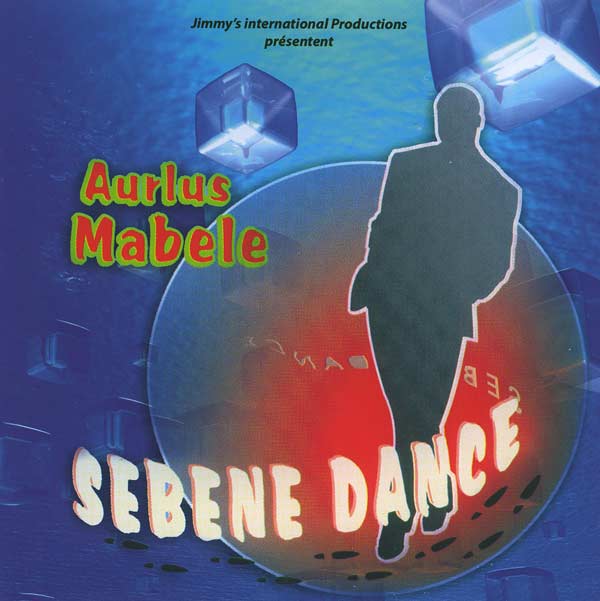
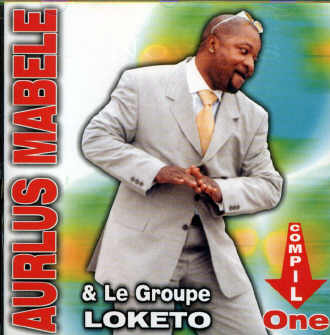
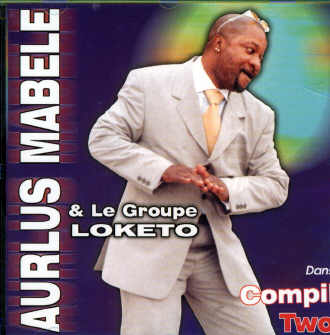
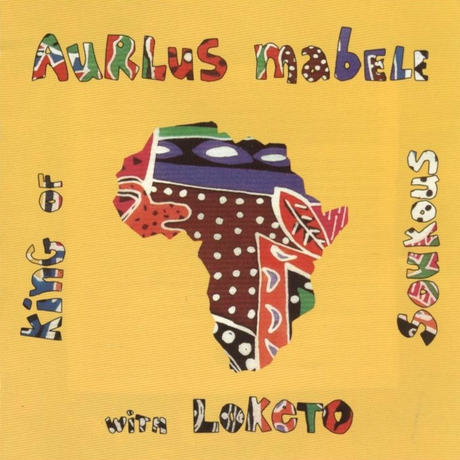
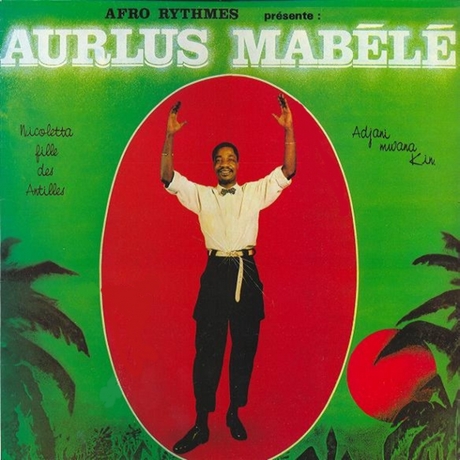
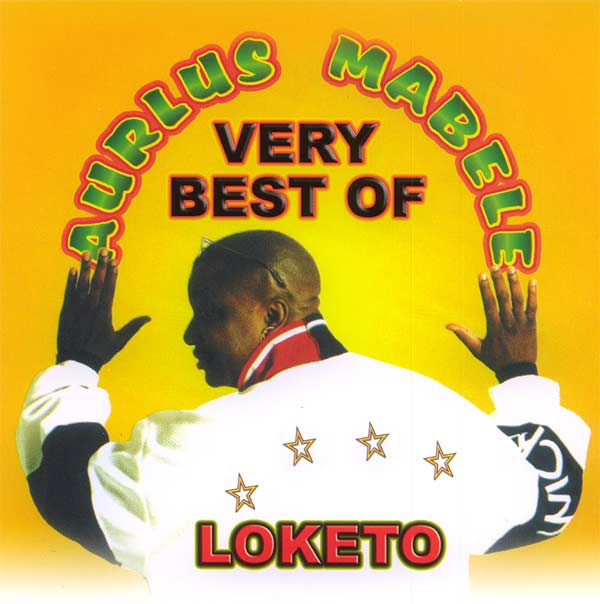
In 1981, Mabélé left the Congo for Paris, where a growing Congolese community nurtured a bubbling musical scene. First a session musician at the legendary Studio Caroline, he released his first album Na La Vie in 1982, followed by Nicoletta, Fille des Antilles in 1983. These records attracted the diaspora but remained relatively obscure. The turning point came in 1986: collaborating with producer Jimmy Houetinou, Mabélé released Africa Mousso (“Woman of Africa”). The hit soared, won the Golden Maracas Award, and earned Mabélé the nickname “king of soukous.” The success pushed Mabélé to gather Diblo Dibala, the guitarist nicknamed “Machine Gun,” Mav Cacharel, Jean Baron, and Mack Macaire in the formation Loketo – “the hips” in Lingala. Together, they modernized soukous by removing the slow traditional introduction to plunge straight into the sebene, that panting groove driven by guitar and percussion.
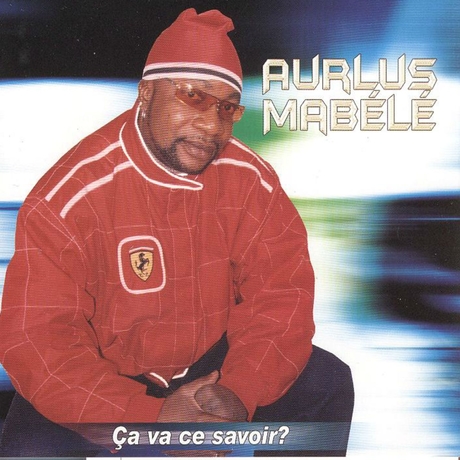
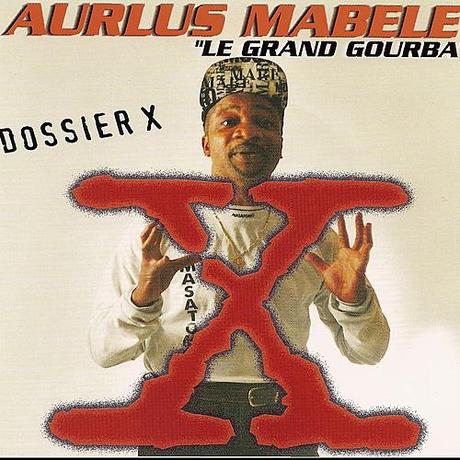
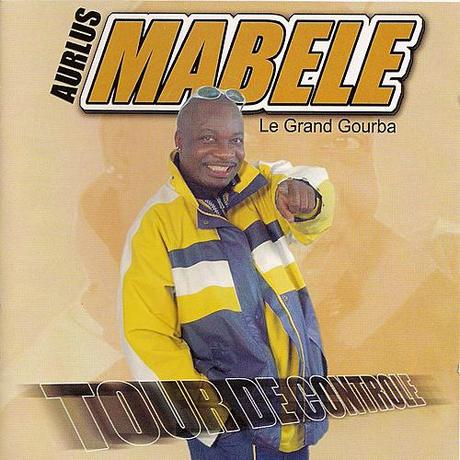
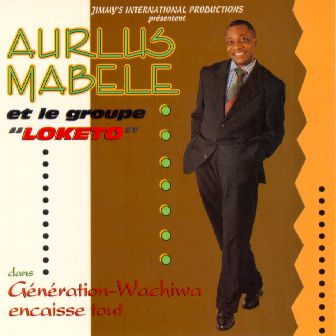
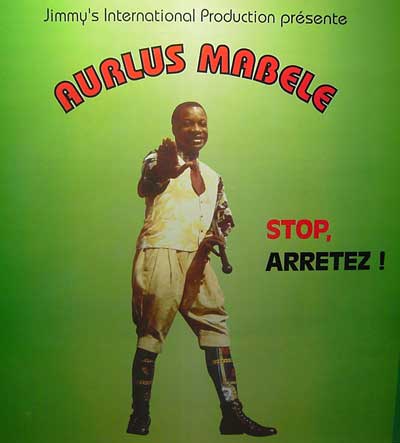
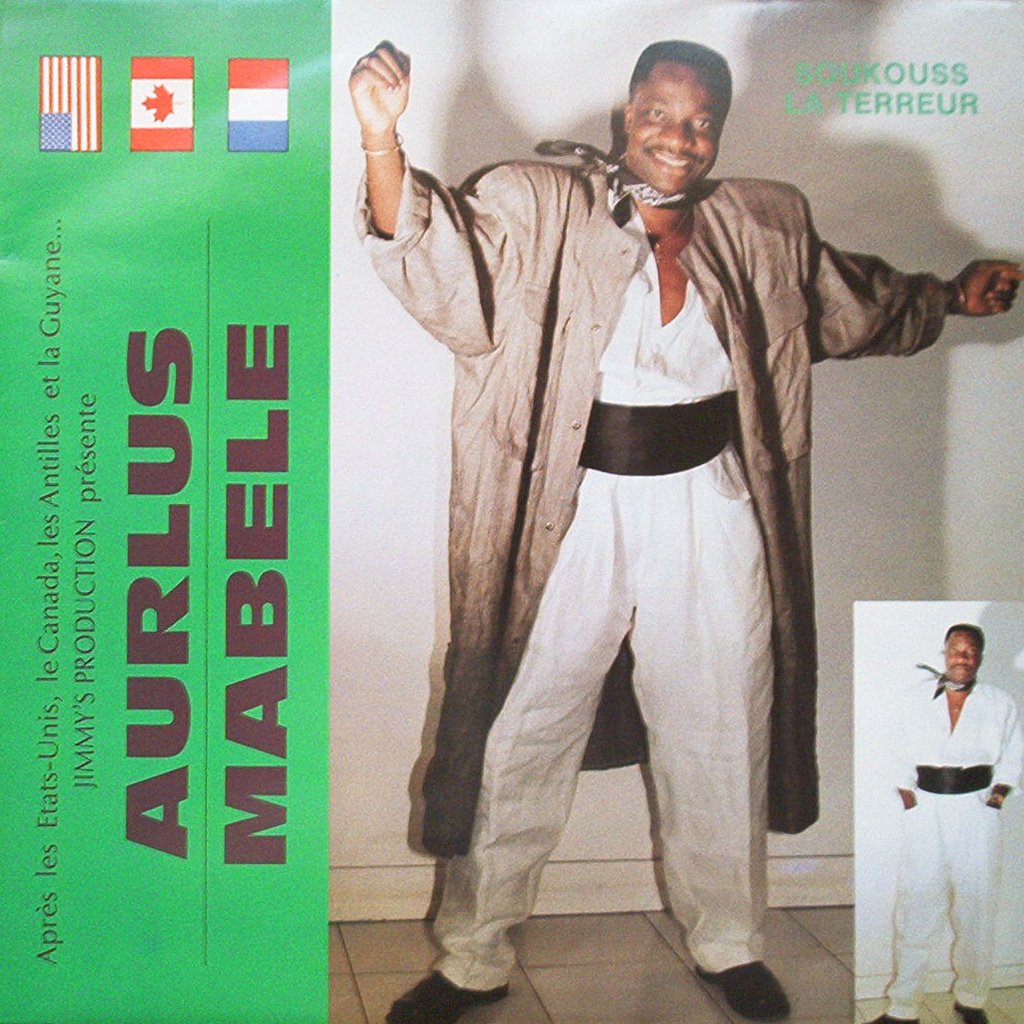
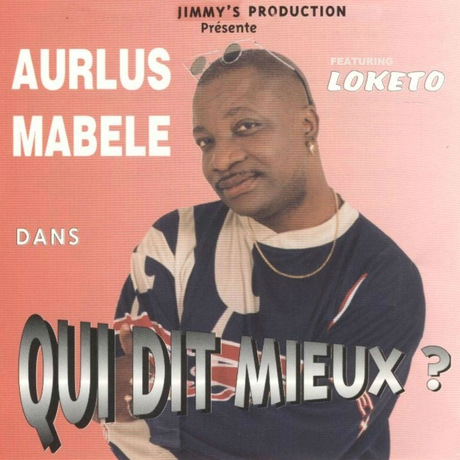
Between 1987 and 1991, Loketo released records and toured the world: Paris, New York, the Caribbean. Albums like Super Soukous (1989), Extra Ball (1991), and Soukous La Terreur (1989) etched classics such as “Douce Isabelle,” “Femme ivoirienne,” and “Liste Rouge.” In 1989, the group performed at SOB’s in Manhattan, “a dancing machine with a thousand brilliant facets,” wrote the critic for The New York Times. In 1991, the collaboration with Diblo Dibala broke. Mabélé bounced back with guitarist Dally Kimoko and released Embargo, the flagship album. Followed by Stop Arrêtez ! (1992), Génération-Wachiwa encaisse tout (1994), Dossier X (2000), and Ça va ce savoir ? (2004). The 2000s reserved trials for him: throat cancer in 2005, then a stroke. In 2009, back on stage, he stringed together concerts in the Caribbean. His last album, Elephants Ambiance, was released in 2019. On March 19, 2020, he died in Eaubonne from complications of Covid-19. His daughter, rapper Liza Monet, announced the news. The eulogy came from all over the world: Dally Kimoko, Mav Cacharel, millions of fans salute the man who made soukous a universal music.
Major works
| Work | Year | Why it is essential |
|---|---|---|
| Africa Mousso (Femme d’Afrique) | 1986 | The hit that launched Mabélé and earned him the Golden Maracas |
| Extra Ball | 1991 | Peak of Mabélé-Dibala cooperation before the breakup |
| Embargo | 1991 | After separation with Dibalo, Mabélé confirms with Dally Kimoko |
Legacy and influence
Aurlus Mabélé was one of the architects of modern soukous. By breaking the codes of the slow introduction to plunge into the sebene, he paved the way for a more direct sound that conquered clubs around the world. His albums still circulate on stages and platforms, and the music he embodied – that feverish soukous where Congolese rumba, Caribbean influences, and American funk cross paths – remains a pillar of African music. Liza Monet, his rapper daughter, furthermore perpetuates this tradition through her own music.
Sources and references
- “Aurlus Mabélé”, Wikipedia in French, https://fr.wikipedia.org/wiki/Aurlus_Mab%C3%A9l%C3%A9, accessed October 19, 2025.
- “Aurlus Mabélé”, Wikipedia, https://en.wikipedia.org/wiki/Aurlus_Mab%C3%A9l%C3%A9, accessed October 19, 2025.
- “Aurlus Mabele, Congolese King of Soukous Music, Dies at 66”, The New York Times, https://www.nytimes.com/2020/03/23/world/africa/aurlus-mabele-dead-coronavirus.html, accessed October 19, 2025.
- “Aurlus Mabele: A ‘King of Soukous’ Dies at 67”, Afropop Worldwide, https://www.afropop.org/articles/king-of-soukous-aurlus-mabele-dies-at-67, accessed October 19, 2025.
- “Remembering Three Towering African Musicians”, MoMA Magazine, https://www.moma.org/magazine/articles/332, accessed October 19, 2025.
- « Aurlus Mabélé », SACEM Musée, https://musee.sacem.fr/index.php/Detail/entities/20161, accessed on 19 October 2025.
- « Manu Dibango And Aurlus Mabele, Two West African Musical Giants, Die Of COVID-19 », NPR, https://npr.org/transcripts/820957249, accessed on 19 October 2025.