Biography
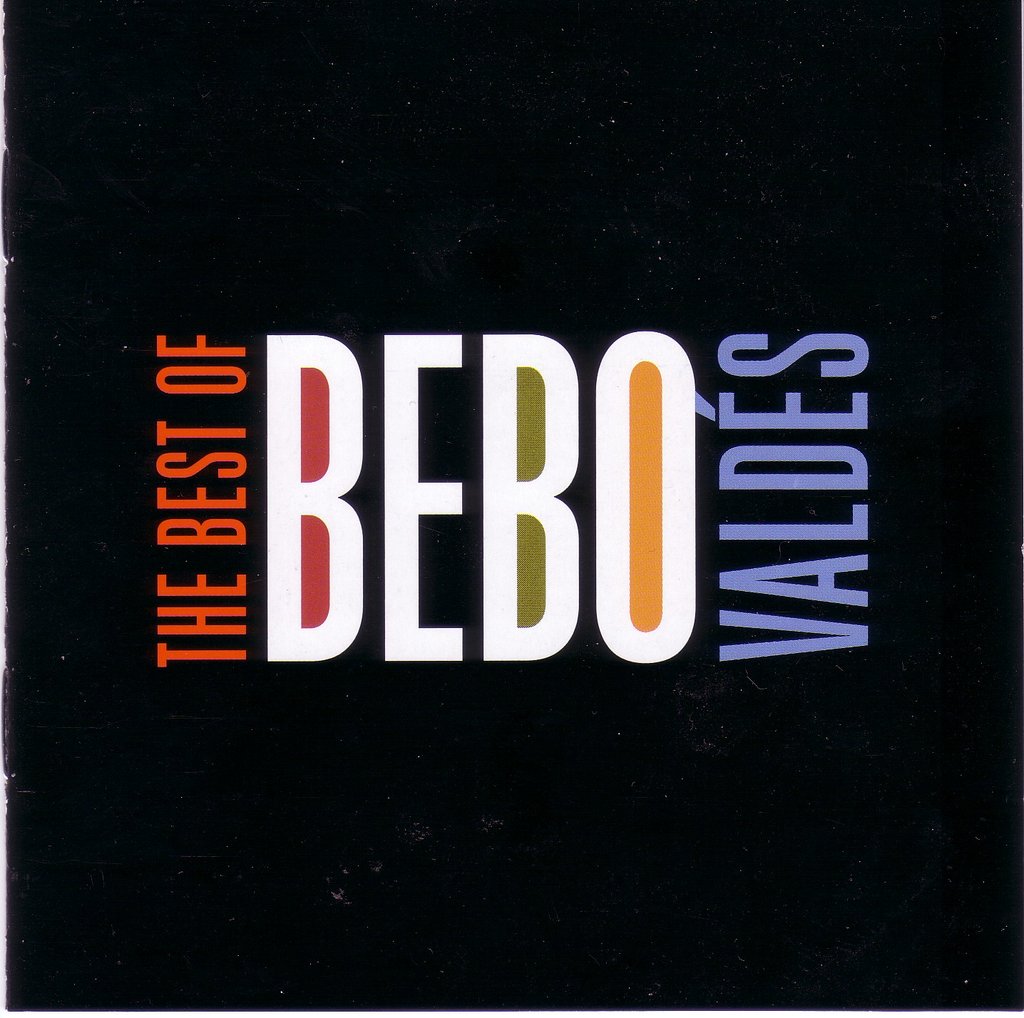
Bebo Valdés: the piano that made Cuba dance
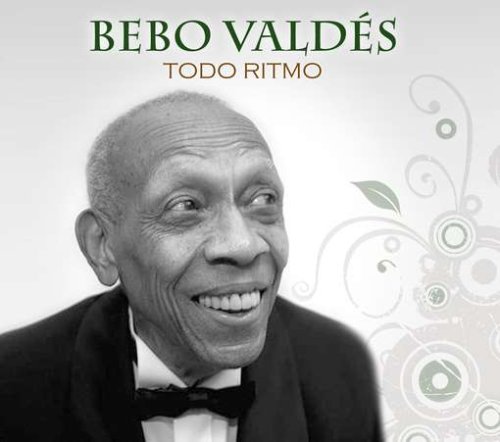
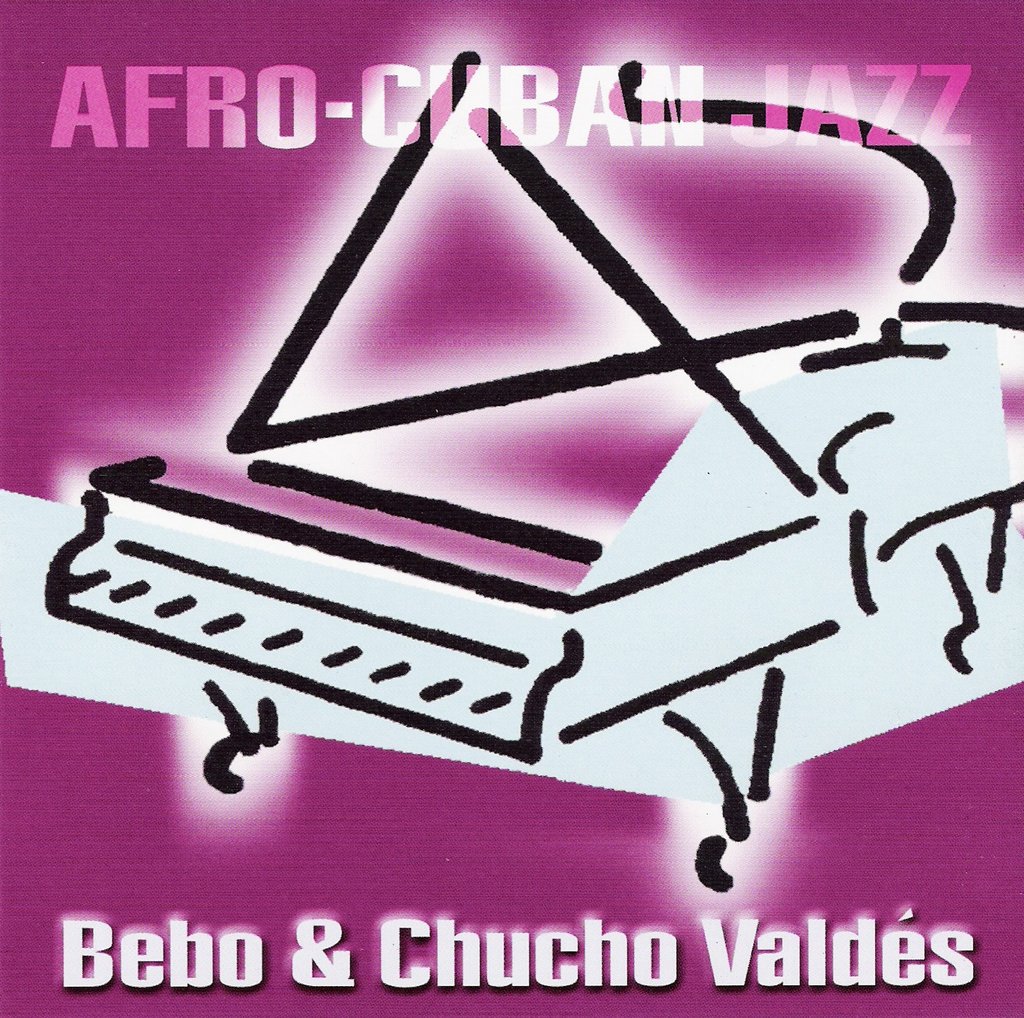
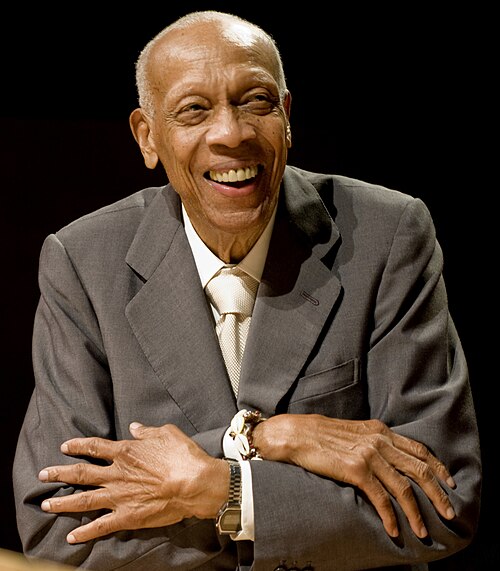
In 2000, Fernando Trueba’s documentary Calle 54 immortalized two pianos that were thought to be lost: Bebo Valdés, 81 years old, and his son Chucho played together again for the second time in forty years. An entire life’s arc is contained within this image—a giant of Cuban music from the 1940s-50s, bracketed for thirty years by exile before a triumphant return.
In brief
| Full name | Dionisio Ramón Emilio Valdés Amaro, known as Bebo |
| Birth | October 9, 1918, Quivicán (near Havana), Cuba |
| Death | March 22, 2013, Stockholm (Sweden) |
| Genre | Mambo, cha-cha-chá, batanga; Afro-Cuban jazz |
| Role | Pianist, conductor, composer and arranger |
| Signature works | Cuban Dance Party, El Arte del Sabor, Lágrimas Negras |
| Awards | Three Grammys, several Latin Grammys; honorary doctorate from Berklee College of Music (2011) |
Key dates
| Year | Event |
|---|---|
| 1918 | Born in Quivicán, near Havana |
| 1935 | Arrival in Havana; entered municipal conservatory |
| 1946 | Recorded Rareza del siglo with Julio Cueva’s orchestra |
| 1948 | Joined Tropicana, the most famous cabaret-casino in Havana |
| 1952 | First batanga concert; sessions with Norman Granz, first recorded Afro-Cuban jam session |
| 1957 | Founded Orquesta Sabor de Cuba, where his son Chucho played |
| 1963 | Settled in Stockholm; lived there for nearly thirty years |
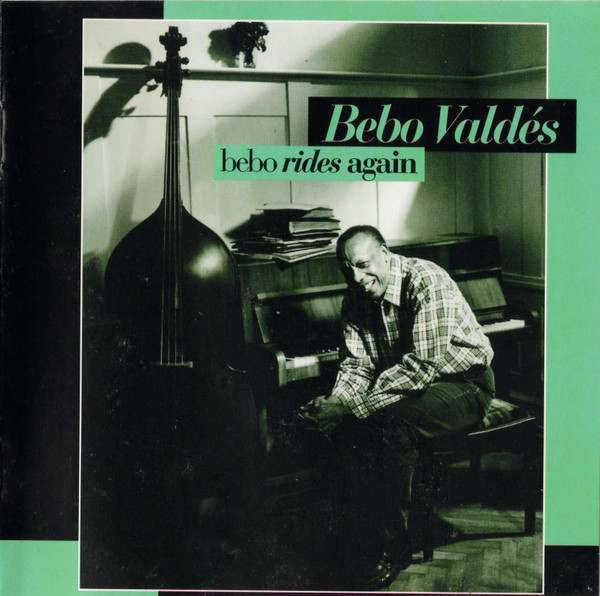
| 1994 | Bebo Rides Again with Paquito D’Rivera: back in the studios |
| 2013 | Died in Stockholm at the age of 94 |
From Quivicán to Tropicana: a pianist born for the dance floor
Bebo Valdés was born in 1918 in Quivicán, a small village near Havana. Son of a cigar factory worker and grandson on his father’s side of an enslaved person. The family moved to Havana in 1935; he entered the municipal conservatory, where European classical forms rubbed shoulders with traditional Cuban music. He received his piano from a friend of his mother; he wrote his first arrangements in his twenties and was already playing in clubs as well as on the radio. He joined trumpeter Julio Cueva’s orchestra, who recorded Rareza del siglo in October 1946—a mambo that would remain one of his signature pieces.
Mambo in big band, then the batanga
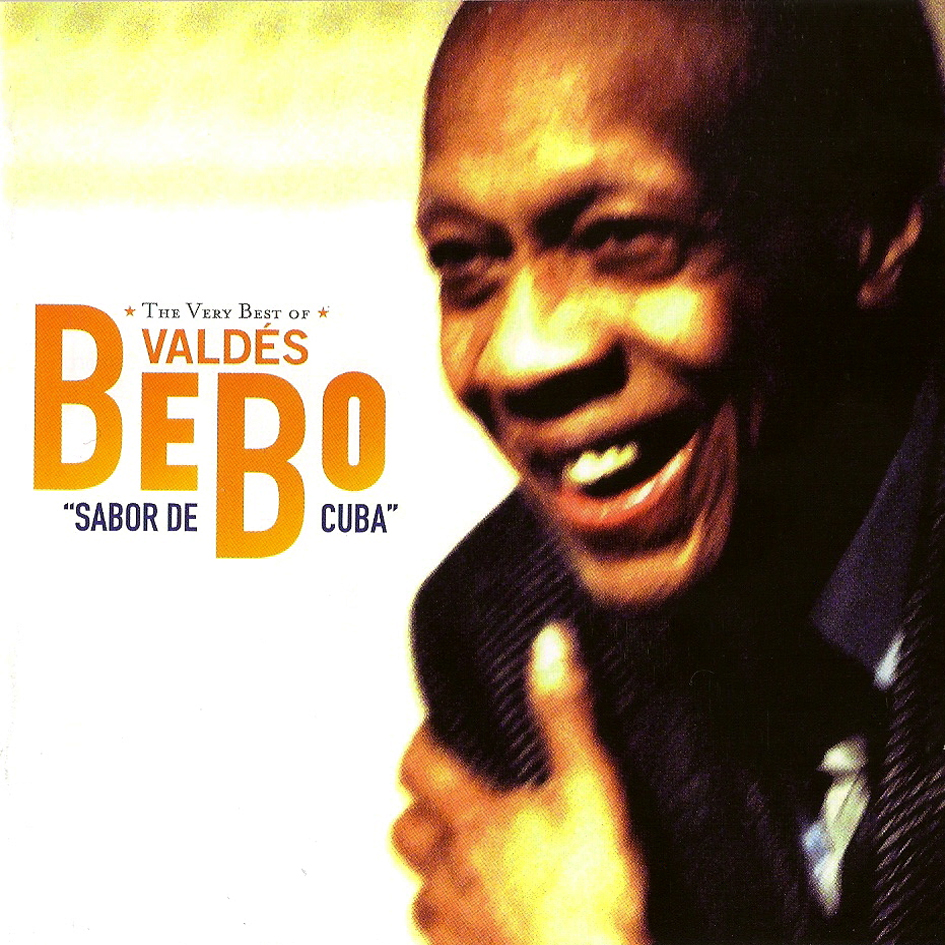
From 1948 to 1957, Bebo was the pianist and arranger at Tropicana, Havana’s most glamorous cabaret-casino. He accompanied the stars Rita Montaner, Beny Moré and Pío Leyva and played a key role in adapting the mambo—the rhythm that was about to conquer New York’s nights—to the big band format. To rival the Mexican Pérez Prado’s mambo, he developed the batanga, a livelier and more sophisticated groove: its first performance at Tropicana in 1952 triggered a radio frenzy. That same year, American producer Norman Granz invited him and his Tropicana partners to record—the first Afro-Cuban jam session on disc, the founding brick of Afro-Cuban jazz. In 1957, he founded Orquesta Sabor de Cuba—where his son Jesús, known as Chucho, played from the age of sixteen. The following year, he arranged Nat King Cole’s album Cole Español.
Thirty years in Stockholm, a triumphant return
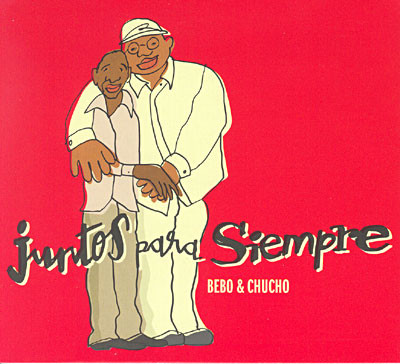
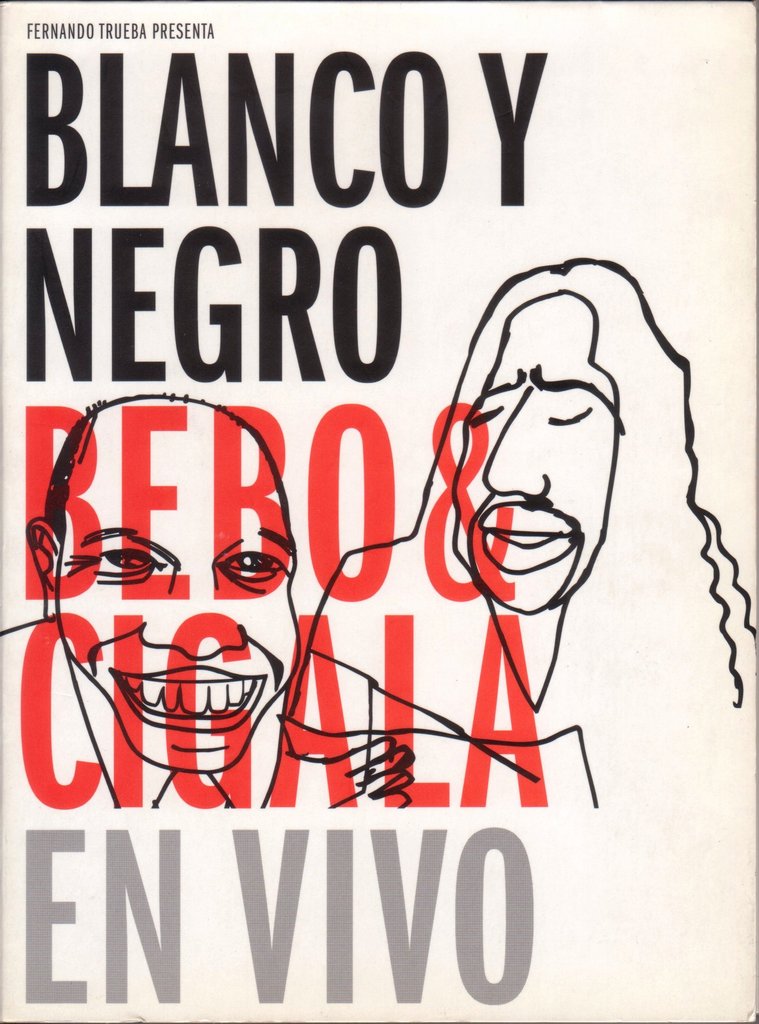
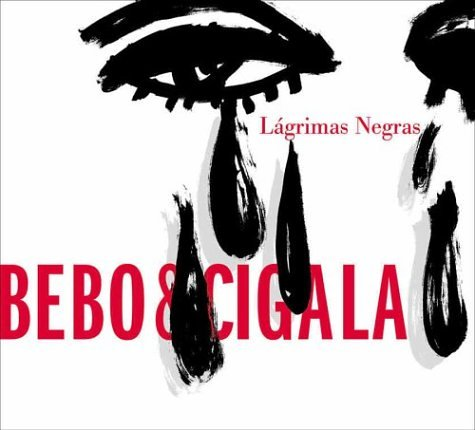
After the 1959 revolution, Bebo turned away from the new regime and went into exile in Mexico and then Europe; his wife Pilar and Chucho remained in Cuba. In 1963, a tour of Sweden with the Lecuona Cuban Boys brought him face to face with Rose Marie Pehrson: “It was like being struck by lightning,” he would say (translated from English); he settled in Stockholm and founded a second family there. For nearly thirty years, he played the piano of Scandinavian hotels, vainly trying to make them appreciate a Cuban jazz that salsa had rendered obsolete. In 1994, saxophonist Paquito D’Rivera brought him back to the studio: Bebo Rides Again sounded like a starting gun. Then came the triumph—El Arte del Sabor (2001), Lágrimas Negras in a flamenco-Cuban duo with Diego el Cigala (2003), and then Juntos Para Siempre with his son (2008). He composed the music for Chico & Rita (2010), freely inspired by his life. Three Grammys, several Latin Grammys: at nearly eighty years old, the pianist became a world star again.
Major works
| Work | Year | Why it’s essential |
|---|---|---|
| Cuban Dance Party | 1959 | One of the very first stereo albums by a Cuban ensemble: mambo in big band, crystallized on disc. |
| Bebo Rides Again | 1994 | With Paquito D’Rivera; after thirty years of silence, the pianist took his style and life back into his own hands. |
| El Arte del Sabor | 2001 | The Bebo-“Patato” Valdés-Cachao trio: the dialogue between Cuban tradition and jazz, acclaimed with a Grammy. |
| Lágrimas Negras | 2003 | The duet with flamenco cantaor Diego el Cigala marries his Cuban and cante jondo; it sold over one million copies. |
Legacy and influence
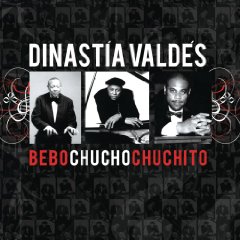
Bebo Valdés is one of the fathers of Afro-Cuban jazz, the one who reintroduced African rhythms from Cuba to the heart of dance music. His dynasty—his son Chucho Valdés, international pianist, and the musicians who surrounded him—continues this line to this day. The portrait of his journey in Chico & Rita (2010) brought a pianist that history had bracketed too early back to the forefront of the stage. He died in Stockholm in 2013, after holding fast to his motto until the end: “I want to play until I die” (translated from Spanish).
Sources and references
-
“Bebo Valdés obituary”, The Guardian, https://www.theguardian.com/music/2013/mar/25/bebo-valdes, accessed October 20, 2026.
-
“Bebo Valdés, a Force in Cuban Music, Dies at 94”, The New York Times, https://www.nytimes.com/2013-03-25/arts/music/bebo-valdes-a-force-in-cuban-music-dies-at-94.html, accessed October 20, 2026.
-
“Bebo Valdés”, Wikipedia (English), https://en.wikipedia.org/wiki/Bebo_Vald%C3%A9s, accessed October 20, 2026.
-
« Bebo Valdés — Biography, Discography », AllMusic, https://www.allmusic.com/artist/bebo-vald%C3%A9s-mn0000161173, accessed 20 October 2026.
-
« Bebo Valdés Trio — El Arte del Sabor », Discogs, https://www.discogs.com/release/1933928-Bebo-Vald%C3%A9s-Trio-El-Arte-Del-Sabor, accessed 20 October 2026.
-
« Bebo Valdés », Grammy Awards (official website), https://www.grammy.com/artists/bebo-valdes/14477, accessed 20 October 2026.
-
« Lágrimas Negras », Qobuz (review by Thom Jurek), https://www.qobuz.com/au-en/album/lagrimas-negras-bebo-valdes-diego-el-cigala/ziiw7ahegq4ya, accessed 20 October 2026.