Biography
Bob Andy, the great poet of reggae
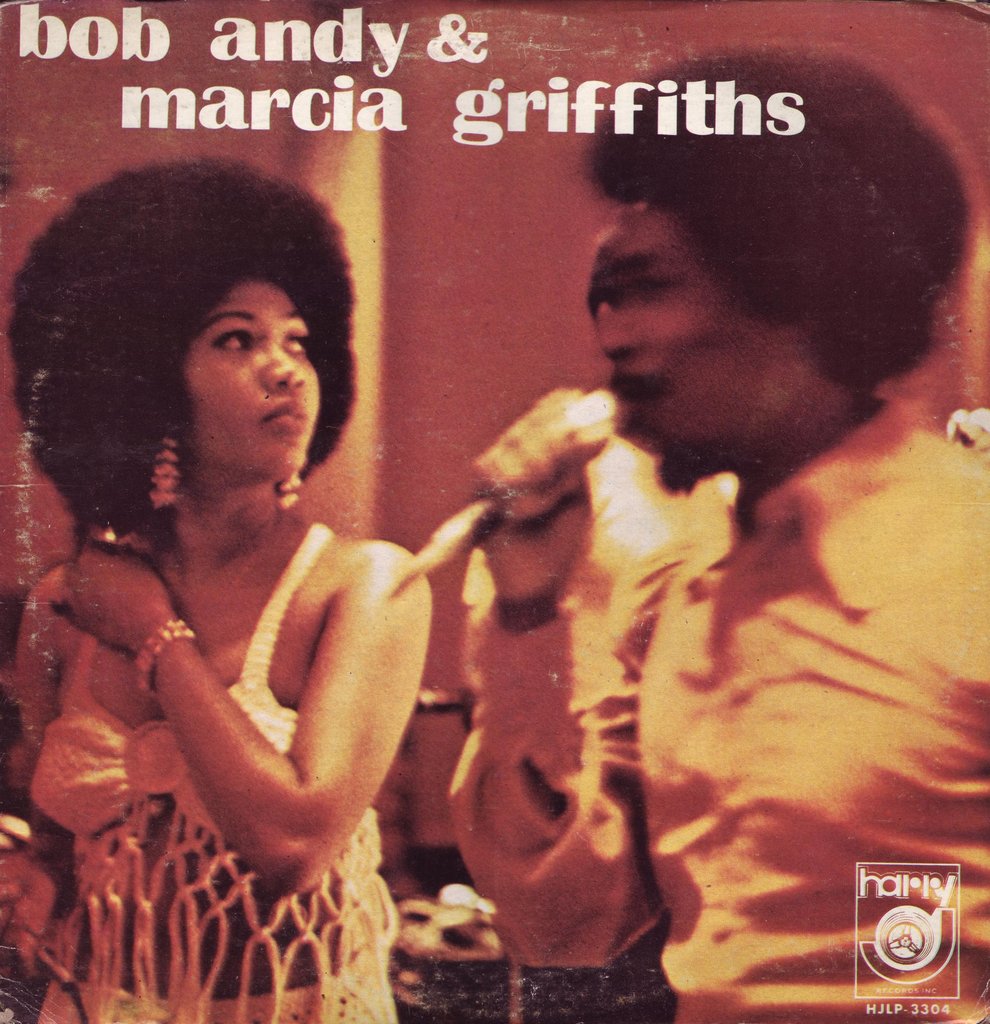
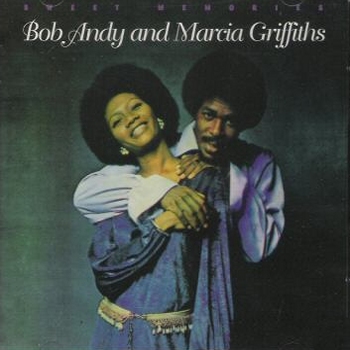
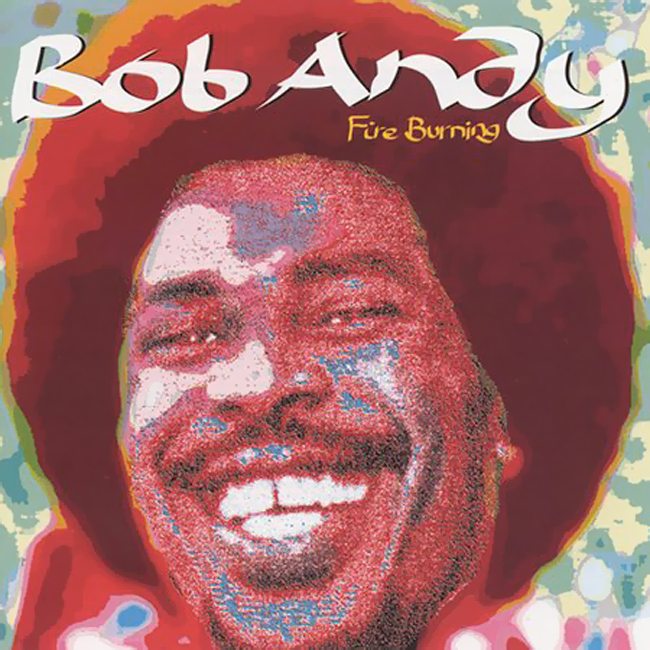
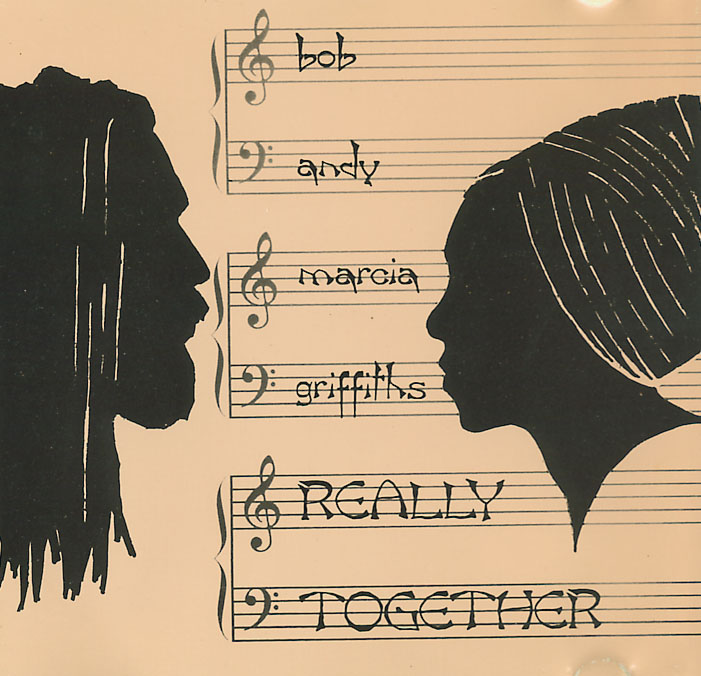
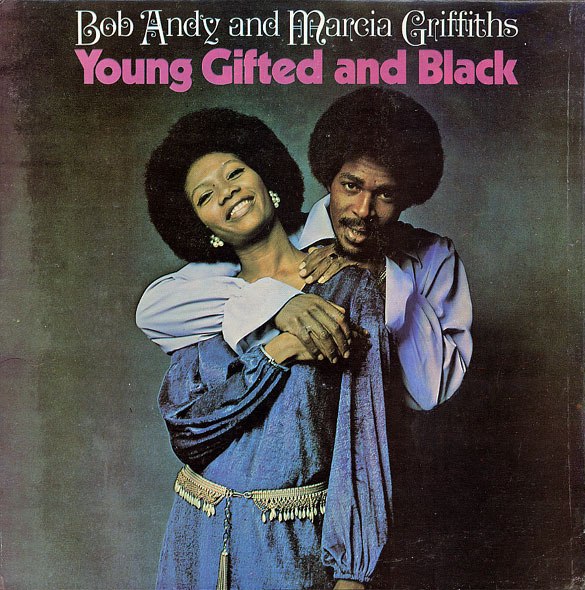
In 1970, a duo composed of a Jamaican singer and the young Marcia Griffiths released " Young, Gifted and Black “, which reached number 5 on the British charts. Bob Andy laid down a soft yet firm voice, articulating the dignity of black youth over a reggae rhythm orchestrated by Trojan Records. The European public then discovered the song of an artist who, long before that, had shaped the classics of Jamaican reggae: " Unchained “, " Desperate Lover “, " Fire Burning " — tracks that became the collective property of the genre.
In brief
| Full name | Keith Anderson, known as Bob Andy |
| Birth | October 28, 1944, Kingston, Jamaica |
| Death | March 27, 2020 (75 years), Kingston, Jamaica |
| Genre | Rocksteady, reggae roots |
| Signature works | " Unchained “, " Desperate Lover “, " Fire Burning " |
| Honors | Commander of the Order of Distinction (Jamaica, 2006) |
Key dates
| Year | Event |
|---|---|
| 1944 | Birth of Keith Anderson in Kingston, Jamaica |
| 1964 | Co-founded The Paragons with Tyrone Evans; recorded at Studio One |
| 1967 | First solo hit: " I’ve Got to Go Back Home " |
| 1968-1969 | " Too Experienced “, " My Time “, " Unchained " — successes at Studio One |
| 1970-1971 | Duo Bob & Marcia; " Young, Gifted and Black " (#5 UK), " Pied Piper " (#11) |
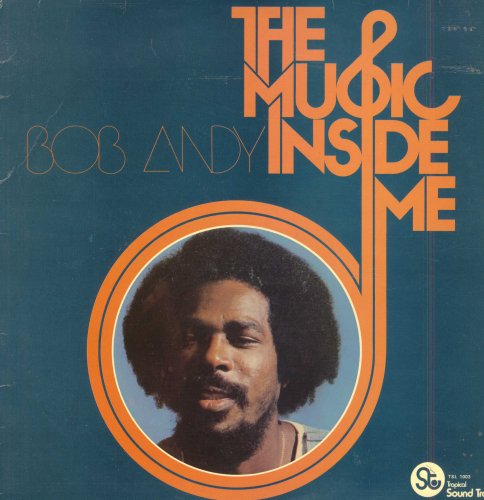
| 1975 | Album The Music Inside Me — joining the Rastafari movement |
| 1978-2005 | Artistic hiatus; acting career and move to Miami (1992) |
| 2006 | Commander of the Order of Distinction (CD) by the Jamaican government |
| 2020 | Death from pancreatic cancer on March 27 in Kingston |
Origins and formation: music as refuge
Keith Anderson was born on October 28, 1944, in Kingston, in a working-class neighborhood. His childhood was marked by instability: his abusive mother treated him poorly, and he wandered between the city and the countryside of Westmoreland with his maternal grandmother. When she died, he changed foster families several times — until, as a desperate teenager, he ran away and took refuge in an orphanage in Maxfield Park, despite his mother’s opposition. It was there, in front of a piano, that his musical talent revealed itself.
By thirteen, he had already filled a notebook with words. He then sang informally with his friend Tyrone Evans, who would later become the backbone of The Paragons.
Revelation and consecration: from Studio One to the British charts
The Paragons were born in 1964, a quartet that recorded at Studio One, the legendary label of Clement " Coxsone " Dodd, right from that year. Andy was one of the four founding members, alongside Evans, Howard Barrett, and, briefly, John Holt. But artistic tensions with the latter pushed Andy to leave the group and pursue a solo career — still with Coxsone Dodd.
His solo career took off in 1967 with " I’ve Got to Go Back Home “, a track calling for a return to African roots, which, ten years later, would be covered by Taj Mahal. From 1967 to 1969, Andy stringed together rocksteady successes: " Desperate Lover “, " Too Experienced “, " My Time “, and " Unchained “. The latter became a reggae standard, covered by Toots & The Maytals and countless others.
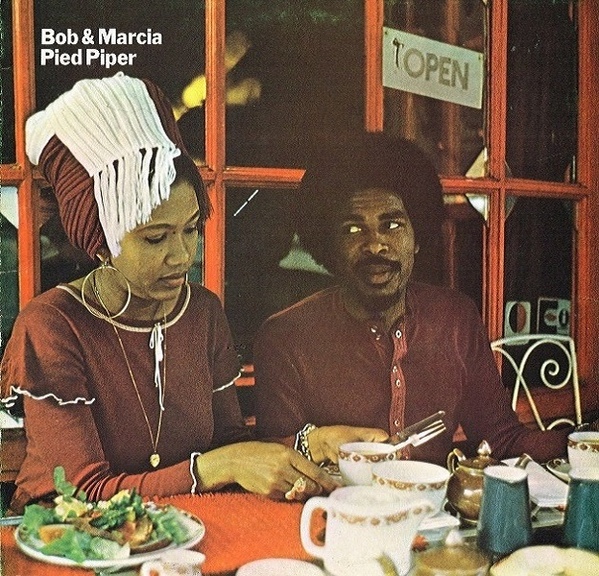
In 1968, Andy began a romantic relationship with the young Marcia Griffiths, sixteen years his junior. Their musical duo, Bob & Marcia, exploded in 1970 with " Young, Gifted and Black “, a reggae adaptation of Nina Simone’s song that reached fifth place on the British charts thanks to the orchestral arrangements by Trojan Records. The duo toured Europe, sharing stages with Elton John and Gilbert O’Sullivan, before striking again with " Pied Piper " (1971), which reached eighteenth place in the UK. Their artistic separation in 1972 coincided with Griffiths joining the I Threes.
Evolutions and turning points: social speech, actor, mentor
Back in Jamaica, Andy released groundbreaking tracks: " Life " (1972), " You Don’t Know " (1973), and especially " Fire Burning " (1974), a scathing chronicle of the political divisions tearing the island apart. His album The Music Inside Me (1975) marked his adherence to the Rastafari movement — on it, he sang Nyah, a prayer that translates the faith and hope of a people. The album Kemari (1977) closed his most fertile period.
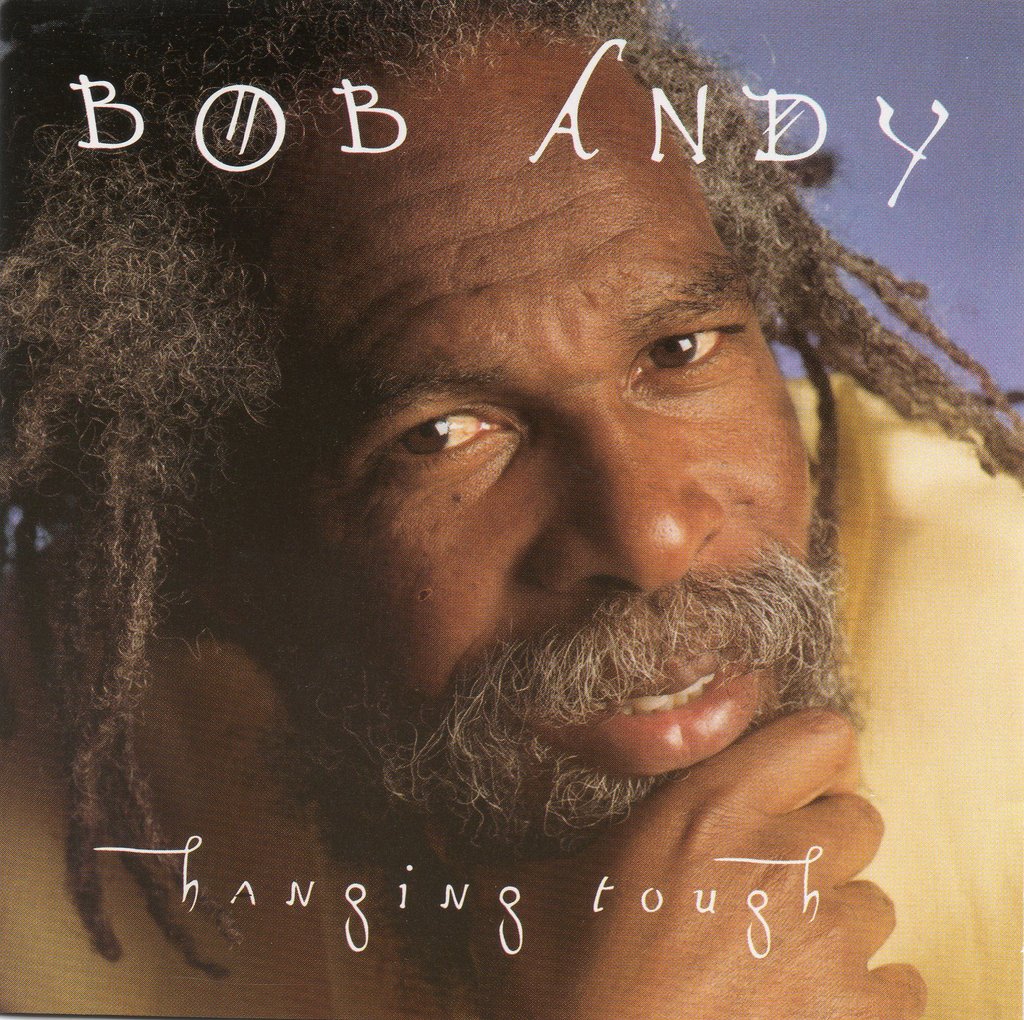
Andy also shifted toward cinema: Children of Babylon (1980), The Mighty Quinn (co-production with Denzel Washington, 1989). Between 1978 and the early 1990s, he put his music career on hold to dedicate himself to theater and acting. He settled in Miami in 1992, but did not disappear: his album Hangin’ Tough (1997), produced by Willie Lindo, marked his remarkable comeback.
Major works
| Work | Year | Why it’s essential |
|---|---|---|
| " I’ve Got to Go Back Home " | 1967 | First solo hit, African roots anthem covered by Taj Mahal |
| " Unchained " | 1969 | Reggae standard, covered by Toots & The Maytals and dozens of artists |
| " Young, Gifted and Black " (with Marcia Griffiths) | 1970 | Fifth place on the British hit parade; brought reggae to Europe |
| " Fire Burning " | 1974 | Chronicle of Jamaican political chaos, sampled by dancehall |
| The Music Inside Me | 1975 | Rastafari album where music becomes a weapon of spiritual liberation |
| " Ghetto Stays in the Mind " | 1977 | Poetic defusing of urban violence over a heavy, contemplative riddim |
Heritage and influence
Bob Andy dies on March 27, 2020, in Kingston, from pancreatic cancer. Decades of songs — sometimes love, sometimes social rebellion — make him one of the most influential reggae songwriters. Titles like “Fire Burning”, “Too Experienced” and “Ghetto Stays in the Mind” are revived by dancehall, sampled or covered. The Jamaican Copyright Institute (JACAP) preserves his sheet music. Michael Prophet cites Andy as his major influence as a singer. In 2006, the Jamaican government awards him the Order of Distinction, an honour, for his contributions to Jamaican music.
Sources and references
- “Bob Andy obituary”, The Guardian, https://www.theguardian.com/music/2020/mar/30/bob-andy-obituary, accessed November 6, 2025.
- “Bob Andy Biography”, AllMusic, https://www.allmusic.com/artist/bob-andy-mn0000057188, accessed November 6, 2025.
- “Bob Andy”, Wikipedia, https://en.wikipedia.org/wiki/Bob_Andy, accessed November 6, 2025.
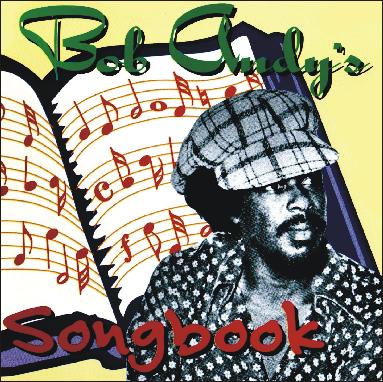
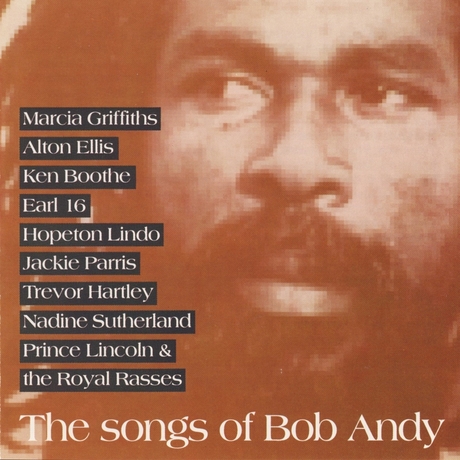
- “Bob Andy’s Song Book”, Wikipedia, https://en.wikipedia.org/wiki/Bob_Andy%27s_Song_Book, accessed November 6, 2025.
- Howard Campbell, “ICON BOB ANDY — A songwriter of distinction”, Jamaica Gleaner, https://web.archive.org/web/20070927021322/http://www.jamaica-gleaner.com/gleaner/20060815/ent/ent3.html, accessed November 6, 2025.
- “Reggae icon Bob Andy has died”, LoopJamaica, https://web.archive.org/web/20200328130209/http://www.loopjamaica.com/content/reggae-icon-bob-andy-has-died, accessed November 6, 2025.