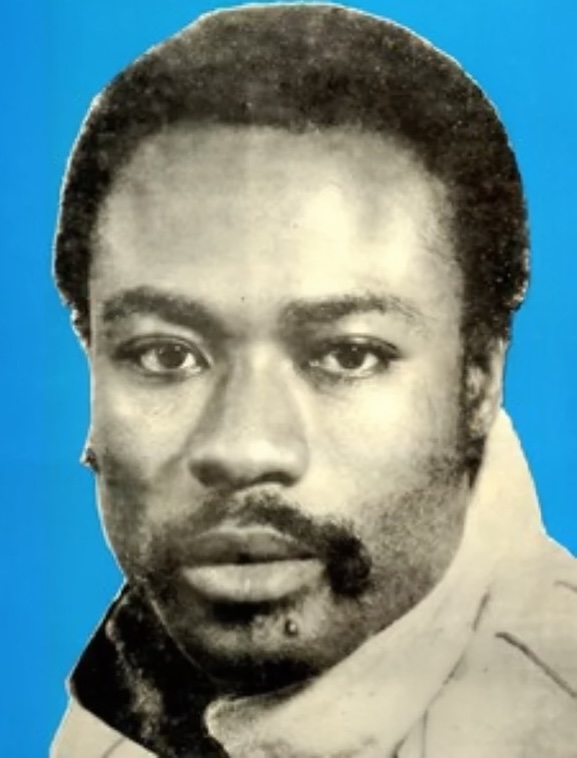
Biography
Bopol Mansiamina : la main d’or du soukous
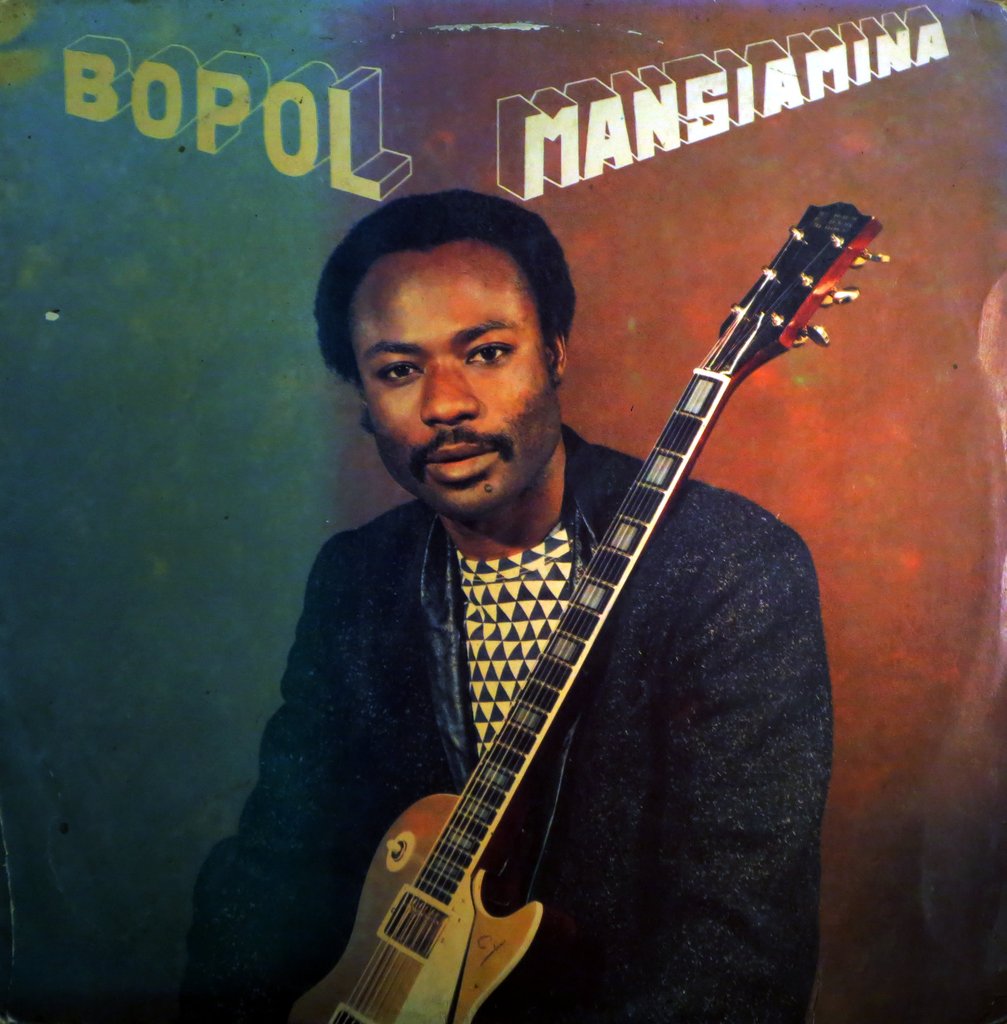
In Paris, at the heart of the 1980s, a rhythmic guitar weaves an irresistible pattern behind the soloists. This hand belongs to Bopol Mansiamina — bassist, guitarist, composer — the musician of the shadows who shaped the sound of an entire generation of soukous without ever seeking the spotlight.1
In brief
| Full name | Paul Mansiamina Mfoko |
| Birth | July 26, 1949, Léopoldville (Kinshasa) |
| Death | November 7, 2021, Paris, France |
| Field | Rhythmic guitar, bass, vocals, composition |
| Genre(s) | Soukous, Congolese rumba |
| Notable works | “Manuela”, “Samedi Soir”, Les Quatre Étoiles |
| Distinctions | None; peer recognition |
Key dates
| Year | Event |
|---|---|
| 1949 | Birth in Léopoldville (Kinshasa) |
| 1969-1971 | Bamboula, African Fiesta Sukisa, Orchestre Continental |
| 1973-1976 | Afrisa International (Tabu Ley) |
| 1978 | African All-Stars of Sam Mangwana |
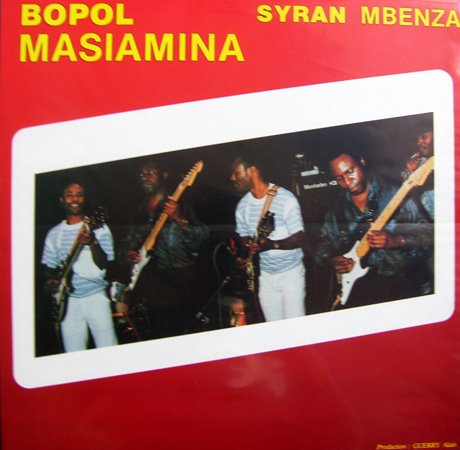
| 1982 | Move to Paris, Les Quatre Étoiles |
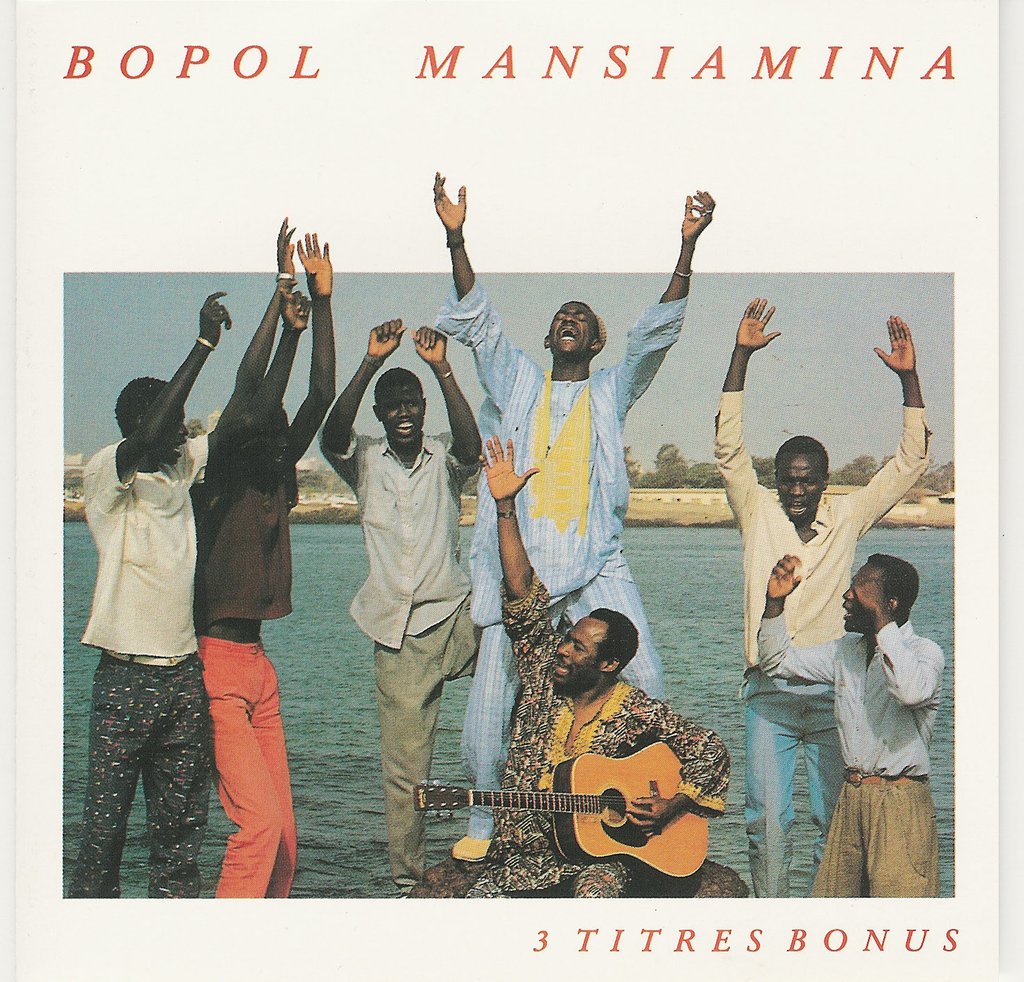
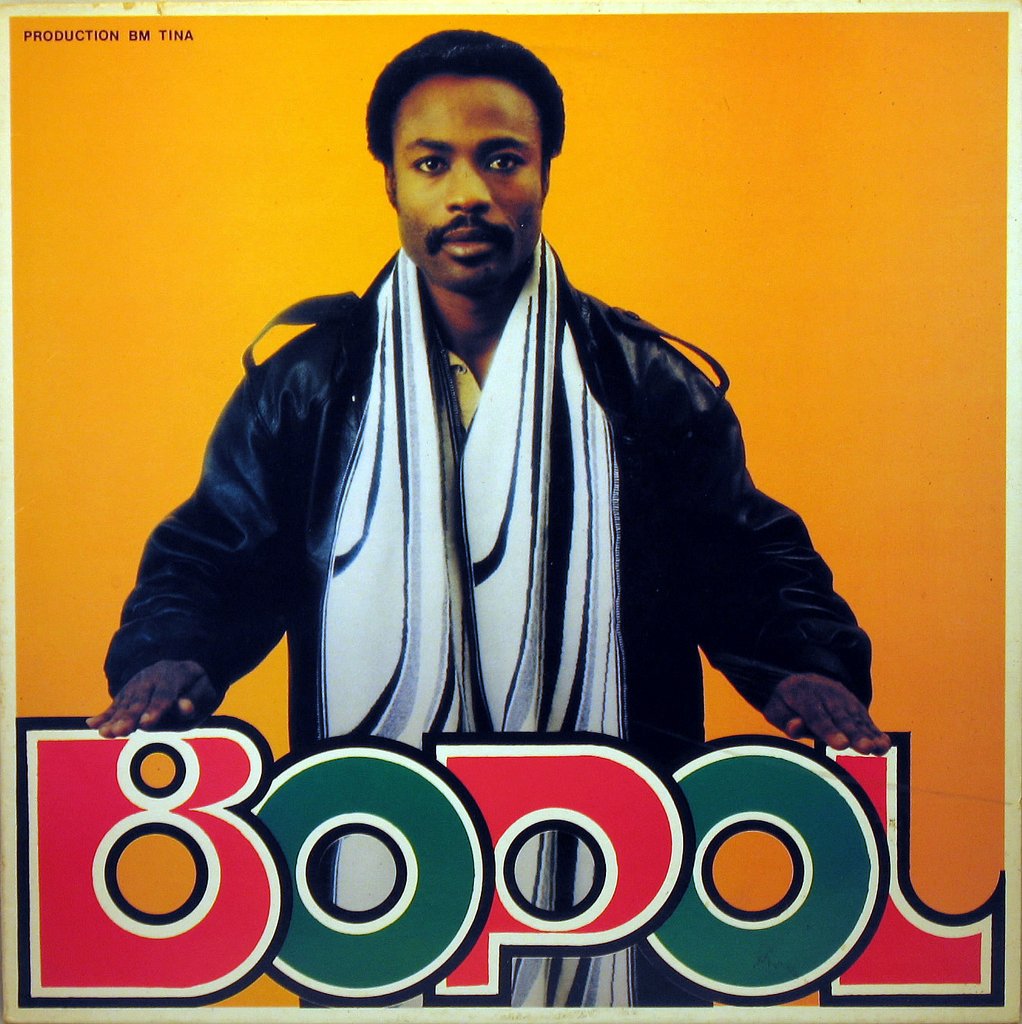
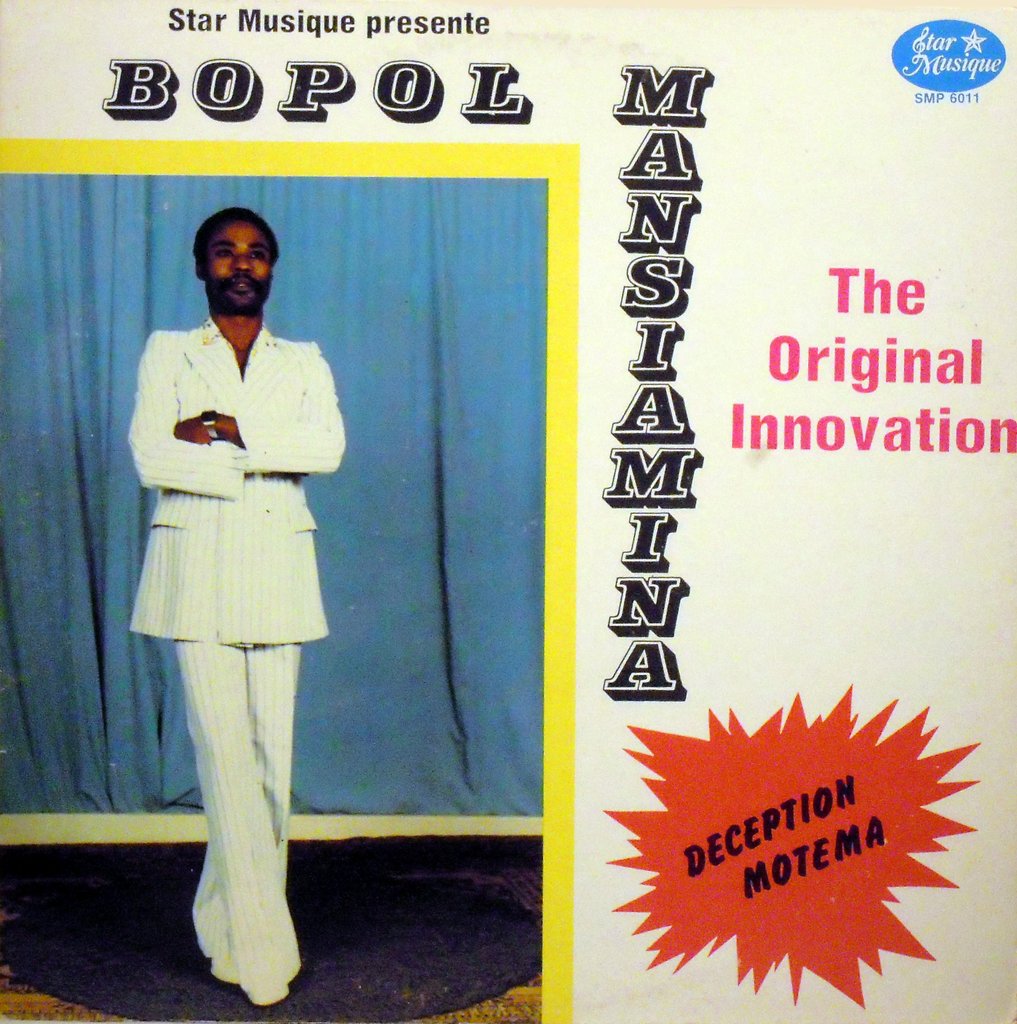
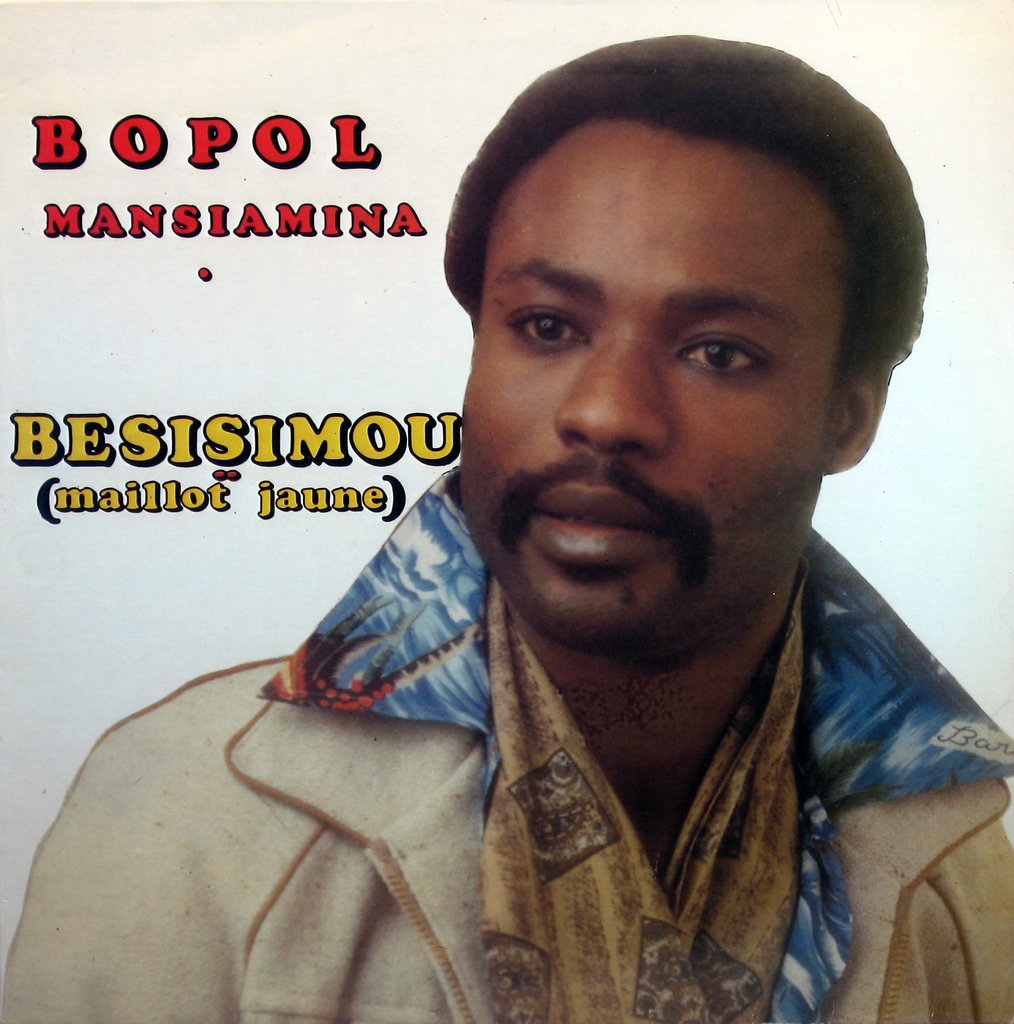
| 1983-1989 | Solo albums: “Manuela”, “Bopol”, “Belinda” |
| 1996 | Move to the United States |
| 2007 | Colombiafrica la Mystic Orchestra |
| 2021 | Death in Paris |
The greatest Congolese orchestras
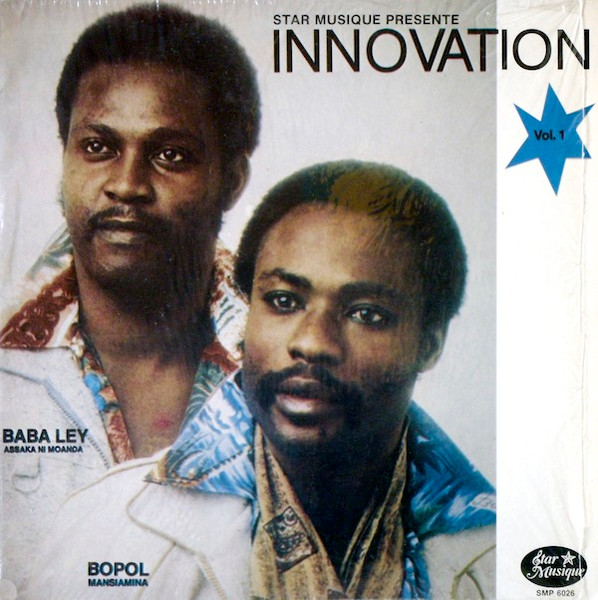
Bopol Mansiamina traversed the history of modern Congolese rumba. After his secondary education, he joined the Orchestre Bamboula of Papa Noël in 1969, which already gathered the talents of the next generation: Pepe Kalle, Madilu System, Bozi Boziana, and Blaise Pasco, later Wuta Mayi. The orchestra represented Zaire at the Pan-African Festival in Algiers, then dissolved upon its return. Bopol continued with experiences: Rock-a-Mambo, African Fiesta Sukisa by Dr. Nico in 1970, then Orchestre Continental co-founded with Wuta Mayi, Josky Kiambukuta, and Syran Mbenza in 1971. Tabu Ley welcomed him to Afrisa International from 1973 to 1976. He launched Ya Toupas with Ray Lema and worked with M’Pongo Love until his death in 1990.2
In 1978, Bopol left Zaire and joined the African All-Stars of Sam Mangwana in Abidjan and Lomé, reuniting with Syran Mbenza and Ringo Moya. This West African experience deeply marked his style.3
From West Africa to Paris
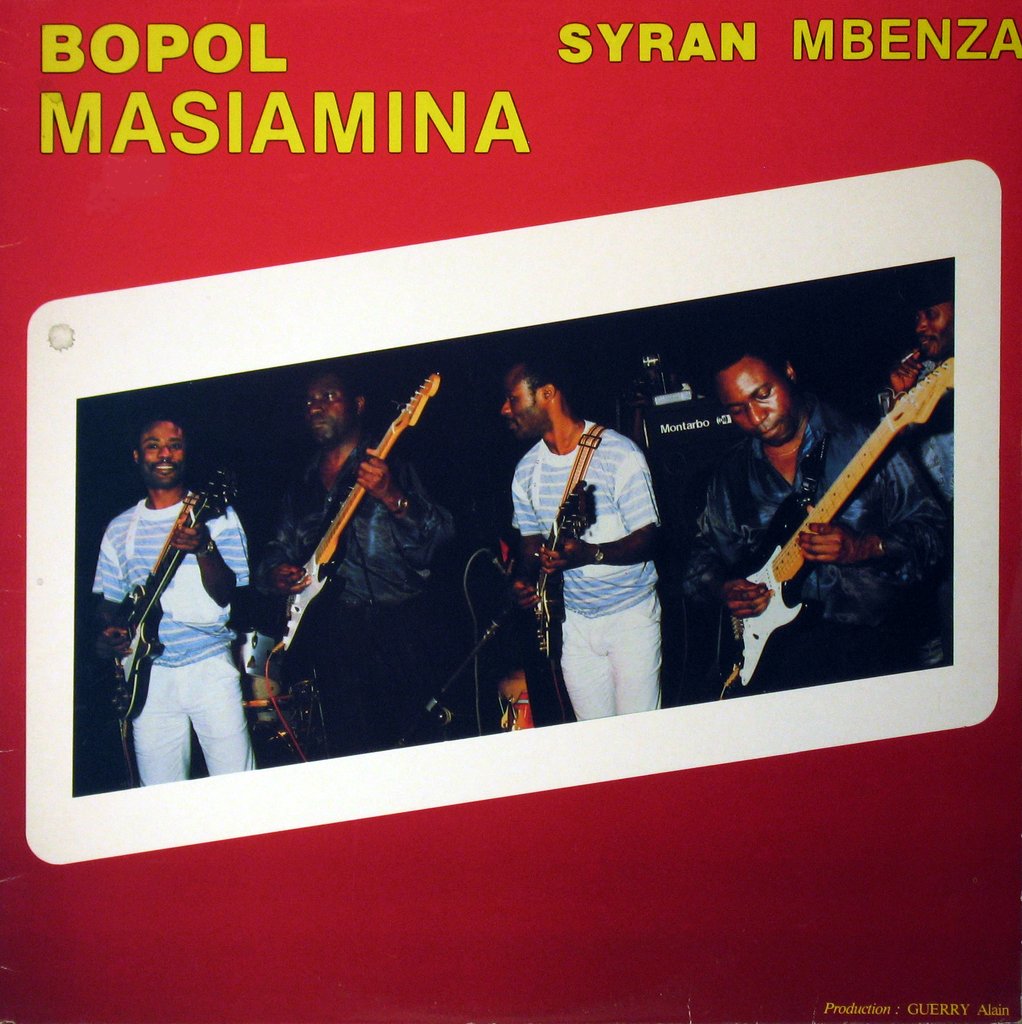
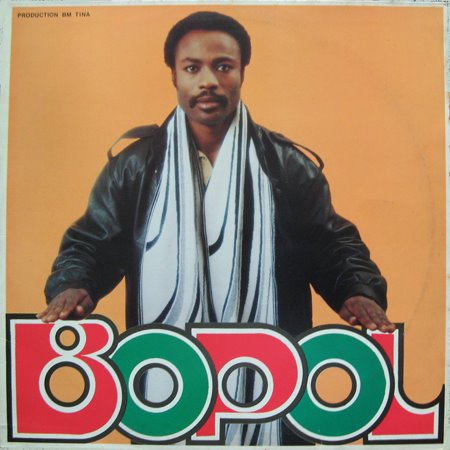
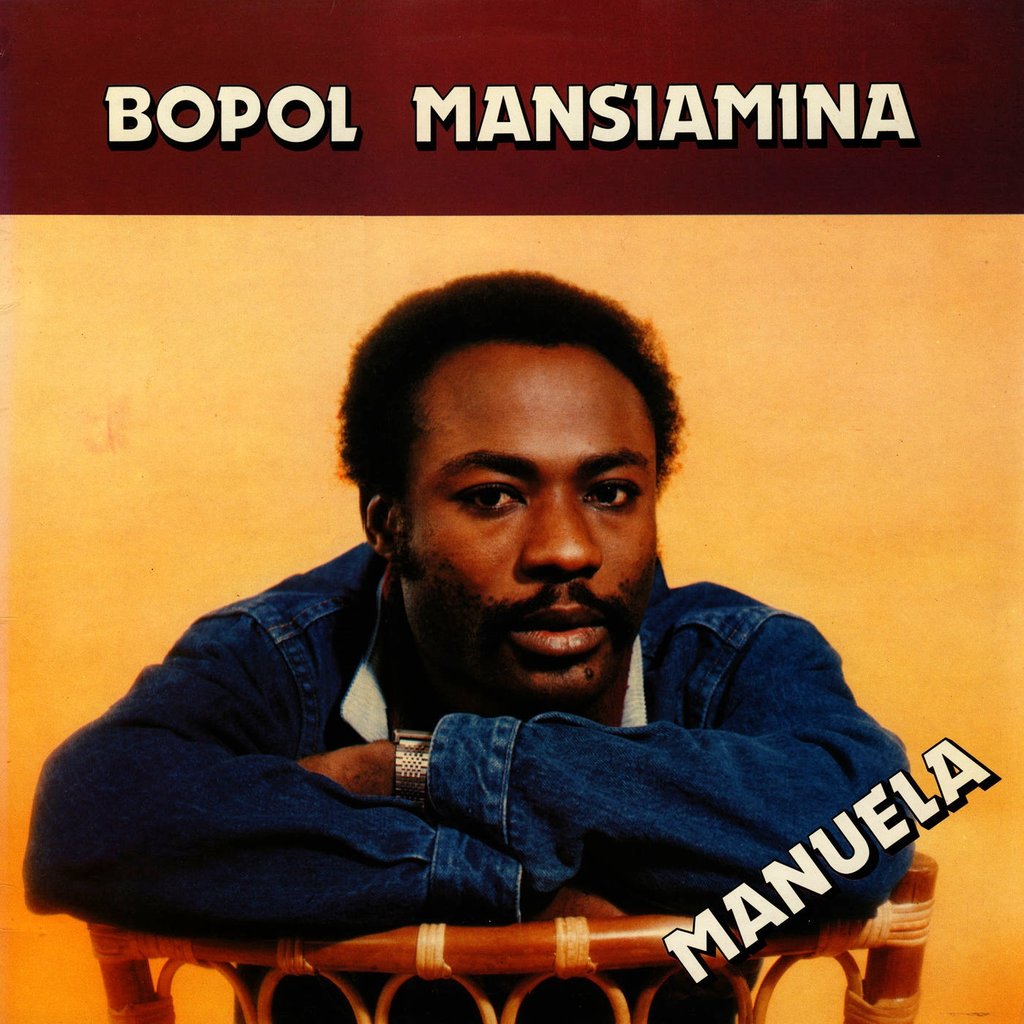
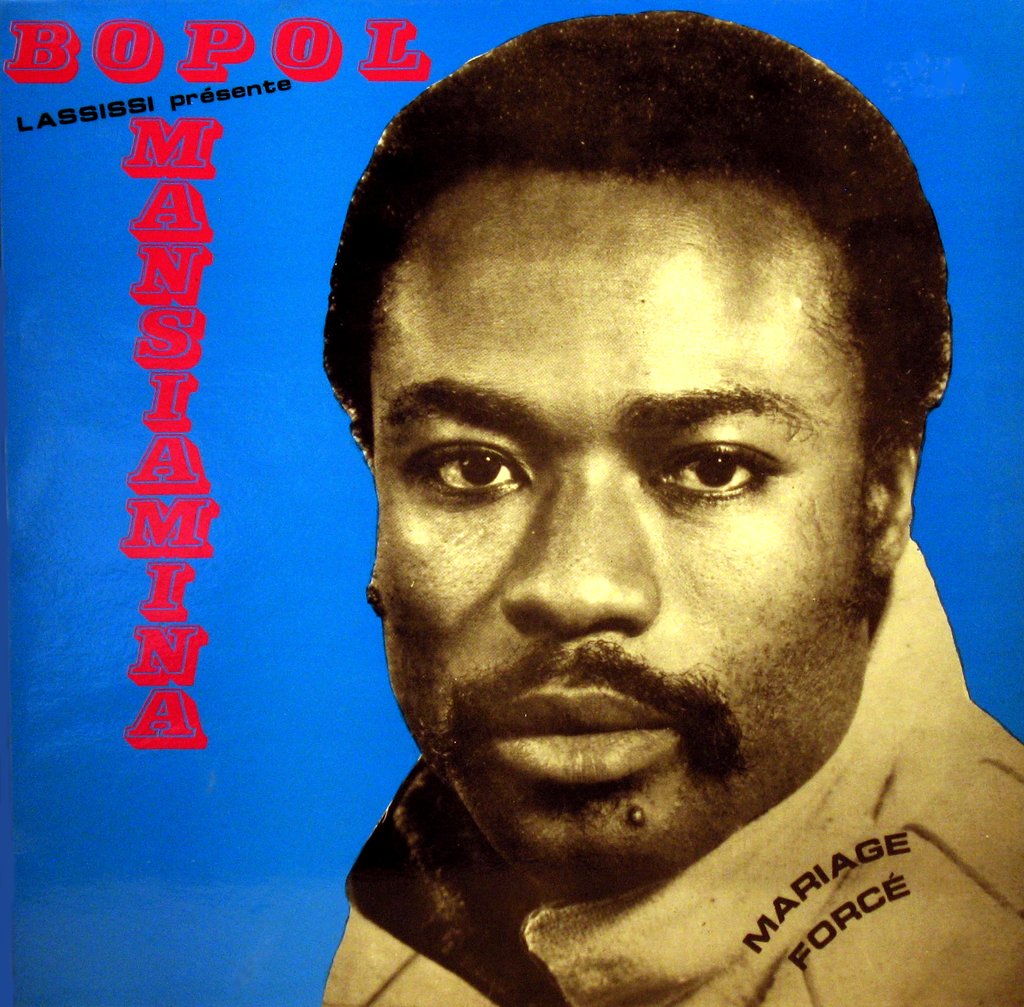
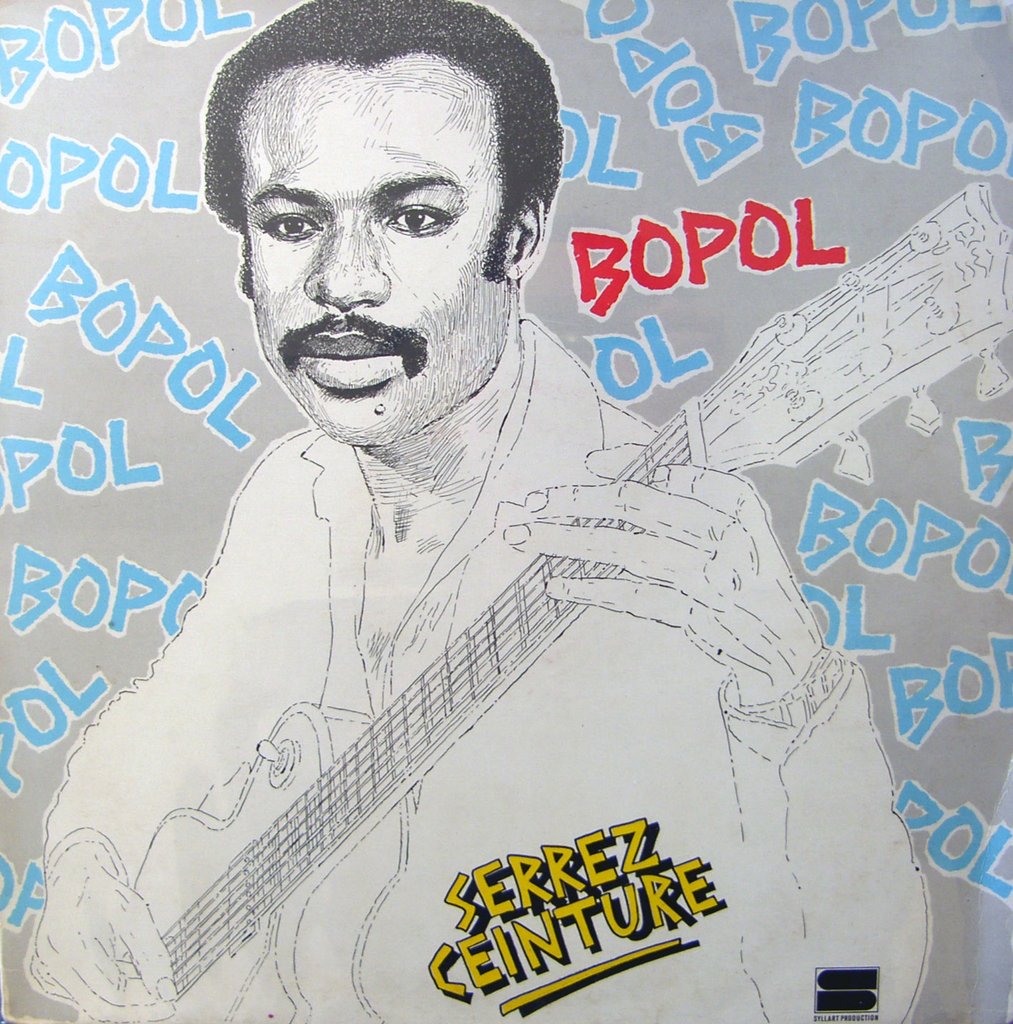
In 1982, Bopol settled in Paris and formed Les Quatre Étoiles with Wuta Mayi, Nyboma, and Syran Mbenza. Each of the four members already had a well-established solo career — it is a proper “supergroup.” Bopol became the rhythmic pillar of the group, and his interplay with Syran Mbenza was described as “legendary” by critics.4 He released a series of albums that became classics: “Manuela” (1983), “Bopol” (1984), “Serrez ceinture” (1987), “Belinda” (1989).
After more than ten years in Paris, Bopol and Nyboma moved to the United States in 1996. “In America, business is business, whereas in France, they always look at you based on your skin color,” explains Bopol in an interview translated by Georges Collinet for Afropop Worldwide. He then discovered an unexpected second homeland: Colombia. Invited as early as 2002 by Lucas Silva to give guitar lessons in Cartagena, he participated in 2007 in the Colombiafrica la Mystic Orchestra project, uniting stars of Colombian champeta with legends of soukous.[^8]
Major works
| Work | Year | Why it is essential |
|---|---|---|
| “Manuela” | 1983 | Key title; synergy between Bopol, Syran, Nyboma, and Wuta Mayi. |
| “Ça c’est quoi ?” | 1985 | Celluloid album; Bopol plays with Ballou Canta and Lokassa Ya Mbongo. |
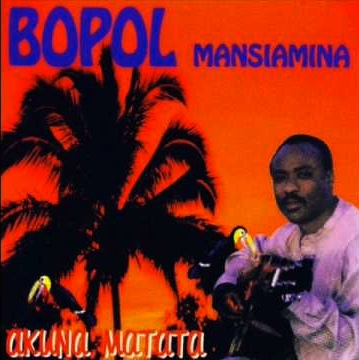
| “Akuna Matata” | 1997 | Last significant album of a guitarist who never stopped writing. |
Legacy
Bopol Mansiamina was, for four decades, one of the most prolific artisans of soukous. A preferred rhythmic guitarist and complete bassist, he participated in hundreds of recordings, sometimes as a session musician without his name appearing on the front page. A discreet composer under the pseudonym “Don Paolo,” his sonic imprint permeates Congolese rumba of the 1980s and 1990s.[^10]
His multiscalar career — from native Congo to Abidjan, from Paris to New York, to the Caribbean coasts of Colombia — reflects the journey of an entire generation of diasporic Congolese musicians. He proved that music travels well beyond borders and colors.[^12]
Sources and references
-
Pan-African Music Magazine, Vladimir Cagnolari, Bopol Mansiamina a tire sa reverence, November 8, 2021 ↩︎
-
Afro Caribbean Beats, Bopol Mansiamina 1985, afrocaribbeanbeats.com ↩︎
-
Frank Bessem, Manuela et Bopol, Musiques d’Afrique, musiques-afrique.net, accessed November 1, 2026 ↩︎
-
AllMusic, Bopol Mansiamina credits, allmusic.com, accessed November 1, 2026 ↩︎