Biography
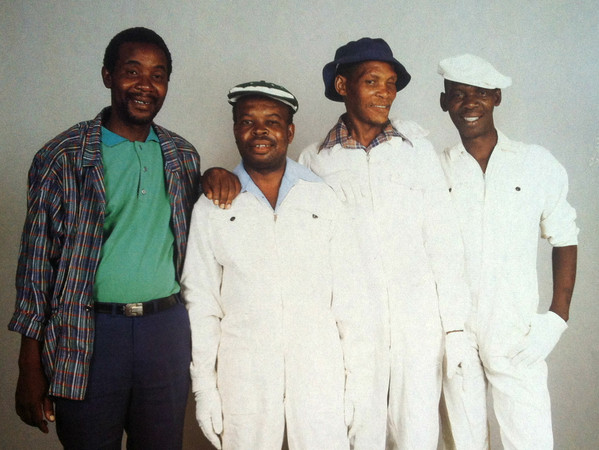
Les Boyoyo Boys
Soweto, 1975. In the shebeens — these clandestine wine bars of the townships under apartheid — a saxophone riff and a driving bass line propel dancers into a frenetic movement. The band playing that night is called The Boyoyo Boys. Their track “Puleng” is a hymn with a contagious rhythm. Ten years later, that same sound would cross the Atlantic to reach London and Paul Simon’s studios in Johannesburg1.
In Brief
| Name | The Boyoyo Boys |
| Origin | Soweto, Johannesburg, South Africa |
| Formation | 1969 |
| Genre | Mbaqanga (or township jive, the music of the townships) |
| Instruments | Guitar, bass, saxophone, penny whistle, drums |
| Label | RCA, Gallo Record Company, Greensleeves |
| Awards | 20 Gold Records in South Africa |
Key Dates
| Year | Event |
|---|---|
| 1969 | Formation in Soweto by Vusi Xhosa (guitar), Vusi Nkosi (bass), Lukas Pelo (saxophone), and Philippe Mziza (drums) |
| 1972 | First single: “Boyoyo 800” |
| 1975 | Hit “Puleng”, released on RCA |
| 1982 | Album Zodwa Mtaka Mama on Gallo Record Company |
| 1983 | Malcom McLaren releases “Double Dutch” — triggers a plagiarism lawsuit |
| 1984 | Murder of drummer Archie Mohalla in a bar brawl; the band suspends activities |
| 1985 | Collaboration with Paul Simon on the album Graceland |
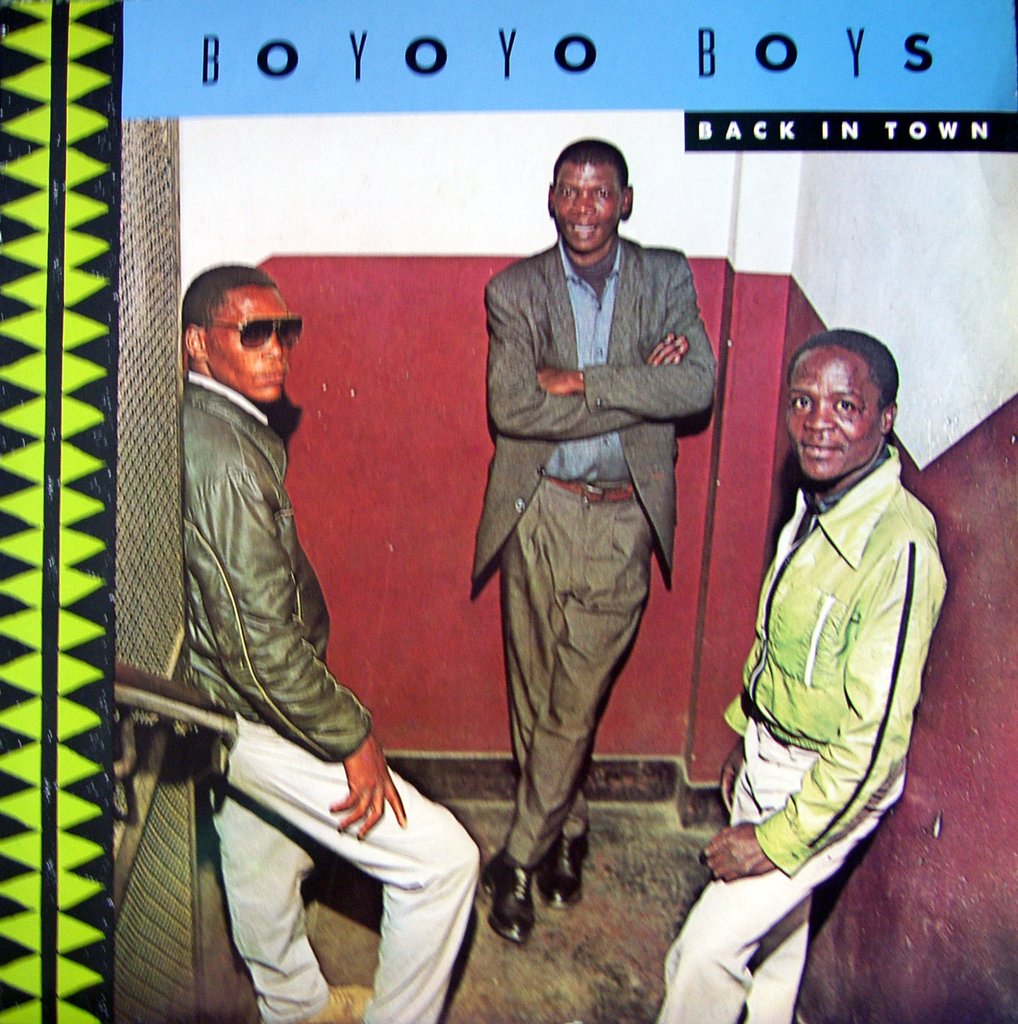
| 1987 | Return with the album Back in Town (Greensleeves, London) |
Origins: Music as Survival
The Boyoyo Boys were born in 1969 in the Soweto township, Johannesburg. The group was founded by four musicians: Vusi Xhosa on guitar, Vusi Nkosi on bass, Lukas Pelo on saxophone, and Philippe Mziza on drums2.
Their style, mbaqanga, is a music born in the late 1950s that fuses South African musical traditions with jazz and Western rhythms. Played in shebeens and township taverns, it is the musical theater of a society under apartheid oppression3.
The band’s name comes from the nickname of the first drummer, whose call became so well-known that the lineup was renamed. The first single, “Boyoyo 800”, was released in 1972 and met with immediate success. The formula is effective: sharp guitar riffs, an airy saxophone, a deep bass line, and an irresistible tempo. The Boyoyo Boys released nearly forty singles between the early 1970s and the mid-1980s, more than twenty of which became Gold Records4.
The Double Dutch Case
On June 24, 1983, Malcolm McLaren, the former manager of the Sex Pistols, released “Double Dutch” on his album Duck Rock. The track, which reached 3rd place on the British charts, reprises the melodic contours of “Puleng” by the Boyoyo Boys, dating from 19755.
The group took the case to court in the United Kingdom. After a long trial, the case was settled out of court in 1984: the South African rights holders, composer Petrus Manele, and publisher Gallo Music received compensation, but McLaren and Trevor Horn retained their songwriting credits. The Boyoyo Boys musicians were subsequently given composition credits on “Double Dutch” in later versions6.
For the Boyoyo Boys, this story is double: a recognized injustice and an unexpected international recognition. “Double Dutch” reached 14th place in Australia and Germany, and 7th in Ireland7.
The Graceland Era and the Return
In 1984, the group suffered a terrible blow: their drummer Archie Mohalla was assassinated in a bar brawl in Johannesburg. The Boyoyo Boys suspended their activities8.
But the story shifted in 1985. Paul Simon, in the midst of preparing his album Graceland, discovered the Boyoyo Boys on a compilation and traveled to Johannesburg with his engineer Roy Halee. The group recorded with the American artist, contributing to the sessions that would give birth to one of the most influential albums of the decade9.
Back in Town, released in 1987 on Greensleeves Records in London, is a statement of resilience10.
Between 1969 and 1981, several members — including saxophonist Thomas Phale and Lulu Masilela — had recorded more than twenty records, each contributing to forging the sound of township jive11.
Essential Discography
| Work | Year | Why It’s Essential |
|---|---|---|
| “Puleng” | 1975 | The single that inspired Malcolm McLaren’s “Double Dutch” |
| Zodwa Mtaka Mama | 1982 | Last major album before the tragedy of 1984 |
| Back in Town | 1987 | Return album released in London on Greensleeves |
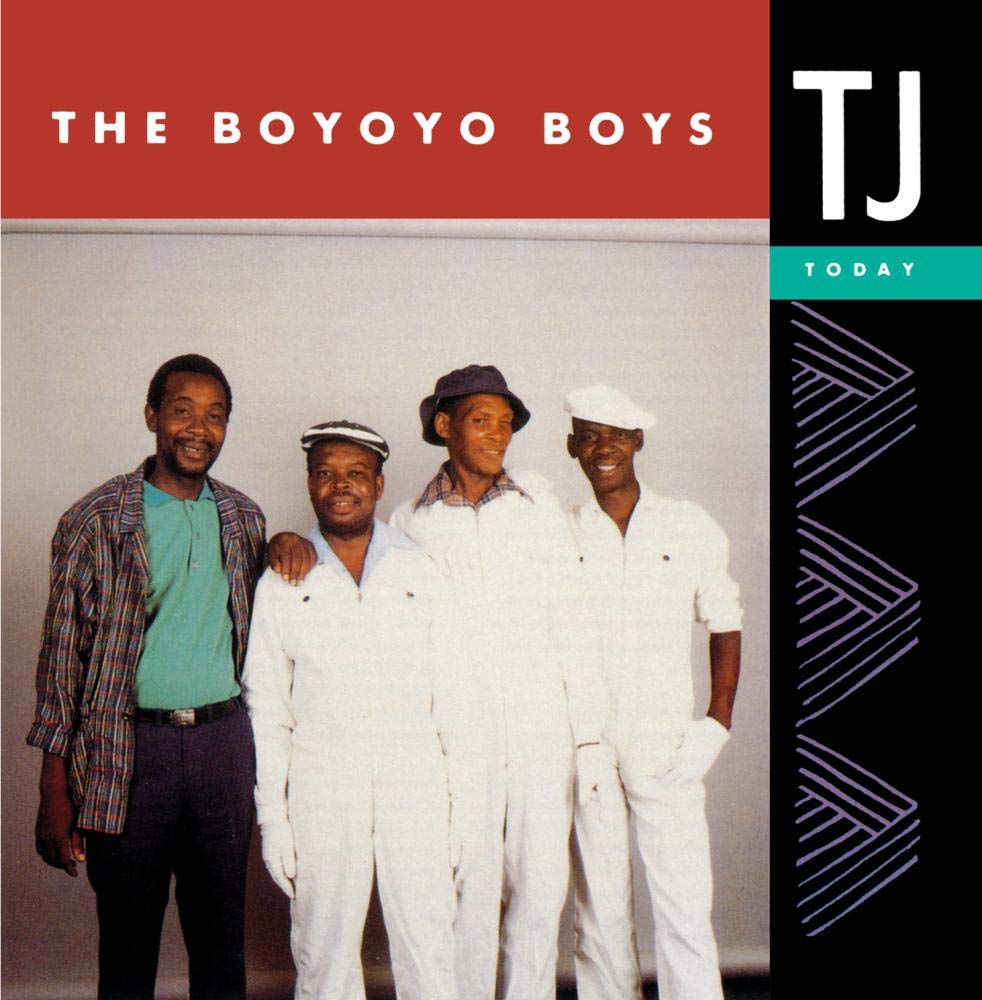
| TJ Today | 1988 | Collaboration with Rounder Records, after the return of Thomas Phale |
Legacy
The Boyoyo Boys marked the history of South African music as one of the pillars of mbaqanga. Their music, played on guitar, bass, saxophone, and penny whistle, captures the energy of the townships under apartheid12.
Their influence extends far beyond South Africa: the township jive they popularized has inspired generations of musicians, from Johannesburg to London and passing through Paris13.
Sources and references
-
Mixtapes ZA, Boyoyo Boys, mixtapes.org.za, accessed 1 November 2026. ↩︎
-
Mixtapes ZA, Boyoyo Boys, mixtapes.org.za, accessed 1 November 2026. ↩︎
-
AllMusic, The Boyoyo Boys — Biography, by Leon Jackson, accessed 1 November 2026. ↩︎
-
El Sur Records, BOYOYO BOYS / BACK IN TOWN, elsurrecords.com, 9 January 2014. ↩︎
-
Wikipedia, Double Dutch (song), en.wikipedia.org, accessed 1 November 2026. ↩︎
-
Wikipedia, Duck Rock, en.wikipedia.org, accessed 1 November 2026. ↩︎
-
Wikipedia, Double Dutch (song), en.wikipedia.org, accessed 1 November 2026. ↩︎
-
El Sur Records, BOYOYO BOYS / BACK IN TOWN, elsurrecords.com, 9 January 2014. ↩︎
-
Eclectic Music Lover, Boyoyo Boys – tag page, eclecticmusiclover.com, accessed 1 November 2026. ↩︎
-
Wikipedia, Duck Rock, en.wikipedia.org, accessed 1 November 2026. ↩︎
-
Discogs, The Boyoyo Boys – Artist, discogs.com, accessed 1 November 2026. ↩︎
-
AllMusic, The Boyoyo Boys — Biography, by Leon Jackson, accessed 1 November 2026. ↩︎
-
Qobuz, The Boyoyo Boys — Discography, qobuz.com, accessed 1 November 2026. ↩︎