Biography
Cabo Verde Show
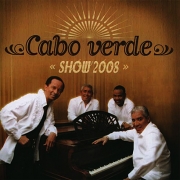
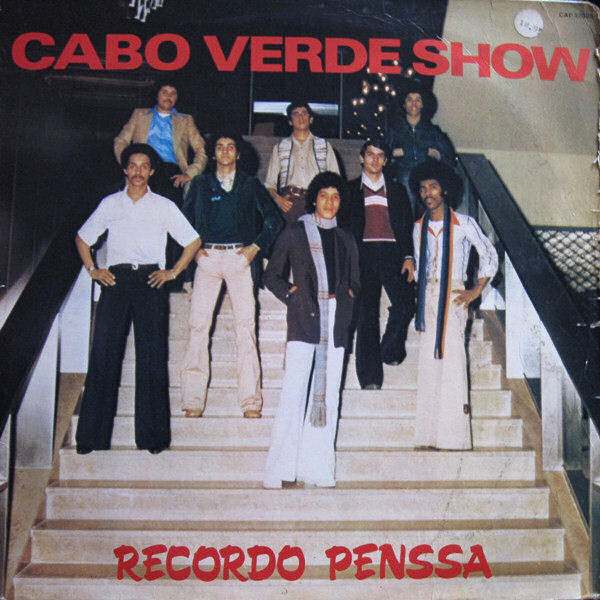
In 1976, in the northern suburbs of Paris, in the heart of Joinville-le-Pont, eight young people from the Cape Verdean diaspora decided to form a group. They didn’t know it yet, but Cabo Verde Show became the musical springboard that would carry morna and coladeira from the small archipelago of the Cape Verde Islands to stages around the world.
In brief
| Group name | Cabo Verde Show |
| Origin | Joinville-le-Pont, France |
| Year of formation | 1976 |
| Genres | morna, coladeira, funaná, kizomba, coladance (Cape Verdean music) |
| Founding members | Boy Ge Mendes, Jean-Claude Mendes, Eça Monteiro, John Matias (†), Luis da Silva, Serge Da Silva, Manu Lima, René Cabral |
| Signature hits | “Bo ca tem mas”, “Joana”, “Beijo Cu Jetu” |
Key dates
| Year | Event |
|---|---|
| 1976 | Formation in Joinville-le-Pont by Boy Ge Mendes and seven fellow Cape Verdean compatriots |
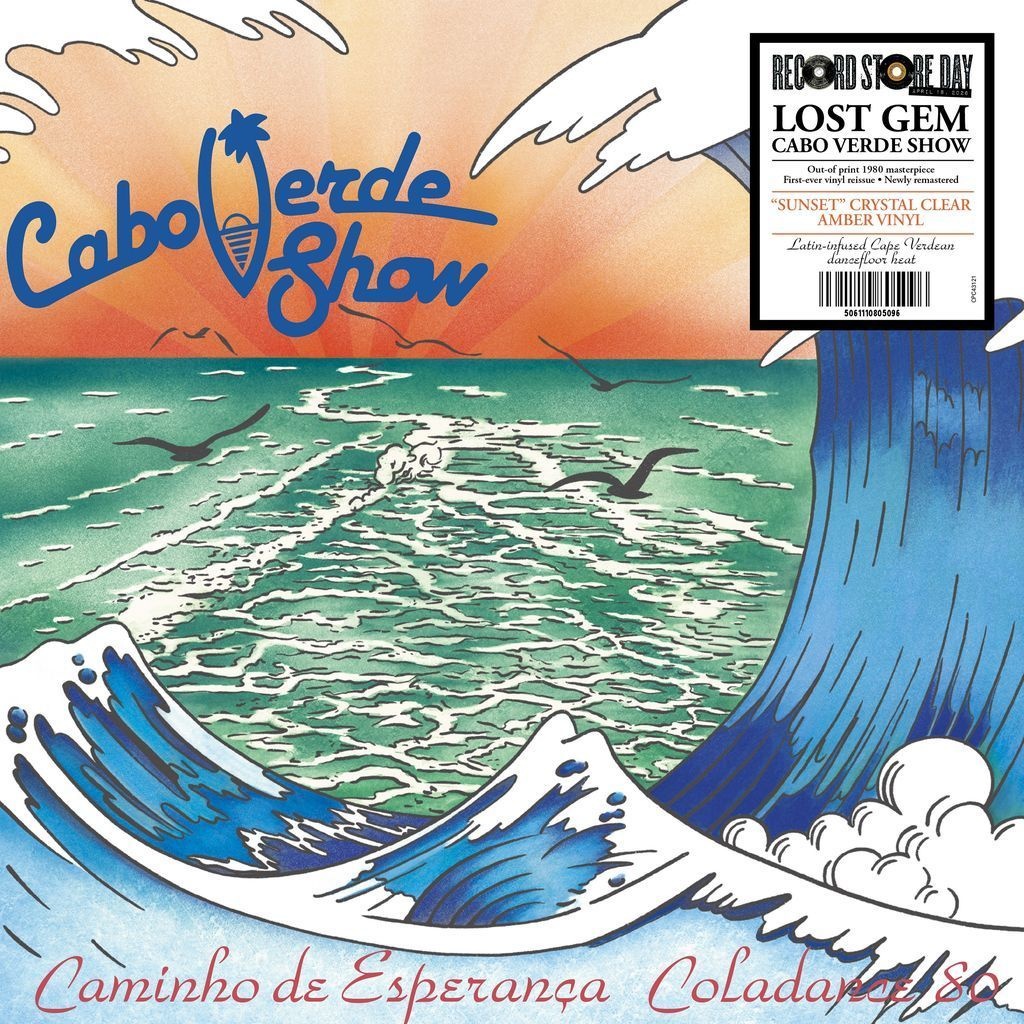
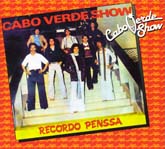
| 1980 | Release of the first albums on the Lusafrica label, marking official entry onto the scene |
| 1986 | José da Silva becomes manager, structuring the group’s international trajectory |
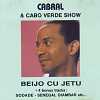
| 1988 | Release of Beijo Cu Jetu on Syllart, one of the most significant albums of their career |
| 1990s-2000s | World tours, Africa, South America, Caribbean, Indian Ocean |
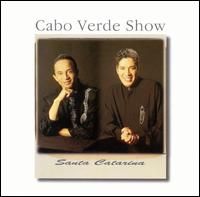
| 1996 | Release of Santa Catarina, affirming their artistic maturity |
| 2015 | Retrospective compilation The Essential, introducing the group to a new audience |
The artisans of the Cape Verdean wave
The story of Cabo Verde Show is first and foremost that of a community. In 1976, the Cape Verdean diaspora in France was numerous but still culturally invisible. The islands — an archipelago of ten volcanoes located 570 kilometers off the coast of Senegal — were discovered by the Portuguese in 1462 and populated by African slaves. The result is a composite culture where Portuguese, Brazilian, and African influences blend. Cabo Verde Show takes this mosaic as its sonic foundation.
Boy Ge Mendes, guitarist and singer born in Dakar in 1952 of Cape Verdean origin, is the catalyst of the group. With his brother Jean-Claude Mendes and musicians Eça Monteiro, John Matias (now deceased), Luis da Silva, Serge Da Silva, Manu Lima, and René Cabral, they form a lineup with multiple influences. Their music draws from morna — that sweet and nostalgic melody, sung in Cape Verdean Creole, often accompanied by guitar and cavaquinho (a small stringed instrument close to the ukulele) — and from coladeira, its festive counterpart with driving rhythms.
The group quickly became known within the African immigrant community in France, but did not hesitate to cross the threshold of major clubs and festivals. Its particularity: playing tradition without freezing it, enriching it with modern instruments such as electric guitar and electronic percussion.
International success: a living music school
Entry into the grand musical orchestra begins with signing with Lusafrica, a label specializing in Lusophone African music. The first album in 1980 sets the milestones for a sound that would be immediately recognizable: warm voices, dancing rhythms that recall the native island, and a communicative energy. The tracks “Bo ca tem mas” and “Bo ca sabe” become hits in the community, followed by “P.A.I”, “Joana”, “Mansinha”, and “Casa ma um criola”.
In 1986, the appointment of José da Silva as manager marks a turning point. Cabo Verde Show then undertakes tours around the world: West Africa, Europe, United States, South America, and the Caribbean. The lineup plays in venues as varied as the great stages of Paris, African festivals, and New York clubs.
In 1988, the release of Beijo Cu Jetu under the name « Cabral & Cabo Verde Show » occurs on the Syllart label. Directed by René Cabral, this album is often cited as the culmination of the group’s style: a mastered fusion between tradition and modernity, with careful arrangements by Manu Lima on keyboards. The title track “Beijo Cu Jetu” becomes a hymn of the diaspora.
But Cabo Verde Show is also a nursery for artists. Over the decades, important voices have passed through the lineup: Sallah Ann, Mario Da Silva, Christian Siba, Evora Mimitch, Patrick Ripert, Ze Mario Varela, Daniel Adélaïde, Franck Curier, Miguel Yamba, and Matias Damião. Each musician leaves with an experience that will nourish their own career, often in solo projects. The group thus presents itself as a living school of Cape Verdean music internationally.
Major works
| Work | Year | Why it is essential |
|---|---|---|
| Cabral & Cabo Verde Show — Beijo Cu Jetu | 1988 | The stylistic culmination of the group, a mastered fusion between tradition and modernity |
| Cabo Verde Show (first album) | 1980 | The birth act of a Cape Verdean musical wave in France |
| Santa Catarina | 1996 | Album affirming the group’s artistic maturity during a period of international glory |
| “Joana” / “Mansinha” | 1980s | Signature hits of the community, identity hymns |
Legacy and influence
Cabo Verde Show paved the way for an entire generation of Cape Verdean artists in France and around the world. At the same time as voices like Cesária Évora — nicknamed “the Barefoot Diva” for her usual barefoot performance on stage — they made Cape Verde known as a musical crossroads. Their formula, blending Creole tradition and modern instrumentation, inspired many subsequent groups. Even today, their tours cross generations: young and old dance to rhythms born more than forty years ago, proof that music from an archipelago can do more than sing of exile — it makes one feel that there is no such thing.
Sources and references
- « Cabo Verde Show », Afrisson, https://www.afrisson.com/cabo-verde-show-1057/, accessed November 14, 2025.
- « Cabo Verde Show : Various Artists », AllMusic, https://www.allmusic.com/album/cabo-verde-show-mw0000962875, accessed November 14, 2025.
- « Cabo Verde Show », Music In Africa, https://musicinafrica.net/fr/directory/cabo-verde-show, accessed November 14, 2025.
- « Music of Cape Verde », Wikipedia, https://en.wikipedia.org/wiki/Music_of_Cape_Verde, accessed November 14, 2025.
- « Cabo Verde Show - Beijo Cu Jetu », YouTube / SYLLART Records, https://www.youtube.com/watch?v=iGNiS6oE9Kg, accessed November 14, 2025.
- « Cabo Verde Show - Santa Catarina », YouTube, https://www.youtube.com/watch?v=iQ7qNihi7Mk, accessed November 14, 2025.
- « Cabo Verde Show (The Essential) », JioSaavn, https://www.jiosaavn.com/album/cabo-verde-show-the-essential/nlBAqSq-Sgg_, accessed November 14, 2025.
- « Cabo Verde Show Discography », Discogs, https://www.discogs.com/artist/2174689-Cabo-Verde-Show, accessed November 14, 2025.
- « José da Silva », Festival International de Jazz de Montréal, https://montrealjazzfest.com/fr/fijm-xp-delegues-jose-da-silva, accessed November 14, 2025.
- « Boy Ge Mendes », Discogs, https://www.discogs.com/artist/72603-Boy-Ge-Mendes, accessed November 14, 2025.