Biography
Cheb Mami: the “Prince of Raï” who conquered the world
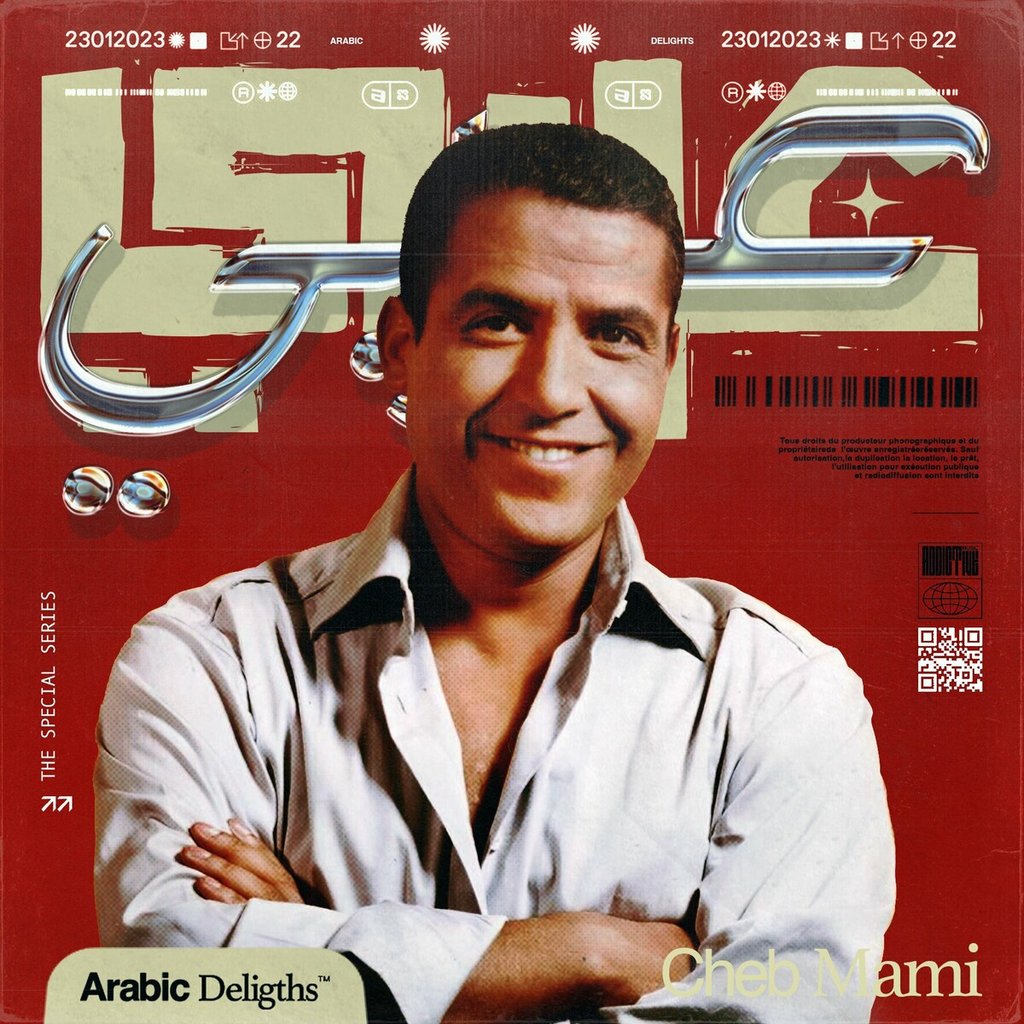
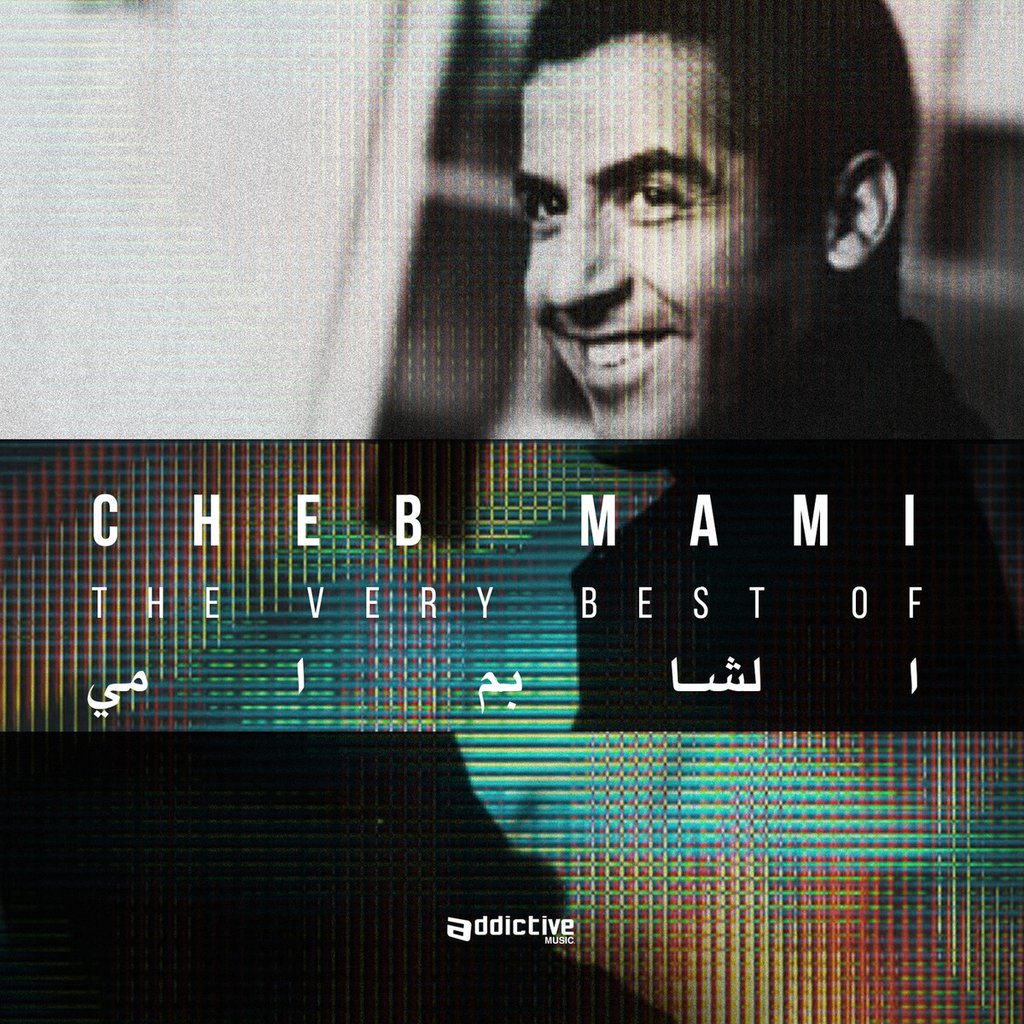
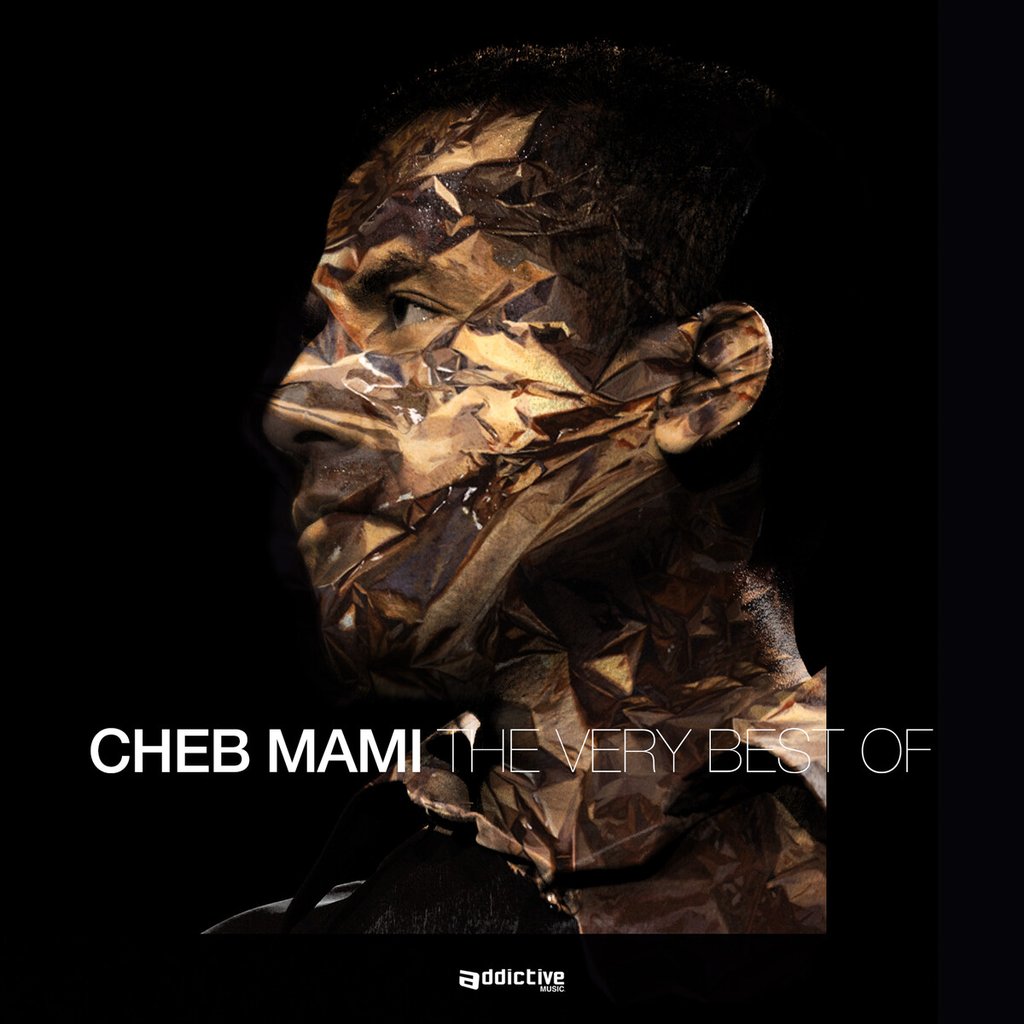
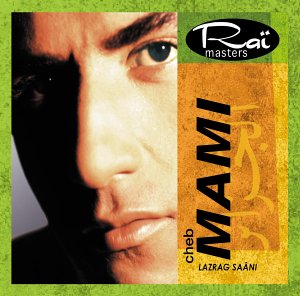
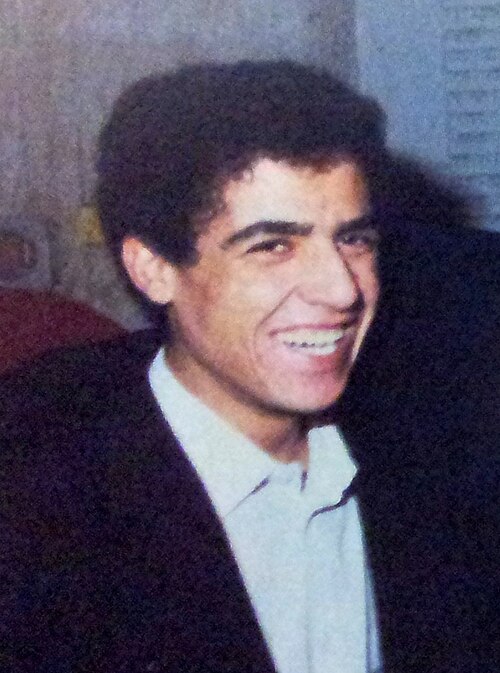
Mohamed Khelifati, known as Cheb Mami, was born in 1966 in a working-class suburb of Saïda, an Algerian city two hundred kilometers south of Oran. From childhood, he was rocked by meddahates, these traditional female orchestras that animate weddings and baptisms. A welder by profession, this young man with a high-pitched voice would become the “Prince of Raï” — raï, a musical style born in Oran’s studios at the crossroads of Bedouin traditions and Western sounds — capable of filling the Olympia and sharing the stage with Sting.
In brief
| Full name | Mohamed Khelifati, alias Cheb Mami |
| Birth | July 11, 1966, Saïda, Algeria |
| Nationality | Algerian |
| Genre | Raï |
| Active years | Since 1982 |
| Labels | Disco Maghreb, Virgin, A&M, Because Music |
Key dates
| Year | Event |
|---|---|
| 1982 | Second prize in the Alhane wa Chabab contest at age 16; scouted by Disco Maghreb |
| 1986 | First raï singer at the Olympia |
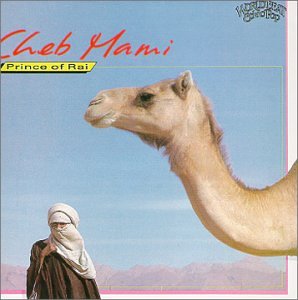
| 1989 | Release of Le Prince du Raï; international tour |
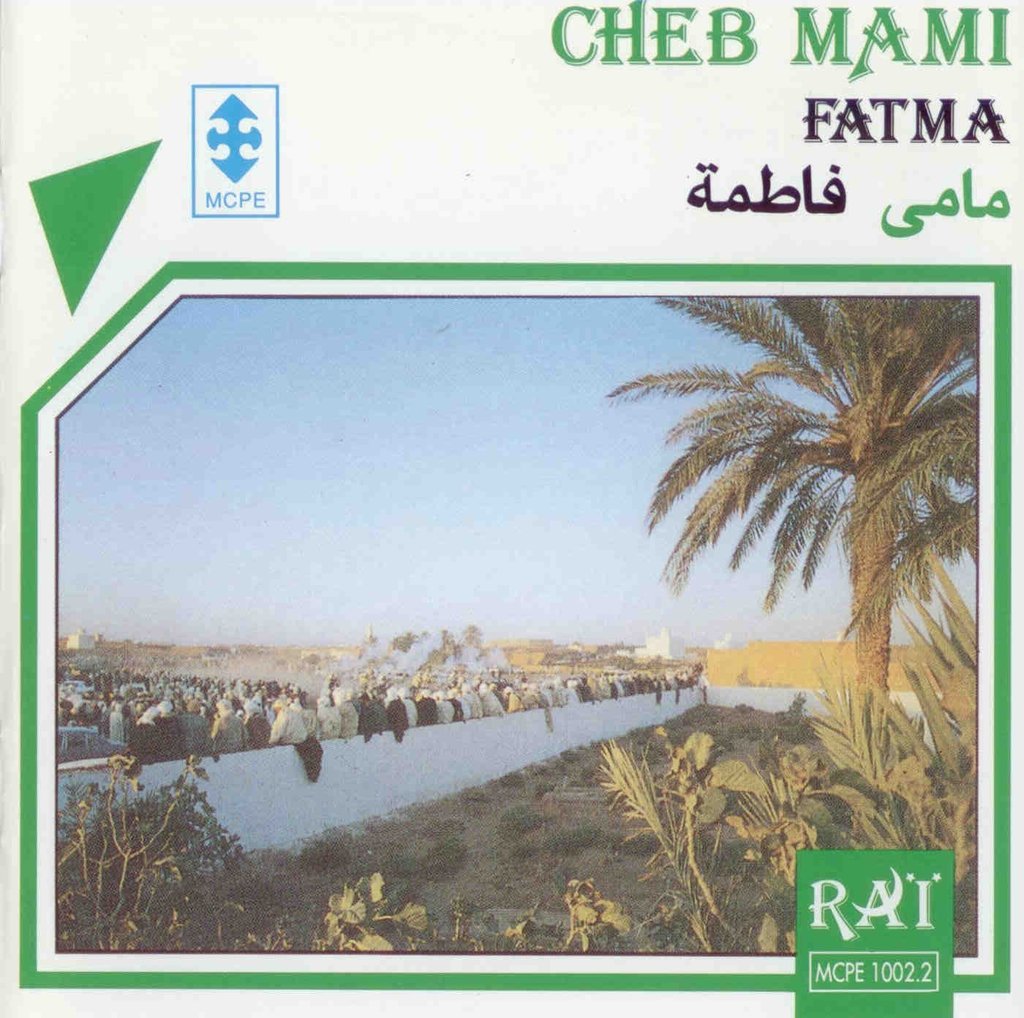
| 1994 | Saïda — double gold record in Algeria, gold record in Morocco |
| 1999 | Global duo with Sting on “Desert Rose”; Grammy Awards and Super Bowl |
| 2009 | Sentenced to five years in prison |
| 2011 | Conditional release; return to the stage |
| 2020 | Collaboration with Soolking on “Ça fait des années” |
From a Saïda welder to the world stage
Cheb Mami grew up in the Graba-el-Wed neighborhood of Saïda, a town perched on the high steppes of northwestern Algeria. His father was a welder, and young Mohamed followed this path, working at the Société Nationale de Métal factory where he sang all day. From age eight, he accompanied his mother to ceremonies where the meddahates — traditional female orchestras — recited harsh chants about love and women’s sorrows. At twelve, he performed at weddings on the principle of paid dedications. In 1982, at sixteen, he performed El Marsam on the television contest Alhane wa Chabab. The jury, hostile to raï, awarded him second prize, but the audience acclaimed his voice. Producer Disco-Maghreb scouted him and had him record a dozen cassettes, selling between one hundred thousand and five hundred thousand copies.
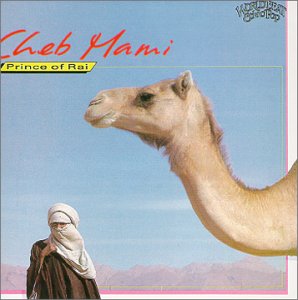
Mami moved to Paris in 1985 and performed in the Oriental cabarets of the 18th arrondissement — Monseigneur, Omar Khayyam, Khaïma — where children of North African immigrants danced to rhythms they discovered with fascination. At the raï festivals in Bobigny and La Villette (January 1986), French press described raï as an Arabesque deluge. He met Michel Levy, his future manager, and signed with Blue Silver. The Olympia opened its doors to him in December 1986. After his military service in Algeria (1987–1989), his first international album Prince du Raï (1989) was praised by critics. He embarked on tours, from England to New York, passing through the Womad festival.
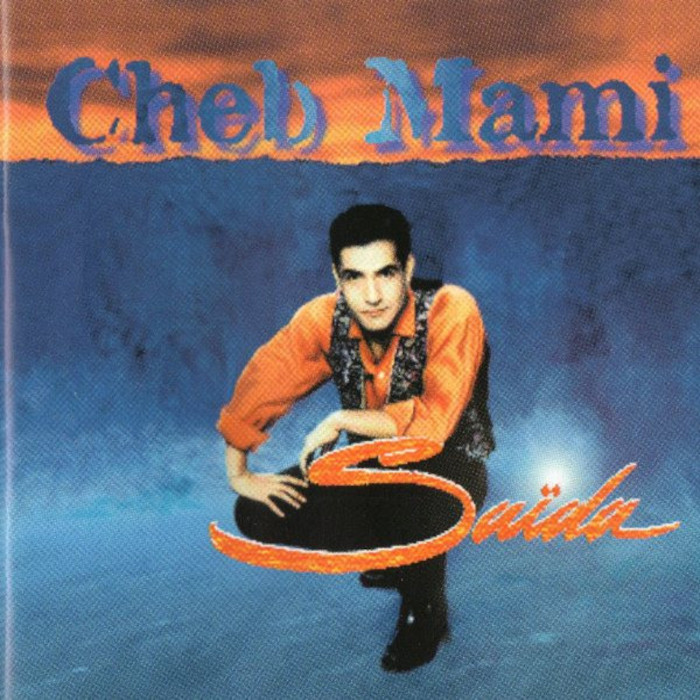
The consecration arrived in 1994 with Saïda, a tribute to his birthplace. Produced in Los Angeles by the team of Neneh Cherry and Paula Abdul, the album sold one hundred thousand copies in France and earned a double gold record in Algeria as well as a gold record in Morocco. The high-tech arrangements, blending Oriental violins and rap, marked a turning point. In 1996, his first mega-concert at the Zénith marked a break with the static performances of his peers.
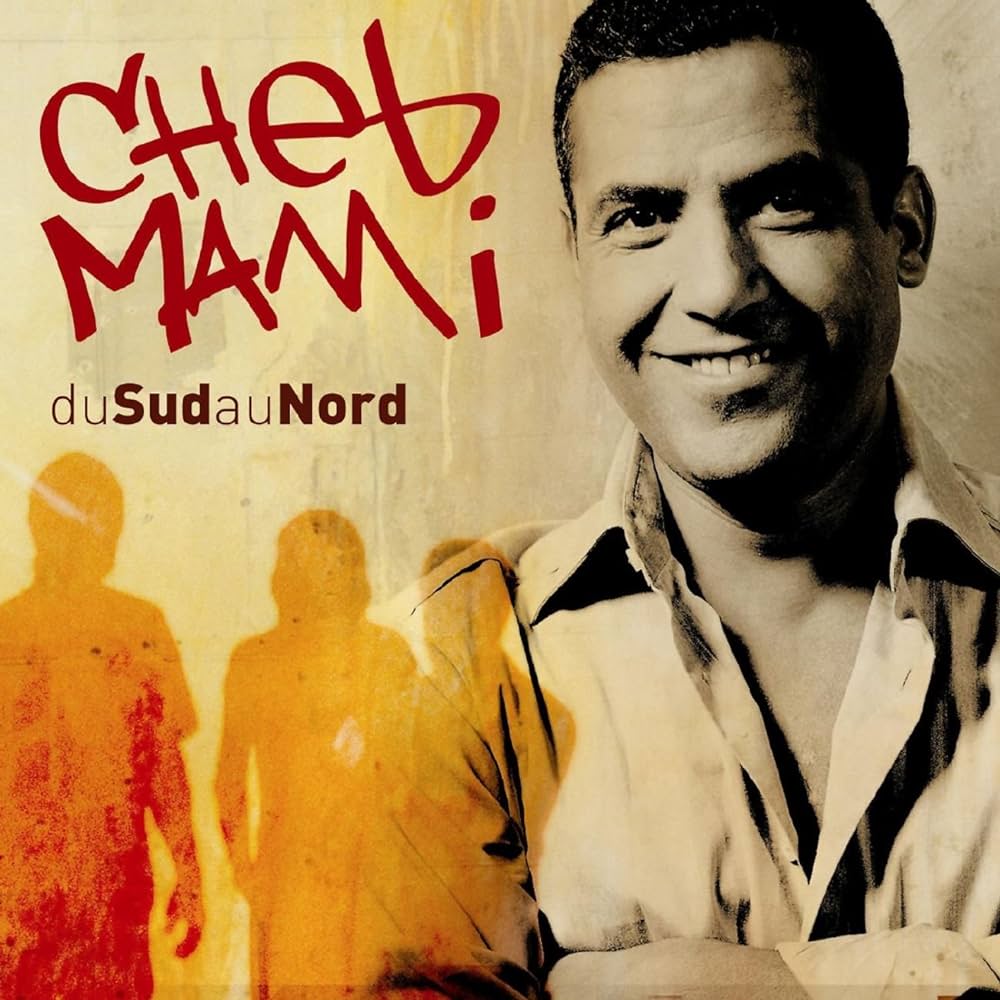
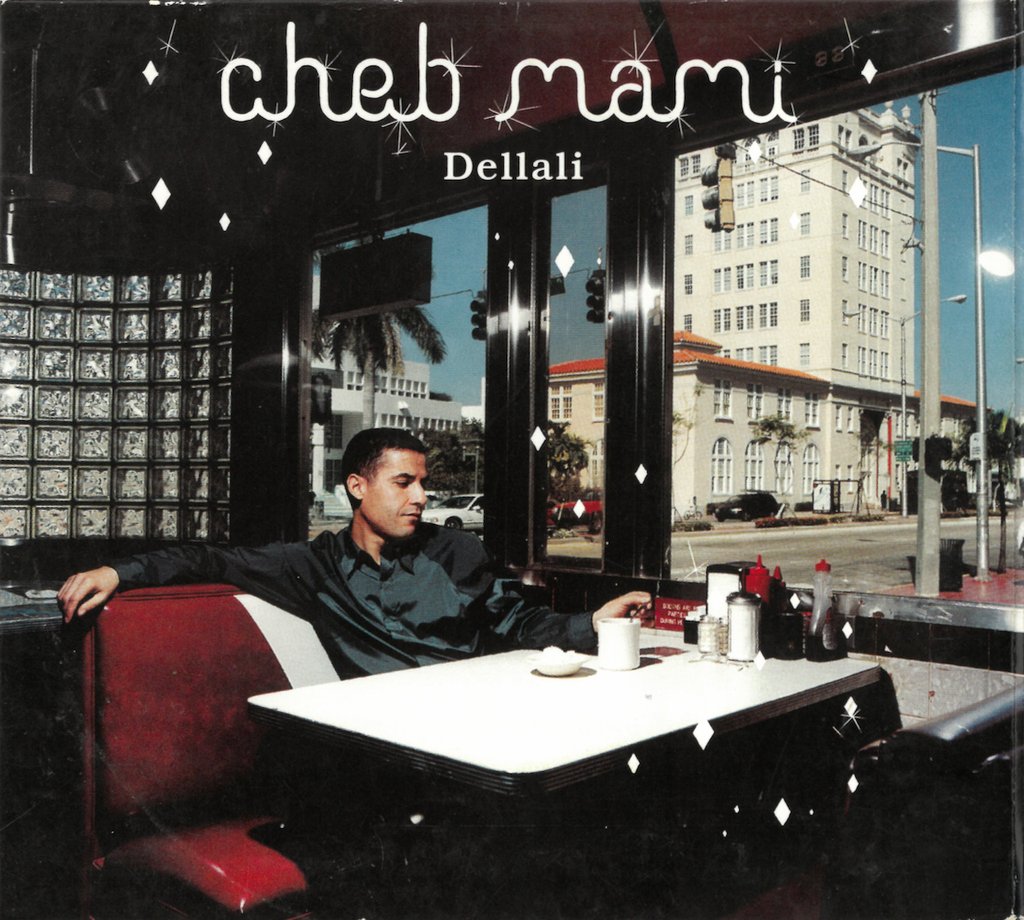
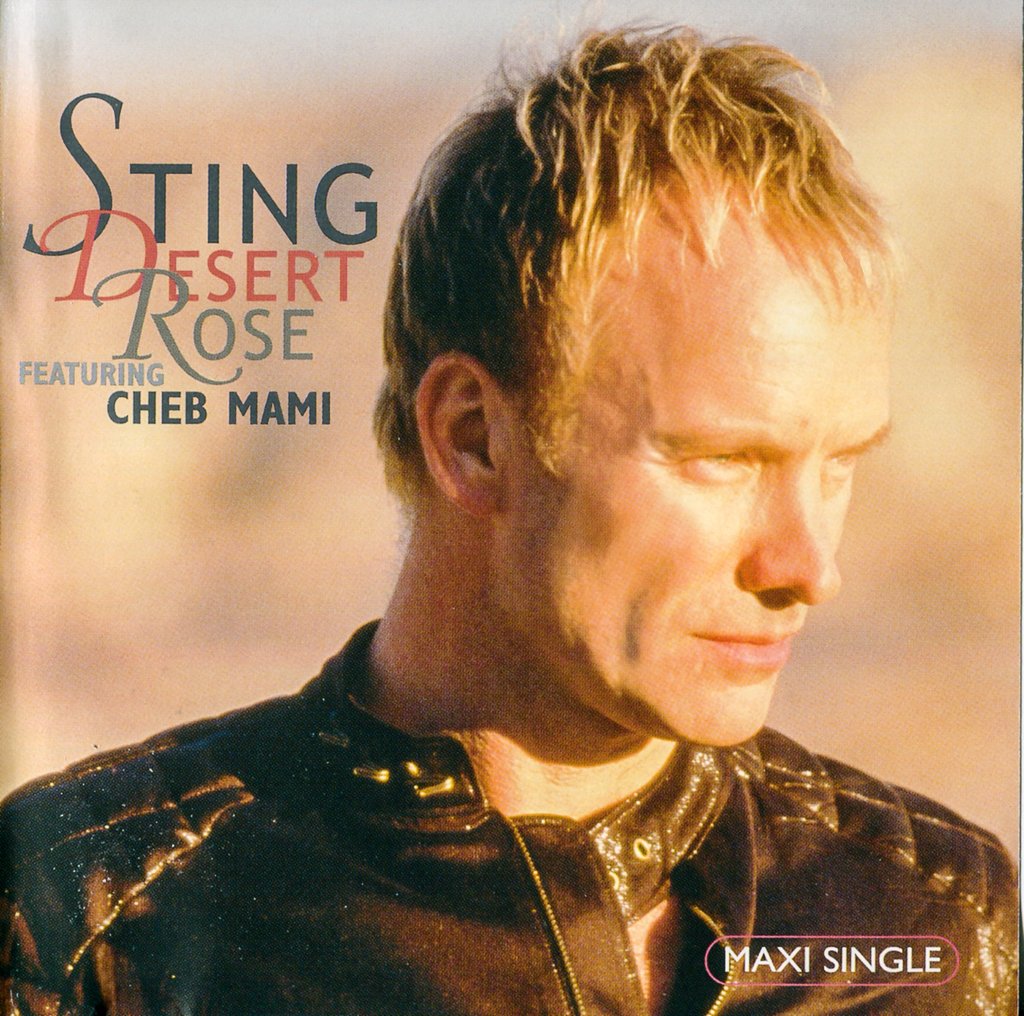
The year 1999 marked a global turning point: Sting called on Cheb Mami for “Desert Rose”, released on Brand New Day. The title became a hit, earning the singer participation in the 2000 Grammy Awards, a performance at Super Bowl 2001, and appearances on Saturday Night Live. In 2001, Dellali confirmed his career with notable duets — Charles Aznavour, Ziggy Marley. Du Sud au Nord (2003) gathered around twenty international collaborations.
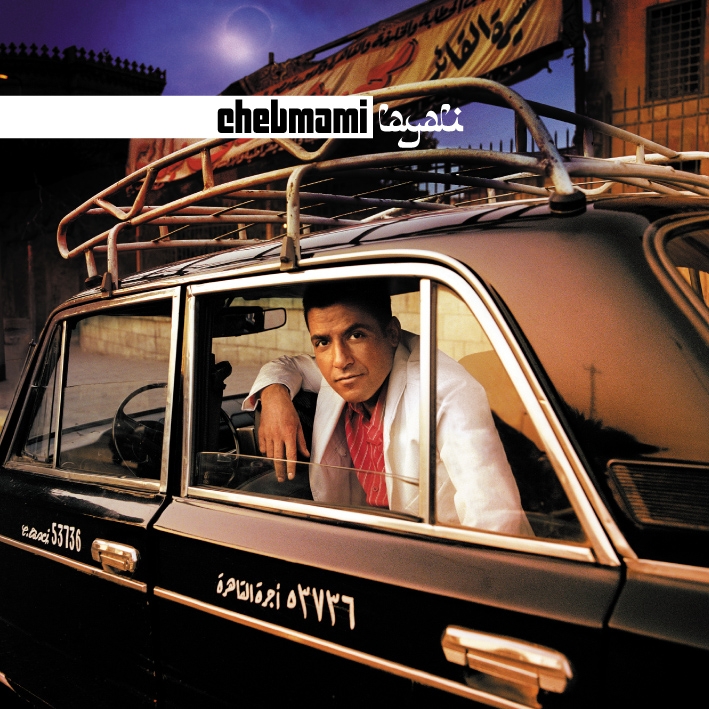
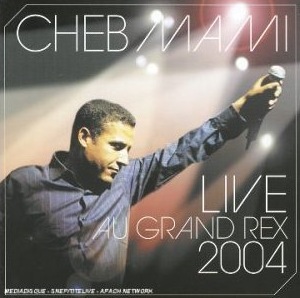
After Layali (2006), stopped in October 2006 for violence and kidnapping, Cheb Mami was sentenced on July 3, 2009, to five years in prison. Released in March 2011, he returned to the stage at Sid Fredj and the Paris Zénith. In 2015, a court sentenced him to €200,000 for plagiarism. Despite these setbacks, he remains a tutelary figure of raï, recalled in 2020 by Soolking for “Ça fait des années”, a title that reaffirms the legacy of the “Prince of Raï”.
Major works
| Work | Year | Why it’s essential |
|---|---|---|
| Prince du Raï | 1989 | First international album; singer’s nickname |
| Saïda | 1994 | Double gold record in Algeria; biggest commercial success |
| “Desert Rose” | 1999 | Duo with Sting; first raï at the Grammy Awards and Super Bowl |
| Dellali | 2001 | Fusion of flamenco, reggae, and African rhythms |
| Du Sud au Nord | 2003 | Twenty international collaborations |
Legacy
Cheb Mami played a role as a bridge between the Oran raï of the 1980s and the world stage of the 21st century. By opening the raw texts of the genre to Western instrumentation, he inspired a generation of North African artists, from Faudel to Soolking, who sing their identity without renouncing their roots. His name remains inseparable from the international expansion of raï, the first musical bridge between Algeria and the Western world.
Sources and references
- “Cheb Mami”, RFI Musique, https://www.rfi.fr/fr/musique/20200521-cheb-mami, accessed October 23, 2026.
- “Cheb Mami”, Britannica, https://www.britannica.com/biography/Cheb-Mami, accessed October 23, 2026.
- “Cheb Mami”, Wikipedia (English version), https://en.wikipedia.org/wiki/Cheb_Mami, accessed October 23, 2026.
- “Cheb Mami”, Wikipedia (French version), https://fr.wikipedia.org/wiki/Cheb_Mami, accessed October 23, 2026.
- Craig Harris, “Cheb Mami — Biography”, AllMusic, https://www.allmusic.com/artist/mami-mn0000106000, accessed October 23, 2026.
- « Cheb Mami — Biography », Amoeba Music, https://amoeba.com/cheb-mami/artist/115311/bio, accessed 23 October 2026.
- « 5 years of prison for Cheb Mami », Franceinfo, https://www.franceinfo.fr/faits-divers/5-ans-de-prison-ferme-pour-cheb-mami_1658109.html, accessed 23 October 2026.
- « Cheb Mami », NRJ, https://www.nrj.fr/artistes/cheb-mami/biographie, accessed 23 October 2026.