Biography
Cheikh Lô
Bobo-Dioulasso, late 1970s. On the corrugated metal stage of a bar, a young Senegalese drummer with budding dreadlocks strikes the drums with violence. His group, the Orchestre Volta Jazz, had just finished a Congolese rumba when they were called for a jam. He takes the mic, jumps into a Lab’ Sosseh piece, and the musicians exchange stunned looks: this percussionist hid a voice with a thousand registers. Cheikh N’Digel Lô, simply known as Cheikh Lô, became a singer by accident that evening.
In brief
| Full name | Cheikh N’Digel Lô |
| Birth | September 12, 1955, Bobo-Dioulasso (Upper Volta / Burkina Faso) |
| Genre | mbalax, reggae, afro-funk, Cuban salsa, soul |
| Instruments | Drums, guitar, vocals (self-taught) |
| Signature works | Ne La Thiass, Bambay Gueej, Jamm |
| Awards | WOMEX Prize 2015, Senegalese National Order of Merit |
Key dates
| Year | Event |
|---|---|
| 1955 | Birth in Bobo-Dioulasso to Senegalese parents who had emigrated to Burkina Faso |
| 1976 | Joins the Orchestre Volta Jazz as a drummer |
| 1980 | Settles in Dakar, integrates into the mbalax and Congolese rumba scene |
| 1985 | Settles in Paris; session drummer for Ivorian and French artists |
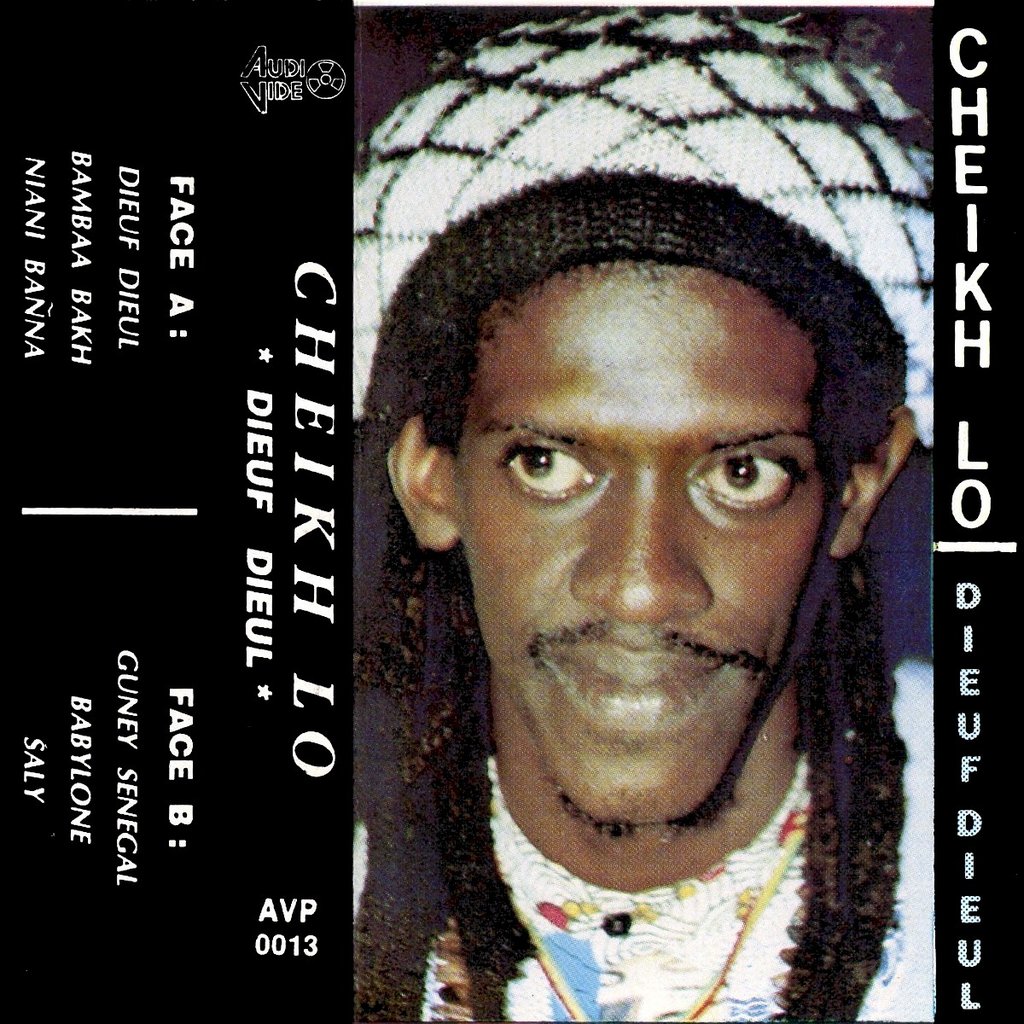
| 1990 | Doxandeme, first solo album on cassette; Nouveau Talent without success |
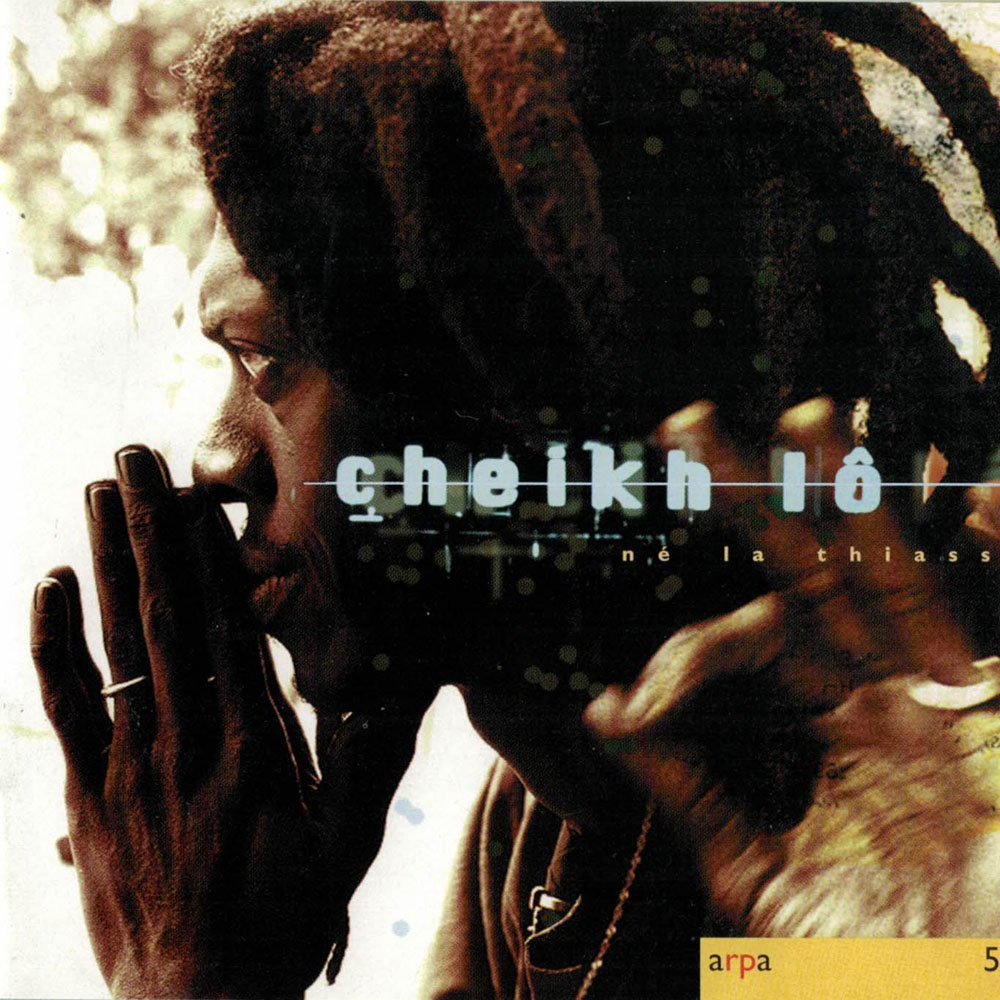
| 1996 | Ne La Thiass produced by Youssou N’Dour; international breakthrough |
| 1997 | European tour with the N’Diguel group; Kora All-American Award in South Africa |
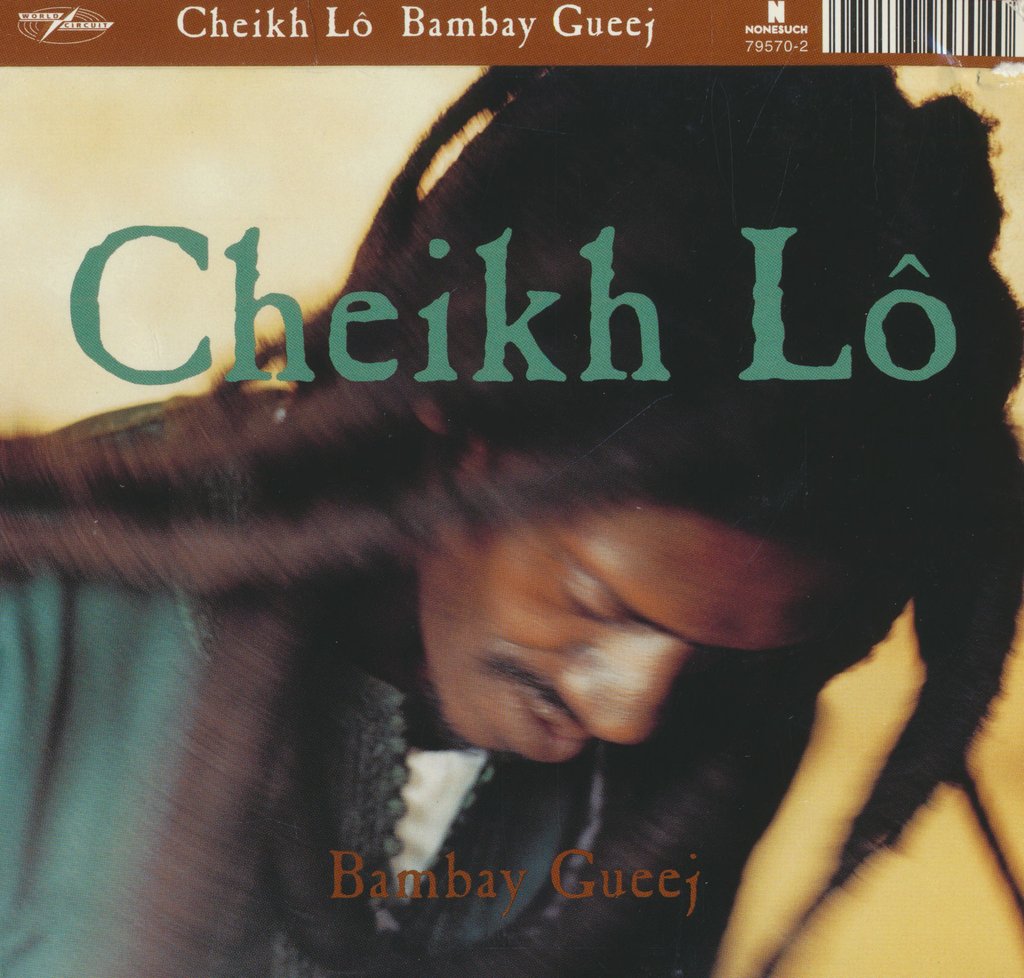
| 2000 | Bambay Gueej (World Circuit / Nonesuch); sings on Rubén González’s album |
| 2010 | Jamm — melodic acoustic ballads |
| 2015 | Balbalou acclaimed; WOMEX Prize — first African laureate |
| 2025 | Maame, sixth studio album for his 50th career anniversary |
From Burkina Faso to the international stage: a constantly recomposed journey
Cheikh N’Digel Lô was born on September 12, 1955, in Bobo-Dioulasso to Senegalese parents. His father was a goldsmith who had emigrated to Burkina Faso. The child grew up listening to his brother’s records, where Congolese, Guinean, and American music blended together. The family home served as a spiritual salon: Sufi religious figures recited Wolof texts there. “I remember all those old men reciting Sufi texts in Wolof in the living room. This culture permeated me,” he confided to Jeune Afrique in 2023. At twenty, he joined the Orchestre Volta Jazz — a formation that played Congolese rumba, Burkinabè folk, and Cuban pop. “We played at the Normandy bar, where musicians learned the music of the Hauts-Bassins region through contact with visiting singers: Ivorians, Congolese, Ghanaians…”, he recounts to Télérama in 2015. In 1980, his parents returned to Senegal and Lô settled in Dakar, where he played the drums for the progressives of Ouza and joined the Savana hotel orchestra in 1984 — a gateway to international standards.
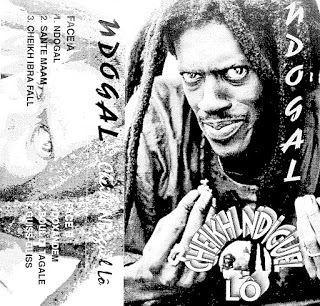
In 1985, he flew to Paris. He worked as a session drummer, recorded demos in 1987 with Ivorian and French musicians, then the project fell through. Producer Ibrahima Sylla noticed him, but a first solo album published on cassette in 1990, Doxandeme, secured a Nouveau Talent without satisfying Lô’s artistic vision. The artist withdrew for four years, playing against his will in Paris studios.
The turning point arrived in 1995: Youssou N’Dour agreed to produce his album. Ne La Thiass — “may music not stop” — was released on N’Dour’s Jololi label, distributed by World Circuit. The album dissolved the boundaries of mbalax: Lô wove links between Senegalese rhythms, Cuban salsa, and Jamaican reggae. “It’s an acoustic approach that gives mbalax this magic that even Western listeners can appreciate,” notes Craig Harris on AllMusic. Released in 1996, it made a sensation — European tour with eight musicians, Kora All-American Award in South Africa. The National Order of Merit was awarded to him around 1998.
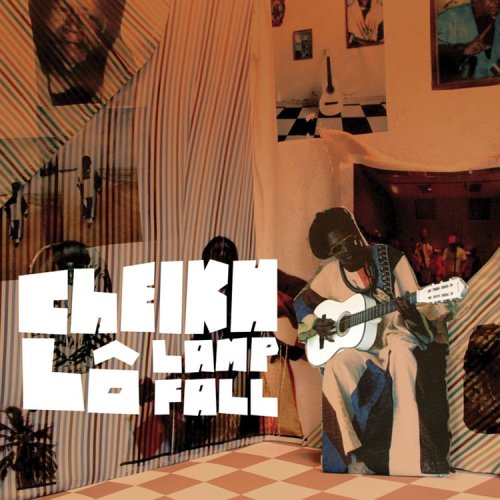
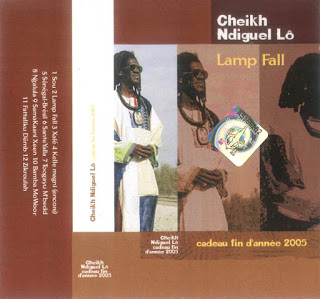
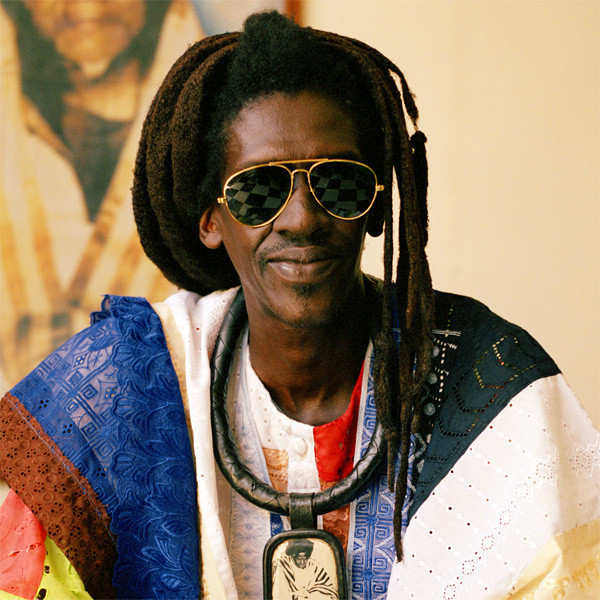
The sequel confirmed his uniqueness: Bambay Gueej (2000), Lamp Fall (2006, Nonesuch Records), Jamm (2010) and especially Balbalou (2015), acclaimed — Flavia Coelho sings with him, Ibrahim Maalouf plays his trumpet. “I feel more African than Senegalese,” Cheikh Lô pleads to Télérama. His floating dreadlocks and his belonging to the Baye Fall — branch of the Mouride brotherhood — make him a quasi-mythical figure. “I am only following the precepts of Cheikh Ibrahima Fall,” he explains, quoting the adage: “Work as if you will never die and pray to God as if you will die tomorrow.”
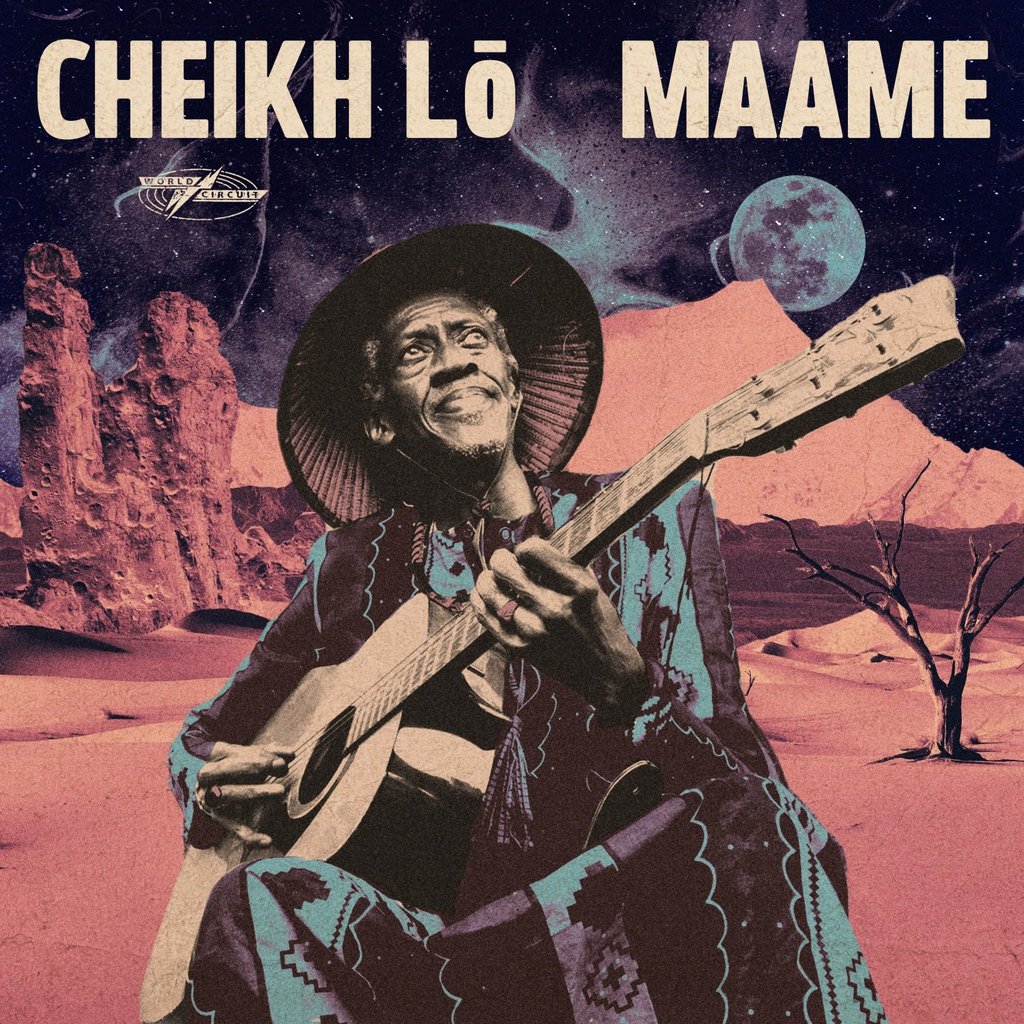
With Maame (2025), sixth album on World Circuit, he celebrates 50 years of career. Recorded partly at his home during the Covid confinement thanks to his son Massamba, sound engineer, the record reconnects with the sources: balafon, traditional Burkinabè flutes, and mbalax-salsa fusion. “When I look in the rearview mirror, I see that my music is the reflection of my life,” he notes.
Major works
| Work | Year | Why it’s essential |
|---|---|---|
| Ne La Thiass | 1996 | International breakthrough; mbalax-salsa-reggae fusion that opened doors for Senegalese music in Europe and the United States |
| Bambay Gueej | 2000 | Dive into the afro-latin universe; co-production with Nick Gold and Youssou N’Dour |
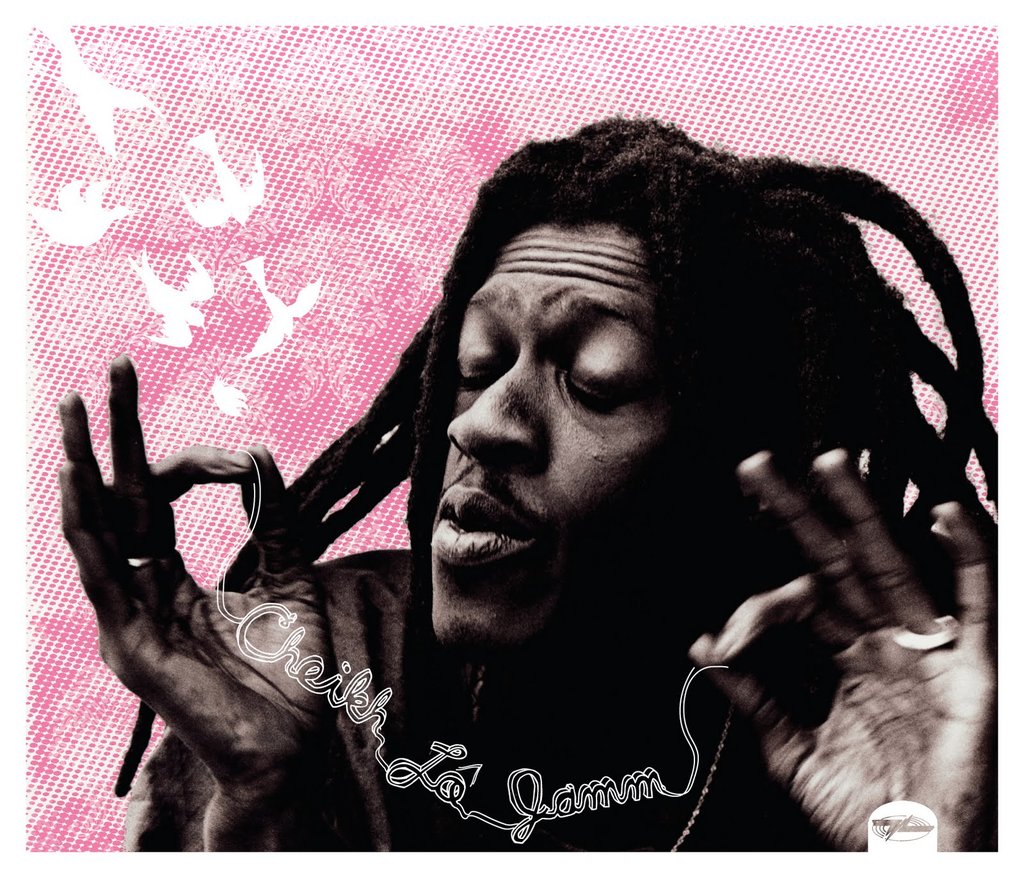
| Jamm | 2010 | Acoustic and melodic return; ballads where the guitar dominates, mastered introspection |
| Balbalou | 2015 | Asserted energy; scattered collaborations (Flavia Coelho, Ibrahim Maalouf, Oumou Sangaré) |
| Maame | 2025 | Sixth album; dedication to spiritual ancestor Maame Masamba Ndiaye |
Heritage and influence
Cheikh Lô has become an essential gateway for Western audiences discovering mbalax and, more broadly, West African music. His mellifluous voice and compositions where Wolof meets Cuban salsa and Jamaican reggae make him the emblem of a cosmopolitan Africa. His practice of the Baye Fall and his rejection of religious dogma earn him the reputation of an itinerant sage. “Music has never had borders,” he said in Jeune Afrique. “Language, that is the notes.” His deliberately sparse discography serves as a counter-model to the race for hits. At seventy years old, he remains active—traveling from Prague to Dakar festivals with Czech guitarist Pavel Smid, whom he met on stage a few years ago. “There is no secret; I simply had the luck of being born at the crossroads of upright men,” he summarizes. Music remains, until the end, his only language.
Sources and references
- “Cheikh Lô”, Wikipedia (French version), https://fr.wikipedia.org/wiki/Cheikh_L%C3%B4, accessed November 5, 2026.
- “Cheikh Lô”, Wikipedia (English), https://en.wikipedia.org/wiki/Cheikh_L%C3%B4, accessed November 5, 2026.
- Craig Harris, “Cheikh Lô biography”, AllMusic, https://www.allmusic.com/artist/cheikh-l%C3%B4-mn0000106051, accessed November 5, 2026.
- Banning Eyre interview, “Cheikh Lô celebrates 50 years in music with new album, Maame”, Afropop Worldwide, https://www.afropop.org/articles/cheikh-l%C3%B4-celebrates-50-years-in-music-with-new-album-maame, September 25, 2025.
- Anne Berthod, “Cheikh Lô, Senegalese singer of pan-African pop”, Télérama, https://www.telerama.fr/musique/cheikh-lo-chantre-senegalais-de-la-pop-panafricaine,129689.php, July 30, 2015.
- Anne Bocandé interview, “Cheikh Lô: music is the only universal language”, Jeune Afrique, https://www.jeuneafrique.com/1472598/culture/cheikh-lo-la-musique-est-le-seul-langage-universel/, August 26, 2023.
- “CHEIKH LÔ”, One World Music Production, https://www.oneworldsmusic.com/cheikh-lo, accessed November 5, 2026.