Biography
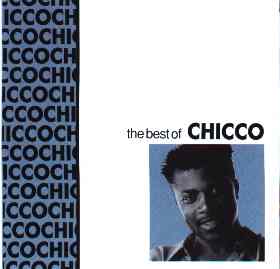
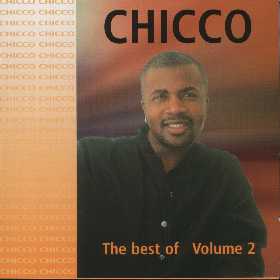
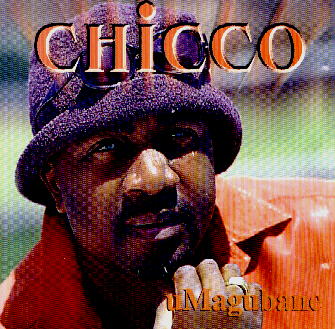
Chicco Twala
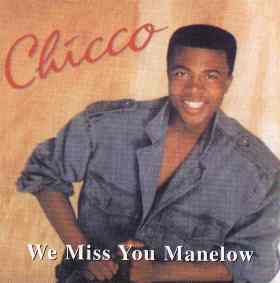
In 1987, in Johannesburg, a song became the cry of a struggling people: “We Miss You Manelow.” South Africans heard “Manelow” but understood Mandela. The prisoner of Robben Island remained the great absent figure everyone named in secret. Chicco, a twenty-four-year-old singer and producer, devised this vocal stratagem to circumvent the censorship of the apartheid regime. Thirty years later, this song remains one of the brightest anthems of South African musical resistance.
In brief
| Full name | Sello Chicco Twala |
| Birth | June 5, 1963, Soweto (Johannesburg), South Africa |
| Genre | Mbaqanga, afropop |
| Role | Singer, composer, record producer |
| Notable works | “We Miss You Manelow”, Too Late for Mama, Memeza |
| Awards | SAMA Lifetime Achievement Award (2004), Metro FM Music Awards (2013) |
Key dates
| Year | Event |
|---|---|
| 1963 | Birth in Soweto. Son of Elias Twala and Betty Khombo Masitha |
| 1983-1985 | Percussionist in Umoja then Harari (Sipho « Hotstix » Mabuse) |
| 1986 | First solo hit: I Need Some Money (Shangaan rhythms) |
| 1987 | “We Miss You Manelow” certified triple platinum by RISA; anti-censorship stratagem |
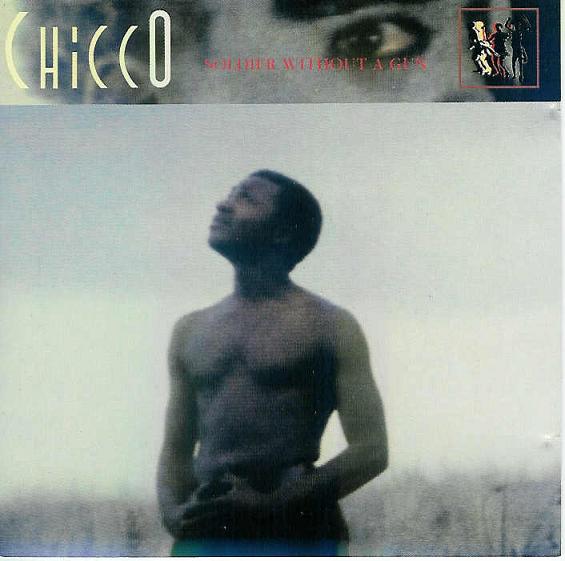
| 1989-1990 | Produced Too Late for Mama and Black President for Brenda Fassie; released Soldier |
| 1997-2000 | Produced Memeza and Nomakanjani for Fassie; 525,000 copies sold |
| 2004 | Lifetime Achievement at SAMA; 10th edition |
| 2013 | Second Lifetime Achievement at Metro FM Music Awards |
Origins, resistance, and production
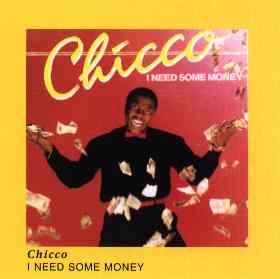
Sello Twala grew up to the rhythm of Soweto clubs where his father worked. Music spoke to him in xitsonga and sotho amidst the fervor of township dance halls. In the 1980s, Soweto was a musical crucible where Hugh Masekela’s jazz resonated with the mbaqanga rhythms of the Mbube and bubblegum pop. In 1983, he became the percussionist for Umoja, an iconic group of the South African soul scene. Two years later, he joined Harari alongside Sipho « Hotstix » Mabuse. These experiences taught him the codes of the studio and the stage. In 1985, he launched his solo career with “We Can Dance,” followed by “Move Over” and the album I Need Some Money (1986) — an African pop record with Shangaan rhythms that crossed the racial barriers of apartheid.
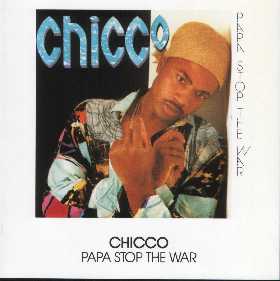
The apartheid regime then exercised absolute control over the media. Openly stating that one was waiting for the imprisoned Mandela equated to risking censorship and police harassment. “We Miss You Manelow” (1987) circumvented this trap with cruel elegance: the word “Manelow,” phonetically close to Mandela, deceived censors while sounding clear to the public’s ear. The music video played along with the duplicity by telling the fictional story of a missing young girl. The song made a sensation and the record was certified triple platinum by RISA — an achievement for a South African solo artist. Chicco then followed up with a series of committed tracks: the album Soldier (1989), “Papa Stop the War” co-written with poet Mzwakhe Mbuli, and especially two songs he produced for Brenda Fassie — Too Late for Mama (1989, platinum) and Black President (1990). He pushed Fassie toward a political consciousness that she would fully assume. In 1992, he recorded “Peace Song” at the request of the National Peace Accord: a soul ballad sung by a troupe of South African artists, a prophetic project before the 1994 elections.
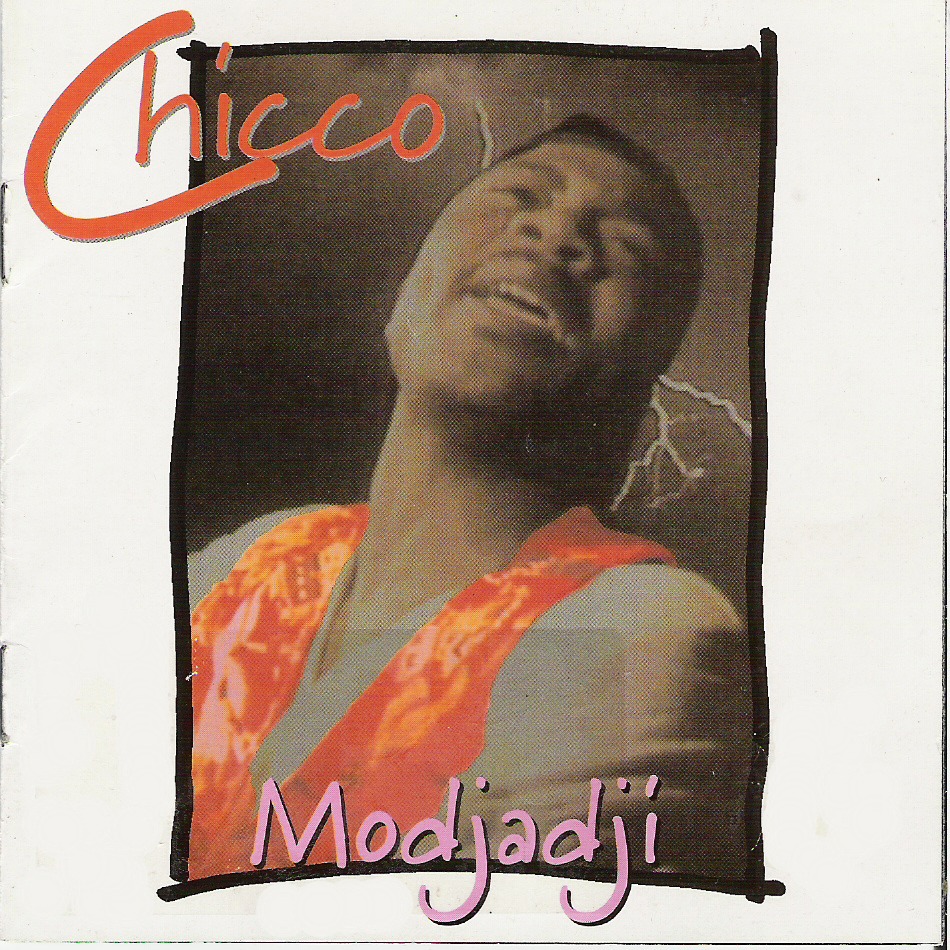
From the mid-1990s, Chicco became a master of record production. He shaped Fassie’s comeback with Memeza (1997) and Nomakanjani (1999), albums that sold over 525,000 copies and won SAMA awards. He produced Yvonne Chaka Chaka, Lebo M (Deeper Meaning), and Dorothy Masuka (Mama Gumede). His tracks landed on the soundtrack of Walt Disney’s Lion King II. He founded recording studios in Soweto (Diepkloof) to train young township talents. Often forgotten: he is also an entrepreneur who opened the “Lapeng” restaurant in the heart of Soweto. His last major soundtrack dates from the filming of the series Queen Modjadji alongside pianist Themba Mkhize.
Major works
| Work | Year | Why it is essential |
|---|---|---|
| “We Miss You Manelow” | 1987 | Censorship stratagem: disguising Mandela as “Manelow”; triple platinum RISA |
| Too Late for Mama (Brenda Fassie) | 1989 | Chicco produced the hit that launched Fassie toward the political stage; platinum RISA |
| Soldier (Chicco) | 1989 | Anti-apartheid protest album among the most influential of the 1980s |
| Memeza (Brenda Fassie) | 1997 | Historic comeback; Best Album SAMA |
Legacy and influence
Chicco Twala is one of those musicians who made freedom sing where it was forbidden. As a producer, he shaped the sound of Brenda Fassie and gave generations of township artists a musical recipe that blends African sonorities with international pop sensibility. His two Lifetime Achievement awards (SAMA 2004, Metro FM 2013) attest to the respect of his peers. The studios he opened in Soweto continue to produce talents, and his militant songs remain today cited as examples of cultural resistance against apartheid.
Sources and references
- « We miss you Manelow, where are you? », National Museum Publications (Indago Journal), article by Sharon Snell, 2024. https://nationalmuseumpublications.co.za/we-miss-you-manelow-where-are-you
- « Sello Chicco Twala », Wikipedia in English, accessed November 10, 2026. https://en.wikipedia.org/wiki/Sello_Chicco_Twala
- « Sello Twala », Discogs, accessed November 10, 2026. https://discogs.com/artist/1348581-Sello-Twala
- « Artist: Chicco », The African Music Project (Zik), 2011. http://zikiafricanmusicproject.blogspot.com/2011/09/artist-chicco.html
- « Encyclopedia – Chicco », Mixtapes ZA, consulted on 10 November 2026. https://mixtapes.org.za/encyclopedia/chicco/
- « Chicco Twala cooks up a storm », News24/Drum, 15 August 2017, interview by Bongani Nkabinde. https://www.news24.com/drum/celebs/chicco-cooks-up-a-storm-20170815
- « Chicco Twala reflects on Brenda Fassie’s legacy », News24/City Press, 9 May 2022, interview by Phumlani S Langa. https://www.news24.com/citypress/trending/chicco-twala-reflects-on-brenda-fassies-legacy
- « South African Music Awards 2004 », Brand South Africa, 31 May 2004. https://brandsouthafrica.com/109266/news-facts/sama2004
- « Listen: Chicco Twala rolls back the years », POWER 98.7, 12 April 2019, interview by Motlalepula Maduna. https://www.power987.co.za/featured/listen-chicco-twala-rolls-back-the-years-and-promises-more/
- « Chicco Twala », South African Music (Music.org.za), undated interview. https://music.org.za/artist.asp?id=129