Biography
Fantan Mojah
The guy who wiped windshields at Half-Way Tree, Kingston, becomes one of the most widely broadcast reggae roots voices on the African continent. Fantan Mojah — whose real name is Owen Lennox Moncrieffe — spent nearly thirty years building a career where Rastafari faith, social consciousness, and musical versatility dialogue without compromise1.
In Brief
| Full Name | Owen Lennox Moncrieffe |
| Birth | August 5, 1976, Elderslie, parish of St Elizabeth, Jamaica |
| Death | July 14, 2026, Kingston (49 years) |
| Field | Reggae (roots reggae and dancehall) |
| Signature Works | “Hungry”, Hail the King, “Rasta Got Soul” |
| Labels | Downsound Productions, Greensleeves Records |
Key Dates
| Year | Event |
|---|---|
| 1997 | First recordings under the name Mad Killer |
| 2004 | “Hungry” #1 for 8 weeks with Downsound |
| 2005 | Hail the King (Greensleeves); three European tours |
| 2011 | “Rasta Got Soul”; major African tours |
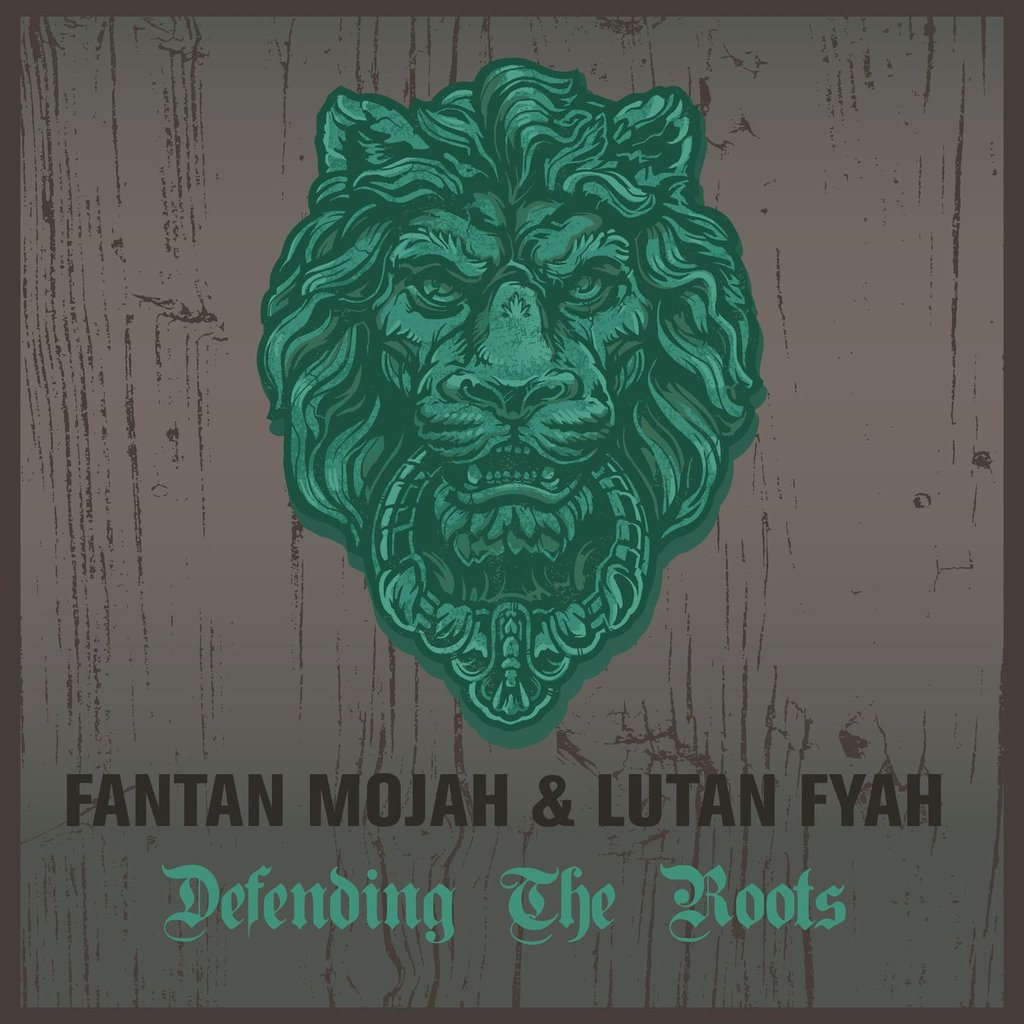
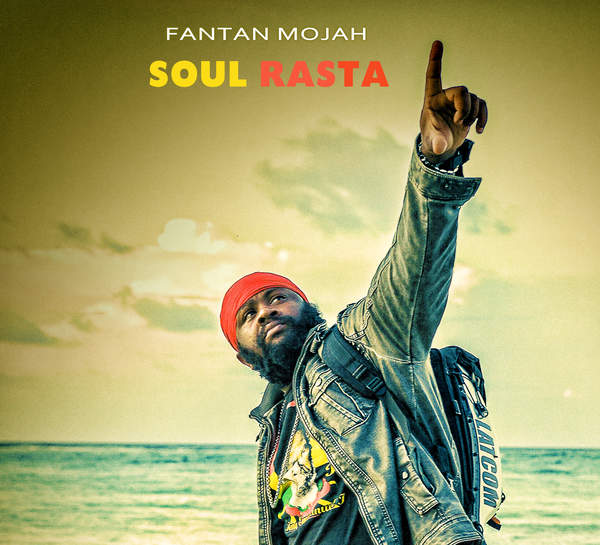
| 2016 | Soul Rasta and Defending the Roots (with Lutan Fyah) |
| 2021 | “Fire King”; debate on the dancehall turn |
From Half-Way Tree to Zimbabwe Stadiums
Owen Moncrieffe grew up in Elderslie, in the parish of St Elizabeth. Eager for music, he didn’t even reach ten years old before participating in local talent contests. To get his hands dirty, he landed a job with the Kilamanjaro sound system, hosting songs during technical checks2. He was then called Mad Killer, in homage to Bounty Killer, his favorite dancehall artist.
His life shifts when he initiates himself into the Rastafari movement. His music adopts a more positive orientation, and singer Capleton encourages him to rename his stage Fantan Mojah. The last piece of the name came from Mr Omar Harris, the same man who helped Sizzla find his. Fantan, a Bobo Ashanti by conviction, returns with a clear message: praise to Jah, respect for women, denunciation of corruption3. Unlike many of his peers who cultivated slackness — the dancehall term for provocative sexual or violent lyrics — Fantan chooses the path of consciousness.
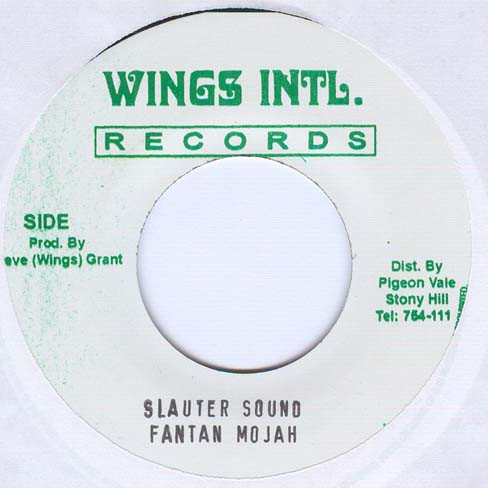
His meeting with Joe Bogdanovich, head of Downsound Records, seals this new identity. « When I met him as a kid, he was a window washer », Bogdanovich recalls. Together, they produce hits like “Hungry” and “Hail the King” as early as 2004. The first title climbs to the top of Jamaican charts and stays there for eight weeks4.
The album Hail the King, released in 2005, propels Fantan to the forefront of the scene. The singles “Hail the King”, “Nuh Build Great Man” (with Jah Cure) and “Corruption” earn the artist the title of Revelation of the Year5. Stronger (November 2008), produced by Frenchie of Maximum Sound, confirms his position.
From 2011, Fantan multiplies appearances in Africa. The Lion Lager Beer Festival in Zimbabwe marks a turning point: he plays there for three hours, before a crowd that constitutes, according to a critic, « his best performance to date ». He returns to Gambia, Malawi, then Ghana, where singer Stonebwoy — a child fan of his music — invites him to the Bhim Festival 20256. « Africa don’t just listen. Africa feel this music », he concludes.
His career is not free of friction. After leaving Downsound which he judged too authoritarian, Fantan founds Macka Tree, but difficulties push him to retreat to the hills. He returns with self-produced singles. In 2021, he provokes a debate by publishing “Fire King” and “Touch That Body”, dancehall titles with bold visuals. Purists cry apostasy. Fantan retorts: « Rasta always got soul ». He compares his love for women to that of Bob Marley7.
In July 2026, Fantan passes away at Kingston University Hospital, from cardiac complications. Olivia Grange, Jamaican Minister of Culture, qualifies him as « a powerful voice for conscious reggae music ». Downsound and Reggae Sumfest pay tribute to the reggae soldier8.
Major Works
| Work | Year | Why it’s Essential |
|---|---|---|
| “Hungry” | 2004 | First #1 hit, inspired by his windshield washer experience |
| Hail the King | 2005 | Debut album; opens Greensleeves and European tours |
| Stronger | 2008 | Consolidates his place among great roots conscious |
| “Rasta Got Soul” | 2011 | Pivotal title; leads onto African stages |
Legacy
Fantan Mojah marked Jamaican reggae with his perseverance and refusal to be confined in a box. From Mad Killer to the « freaky Ras » — nickname that some critics stuck on him — passing through the « conscious artist » of salons, his career crossed contradictions he assumed with rare frankness. He sang justice while wearing tight pants, and defended women in controversial dancehall titles7.
His legacy is read in the stadiums that filled with his passages in Zimbabwe and Ghana, proof that a conscious artist can coexist with entertainment, faith with versatility, tradition with change6.
Sources and references
-
DancehallMag, How Fantan Mojah Went From Windscreen Wiper To Hit Reggae Artist, July 2024. ↩︎
-
DancehallMag, How Fantan Mojah Went From Windscreen Wiper To Hit Reggae Artist, July 2024. ↩︎
-
Jamaica Gleaner, Fantan Mojah was a powerful voice for conscious reggae music, July 2026. ↩︎
-
Reggaeville, Biography: Fantan Mojah. ↩︎
-
Reggaeville, Biography: Fantan Mojah. ↩︎
-
DancehallMag, Fantan Mojah Calls Ghana Visit Spiritual Homecoming Ahead of Bhim Festival, November 2025. ↩︎ ↩︎
-
Jamaica Gleaner, Fantan Mojah talks naked truth, tight pants and welcoming all fans, June 2021. ↩︎ ↩︎
-
DancehallMag, Fantan Mojah Calls Ghana Visit Spiritual Homecoming Ahead of Bhim Festival, November 2025. ↩︎