Biography
Finaçon: the Cape Verdean funaná that shook the stage
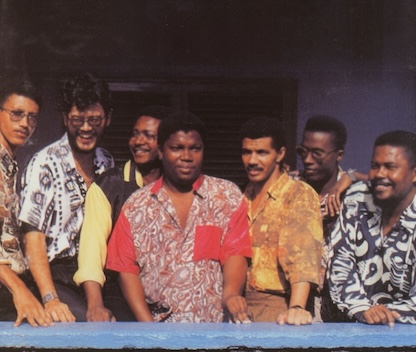
In 1985, two Cape Verdean singer-songwriters — Zeca and Zezé di Nha Reinalda — decided to put on record what centuries of island percussion had accumulated. Coming from the group Bulimundo, a pioneer of funaná (accordion and ferrinho genre from the island of Santiago), they founded Finaçon, named after the improvised chant finason that closes a batuku session (percussion music practiced by the women of Santiago)1. The group transformed a rural tradition into a modern, danceable sound.
In brief
| Name | Finaçon |
| Origin | Santiago, Cape Verde |
| Genres | Funaná, batuku, coladeira, tabanka |
| Active period | 1985 – ~1998 |
| Founding members | Zeca di Nha Reinalda (vocals), Zezé di Nha Reinalda (vocals), José Augusto Timas (drums), Zequinha Magra (guitar), Yah-Yass (bass), Tony di Cando (keyboards) |
| Signature works | Dotorado, Farol, Funaná |
| Labels | Mélodie (Paris), Sonovox (Lisbon) |
Key dates
| Year | Event |
|---|---|
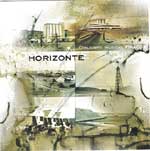
| 1985 | Group formation; release of Horizonte |
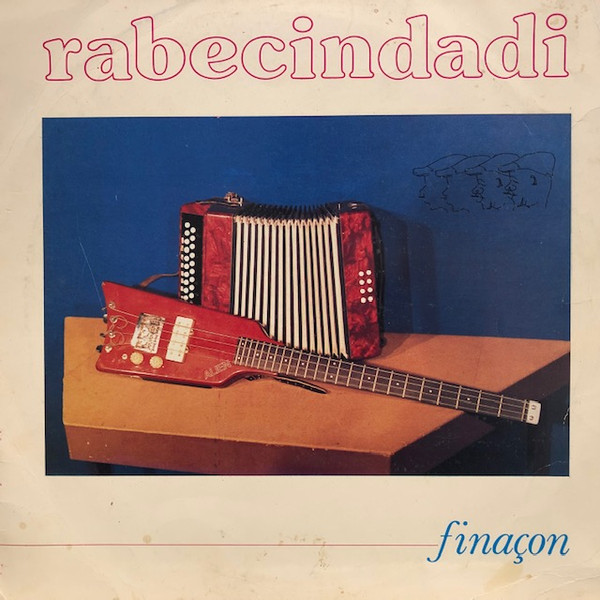
| 1987 | Release of Rabecindade |
| 1989 | Recording of Dotorado in Lisbon |
| 1990 | Compilation Funaná released on Parisian label Mélodie |
| 1991 | First half of Gilberto Gil’s show at Zénith, Paris |
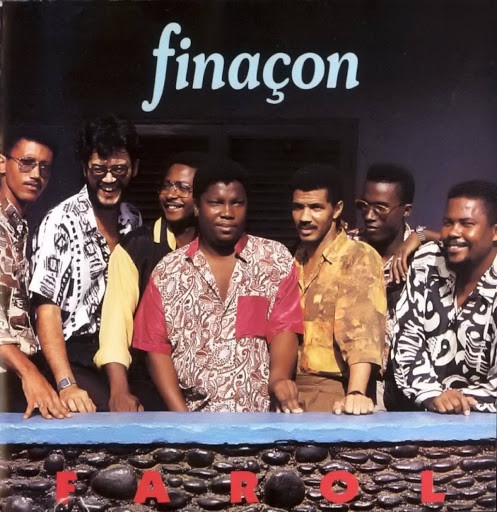
| 1992 | Release of Farol; festival in Bahia |
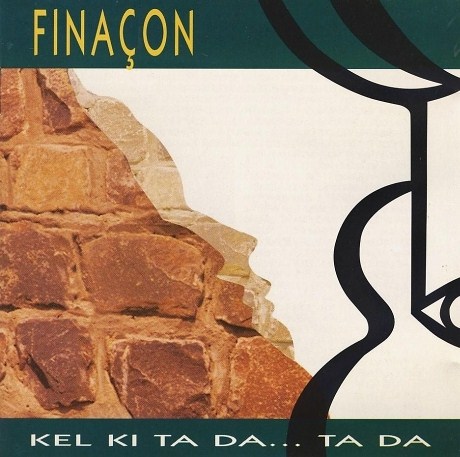
| 1994-1995 | Simplicidade and Kel ki ta da da ta |
| 2015 | Return to Top Festival, Ribeira da Barca |
Origins and formation
Batuku is considered the most distinctly African musical genre in Cape Verde, featuring percussion, call-and-response singing, and dance that builds in intensity. Women have traditionally been its guardians, standing in a circle and improvising educational maxims2.
Peak and internationalization
Zeca and Zezé di Nha Reinalda drew from this tradition to fuel their lyrics. In 1985, the two brothers founded Finaçon with Zequinha Magra (guitar), José Augusto Timas (drums), Yah-Yass (bass), and Tony di Cando (keyboards), all coming from groups like Bulimundo or Cimbodiana. The group released Horizonte that same year, the title taken from a piece by Nácia Gomi, matriarch of batuku. In 1987, Rabecindade was released in Portugal. The sonic breakthrough arrived with Dotorado (1989): Finaçon incorporated an electronic drum machine, becoming the first group to perform with a drum machine. The iron and gaita of funaná were doubled with electronic rhythms. 3
Later albums and return
In the early 1990s, Finaçon was discovered by director Ariel de Bigault and spotted by the French label Mélodie, which had just witnessed the triumph of “Yéké Yéké” by Mory Kanté. In 1990, Mélodie released a compilation Funaná with arrangements by Zairian Ray Lema. The following year, Farol was released, recorded with Nelson Costa, Paló, and Dick d’Ano Nobo. Finaçon opened for Gilberto Gil at Zénith in Paris in 1991, then participated in a festival in Bahia in 1992. 3
Between 1994 and 1995, Finaçon released Simplicidade and Kel ki ta da da ta. The video for the latter was filmed on Fogo Island on the very day the volcano eruption began in April 1995. The record was funded by INATUR — a political patronage that drew the government’s wrath3.
On May 31, 2015, the two brothers returned to the stage at the Top Festival in Ribeira da Barca. For an hour, they performed the hits that marked their era — “Fome 47”, « Feia cabelo bedjo », and “Si Maneira” — to an audience that applauded them. 4
However, internationalization encountered limits5.
Major works
| Work | Year | Why it’s essential |
|---|---|---|
| Horizonte | 1985 | First record, title by Nácia Gomi |
| Dotorado | 1989 | Drum machine merges with funaná |
| Funaná (compilation) | 1990 | International showcase with Ray Lema, Mélodie label |
| Farol | 1992 | Last Mélodie album, expanded lineup |
| Kel ki ta da da ta | 1995 | Video during Fogo eruption; engaged lyrics |
Legacy
Finaçon played a decisive role in recognizing funaná as a recorded genre. Portuguese colonial music had long despised this style. The members always prioritized composers from Santiago — Zé Henrique, Ney Fernandes, Kaká Barbosa, Codé di Dona, Nácia Gomi — consolidating a creative network that links the island’s interior to urban stages. More than thirty years after their first recordings, Finaçon’s sound continues to influence Cape Verdean musicians. 2