Biography
George Faith
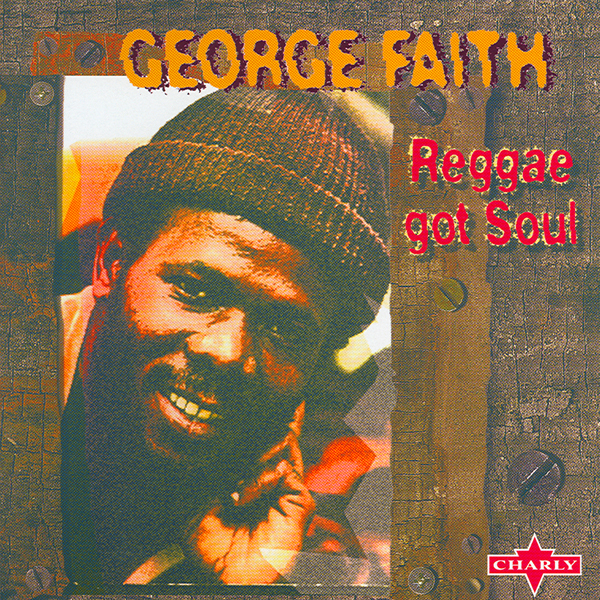
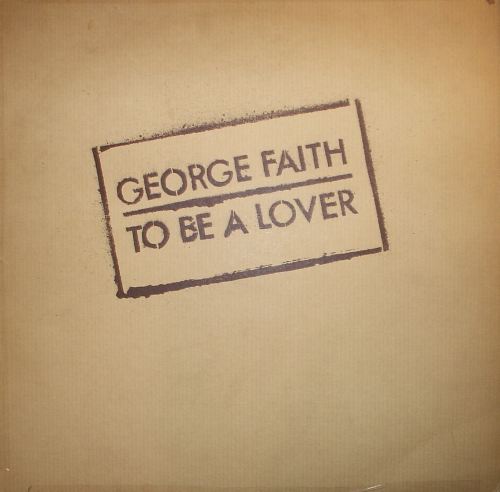
In 1977, in Kingston, a 31-year-old man put his voice into the legendary studio of Lee « Scratch » Perry. Eight months of hard work resulted in “To Be A Lover”, a cover of William Bell’s hit reinvented as hypnotic reggae-soul. Fascinated, Perry gave him a new name: « You have a lot of faith. You should be called George Faith. » (translated from English) This first name became a legend of lovers rock — the reggae current dedicated to the singing of love — long before the genre was named.
In brief
| Full name | Earl George Lawrence |
| Stage name(s) | George Faith, Earl George, George Earl |
| Birth | July 6, 1946, Rae Town, Kingston, Jamaica |
| Death | April 16, 2003 (56 years) |
| Genres | Reggae, lovers rock |
| Activity | Singer, songwriter (1970–late 1990s) |
| Labels | Black Ark, Island, GG’s, Studio One, Black Swan |
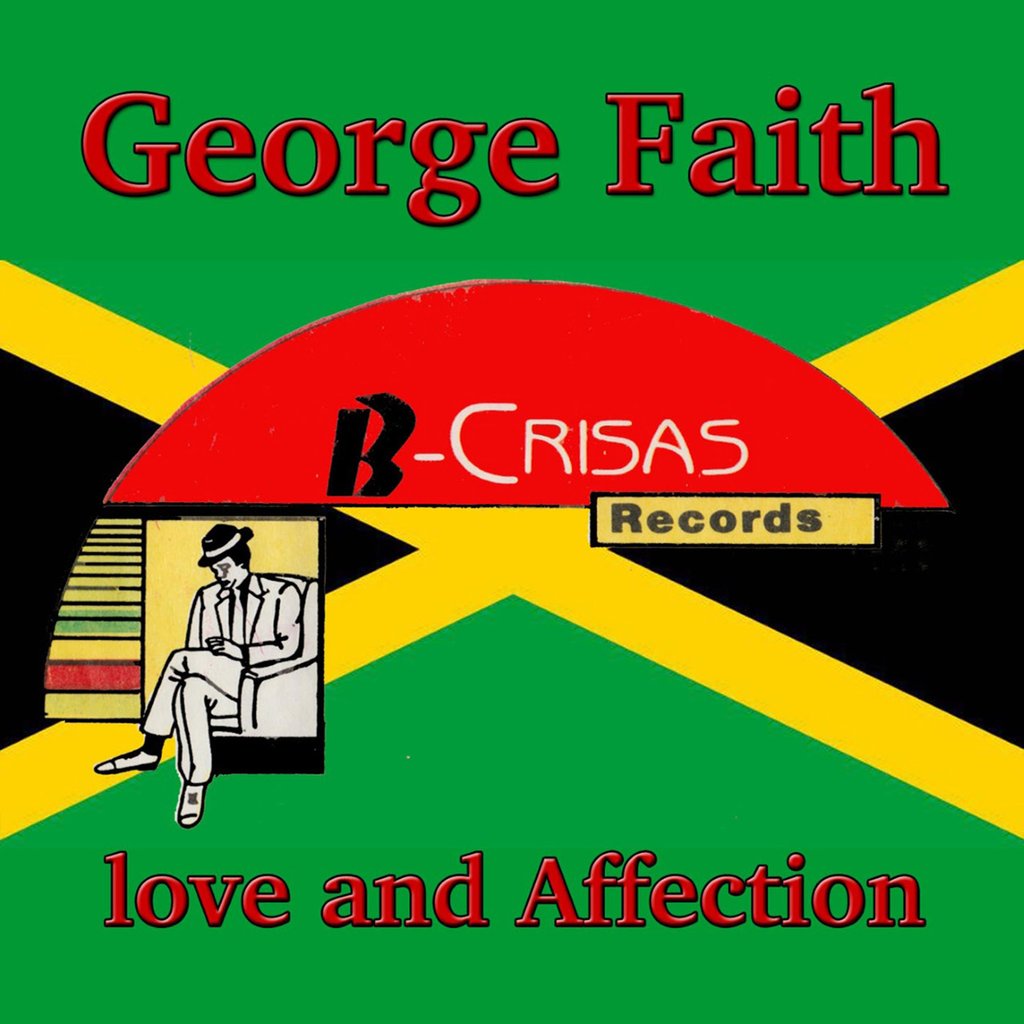
| Notable works | To Be A Lover, Working on the Guideline, Soulful George Faith |
Key dates
| Year | Event |
|---|---|
| 1946 | Birth in Rae Town, Kingston, son of a barber and a factory seamstress |
| 1970 | First recording, “See Me”, produced by Clancy Eccles |
| 1974-1977 | Eight months of sessions with Lee « Scratch » Perry at Black Ark |
| 1977 | “To Be A Lover (Have Mercy)” on Island/Black Swan, international hit |
| 1978 | Second album with Perry, Working on the Guideline, never released in Jamaica |
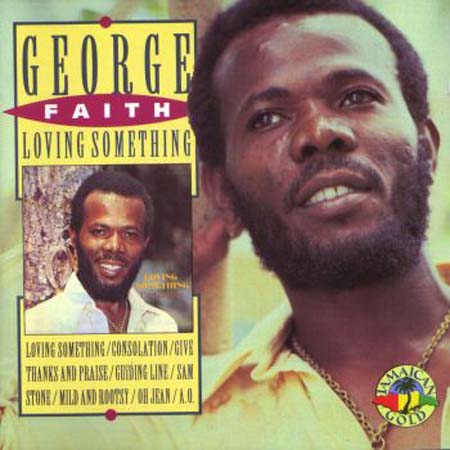
| 1979 | Albums Loving Something and Soulful alongside Alvin « GG » Ranglin |
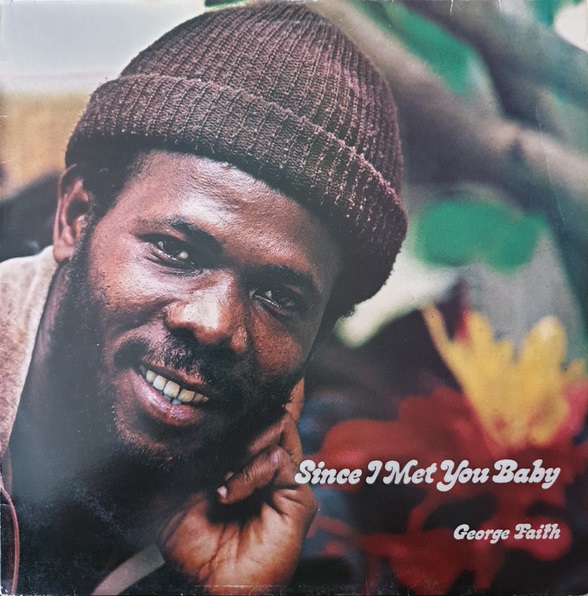
| 1982 | Release of Since I Met You Baby |
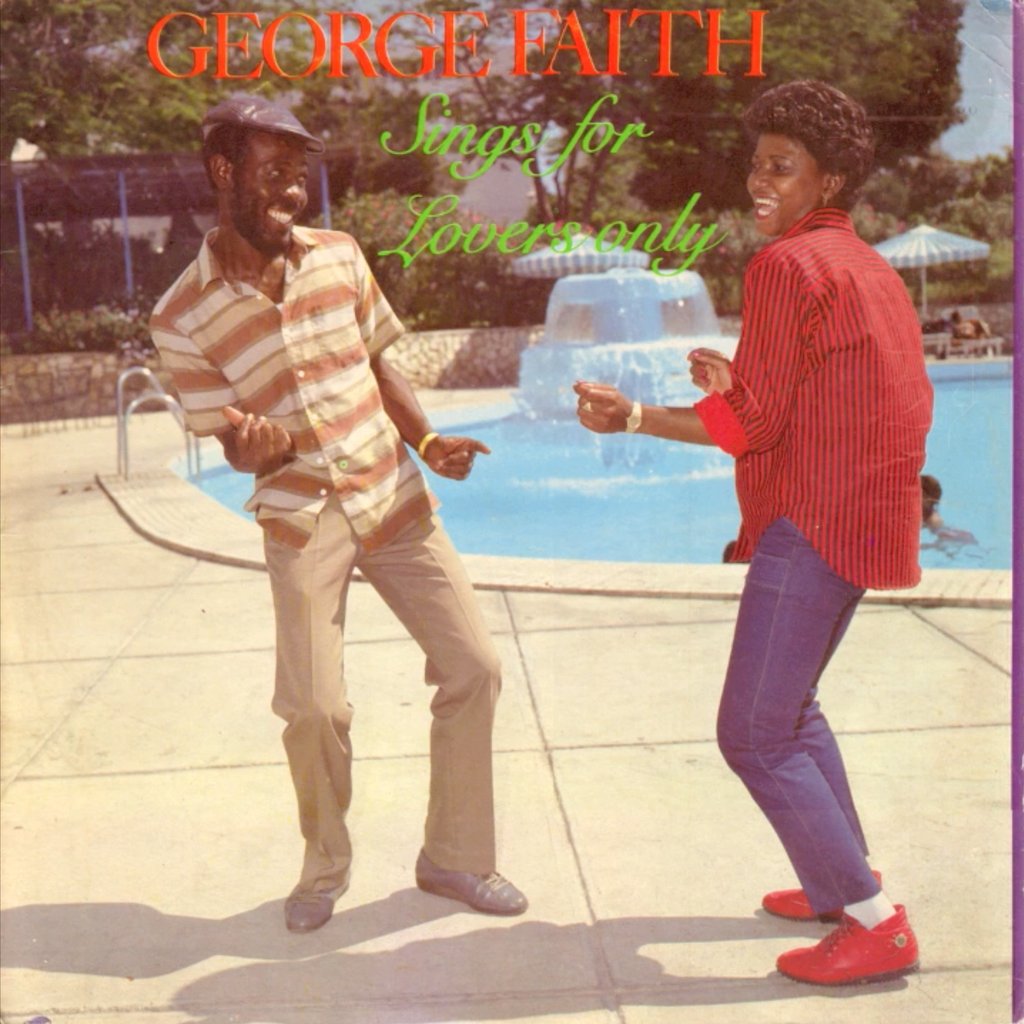
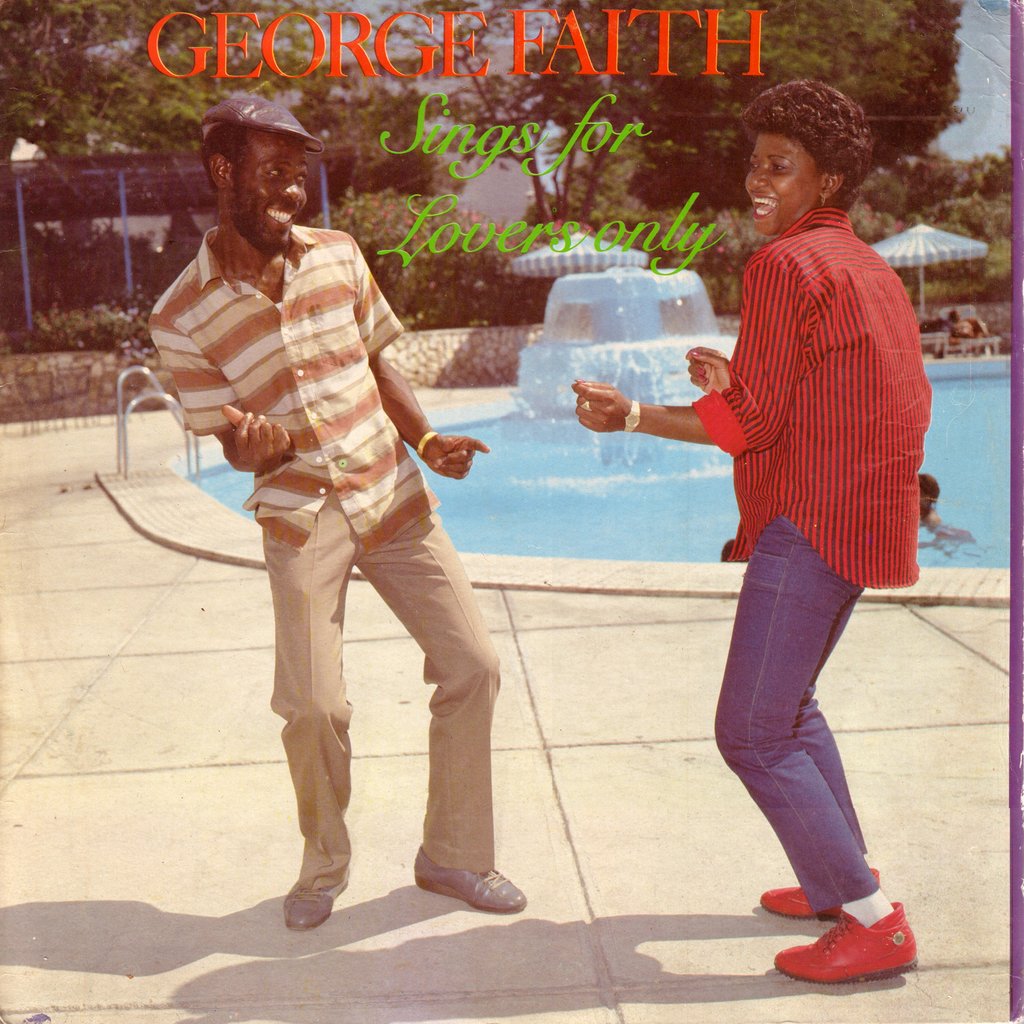
| 1986 | Return to Jamaica, album Sings For Lovers Only |
| 2003 | Death from cancer at 56 years |
From Rae Town to Black Ark
Rae Town is an old fishing neighborhood south of Kingston, which became one of the poorest areas of the capital. Earl George Lawrence grew up there, second of three children. It was the school choir that first spotted his voice, a tenor timbre that blends the tenderness of lovers rock with the strength of American rhythm and blues. Jackie Wilson, Sam Cooke, William Bell — these singers who made the waves of the United States vibrate left a lasting mark on him.
His first recording appeared in 1970 under the name Earl George, produced by the legendary Clancy Eccles. In 1974, Lee Perry — who ran a record shop a few doors from Black Ark — spotted him and invited him to record. Under the name George Earl, he covered William Bell with “To Be A Lover”.
The eight months at Black Ark were unheard of. Eight tracks, all covers of American soul, on original riddims never exploited before. The singer’s patience, who accepted to loop choruses for weeks, convinced Perry. A second album, Working on the Guideline (1978), explored original compositions on more conscious themes — “Guideline”, “Don’t Be Afraid” — but the planned European tour collapsed with the producer’s increasing madness. Perry would eventually set fire to Black Ark in 1979.
After Perry: perseverance
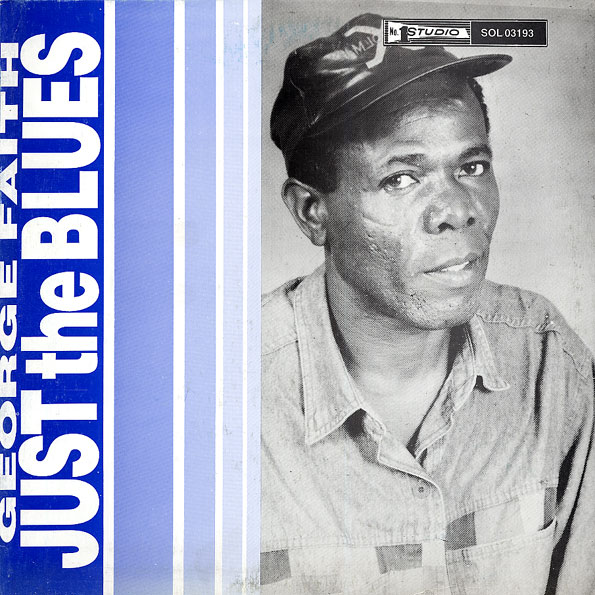
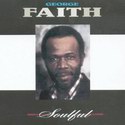
After 1978, George Faith multiplied collaborations with local producers. He released One & Only (1978), Loving Something and Soulful (1979), Since I Met You Baby (1982). None renewed Perry’s triumph. In the early 1980s, he attempted an independent producer career, without success. He lived several years in Canada, where he performed on the Toronto stage and shared the bill with Gregory Isaacs. He returned to Jamaica in 1986 and recorded sporadically for the Brazilian market — Soulful George Faith (Hollywood, 1988), Just the Blues (Studio One, 1993), Rock for Lovers (Nyam Up, 1998). He left a widow, Vidalyne Palmer, three daughters, a stepson, and a daughter from a previous union.
Major works
| Work | Year | Why it is essential |
|---|---|---|
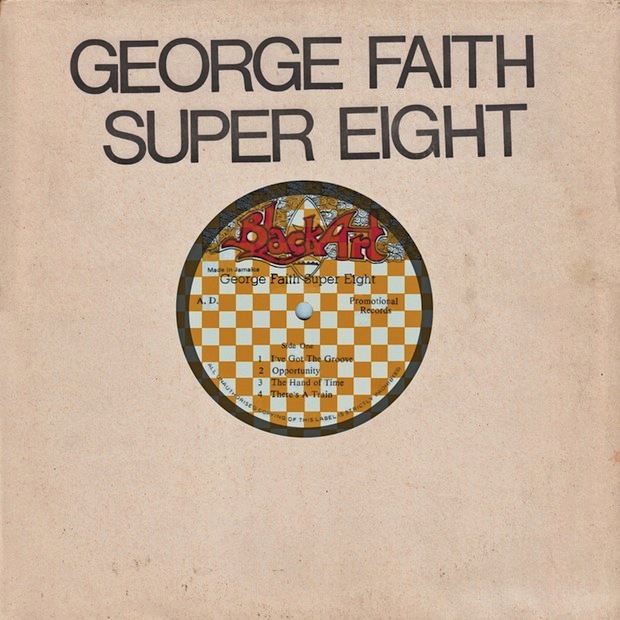
| To Be A Lover (Super Eight) | 1977 | Eight American soul covers reinvented as hypnotic riddims under Perry’s direction |
| Working on the Guideline | 1978 | Faith’s first original compositions on conscious themes, never released at the time |
| Loving Something | 1979 | Notable collaboration with Alvin « GG » Ranglin, a pillar of Channel One Studios |
| Soulful | 1979 | Renewed versions of “Turn Back The Hands Of Time” and “To Be A Lover” |
| Sings For Lovers Only | 1986 | Return to Jamaica after years in Canada, classic lovers rock |
Legacy and influence
“To Be A Lover” is today acclaimed by Aquarium Drunkard, Mojo and Reggae Vibes as a cult album, a rare moment where Jamaican lovers rock merges with 1960s American soul. Reggae and dancehall producers cite Faith as proof that a soul voice can transform a riddim into a monument. Beyond the Perry myth, he composed, produced and sang for more than thirty years, with a consistency that few contemporaries have equaled.
Sources and references
- « George Faith », The Guardian, https://www.theguardian.com/news/2003/may/23/guardianobituaries.artsobituaries1, accessed November 3, 2026.
- Katz, David (2000) « People Funny Boy – The Genius of Lee « Scratch » Perry », Payback Press, ISBN 0-86241-854-2.
- « George Faith », Wikipedia, https://en.wikipedia.org/wiki/George_Faith, accessed November 3, 2026.
- « George Faith — Biography, Discography, Albums & Expert Reviews », AllMusic, https://www.allmusic.com/artist/george-faith-mn0000639767, accessed November 3, 2026.
- « George Faith – To Be A Lover », Discogs, https://www.discogs.com/master/217507-George-Faith-To-Be-A-Lover, accessed November 3, 2026.
- « George Faith - To Be A Lover », Reggae Vibes, https://www.reggae-vibes.com/reviews/2021/01/george-faith-to-be-a-lover/, accessed November 3, 2026.
- « Listen to George Faith Songs », Spotify Artist Bio, https://open.spotify.com/artist/1vfPThdJxPcw09U949KENr, accessed November 3, 2026.
- « George Faith :: To Be A Lover », Aquarium Drunkard, https://aquariumdrunkard.com/2024/05/20/george-faith-to-be-a-lover/, accessed 3 November 2026.
- Barrow, Steve & Dalton, Peter (2004) « The Rough Guide to Reggae, 3rd edn. », Rough Guides, ISBN 1-84353-329-4.
- « Faith George », Oxford Reference, https://www.oxfordreference.com/view/10.1093/acref/9780195313734.001.0001/acref-9780195313734-e-70609, accessed 3 November 2026.