Biography
Gnonnas Pedro: the king of modern agbadja who conquered the world
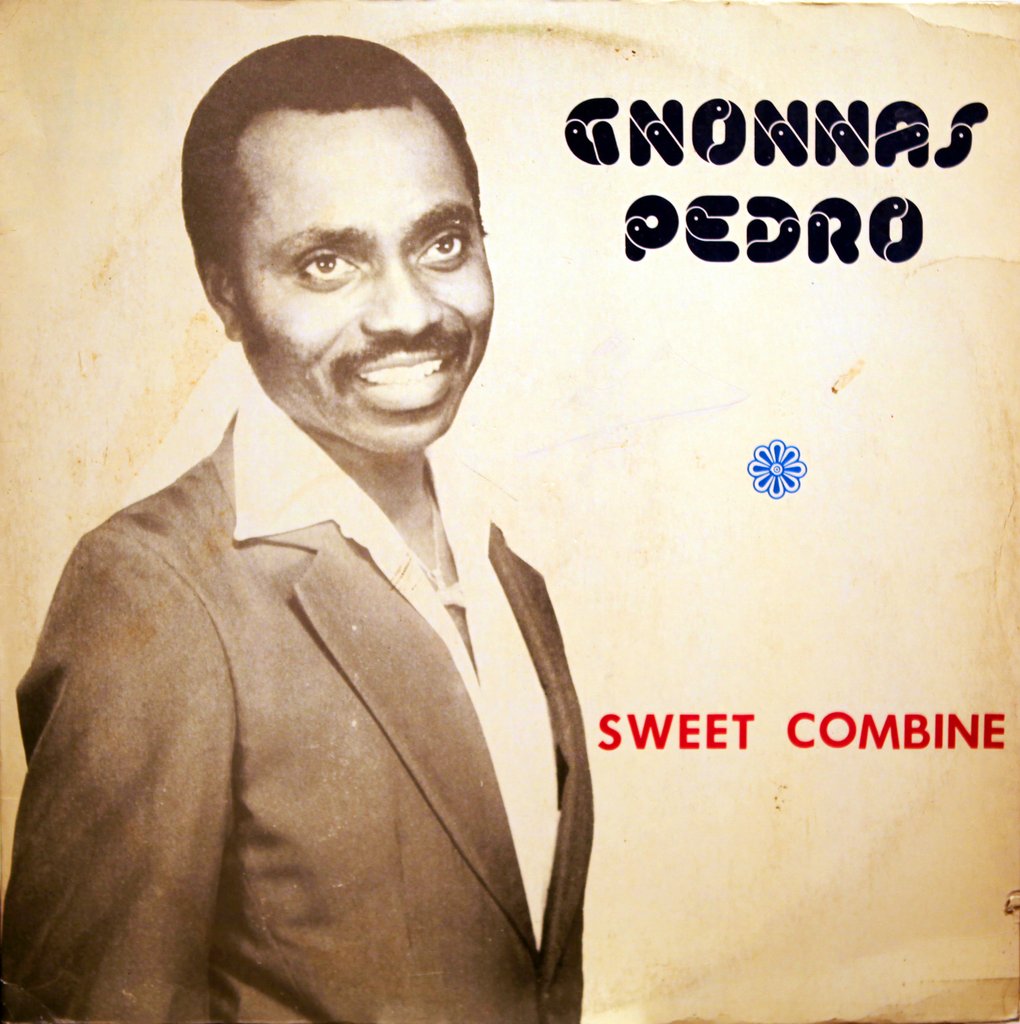
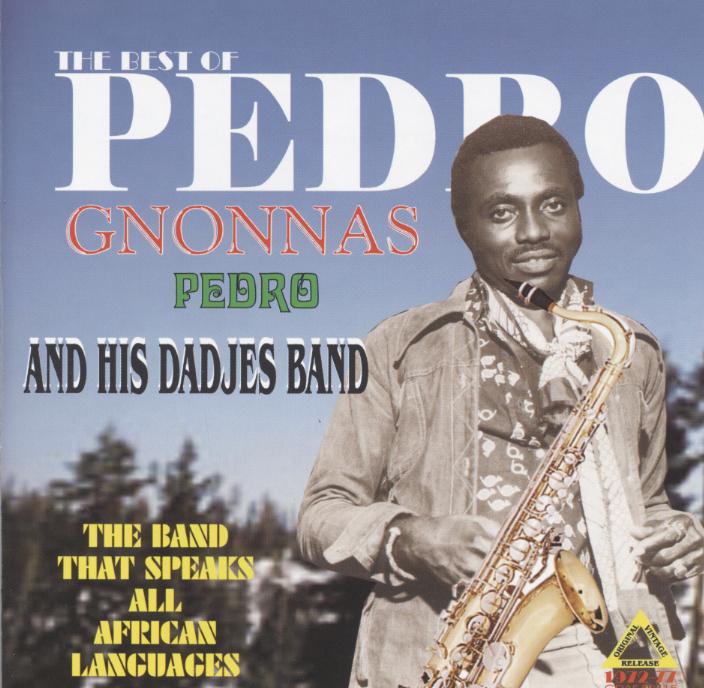
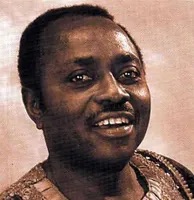
Cotonou, 1997. On the London stage of the Equinox Ballroom, a 54-year-old man leaps with contagious energy. His laugh and irresistible dance transform every piece of Africando into a celebration. The audience is unaware that this tropical aznavour — a Beninese singer who mastered French with the phrasing of the famous Armenian crooner — had already built, over three decades, one of the most fascinating careers in West Africa.
In brief
| Full name | Gnonnan Sossou Pierre Kouassivi |
| Stage name | Gnonnas Pedro |
| Birth | January 10, 1943, Cotonou, Benin |
| Death | August 12, 2004, Cotonou, Benin |
| Genres | Modern agbadja, highlife, juju, afrosalsa |
| Instruments | Vocals, trumpet, saxophone, dance |
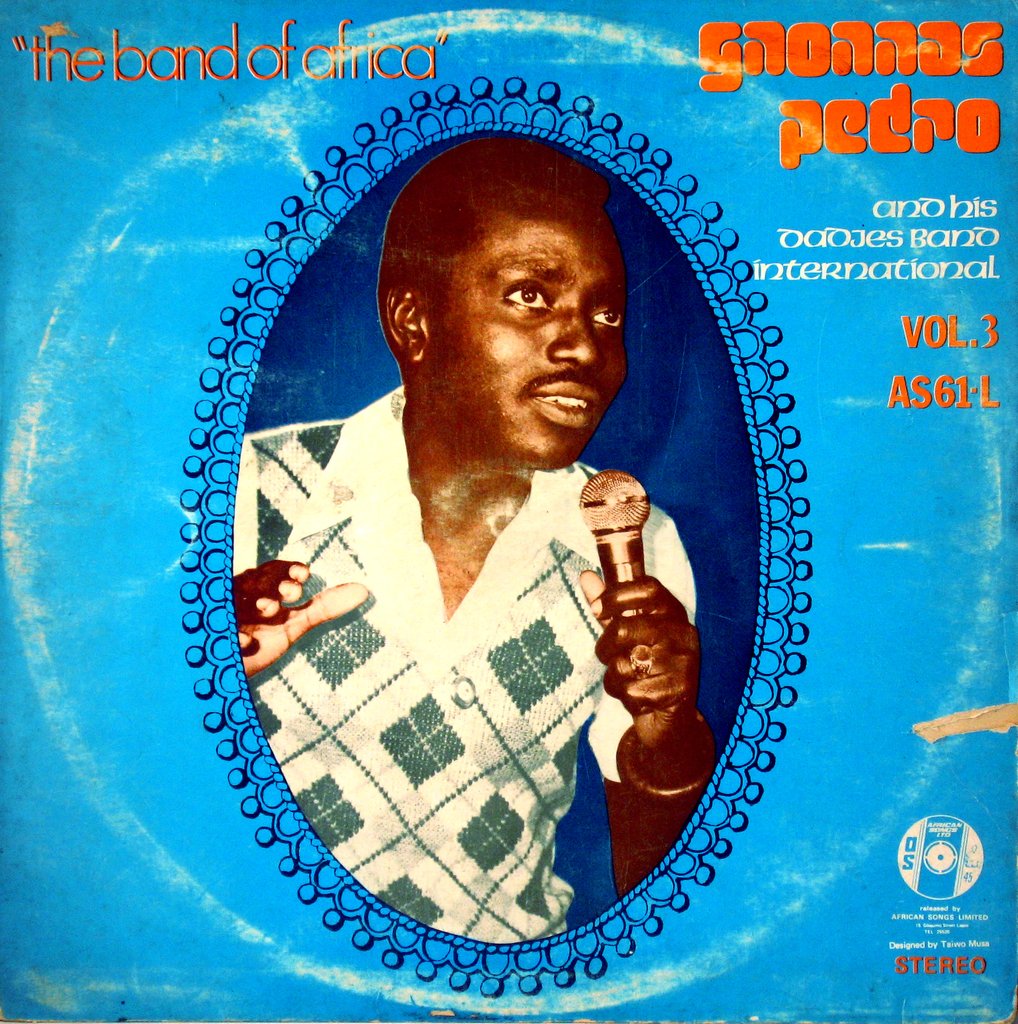
| Notable works | “Dadjes: The Band of Africa” (1975), “Feso Jaiye”, “Les Femmes d’Abord” |
| Nickname | « King of Agbadja Rhythm » |
Key dates
| Year | Event |
|---|---|
| 1943 | Birth in Cotonou, originally from Lokossa (Mono Department) |
| 1964 | Recording of a single with Charles Aznavour |
| 1967 | Creation of Pedro y Sus Panchos; release of Découvrez l’Afrique noire on Barclay |
| 1973 | “Feso Jaiye” performed at the 2nd African Games in Lagos |
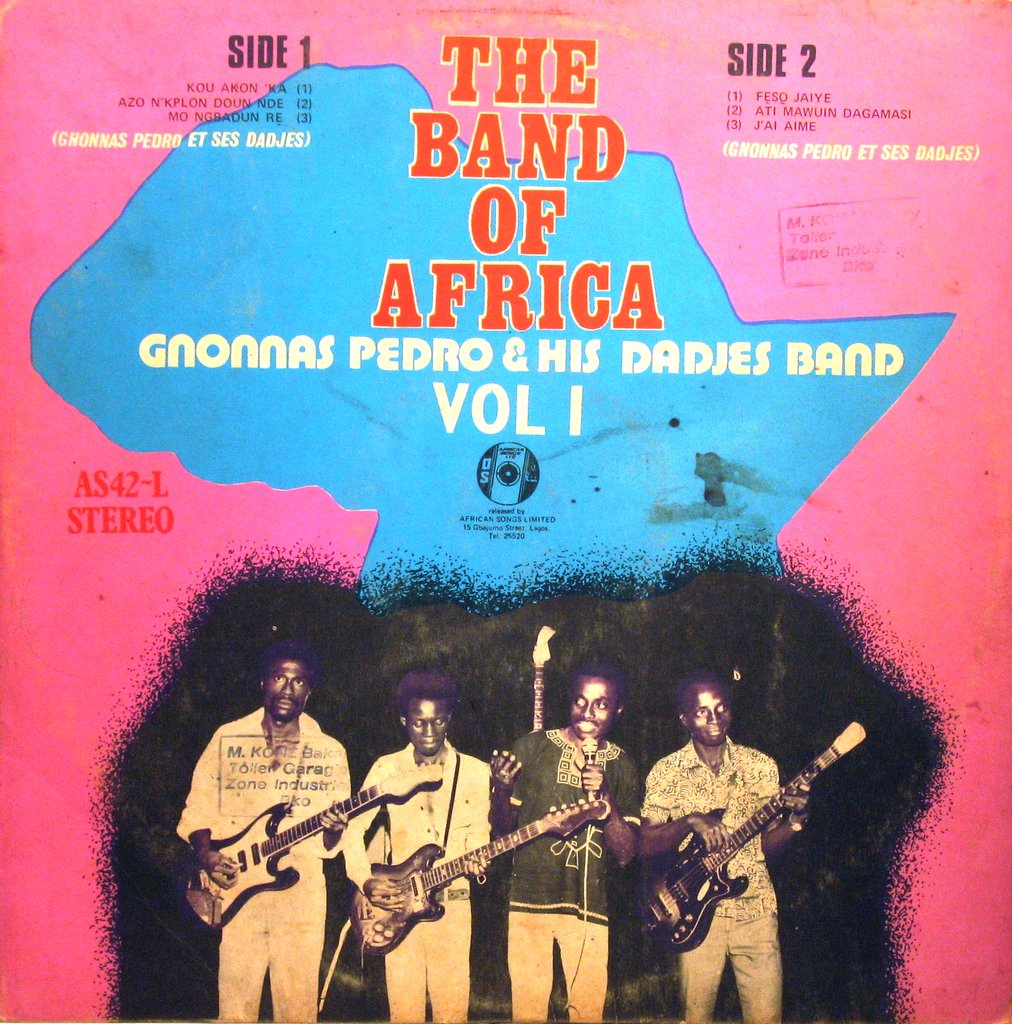
| 1975 | First solo album: Dadjes: The Band of Africa |
| 1984 | Beginning of collaboration with producer Ibrahim Sylla |
| 1985 | “Les Femmes d’Abord” conquers West Africa |
| 1996 | Joins the supergroup Africando |
| 1997 | London debut of Africando at the Equinox Ballroom |
| 2004 | Death in Cotonou, following complications from prostate cancer |
From Beninese folklore to the world stage
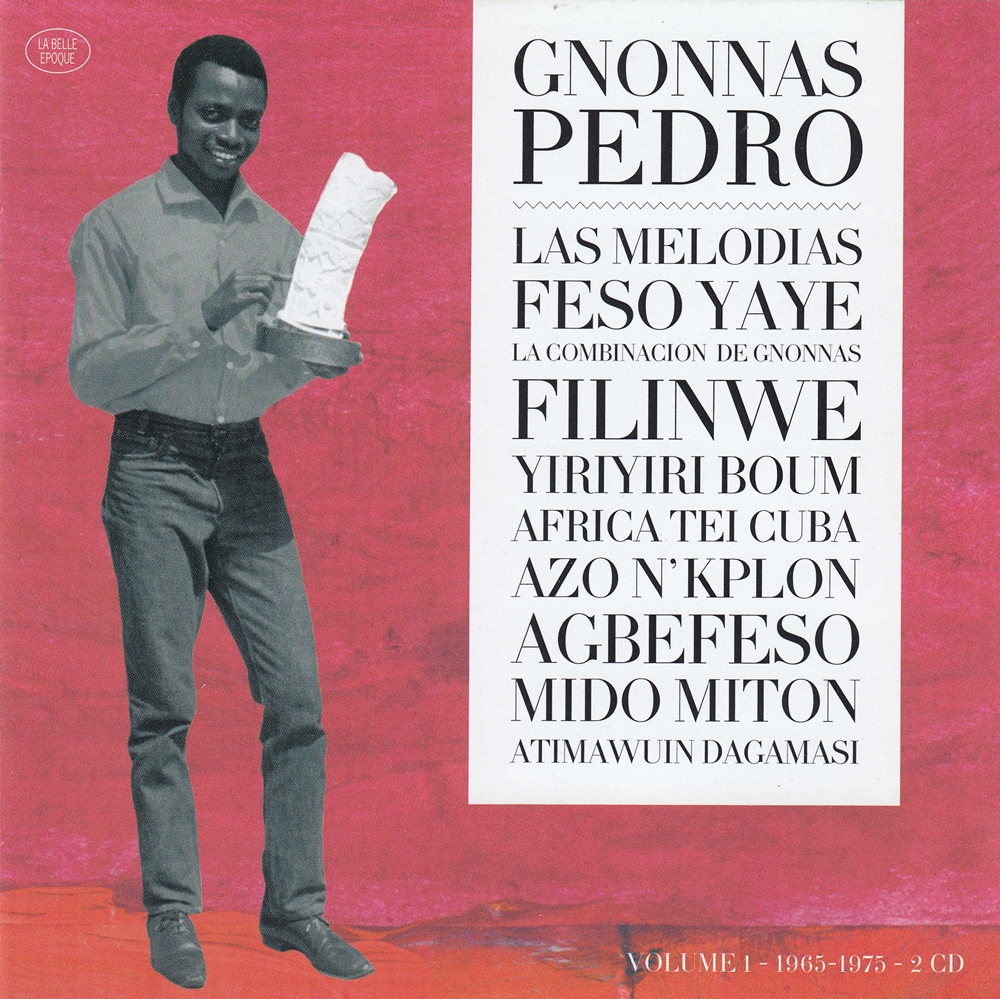
Born in Cotonou on January 10, 1943, and originally from Lokossa in the Mono Department, Gnonnan Sossou Pierre Kouassivi grew up in a Benin where Cuban sounds circulated alongside radio waves. In the 1960s, like Le Bembeya Jazz National in Mali or Las Maravillas de Mali, many West African musicians adopted the bolero and salsa. Pedro founded Pedro y Sus Panchos, a group that fused Latin rhythm with Fon and Yoruba folklore, releasing a 33 rpm record on the famous French label Barclay in 1967.
His versatility opened many other doors for him. He sang in several languages — Mina, Adja, Yoruba, French, English, and Spanish — and mastered the trumpet, saxophone, and dance with equal ease. In the 1970s, he established himself in Nigeria with highlife hits (the Nigerian genre that blends groove and interwoven guitars) under the name Orchestra Poly-Rythmo. His track “Feso Jaiye,” which he produced, became so popular that it was performed by several orchestras during the 2nd African Games in Lagos in 1973.
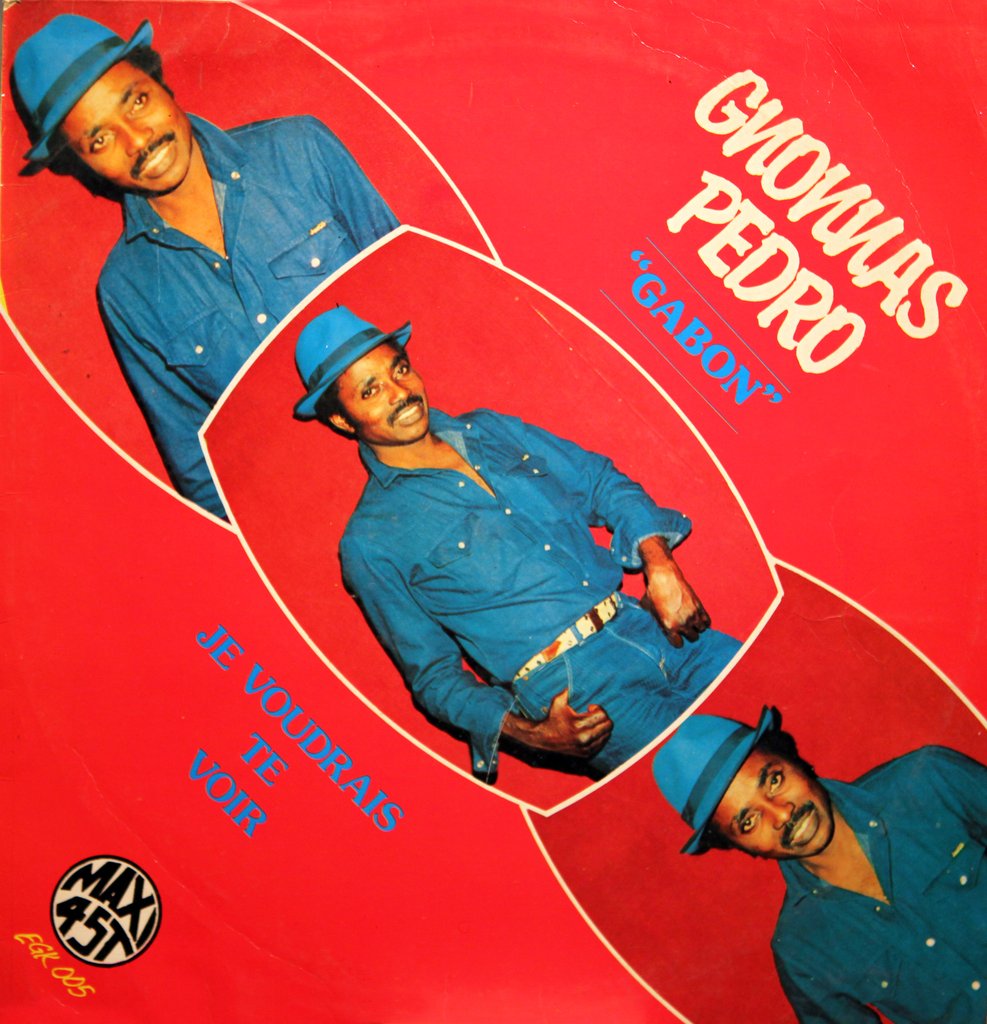
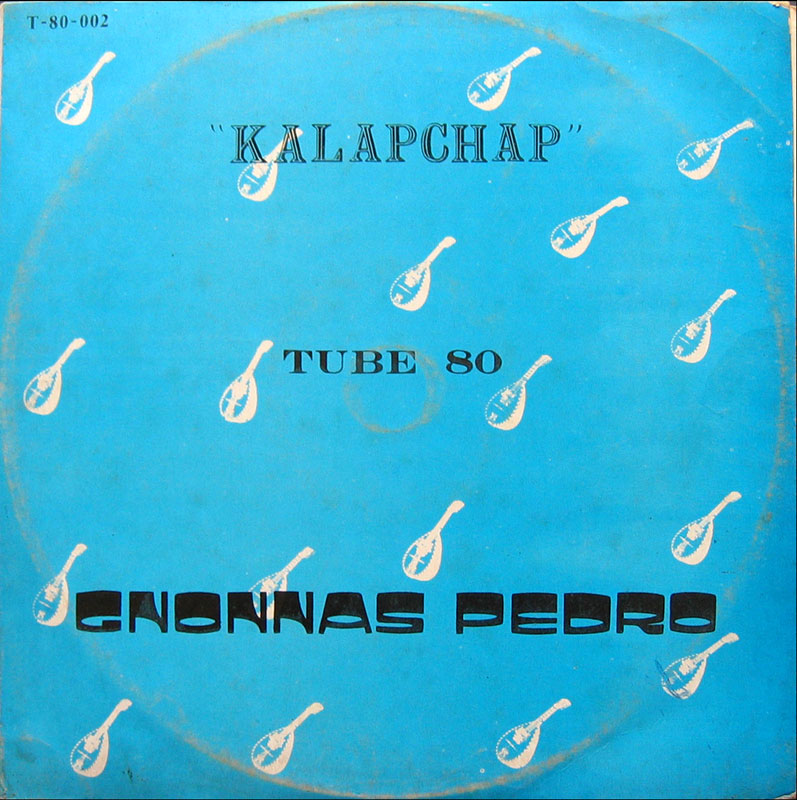
In the 1980s, Pedro refined his signature: modern agbadja. Agbadja is a traditional rhythm originating from the folklore of fishermen in the Mono region, imported from Ghana and originally practiced during funeral ceremonies. Pedro reinvented it by integrating brass instruments, guitars, and keyboards — a “scientific and technical artistic research,” according to the formula inscribed on the back of a 1981 33 rpm record. The result, forty years later, inspired artists like Togolese Peter Solo with his group Vaudou Game.
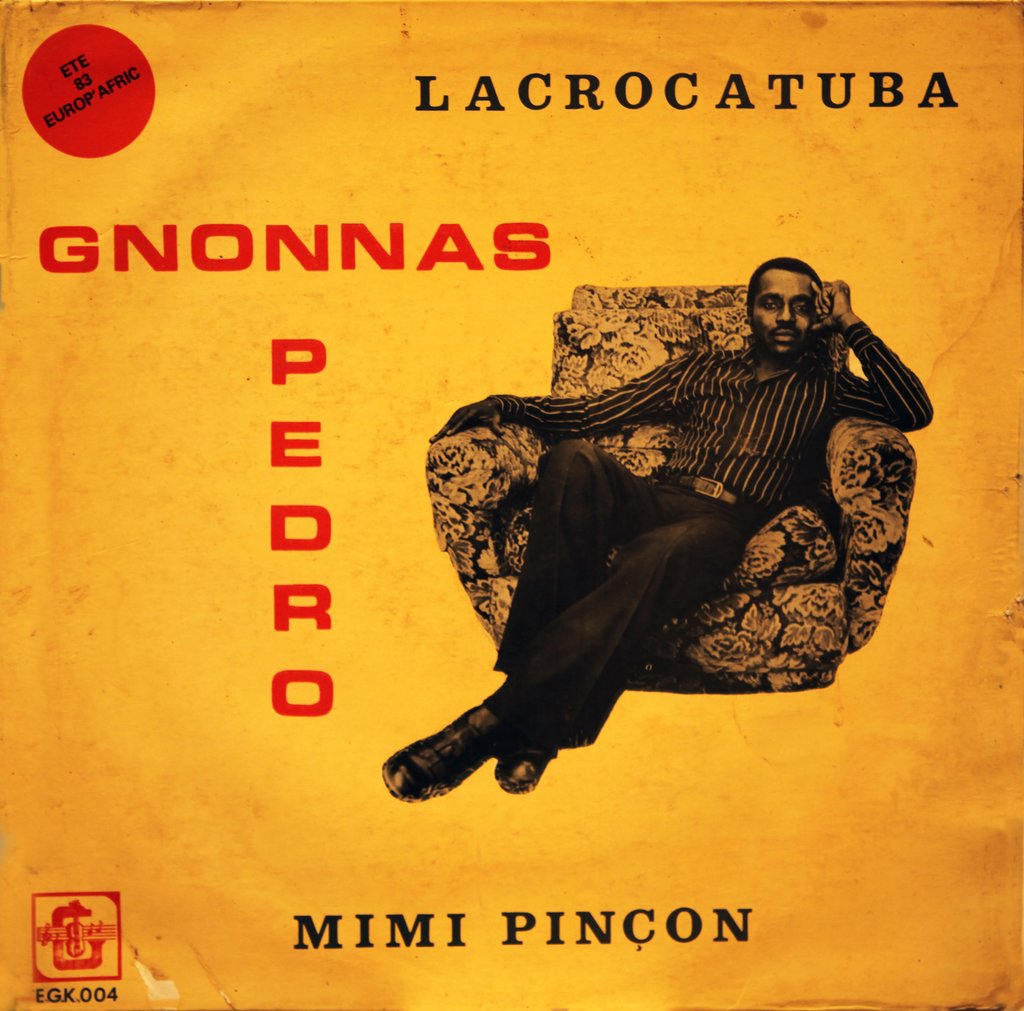
In 1984, he collaborated with Ibrahim Sylla, the influential Senegalese producer who, in 1993, would create Africando. After the death of singer Pape Seck in 1995, Sylla invited Pedro to join the afrosalsa supergroup. He became the lead vocalist on four albums: Gombo Salsa, Baloba, Mandali, and Martina. Alongside New York Latin musicians, he revisited his classics in salsa versions — “Dagamasi”, “Hwomevonon”, “Dacefo” — and conquered European, American, and African stages.
Africando reached its peak during the 1997 London launch. Singer Sekouba “Bambino” Diabaté recalled: “He loved his work perfectly and rejoiced in pleasing his fans. He was very alive on stage, a true natural entertainer.”
Pedro continued recording until the end, but prostate cancer caught up with him. He died on August 12, 2004, in Cotonou at the age of 61. His final recording appears on Ketukuba, released posthumously in 2006.
Major works
| Work | Year | Why it’s essential |
|---|---|---|
| Dadjes: The Band of Africa | 1975 | First solo album, foundational brick of his career |
| “Feso Jaiye” | 1973 | Yoruba highlife hit, anthem of the 2nd African Games in Lagos |
| Gombo Salsa | 1996 | First Africando album; revealed Pedro to the world |
| “Les Femmes d’Abord” | 1985 | Pan-African success with producer Ibrahim Sylla |
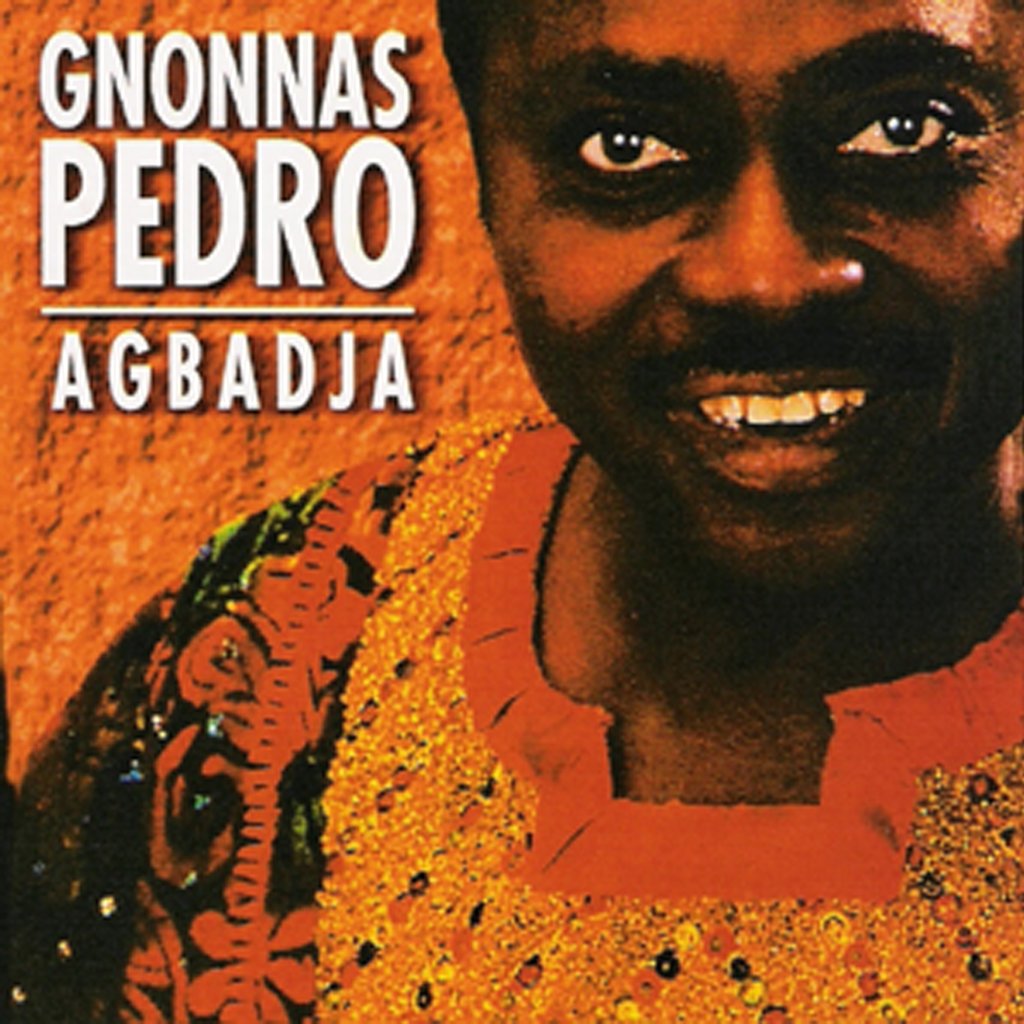
| Agbadja | 1999 | Culmination of his musical signature, modernized agbadja |
Legacy
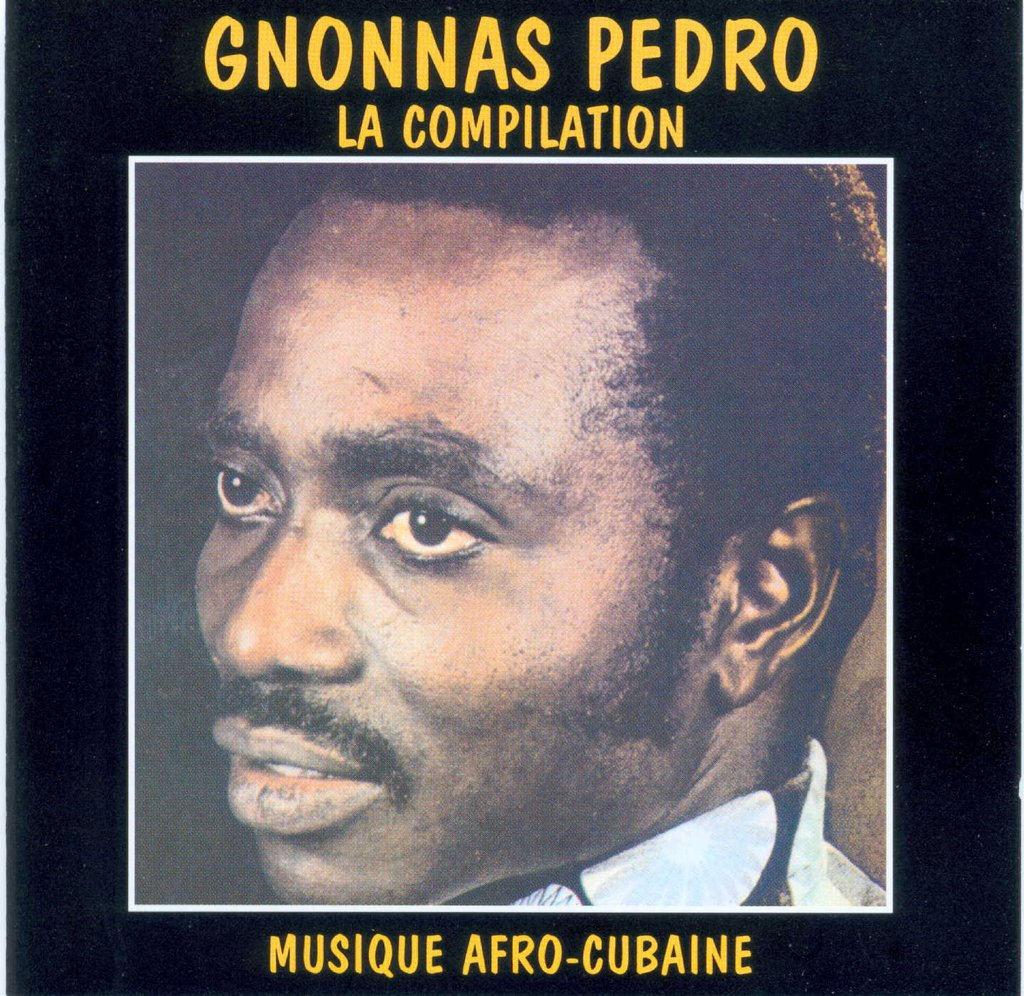
Gnonnas Pedro belongs to that category of artists who, with each generation, reinvent their sound without renouncing its roots. From the Afro-Cuban of the Panchos to modern agbadja, from Nigerian highlife to Africando salsa, his journey is a lesson in openness and curiosity. His name remains inscribed in Beninese collective memory, and his music continues to travel — covered, compiled, rediscovered — long after the passing of the one affectionately nicknamed “King of Agbadja Rhythm.”
Sources and references
-
« Gnonnas Pedro, “King of modern agbadja” and distant musical territories », RFI Musique, https://www.rfi.fr/fr/musique/20250224-gnonnas-pedro-roi-de-l-agbadja-moderne-et-de-territoires-musicaux-%C3%A9loign%C3%A9s, accessed October 23, 2026.
-
« Gnonnas Pedro », Wikipedia (French version), https://fr.wikipedia.org/wiki/Gnonnas_Pedro, accessed October 23, 2026.
-
« Gnonnas Pedro », Wikipedia (English version), https://en.wikipedia.org/wiki/Gnonnas_Pedro, accessed October 23, 2026.
-
« Gnonnas Pedro biography », Last.fm, https://last.fm/music/Gnonnas+Pedro/+wiki, accessed 23 October 2026.
-
« Artist Profiles: Gnonnas Pedro », World Music Central, https://worldmusiccentral.org/artist-profiles-gnonnas-pedro, accessed 23 October 2026.
-
« African Artist Gnonnas Pedro Dies Aged 61 », Billboard, https://www.billboard.com/music/music-news/african-artist-gnonnas-pedro-dies-aged-61-1430714/, accessed 23 October 2026.
-
« Gnonnas Pedro discography », Apple Music, https://music.apple.com/us/artist/gnonnas-pedro/125648865, accessed 23 October 2026.