Biography
Guy Lobé: the voice that made the makossa dance
On March 16, 2015, the General Hospital in Yaoundé recorded the death of a man who, since the Akwa neighborhood in Douala, had learned to make all of Cameroon vibrate. Guy Lobé passes away at fifty-six, leaving behind a career that turned the makossa — a Cameroonian pop style born in Douala, blending duala rhythms, Afro-Cuban and soukous — into a universal genre.1
In brief
| Full name | Guy Serge Lobé |
| Birth | January 27, 1959, Douala-Akwa (Cameroon) |
| Death | March 16, 2015, Yaoundé (Cameroon) |
| Field | Makossa |
| Instruments | Vocals, guitar, bass, piano |
| Emblematic works | “Mon amie à moi”, “Solitude”, “Mourir d’aimer” |
| Honors | Medal of Knight of the National Order of Merit (posthumous, 2015) |
Key dates
| Year | Event |
|---|---|
| 1959 | Birth in the Akwa neighborhood, Douala; eldest of seven children |
| 1984 | First album “Dégager”, produced by Aladji Touré |
| 1986 | “Mon amie à moi” becomes a hit in Cameroon and in the diaspora |
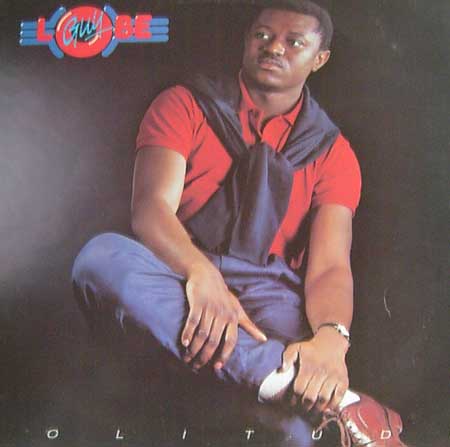
| 1987 | Release of “Solitude” |
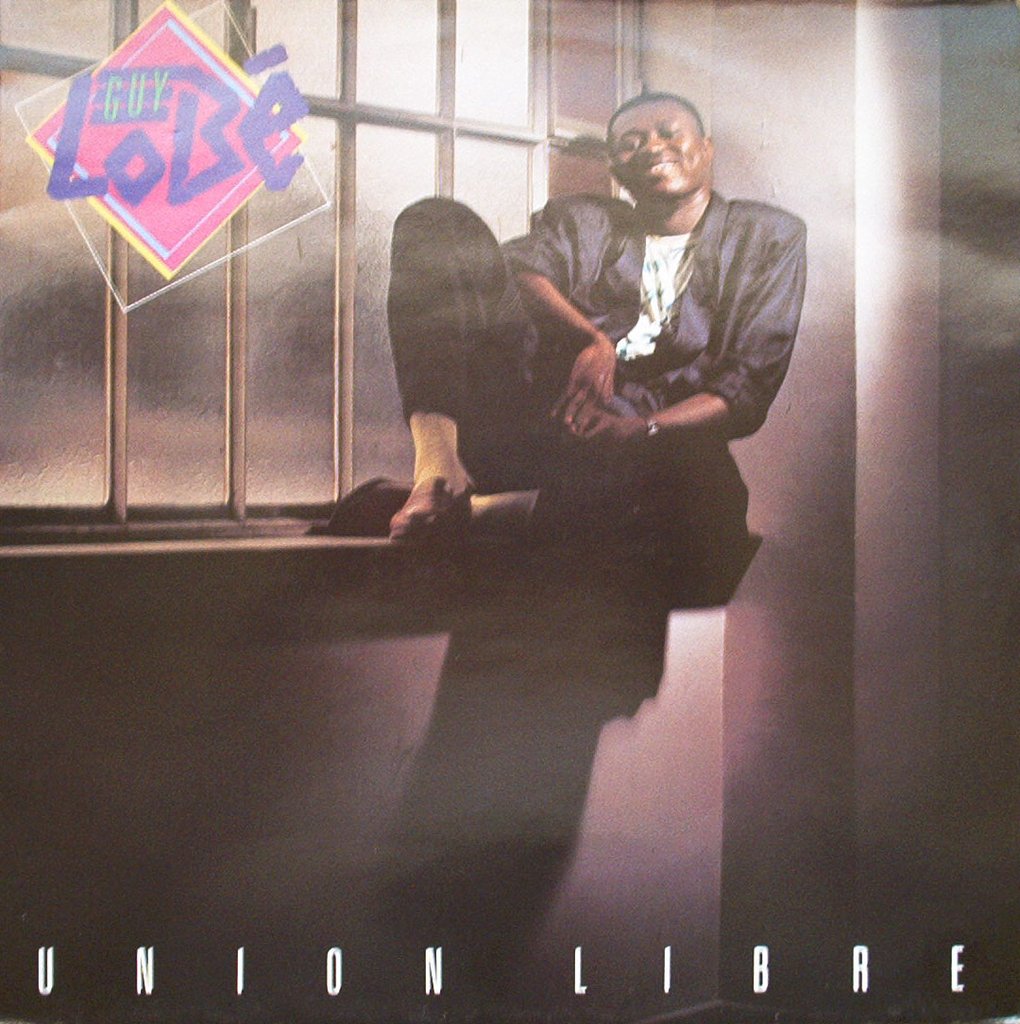
| 1988 | “Union libre” |
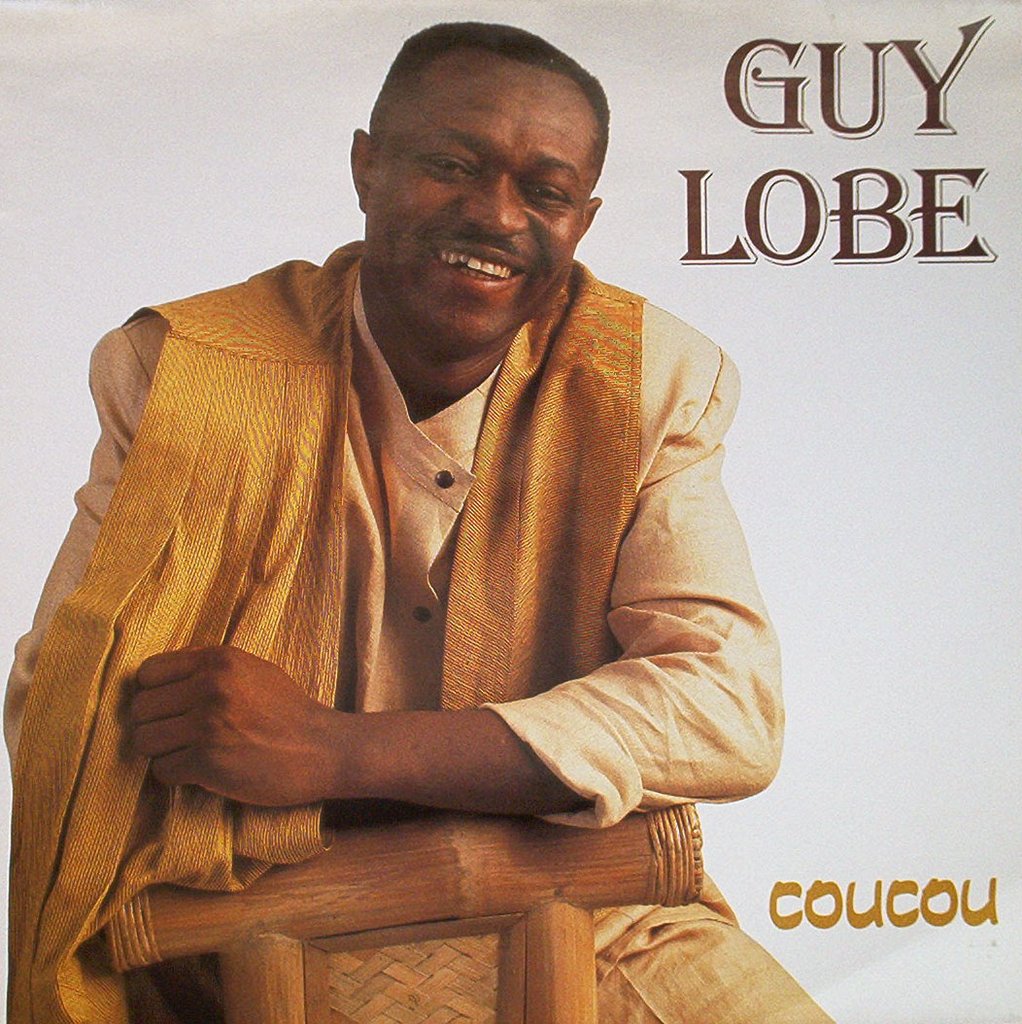
| 1989 | “Coucou” |
| 1990 | “Malinga” |
| 1994 | “Ambiances”; period of international tours |
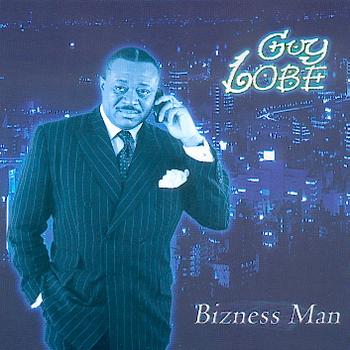
| 2001 | “Bizness Man” |
| 2002 | “Moundj’am”; last major album before the turn |
| 2010 | Stroke; rumors of death followed by recovery |
| 2015 | Death at the General Hospital in Yaoundé, on March 16 |
From Douala to continental success
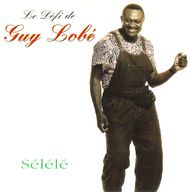
Guy Lobé grew up on Rue Kotto in Deïdo, raised by his grandparents. He is the eldest of a family of seven children. A high school student at Collège Integ, he earns his baccalaureate and joins an insurance company. But music haunts him: he participates in school concerts, then begins playing in Douala cabarets, including the Aris Bar, one of the mythical venues of the eighties. He learns guitar, bass, and piano — a mastery that will make him a complete arranger. In 1984, legendary bassist Aladji Touré produces him. “Dégager” is a first album that pleases. But it is in 1986 that everything changes: “Mon amie à moi” becomes a cultural phenomenon, a hymn that crosses the borders of Cameroon and resonates in the African diaspora in Paris. Albums follow at a frantic pace — “Solitude” (1987), “Union libre” (1988), “Coucou” (1989), “Malinga” (1990) — some intervals between two records not exceeding a few months. Guy Lobé climbs to the top of the hit parades and wins awards in Côte d’Ivoire, Benin, Canada, and the Caribbean. His clear voice, his polished lyrics, and his mastery of three languages — duala, French, and pidgin — make him a universal artist. His peers recognize his talent as a lyricist: he writes for Charlotte Mbango, Epée & Koum, Sissi Dipoko, Joëlle Esso, and Betuel Enola. In 2010, Guy Lobé suffers a stroke. Rumors of his death circulate massively, but he recovers. Two years later, he marries in Paris and begins work on a world music album. The makossa demanded too much strength; he wanted to change registers.2
Final years and legacy
On March 16, 2015, exactly one year after the passing of Lapiro de Mbanga, Guy Lobé passes away at the General Hospital in Yaoundé. His colleague artists — Epée & Koum, Nkotti François, Sam Mbendè — pay tribute to a man they describe as a great artist, an exceptional arranger. His influence survives through the artists he trained: Papillon, Sergeo Polo, Nguea La Route. He leaves behind a work that sums up to a single figure — fifteen albums in twenty years, an unprecedented sustained rhythm.3
Legacy
His music continues to resonate in clubs in Douala and Yaoundé, where DJs still mix his tracks from the eighties. Young Cameroonian artists claim his style, particularly in the new wave of contemporary makossa emerging since the 2010s.4
Major works
| Work | Year | Why it is essential |
|---|---|---|
| “Mon amie à moi” | 1986 | The flagship title that makes Guy Lobé a star in Africa and in the diaspora |
| “Solitude” | 1987 | Establishes his maturity with “Mourir d’aimer” and “Aye Mba” |
| “Union libre” | 1988 | Exceptional formation of musicians, Makossa at its peak |
| “Moundj’am” | 2002 | Last major album before the world music turn |
Sources and references
-
Frank Bessem, Musiques d’Afrique, musiques-afrique.net/cameroon/art-guy-lobe.html ↩︎
-
Discogs, Guy Lobé, discogs.com/artist/1429960-Guy-Lobé ↩︎
-
Afroriginal, Guy Lobe 1965–2015, afroriginal.blogspot.com/2023/03/guy-lobe-1965-2015.html ↩︎
-
Camerounweb, Guy Lobe as I knew him, tiptopstars.com, March 20, 2015 ↩︎