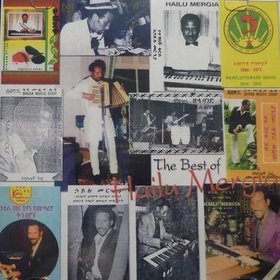
Biography
Hailu Mergia
Since his taxi in Washington, Hailu Mergia grabs a portable keyboard from the trunk between two rides, sets up on a parking lot and lets melodies resonate that span decades1. At 78, the former keyboardist of the Walias Band is living a second life on international stages.
In Brief
| Full Name | Hailu Mergia |
| Birth | circa 1946, Debre Birhan, Shewa, Ethiopia |
| Domain | Keyboard, accordion, composition |
| Genre | Ethio-jazz, funk, jazz-funk |
| Emblematic Group | Walias Band |
| Major Works | Tezeta (1975), Tche Belew (1977), Lala Belu (2018) |
Key Dates
| Year | Event |
|---|---|
| 1946 | Birth in Debre Birhan, Choa region |
| 1956 | Moves to Addis Ababa at age 10 |
| 1960 | Start of professional practice at age 14 |
| 1965 | Formation of the group at Zula Club, predecessor to the Walias Band |
| 1973 | Resident band at the Hilton Hotel in Addis Ababa |
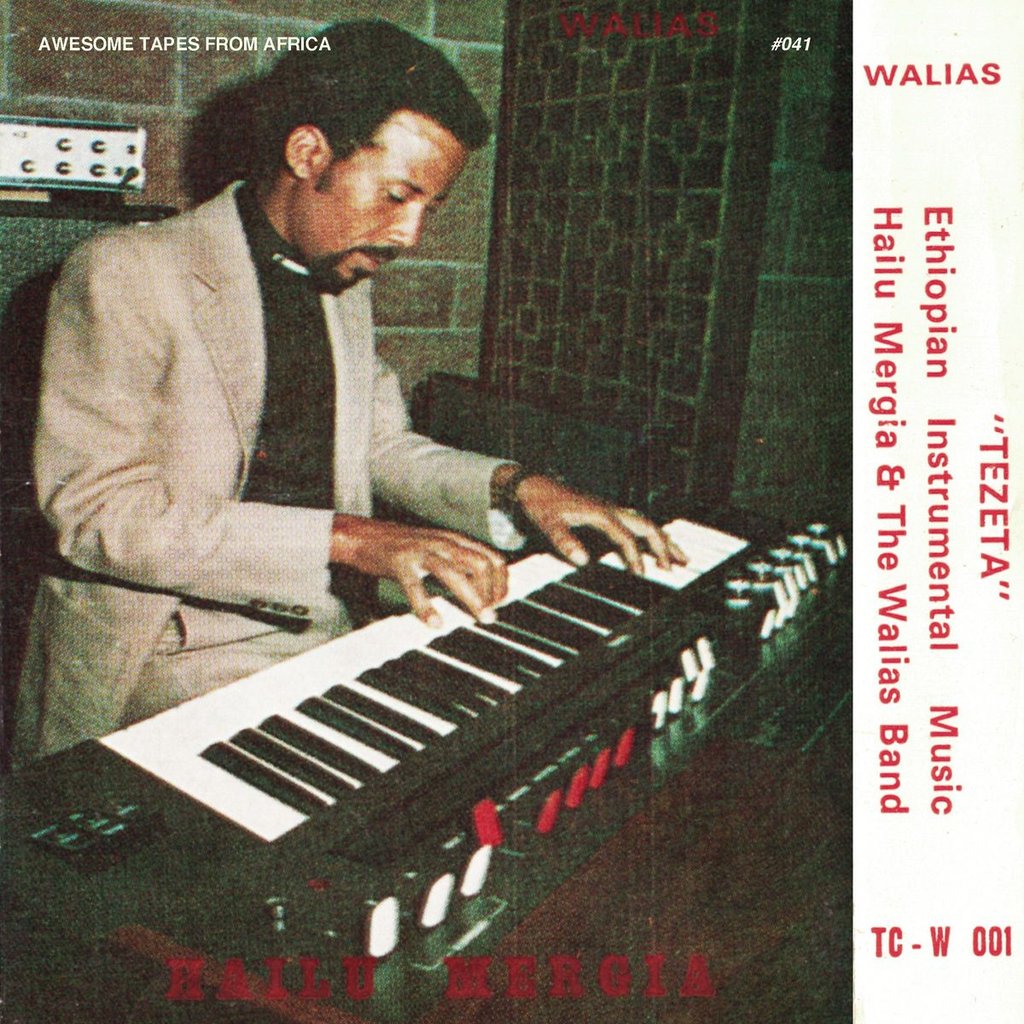
| 1975 | Release of Tezeta with the Walias Band |
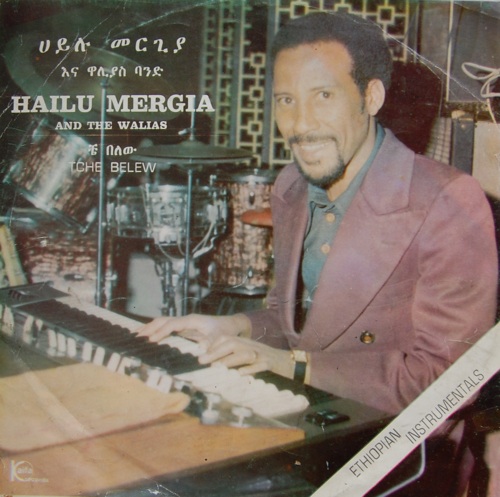
| 1977 | Release of Tche Belew, cult instrumental album |
| 1981 | Immigrates to Washington DC after the American tour |
| 1985 | Records Hailu Mergia & His Classical Instrument as a solo artist |
| 1998 | Becomes a taxi driver above Dulles |
| 2013 | Rediscovered by Awesome Tapes From Africa |
| 2018 | Lala Belu, first unreleased album in 33 years |
| 2020 | Yene Mircha, complete trio album |
From Zula Club to Hilton, from Taxi to International Stage
Hailu grew up surrounded by traditional Amhara melodies2. At 14, he left school to join the army’s musical service, where he learned to read and write music. He became a freelance musician in Addis Ababa nightclubs, playing on borrowed instruments. It was at the Zula Club that he met the members who would form the Walias Band, named after a raptor endemic to Ethiopian mountains.
Their ambition was simple: to own their own instruments. Each put two dollars a night into a collective pot — an Ethiopian tradition called ekud — until they bought equipment that belonged to them. “We were an egalitarian group,” Hailu recalls. “Everyone was paid the same, everyone took turns as leader.”
Their talent brought them to the Hilton Intercontinental in Addis Ababa3. From 9 PM to 10 PM, they played dinner music for diplomats and tourists — Stranger in the Night, New York, New York, Japanese and Arabic songs. After 11 PM, the room transformed: the audience arrived to dance, and the Walias Band plunged into funk, soul, and American jazz. “I changed the rhythms; people recognized the melody but with a different style,” he explains.
Production remained controlled by the Derg regime4. To circumvent censorship, Hailu composed mostly instrumentals. “When we sing, you must support the government, and if you don’t, you have problems.”
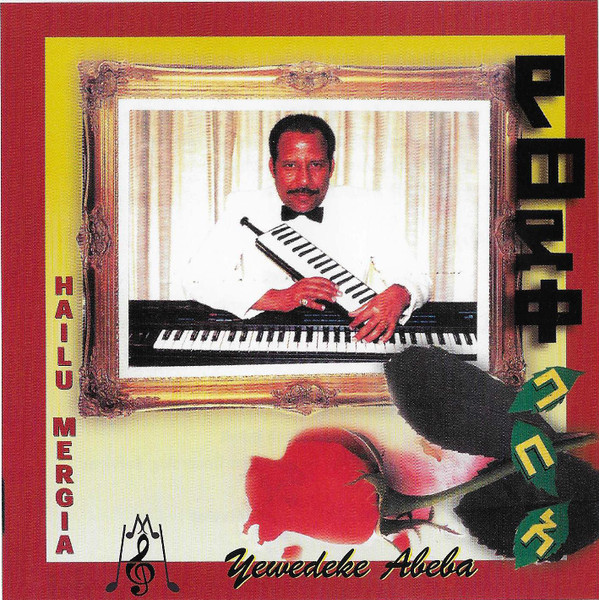
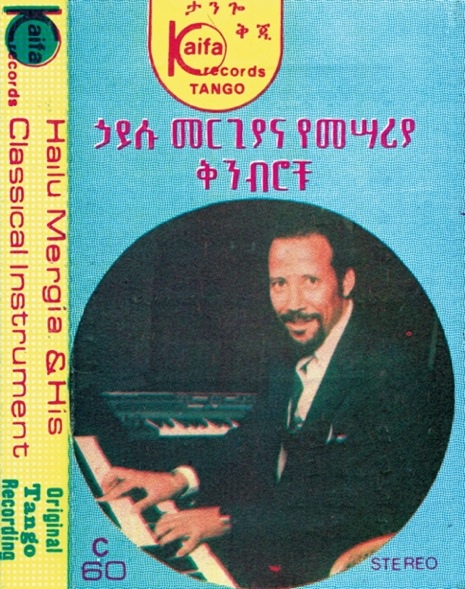
In 1981, the Walias Band went to the United States for a tour. The group dispersed: some returned to Ethiopia, others stayed. Hailu chose Washington DC. He recorded Hailu Mergia & His Classical Instrument in 1985, an album where he plays alone — Rhodes piano, accordion and Moog answering each other. Six years later, he stopped performing publicly, opened a restaurant, and then, in 1998, bought his first taxi. “I wanted the freedom of a taxi driver. With the taxi, I had my own schedule”5. Between rides, he took his Yamaha keyboard out of the trunk: “When I compose, I record it with my phone, whistle, and then put it on the keyboard.”
The musical destiny shifted in 2013. Brian Shimkovitz, founder of Awesome Tapes From Africa, discovered the original cassette of the 1985 album in a box in Addis Ababa and reissued it. The world discovered Hailu Mergia. He formed a trio with bassist Mike Majkowski and drummer Tony Buck, and published Lala Belu (“Let’s Say Lala”) in 2018. The album reached the Top 20 of the Billboard Jazz chart. In 2020, Yene Mircha confirmed his rebirth.
His major works include Tezeta (1975, first album of the Walias Band), Tche Belew (1977, cult instrumental album blending organ and pentatonic scales), Hailu Mergia & His Classical Instrument (1985, hypnotic solo accordion-Rhodes-Moog), Lala Belu (2018, comeback in top 20 Billboard Jazz) and Yene Mircha (2020, trio album).
Legacy
Hailu Mergia embodies one of the most extraordinary stories in African music6. His music, rediscovered by the magic of forgotten cassettes, has inspired generations — including Yo-Yo Ma, who took up Muziqawi Silt. The Walias Band paved the way for an ethio-jazz scene documented by Francis Falceto’s series Ethiopiques.
Sources and References
-
The Guardian, Hailu Mergia: the Ethiopian jazz legend who jams in his taxi, March 1, 2018. ↩︎
-
Afropop Worldwide, The Return of Hailu Mergia, by Ron Deutsch, accessed October 31, 2026. ↩︎
-
PBS NewsHour, This former Ethiopian music star is getting a late-life encore in the U.S., March 1, 2018. ↩︎
-
Washington Post, Keyboardist Hailu Mergia left behind his days as a superstar in Ethiopia, June 5, 2019. ↩︎
-
AllMusic, Hailu Mergia — Biography, Discography, Albums & Expert Reviews, by Timothy Monger, accessed October 31, 2026. ↩︎
-
Wikipedia, Hailu Mergia, accessed October 31, 2026. ↩︎