Biography
Las Hijas del Sol: The Bubi Voice That Conquered Spain
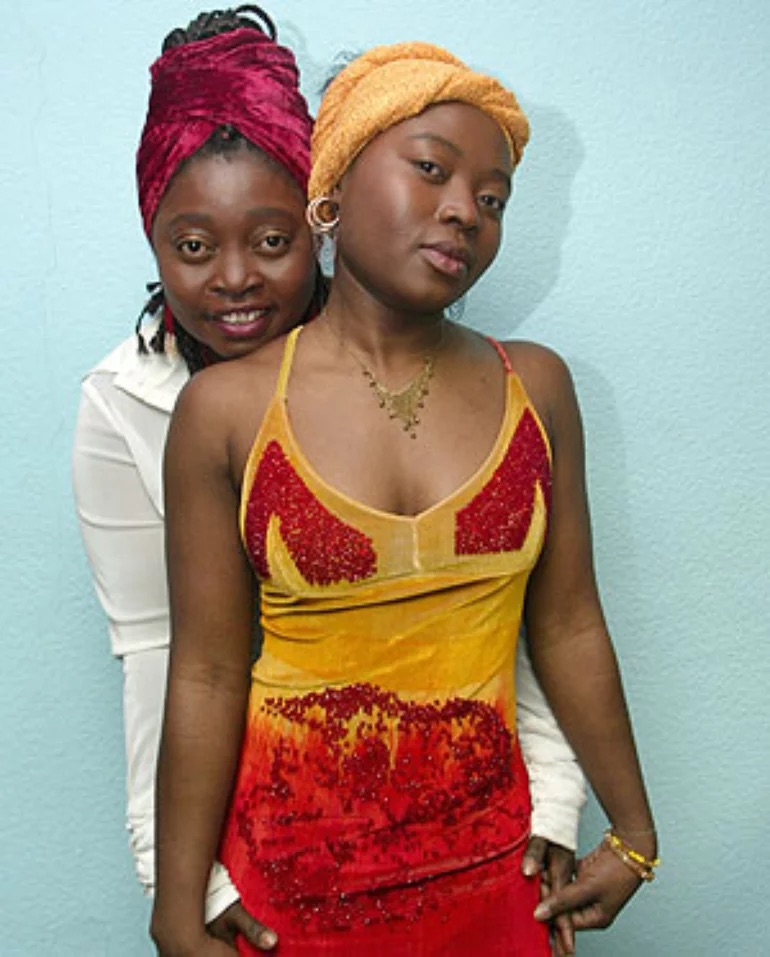
In 1992, Piruchi Apo Botupá and his niece Paloma Loribo Apo — known by the stage name Paloma del Sol — won two awards at the Hispana Song Festival of the Centro Cultural Hispano Guineano in Malabo, Bioko Island in Equatorial Guinea. This victory opened the door to Europe: Expo Seville and the OTI Festival. The duo settled in Madrid in 1994, met Manu Chao who became their mentor, and signed with the Nubenegra label. From Bubi traditions to Spanish charts, their journey has become a reference for the entire Equatoguinean music scene.
In Brief
| Duo Name | Las Hijas del Sol (« The Daughters of the Sun ») |
| Member 1 | Piruchi Apo Botupá |
| Member 2 | Paloma Loribo Apo (Paloma del Sol) |
| Origin | Bioko Island, Equatorial Guinea |
| Ethnicity | Bubi |
| Genres | Afropop, Jazz, Latin Pop |
| Active Period | 1992 – 2006 |
Key Dates
| Year | Event |
|---|---|
| 1992 | Victory at the Hispana Song Festival (Malabo); Expo Seville and OTI Festival |
| 1994 | Move to Madrid; meeting with Manu Chao |
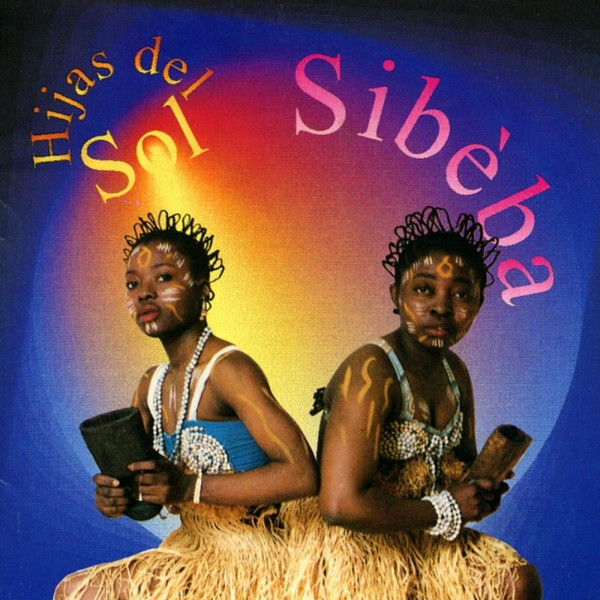
| 1995 | Release of first album Sibèba (Nubenegra); awarded by fRoots |
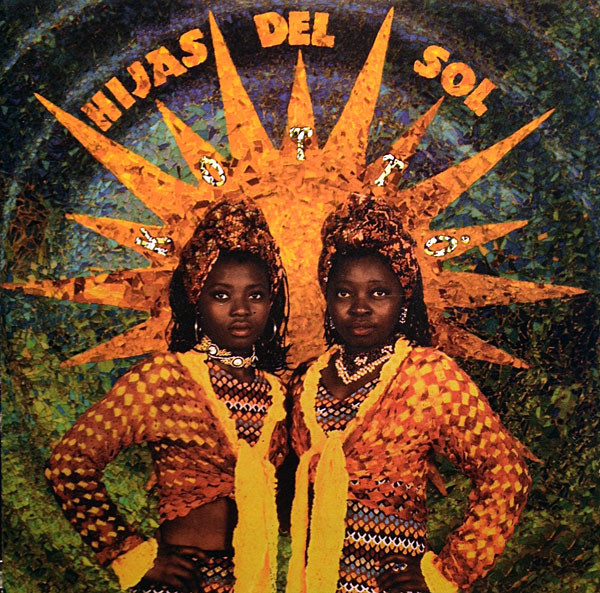
| 1997 | Kottó, turning towards more hybrid sounds |
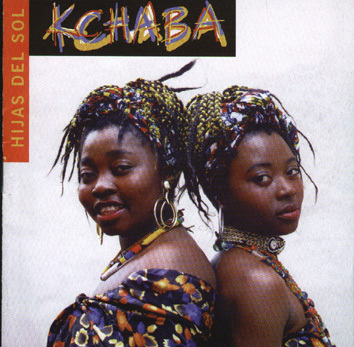
| 1999 | Kchaba, tribute to Fela Kuti’s afrobeat |
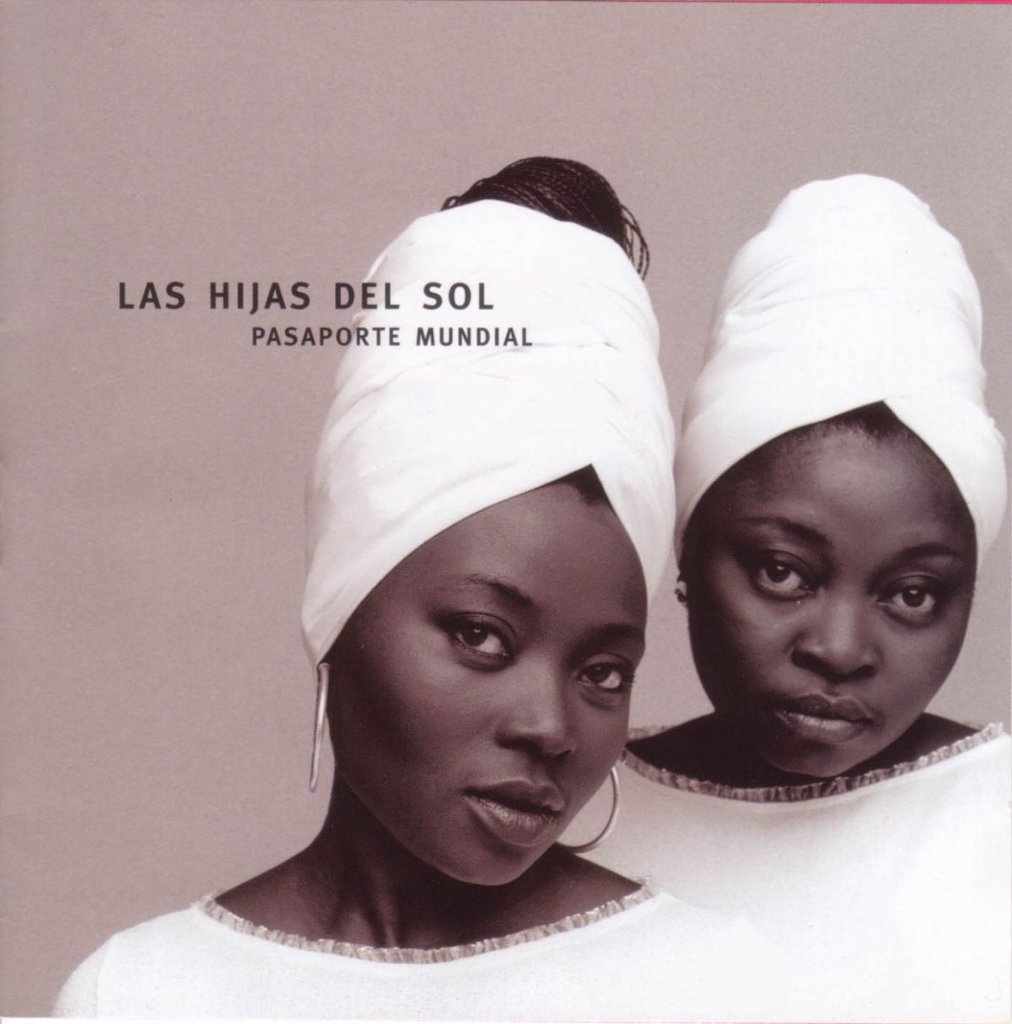
| 2001 | Pasaporte Mundial; “Ay, Corazón” #1 on Los 40 Principales |
| 2003 | Colores del Amor, collaboration with Chico Ortega and Carlos Tato |
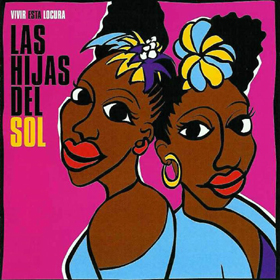
| 2004 | Vivir esta Locura, duo’s last album |
| 2006 | Duo dissolution |
Musical Journey
Piruchi and Paloma belong to the Bubi people, Equatorial Guinea’s second-largest ethnic group (6.5% of the population), indigenous to Bioko Island. Music was deeply rooted in their lives early on: traditional Bubi songs, rhythms, and dances shaped their entire culture. In 1992, their victory at the Centro Cultural Hispano Guineano Festival in Malabo — award for best original song and best choreography — allowed their music to be heard beyond the island. That same year, Expo Seville and the OTI Festival opened the door to Spain.
In Madrid, the “world music” scene was booming. Las Hijas del Sol performed in Madrid venues — Café del Mercado, among others — where they introduced their Bubi culture. It was there that they fortuitously met Manuel Domínguez, head of the independent label Nubenegra, who signed them for three albums. Sibèba (1995) resulted, a record of rare authenticity: “sibèba” means in Bubi “what everyone fights for” — a refuge, salvation. The record was praised by fRoots (#1 on the 1995 chart) and broadcast in Europe, the United States, Canada, and Japan. Its lyrics speak of Bubi traditions, Catholic religion, and the difficulties faced by immigrants in Spain.
With Kottó (1997) and Kchaba (1999), the duo broke free from “world music” to incorporate funk and rock. Kchaba is a tribute to the afrobeat of legendary Fela Kuti, creator of the genre in Nigeria. Piruchi and Paloma say they admire his “fighting spirit.” The record won the Villa de Madrid prize for best popular music album in 2000.
The decisive turning point came with the move to Zomba Records, the label of Britney Spears and Backstreet Boys. Piruchi would later explain: “The change wasn’t bad at all: it allowed us to sell much more, be more popular, and take our language a bit further from home.” Pasaporte Mundial (2001), recorded under Zomba/Sony, was their first album entirely in Spanish and propelled “Ay, Corazón” to the top of Los 40 Principales. The duo embarked on a vast tour across Spain. Colores del Amor (2003) and Vivir esta Locura (2004) continued this path, blending African rhythms, funk, and Latin pop.
Major Works
| Work | Year | Why It’s Essential |
|---|---|---|
| Sibèba | 1995 | First album, awarded by fRoots: authentic Bubi singing and immigrant realities |
| Kchaba | 1999 | Tribute to Fela Kuti; Villa de Madrid best album prize 2000 |
| Pasaporte Mundial | 2001 | Commercial breakthrough; #1 on Los 40 Principales |
Legacy
Las Hijas del Sol remain the most popular and best-selling Equatoguinean group in history — a record never equaled. Their journey, from Bioko Island to the top of Spanish charts, has become a reference for young musicians in their country. After dissolution, Piruchi founded a recording studio and promoted the local scene in Equatorial Guinea. Paloma del Sol explored painting, wrote two novels — Pasos desconocidos (2012) and Momentos fugaces (2015) — and released two solo albums, Goza de la Vida (2010) and Atrévete a ser feliz (2016). Their legacy lies in this ability to cross worlds without ever betraying their roots.
Sources and References
- Pablo Infante-Amate, “Producing Culture from Afar: Equatoguinean Musicians in Spain”, Ethnomusicology Review, UCLA, accessed October 24, 2026.
- “Las Hijas del Sol”, Wikipedia, https://en.wikipedia.org/wiki/Hijas_del_Sol, accessed October 24, 2026.
- “Paloma del Sol”, Wikipedia, https://en.wikipedia.org/wiki/Paloma_del_Sol, accessed October 24, 2026.
- “Las Hijas Del Sol”, Discogs, https://www.discogs.com/artist/922535, accessed October 24, 2026.
- “Las Hijas Del Sol hacen un álbum en hommage à Fela Kuti et le « afrobeat »”, El País, November 5, 1999, accessed October 24, 2026.
- “Paloma del Sol”, Casafrica, https://www.casafrica.es/es/persona/paloma-del-sol, accessed October 24, 2026.
- “Las Hijas del Sol”, Deezer, https://deezer.com/mx/artist/71294, accessed October 24, 2026.
- RTVE, “España.com en REE — Paloma del Sol”, https://www.rtve.es/play/audios/espanacom-en-ree/espanacom-ree-paloma-del-sol/3617889/, accessed October 24, 2026.