Biography
Jean-Philippe Marthély: the soul of zouk on stage
In February 1982, during Kassav’s first European tour, a man took the microphone in Paris.
He was not the only singer in the group, but he transformed every show into a collective ritual.
Asipipi screams out, and the entire hall repeats the cry like a password.
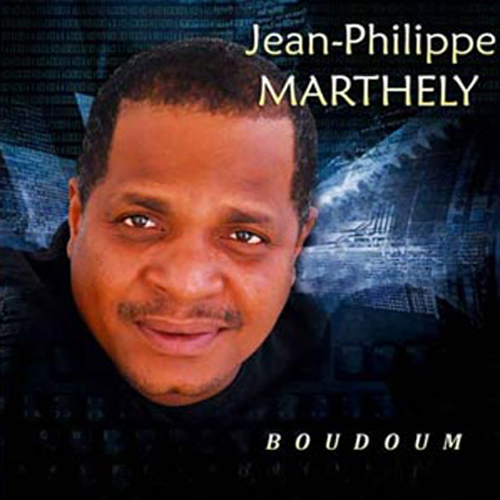
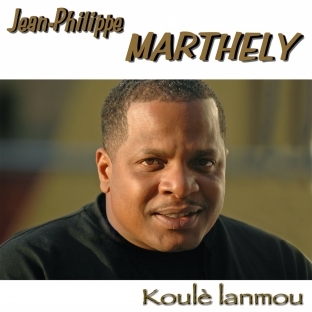
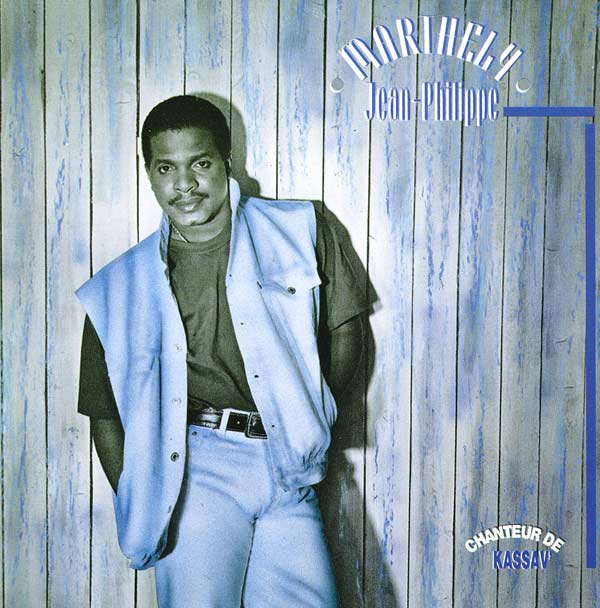
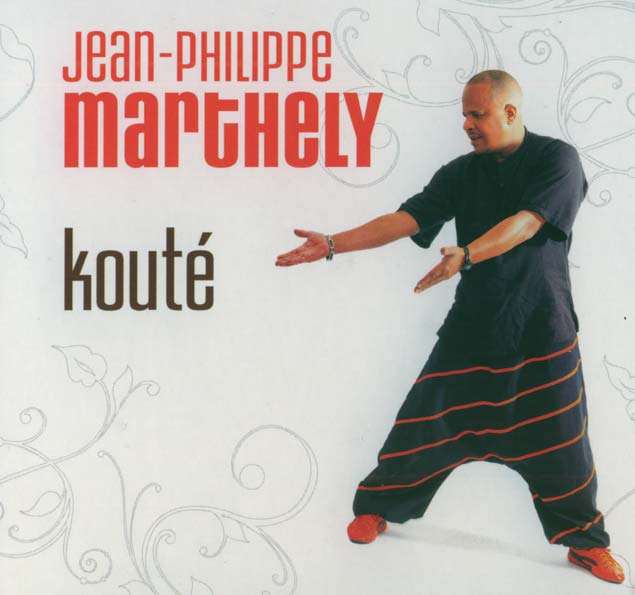
Jean-Philippe Marthély — Pipo for everyone — has been bringing zouk to life in public for over forty years. He is also the discreet inventor of the style known as zouk love.
In brief
| Full name | Jean-Philippe Marthély |
| Nickname | Pipo |
| Birth | September 11, 1958, Le Robert, Martinique |
| Nationality | French |
| Field | Zouk singer, composer |
| Signature works | Bèl Kréati, Ti Cok, Si sé taw |
| Honors | Knight of the Order of Arts and Letters (2020) |
Key dates
| Year | Event |
|---|---|
| 1958 | Birth in Le Robert, Martinique (Vert-Pré neighborhood) |
| 1978 | Professional debut with Simon Jurad’s group Opération 78 in Paris |
| 1981 | Joined Kassav’ on the third album, Kalkilé |
| 1983 | Release of solo album Ti Cok, produced by Georges Debs |
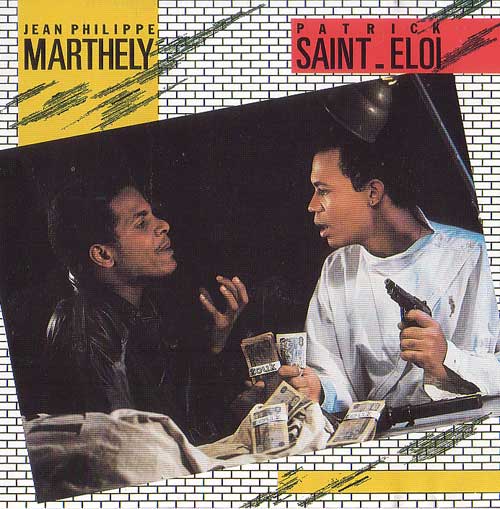
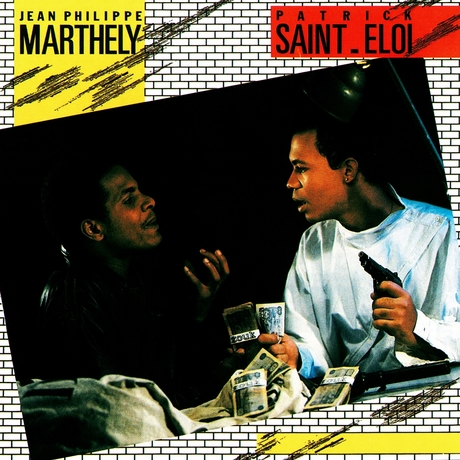
| 1985 | Bèl Kréati, invention of the zouk love style; album Bizness as a duo with Patrick Saint-Éloi |
| 1993 | Si sé taw, co-produced with Frédéric Caracas; Martinique SACEM award for best album |
| 2015 | Compilation Pipo’l (Wagram): thirty years of solo career and five unreleased tracks |
| 2020 | Stroke on February 28; appointed Knight of Arts and Letters in summer |
| 2023 | Return with the single Azipipo; inauguration of Place Jean-Philippe Marthély in Vert-Pré |
An Antillean stage master and inventor of zouk love
Jean-Philippe Marthély grew up in the Vert-Pré neighborhood of Le Robert, Martinique. Eldest son of a large but modest family where music was as natural as the air we breathe, he inherited an informal yet profound training: his father played accordion and transverse flute during celebrations, while his mother sang in the village choir. He grew up between melody and harmony. His teenage idol was not an international artist but Marius Priam, singer of the group La Perfecta, a legend of 1960s Martinique. With his neighborhood friends, Jean-Philippe spent afternoons imitating La Perfecta’s gestures: this was his stage school before its time.
Between 1976 and 1978, he began performing at local dances with small Martinican formations. This was the brutal school of Caribbean stagecraft: a courtyard or street, an audience there to have fun and offering no indulgence to anyone who failed to make them dance. This school forged in Pipo an irreplaceable ability: reading a room’s mood and adapting to it in real time, without a safety net. In 1978, he turned professional with Simon Jurad’s group Opération 78. Paris entered his trajectory, through Antillean soirées and the Caribbean diaspora dancing Saturday nights to forget the gray week of the metropolis. He also played with La Mafia by Jean-Michel Cabrimol. Each formation was another page in his musical notebook.
In 1981, Pierre-Édouard Décimus spotted him and Kassav’ changed its course. Pipo had not come alone: he had arrived to back up his friend Jean-Paul Pognon on vocals. Pierre-Édouard was struck by Marthély’s intensity and signed both friends. With the arrival of two Martinicans in a group founded by three Guadeloupeans, Kassav’ became a truly Antillean project. Marthély sang on the third album, Kalkilé (1982), and participated in the group’s first tour in August 1982. From then on, he became the stage master: with energy and humor, he invented slogans taken up in chorus. The cry Asipipi is the most famous, and his stage gestures were imitated by countless artists. He possesses this rare ability to transform a hall into a family circle where everyone knows the rules of the game.
Behind this party-loving persona hides a rather shy man, inclined toward wisdom. It was he who composed Bèl Kréati in 1985, and it is this song that constitutes the true founding act of zouk love—a slowed-tempo, romantic zouk. Patrick Saint-Éloi would later push this style to its paroxysm, but the first stone was laid by Marthély. The invention was not premeditated: Pipo simply followed his intuition, sensing that zouk could also carry tenderness.
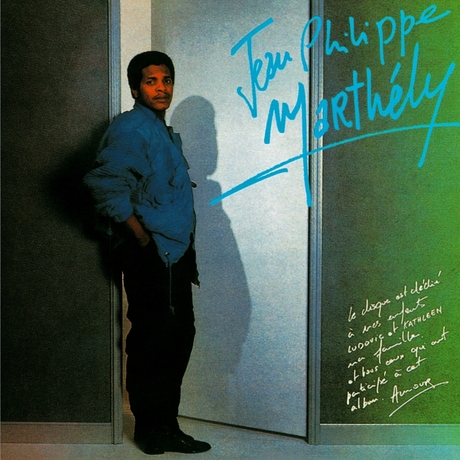
His solo albums—Ti Cok (1983), Bèl Kréati (1985), the duo Bizness with Patrick Saint-Éloi, Black Jack (1991) with Ronald Rubinel—anchored his artistic personality at the heart of the Kassav’ repertoire. In 2015, the compilation Pipo’l (Wagram) synthesized thirty years of solo success accompanied by five unreleased tracks, including the hit Coco bo nini. He also produced albums for other artists—Mario Canonge, Ronald Rubinel’s color series—and supported his younger brother Thierry Marthély, who followed in his footsteps.
On February 28, 2020, Jean-Philippe Marthély suffered a stroke. For nearly three years, silence. No live performances, no official announcements. On February 14, 2023, Valentine’s Day, Pipo returned with the single Azipipo. A gentle track where he thanks his fans and God. This resilience is all the more remarkable given that tributes came from every side: Place des Ananas in Vert-Pré became Place Jean-Philippe Marthély, inaugurated on the day of his 65th birthday; he was made Knight of the Order of Arts and Letters by the Ministry of Culture in summer 2020. In 2025, he released the single Nou, confirming that his creative pen never stopped.
Major Works
| Work | Year | Why It’s Essential |
|---|---|---|
| Ti Cok (album) | 1983 | First solo album produced by Georges Debs; lays the foundations of the Pipo style |
| Bèl Kréati (album) | 1985 | Invention of zouk love; the title track is the first dance romance in zouk |
| Bizness (with Patrick Saint-Éloi) | 1985 | Duo of ambianceurs, a legendary live show by Kassav' |
| Si sé taw (album) | 1993 | Co-produced with Frédéric Caracas; winner of the SACEM Martinique award for best album |
| Pipo’l (compilation) | 2015 | Synthesis of thirty years of solo career with five new tracks |
Legacy and Influence
Jean-Philippe Marthély is today recognized as one of the pillars of zouk. If Jacob Desvarieux is the melodic voice and Georges Décimus that of gwoka, Pipo is its theatrical soul: the one who makes zouk accessible to all audiences, from the Parisian club-goer to the dancer at Fort-de-France festivities. His invention of zouk love paved the way for Patrick Saint-Éloi, Edith Lefel and Jocelyne Béroard. The titles to which he owes so much now figure in the repertoire of all Caribbean concerts. His return after his stroke in 2023 remains a landmark moment in the history of Caribbean music: an artist who came back through sheer obstinacy to love his music, not through media prowess.
Sources and References
- « Jean-Philippe Marthély », Wikipédia, https://fr.wikipedia.org/wiki/Jean-Philippe_Marth%C3%A9ly, accessed November 4, 2026.
- « Jean-Philippe Marthély: biography of the guardian of Martinican zouk », Inaya Zouk, https://www.inaya-zouk.com/jean-philippe-marthely-biographie-kassav/, accessed November 4, 2026.
- « Jean-Philippe Marthély récapitule », RFI Musique, by Bertrand Dicale, https://musique.rfi.fr/actu-musique/musique-antillaise/album/20150304-jean-philippe-marthely-pipol.html, accessed November 4, 2026.
- « Nomination dans l’ordre des Arts et des Lettres – été 2020 », Ministère de la Culture, https://www.culture.gouv.fr/nous-connaitre/organisation-du-ministere/conseil-de-l-ordre-des-arts-et-des-lettres/arretes-de-nominations-dans-l-ordre-des-arts-et-des-lettres/Nomination-dans-l-ordre-des-Arts-et-des-Lettres-ete-2020, accessed November 4, 2026.
- « Jean-Philippe Marthély », Kribbean, https://www.kribbean.com/en/artists/jean-philippe-marthely, accessed November 4, 2026.
- « Jean-Philippe Marthély », Deezer, https://www.deezer.com/fr/artist/57018, accessed November 4, 2026.