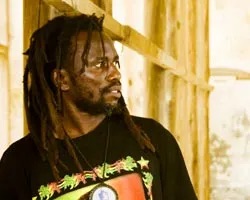
Biography
Jhikoman: the voice of reggae in East Africa
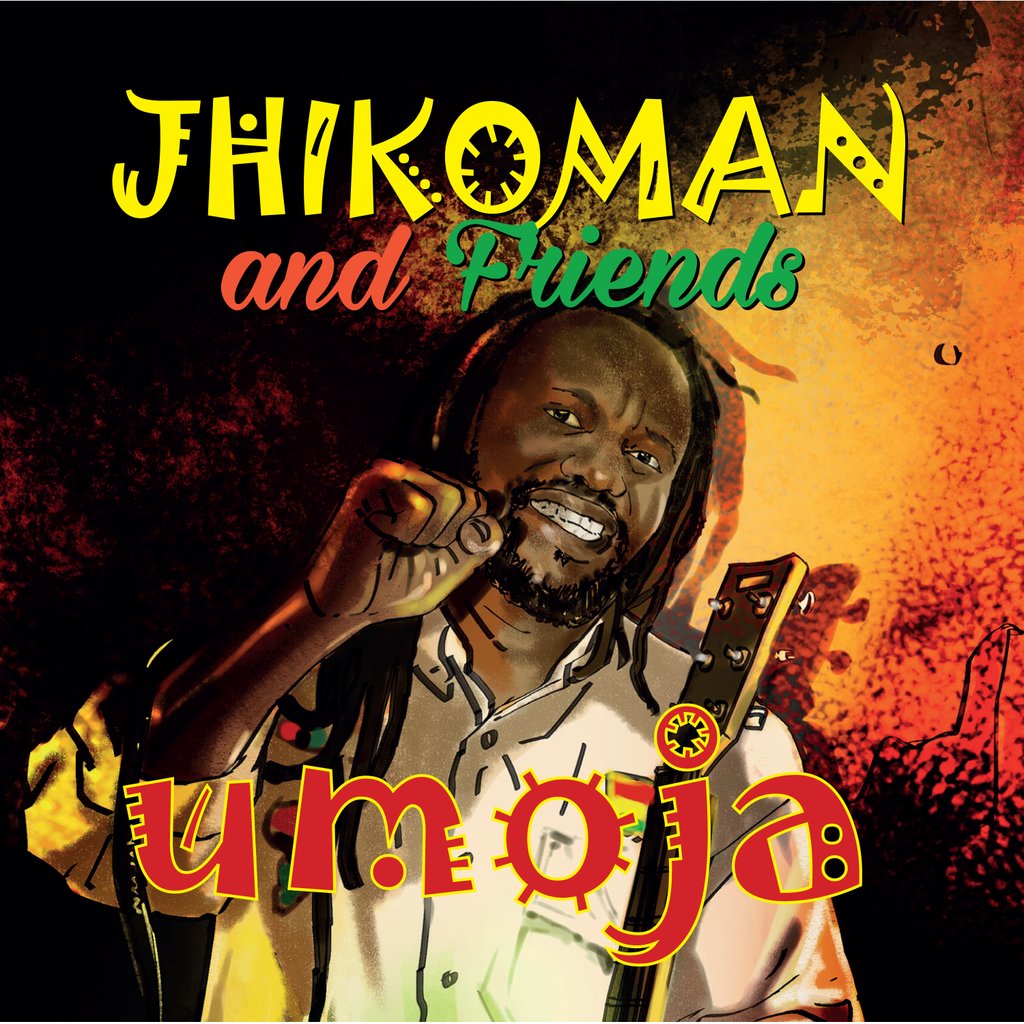
Bagamoyo, a small coastal town north of Dar es Salaam, where coral houses still bear the traces of 19th-century merchant caravans. It is here, among these walls heavy with history, that Jhikoman has been shaping for decades an acoustic reggae rooted in African soil yet turned toward the horizon. “Voice of the voiceless” — the voice of those who are not heard — as he defines himself on his website, the artist has never ceased to transform messages of peace, love, and social justice into melodies that cross borders1.
In brief
| Full name | Jhikolabwino Siza Manyika |
| Stage name | Jhikoman / Jhiko Manyika |
| Birth | 1972, Dar es Salaam, Tanzania |
| Genre | Reggae roots, Afro-acoustic, World: East Africa |
| Instruments | Vocals, guitar |
| Groups | Afrikabisa Band (since 2000) |
| Label | Afrikabisa Records |
| Honors | Peace Ambassador (Universal Peace Federation) |
Key dates
| Year | Event |
|---|---|
| 1972 | Birth in Dar es Salaam, third child of a family of nine |
| 1994 | Start of active music career |
| 2000 | Creation of Afrikabisa Band, where he is lead vocalist |
| 2005 | Release of album Chikondi |
| 2008 | Release of Tupendane; regional recognition |
| 2009 | Album Yapo co-produced by Finn Samuli Majamäki |
| 2012 | Vocal advisor at Bagamoyo Institute of Arts and TaSUBa |
| 2012 | Album Moyo Unadunda with Afrikabisa Band |
| 2013+ | International recognition by Universal Peace Federation |
Origins: an artist at the crossroads of arts
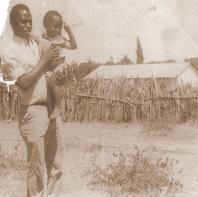
Jhikolabwino Siza Manyika was born in 1972 in Dar es Salaam, within a large family: he is the third of nine children, five boys and three girls2. In this noisy, lively household, music was surely never far away — a fertile ground for a future singer. Moreover, he did not limit himself solely to music. Like many African artists who draw their energy from a complete cultural soil, Jhikoman also cultivates painting, comics, sculpture, and agriculture. All these disciplines nourish his artistic vision as a total plastic artist, where music is merely one manifestation of a broader sensitivity3.
He chose to settle in Bagamoyo, an old Swahili city now classified as a UNESCO World Heritage site for its art museum and sculptural traditions. It is entirely natural: Bagamoyo means “to place the heart” in Swahili, a city where art and spirituality have answered each other for centuries. It is here that Jhikoman built his universe, at the crossroads of Jamaican reggae and East African coastal rhythms4.
Recognition: a reggae with roots
Jhikoman’s first major album, Chikondi, arrived in 2005 (sometimes dated 2007 according to sources). The title comes from the Nyasa language and means a divine, unconditional, and sacrificial love. The album was recorded at Green Dragon Studio in Oslo and Zamunda Studio in Dar es Salaam. It attracted a string of international artists: Baran M. from Kurdistan, Khalid Salih from Sudan, Uriel Seri from Côte d’Ivoire, Norwegian musicians, OnRebel G from Mexico, Carola Kinasha from Tanzania, Chai Jaba from the Congo, and Sister Yana from Brazil5. A map of the world in songs.
In 2008, Tupendane was released on Afrikabisa Records. Recorded at StudioRed in Helsinki, the album is entirely in Swahili and made the track “Micho Dread” known6. Then, in 2009, Yapo was co-produced by Finnish musician and producer Samuli “Power” Majamäki, recorded between Bagamoyo, the UduMood studio in Finland, and Alcalassa in Spain. These North-South collaborations perfectly illustrate Jhikoman’s project: to circulate African music worldwide without ever impoverishing it7.
Evolutions and commitment: music as a mission
Since 2000, Jhikoman has been the lead vocalist of Afrikabisa Band and directs his own label, Afrikabisa Records. In 2012, he joined as a vocal advisor at the Bagamoyo Institute of Arts and TaSUBa, training new generations8. He also made the conscious choice for a conscious reggae, carrying messages of peace and justice. In recognition of his commitment, the Universal Peace Federation named him Peace Ambassador, citing his devotion to universal values, interreligious cooperation, and international harmony9.
Jhikoman has toured major stages in Africa and Europe: the Oslo Mela, the Helsinki World Village, the Exeter Respect Festival in the UK, the ZIFF in Zanzibar, and Sauti za Busara10. His children — two daughters, Chimwemwe and Ntendele, and a son, Tayamika — also carry the name Manyika on stage, perpetuating the lineage.
Major works
| Work | Year | Why it is essential |
|---|---|---|
| Chikondi | 2005 | First flagship album, international collaboration on the notion of divine love |
| Tupendane | 2008 | First album in Swahili, made “Micho Dread” known |
| Yapo | 2009 | Finland-Tanzania co-production, his refined international sound |
| Moyo Unadunda | 2012 | Collaboration with Afrikabisa Band, artistic maturity |
Legacy
Jhikoman remains one of the most stable figures in Tanzanian reggae. While some artists shifted toward more commercial genres, he remained faithful to engaged, cosmopolitan, and rooted music11. His journey, from Dar es Salaam to Bagamoyo, from Africa to Europe, tells the story of an artist who never diluted his message. “Voice of the voiceless” — his motto — is not a slogan but a daily practice, translated into concerts, collaborations, and training. His legacy is that of an African reggae that did not wait for approval from London or Kingston to exist12.
Sources and references
-
Music In Africa, Busara Promotions, 2014, accessed on October 28, 2026 ↩︎
-
Wikipedia, Jhikoman, accessed on October 28, 2026 ↩︎
-
Jhikoman Bandcamp, accessed on October 28, 2026 ↩︎
-
Wikipedia, Jhikoman; Bagamoyo UNESCO heritage, accessed on October 28, 2026 ↩︎
-
World Music Central, Artist Profiles: Jhikoman by Angel Romero, accessed on October 28, 2026 ↩︎
-
Wikipedia, Jhikoman — discography Tupendane, accessed on October 28, 2026 ↩︎
-
Wikipedia, Jhikoman — discography Yapo, accessed on October 28, 2026 ↩︎
-
Music In Africa, Jhikoman — Professional profiles, accessed on October 28, 2026 ↩︎
-
Jhikoman.com, Universal Peace Federation, Ambassador of peace, accessed on October 28, 2026 ↩︎
-
Wikipedia, Jhikoman — festivals, accessed on October 28, 2026 ↩︎
-
The Citizen, Jhikoman the tireless reggae disciple, accessed on October 28, 2026 ↩︎
-
World Music Central and Music In Africa, cross-referenced consultation, accessed on October 28, 2026 ↩︎